The molecules that carry out most of the work in a cell. They are built from a common set of twenty amino acids, and what each one does is determined by the shape it folds into.
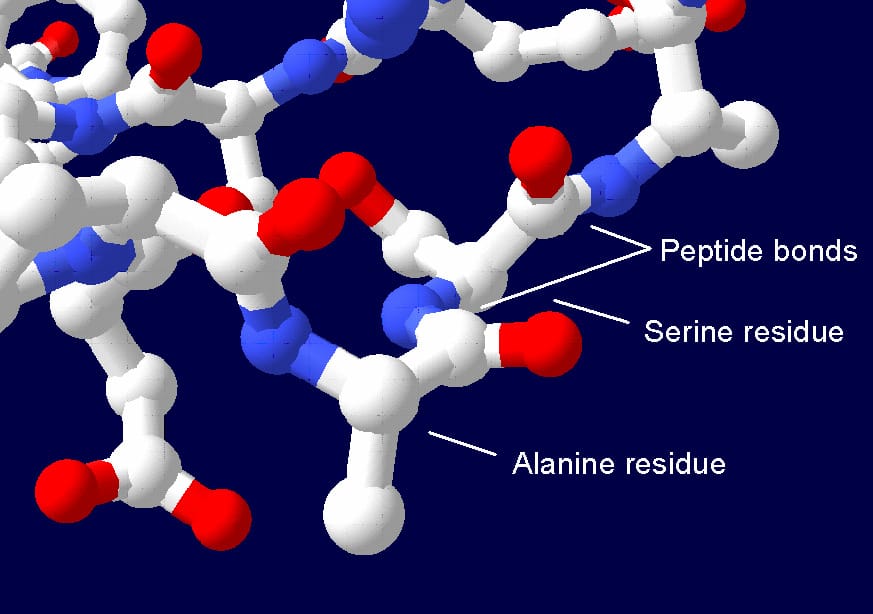
An amino acid has a central carbon bonded to an amino group, a carboxyl group, a hydrogen and a side chain. The side chain is what differs between them, and twenty are used in the genetic code.
The side chains cover a wide range of chemical character: some are electrically charged, some are polar, some repel water, some are small and some bulky, and two can form bridges with each other.
Amino acids join through peptide bonds, formed between the carboxyl group of one and the amino group of the next, releasing water. The result is a chain with a uniform backbone and a specific sequence of side chains projecting from it.
The chain has direction, running from an amino end to a carboxyl end, and the sequence is written in that order.
Primary structure is the sequence of amino acids, specified directly by the gene.
Secondary structure is local folding of the backbone into regular shapes, principally the alpha helix and the beta sheet, held by hydrogen bonds along the backbone. Linus Pauling predicted both from the geometry of the peptide bond before either was observed.
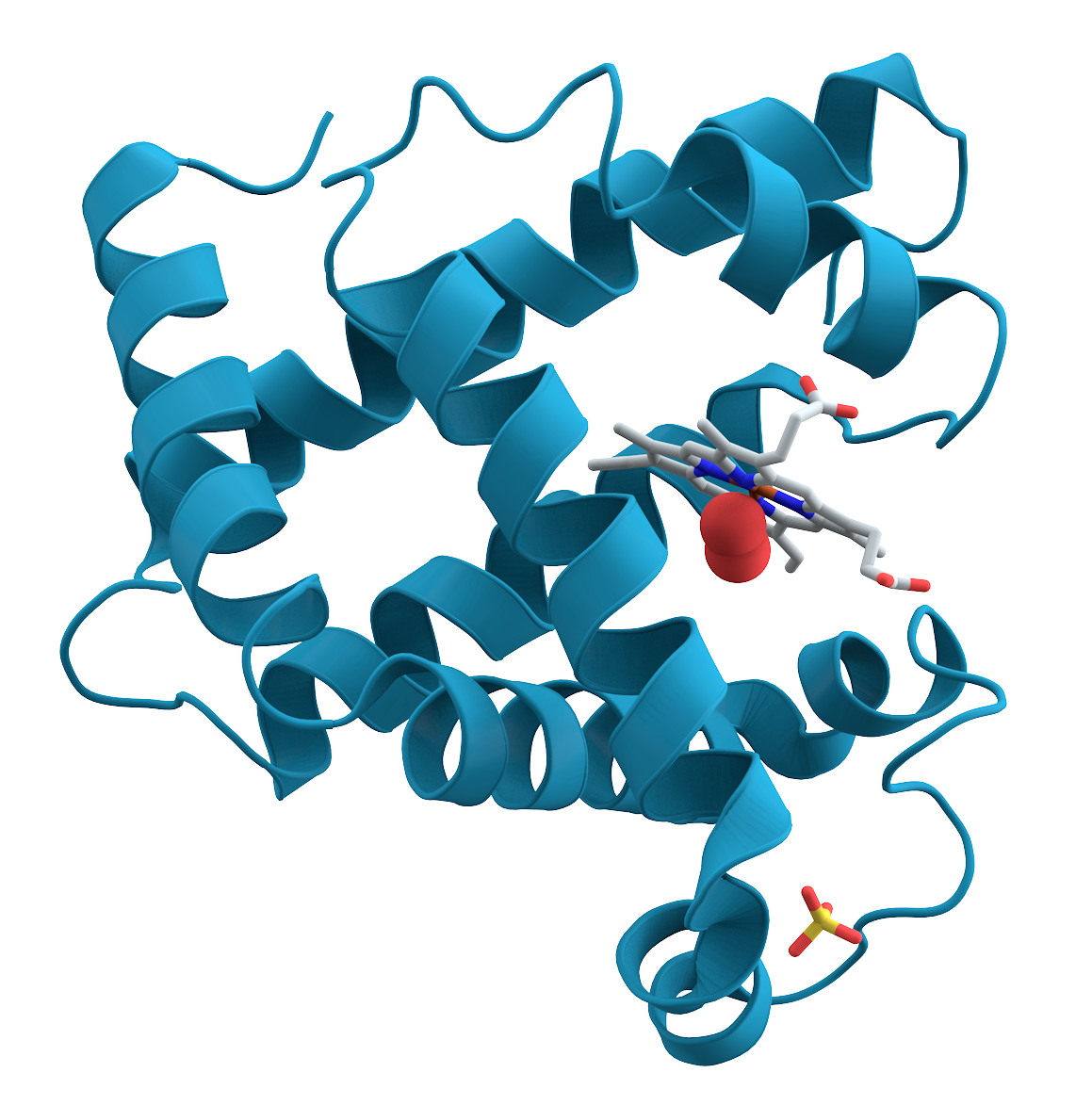
Tertiary structure is the overall three-dimensional shape of the whole chain, determined mainly by interactions between side chains: water-repelling ones cluster inside away from the surrounding water, charged ones pair, and sulfur-containing ones form bridges.
Quaternary structure is the assembly of several chains into one functional unit. Haemoglobin has four.
The central principle is that sequence determines shape and shape determines function. Christian Anfinsen showed that an unfolded protein could refold correctly on its own, which established that the information for the structure is contained in the sequence itself.
Predicting that structure from the sequence proved extremely difficult and is treated in the protein folding capsule.
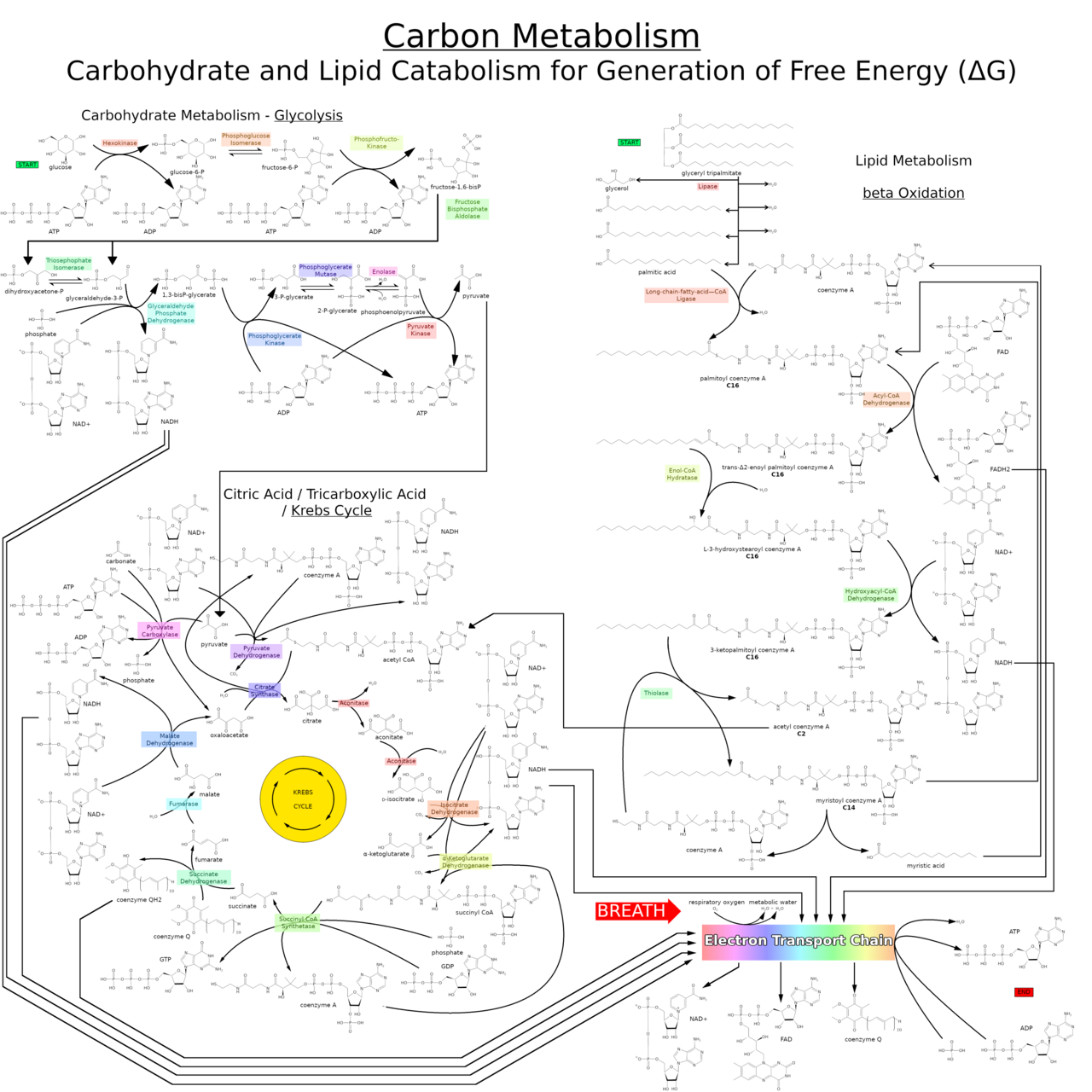
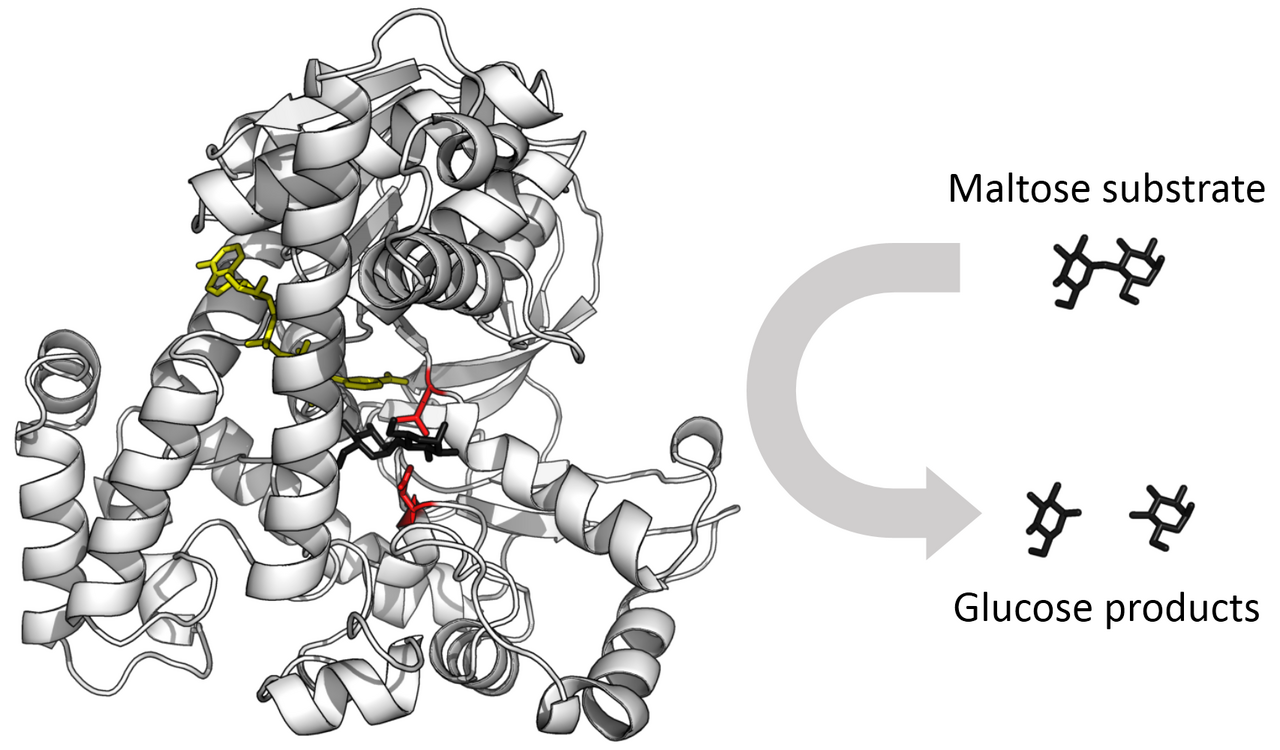
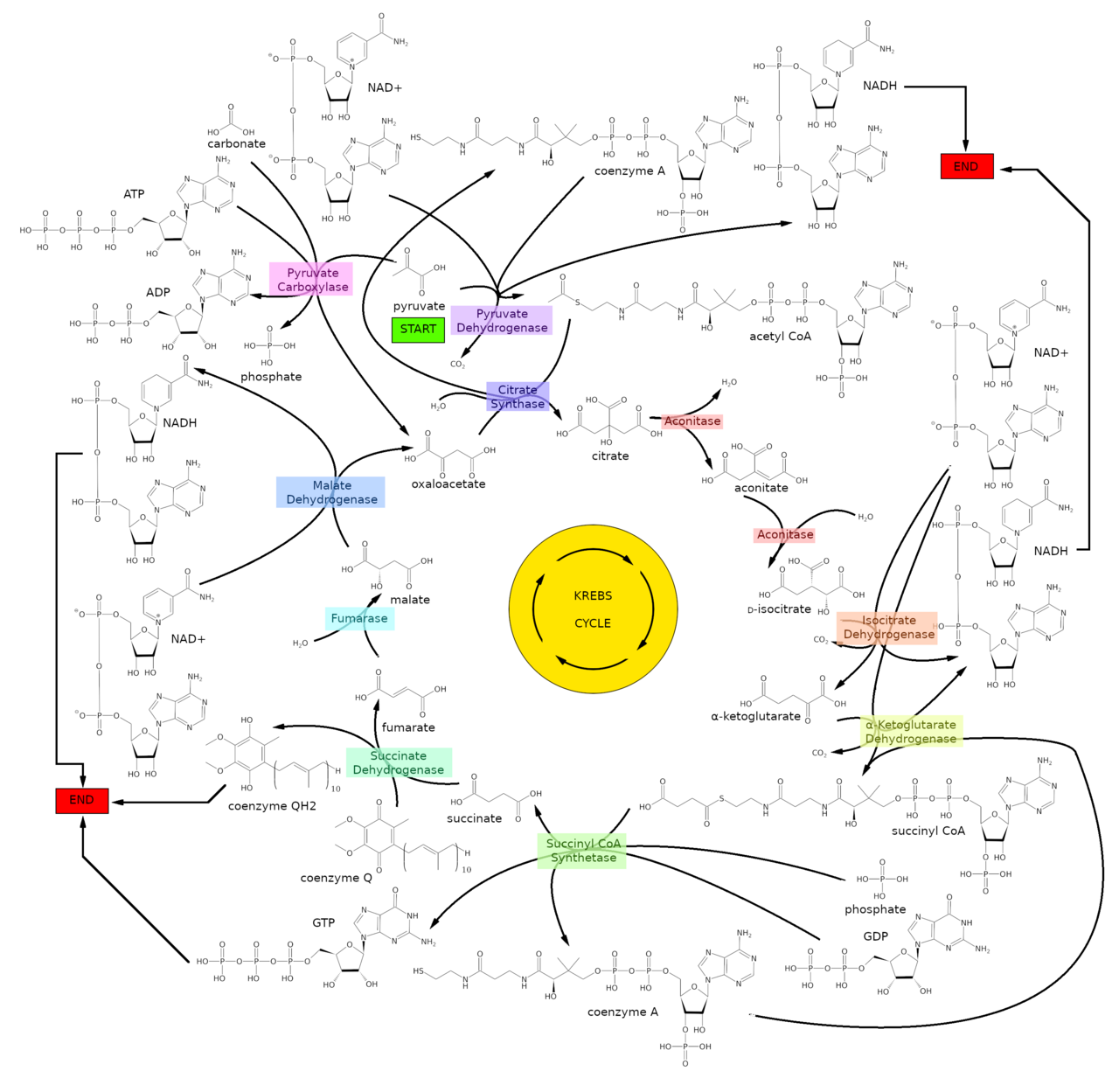
Enzymes catalyse chemical reactions, accelerating them by enormous factors and giving the cell control over which reactions occur. Most cellular chemistry would proceed too slowly to matter without them.
Structural proteins provide mechanical properties: collagen in connective tissue, keratin in hair and nails, and the filaments that give cells their shape.
Transport proteins carry substances, as haemoglobin carries oxygen in blood and membrane transporters move molecules across cell boundaries.
Motor proteins produce movement, including the myosin that drives muscle contraction and the proteins that move cargo along the cell's internal tracks.
Signalling proteins carry and receive messages, including hormones such as insulin and the receptors that detect them.
Defence proteins include antibodies, which bind specific targets with high precision.
Regulatory proteins control which genes are read, which is how a cell with one genome produces different cell types.
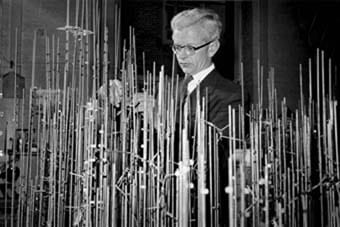
X-ray crystallography, described in the diffraction capsule, was the first method. Max Perutz and John Kendrew determined the structures of haemoglobin and myoglobin in the 1950s, work that took decades and won the 1962 Nobel Prize in Chemistry.
The result surprised its discoverers. Kendrew described the myoglobin structure as more complicated and less regular than any theory had predicted, and its irregularity is precisely what allows proteins to form specific binding sites.
Frederick Sanger had already established, with insulin, that a protein has one exact sequence, described in the insulin capsule.
Nuclear magnetic resonance allows structures of smaller proteins to be determined in solution. Cryo-electron microscopy, which improved dramatically in the 2010s, now resolves large complexes that resist crystallisation.
Computational prediction has advanced substantially, and the relationship between predicted and experimental structures is treated in the protein folding capsule.
A protein that adopts the wrong shape usually loses its function, and sometimes gains a harmful one.
Denaturation is loss of structure through heat, extremes of pH, or certain chemicals. Cooking an egg is denaturation: the proteins unfold and tangle irreversibly.
Misfolding underlies several diseases. In amyloid conditions, proteins aggregate into ordered fibrils that accumulate in tissue. Prion diseases involve a misfolded protein that induces the same misfolding in normal copies, which is transmission of a shape rather than of a genetic sequence.
Cells maintain chaperone proteins that assist correct folding and systems that destroy proteins which cannot be corrected.
Proteins are where genetic information becomes physical action: a gene specifies a sequence, the sequence determines a shape, and the shape does something. Almost every drug in use works by binding a protein, and most disease mechanisms are described in terms of a protein that is absent, overactive, or the wrong shape.