The care of the sick, injured and dependent. Nursing is the largest health profession by a wide margin, its outcomes are measurable and substantial, and its history is inseparable from arguments about who was permitted to do skilled work.
Nursing is distinguished from medicine less by task than by orientation. Medicine is organised around diagnosing and treating disease; nursing is organised around the patient's functioning and response, continuously and over time.
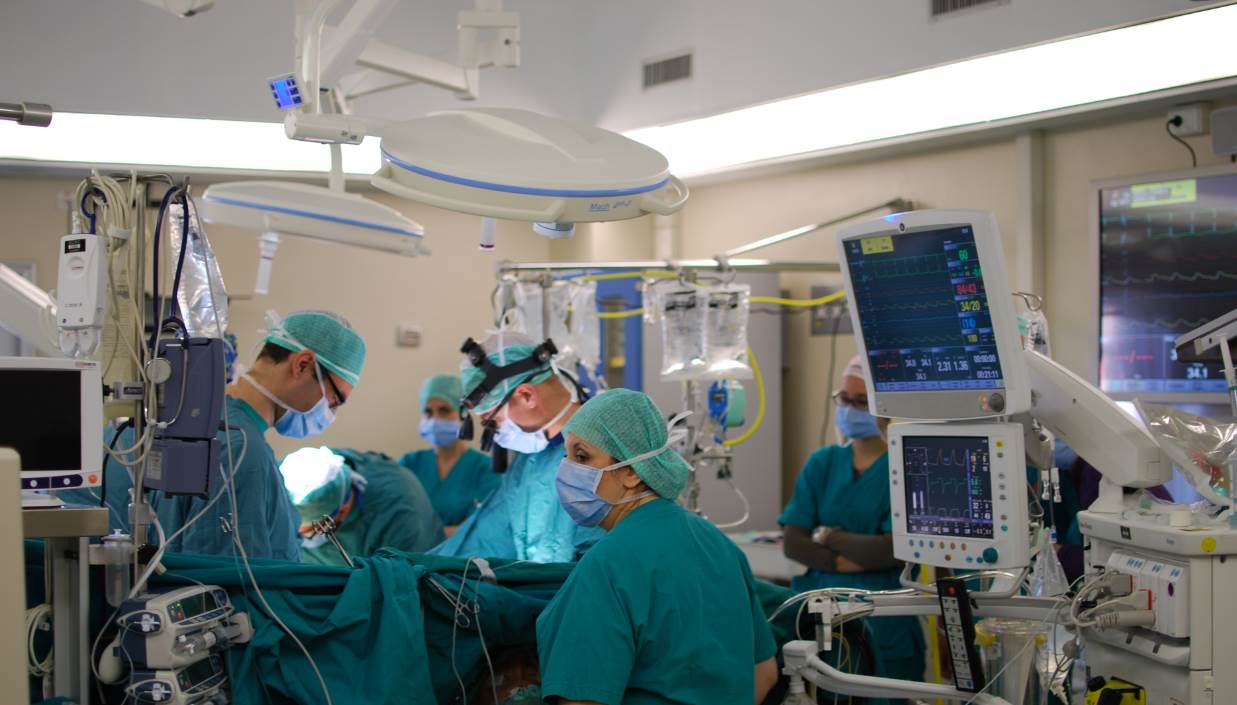
Continuous observation is the substance of it. A nurse is present when a patient deteriorates, and detecting deterioration early is the single largest determinant of whether it is survivable, which is why nurse staffing appears so strongly in outcome studies.
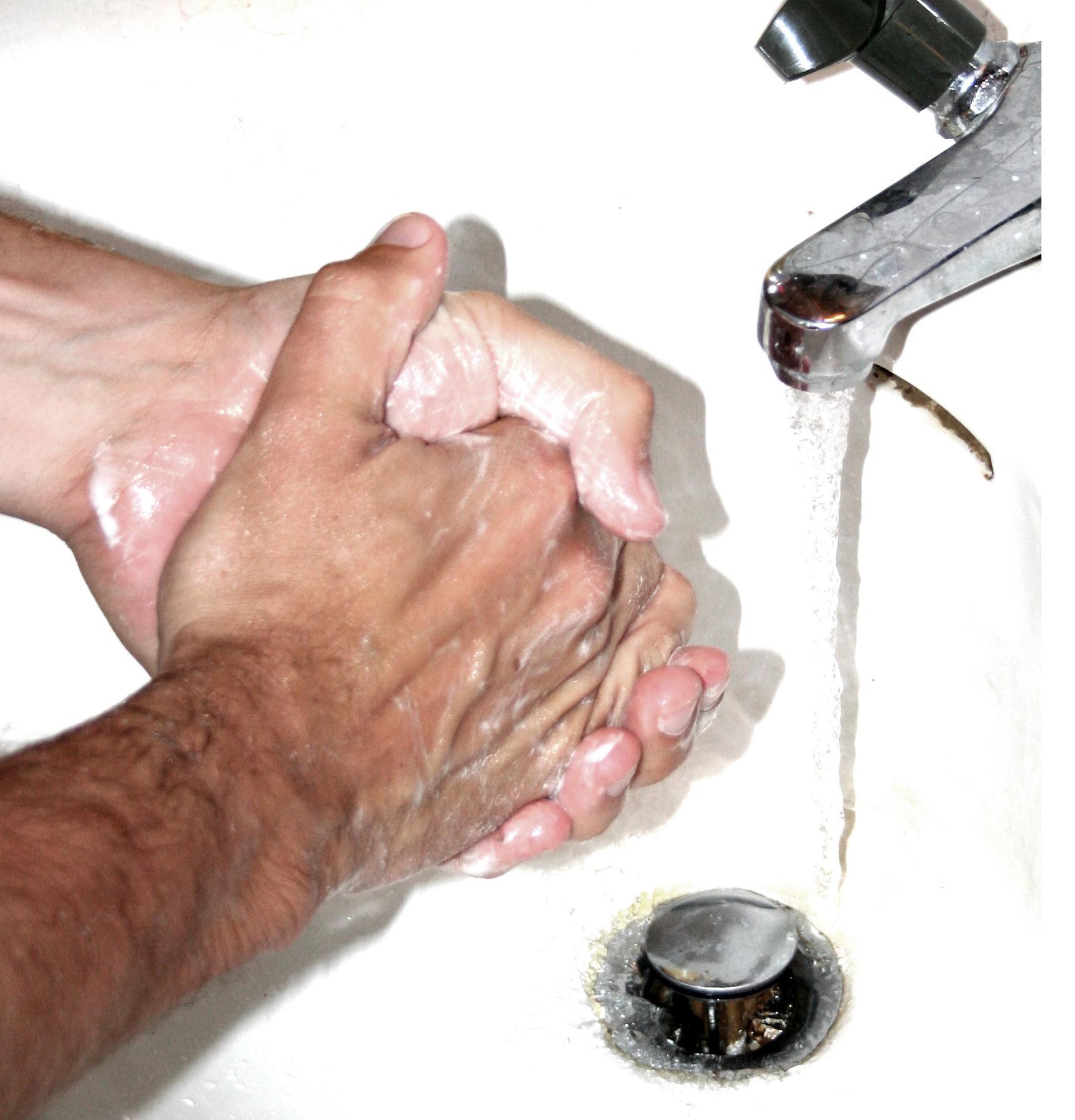
The work includes administering treatment, monitoring, wound and pressure care, mobility, nutrition, hygiene, pain management, education of patients and families, and coordination between everyone else involved.
Scope has expanded substantially. Advanced practice nurses diagnose, prescribe and manage caseloads in many countries, and evidence comparing nurse-led and physician-led care for defined conditions has generally found comparable outcomes and higher patient satisfaction.
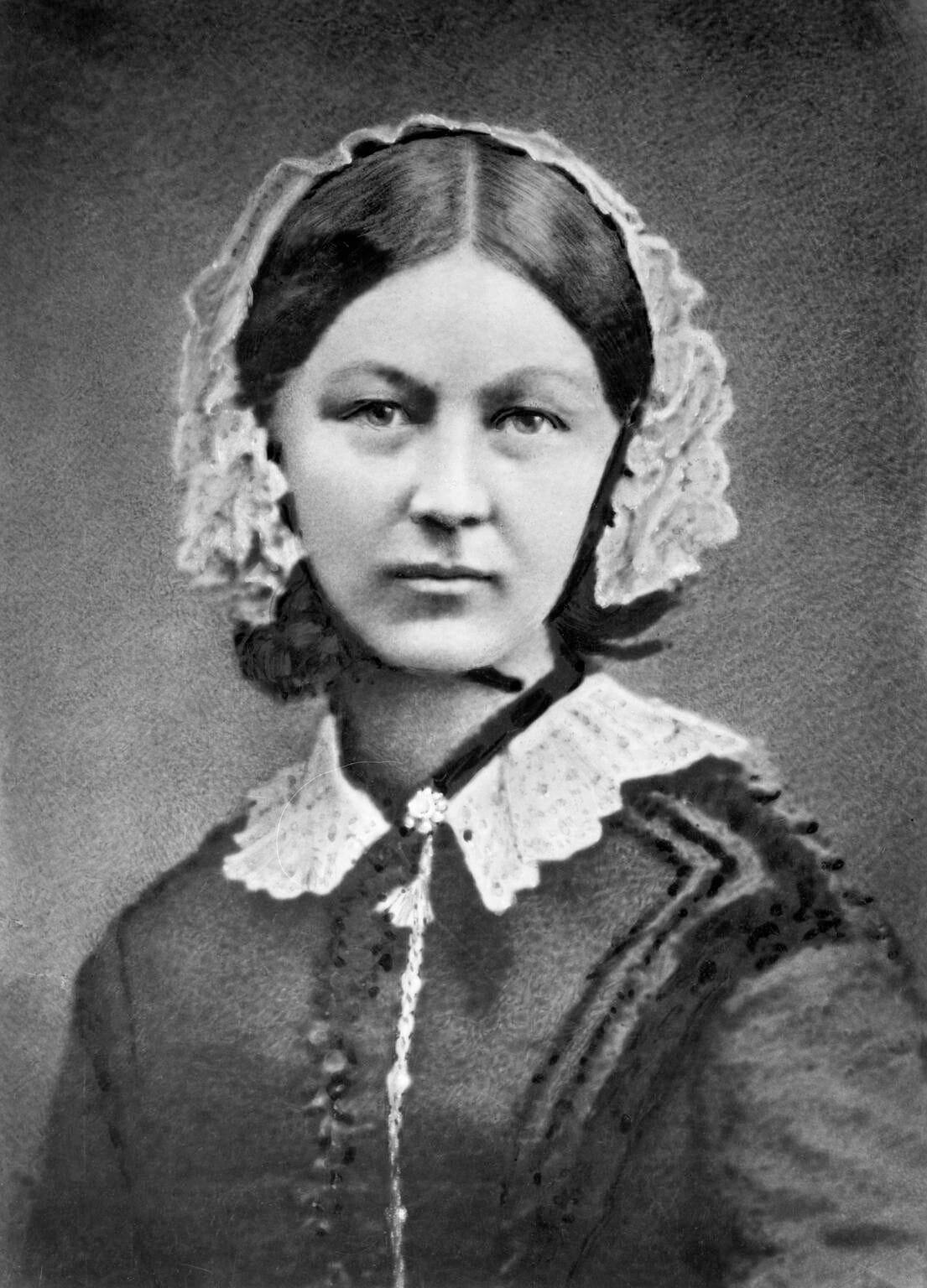
Care of the sick has always existed and was largely domestic, done by women in households, and by religious orders in Europe from the early medieval period.
Monastic and later Catholic nursing orders provided most institutional care in Europe for centuries, and the dissolution of monasteries in England removed a substantial part of the country's care provision.
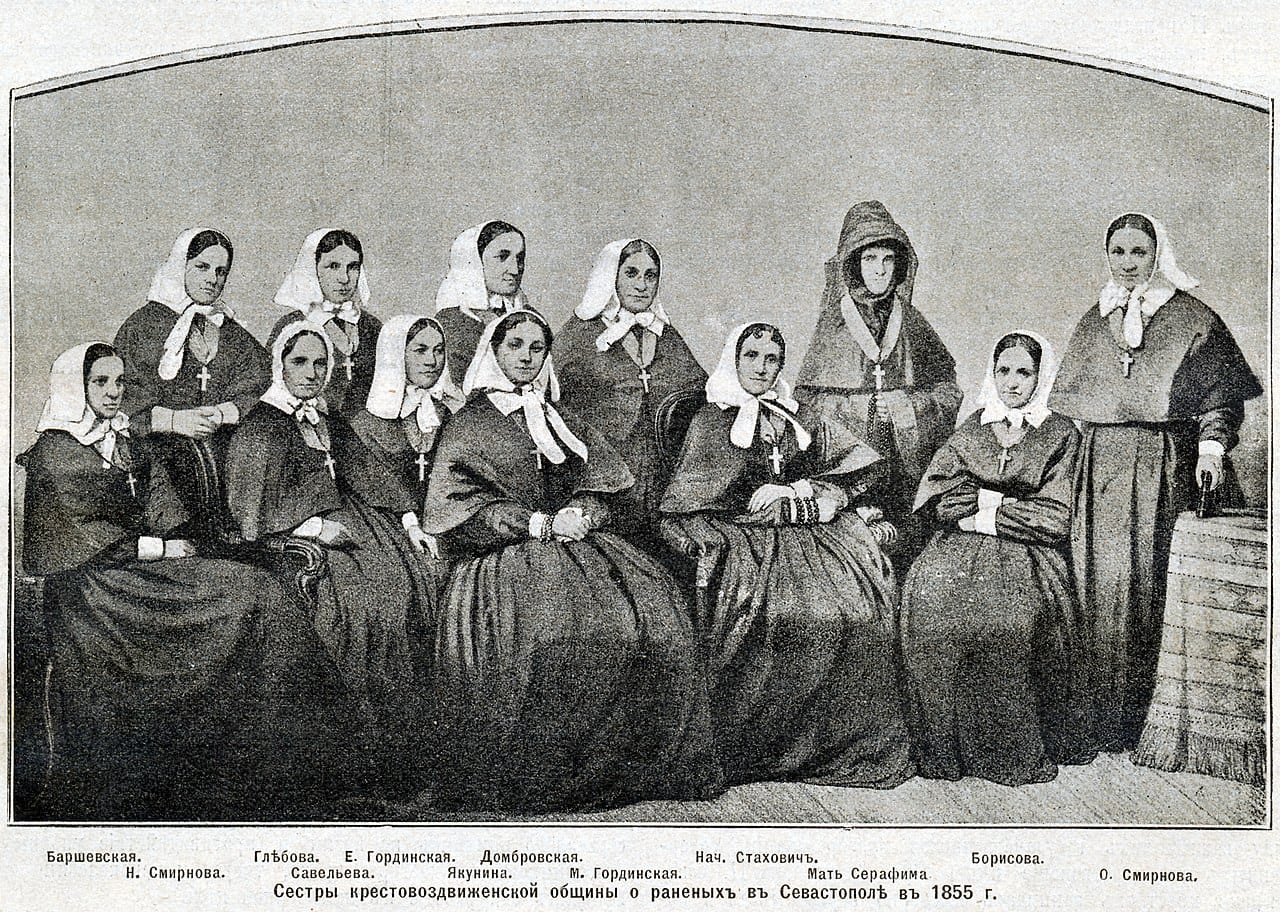
Florence Nightingale went to Scutari during the Crimean War in 1854, and what she did there is frequently misdescribed. Mortality in her hospital initially rose, and it fell dramatically after a sanitary commission improved the drains and ventilation. She recognised this and made the argument statistically.
Her lasting contribution was analytical and institutional. She was an accomplished statistician, elected to the Royal Statistical Society, and her polar area diagrams showing that most deaths were from preventable disease rather than wounds were designed to persuade officials who would not read tables. She then founded a training school at St Thomas's in 1860, which established nursing as a trained profession with a curriculum.
Mary Seacole ran a establishment near the front in the same war, funded independently after her offer to join Nightingale's party was declined, and her recognition has come much more recently.
Nursing orders and secular training schools spread rapidly, and the Red Cross, founded in 1863, built organised nursing into humanitarian and wartime care.
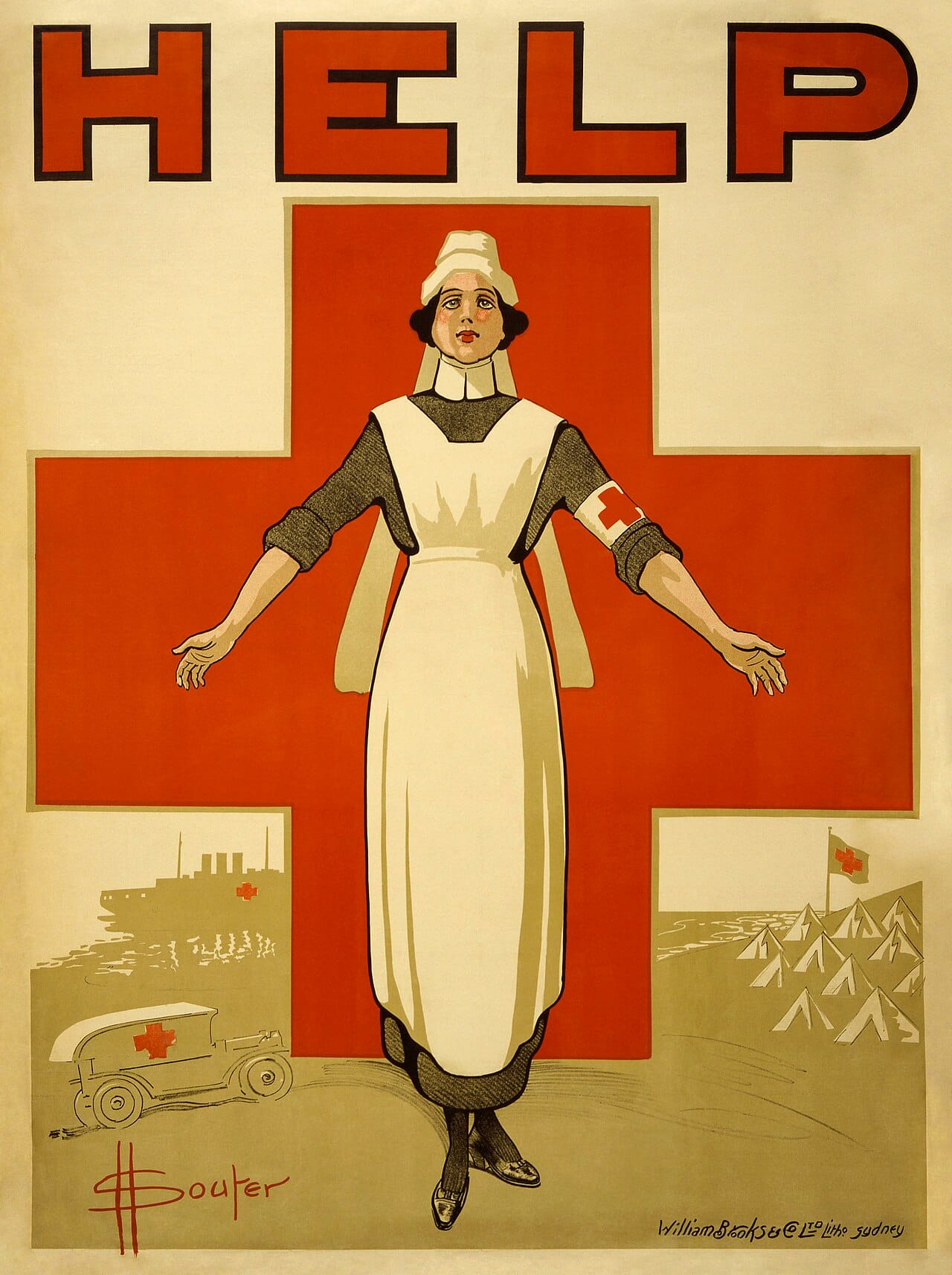
Wars repeatedly expanded the profession. Each major conflict drew large numbers of women into trained nursing and into responsibilities previously withheld, and some of that expansion persisted afterwards.
Registration and licensure followed in the early twentieth century, and university-based education became standard in most high-income countries during the later part of it, which was contested by those who regarded nursing as practical training rather than an academic discipline.
Nurse staffing levels are associated with patient mortality. Large studies across multiple countries have found that higher patient-to-nurse ratios are associated with increased odds of death within thirty days of admission, with each additional patient per nurse associated with a measurable increase.
Education level shows a similar association. A higher proportion of nurses educated to degree level is associated with lower mortality in the same body of research.
Missed care is the proposed mechanism. When staffing is short, the tasks omitted are the ones without immediate consequence, including observations, mobilisation and communication, and the harm appears later as deterioration that was not caught.
These are observational findings and confounding is a genuine concern, since better-resourced hospitals differ in other ways, and the consistency of the association across systems and specifications is what gives it weight.
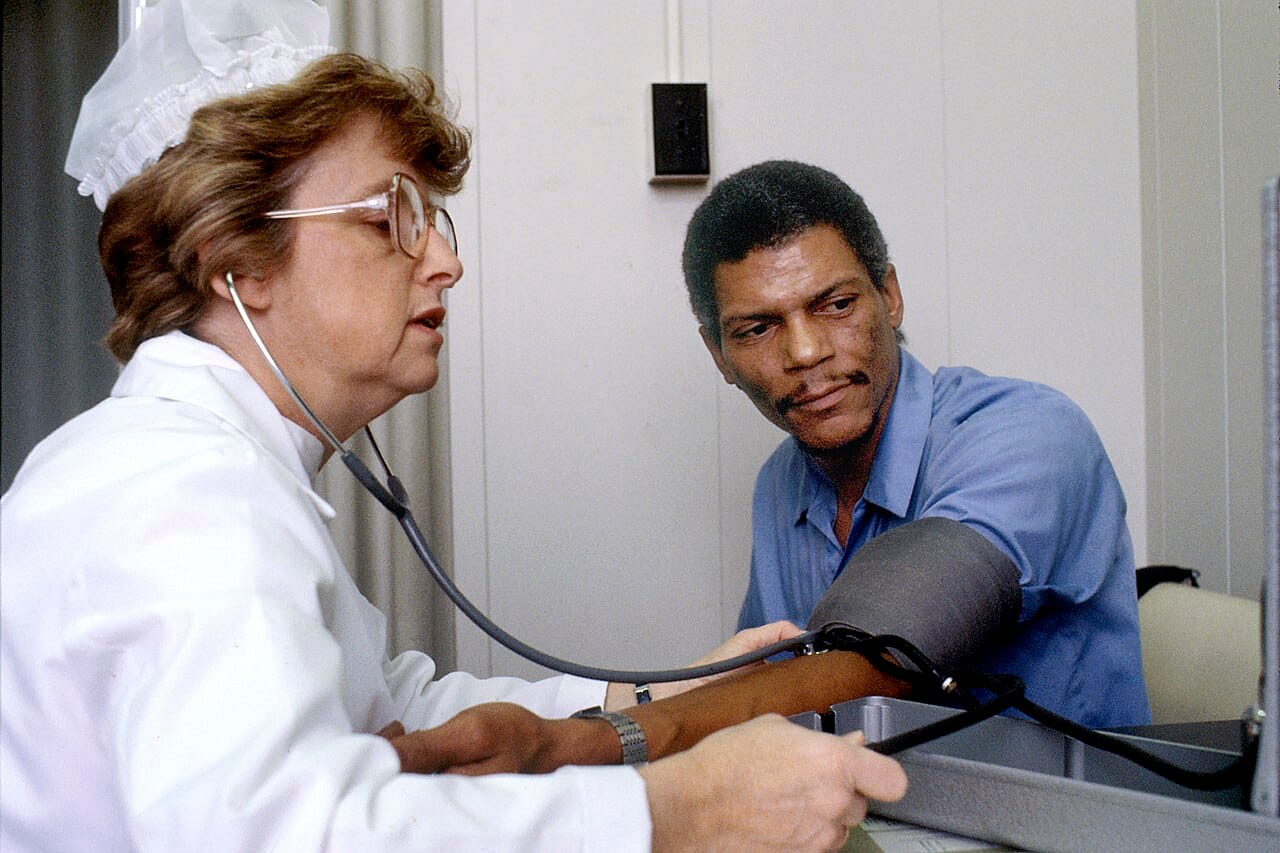
Shortage is global and projected to worsen, with the World Health Organization estimating a shortfall in the millions.
International recruitment fills gaps in wealthy countries by drawing from poorer ones that trained the staff, which transfers the training cost in the wrong direction. Codes of practice on ethical recruitment exist and are weakly enforced.
Retention is frequently a larger problem than recruitment. Departures within the first few years of practice are substantial in many systems, and the reasons given are workload, staffing levels and moral distress rather than pay alone.
Gender shapes the profession's position. Nursing is overwhelmingly female in most countries, and the argument that this is connected to how the work is valued and paid has substantial support and remains politically contested.
Nurse prescribing and independent practice are opposed in some jurisdictions by medical bodies, and the evidence on safety and outcomes has generally not supported the objections.
Nursing is where most healthcare actually happens. Patients spend a small fraction of a hospital stay with a physician and effectively all of it within a nursing service, and the association between staffing and survival is one of the more robust findings in health services research.
The Nightingale story also illustrates something about how reputations form. She is remembered for compassion at a bedside, and her decisive contributions were sanitation, statistics and the founding of formal training, which is a more useful legacy and a less comfortable one.