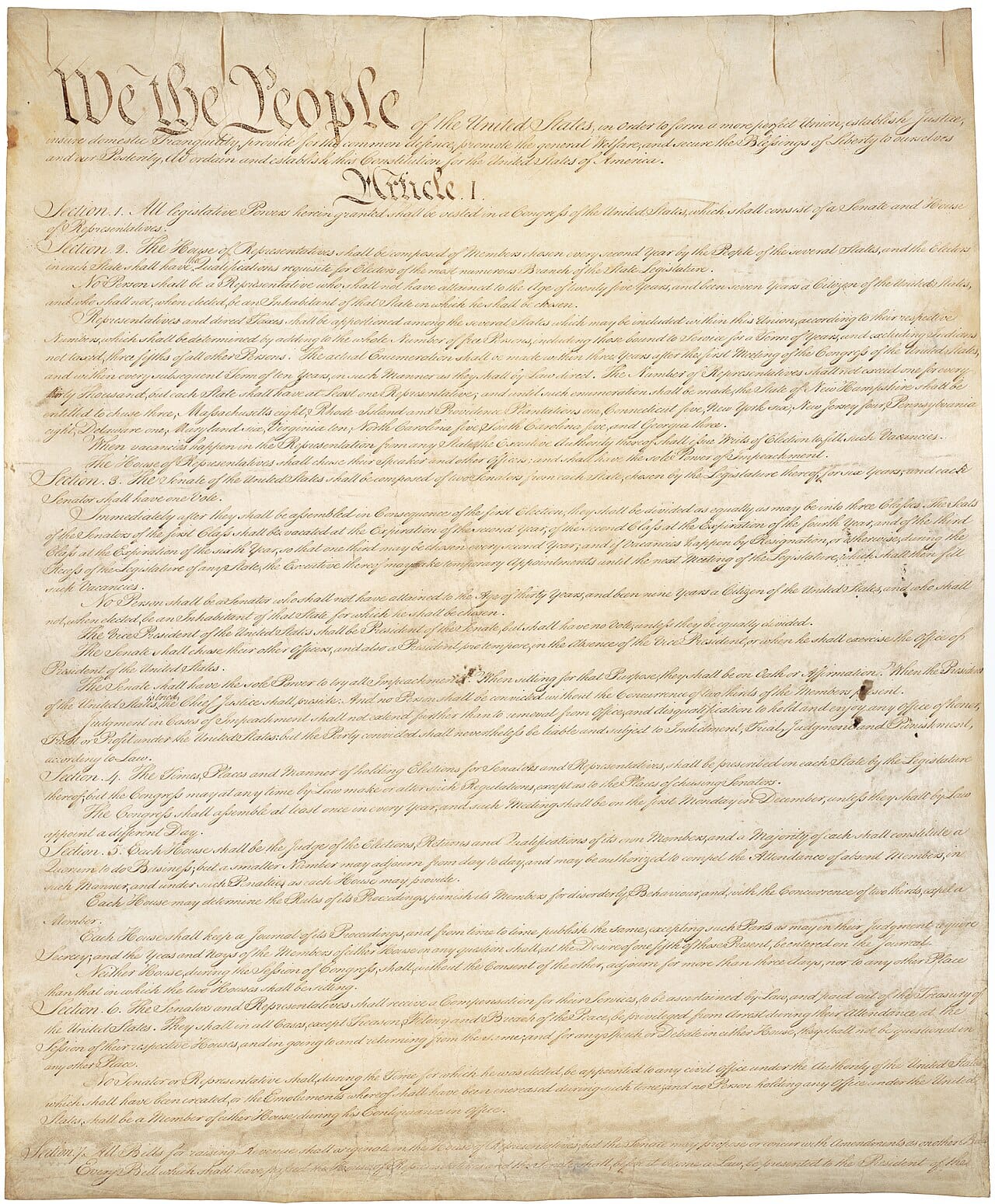
The central question in the philosophy of law is whether an unjust law is still law. Natural law theory says that at some point it is not: law and morality are connected, and a sufficiently wicked enactment forfeits its authority. Legal positivism says the two are separate questions: what the law is and what it ought to be are different, and a bad law is still law until it is changed. The disagreement is ancient and has never been settled.
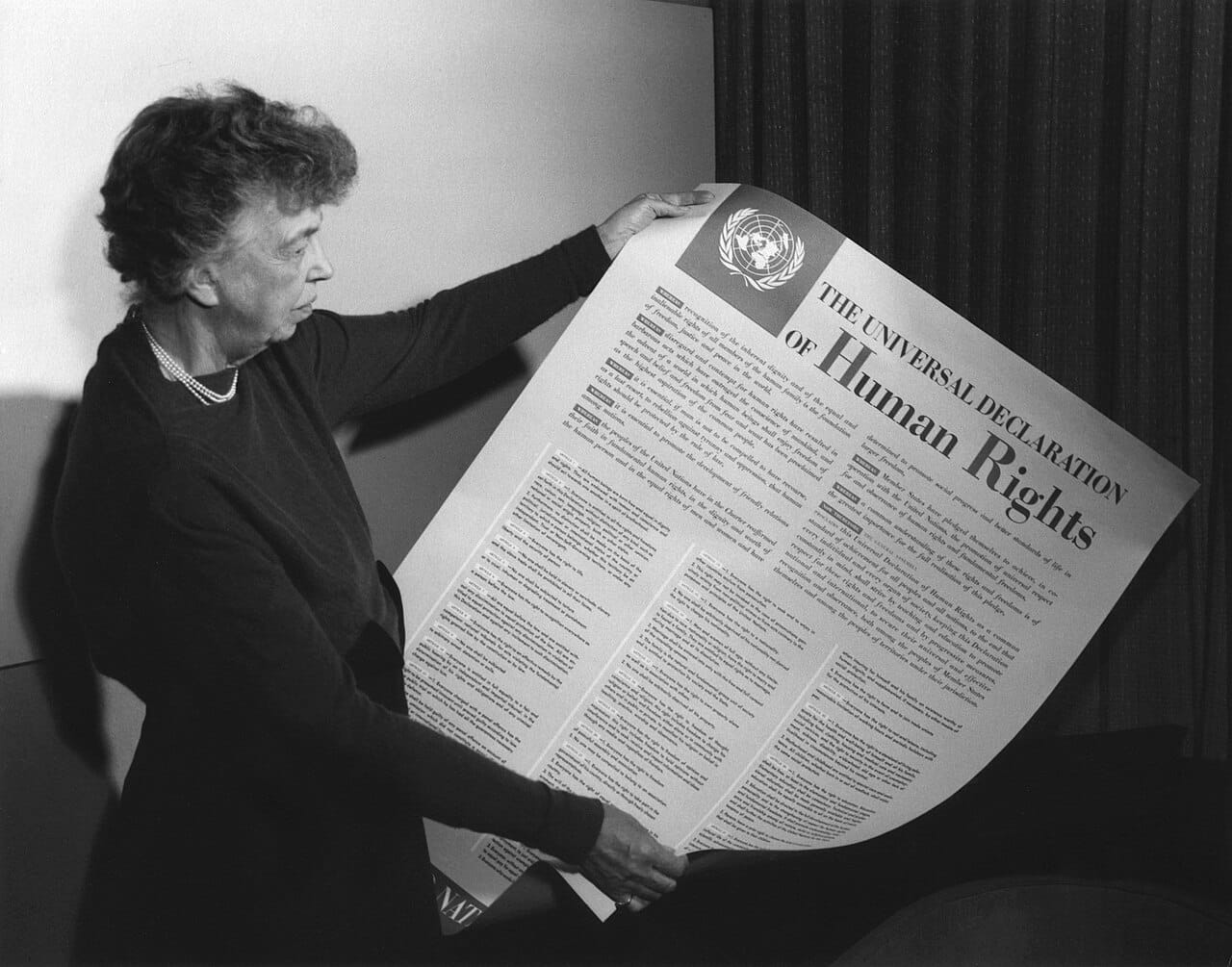
The tradition runs from Aristotle and the Stoics through Cicero to Thomas Aquinas, who set out the classic statement in the thirteenth century: human law derives its force from natural law, which is accessible to reason, and a law that conflicts with it is not law but a corruption of law. The tradition continued through Grotius and Locke into the language of natural rights, and it is audible in the American Declaration of Independence and in the modern idea of human rights that exist whether or not any legislature recognises them.

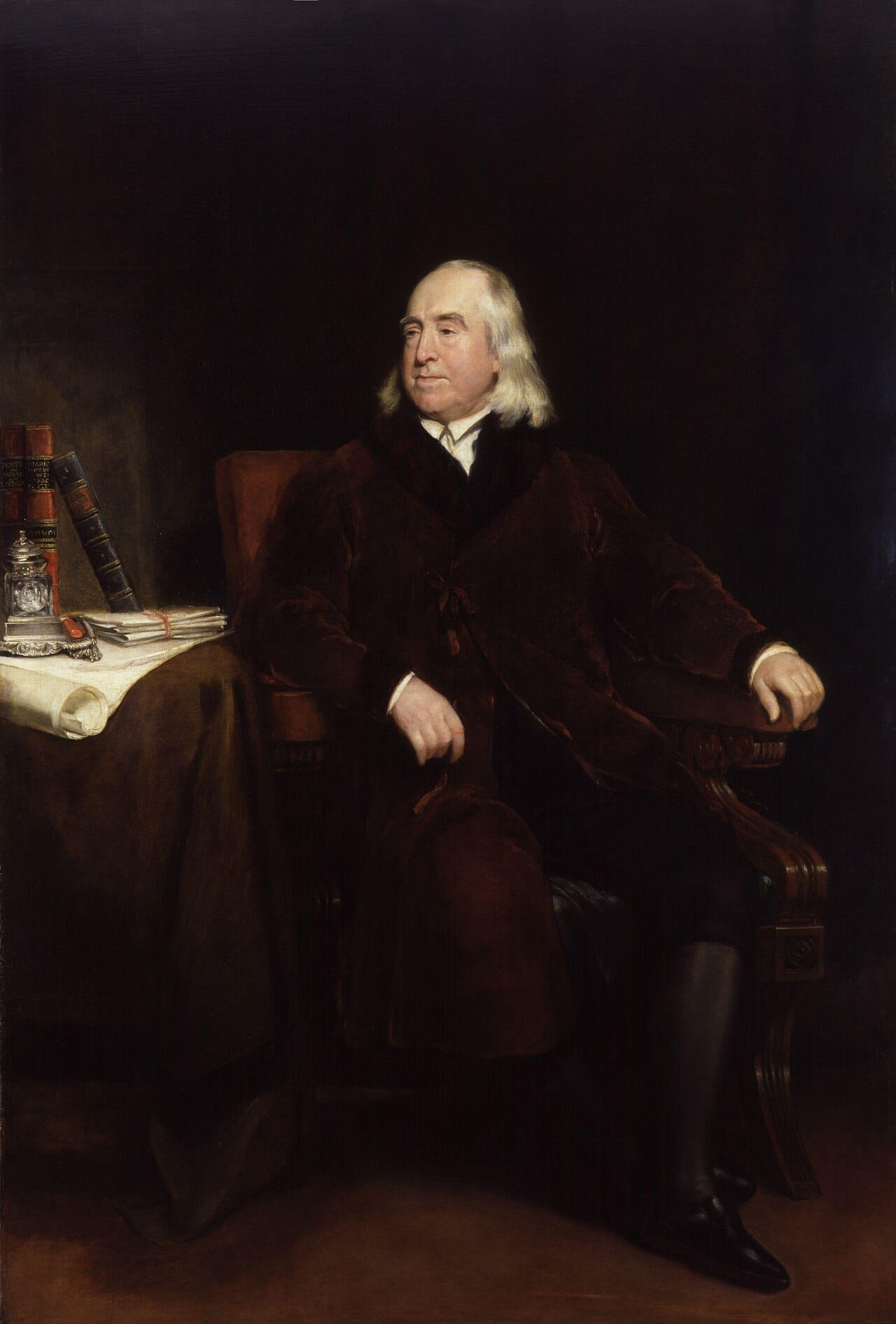
Positivism separates the two questions. Jeremy Bentham dismissed natural rights as nonsense upon stilts and insisted that law is a human artefact, made by identifiable people through identifiable procedures. John Austin held that law is the command of a sovereign backed by sanction. H. L. A. Hart, whose Concept of Law of 1961 is the field's most influential modern statement, replaced the command theory with a system of rules, including a rule of recognition by which a community identifies what counts as law.
Hart was careful about what positivism does and does not claim. It does not say that law and morality never overlap, nor that immoral laws should be obeyed. It says that whether something is law is a factual question about social practice, and that keeping this separate from whether it deserves obedience makes moral criticism of law clearer rather than weaker.
The argument was sharpened by the problem of Nazi law. After the war, German courts confronted people who had informed on others under statutes that were validly enacted and monstrous. Gustav Radbruch, a positivist before the war, concluded that extreme injustice is not law. Lon Fuller argued against Hart that law has an internal morality, a set of procedural requirements including generality, publicity, clarity, and non-retroactivity, and that a system failing them badly enough is not a legal system at all.
Hart replied that calling the statutes invalid is a confusion that makes the moral judgement less clear rather than more. His preferred answer was to say plainly that these were laws, that they were too evil to obey, and that a retroactive statute punishing the informers was the honest remedy, with its own costs openly acknowledged, rather than pretending the law had never existed.
Ronald Dworkin later attacked positivism from a third direction, arguing that law includes principles as well as rules, and that judges deciding hard cases necessarily reason morally, so the separation cannot be maintained even descriptively. Positivism has developed in response, splitting into versions that do and do not allow moral criteria into the rule of recognition.
The dispute is not merely academic. It shapes how judges describe what they are doing, whether international human rights law binds states that reject it, and what a court should say when asked to enforce a valid statute that it considers unjust.