The surgical severing of connections to the frontal lobes as a treatment for mental illness. It was performed on tens of thousands of people between the mid-1930s and the 1950s, its inventor received a Nobel Prize, and it was never supported by a controlled trial.
Isolated attempts to treat mental illness surgically date to the late nineteenth century and were abandoned as unsuccessful.
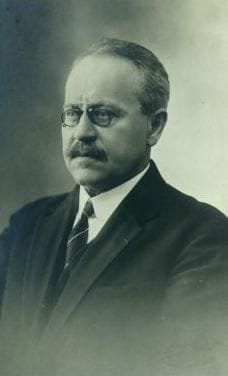
The modern procedure begins in 1935. The Portuguese neurologist António Egas Moniz, aware of reports that removing the frontal lobes made two chimpanzees less prone to frustration, proposed that cutting connections between the frontal lobes and the rest of the brain would relieve severe agitation and obsessional states. He and the surgeon Almeida Lima carried out the first operations that year, calling the procedure leucotomy.
Moniz reported improvement in a majority of his first twenty patients. The assessment was made by him, shortly after surgery, without comparison to any untreated group and without standardised measures.
The American neurologist Walter Freeman took up the procedure with James Watts and promoted it energetically. From 1946 Freeman adopted a transorbital approach, reaching the frontal lobes through the thin bone above the eye socket with an instrument resembling an ice pick, driven with a mallet.
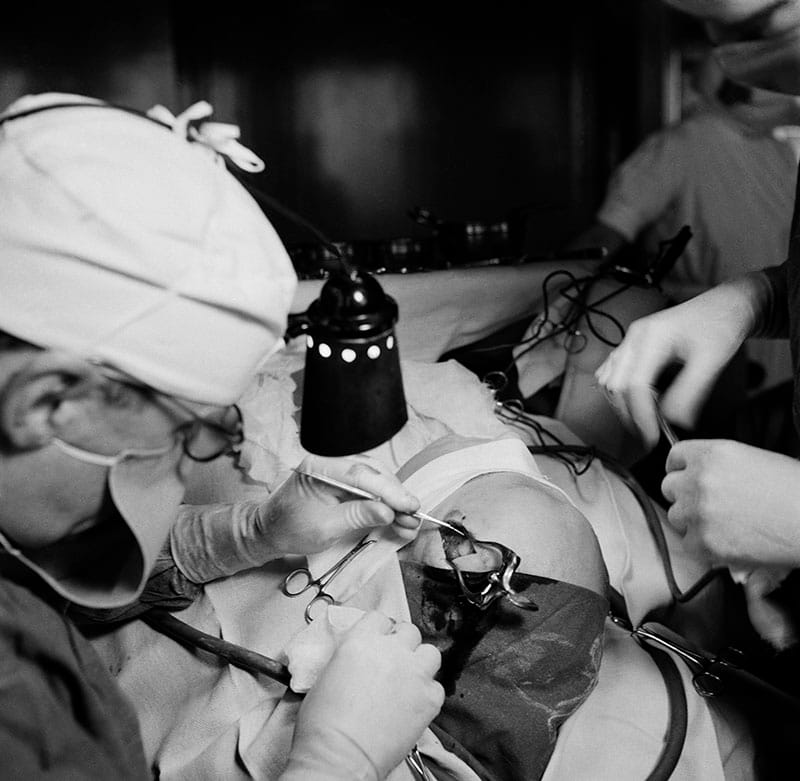
The transorbital version required no operating theatre, no surgeon and no general anaesthesia, since the patient was rendered unconscious by electroconvulsive shock. Freeman performed it in offices and in state hospitals, at times on many patients in a single day. He personally carried out around three thousand.
Estimates put the total in the United States at roughly forty thousand to fifty thousand, with tens of thousands more elsewhere, particularly in the United Kingdom and Scandinavia.
Moniz received the Nobel Prize in Physiology or Medicine in 1949. The award has never been rescinded.
The procedure was adopted and disseminated without the evidence that would be required for any comparable intervention today.
There were no randomised controlled trials. Outcomes were reported by the surgeons who performed the operations, usually without blinding, without validated instruments, and often within weeks of surgery, before the longer-term picture could emerge.
The definition of improvement was the central problem. Patients frequently became quieter and easier to manage, and this was recorded as success. Reduced agitation in an overcrowded institution was a real administrative benefit and it is not the same thing as recovery.
The costs were substantial and were reported inconsistently. Documented consequences included blunted emotional response, loss of initiative and planning ability, disinhibition, incontinence, seizures, and in a proportion of cases death. Later follow-up studies, once they were done, found that many patients required continued institutional care.
When comparisons with untreated patients were eventually attempted, the advantage was small or absent for most indications.
Rosemary Kennedy, sister of the future president, was left permanently incapacitated by the operation in 1941 at the age of twenty three. Her case is widely known and is representative of outcomes that were not systematically recorded at the time.
The context does not excuse the evidentiary failure, and it explains the adoption.
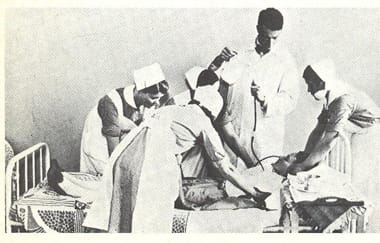
Asylums in the 1930s and 1940s held enormous populations in conditions that were frequently appalling, and psychiatry had no effective treatment for severe psychotic illness. Insulin coma therapy and chemically induced convulsions were introduced in the same period and on similarly thin evidence.
Families and clinicians faced a choice between a drastic intervention and indefinite institutionalisation, which is a situation in which the threshold for evidence tends to fall rather than rise. The procedure was also endorsed by prominent figures and reported enthusiastically in the press.
Decline came mainly from a better alternative. Chlorpromazine entered use in the early 1950s and could reduce psychotic symptoms without surgery, and the operation fell away over the following decade. Growing criticism from within psychiatry and legal restrictions followed.
Psychosurgery has not vanished, and the distinction matters.
A small number of procedures are performed today for severe, treatment-resistant obsessive compulsive disorder and depression, using stereotactic targeting of specific circuits, or deep brain stimulation, which modulates activity through implanted electrodes and is adjustable and reversible in a way that cutting is not.
These are rare, are subject to formal ethical review and informed consent, are limited to patients who have failed established treatments, and are supported by trial evidence. They are a different practice from what preceded them, and citing them to rehabilitate the lobotomy misstates both.
Lobotomy is the strongest single argument for the trial standards that govern medicine now. Every failure that later regulation was designed to prevent is present in it: uncontrolled outcome assessment by the intervening clinician, an outcome measure that suited the institution rather than the patient, absent long-term follow-up, and consent that was frequently obtained from relatives or not at all.
It also shows that professional recognition is not evidence. The procedure was honoured at the highest level while its evidence base was, by any modern standard, absent.