The body's response to injury or infection, producing redness, heat, swelling and pain. It is protective and necessary, and when it persists without resolution it becomes the mechanism of a large share of chronic disease.
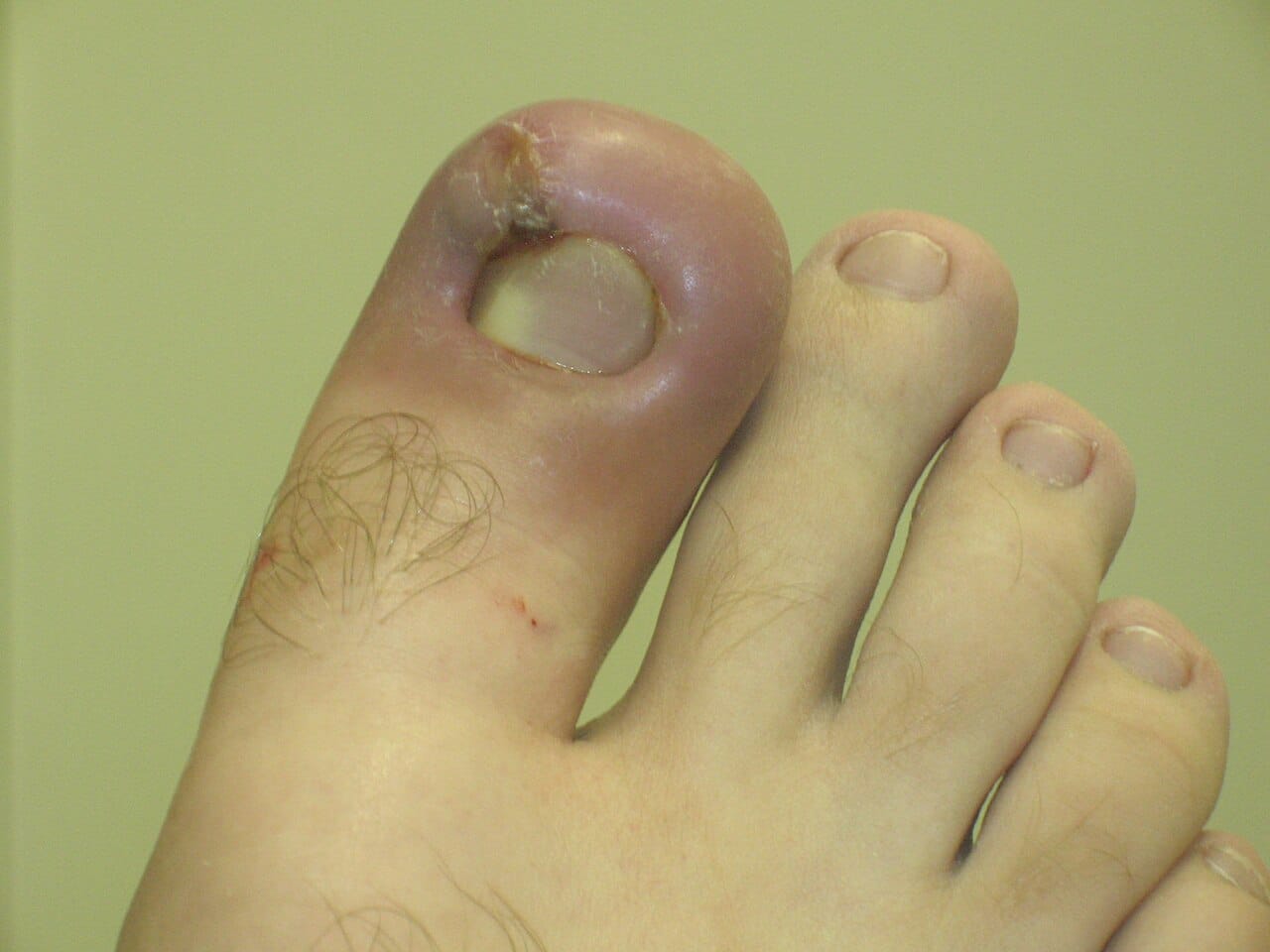
Aulus Cornelius Celsus described four signs in the first century: redness, heat, swelling and pain. A fifth, loss of function, was added later.
Each follows from the same underlying change. Blood vessels near the site dilate, increasing flow, which produces redness and heat. They also become more permeable, allowing fluid and proteins into the tissue, which produces swelling. Pressure from that swelling, together with chemical mediators acting on nerve endings, produces pain.
The purpose of the changes is delivery. Increased flow and permeability bring immune cells, antibodies and clotting factors to the site, and the pain enforces rest of the injured part.
Acute inflammation develops within minutes to hours and resolves within days.
Recognition comes first. Damaged cells and invading organisms release molecules that resident immune cells detect, triggering the response.
Mediators are released, including histamine, prostaglandins and cytokines, which produce the vascular changes and recruit further cells.
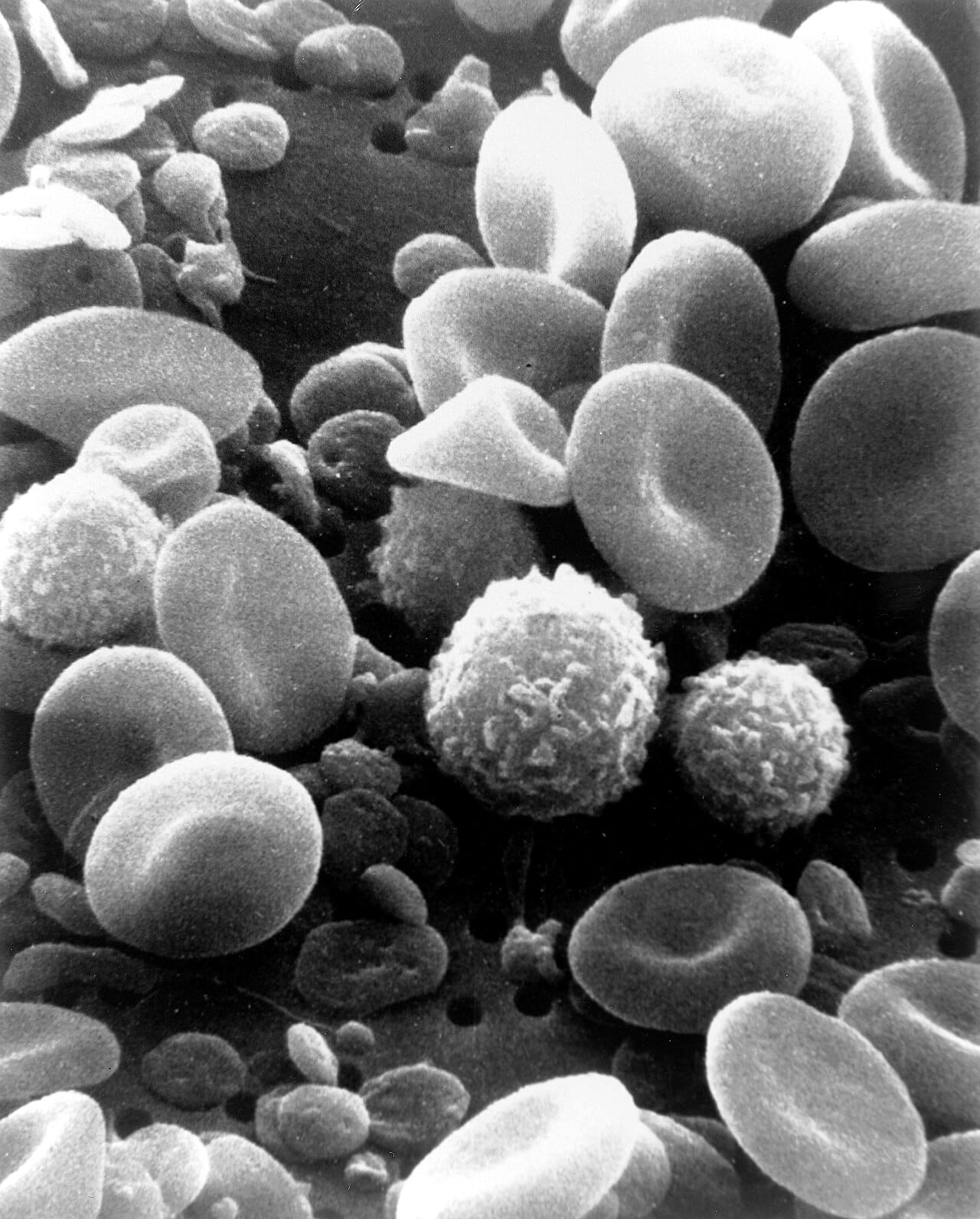
Neutrophils arrive first, in large numbers, and engulf and destroy microorganisms. Pus is largely accumulated neutrophils, dead and alive, with tissue debris.
Macrophages follow, clearing debris and dead neutrophils, and releasing signals that shift the process toward repair.
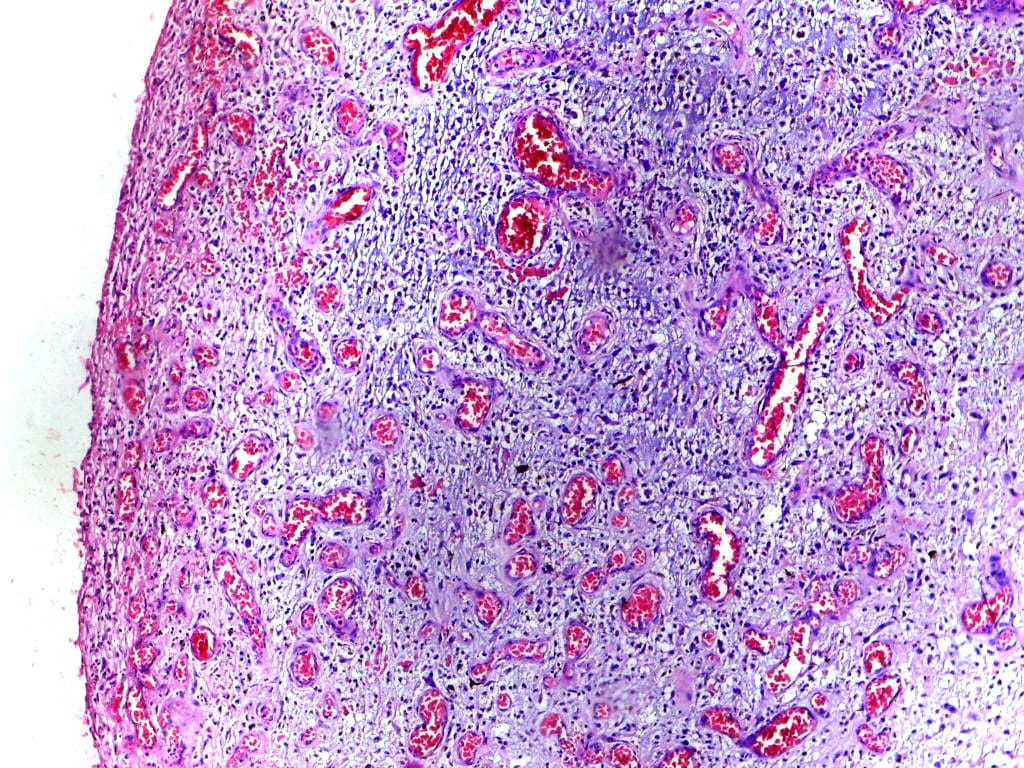
Resolution is active rather than passive. Specific signalling molecules terminate the response, macrophages switch to a repair phenotype, and tissue is either restored or replaced by scar. The recognition that resolution is driven rather than merely running out has changed how the process is understood.
Chronic inflammation occurs where the cause persists, where the resolution phase fails, or where the target is inappropriate.
Its cellular character differs from the acute form, with macrophages and lymphocytes rather than neutrophils, and simultaneous destruction and attempted repair, which produces fibrosis.
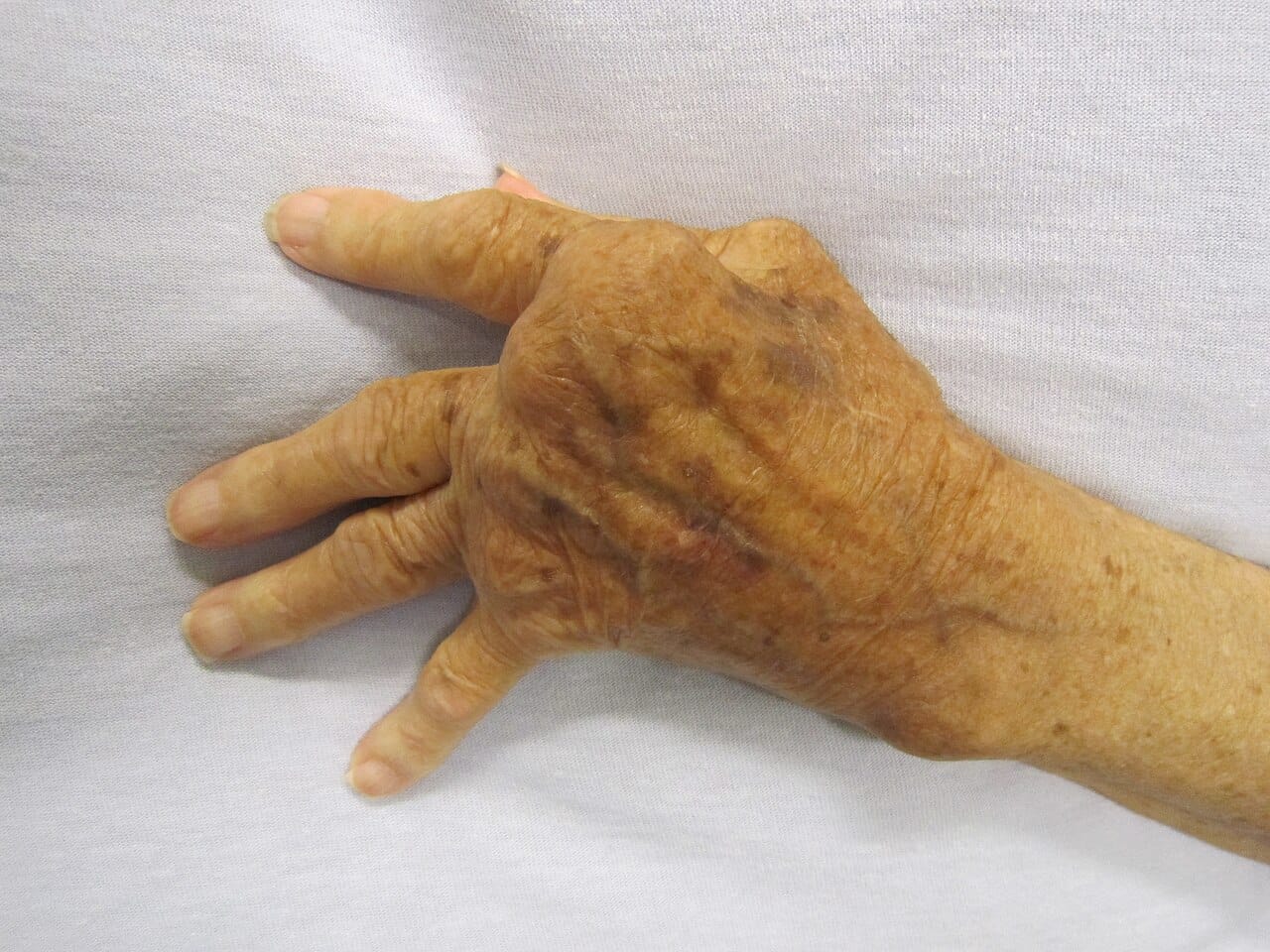
Autoimmune disease is inflammation directed at the body's own tissue, as in rheumatoid arthritis and inflammatory bowel disease.
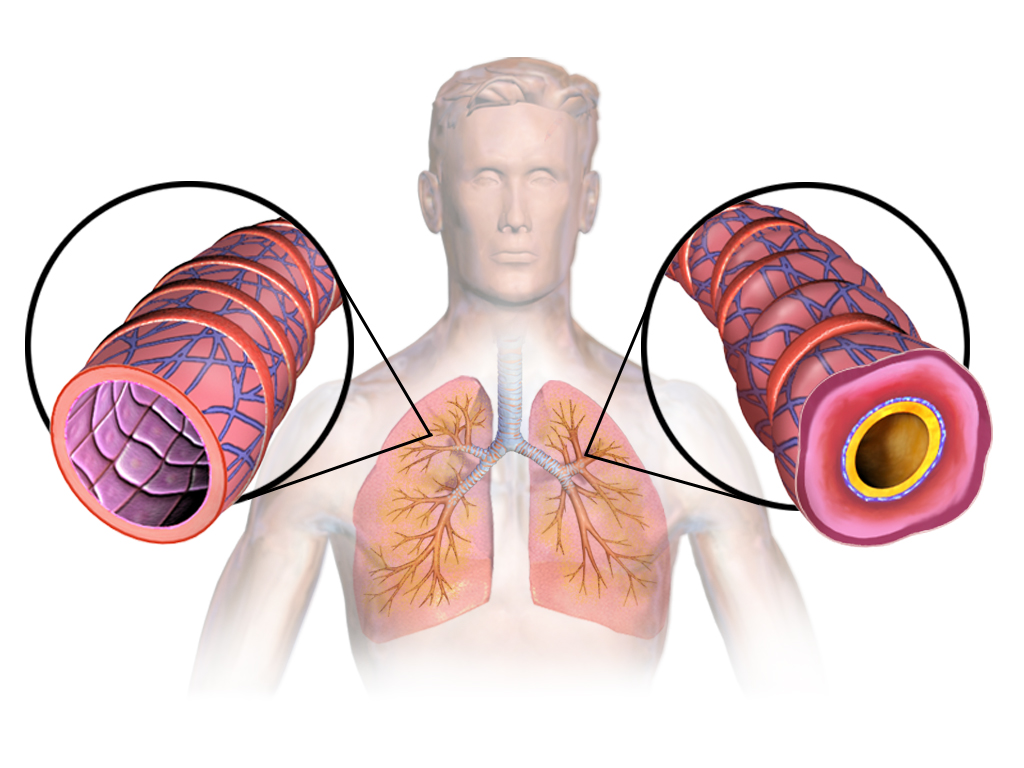
Allergy is inflammation directed at something harmless, as in asthma and hay fever.
Persistent infection or irritant produces chronic inflammation where the stimulus cannot be cleared, as with certain infections or inhaled particles.
The involvement of inflammation in conditions not previously regarded as inflammatory is among the more consequential shifts in medicine over recent decades.
Atherosclerosis is now understood as an inflammatory process in the artery wall rather than passive accumulation of lipid, and a large trial published in 2017 found that an anti-inflammatory antibody reduced cardiovascular events without affecting cholesterol, which supported the mechanism directly.
Cancer has an established relationship with chronic inflammation, and several cancers arise in tissue subject to long-term inflammation, including from viral hepatitis and from Helicobacter pylori as described in the stomach ulcers capsule.
Metabolic disease involves low-grade inflammation of adipose tissue, which contributes to insulin resistance.
Neurodegenerative disease involves inflammatory activation of brain immune cells, though whether this is cause or consequence is disputed.
The phrase chronic low-grade inflammation is used for the persistent mild elevation of inflammatory markers associated with obesity, inactivity and ageing. The association is real and the causal direction is frequently overstated in popular accounts, and the inflammatory hypothesis of depression capsule sets out a case where the claim holds only for a subgroup.
Non-steroidal anti-inflammatory drugs, including aspirin and ibuprofen, block the enzymes producing prostaglandins, reducing pain, swelling and fever.
Corticosteroids suppress inflammation broadly and powerfully, and their side effects follow from that breadth.
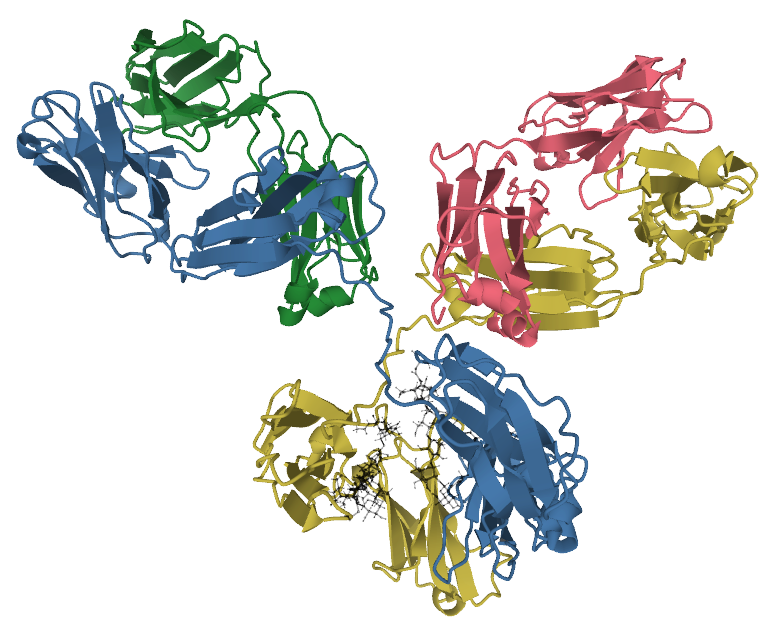
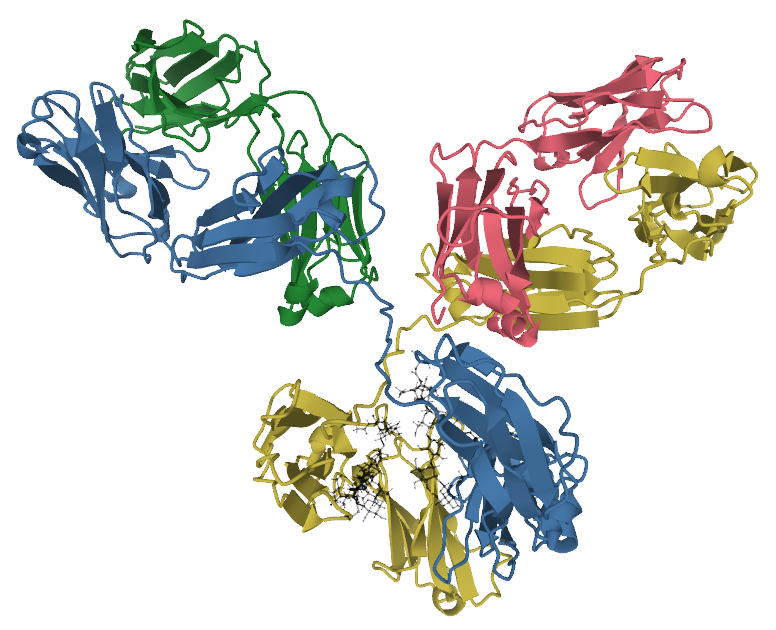
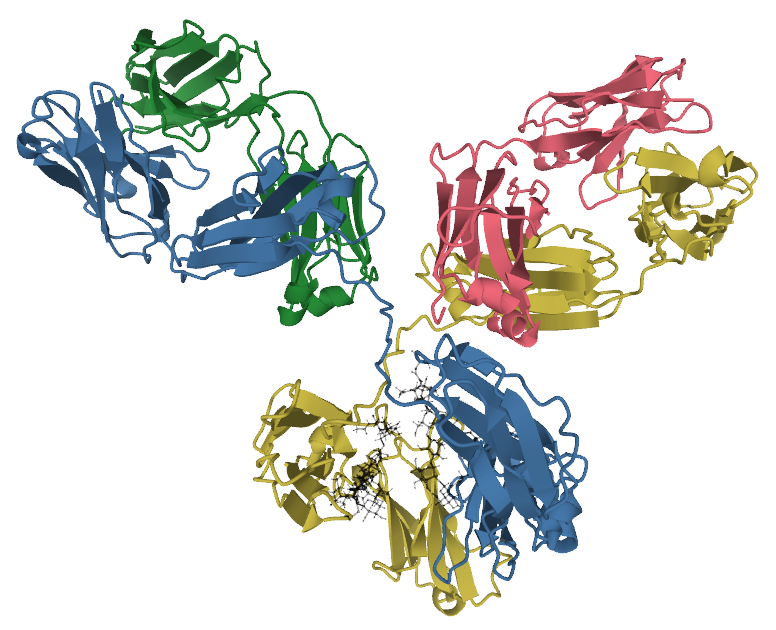
Biologic drugs target individual mediators, and the monoclonal antibodies capsule describes the class. Blocking a single cytokine transformed treatment of rheumatoid arthritis and several other conditions.
The general difficulty is that inflammation is protective. Suppressing it increases susceptibility to infection, which is why every effective anti-inflammatory carries that risk, and why the aim is modulation rather than elimination.
Inflammation is the response that makes recovery from injury and infection possible, and describing it as harmful misstates what it is for.
Its importance now lies in the recognition that a mechanism evolved for short-term defence causes damage when it runs continuously, which connects conditions as different as arthritis, atherosclerosis and asthma to a single underlying process.