Surgery without pain, without memory, and without movement, produced reliably millions of times a year. That it works is beyond question. How it works is not known, and that gap is one of the more remarkable open problems in medicine.
Surgery before 1846 was conducted on conscious patients, held down. Speed was the surgeon's principal virtue: Robert Liston in London was timed amputating a leg in under thirty seconds. Operations were restricted to what could be endured, which meant amputations and superficial procedures. Abdominal and thoracic surgery was essentially impossible.
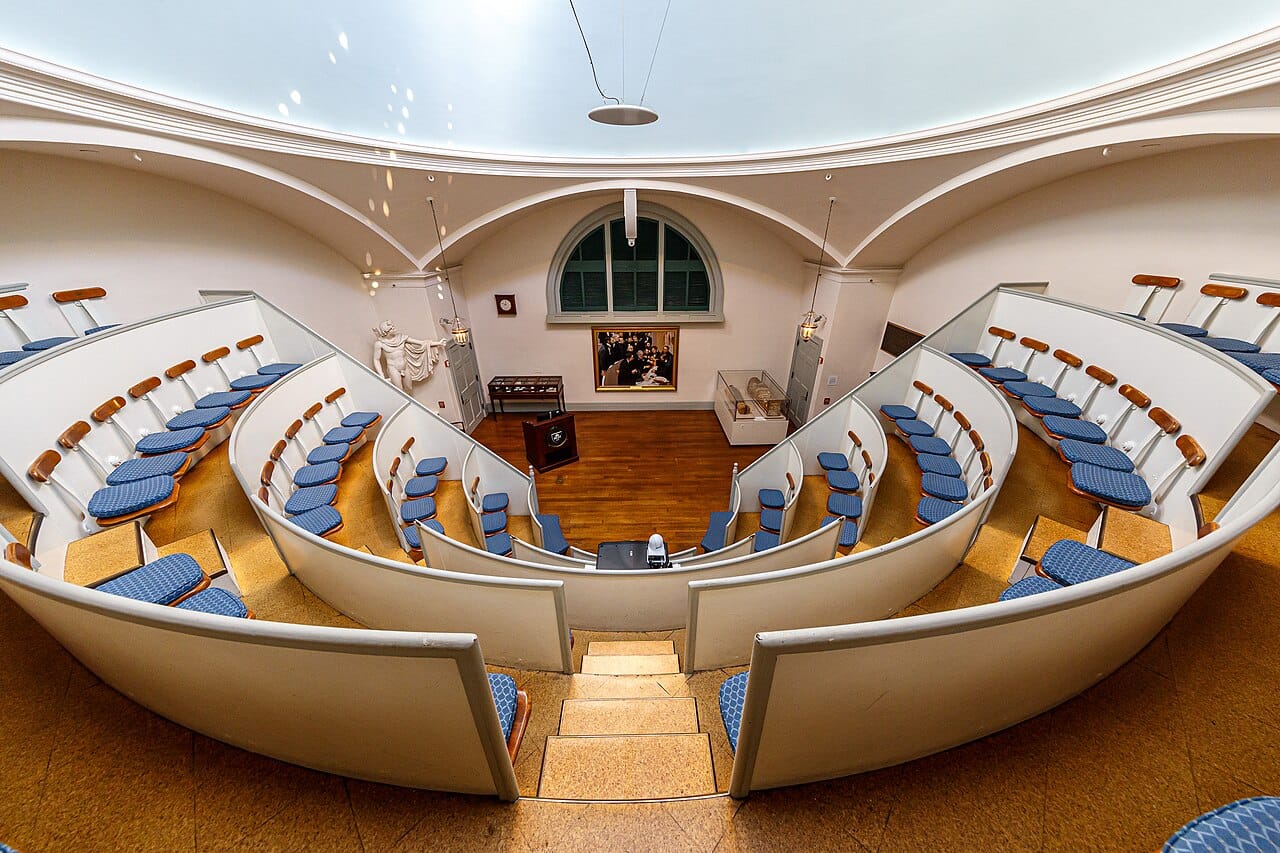
On 16 October 1846 at Massachusetts General Hospital, William Morton administered ether to Edward Abbott while John Collins Warren removed a tumour from his neck. The patient did not cry out. Warren turned to the audience and said that this was no humbug.
News reached London within weeks and the practice spread across the world within months, which is extraordinary for the period and reflects how obviously it worked.
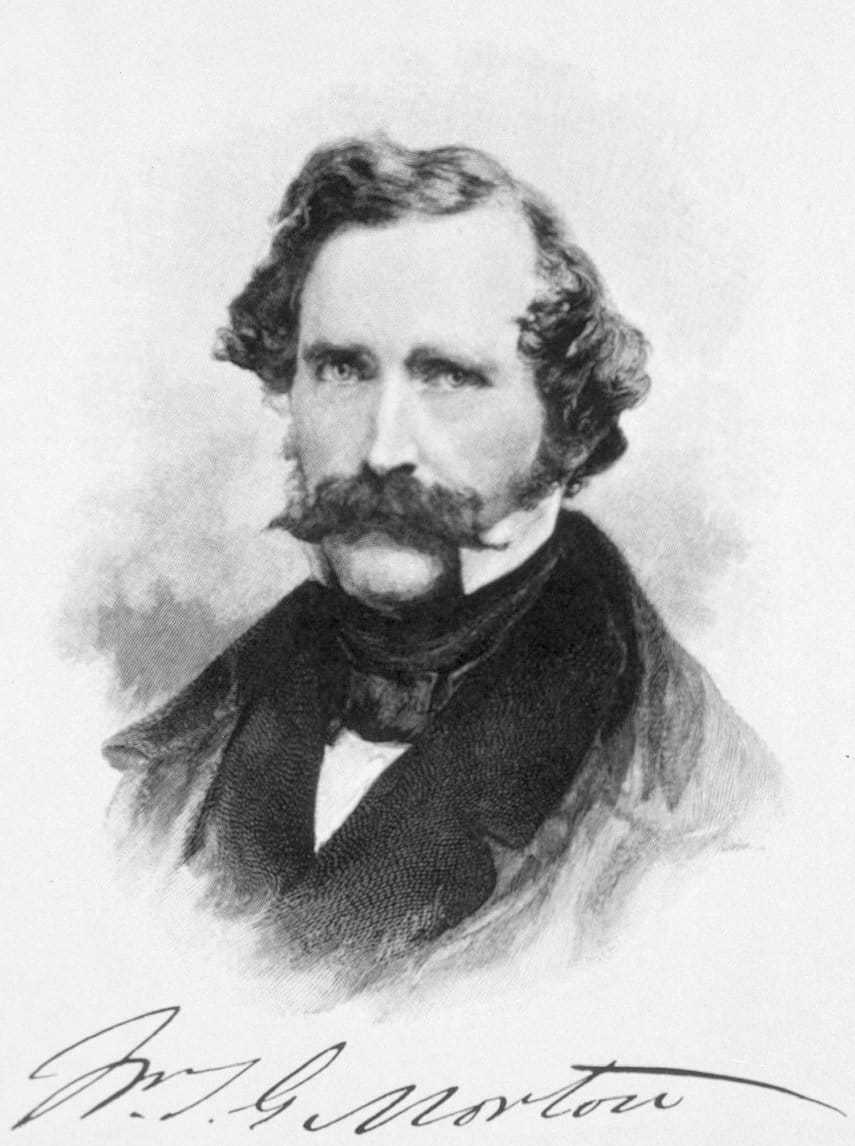
The credit was disputed bitterly and permanently. Crawford Long in Georgia had used ether surgically from 1842 without publishing. Horace Wells had demonstrated nitrous oxide in 1845 in a failed attempt during which the patient cried out. Morton attempted to patent ether under the name Letheon, concealing what it was, which the profession regarded as unacceptable and which destroyed his claim. Wells died by suicide, Morton in poverty, and Long received recognition only later.
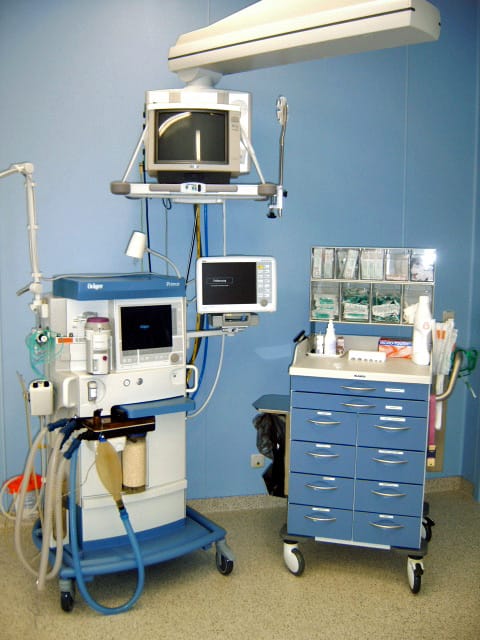
Modern general anaesthesia is not one drug but a combination producing several distinct effects, and separating them was a significant conceptual advance.
Unconsciousness, produced by agents such as propofol or the volatile fluorinated ethers. Analgesia, usually by opioids, since unconsciousness does not by itself prevent the physiological response to injury. Immobility, by neuromuscular blockers, which paralyse without affecting consciousness at all. Amnesia, which most anaesthetic agents produce at doses below those causing unconsciousness.
The separation matters clinically. A paralysed patient who is inadequately anaesthetised cannot signal distress, which is the mechanism of accidental awareness under anaesthesia. It occurs in roughly one or two cases per thousand by older estimates and considerably less with depth monitoring, and it is among the most feared complications in the specialty.
The mechanism of anaesthetic-induced unconsciousness is unresolved, which is worth stating plainly rather than in the hedged form it usually receives.
The Meyer-Overton correlation, established around 1900, is the oldest clue and remains striking: anaesthetic potency correlates almost perfectly with solubility in lipid, across agents with no chemical similarity whatever. This suggested for decades that anaesthetics act by dissolving into cell membranes and disturbing them physically.
That account has largely been abandoned. Anaesthetics are now known to bind specific protein targets, principally GABA-A receptors, which they potentiate, and NMDA receptors and two-pore potassium channels. The lipid correlation is thought to reflect how a molecule reaches a hydrophobic binding pocket rather than an effect on the membrane itself.
But identifying receptors does not explain unconsciousness. Consciousness is a property of large-scale brain activity, and how potentiating an inhibitory receptor abolishes it is not understood. Current work focuses on disruption of communication between brain regions, particularly between thalamus and cortex, and on the breakdown of integrated activity across the cortex. These are descriptions of what changes rather than explanations of why the change produces oblivion.
The deeper obstacle is that a full account would require a theory of consciousness, which does not exist.
Anaesthesia made modern surgery possible, and it is difficult to overstate what followed. Abdominal, cardiac, neurological and transplant surgery all depend on it absolutely, and none was conceivable before it.
Its own risk has fallen dramatically. Anaesthetic mortality is now measured in single figures per million healthy patients, an improvement of several orders of magnitude since the 1950s, achieved through monitoring standards, pulse oximetry, capnography and systematic study of critical incidents. Anaesthesiology is frequently cited as the clearest success of the patient safety movement, and the methods it used have been exported to other specialties.
It is a fair summary that the field has become extremely good at doing something it cannot explain.