The proposal that ageing is cumulative damage from reactive oxygen species produced by normal metabolism. It dominated ageing research for half a century, it generated an enormous supplement industry, and the experiments that should have confirmed it did not.
Denham Harman set it out in 1956, shortly after free radicals had been shown to be produced in living tissue.

Aerobic respiration inevitably leaks reactive oxygen species: molecules with unpaired electrons that react readily with whatever they encounter. They damage lipids, proteins and DNA. Damage accumulates over a lifetime and, on this account, is what ageing is.
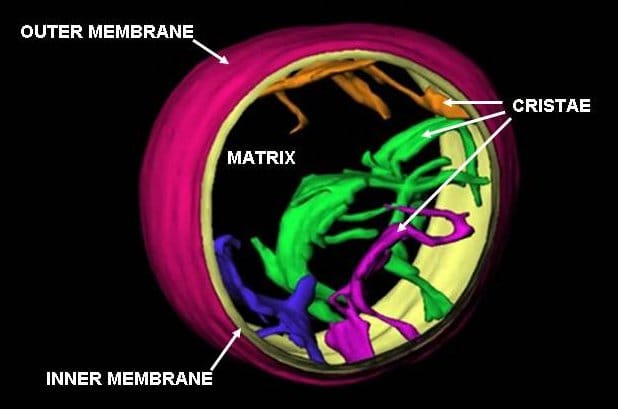
Harman refined it in 1972 into the mitochondrial free radical theory. Mitochondria produce most of the reactive species and are closest to them, so mitochondrial DNA and machinery take the most damage, which reduces energy production, which increases leakage, in a vicious cycle.
The theory had immediate appeal. It provided a single mechanism, it explained why metabolic rate correlates roughly with lifespan across species, and it suggested an obvious intervention.
The prediction is direct: reduce oxidative damage and lifespan should increase. It has been tested extensively and has largely failed.
Antioxidant supplementation does not reliably extend lifespan in model organisms. Large human trials of vitamin E, vitamin C, beta-carotene and selenium have found no mortality benefit, and several found harm. Beta-carotene increased lung cancer incidence in smokers in two large trials. A Cochrane review of antioxidant supplements for mortality prevention found no benefit and a possible increase.
Genetic manipulation gave the same answer. Mice engineered to overproduce major antioxidant enzymes generally do not live longer. Mice with reduced antioxidant defences frequently do not live shorter lives, which is the more damaging result: if oxidative damage caused ageing, increasing it should accelerate ageing, and often it does not.
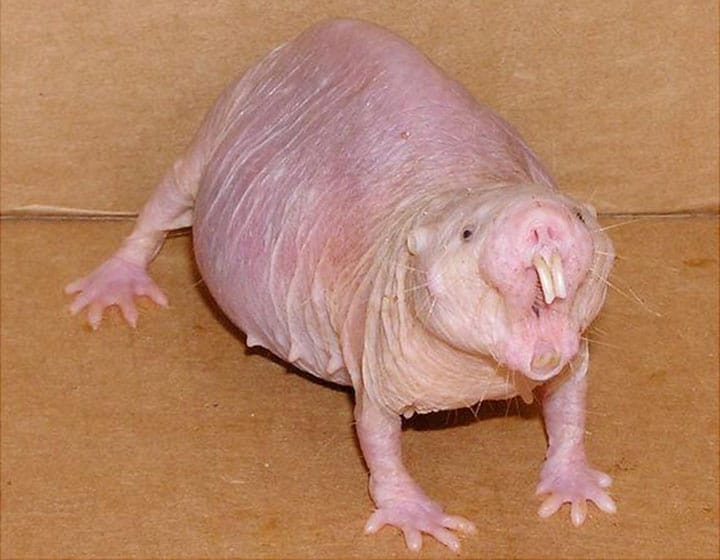
The naked mole-rat is the standing counterexample. It lives roughly thirty years, about ten times longer than a mouse of similar size, and has higher levels of oxidative damage, not lower.
Some interventions that increase reactive oxygen species extend lifespan in worms and flies, which is the opposite of the prediction.
Two responses have been offered and both have merit.
Compartment specificity. Perhaps ordinary antioxidants fail because they do not reach mitochondria in useful concentrations. Mitochondria-targeted compounds have been developed and show more promising results in animals than conventional antioxidants, though nothing established in humans.
Hormesis is the more interesting revision, and it partly inverts the theory.

Reactive oxygen species are not only damaging. They function as signals, regulating stress responses, immune function and adaptation. A low dose of stress triggers a protective response exceeding the original harm.
Exercise is the clearest case. It substantially increases reactive oxygen species production, and it improves health and extends life. Studies have found that high-dose antioxidant supplementation during training blunts several of exercise's benefits, apparently by suppressing the signal the adaptation responds to.
On this reading, indiscriminate antioxidant supplementation would be expected to fail, and the failure supports rather than refutes a more nuanced account. It also means the simple version, that less oxidation is better, is wrong.
The field has largely moved on to a broader framework. The hallmarks of ageing, set out in 2013 and revised since, list around a dozen interacting processes: genomic instability, telomere attrition, epigenetic alteration, loss of protein quality control, deregulated nutrient sensing, mitochondrial dysfunction, cellular senescence, stem cell exhaustion, altered intercellular communication, chronic inflammation and others.
Mitochondrial dysfunction remains on that list. It is one hallmark among many rather than the cause of the rest, which is a substantial demotion from where the theory started.
Interventions with better evidence now target different mechanisms: caloric restriction and its mimetics acting on nutrient sensing, senolytics removing senescent cells, and manipulation of the mTOR pathway.
Oxidative damage is real, accumulates, and contributes to specific pathologies. That is not in question.
The claim that it is the cause of ageing has been tested about as thoroughly as any hypothesis in biology and has not held. It is classified as a hypothesis rather than as debunked because a mechanistically refined version, involving mitochondrial-specific damage and the signalling role of reactive species, remains under investigation and is not obviously wrong.
The commercial afterlife is the more consequential legacy. The antioxidant supplement market was built on the simple version and continues to operate on it, decades after the trials came in.