The structures into which the DNA of a cell is packaged. They are how an organism's genetic material is organised, divided accurately between daughter cells, and passed to offspring.
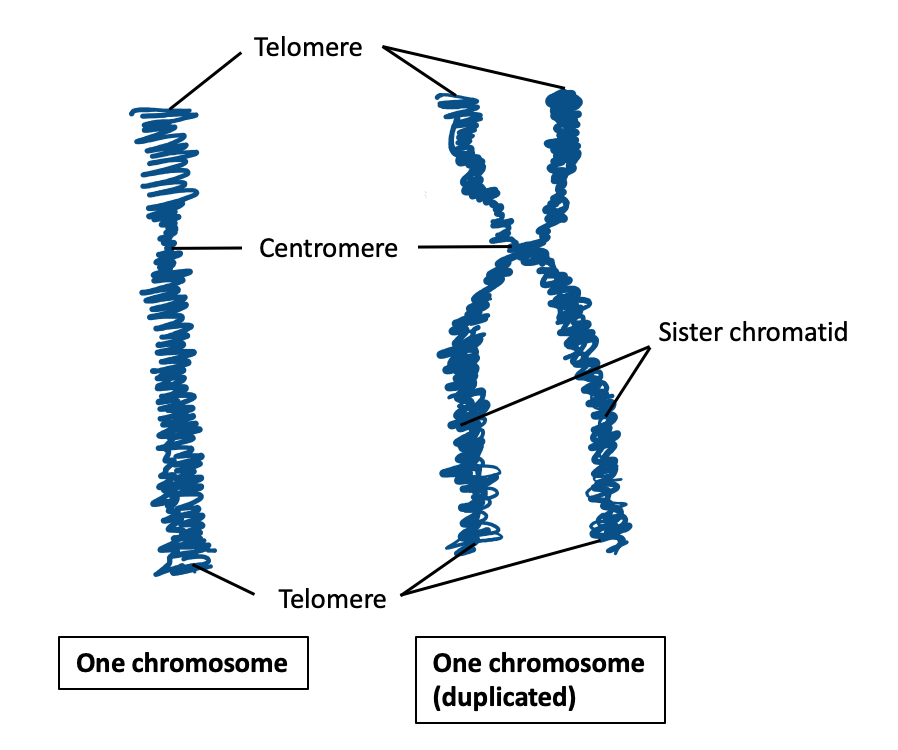
A chromosome is a single long molecule of DNA together with the proteins that package it.
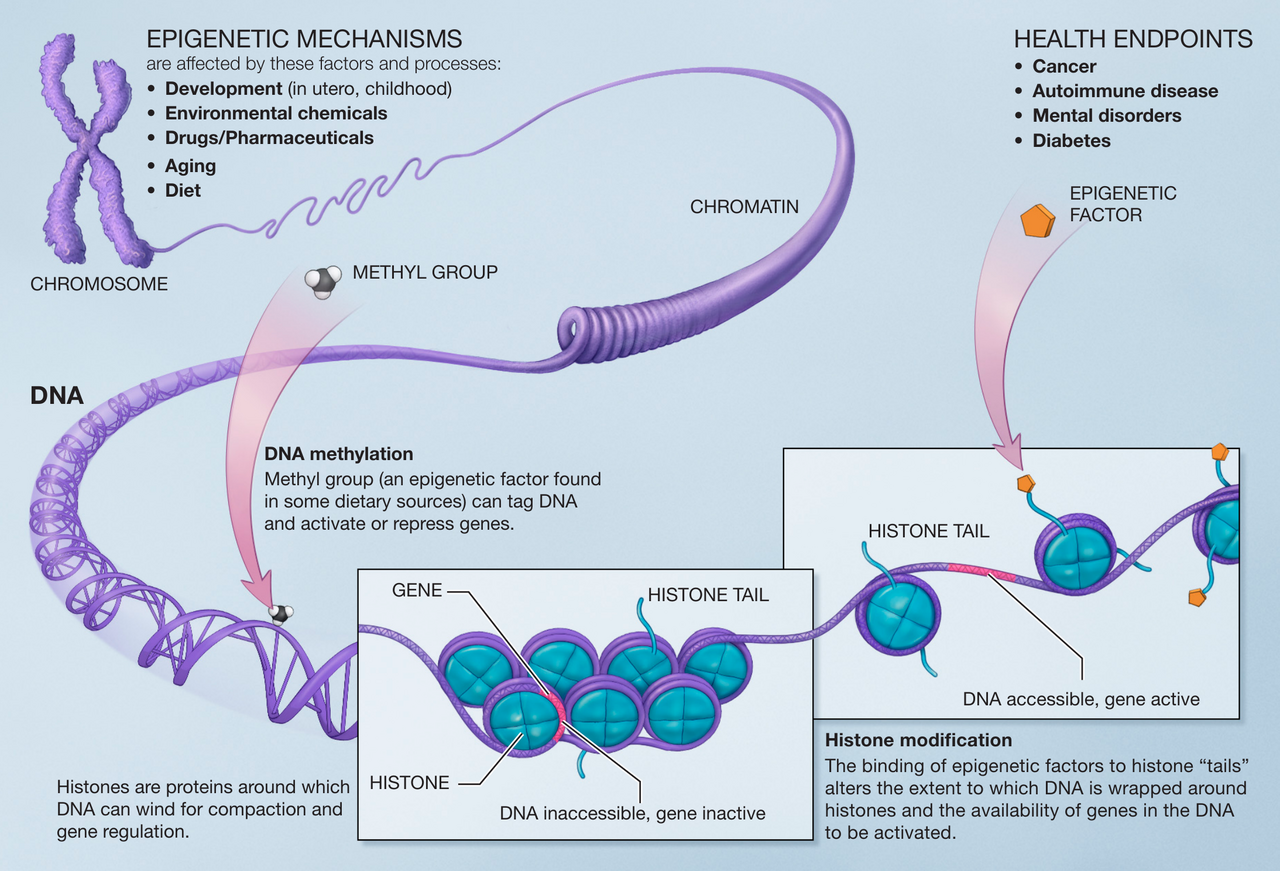
The packaging problem is severe. A human cell contains about two metres of DNA and a nucleus around six micrometres across. The solution is repeated coiling: DNA wraps around histone proteins to form nucleosomes, these coil into fibres, and the fibres loop and condense further.
The packaging is not merely storage. How tightly a region is packed affects whether its genes can be read, which is the physical basis of much of the gene regulation treated in the epigenetics capsule.
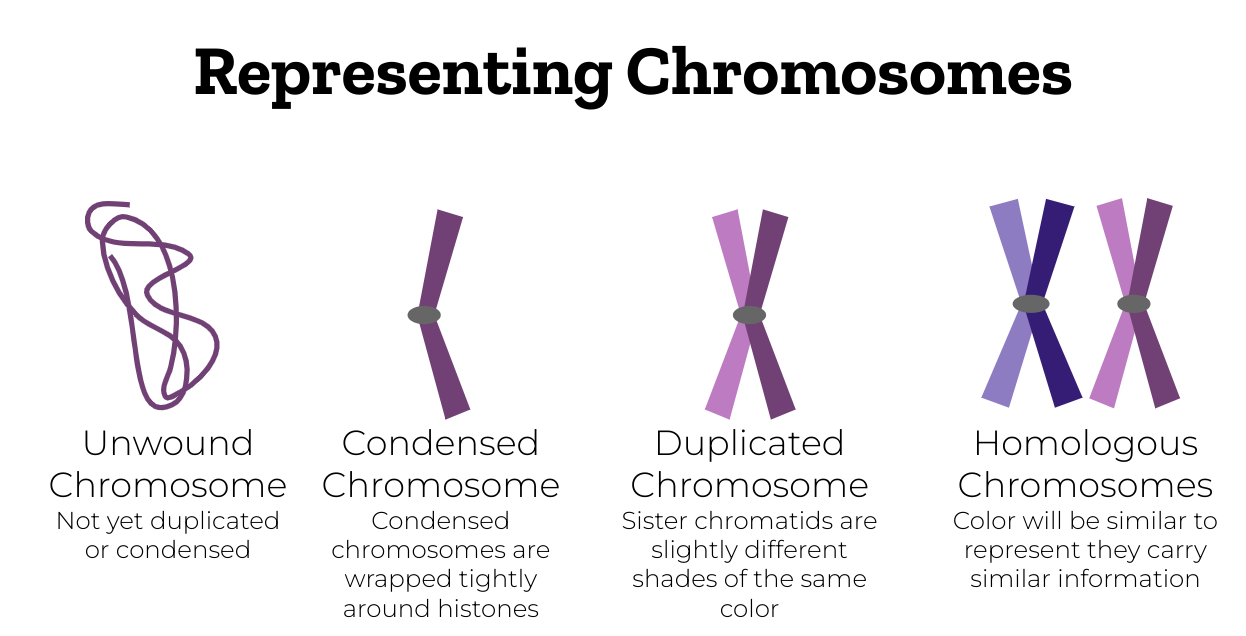
The familiar X-shaped image is misleading in one respect: chromosomes take that form only during cell division, when they condense for transport. For most of a cell's life they are extended and diffuse.
Each condensed chromosome consists of two identical copies, produced by replication, joined at a constriction called the centromere. The ends carry telomeres, repetitive sequences that protect against degradation and shorten with each division.
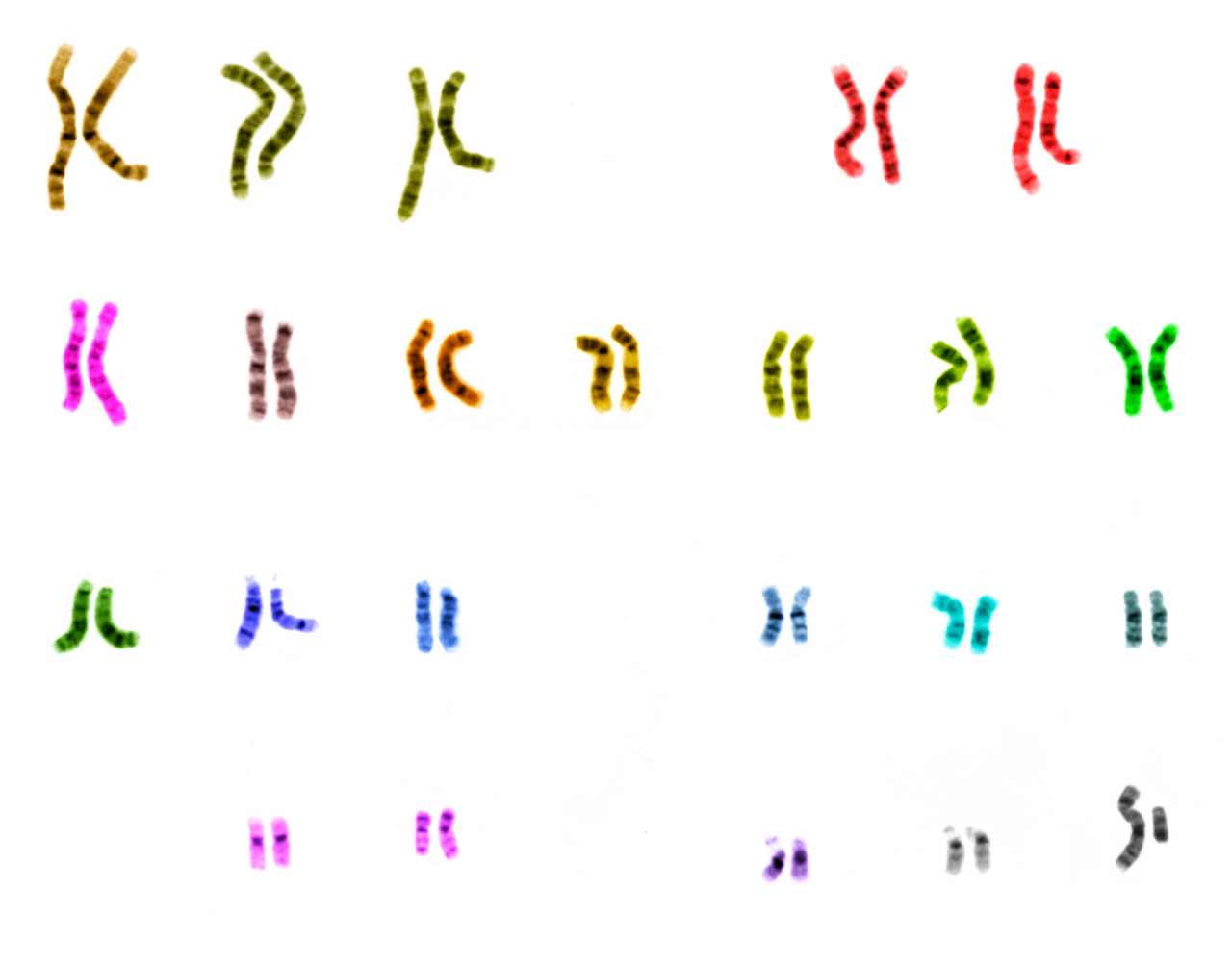
Humans have forty six chromosomes in most cells, in twenty three pairs. One of each pair comes from each parent.
Twenty two pairs are autosomes. The remaining pair are the sex chromosomes, XX in typical females and XY in typical males, with a gene on the Y chromosome directing testis development.
Chromosome number varies enormously across species and carries no relationship to complexity. A fruit fly has eight, a dog seventy eight, and some ferns have over a thousand.
Sex determination systems also vary. Birds and butterflies use a system in which the female carries the two different chromosomes, the reverse of the mammalian arrangement. Many reptiles determine sex by incubation temperature and have no sex chromosomes at all.
Mitosis produces two cells genetically identical to the parent. Chromosomes replicate, condense, line up at the cell's midline, and the two copies of each are pulled to opposite ends before the cell divides. This is how the body grows and repairs itself.
Meiosis produces gametes and involves two divisions. The chromosome number is halved, so that fertilisation restores it rather than doubling it each generation.
Meiosis also generates variation in two ways. Which member of each pair goes to which gamete is independent for each pair, giving over eight million combinations in humans from that alone. And homologous chromosomes exchange segments in a process called crossing over, producing chromosomes that are mosaics of the two parental versions.
That second mechanism is what makes genetic linkage mapping possible, since genes close together on a chromosome are separated by crossing over less often.
Chromosomes were observed in dividing cells in the 1870s and named for the dyes that stained them.
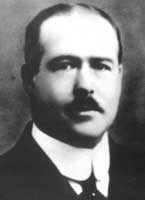
Walter Sutton and Theodor Boveri independently proposed around 1902 that chromosomes carry Mendel's hereditary factors, on the observation that chromosomes behave in meiosis exactly as Mendel's factors must. This was inference from correspondence rather than direct evidence.
Thomas Hunt Morgan's work on fruit flies from around 1910 supplied the evidence, by showing that particular traits are inherited together with particular chromosomes and by mapping genes to positions along them.
The human chromosome number was long reported as forty eight and was corrected to forty six only in 1956, an error that persisted because the images were difficult to interpret and the earlier figure was trusted.
Aneuploidy is an abnormal number. Down syndrome results from a third copy of chromosome 21, and most other whole-chromosome abnormalities are not compatible with development. Aneuploidy usually arises from failure of chromosomes to separate correctly during meiosis, and its frequency rises with maternal age.
Structural abnormalities include deletions, duplications, inversions and translocations, in which a segment is moved to another chromosome. The Philadelphia chromosome, a translocation between chromosomes 9 and 22, produces a fusion protein that drives chronic myeloid leukaemia, and the drug imatinib was designed to inhibit exactly that protein. It is a standard example of a chromosomal abnormality leading directly to a targeted treatment.
Karyotyping, the examination of a cell's full chromosome complement, remains a routine diagnostic method.
Chromosomes are the physical objects that connect the abstract rules of inheritance to something visible in a microscope, and establishing that connection was the step that turned genetics from a statistical description into a material science.
Their behaviour also explains why sexual reproduction generates variation at all, since the shuffling in meiosis is what ensures that siblings differ.