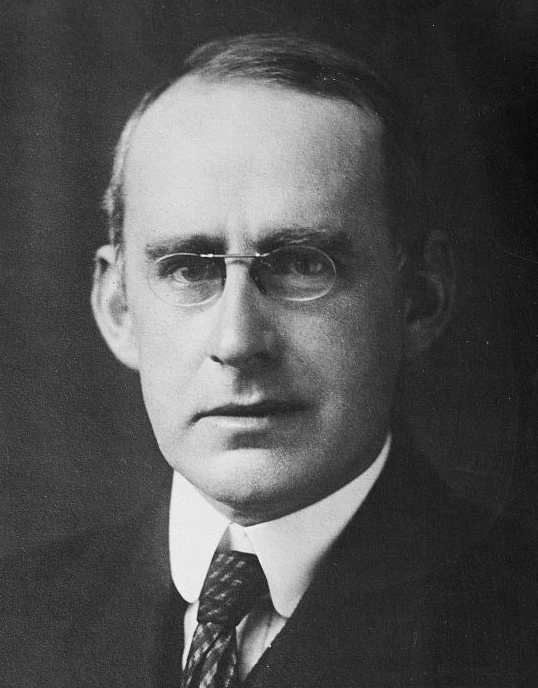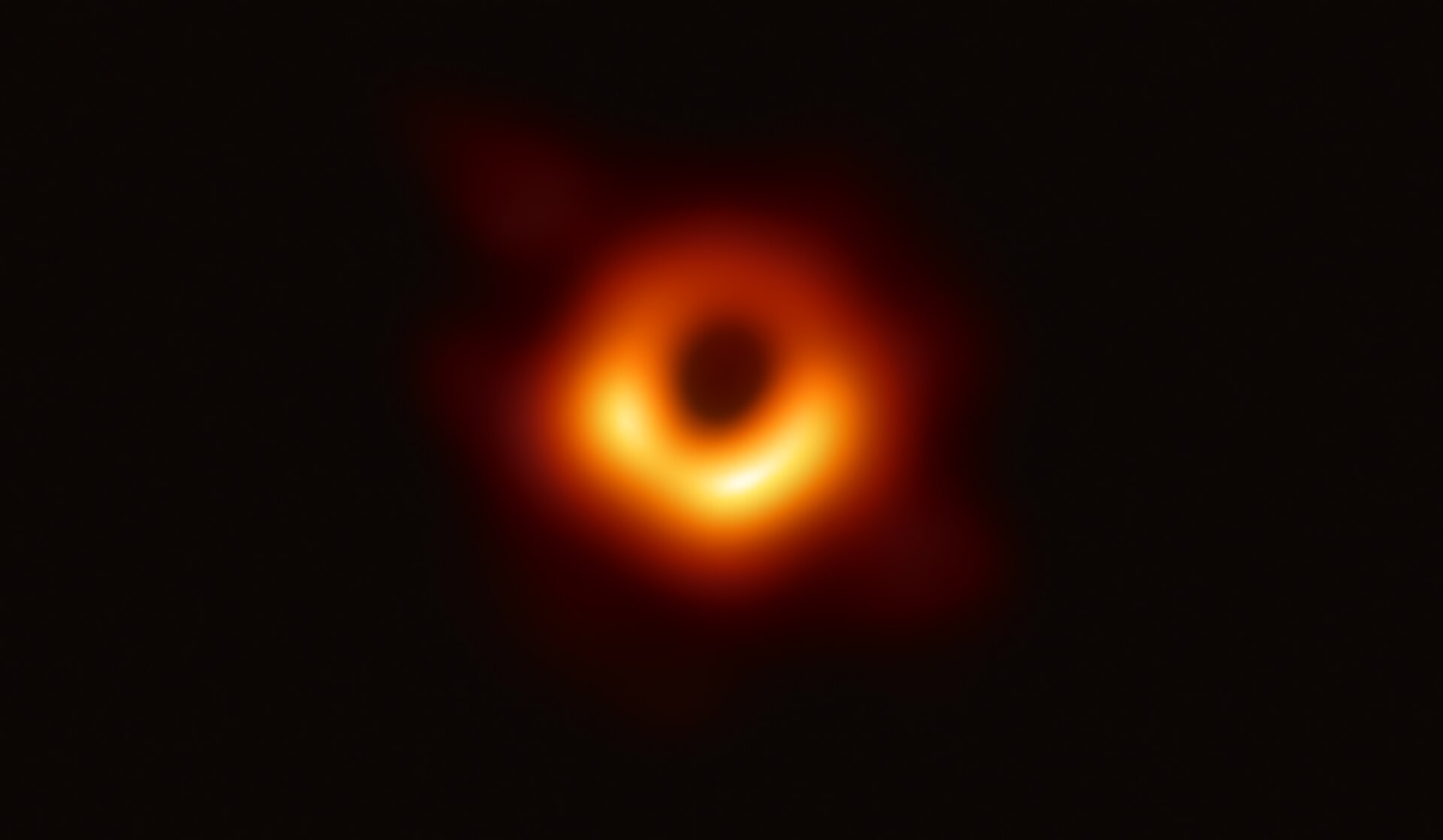
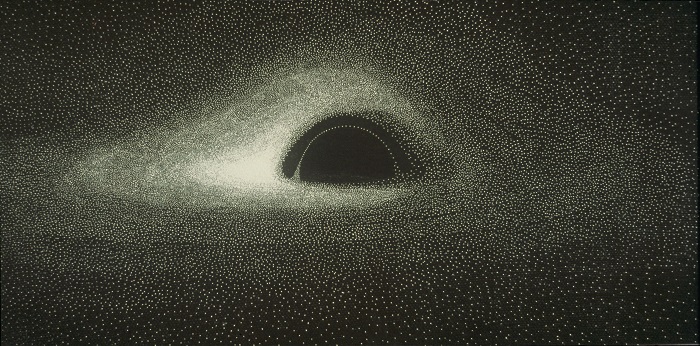
A black hole is a region of space where gravity is so intense that nothing, not even light, can escape from within it. Once a purely theoretical possibility predicted by Einstein's theory of gravity, black holes have now been observed by several completely independent methods, including a direct image of one. Their existence is no longer in doubt: they are real objects, and there are many of them.
Black holes emerged as a startling prediction of the general theory of relativity in the early twentieth century, and for decades many physicists doubted that nature would actually produce something so extreme. Through the latter half of the century, evidence mounted that certain unseen objects in space were far too massive and compact to be anything else, and the idea moved steadily from speculation toward established fact.
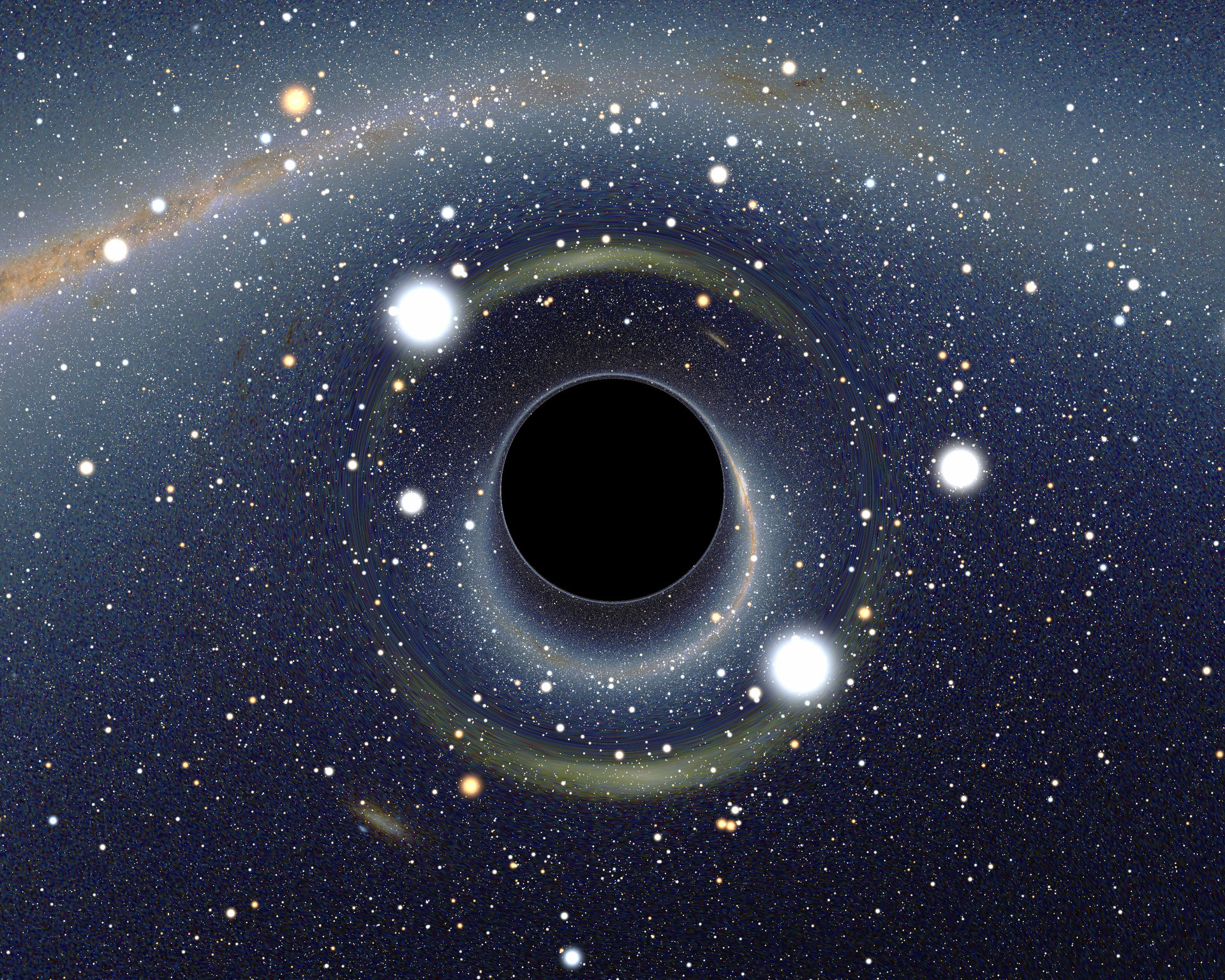
A black hole forms when a great deal of matter is squeezed into a tiny space, for example when a massive star collapses at the end of its life. The boundary around it is called the event horizon, the point of no return: anything that crosses it, including light, can never come back out. The black hole is not a hole in the ordinary sense but an object, with a definite mass and size, whose gravity dominates everything nearby.
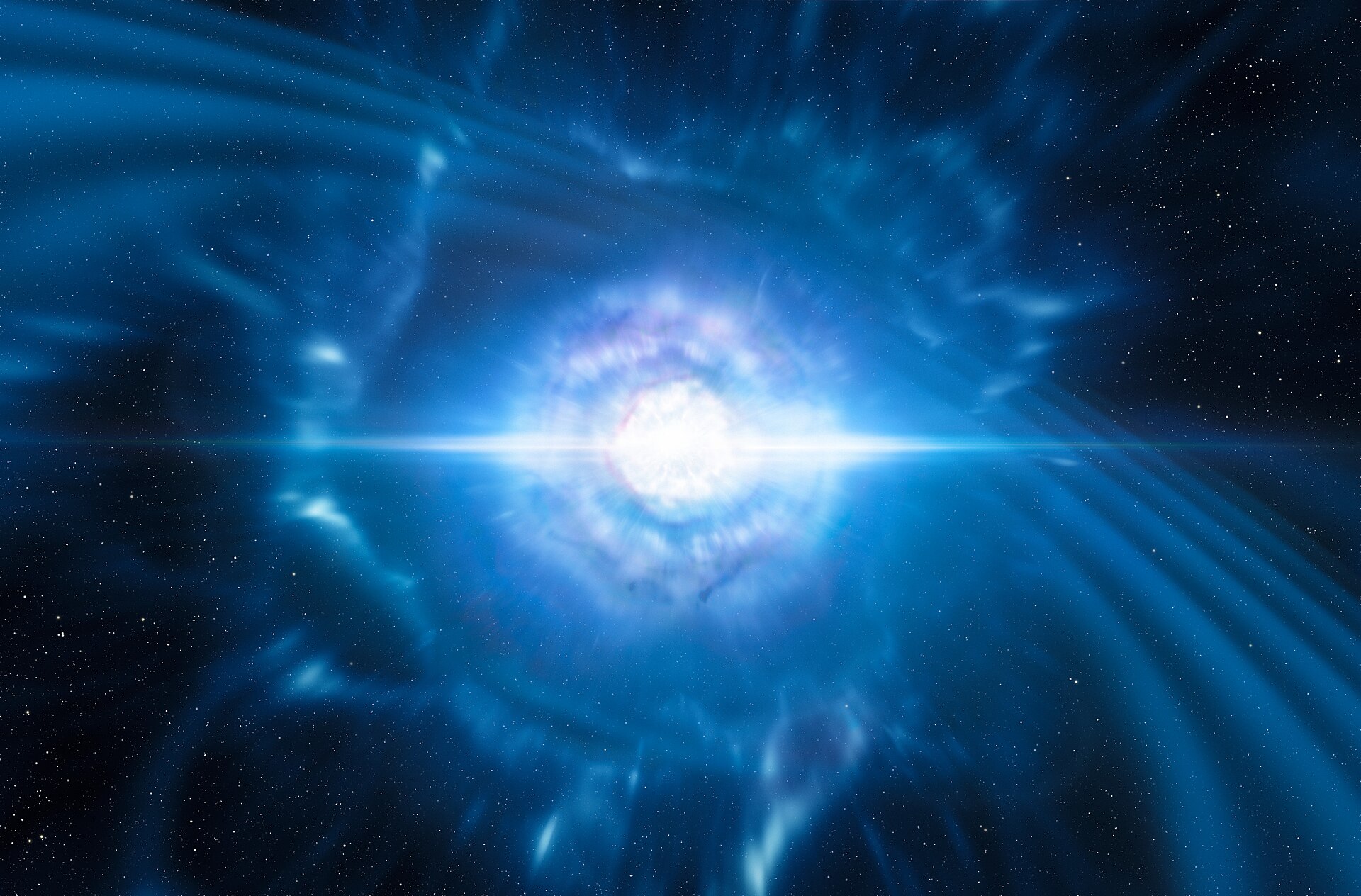
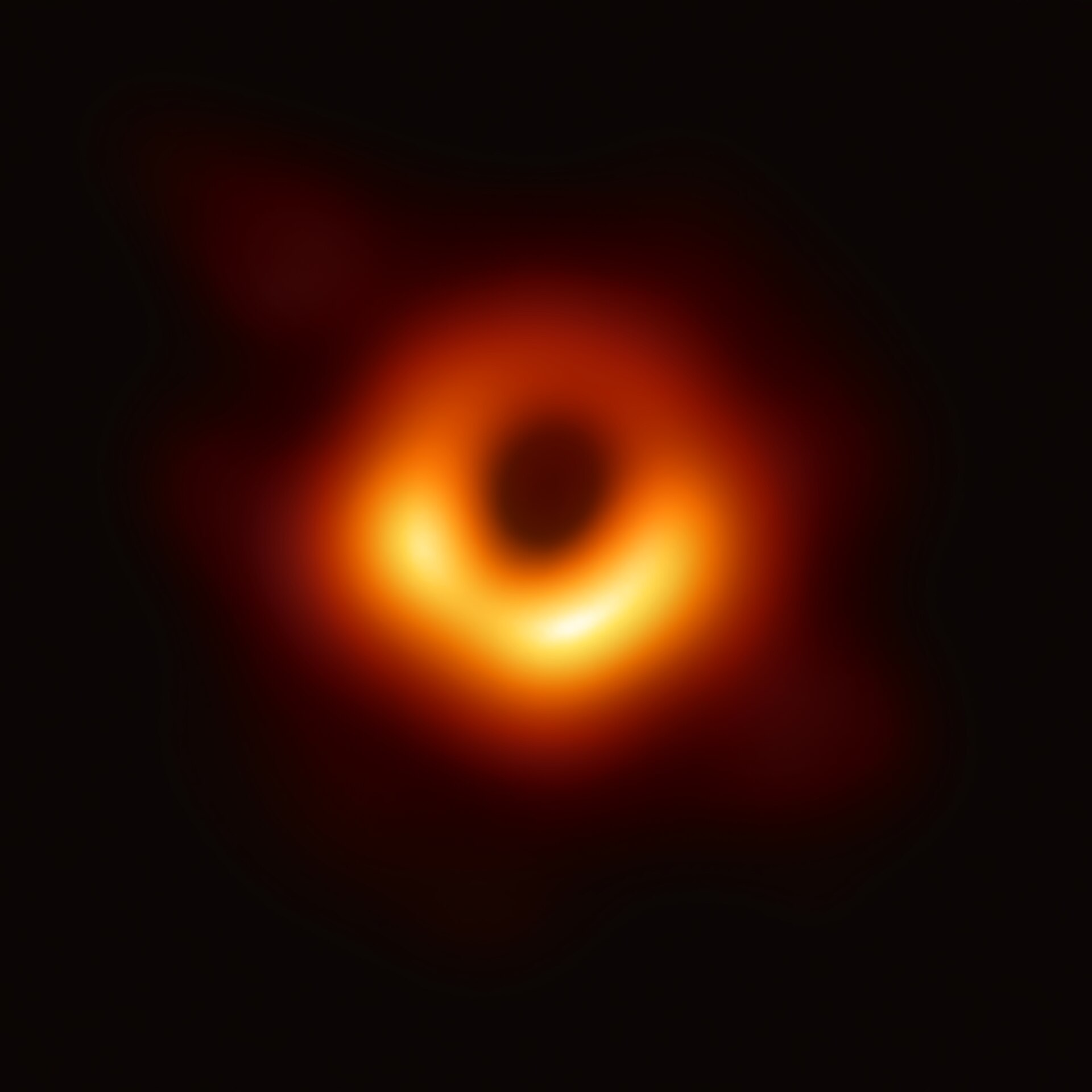
The reality of black holes rests on several separate discoveries that all agree. Astronomers have tracked stars whipping around an invisible, enormously massive object at the centre of our galaxy, work recognised with a Nobel Prize. Detectors have caught the gravitational waves released when two black holes spiral together and merge. And in 2019 the Event Horizon Telescope, combining radio dishes across the planet, produced the first direct image of a black hole's shadow, in a distant galaxy.
A common misconception is that black holes roam space sucking in everything around them. In fact, at a safe distance a black hole's gravity is no different from that of any other object of the same mass. If the Sun were replaced by a black hole of equal mass, the Earth would continue in its orbit exactly as before. Matter only falls in if it strays very close, inside the strong field near the horizon.
Far from being mere curiosities, black holes are now central to astronomy. Supermassive ones sit at the hearts of galaxies, shaping how they grow, and the study of black holes tests gravity in the most extreme conditions known. What began as an equation that troubled even its discoverers has become an observed, photographed, and thoroughly confirmed part of the cosmos.