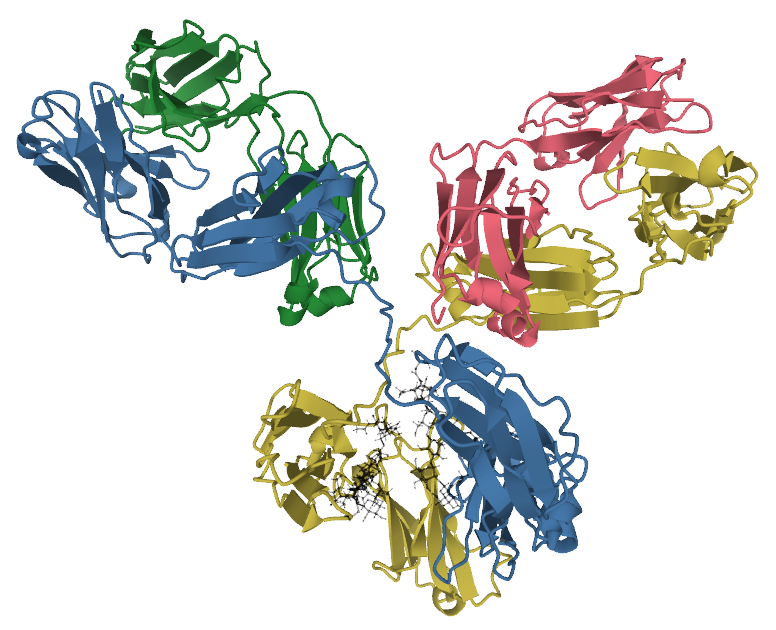
Autoimmunity is the immune system attacking the body it belongs to. Around a hundred distinct autoimmune conditions are recognised, together affecting a substantial share of the population, and the general mechanism is understood while the reason any particular person develops one usually is not.
The immune system generates receptors at random in order to recognise pathogens it has never encountered, which necessarily produces some that recognise the body's own tissue. Two mechanisms remove them.
Central tolerance operates in the thymus, where developing T cells are shown a sample of the body's own proteins and those reacting strongly are destroyed. This is remarkable in its own right: a gene called AIRE causes thymic cells to express proteins belonging to organs elsewhere in the body, so a T cell can be tested against tissue it will never otherwise meet. Peripheral tolerance catches what escapes, through regulatory T cells and through mechanisms that shut down self-reactive cells encountered outside an inflammatory context.
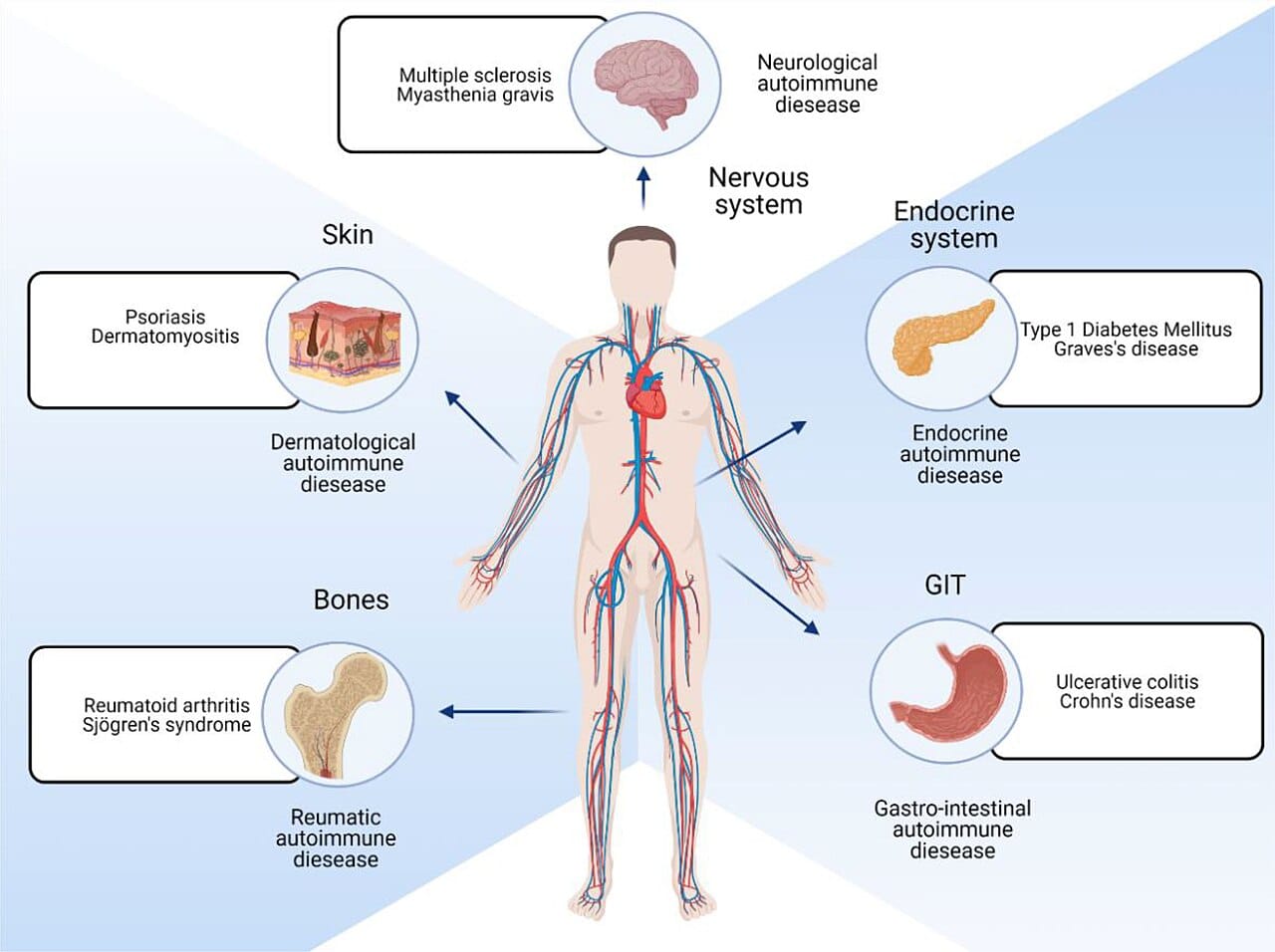
No single explanation covers all cases. Several contributing mechanisms are established.
Genetic susceptibility is substantial, particularly in the HLA genes that determine which fragments are presented to T cells, though susceptibility is not determination and identical twin concordance is well below one hundred per cent for most conditions.
Molecular mimicry: a pathogen carrying a fragment resembling a human protein provokes a response that then attacks the body's own version. The strongest documented case is rheumatic fever following streptococcal infection, and a compelling recent case links Epstein-Barr virus infection to multiple sclerosis, where a very large study found infection raised risk dramatically.
Loss of sequestration, where tissue normally hidden from the immune system is exposed by injury; bystander activation, where an unrelated infection creates an inflammatory context in which self-reactive cells escape suppression; and failure of regulatory T cells all contribute.
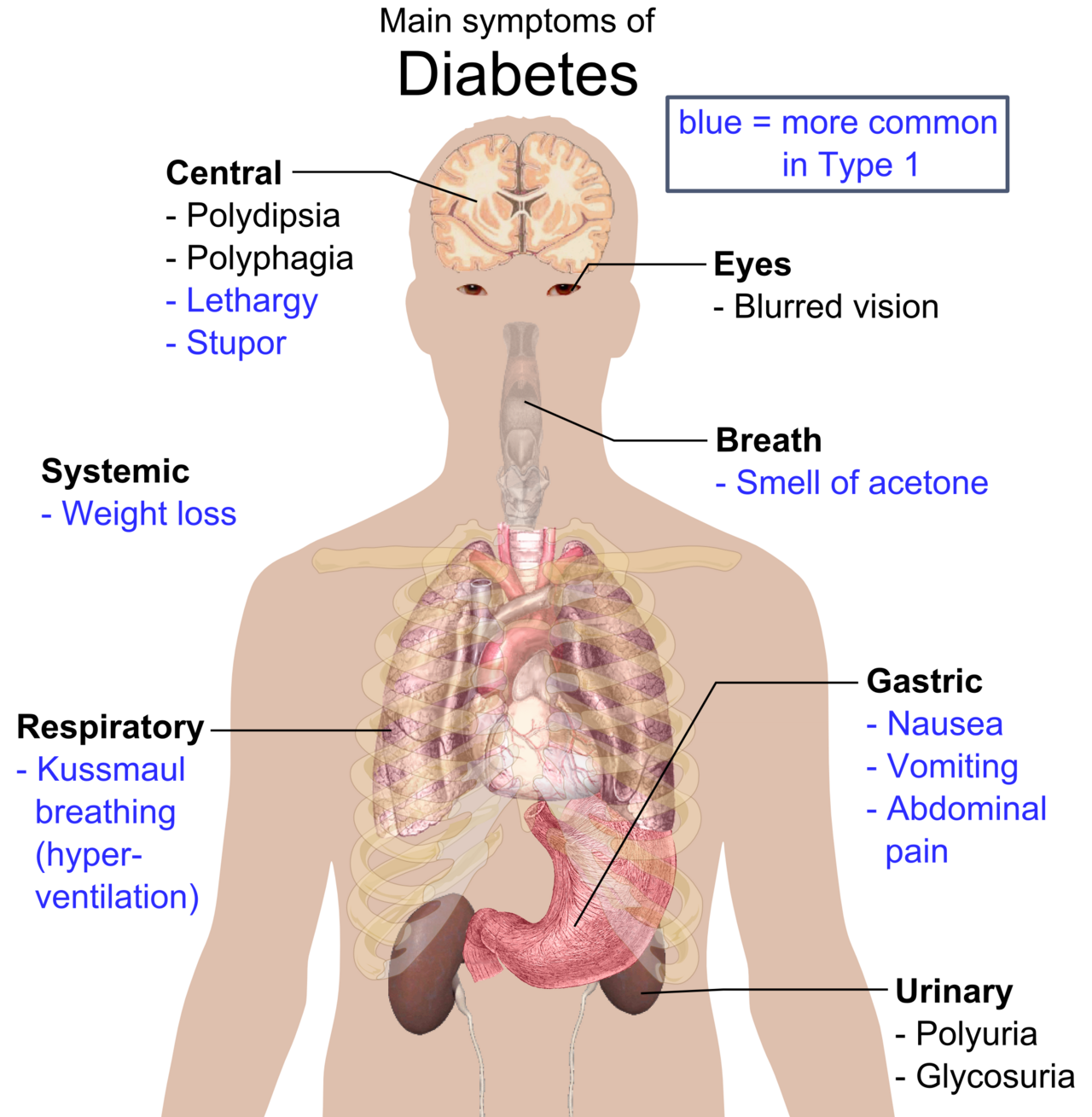
Roughly four in five people with an autoimmune condition are women, and for some conditions the ratio is far more extreme. This is one of the largest sex differences in medicine and it is not fully explained. Candidate mechanisms include X chromosome gene dosage, since the X carries many immune-related genes and inactivation is incomplete, hormonal effects, and the persistence of foetal cells after pregnancy. A 2024 finding implicating the RNA molecule Xist, which coats the inactive X, generated considerable interest and is not yet a settled account.
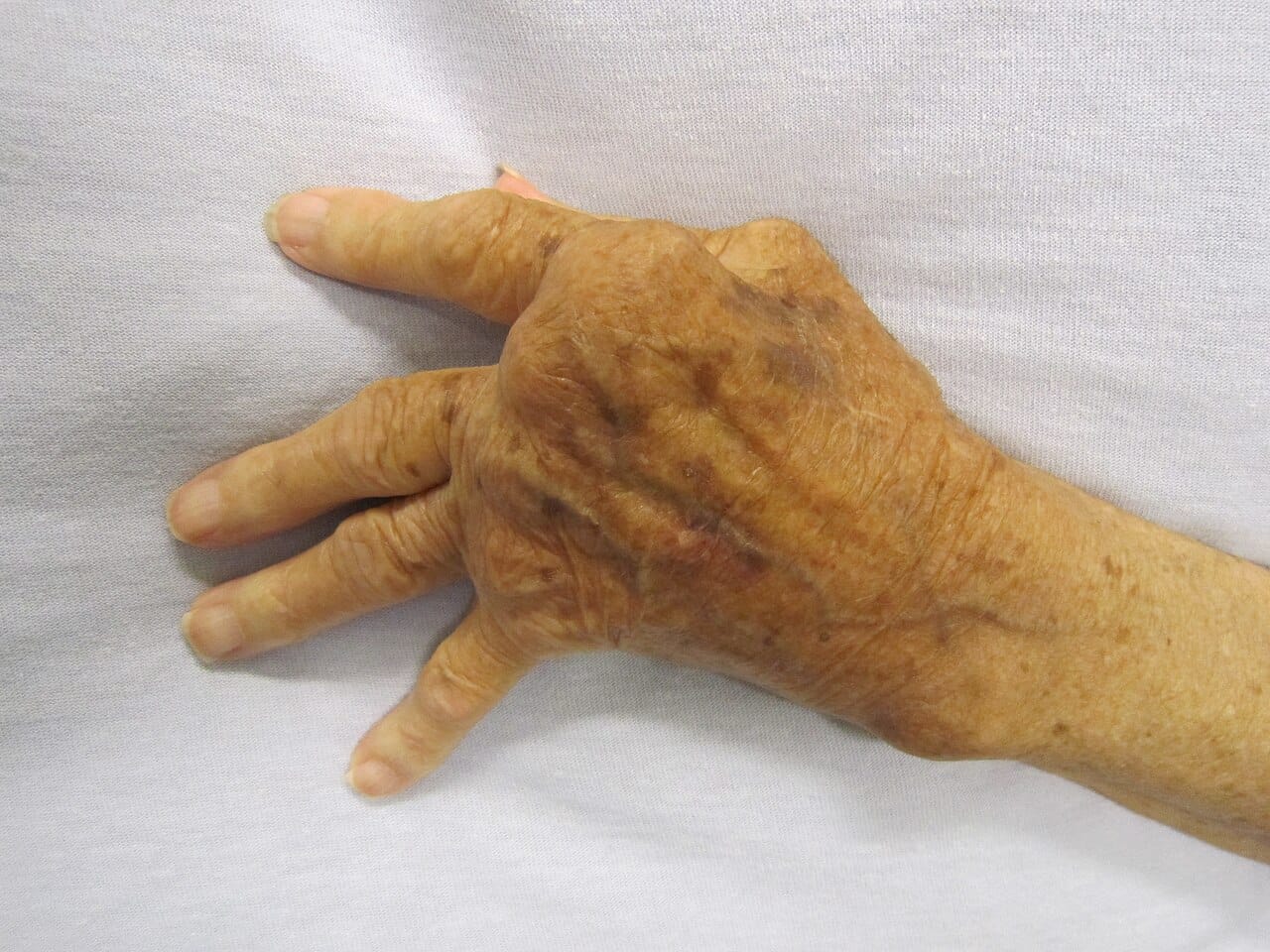
Autoimmune conditions appear to be becoming more common in industrialised countries, and the reasons are disputed. Better diagnosis and greater awareness account for some of it, but most researchers regard the trend as partly real. Proposed contributors include changes in the microbiome, dietary change, vitamin D status, reduced early-life microbial exposure, and environmental chemicals. None is established, and the hygiene hypothesis, which offers one framework for several of these, is itself contested.