The proposal that Alzheimer's disease is caused by the accumulation of amyloid beta protein in the brain. It has directed the field for over thirty years and consumed the great majority of its funding, and the drugs built on it have produced results that both sides read as vindication.
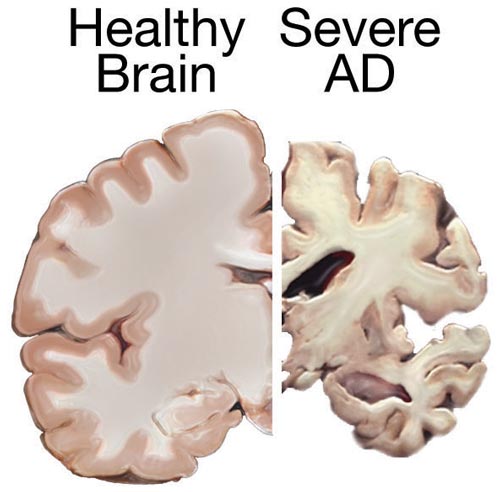
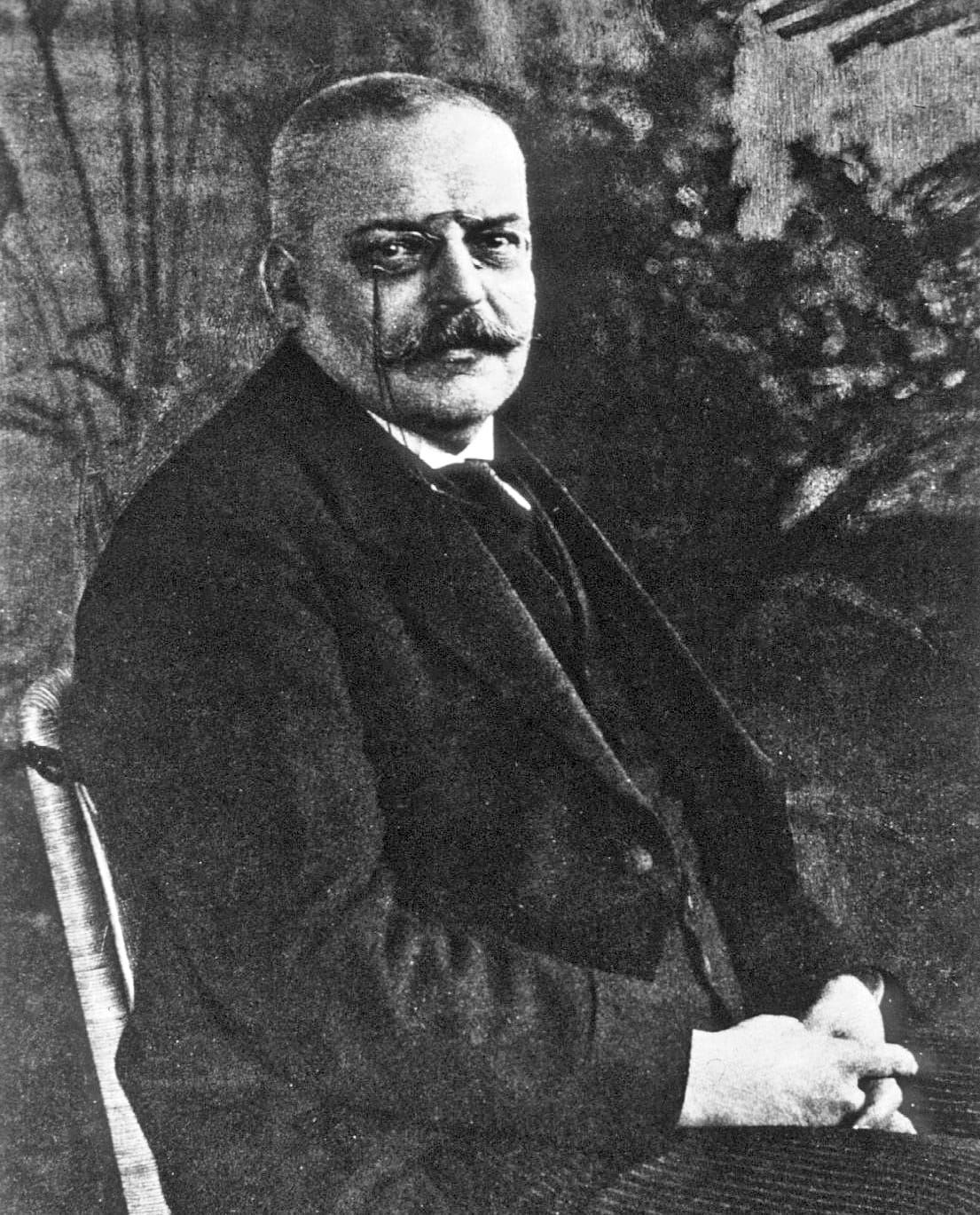
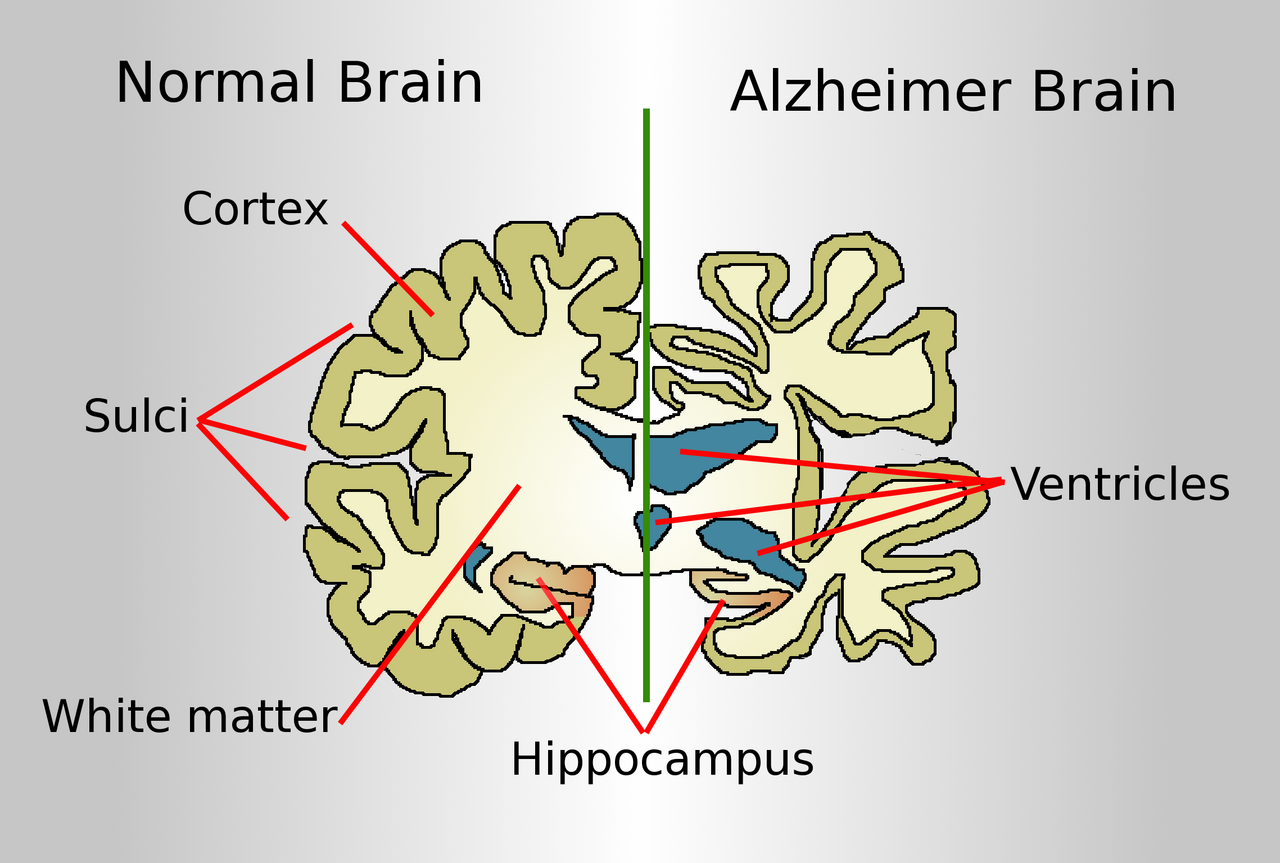
Alois Alzheimer described the disease in 1906 in a patient named Auguste Deter, reporting two abnormalities in her brain at autopsy: extracellular plaques and intracellular tangles.
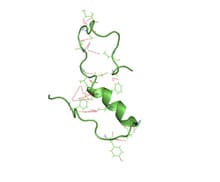
The plaques are aggregates of amyloid beta, a fragment cut from a larger membrane protein. The tangles are made of tau, a protein that normally stabilises the internal transport structure of neurons.
Both are found in Alzheimer's brains at autopsy, and their presence remains the definitive diagnosis.
John Hardy and Gerald Higgins formulated the amyloid cascade hypothesis in 1992. Amyloid accumulation is the initiating event; tau pathology, inflammation, synapse loss and cell death follow from it; and everything else in the disease is downstream.
The genetic evidence is the strongest part of the case and remains so.
Every known mutation causing early-onset familial Alzheimer's affects amyloid production: in the amyloid precursor protein itself, or in the presenilin genes whose products cut it. People with Down syndrome carry three copies of the amyloid precursor gene, produce more amyloid, and develop Alzheimer's pathology at high rates by middle age. And a rare Icelandic variant that reduces amyloid production protects against the disease and against ordinary cognitive decline in old age.
Genetics running in both directions, causing when increased and protecting when decreased, is a strong argument and it is why the hypothesis has been hard to dislodge.
The correlation between plaque burden and cognitive impairment is weak. Substantial numbers of cognitively normal older people have brains full of plaque at autopsy, and the correlation with symptoms is better for tau than for amyloid.
The therapeutic record was, for two decades, unbroken failure. Dozens of drugs cleared amyloid successfully and produced no cognitive benefit, and several worsened outcomes. If amyloid were the cause, removing it should have helped.
The field has also been damaged by fraud. A 2022 investigation reported in Science identified apparently manipulated images in a widely cited 2006 paper on a specific amyloid oligomer, which had shaped a subfield for sixteen years. The 2006 paper concerned one particular species of amyloid rather than the hypothesis as a whole, and the hypothesis does not rest on it, but the episode raised reasonable questions about how a dominant paradigm polices itself.
Critics have argued for years that the hypothesis's dominance suppressed alternatives, with funding, journals and review panels controlled by people committed to it, and that promising work on inflammation, vascular contributions, metabolism and infection went unfunded as a result.
Lecanemab and donanemab, antibodies clearing amyloid, both produced statistically significant slowing of decline in phase 3 trials and have been approved in several countries.
Both sides claim the result.
Supporters note that these are the first treatments to modify the disease course rather than the symptoms, that the effect appeared when amyloid was cleared earlier and more completely than previous drugs managed, and that this is what the hypothesis predicts.
Critics note that the effect is small. The difference on the primary clinical scale is a fraction of what is generally considered a noticeable change for a patient or family. The drugs require regular infusion and MRI monitoring, and cause brain swelling or microbleeds in a substantial minority, with deaths reported. Whether the benefit justifies the burden and the cost is disputed among clinicians who accept the trial results.
The honest position is that amyloid is causally involved and is not the whole story.
The genetics rules out amyloid being merely a bystander. The weak correlation with symptoms, and the modest effect of removing it, rule out amyloid being the sole driver. Most current thinking treats amyloid as an early and necessary step that triggers other processes which then proceed with some independence, which would explain why late intervention achieves little.
The practical consequence is a shift toward earlier treatment, before symptoms appear. The tools for it now exist: a blood test measuring the ratio of phosphorylated tau 217 to amyloid beta was cleared by the United States regulator in 2025 for use in adults over fifty five with cognitive symptoms, which makes identifying amyloid pathology a blood draw rather than a scan or a lumbar puncture.
Two prevention trials are the clearest available test. AHEAD 3-45 gives lecanemab to cognitively unimpaired people with elevated amyloid; TRAILBLAZER-ALZ 3 gives donanemab to people with preclinical disease. If clearing amyloid in people who are not yet impaired prevents the disease, the hypothesis is substantially confirmed. If it does not, thirty years of the field's central assumption will need revisiting.
The early returns are not encouraging. In May 2026 a phase 2 study of a different anti-amyloid agent failed to meet its primary endpoint, which proves nothing about the prevention trials but does not help. The long-term extension data from the donanemab trial, published in 2025, showed the treated groups continuing to decline more slowly than the original controls, which supporters read as durable disease modification and critics read as a small effect maintained rather than a small effect growing.
That the argument survives approval, marketing and several years of clinical use is itself informative. A treatment whose mechanism was correct and whose effect was large would not still be contested by competent clinicians reading the same trials.