Zimbabwe is a landlocked country in southern Africa, a high plateau land between the Zambezi and Limpopo rivers. It takes its name from Great Zimbabwe, the impressive stone city of a medieval African civilisation, and shares with neighbouring Zambia the spectacular Victoria Falls. Once a prosperous, agriculture-rich country known as the breadbasket of the region, it has lived through colonial white-minority rule, a war of liberation, and a turbulent recent history.
Zimbabwe's history runs from a great medieval African civilisation, through white settler rule and a bitter liberation war, to the long and ruinous era of Robert Mugabe.
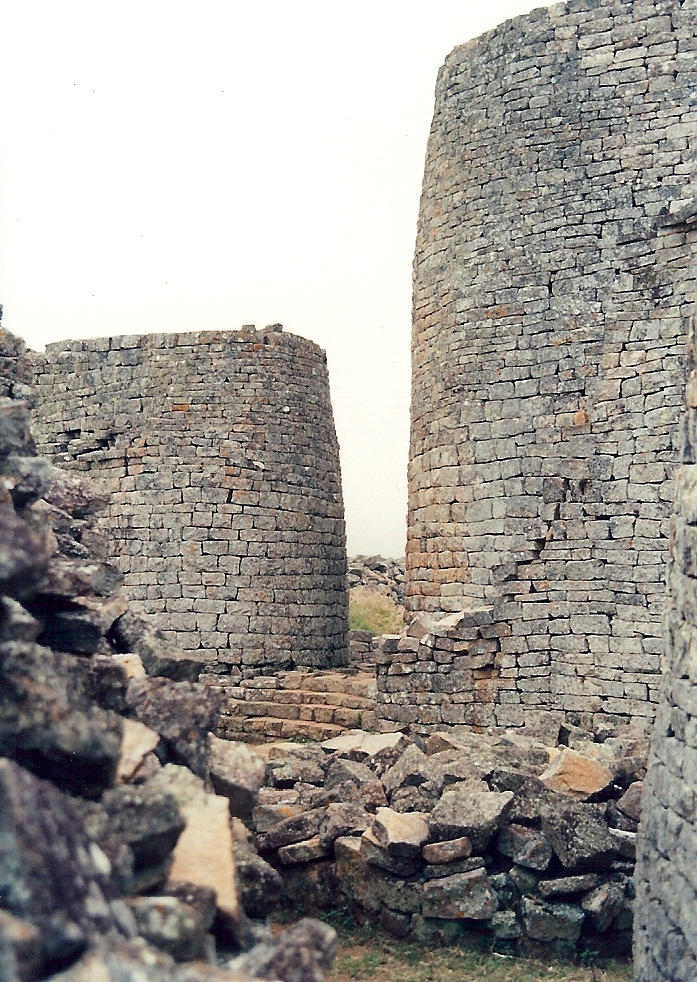
In the Middle Ages a Shona civilisation built Great Zimbabwe, a city of remarkable dry-stone walls raised without mortar, whose ruins are among the most impressive in Africa. From here rulers commanded a trade in gold and ivory that reached the Swahili coast and the wider Indian Ocean. The city gave the modern nation its name, and its soapstone birds became the national emblem, a proud link to an African past that colonial authorities long refused to credit.
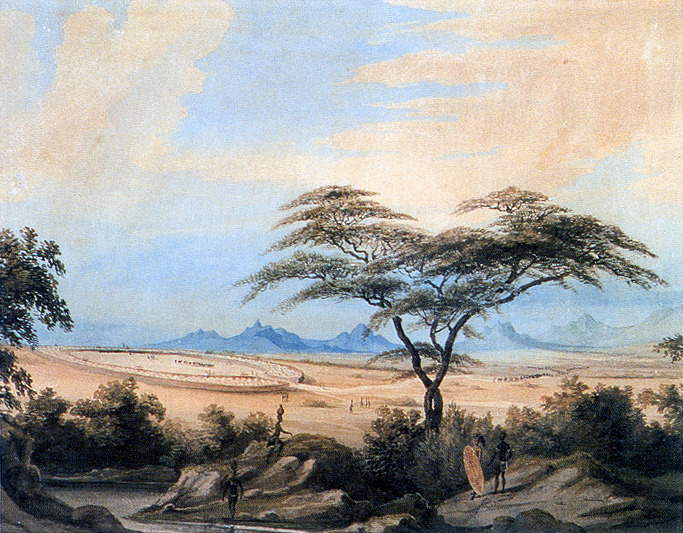
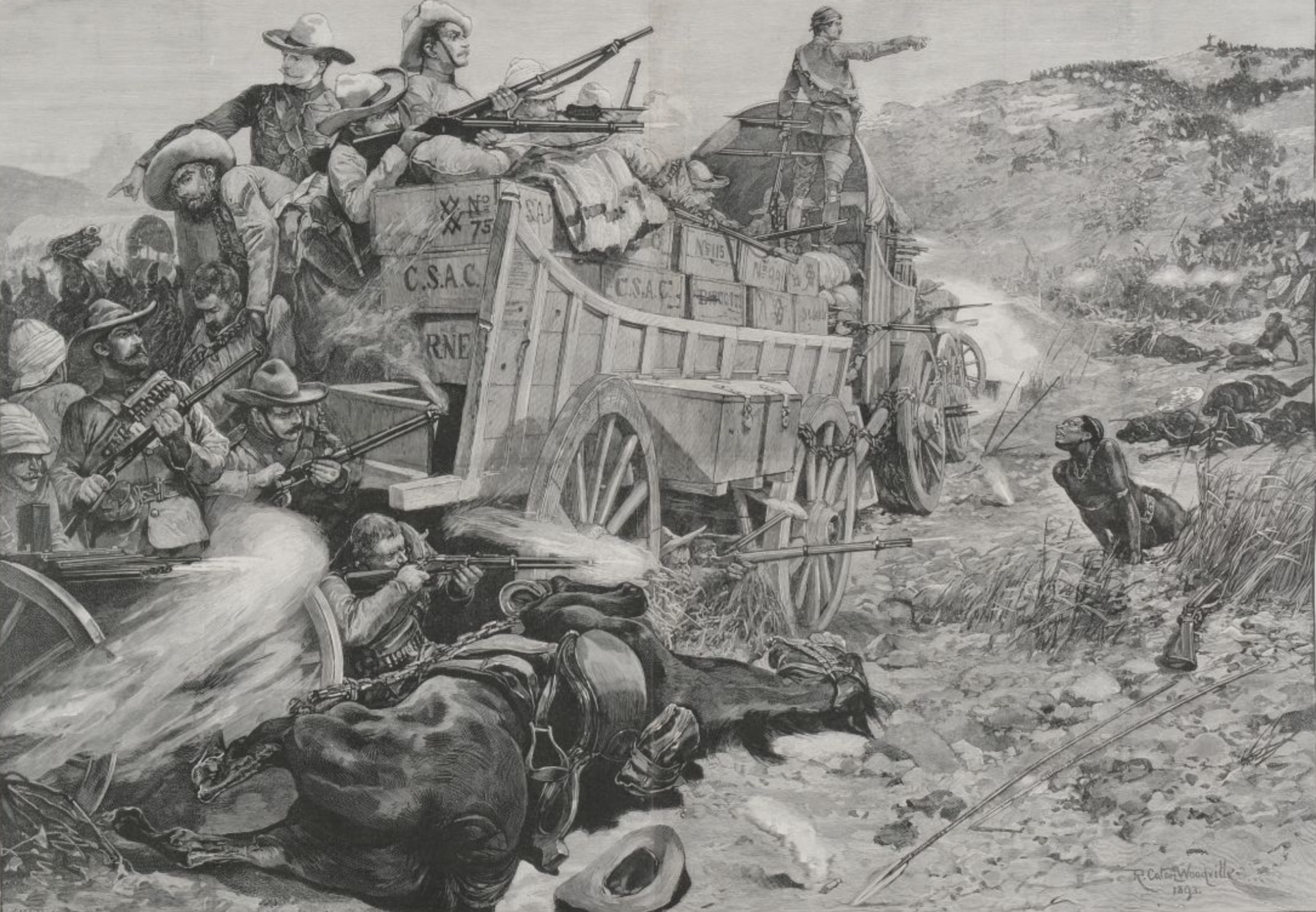
In the nineteenth century the Ndebele, an offshoot of the Zulu, established a powerful kingdom in the southwest under kings such as Lobengula. Then came Cecil Rhodes and his British South Africa Company, who took the land by treaty and by force in the 1890s, crushing Ndebele and Shona resistance and naming the territory Rhodesia after himself.
For most of the twentieth century the colony was ruled by its white minority, who in 1965 unilaterally declared independence from Britain under Ian Smith rather than accept majority rule. That defiance provoked a long and bloody liberation war, fought by African nationalist guerrilla movements, which finally forced a settlement and brought the country to majority rule and independence, as Zimbabwe, in 1980.
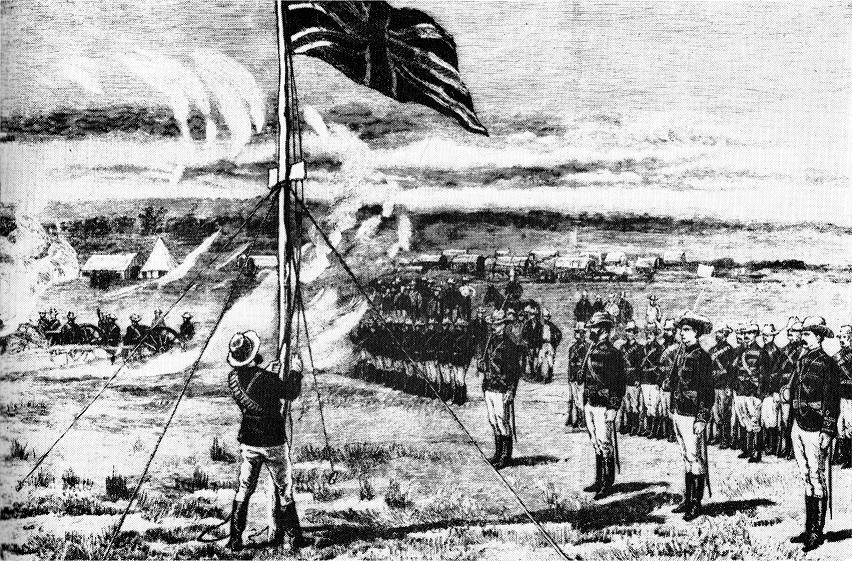
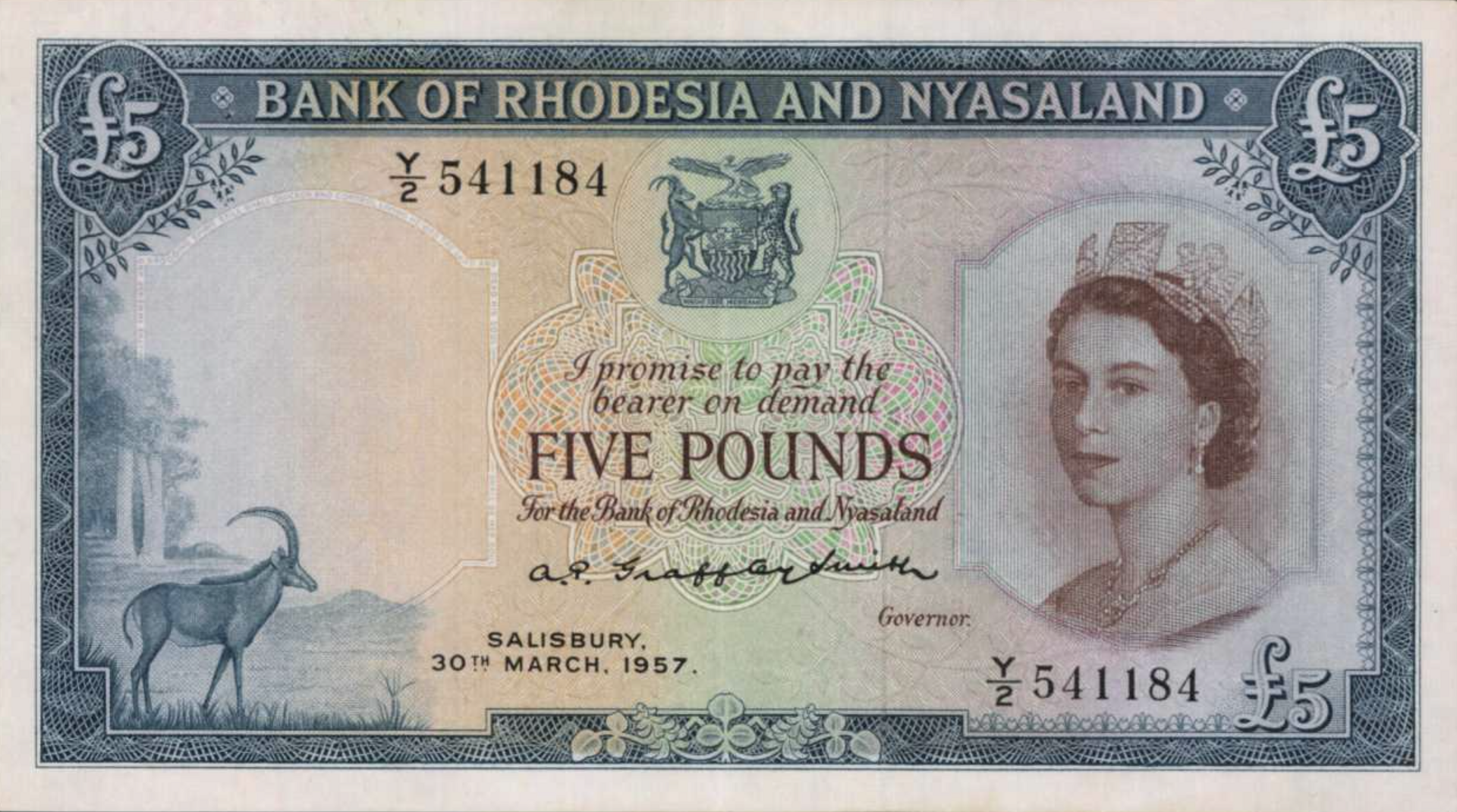
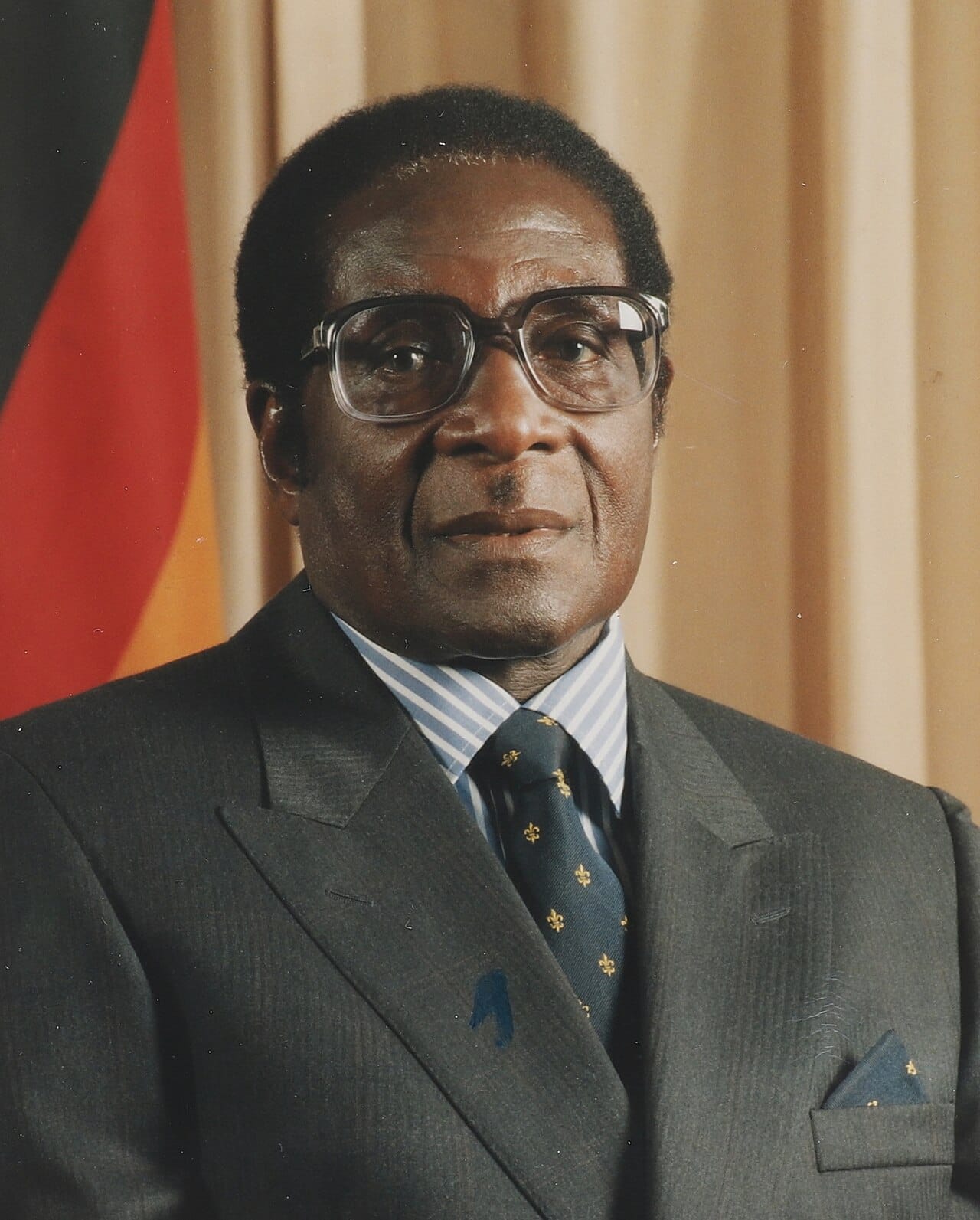
Independence brought to power Robert Mugabe, a hero of the liberation struggle who would rule for nearly four decades. Early promise gave way to repression, including the massacre of thousands in Ndebele areas in the 1980s, and later to economic catastrophe. A violent seizure of white-owned farms after 2000 wrecked the country's agriculture, and hyperinflation destroyed its currency, before Mugabe was finally toppled by his own army in 2017.
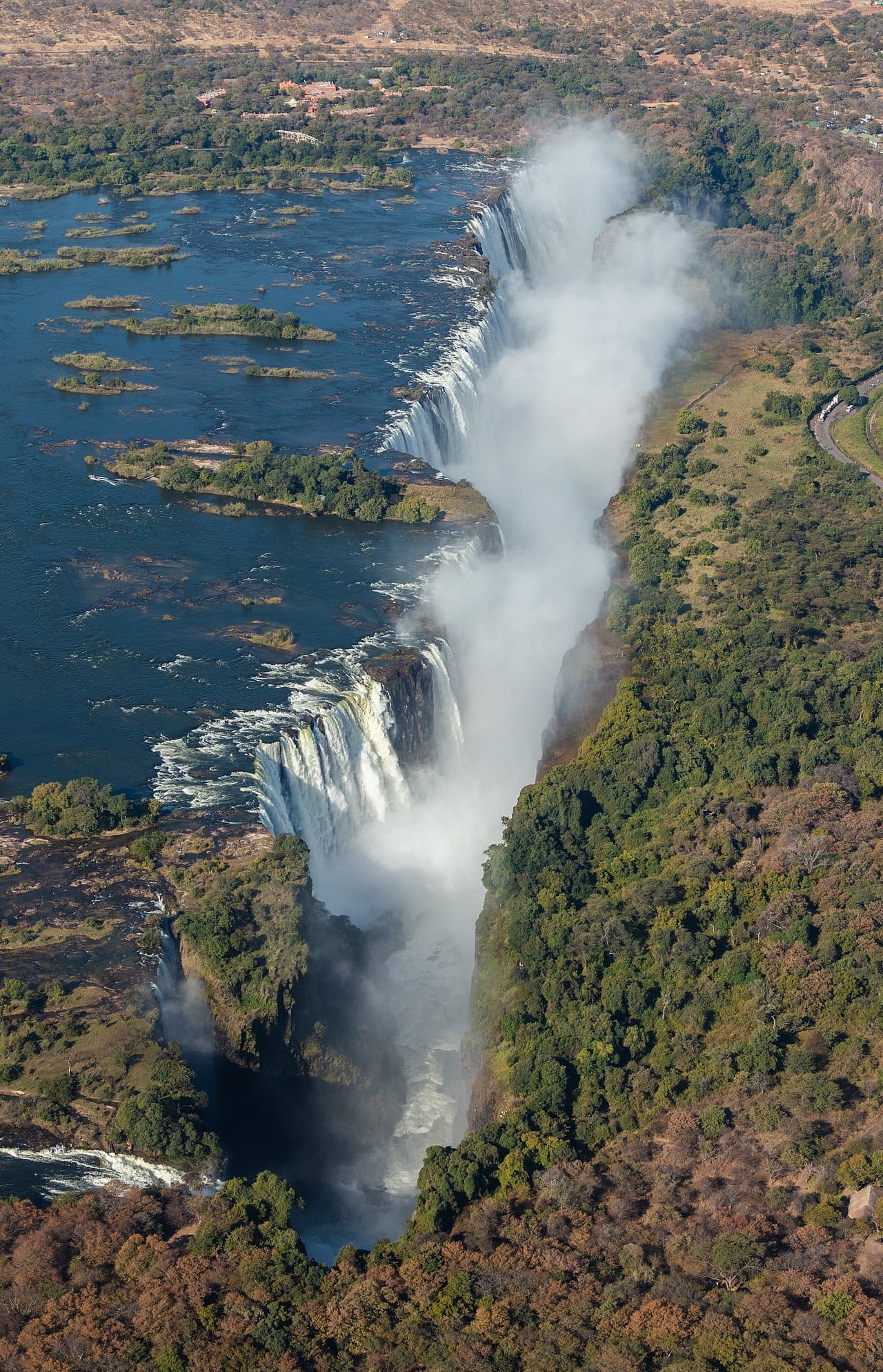
Zimbabwe sits on a high central plateau, the highveld, which gives the tropical country a temperate climate and good farmland, falling away to lower, hotter ground along its river borders. The Zambezi River marks the northern frontier and plunges over the magnificent Victoria Falls, one of the largest waterfalls in the world, shared with Zambia. The country also holds great national parks rich in wildlife, including large populations of elephants.
Zimbabwe is a presidential republic, but power has never left the party that won independence, ZANU-PF. When the army removed Robert Mugabe in 2017, it was not to end the party's rule but to replace him with one of his own lieutenants, Emmerson Mnangagwa, nicknamed the Crocodile, who has been president ever since. His government promised a new dispensation of reform and openness, but delivered much the same as before: disputed elections, the harassment of the opposition, and a grinding economic crisis, with repeated failed attempts to launch a stable national currency. The gulf between the ruling party's grip and the hardship of ordinary Zimbabweans remains the defining feature of national life.
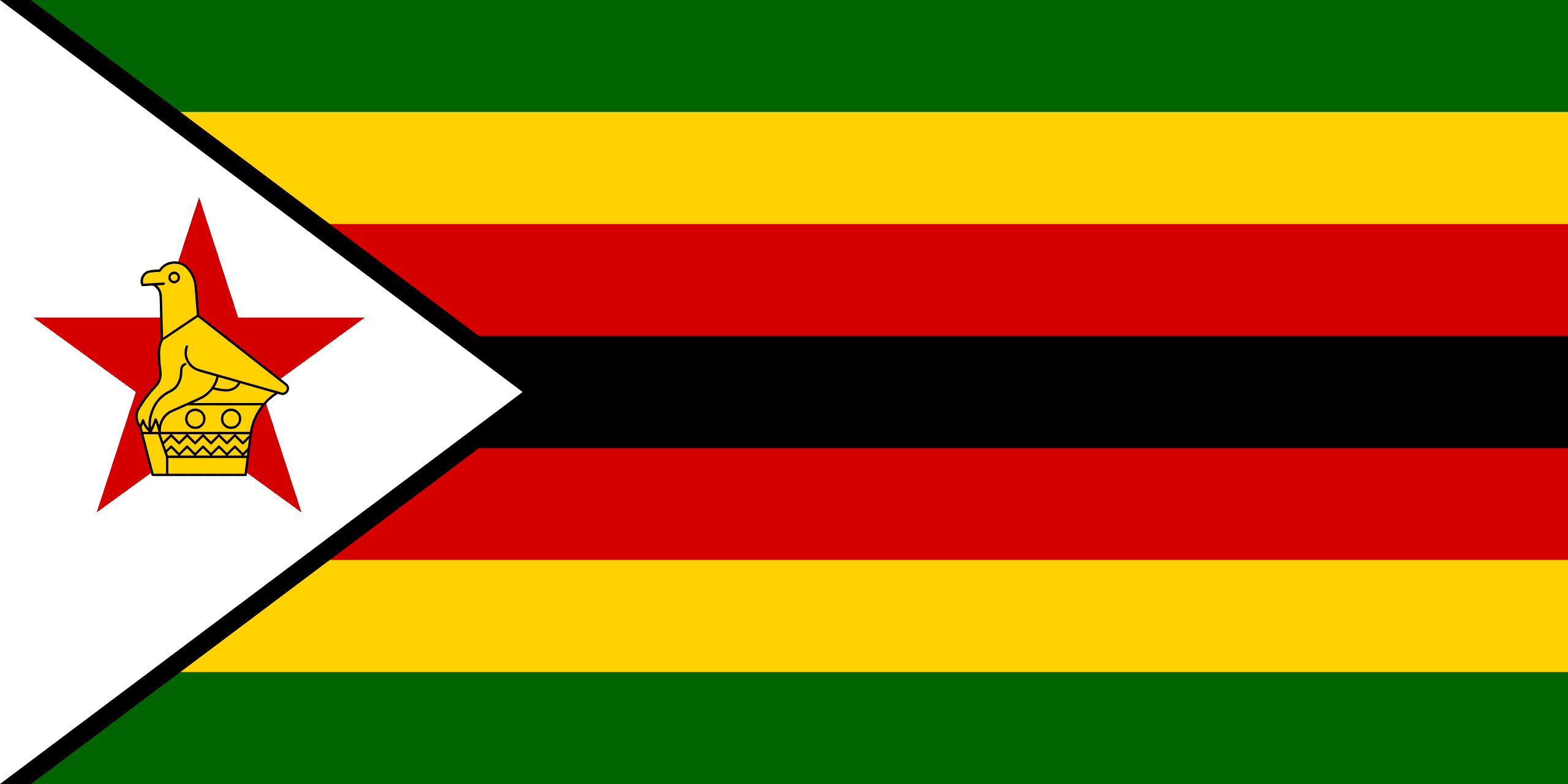
The flag of Zimbabwe has seven horizontal stripes of green, yellow, red, and black, with a white triangle at the hoist bearing a red star and the Zimbabwe Bird. The stripes stand for the land and agriculture, mineral wealth, the blood of the liberation struggle, and the African people. The red star represents the nation's aspirations, while the Zimbabwe Bird, a soapstone carving found at Great Zimbabwe, is the national emblem linking the country to its ancient heritage.
The majority of Zimbabweans are Christians, spread across many denominations, including large independent African churches that blend Christian worship with local custom. Traditional African beliefs, honouring ancestors and spirits, remain deeply influential and are often held alongside Christianity, with spirit mediums having played a notable role even in the liberation struggle. This blending of Christian and traditional belief is a characteristic feature of the country's spiritual life.
Zimbabwean cuisine centres on sadza, a thick porridge made from white maize meal that is the staple of nearly every meal, eaten with relishes of vegetables, beans, or meat. Stewed and grilled meat is enjoyed where it can be afforded, and leafy greens and groundnuts feature widely. A distinctive local delicacy is mopane worms, the dried caterpillars of the mopane moth, a traditional and protein-rich food in parts of the region.
Agriculture has always been central to Zimbabwe, whose fertile highveld once made it a major regional food producer and exporter, earning it the title of the breadbasket of southern Africa. Maize is the staple food crop, and tobacco is a leading export, alongside cotton, sugar, and horticulture. A controversial and often violent programme of land redistribution beginning around 2000 disrupted large-scale commercial farming and contributed to severe economic difficulties, though tobacco output has since recovered strongly.
Zimbabwean culture is rooted in its Shona and Ndebele peoples, with a deep reverence for ancestors and spirit mediums that runs beneath a widespread Christianity, and which played a real part even in inspiring the liberation war. The country is famous for its music, above all the shimmering sound of the mbira, the thumb piano central to Shona spiritual life, and for its stone sculpture, whose artists have won international renown. Everyday life centres on sadza, the thick maize porridge eaten with almost every meal. For all its hardships, Zimbabwe retains a well-educated population and a strong cultural pride, carried also by a vast diaspora scattered by the country's troubles.
Zimbabwe is a story of extraordinary promise brought low, and of who bears the blame. At independence in 1980 it was one of Africa's most advanced economies, the breadbasket of the region, with good schools and rich farmland. Four decades later it has endured world-record hyperinflation, the collapse of its farming after the often violent seizure of white-owned land, and the flight of millions of its people. The government, and its defenders, cast the land reform as an overdue righting of colonial theft and blame Western sanctions for the ruin that followed; critics hold the ruling party's corruption, mismanagement, and repression responsible for squandering the nation's inheritance. That the removal of Robert Mugabe in 2017 changed the man but not the system, and that hardship and disputed elections have continued, has deepened the argument. How Zimbabwe might recover its lost promise, and open up its politics, remains its central and contested question.
Zimbabwe has a population of around 16 million people, the great majority belonging to the Shona, with a significant Ndebele minority in the southwest, and English, Shona, and Ndebele among its official languages. The population is relatively well educated, but decades of economic hardship have driven large numbers of Zimbabweans to live and work abroad, especially in neighbouring South Africa. Most people live in the rural highveld and in cities such as the capital, Harare.