Zambia is a landlocked country in southern-central Africa, a high plateau land of savanna, rivers, and abundant wildlife. Named after the great Zambezi River, which forms part of its border and plunges over the spectacular Victoria Falls, it is famous for its national parks and for its copper, the metal on which its economy has long depended. Stable and peaceful by the standards of its region, Zambia is a nation of many peoples bound together by a shared sense of national unity.
Zambia's history runs from ancient hunter-gatherers, through the great trading kingdoms of the plateau, to a British copper colony that became one of Africa's more stable democracies.
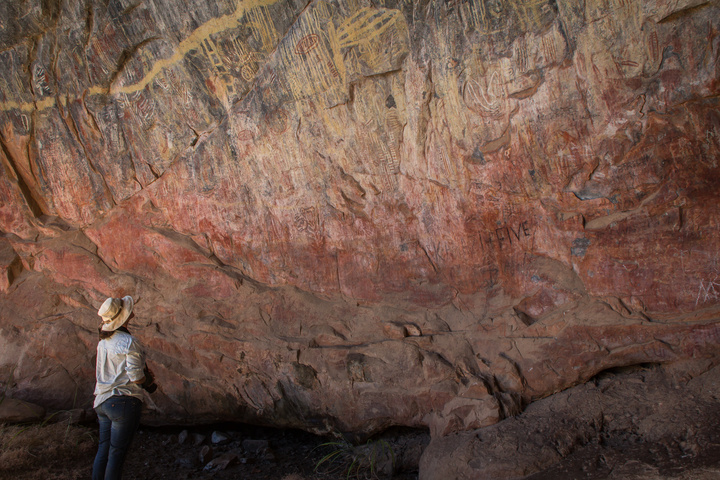
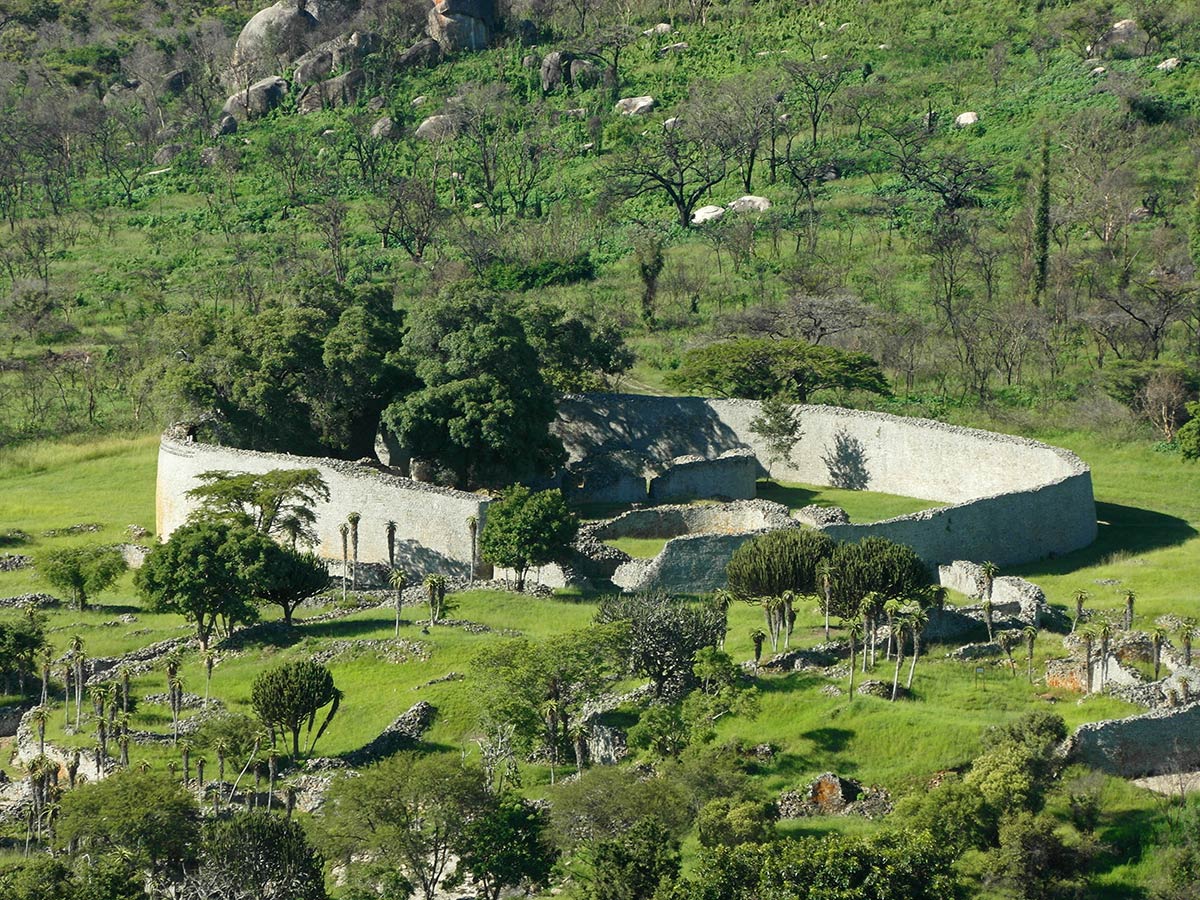
People have lived in what is now Zambia for tens of thousands of years, leaving rock art in its caves, and it was here, at Kabwe, that a famous early-human skull was found. From around the first millennium, Bantu-speaking farmers settled the land, and by the later Middle Ages powerful kingdoms had arisen, above all those of the Lunda and the Bemba, which traded copper, ivory, and gold across the region and linked into the wider Zambezi world of Great Zimbabwe and the Portuguese on the coast.
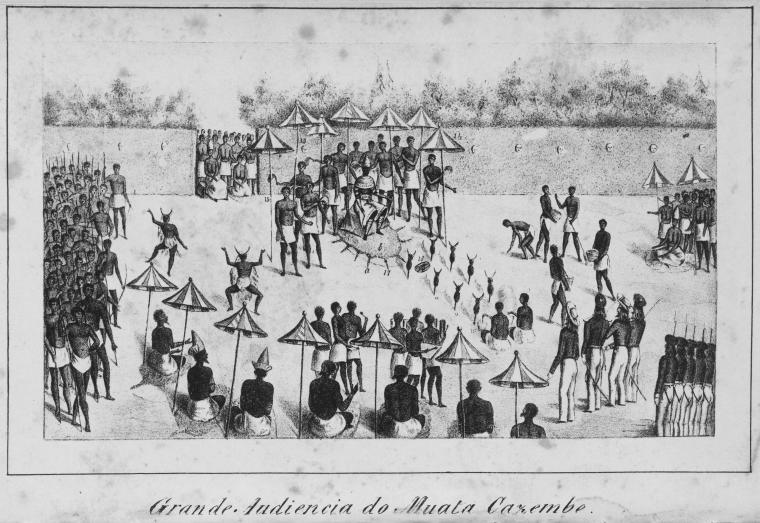
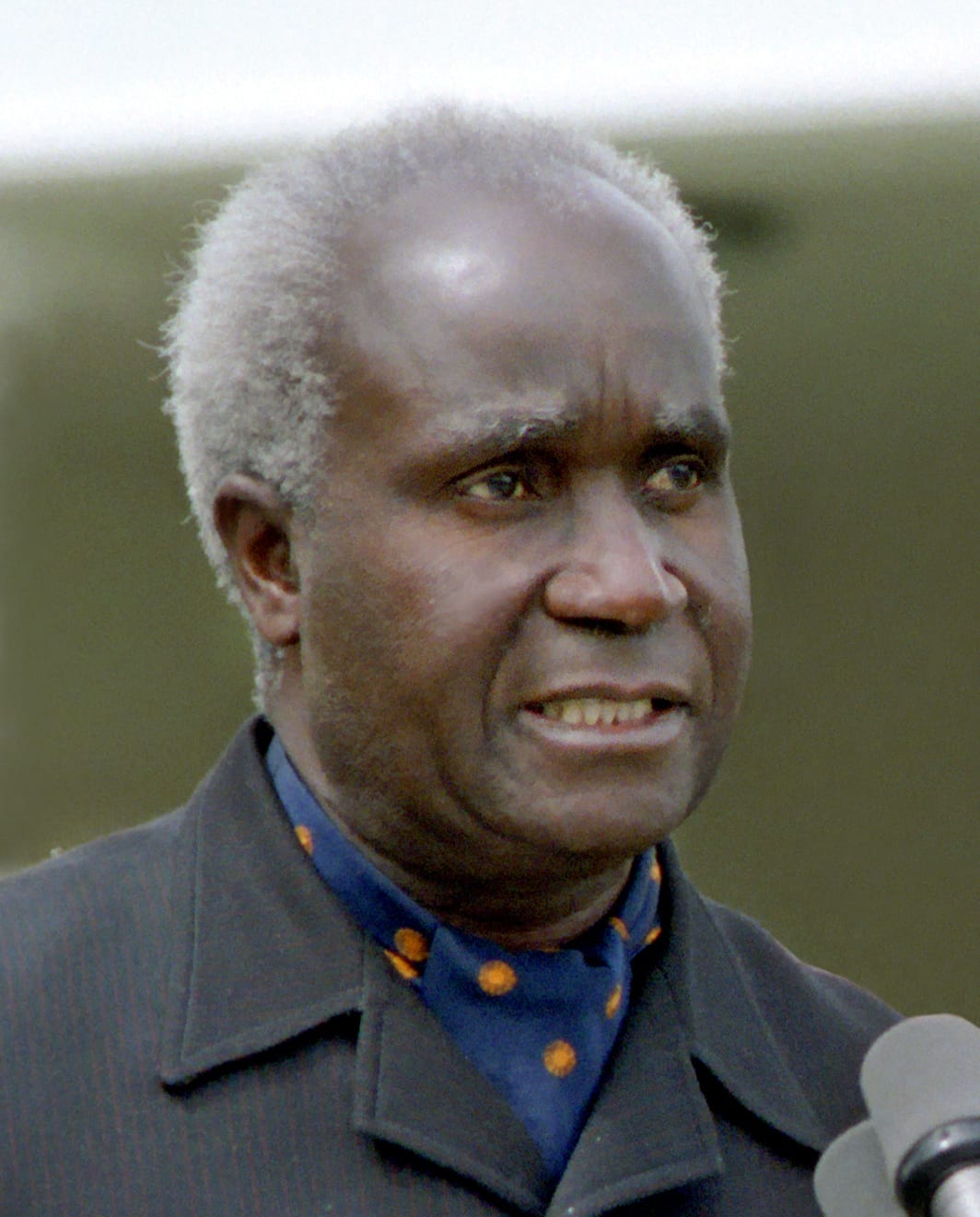
In the late nineteenth century the territory fell under the control of Cecil Rhodes's British South Africa Company and became the colony of Northern Rhodesia. The discovery of enormous copper deposits along the Copperbelt drew mines, railways, and migrant labour, binding the country's fortunes to the metal. After the Second World War, a peaceful nationalist movement led by Kenneth Kaunda won independence in 1964, and Kaunda, preaching a philosophy of African humanism, governed the new nation of Zambia for its first 27 years.
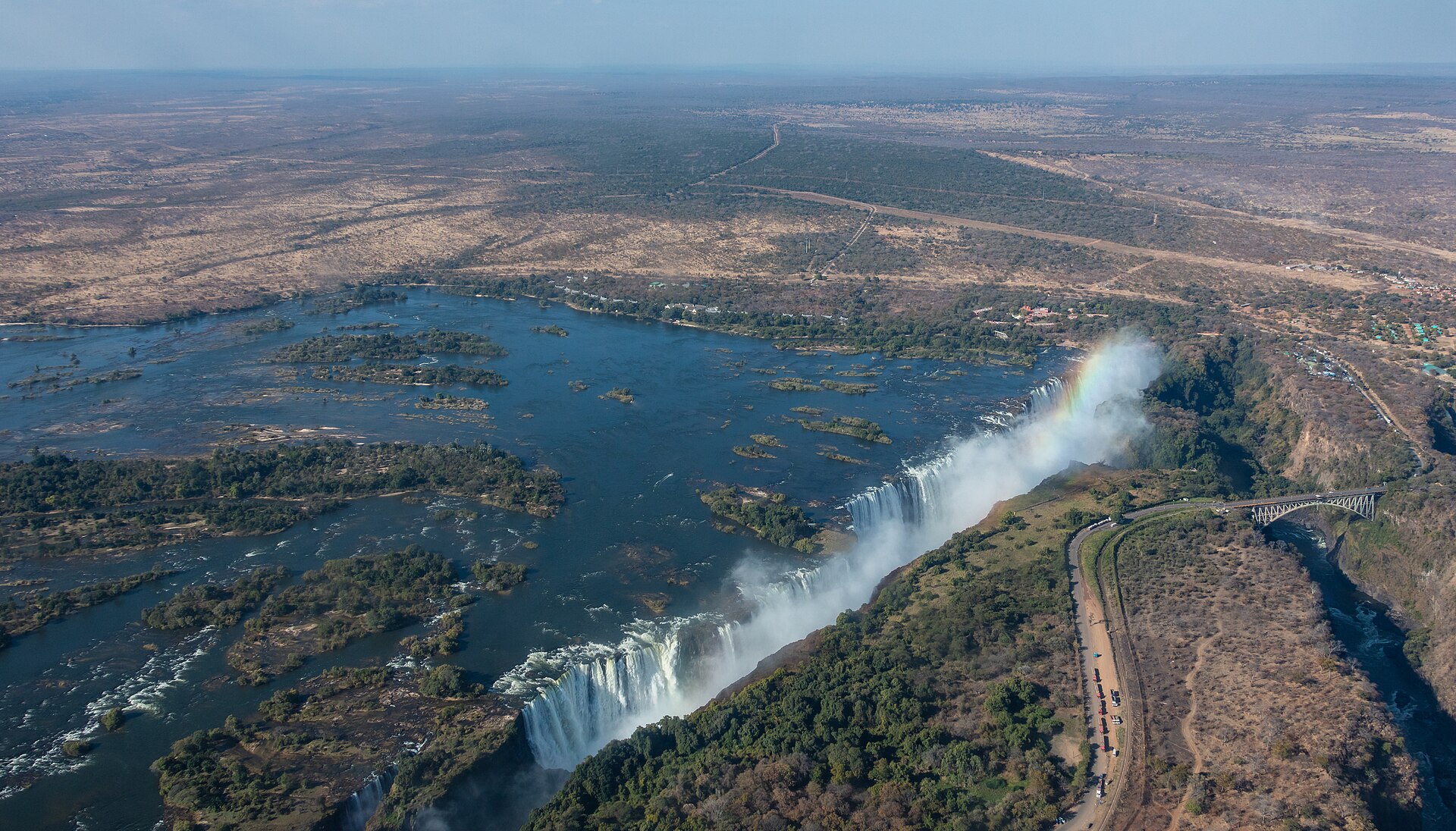
Zambia sits on a high plateau that gives the tropical country a moderate climate, a landscape of rolling savanna woodland, grassy plains, and great rivers, above all the Zambezi. The river marks the southern border and tumbles over Victoria Falls, one of the largest and most magnificent waterfalls in the world, shared with Zimbabwe and known locally as the smoke that thunders. Zambia also holds vast wetlands and lakes and a network of national parks teeming with elephants, lions, and other wildlife.
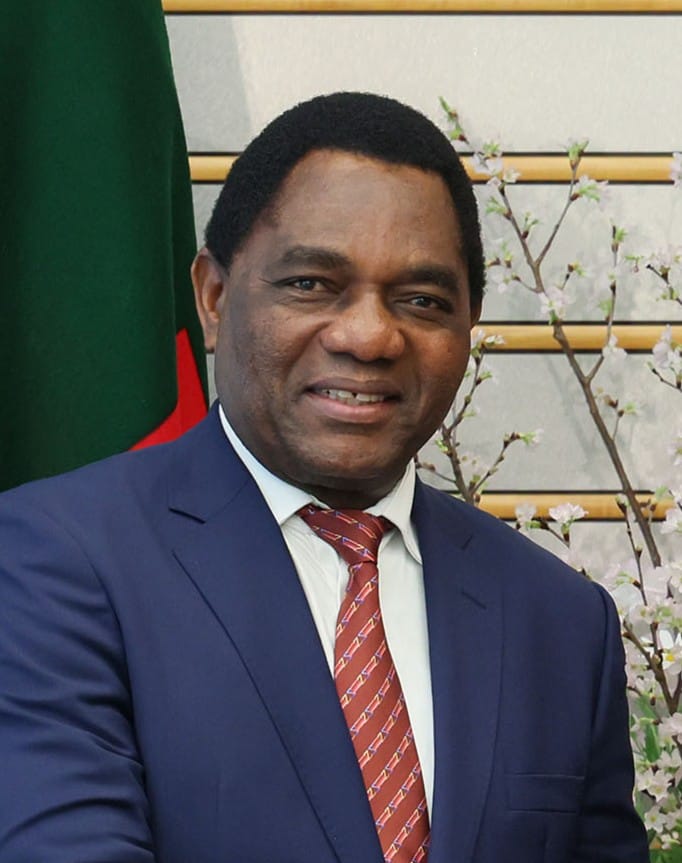
Zambia stands out in its region as a stable multiparty democracy with a record of peaceful, and sometimes surprising, transfers of power at the ballot box. Kenneth Kaunda's long one-party rule gave way to multiparty elections in 1991, and power has since changed hands several times between parties, including in 2021, when the veteran opposition leader Hakainde Hichilema, a wealthy businessman who had run for president five times before and once been jailed, won a landslide against the incumbent. His government inherited a country that had defaulted on its debts, and he has focused on restoring the economy and Zambia's international standing, with a fresh election due in 2026.
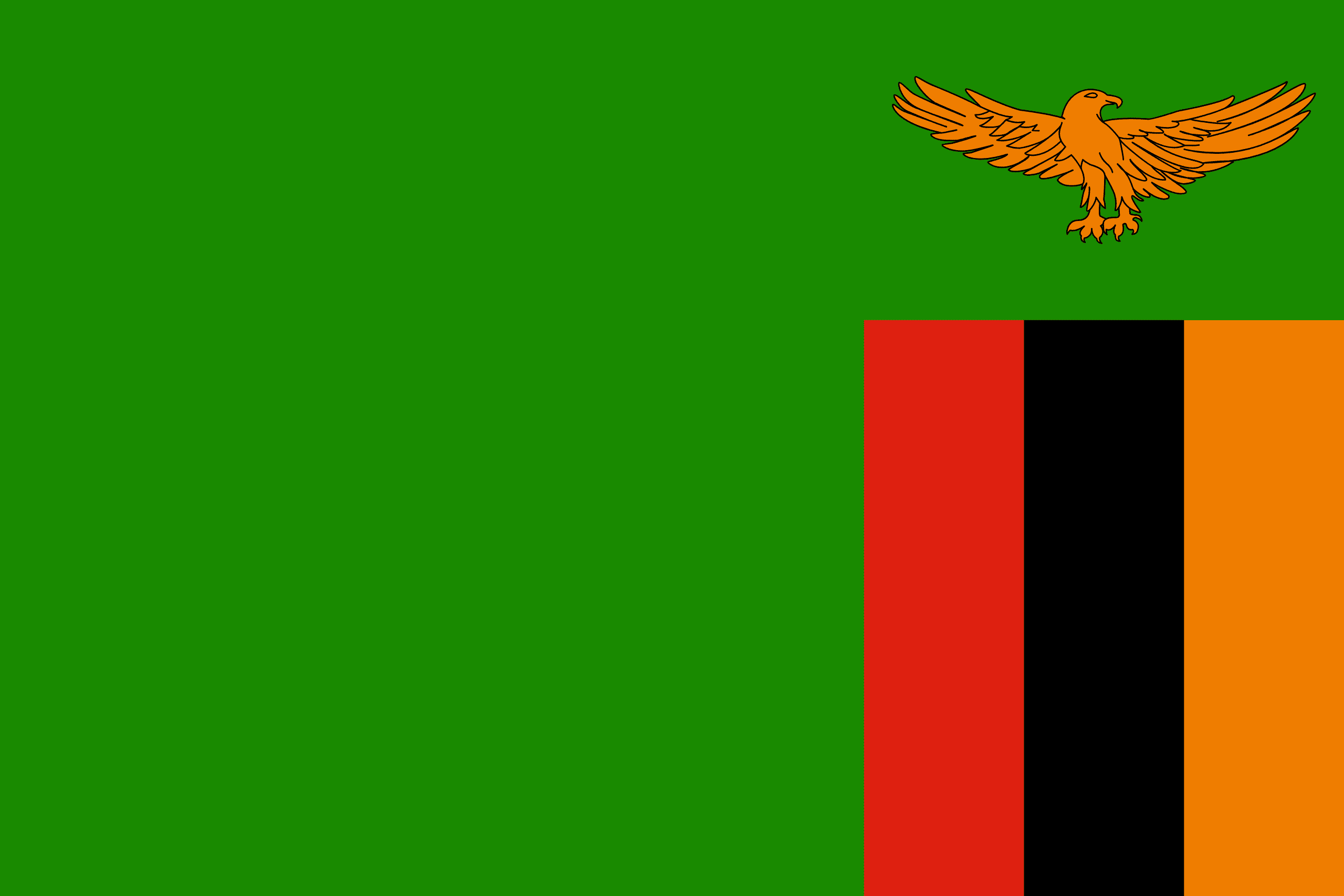
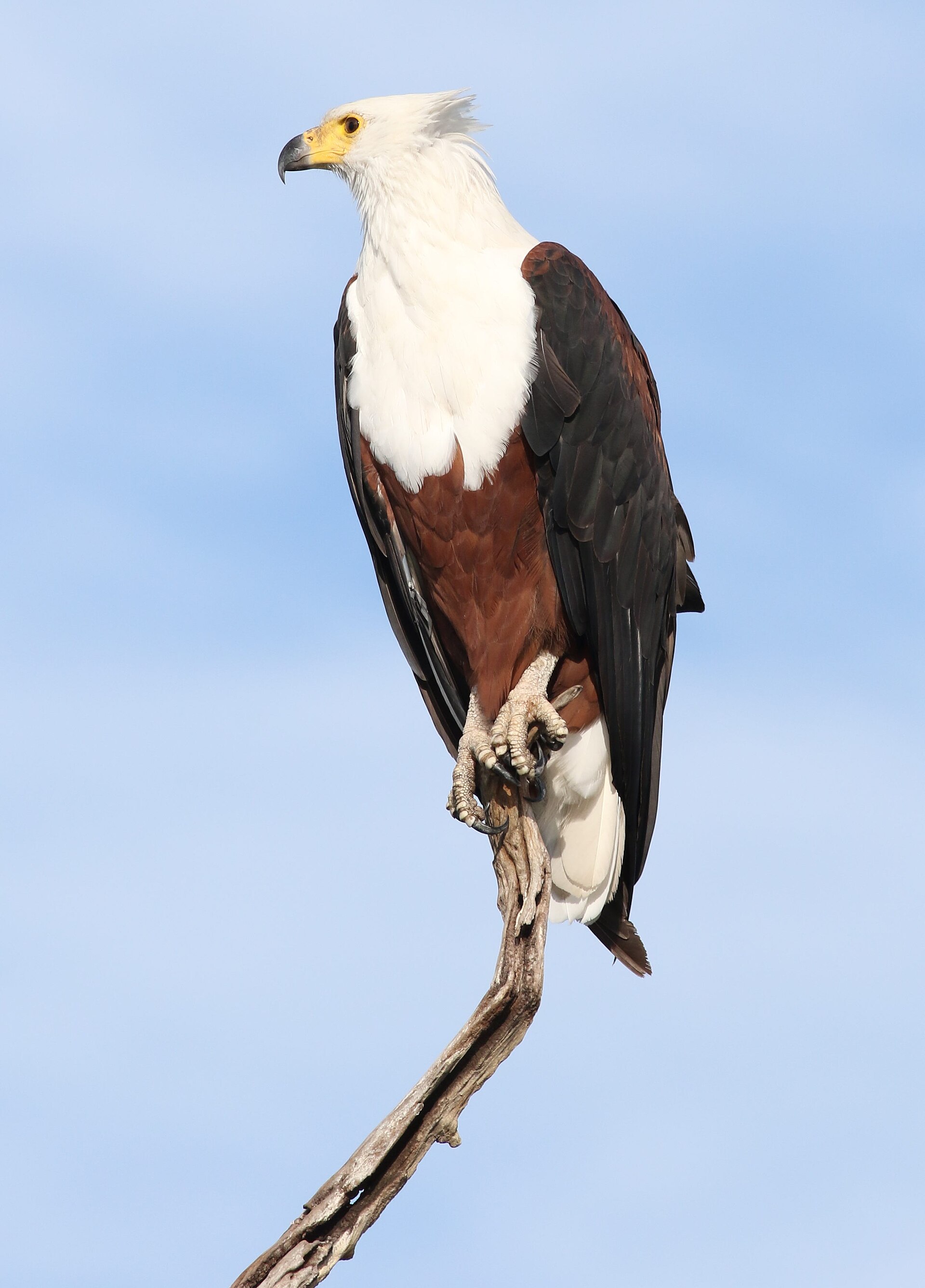
The flag of Zambia is green, with a distinctive panel of three vertical stripes of red, black, and orange in the lower fly corner, beneath a soaring orange eagle. The green represents the country's lush vegetation, the red the struggle for freedom, the black the people, and the orange its mineral wealth, above all copper. The eagle, taken from the national coat of arms, symbolises the ability of Zambians to rise above their problems.
Zambia is an overwhelmingly Christian country, indeed officially declared a Christian nation, with the great majority belonging to a wide range of Protestant churches and to the Roman Catholic Church, the result of extensive missionary work. Worship and church life are a prominent part of Zambian society. Traditional African beliefs, with their reverence for ancestors and spirits, also endure and are often blended with Christianity, while a small Muslim minority lives mainly in the towns.
Zambian cuisine centres on nshima, a thick porridge made from ground maize that is the staple of nearly every meal, rolled into balls by hand and dipped into accompanying dishes. These relishes include vegetables such as pumpkin leaves, beans, and groundnuts, along with meat or fish, including the small dried fish from the country's lakes and rivers. The cooking is simple and hearty, built around the produce of the land in a country where farming sustains most families.
Agriculture employs most Zambians, much of it small-scale farming of maize, the staple crop, along with cassava, groundnuts, and other foods, while commercial farms produce sugar, tobacco, cotton, and increasingly maize and soya for export. The economy as a whole, however, has long been dominated by copper: Zambia sits on the great Copperbelt and is one of Africa's largest producers of the metal, whose price swings have a powerful effect on national fortunes. Diversifying beyond copper is a central goal.
More than almost any other nation, Zambia lives and dies by a single commodity: copper. The mines of the Copperbelt have shaped the country since colonial times, drawing its cities, its railways, and much of its workforce, and providing most of its export earnings. This dependence is also a vulnerability, tying the national fortune to the swings of the world copper price, and Zambia has long sought, with limited success, to diversify. In 2020 the country became the first in Africa to default on its debts during the pandemic, and the long, difficult restructuring that followed, watched closely as a test case for indebted developing nations, has dominated its economic life ever since, even as rising global demand for copper to electrify the world offers fresh hope.
Zambia is a nation of around seventy peoples who have, unusually, forged a strong and peaceful sense of common identity, helped by the unifying use of English and by Kaunda's early emphasis on national unity, captured in the motto One Zambia, One Nation. Traditional ceremonies remain vibrant, none more famous than the Kuomboka of the Lozi people, in which their king is paddled in a great barge from the flooding plains to higher ground. Music, from traditional drumming to modern Zambian pop, dance, and a warm, easygoing social style are cherished, and Christianity is woven deeply through public and family life.
Zambia has a population of around 20 million people, made up of around seventy ethnic groups, the largest including the Bemba, Tonga, and Lozi, speaking many languages with English serving as the official tongue. Despite this diversity, the country has a strong sense of national unity and a reputation for peaceful coexistence. The population is young and increasingly urban, concentrated along the line of rail and the Copperbelt and in the capital, Lusaka, in the centre of the country.