Yemen is a country at the southern end of the Arabian Peninsula, where the Red Sea meets the Arabian Sea. In ancient times its fertile, well-watered highlands made it so prosperous that the Romans called it Arabia Felix, or Fortunate Arabia, and it grew rich on the trade in frankincense and myrrh. Today, by tragic contrast, it is one of the poorest countries in the region, devastated by a prolonged civil war.
Yemen holds one of the oldest histories in Arabia, home to wealthy incense kingdoms of antiquity, an early convert to Islam, and later a land of ruling imams and Ottoman governors, divided into two states that united only at the end of the twentieth century.
The fertile highlands of Yemen gave rise to a series of rich trading kingdoms, the greatest being Saba, the land of the biblical Queen of Sheba. Their wealth came from controlling the trade in frankincense and myrrh, and their engineers built the vast Great Dam of Marib, which watered the fields for over a thousand years.
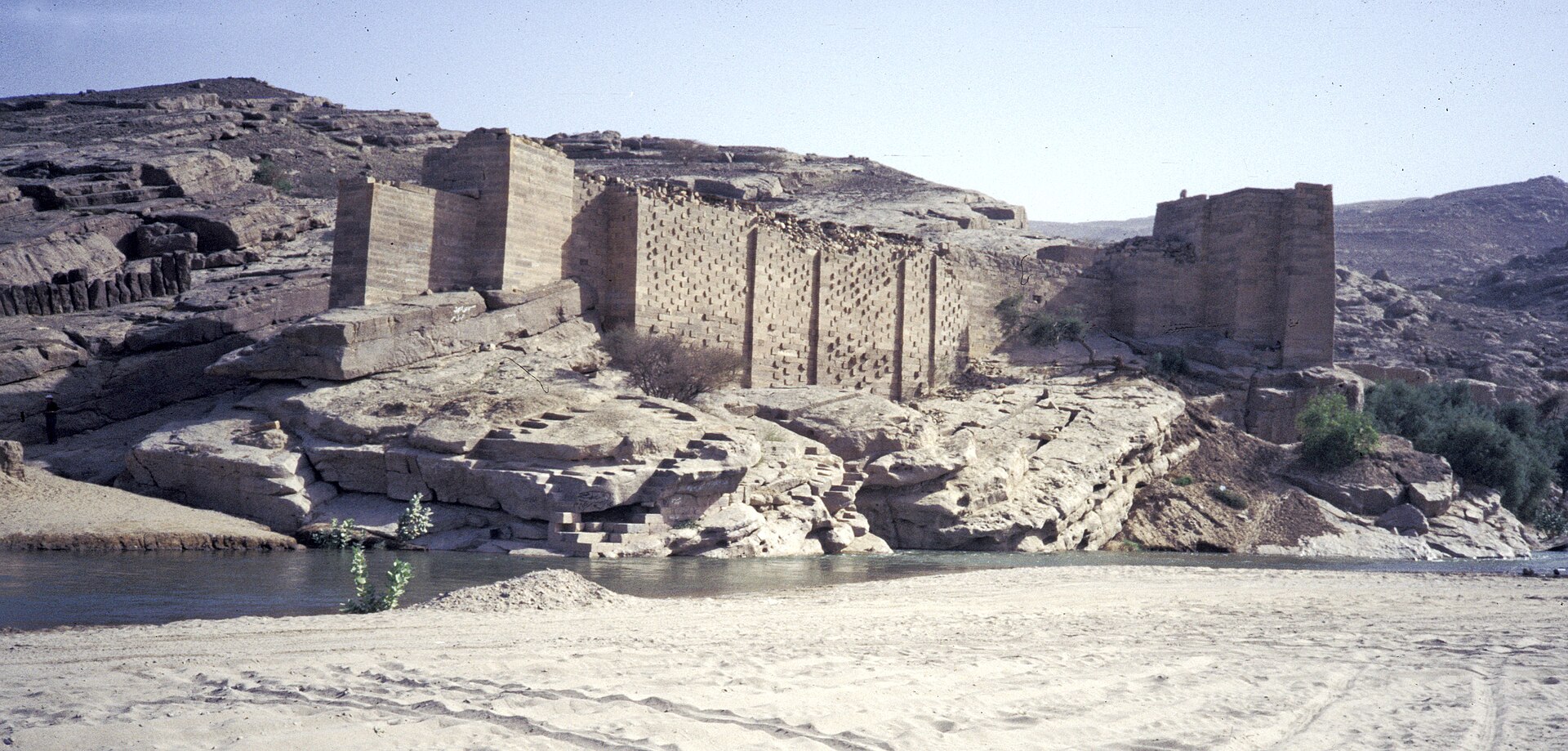
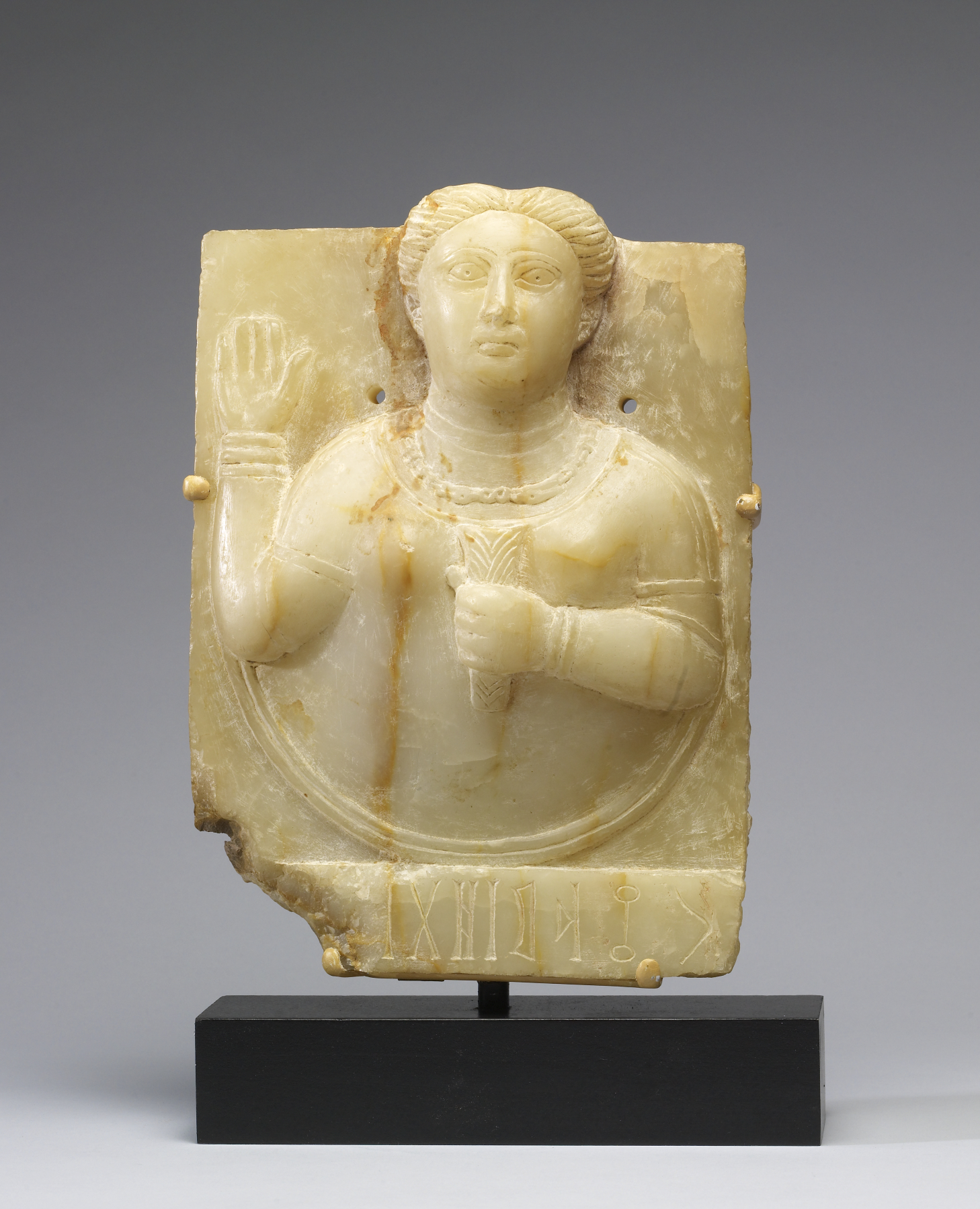
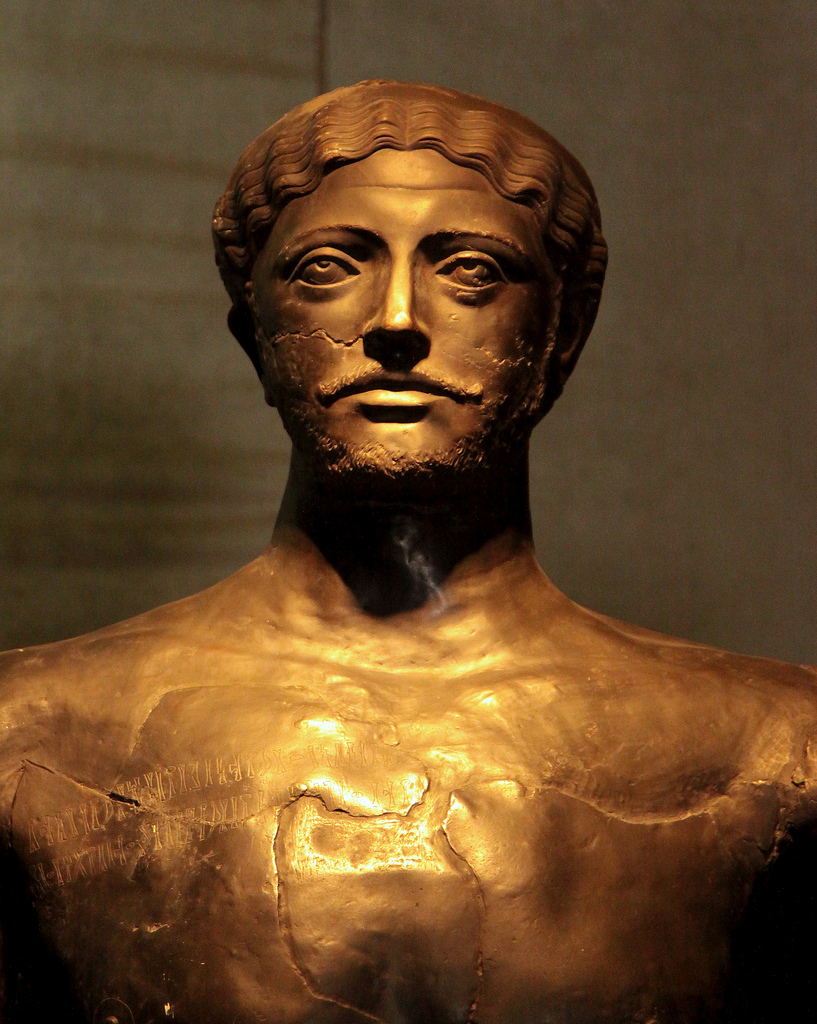
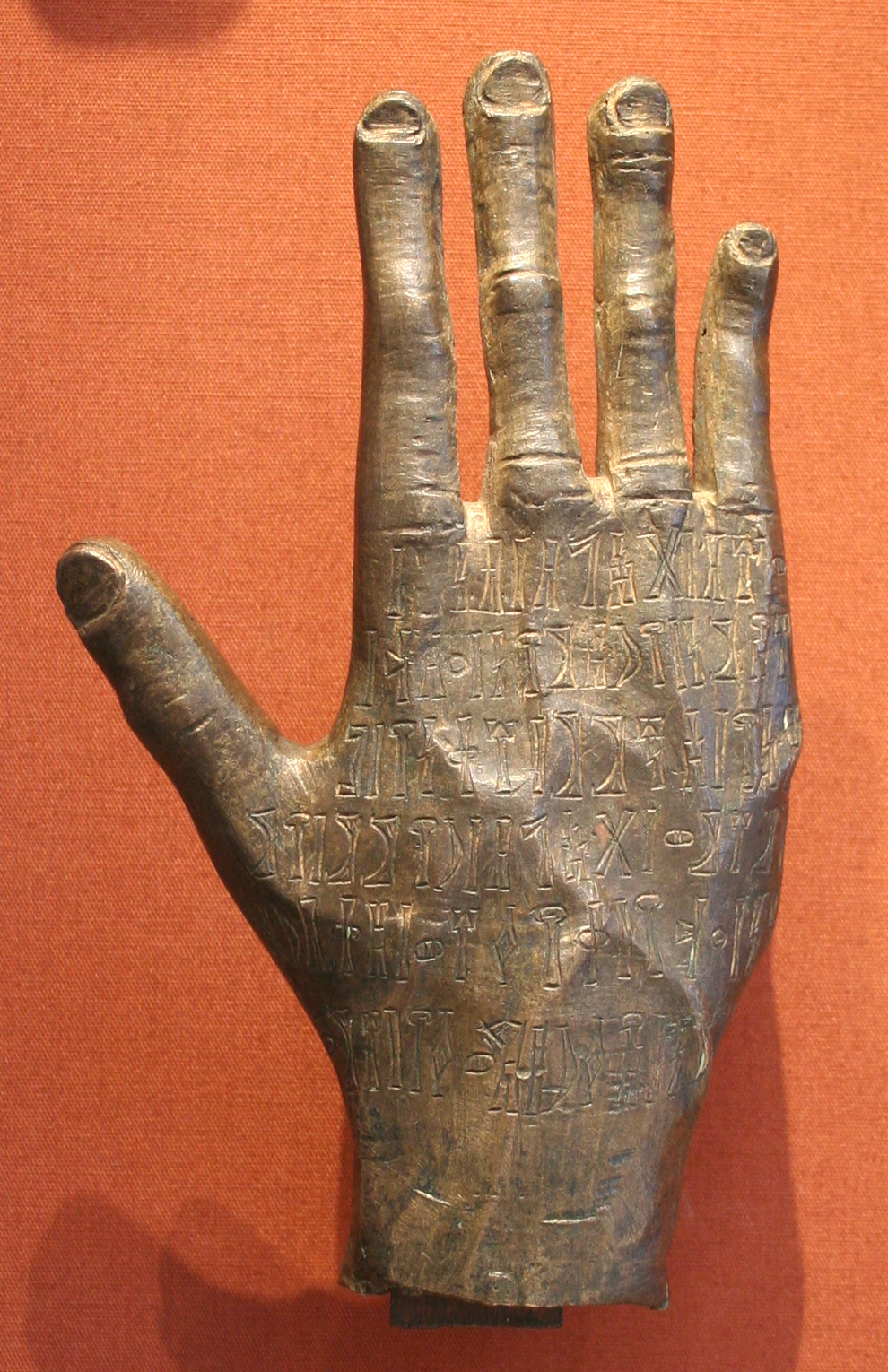
By the first centuries AD the kingdom of Himyar had come to dominate the region, uniting much of Yemen under its rule. A sophisticated society with its own script and, for a time, a Jewish ruling elite, Himyar was the last great power of pre-Islamic Yemen before the coming of Islam.
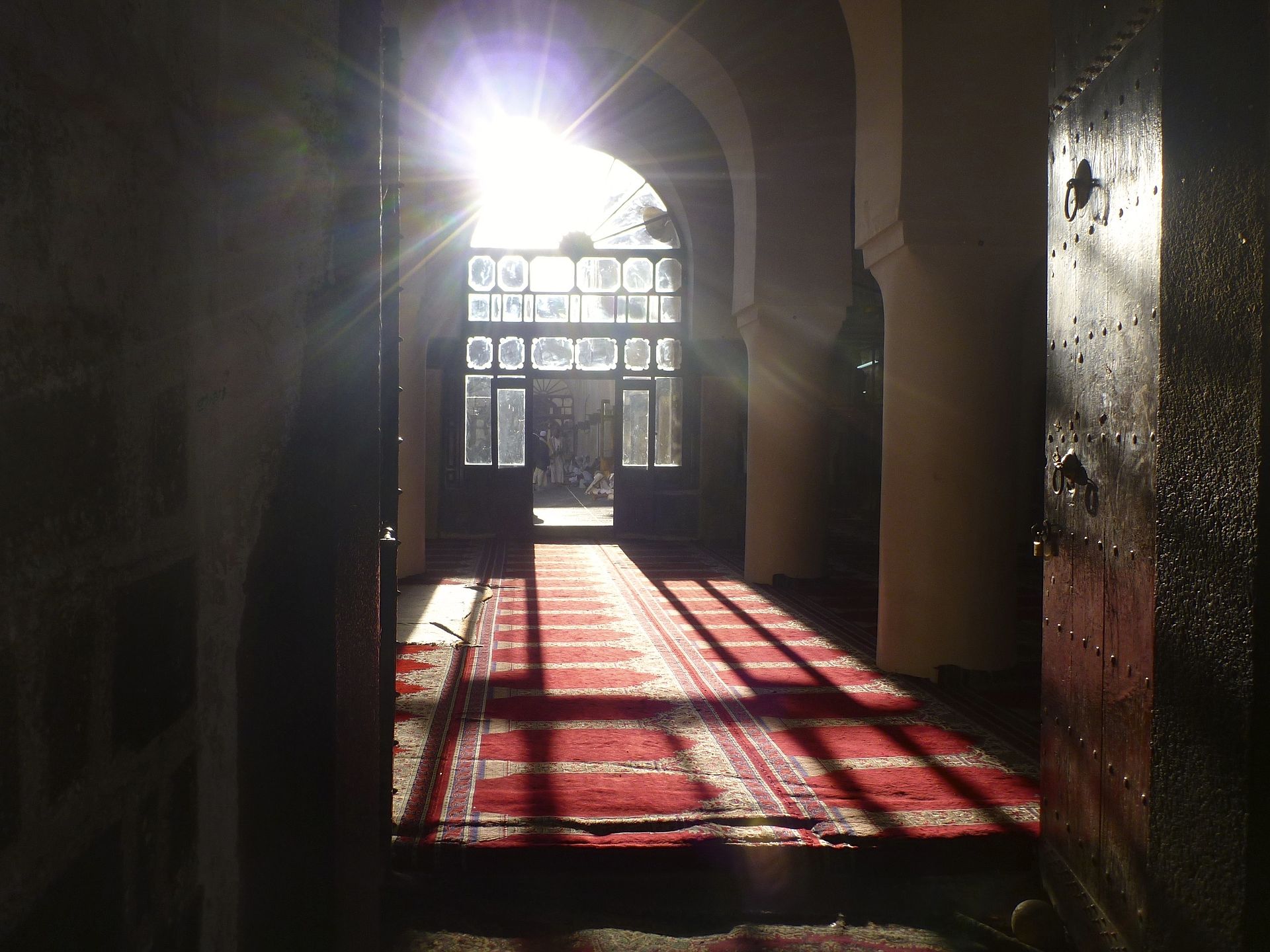
Yemen was among the first lands to embrace Islam in the seventh century, and the great mosque of its capital dates from that first age of the faith. For much of the next thousand years the northern highlands were ruled by Zaidi imams, while dynasties such as the Sulayhids and later the Ottomans held sway at different times, before the modern division into North and South Yemen.
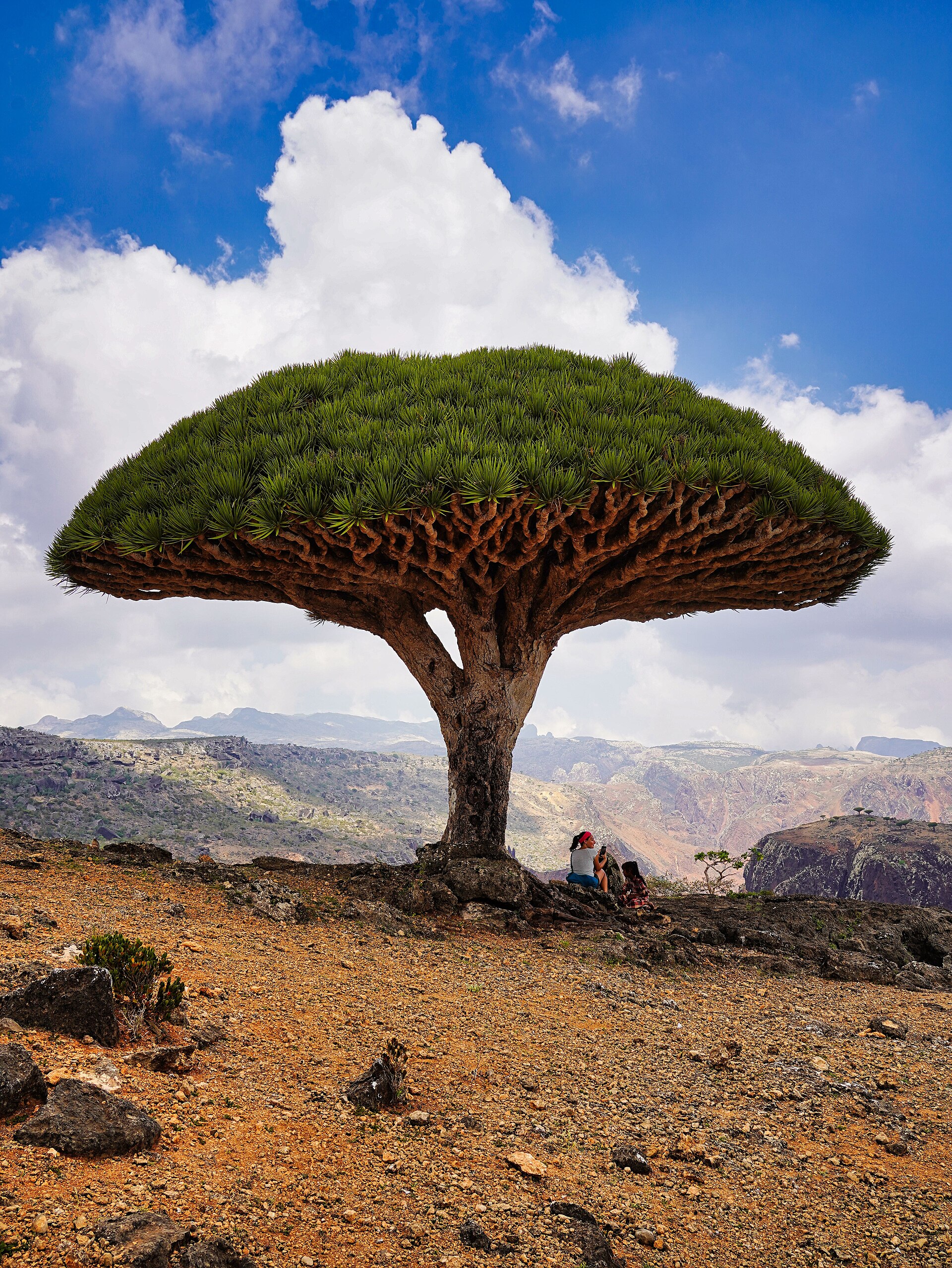
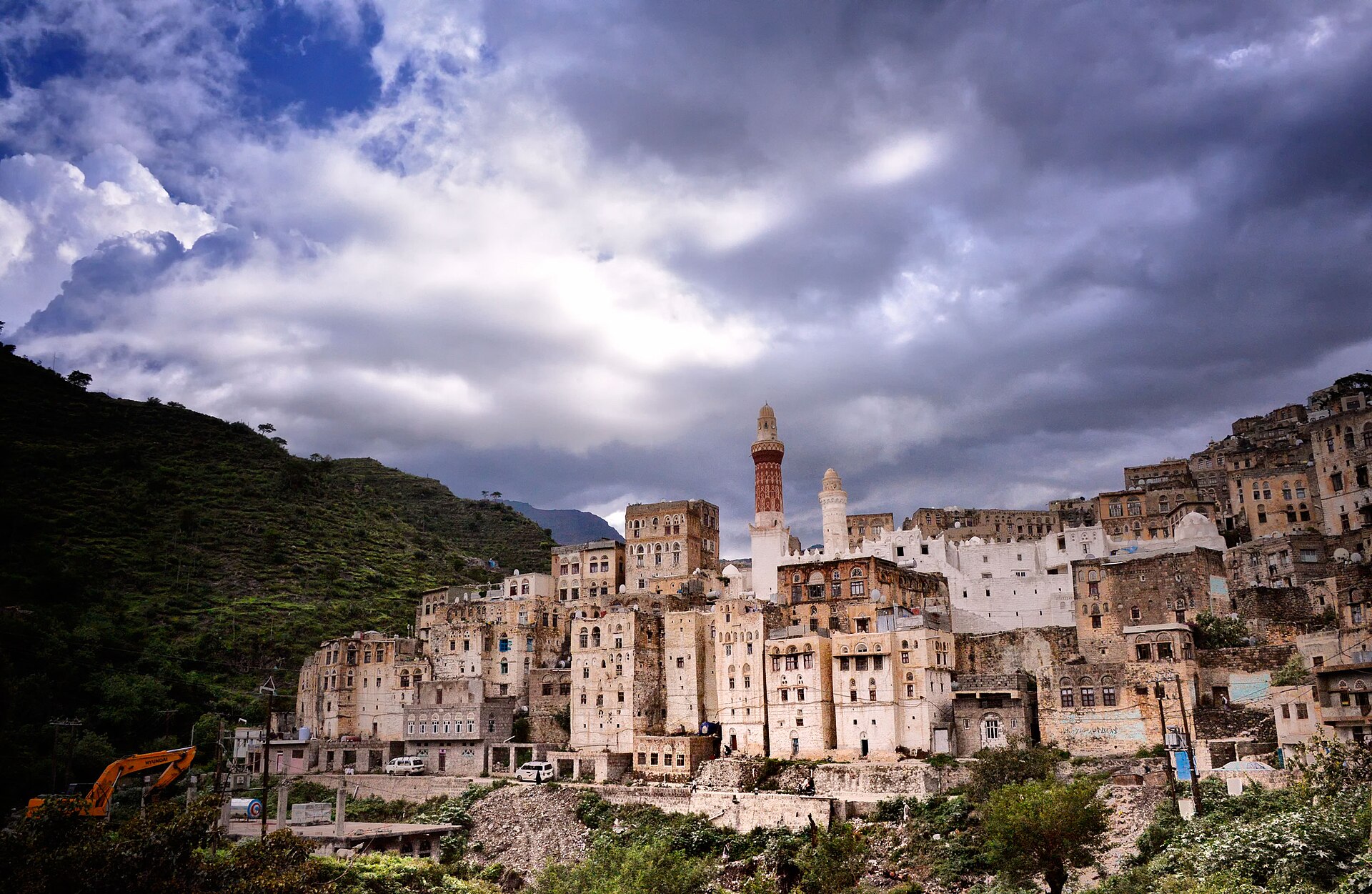
Yemen rises from hot coastal plains along the Red and Arabian Seas to a high, rugged interior of mountains and plateaus, where centuries of farmers have carved spectacular terraces into the steep slopes. These highlands, catching seasonal rains, were the source of the country's ancient prosperity, while the east fades into the vast sands of the Empty Quarter. Off the coast lies the remote island of Socotra, famous for plants and animals found nowhere else on Earth.
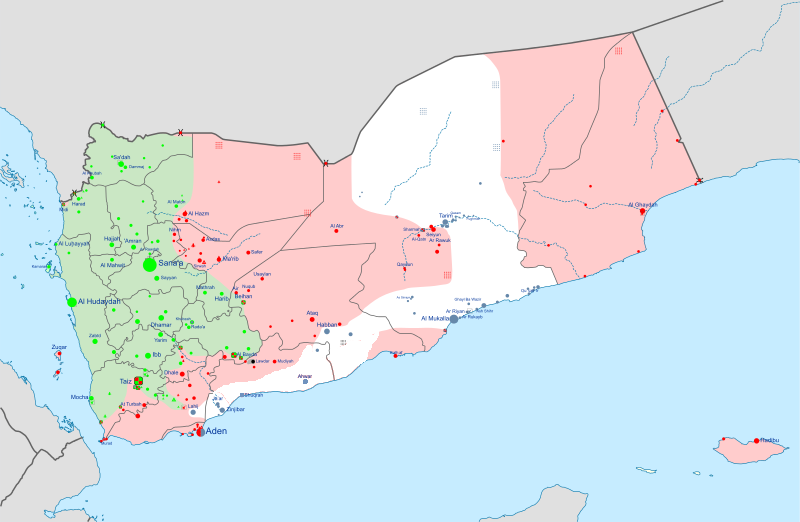
In its recent stable years Yemen was a republic with an elected president and parliament, but since 2014 that order has largely broken down amid civil war. The internationally recognised government, the Houthi movement that controls the highlands and the capital, and other factions each hold parts of the country, and rival institutions claim authority. The result is a fragmented state whose ultimate political shape remains unsettled, with power divided among armed groups and shaped by the involvement of outside powers.
Yemen has long been one of the poorest countries in the Arab world, and years of war have devastated what economy it had. Modest oil and gas exports once provided much of the government's income, but production has been crippled by the conflict. Most people rely on farming, herding, small trade, and money sent home from relatives working abroad, and much of the population now depends on humanitarian aid. Rebuilding a shattered economy is bound up with the hope of an eventual peace.
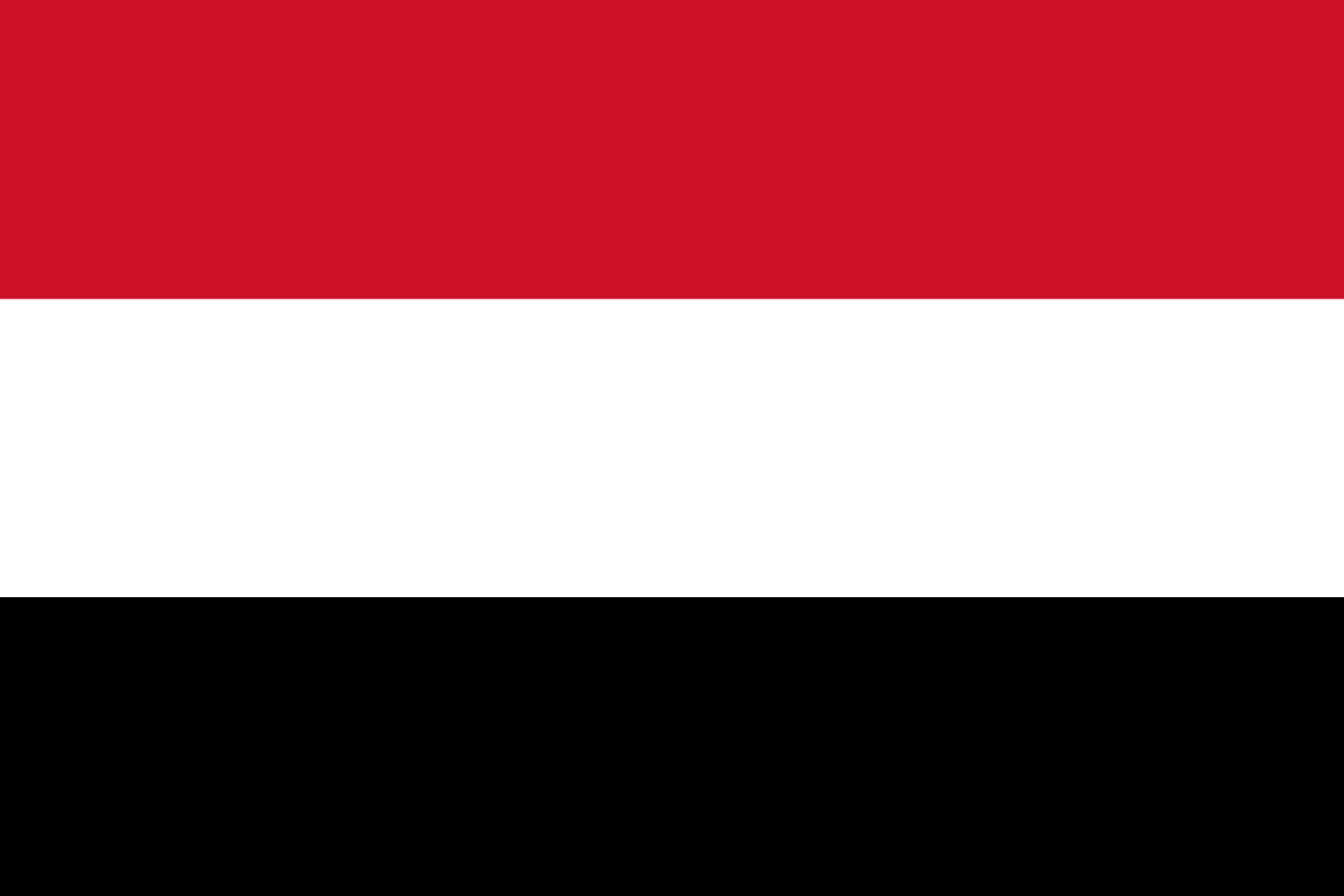
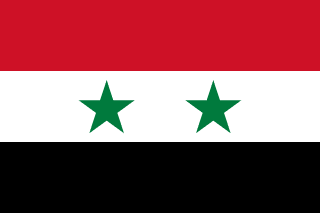
The flag of Yemen has three horizontal bands of red, white, and black, the pan-Arab colours shared with several neighbouring nations. The red is commonly said to represent the blood of martyrs and the struggle for unity, the white a bright future, and the black the dark days of the past. The simple tricolour was adopted in 1990, when North and South Yemen joined to form a single republic.
Yemen is an entirely Muslim country, and Islam is central to its identity, law, and daily life. Its population is divided between followers of the Sunni Shafi'i school, common in the south and along the coast, and the Zaidi branch of Shia Islam, long influential in the northern highlands, where Zaidi imams ruled for many centuries. This religious geography has played a significant role in the country's modern conflicts, even as faith remains the foundation of Yemeni society.
Yemeni cuisine is hearty and aromatic, regarded as among the most flavourful in the Arabian Peninsula. A national dish is saltah, a bubbling stew of meat and vegetables topped with a frothy fenugreek relish, eaten with flatbread. Mandi, meat and rice slow-cooked in an underground oven, is a celebrated feast dish, and the distinctive spice blend hawaij flavours many foods. The food reflects Yemen's old role as a crossroads of the spice and coffee trades.
Yemen's ancient wealth grew from agriculture made possible by its highland terraces and ingenious irrigation. The country is historically important as a home of coffee: the port of Mocha gave its name to the drink, and Yemeni coffee was among the first to be traded to the wider world. Grains, fruits, and vegetables are grown on the terraces, but much scarce water and farmland is now given over to qat, a mild stimulant leaf chewed across the country.
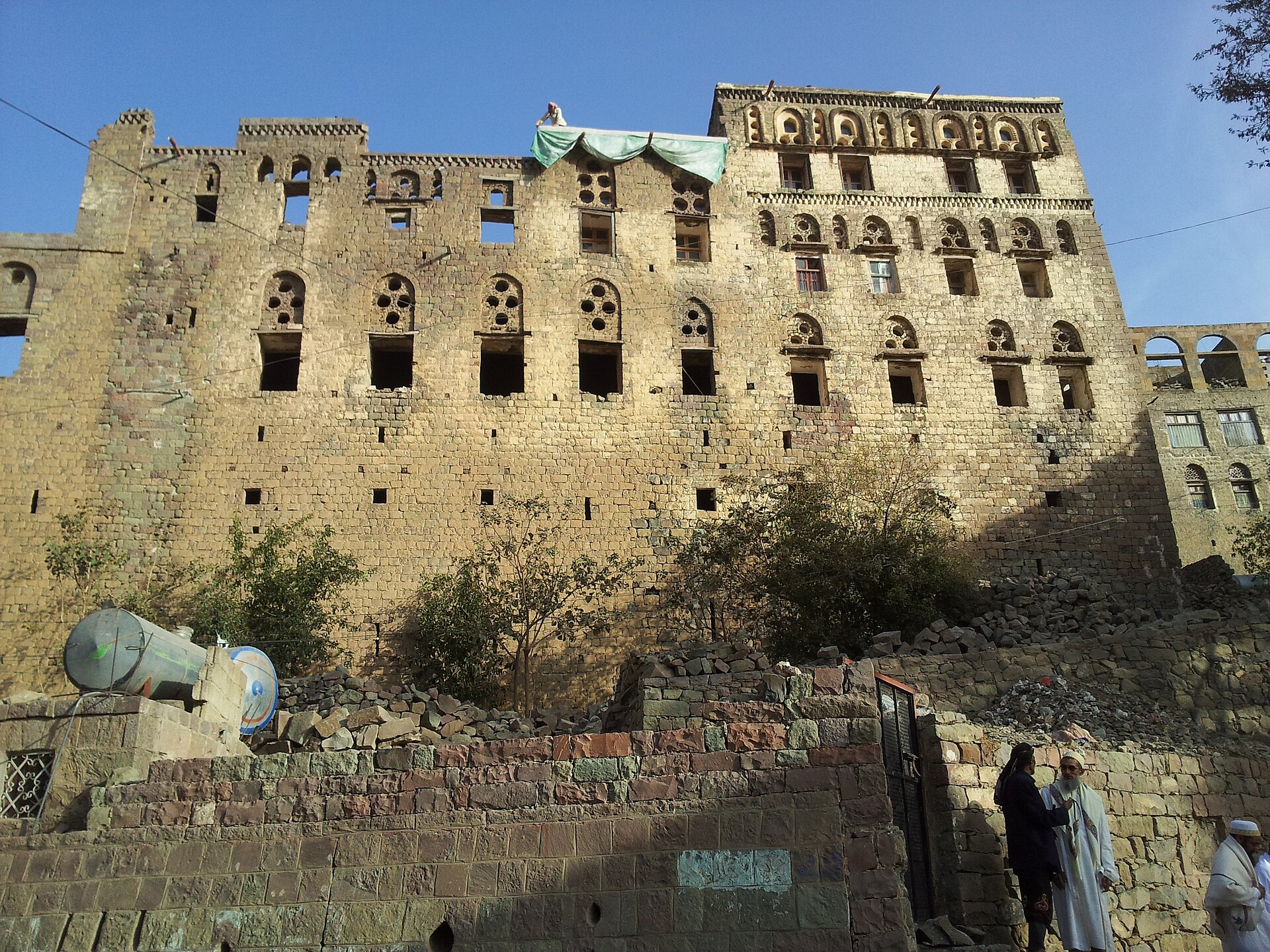
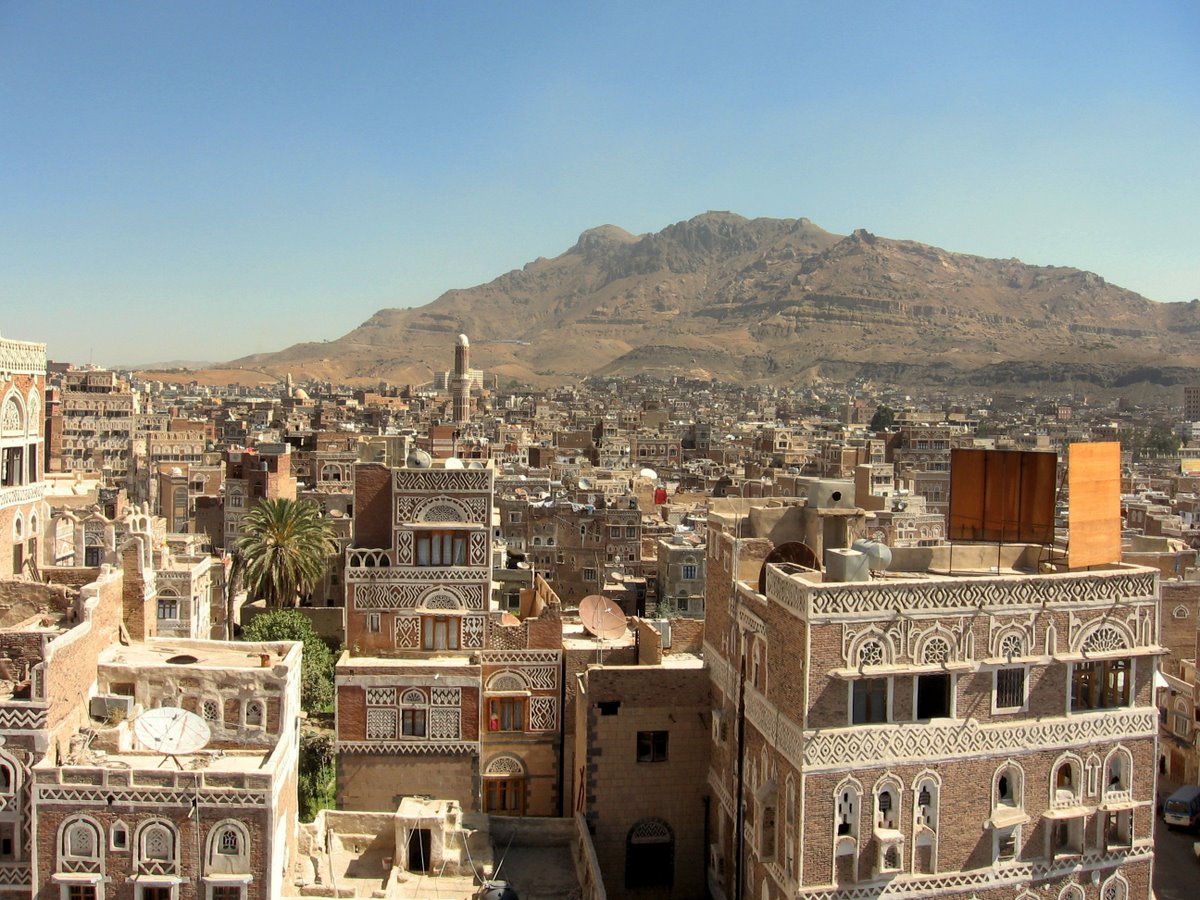
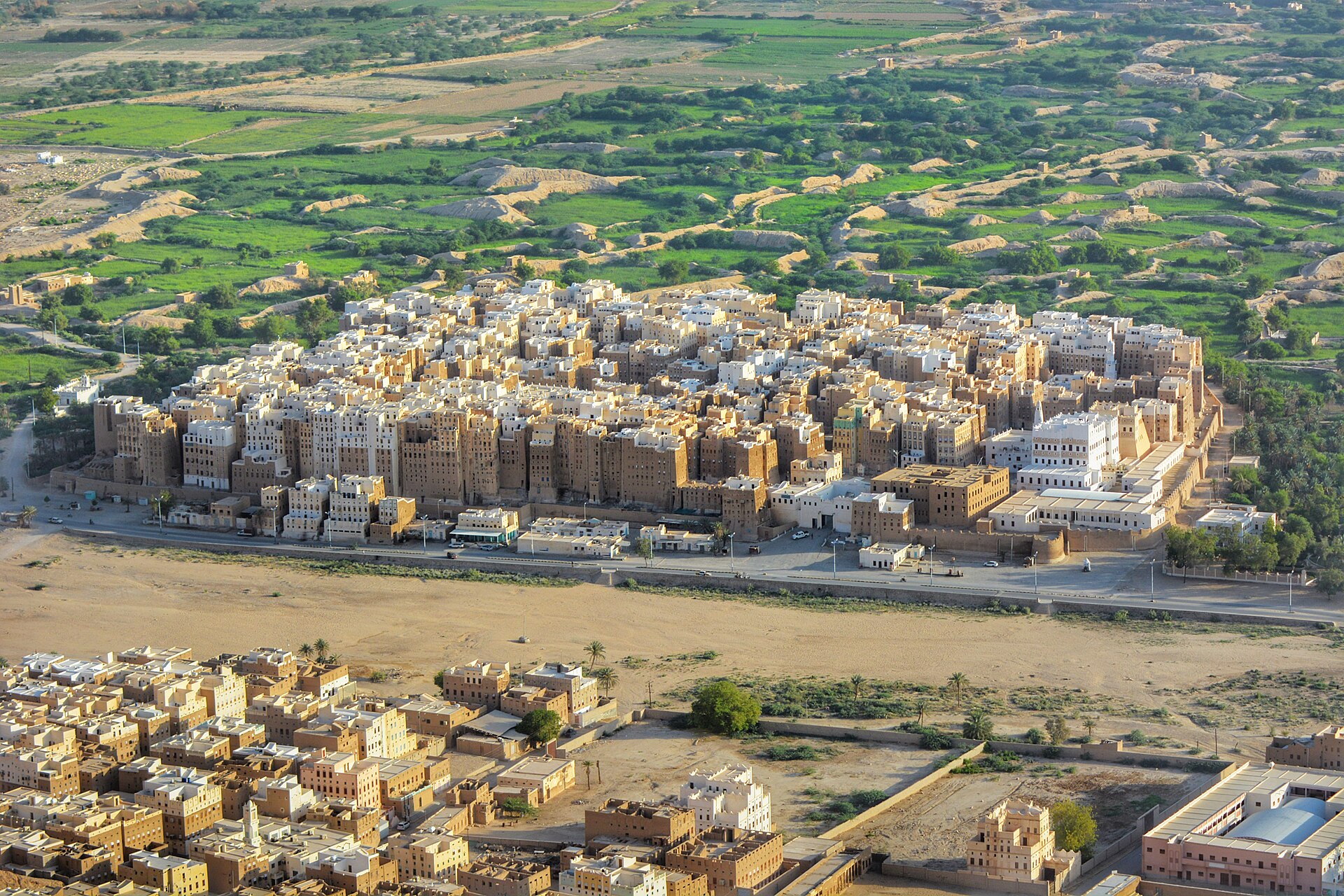
Yemeni culture is among the most distinctive in Arabia, famous above all for its architecture, tall houses of mud brick and stone decorated with intricate white tracery, unlike anything else in the region. Society is deeply traditional, organised around tribe, family, and faith, and marked by strong customs of poetry, song, and the daily social ritual of chewing qat. This rich heritage, and several of the country's ancient cities, endure even amid the hardship of war.
Yemen is living through one of the world's gravest crises. Since 2014 a civil war has pitted the internationally recognised government against the Houthi movement, drawing in a coalition of regional powers and turning the country into an arena for wider rivalries. The fighting has fragmented the state, wrecked the economy, and caused what the United Nations has repeatedly described as one of the worst humanitarian catastrophes on Earth, with widespread hunger, disease, and displacement. How the war might end, and how a shattered and divided country could be reunited and rebuilt, are the overwhelming questions facing Yemen.
Yemen has a population of around 34 million people, predominantly Arab and entirely Muslim, with a young and fast-growing population. Most people live in the fertile highlands and along the coast, and the historic capital, Sanaa, with its distinctive tower houses, is among the oldest continuously inhabited cities in the world. Years of war have displaced millions within the country and pushed much of the population into deep poverty and dependence on aid.