Vietnam is a long, narrow country along the eastern edge of mainland Southeast Asia, curving for more than 1,600 kilometres down the coast of the South China Sea. A land of river deltas, limestone karst landscapes, and densely farmed lowlands, it has emerged from a turbulent twentieth century to become one of Asia's fastest-growing economies, with a culture shaped by both its own deep traditions and centuries of Chinese influence.
Vietnamese civilisation grew up around the Red River in the north and was shaped by a thousand years of Chinese rule, by its own expanding dynasties, and by a century of French colonisation.
For about a millennium, from 111 BC, the region was ruled by China, an experience that stamped Vietnam's writing, government, and beliefs even as the Vietnamese repeatedly rose in revolt. They finally won lasting independence in the tenth century, while keeping much of the Confucian culture they had absorbed.
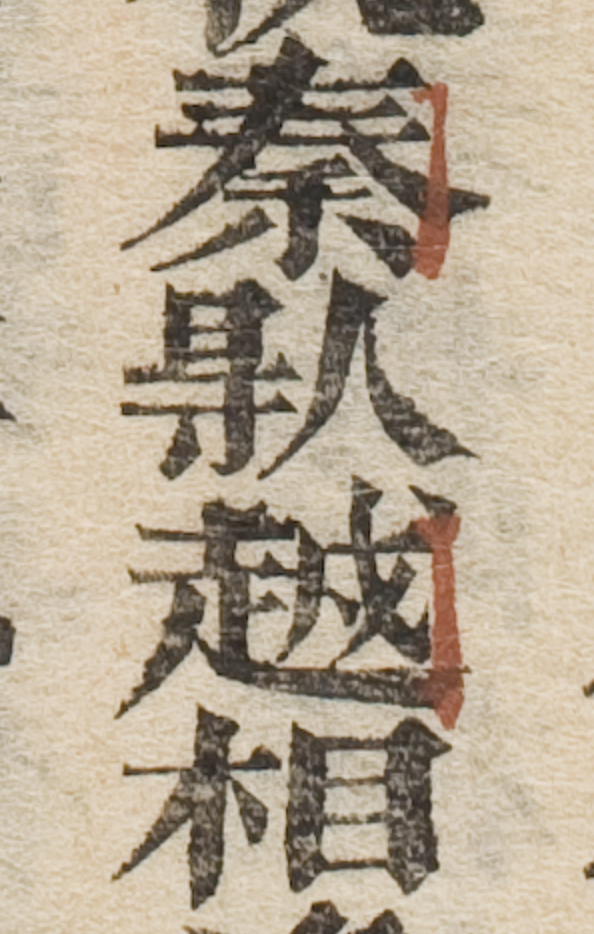
A succession of dynasties then governed an expanding realm that pushed steadily south down the coast, absorbing the kingdom of Champa and reaching the Mekong delta. This long march to the south gave Vietnam its distinctive elongated shape by the eighteenth century.
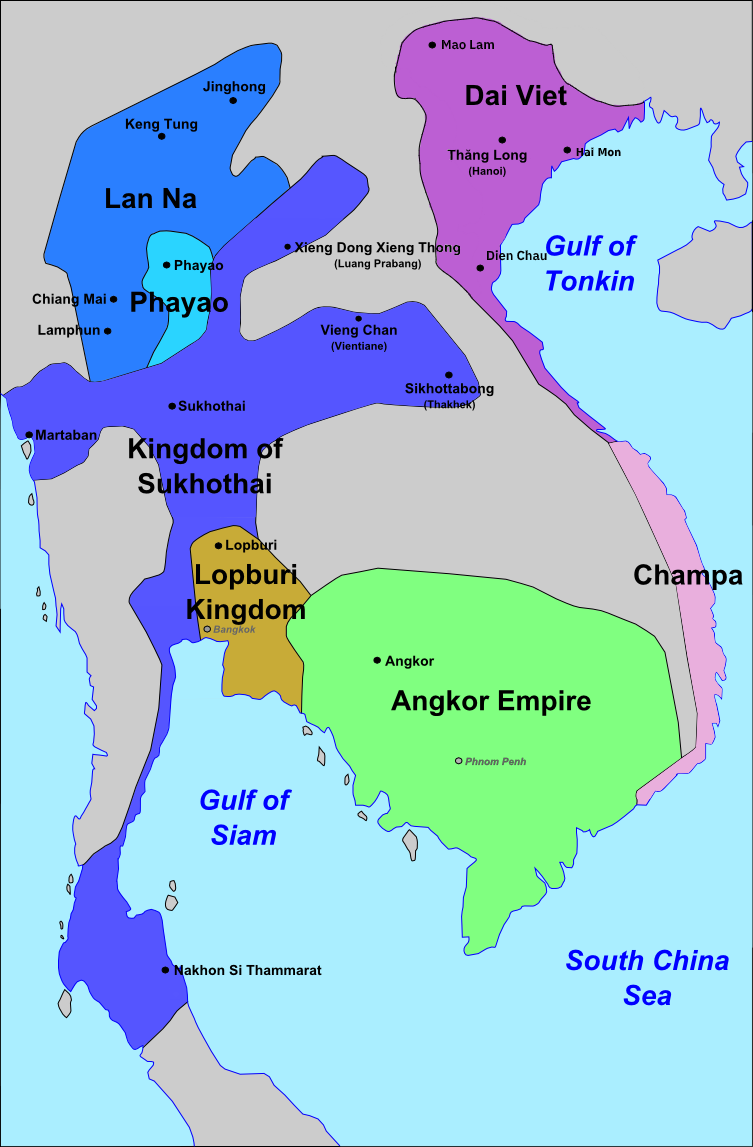
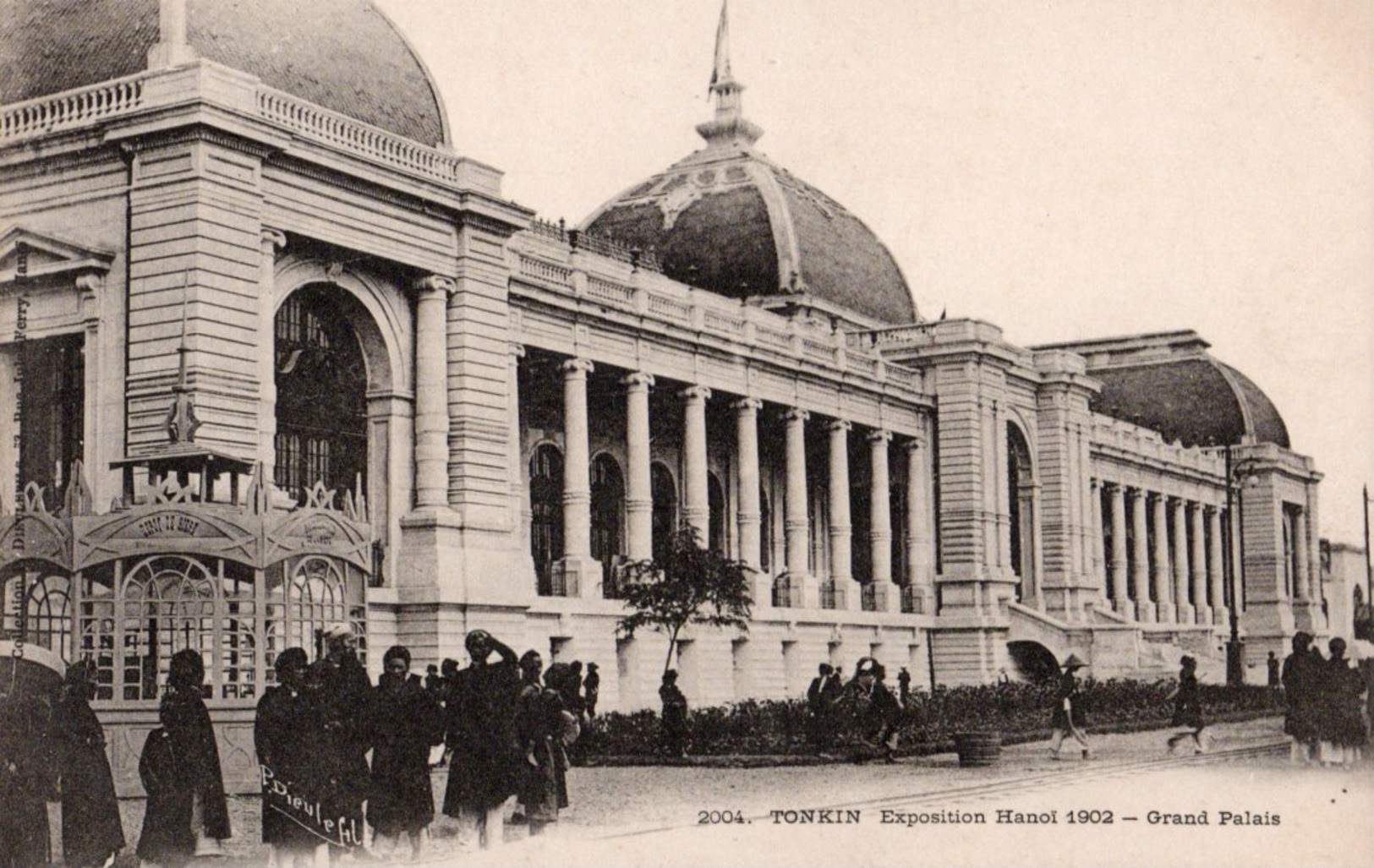
In the nineteenth century France seized Vietnam piece by piece, beginning with Saigon, and ruled it as the core of French Indochina. Colonial rule brought railways, plantations, and grand European buildings, but also heavy taxes and forced labour that fed a growing independence movement.
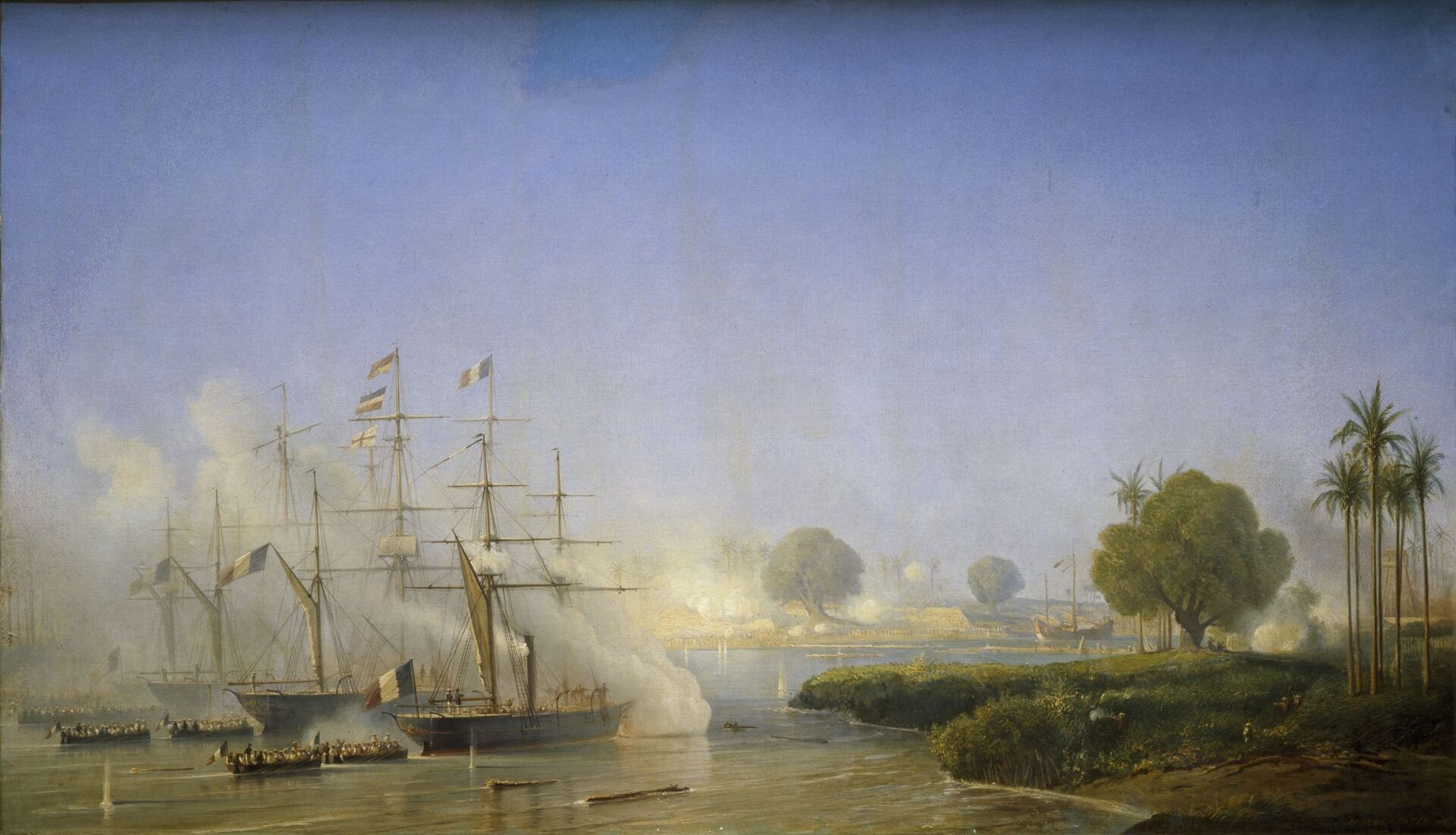
By tradition the Vietnamese descend from the union of a dragon lord, Lac Long Quan, and a mountain fairy, Au Co, whose hundred sons became the ancestors of the nation, the eldest founding the line of Hung kings said to have ruled the first Vietnamese state. This origin story is cherished as the root of national identity, but the Hung kings and their dates belong to legend, standing at the misty edge of the historical record rather than within it.
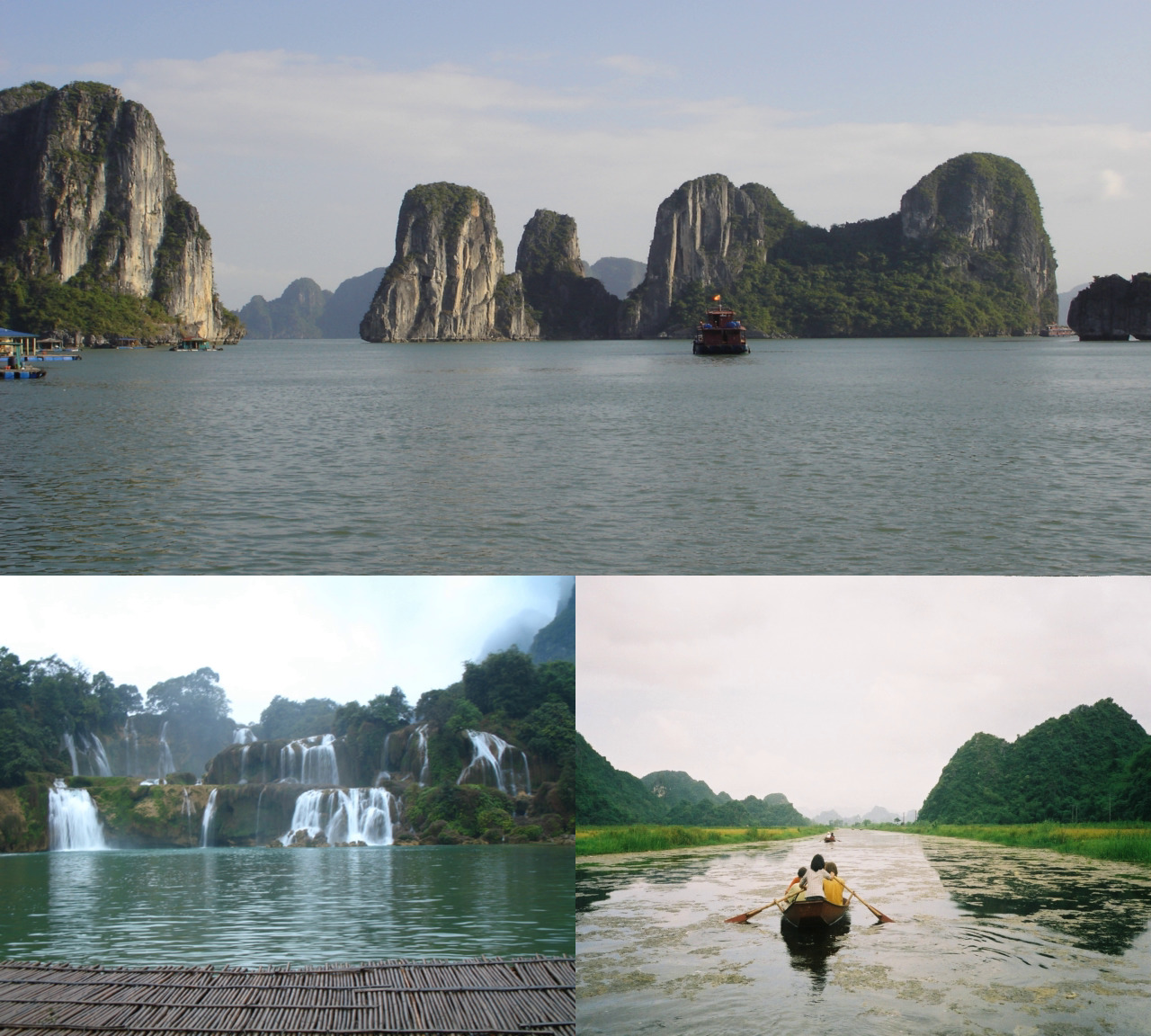
Vietnam's shape is often compared to a long pole bearing two baskets of rice: the broad, fertile deltas of the Red River in the north and the Mekong in the south, joined by a slender, mountainous central waist. Forested highlands run down the western border, while the eastern coast meets the sea in long beaches and dramatic bays. The most famous is Ha Long Bay, where thousands of limestone islands rise from emerald water.
Vietnam is a one-party socialist republic led by the Communist Party of Vietnam, which has governed the north since 1954 and the whole country since reunification in 1975. Power is held collectively by the party leadership rather than a single dominant figure, and no opposition parties are permitted. While the political system stays tightly controlled, the party has presided over sweeping economic liberalisation since the 1980s.
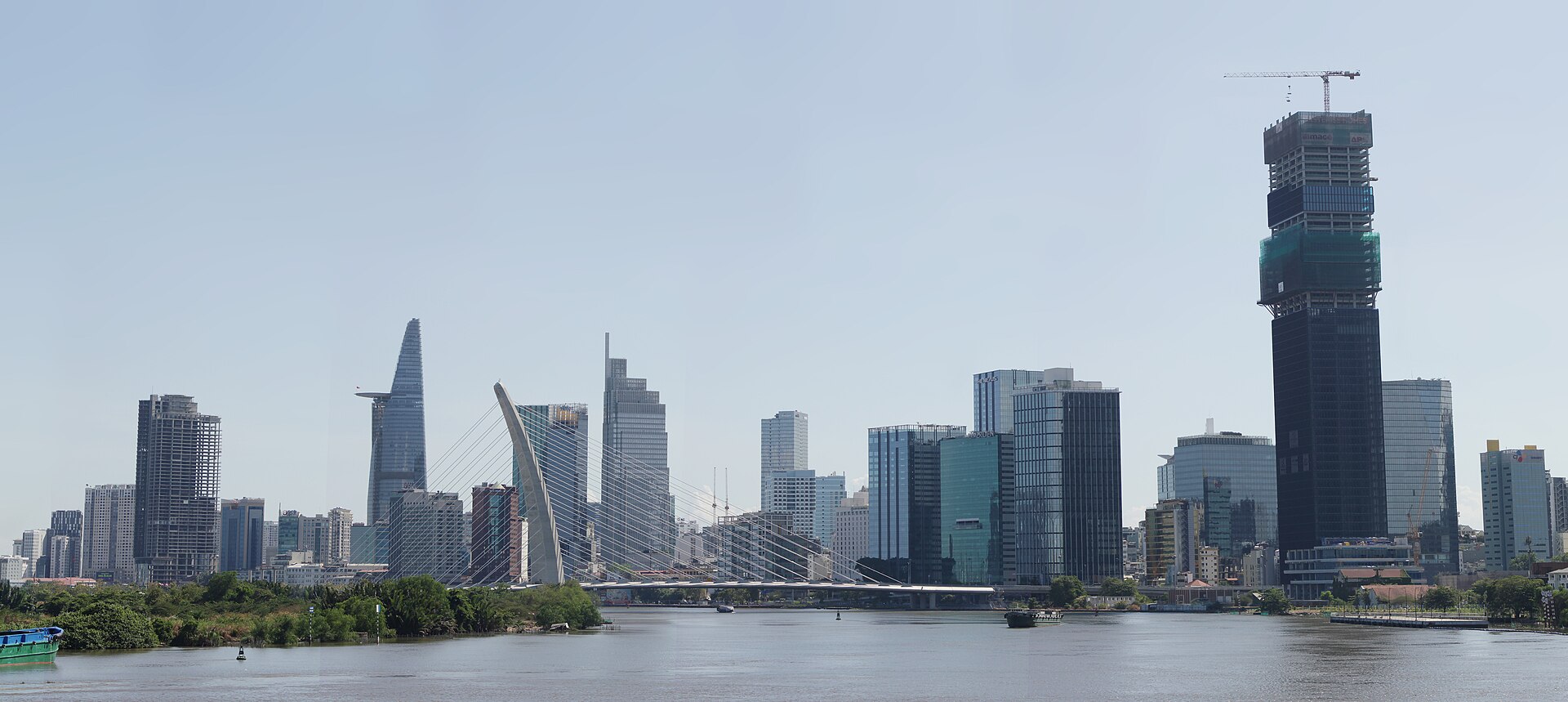
Since the Doi Moi reforms launched in 1986, Vietnam has transformed from one of the world's poorest countries into one of its fastest-growing economies. Foreign factories making electronics, clothing, and footwear have made it a major manufacturing and export hub, an alternative to China for global supply chains. Ho Chi Minh City, the former Saigon, is the bustling commercial centre of this boom.

The flag of Vietnam is a plain red field with a single large gold star at its centre. Red represents revolution and the blood of those who fought for independence, while the five points of the gold star are commonly said to represent the workers, peasants, soldiers, intellectuals, and youth united in building the nation. The flag dates to the independence struggle of the mid-twentieth century.
Vietnamese spiritual life blends several traditions rather than dividing into exclusive faiths. Many people honour their ancestors and follow a mix of Buddhism, Confucian ethics, and Taoist ideas, the threefold tradition that arrived from China, alongside indigenous folk beliefs. There is also a significant Catholic minority, a legacy of French rule, and homegrown religions. The officially atheist communist state coexists with this widespread and deeply rooted popular religiosity.
Vietnamese cuisine is celebrated for being fresh, fragrant, and light, balancing herbs, vegetables, and delicate broths. Its most famous dish is pho, a noodle soup perfumed with spices, and the banh mi, a baguette sandwich born of French and Vietnamese fusion, has become a global favourite. Rice and rice noodles form the base, fish sauce provides the savoury foundation, and bundles of fresh herbs accompany almost every meal.
Agriculture employs a large share of Vietnamese and feeds a dense population from its two great rice deltas. Vietnam is among the world's top exporters of rice and has become the second largest producer of coffee, specialising in the robusta beans used in much of the world's instant coffee. It is also a major exporter of cashews, pepper, and seafood from its long coast and extensive aquaculture. The warm, wet climate supports intensive, year-round cultivation.
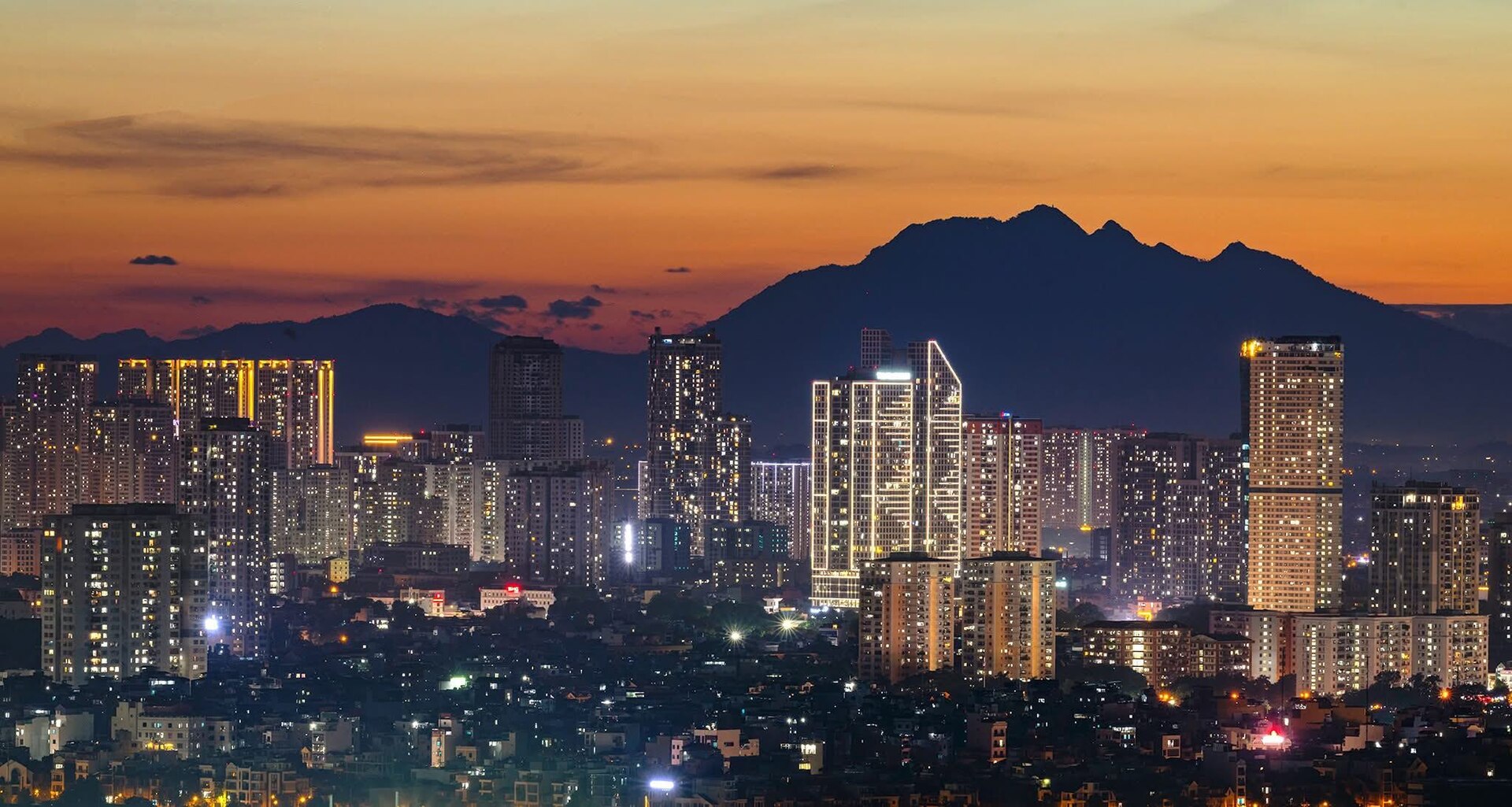
Vietnamese culture blends deep Confucian and Buddhist roots with a strong sense of family, community, and respect for ancestors. Hanoi, the thousand-year-old capital, preserves temples, lakes, and a famous old quarter, while festivals such as Tet, the lunar new year, are the high points of the year. Vietnam's poetry, water-puppet theatre, and conical-hatted street life are woven into a resilient national identity.
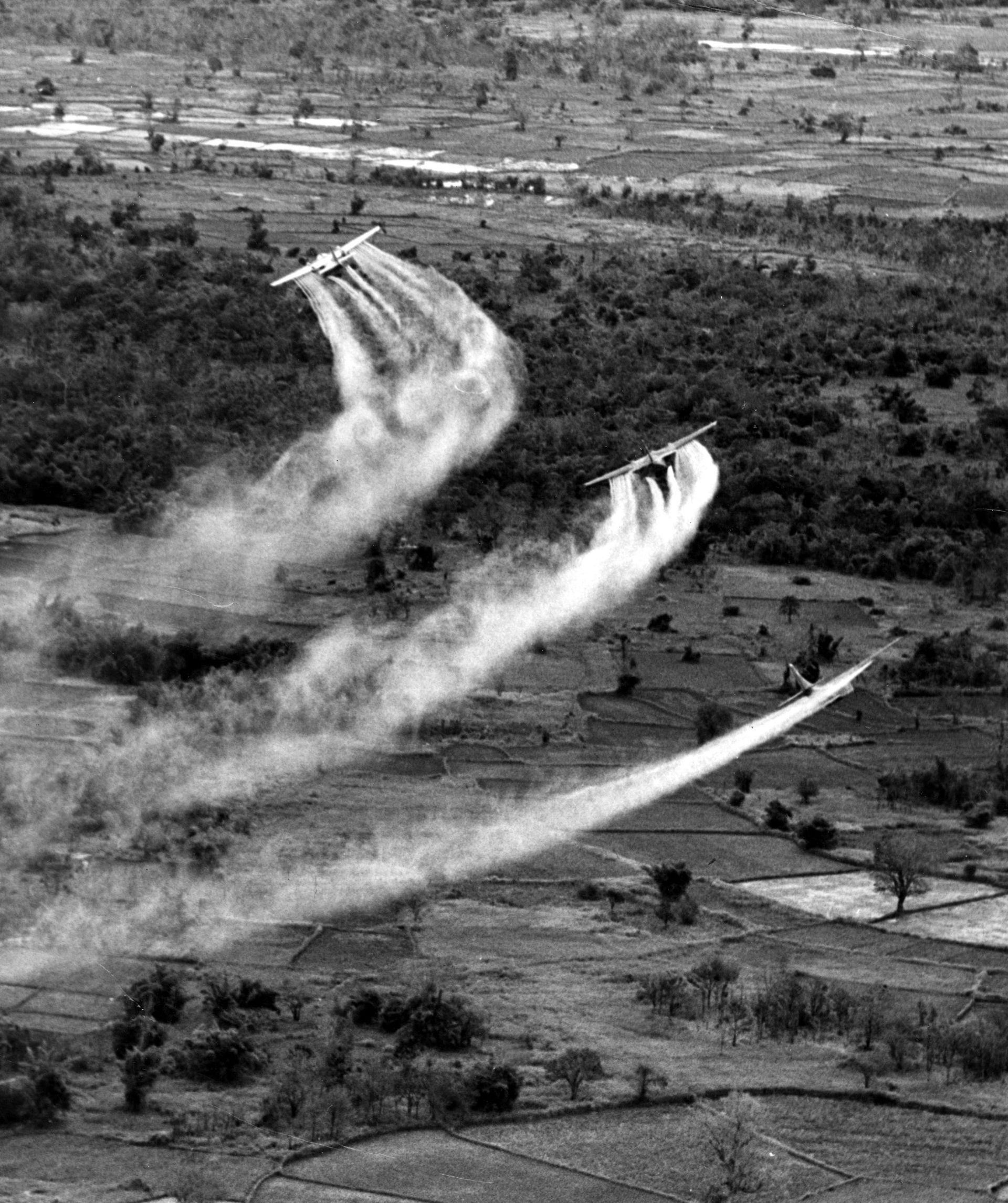
Vietnam's rapid economic opening has not extended to its politics. The one-party state tightly limits free speech, the press, and dissent, drawing criticism over human rights even as economic freedom has expanded. Abroad, Vietnam is locked in a tense dispute with China over the Paracel and Spratly Islands in the South China Sea, where overlapping claims and Chinese expansion raise the risk of conflict. The lingering health and environmental damage from wartime defoliants such as Agent Orange also remains a live issue.
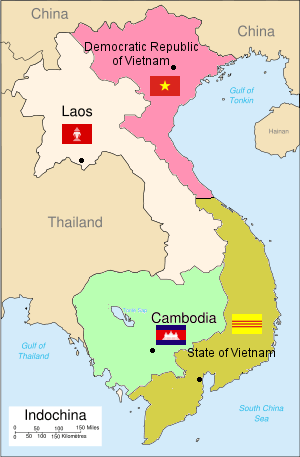
Vietnam's modern history was forged in war. After defeating the French in 1954, the country was divided into a communist north and a US-backed south, and the long Vietnam War that followed cost millions of lives before the north reunified the country in 1975. A decade later, market reforms known as Doi Moi opened the economy, beginning the transformation that has lifted living standards dramatically across the country.
Vietnam has a population of around 99 million people, the great majority belonging to the Kinh, or Viet, ethnic group, alongside more than fifty recognised minorities, many living in the highlands. The population is young and increasingly urban, concentrated in the two delta regions and the major cities of Hanoi, the capital in the north, and Ho Chi Minh City, formerly Saigon, the largest city and economic hub in the south.