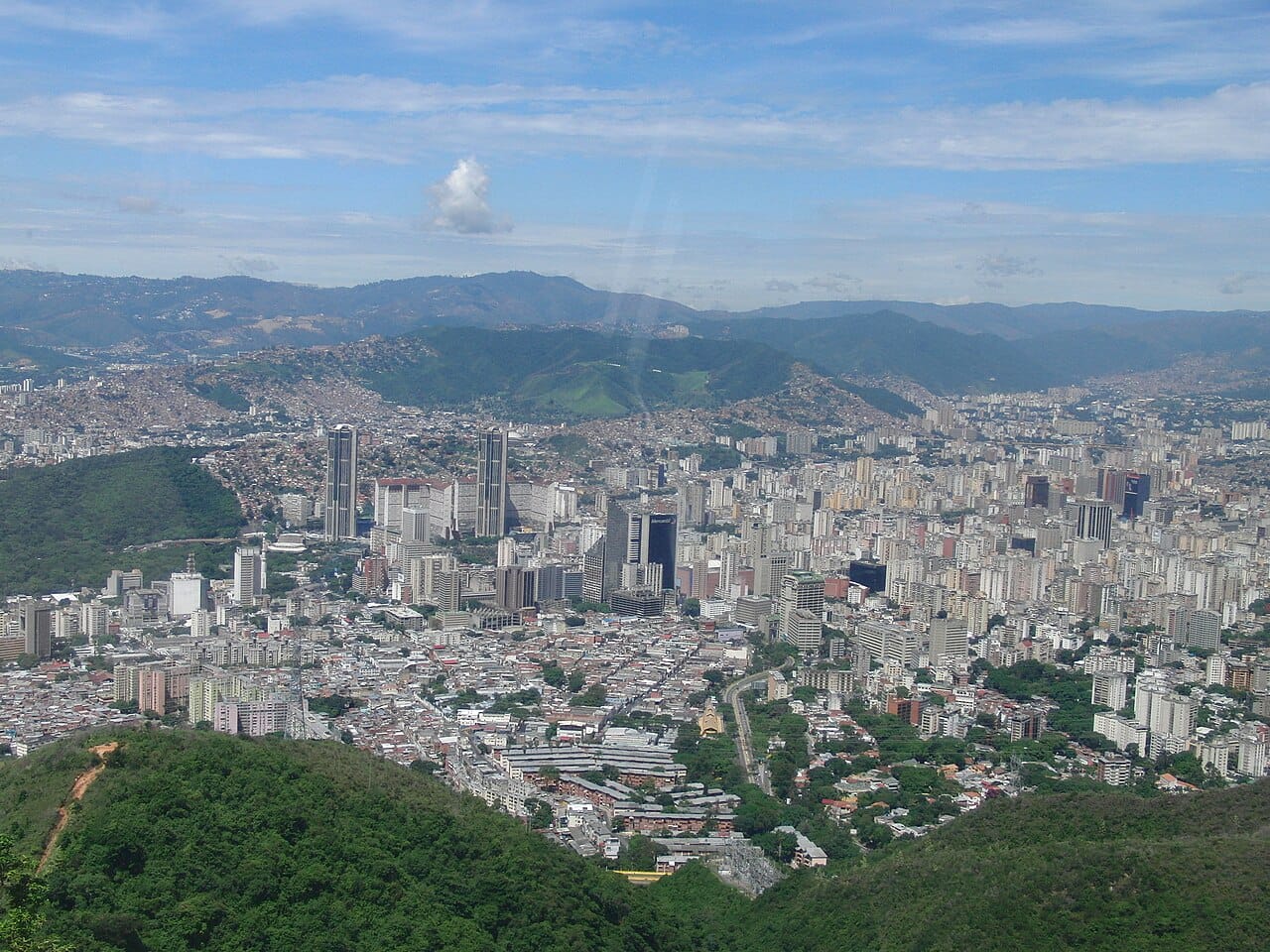
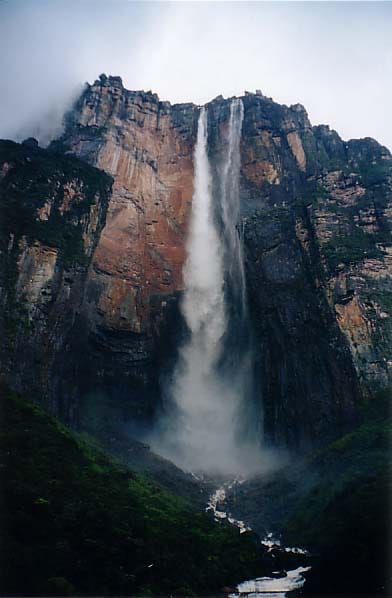
Venezuela is a country on the northern coast of South America, facing the Caribbean Sea, a land of immense natural variety and immense natural wealth. It holds the largest proven oil reserves in the world, along with the Andes mountains, vast plains, a share of the Amazon, and Angel Falls, the highest waterfall on Earth. The birthplace of the liberator Simon Bolivar, it has in recent years suffered one of the most severe economic and humanitarian crises in modern Latin American history.
Venezuela's history runs from its indigenous peoples, through Spanish rule and the birth of South American independence, to an age of oil that brought both great riches and, more recently, catastrophe.
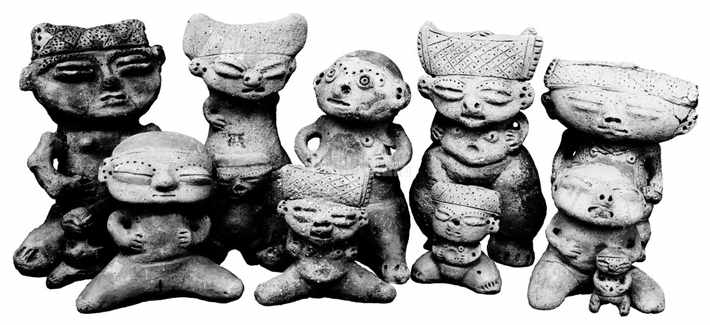
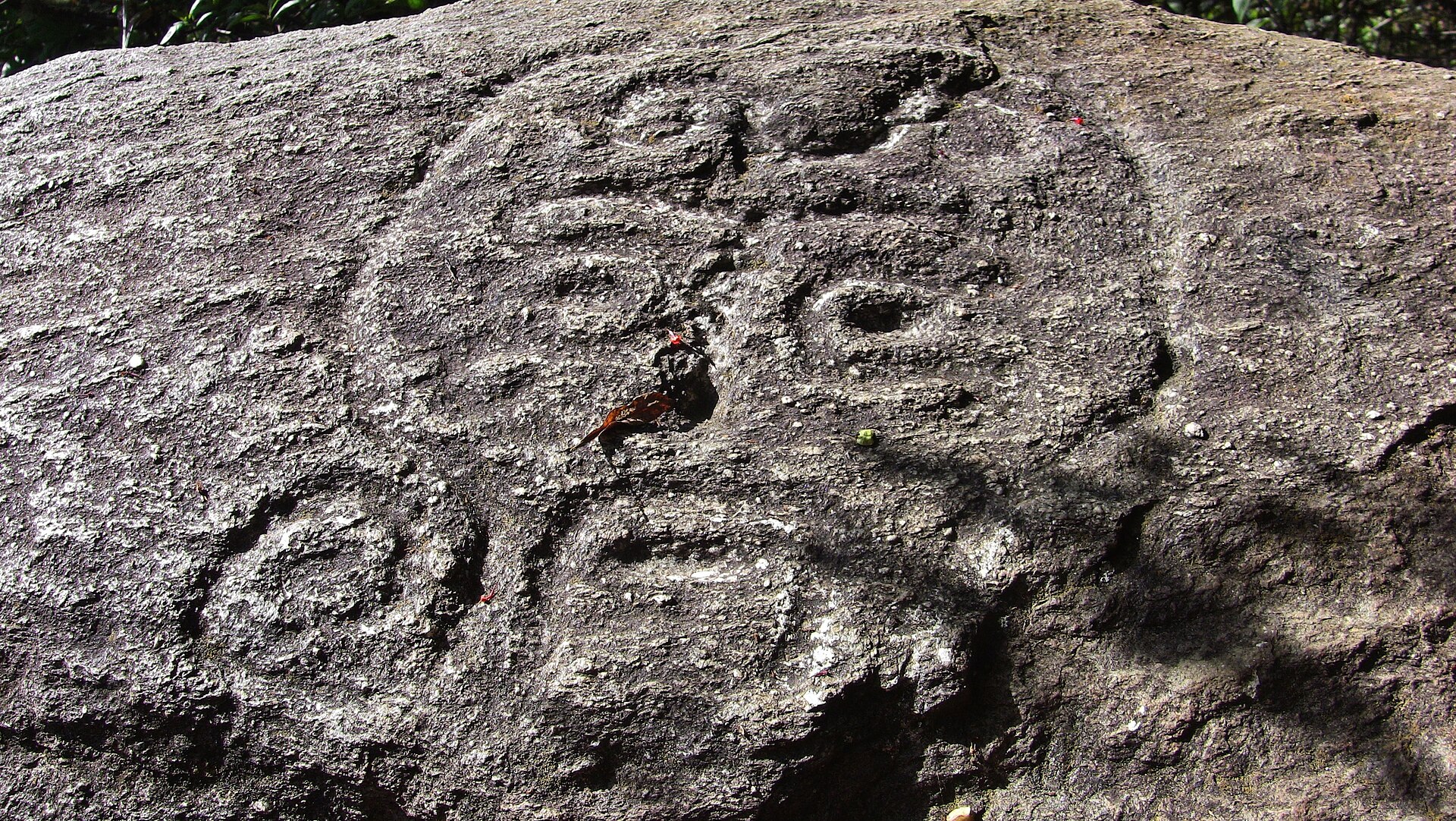
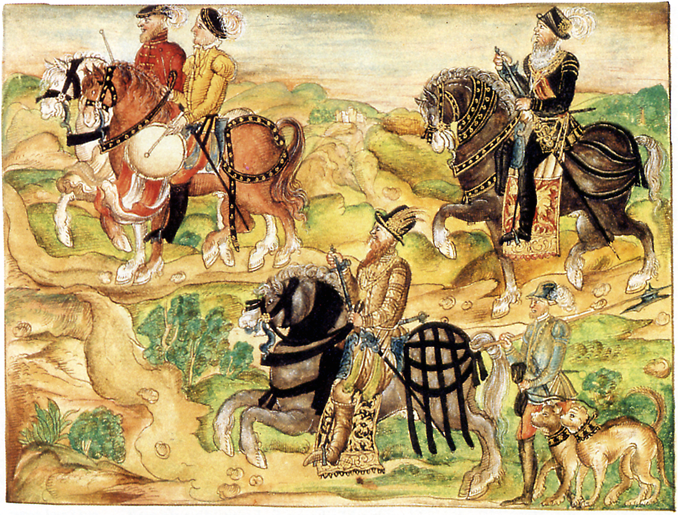
Long before Europeans came, the land was home to many indigenous peoples, who left carvings on the rocks and finely worked objects across the coasts and islands. Spain claimed the region in the sixteenth century, and in an unusual episode even granted part of it to German bankers, the Welsers of Augsburg, to explore and exploit in search of the legendary golden land of El Dorado.
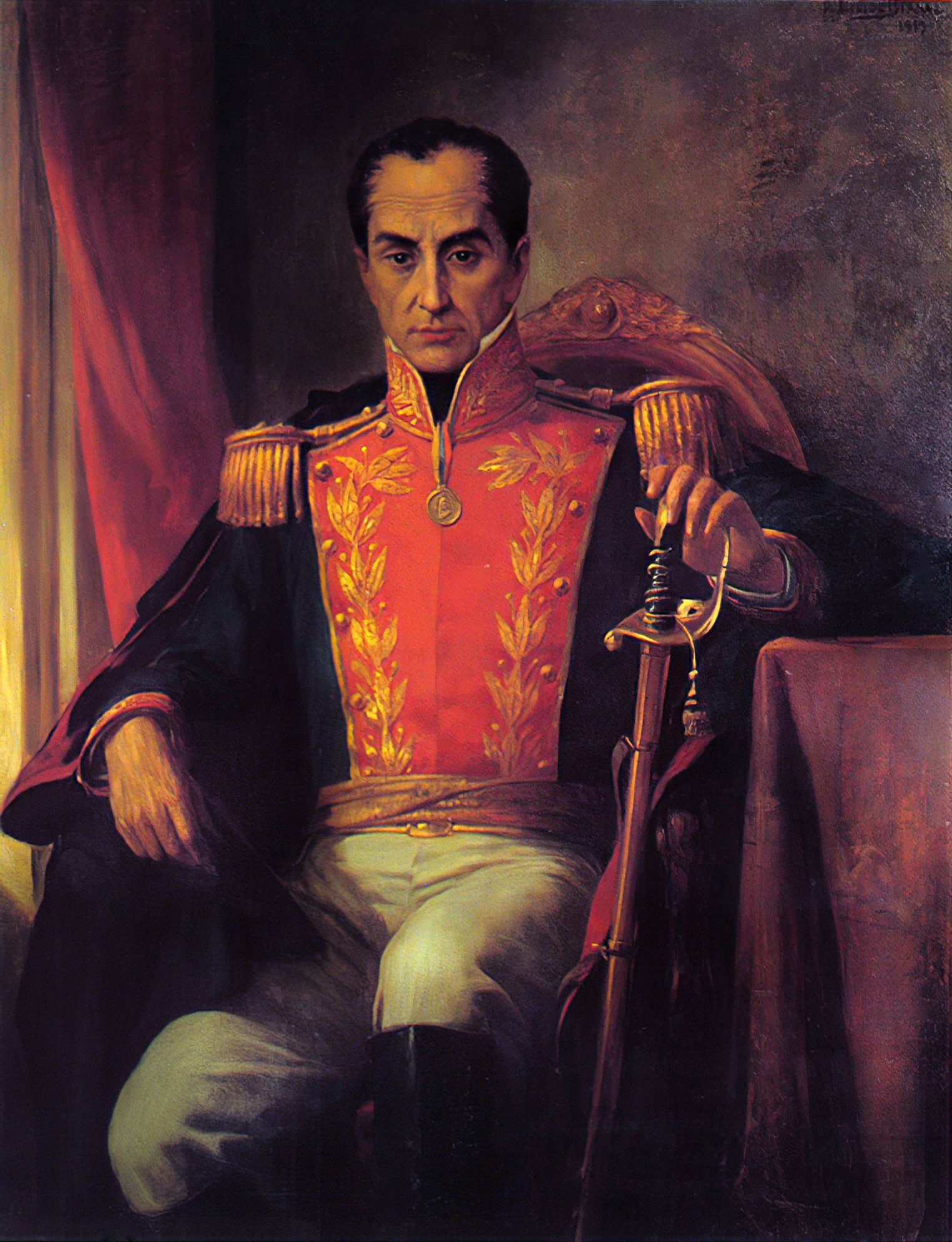
Venezuela became the cradle of South American independence. Simon Bolivar, born in Caracas and revered across the continent as El Libertador, led the long wars that freed Venezuela, Colombia, Ecuador, Peru, and Bolivia from Spain. Venezuela was at first part of his grand union of Gran Colombia before going its own way as a separate republic in 1830.
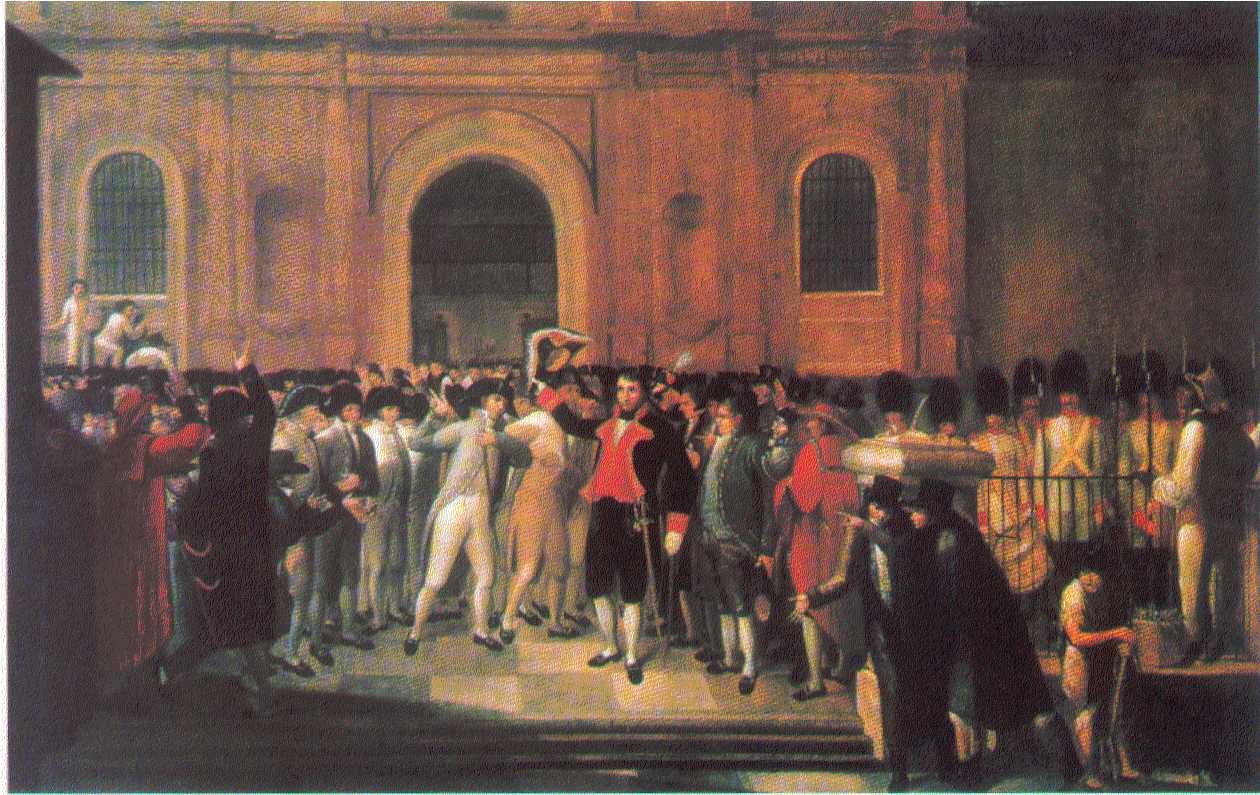
The discovery of vast oil reserves in the early twentieth century transformed Venezuela, making it for a time one of the richest countries in Latin America, though the wealth was unevenly shared and the economy grew dangerously dependent on a single resource. After decades of democracy, discontent with inequality and corruption swept Hugo Chavez to power in 1998, launching a socialist project called the Bolivarian Revolution that, under Chavez and his successor Nicolas Maduro, would reshape the country and eventually preside over its collapse.
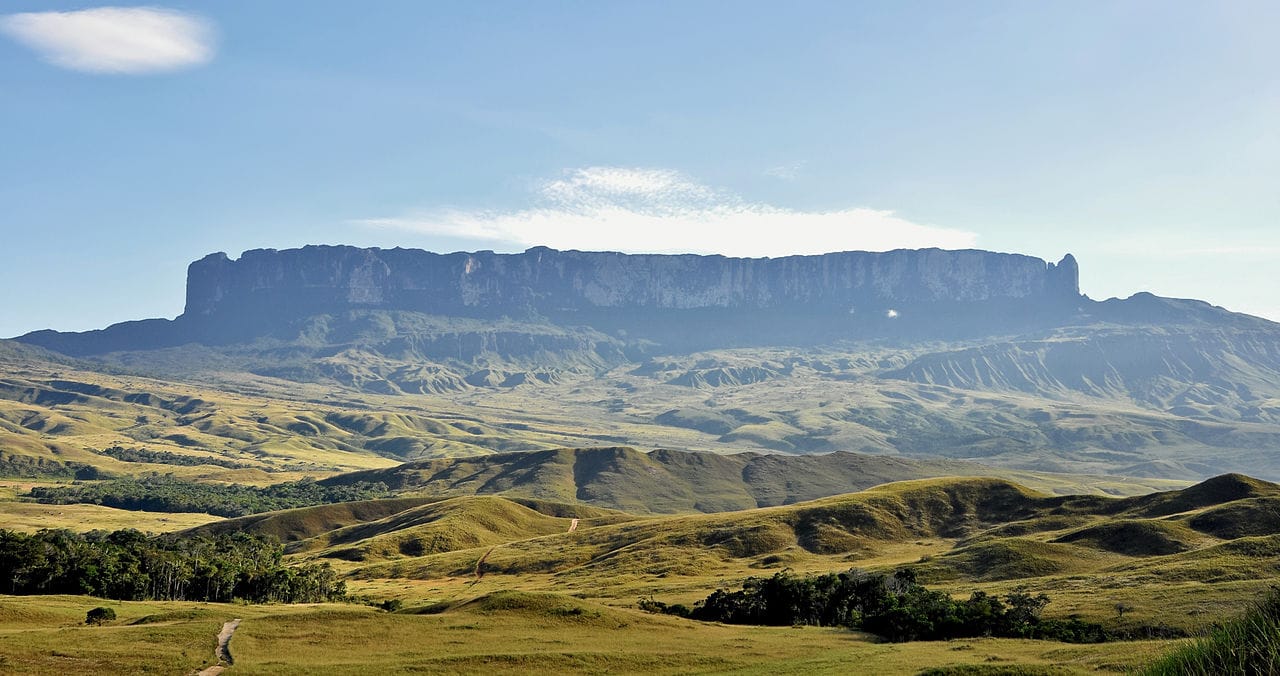
Venezuela packs in an extraordinary range of landscapes. The Andes mountains rise in the west, and a Caribbean coastline runs along the north, while the heart of the country is filled by the llanos, vast tropical grasslands. In the southeast lies the Guiana Highlands, a region of ancient flat-topped mountains called tepuis, from one of which plunges Angel Falls, the tallest waterfall in the world. The mighty Orinoco River drains much of the country on its way to the sea.
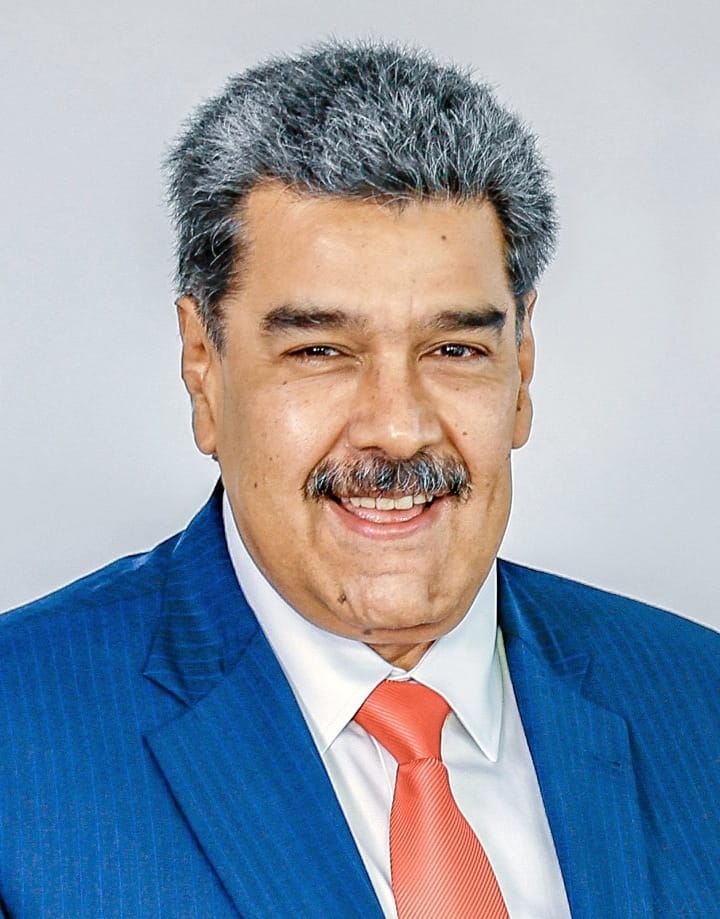
Venezuela is in form a federal presidential republic, but in practice it has become a socialist, authoritarian state. From 1999 Hugo Chavez concentrated power, rewrote the constitution, and funded sweeping social programmes with oil money, and after his death in 2013 his vice-president, Nicolas Maduro, took over. Under Maduro the country slid into economic ruin and deepening repression. The presidential election of 2024 was fiercely disputed: the opposition published tallies indicating its candidate had won by a wide margin, but the government-controlled electoral authority declared Maduro the victor without releasing detailed results, and he was sworn in for a further term amid international rejection and a crackdown on protest.
Venezuela's economy is a paradox: the country sits atop the largest proven oil reserves on Earth, yet it has suffered one of the worst peacetime economic collapses in modern history. Years of mismanagement, corruption, falling oil output, and, later, foreign sanctions saw the economy shrink by around three quarters and hyperinflation destroy the value of money, wiping out savings and wages. Chronic shortages of food and medicine followed. Oil still dominates what economy remains, and a partial, unofficial turn to the United States dollar has brought a fragile measure of stability to some, even as poverty remains widespread and the country struggles to rebuild.
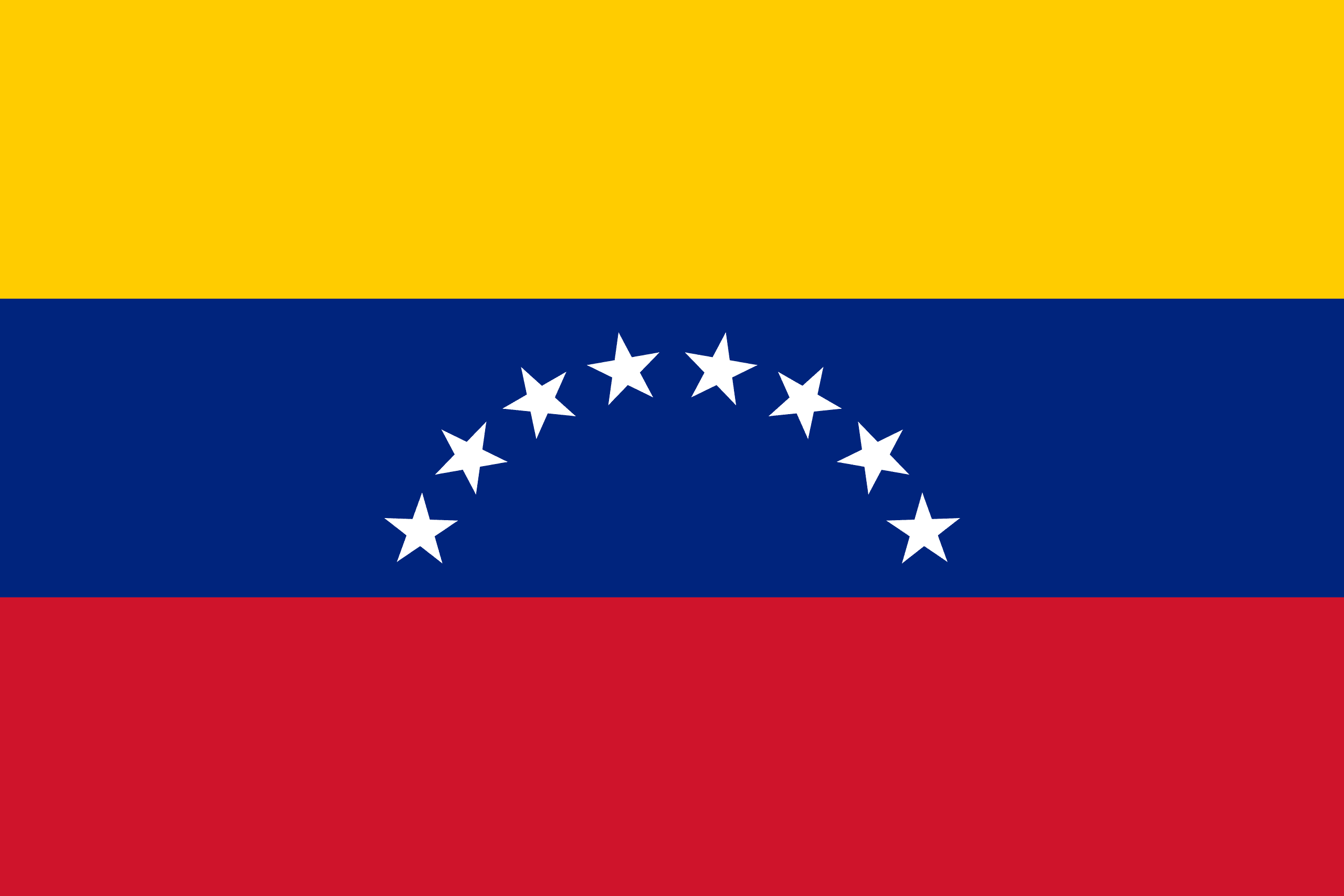
The flag of Venezuela has three horizontal bands of yellow, blue, and red, with an arc of eight white stars across the blue band. The colours descend from the banner of the independence struggle: by tradition the yellow stands for the wealth of the land, the blue for the sea that separates it from Spain, and the red for the blood and courage of those who fought for freedom. The eight stars represent the provinces that supported the cause of independence.
Venezuela is a predominantly Roman Catholic country, a faith brought by Spanish colonisation that remains an important part of its culture and traditions, though as elsewhere in the region evangelical Protestant churches have grown. Popular devotions, including to local figures believed to work miracles, are widespread, and folk and indigenous beliefs blend with Catholicism in places. Religion continues to play a significant role in the daily life and identity of Venezuelans.
Venezuelan cuisine is built around corn and the arepa, a round cornmeal cake that is split and filled with cheese, meat, beans, or other ingredients and eaten at any time of day. The national dish is pabellon criollo, a plate of shredded beef, black beans, rice, and fried plantain. Another beloved tradition is the hallaca, a festive corn dough parcel wrapped and steamed in leaves at Christmas. Tropical fruits and fresh juices are abundant in this fertile land.
Venezuela was once a significant agricultural nation, a notable exporter of coffee and cacao before oil came to dominate everything. The neglect of farming during the oil era, and the more recent economic collapse, have badly weakened the sector, and the country, despite its fertile land, has struggled with severe food shortages. Coffee, cacao, corn, rice, and cattle on the great plains remain part of the rural economy as the nation seeks to rebuild.
Venezuelan culture is warm, musical, and proudly criollo, a blend of Spanish, indigenous, and African roots. The arepa, a corn cake filled a hundred different ways, is the heart of the national table, and music ranges from the harp-driven joropo of the great plains to salsa and pop. Two passions stand out: baseball, unusually for South America, is the national sport, sending many players to the major leagues, and the country has a near-obsession with beauty pageants, having produced a remarkable number of international winners. Through the hardships of recent years, Venezuelans have kept a reputation for humour, resilience, and a deep attachment to their homeland, carried now by a vast diaspora.
Modern Venezuela is one of the most polarising stories in the hemisphere. Supporters of the Bolivarian Revolution begun by Hugo Chavez credit it, in the oil-boom years, with pouring resources into health, education, and housing for the poor, and with standing up to the United States. Its critics hold that same movement responsible for dismantling democratic institutions, hollowing out the oil industry through mismanagement and corruption, and driving the country into ruin. What is beyond dispute is the scale of the collapse: an economic implosion and hyperinflation without recent peacetime parallel, and an exodus of some seven to eight million people, among the largest displacements of people anywhere in the world. Sharpening the divide is the disputed election of 2024 and the crackdown that followed, and a long-running claim to the Essequibo region of neighbouring Guyana, freshly inflamed by oil discoveries there. Whether Venezuela's turmoil is chiefly the fault of its own rulers or of foreign sanctions, and how it might recover, are bitterly contested questions.
Venezuela has a population of around 28 million people, though this has fallen sharply as economic crisis has driven one of the largest migrations in the recent history of the Americas, with millions leaving for neighbouring countries and beyond. Venezuelans are largely of mixed European, indigenous, and African descent. The population is highly urban, concentrated in the north around the capital, Caracas, and other coastal and Andean cities, while the vast plains and highlands of the south are thinly settled.