Vanuatu is an island nation in the South Pacific, a chain of around eighty volcanic islands lying east of Australia and northeast of New Caledonia. A Melanesian country of active volcanoes, rainforest, and coral reefs, it is famous for its extraordinary cultural richness, with more languages per person than any other country on Earth, and for living traditions such as the land diving from which the bungee jump descended. Once jointly ruled by Britain and France under a unique shared arrangement, it is also one of the most disaster-prone nations in the world.
Vanuatu's history runs from its first Melanesian settlers, through European contact and a strange dual colonial rule, to independence and a proud tradition of custom.
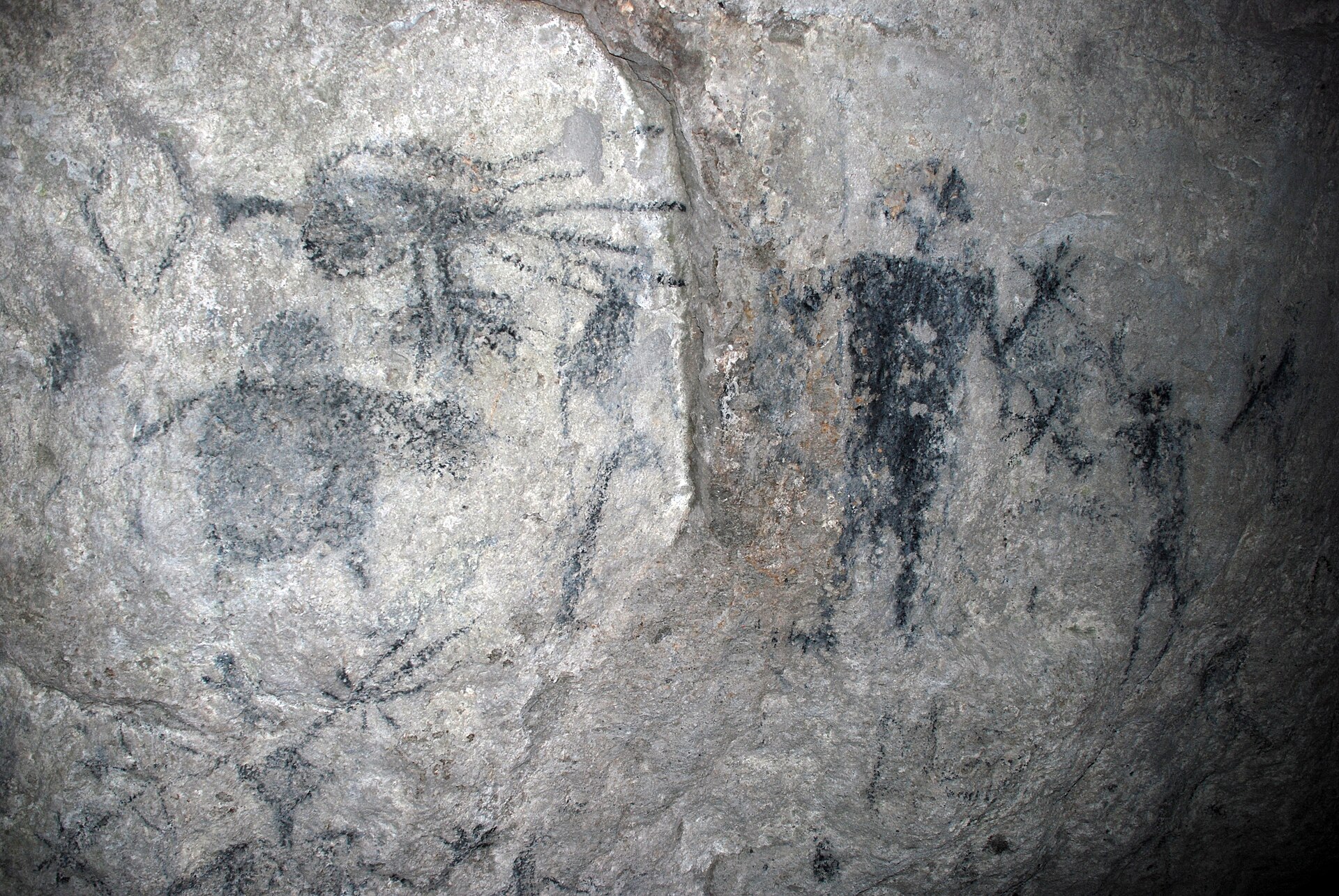
The islands were settled by Melanesian seafarers some three thousand years ago, part of the great Lapita expansion across the Pacific. Cut off on their scattered islands, these peoples developed an astonishing variety of languages and customs, and left traces of their long presence in rock art and ancient sites.
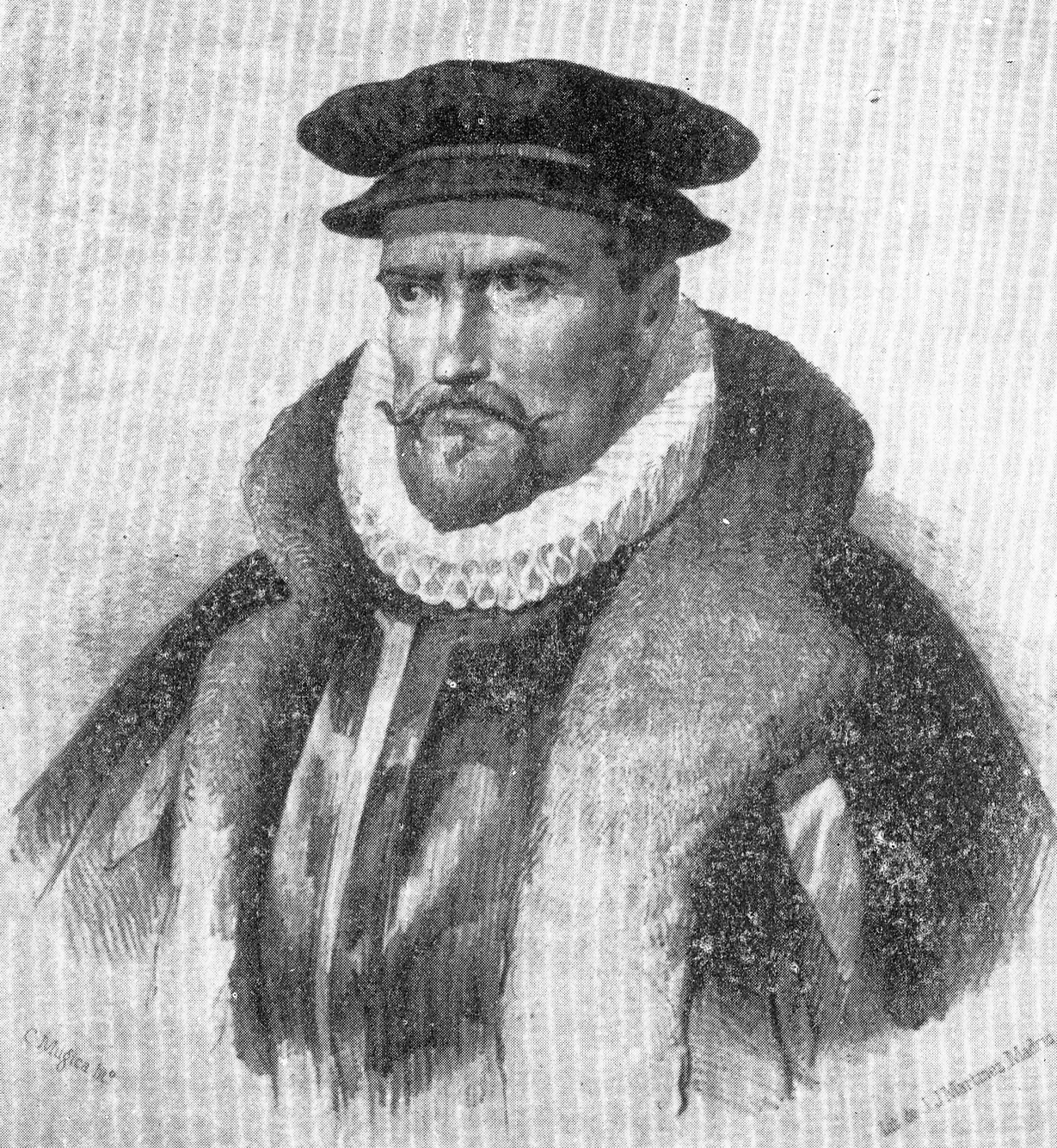
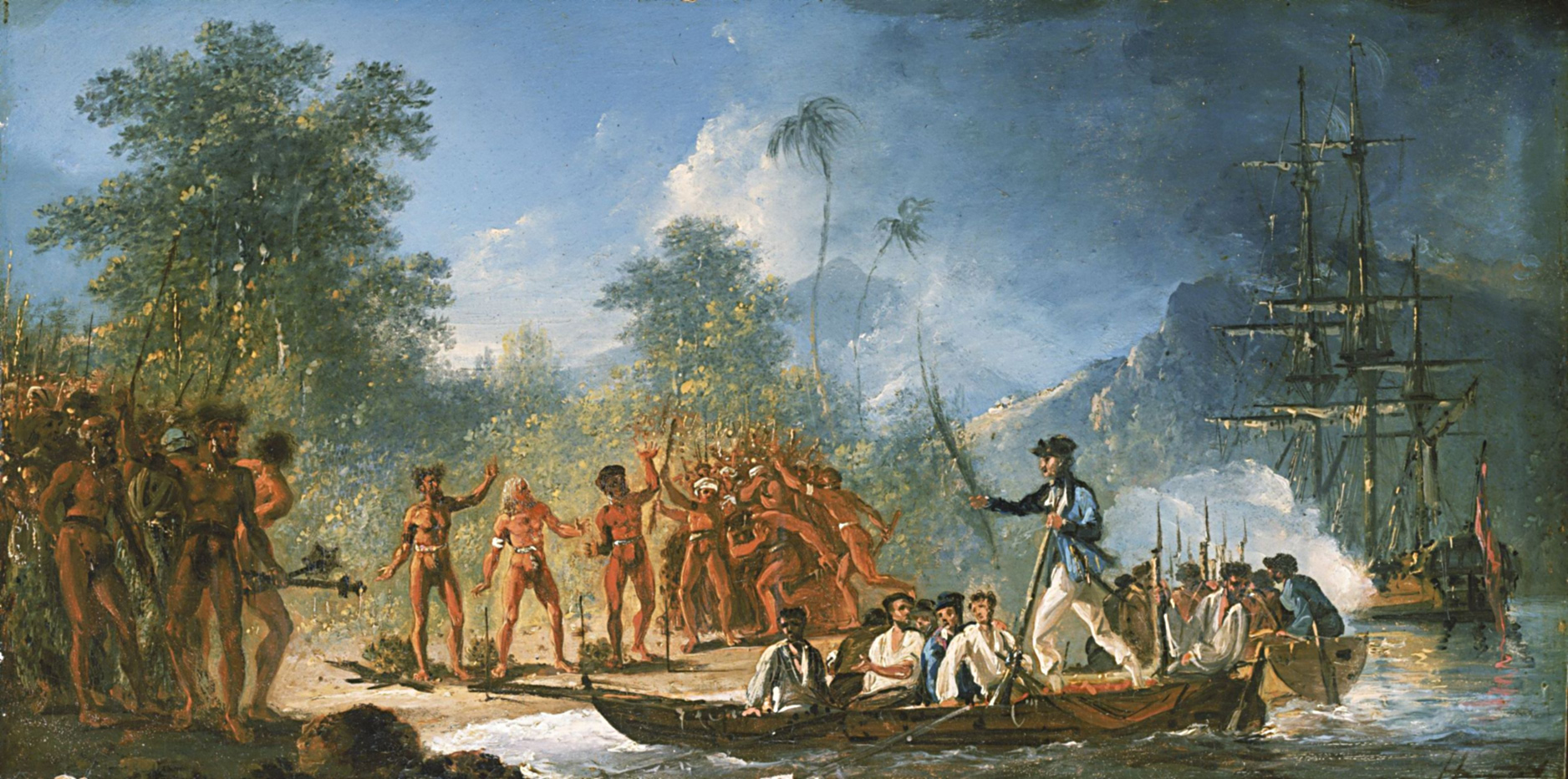
Europeans arrived from the seventeenth century, beginning with the Spanish explorer Quiros and later Captain Cook, who named the islands the New Hebrides. In an arrangement found nowhere else, Britain and France came to govern the islands jointly as a condominium, running two parallel administrations so cumbersome that the islands were nicknamed the Pandemonium.
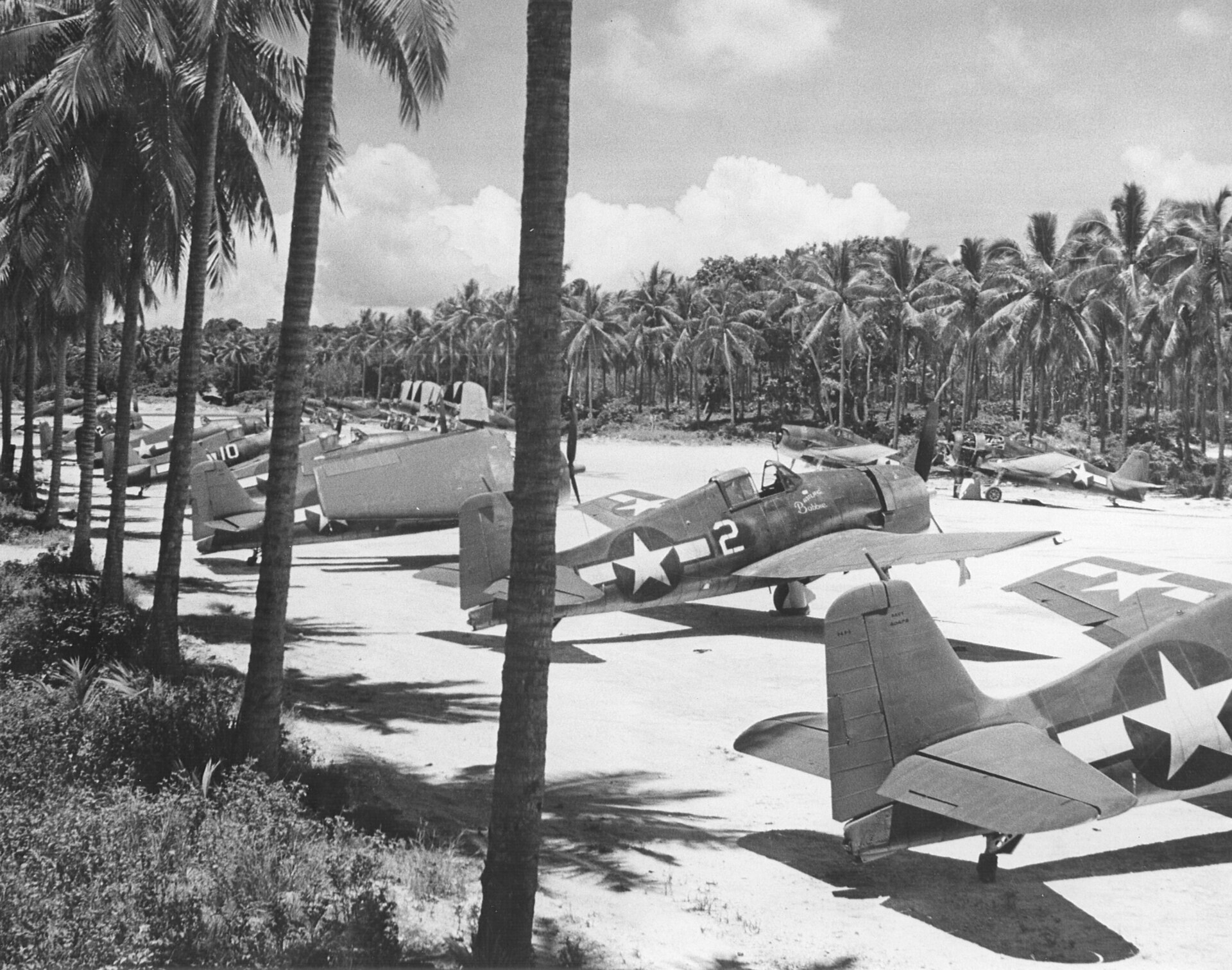
During the Second World War the United States built one of its largest Pacific bases on the island of Espiritu Santo, an encounter with outside wealth that left a deep mark on island society. The country won its independence in 1980, taking the name Vanuatu, meaning roughly the land that stands, or land eternal.
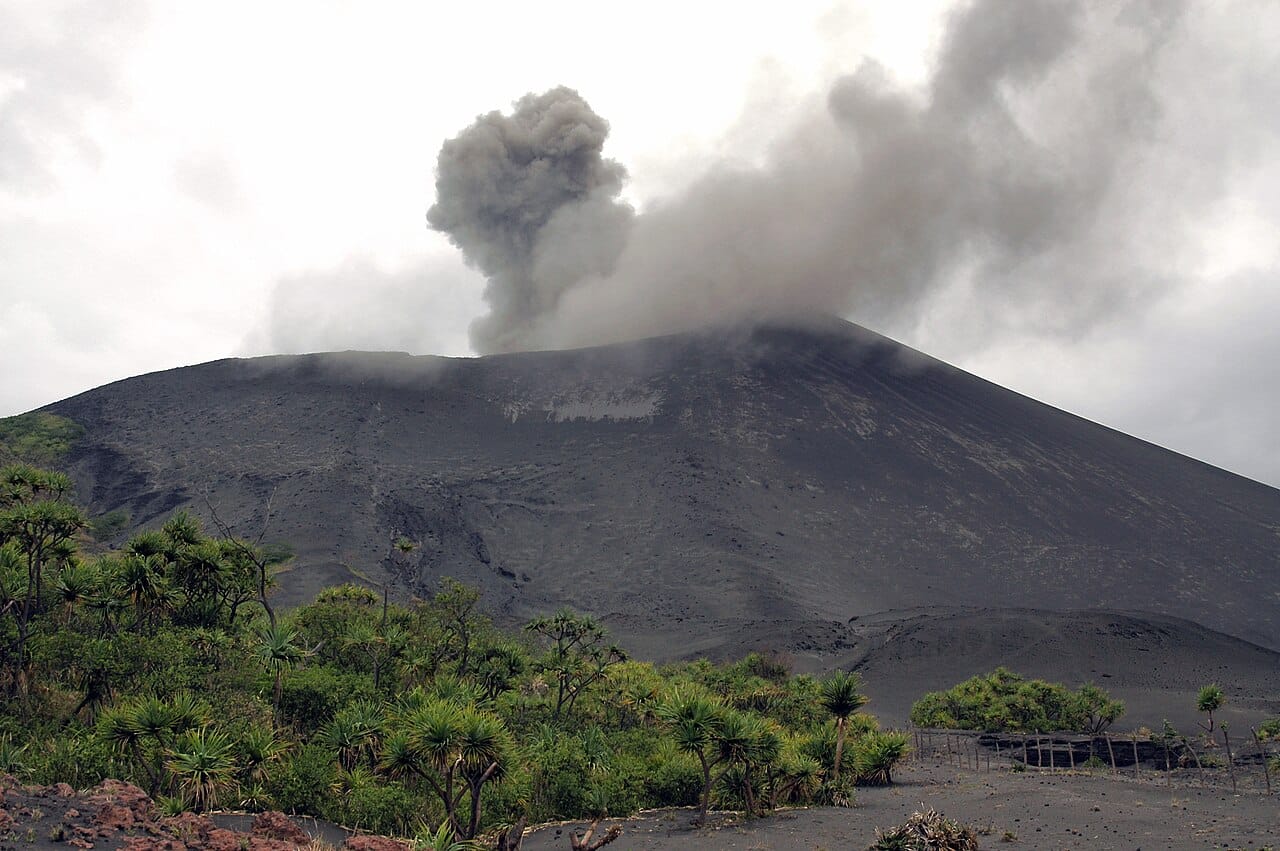
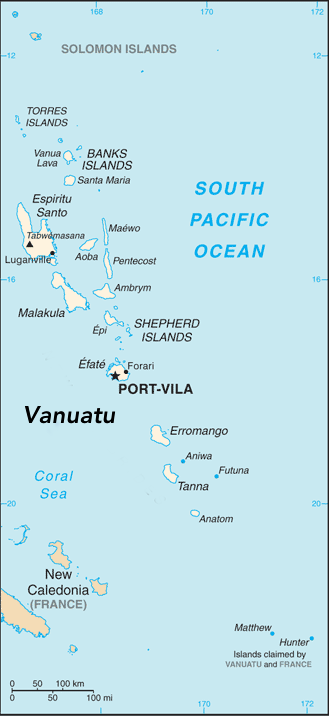
Vanuatu is a Y-shaped chain of mostly mountainous, volcanic islands, several with active volcanoes, including some whose glowing craters can be approached by visitors. The islands are covered in tropical rainforest and ringed by coral reefs, with a hot, humid climate. Lying on the seismically active Ring of Fire and in the Pacific cyclone belt, Vanuatu is exposed to earthquakes, tsunamis, volcanic eruptions, and frequent powerful cyclones, which has made it, by some measures, the country most at risk from natural disasters in the world.
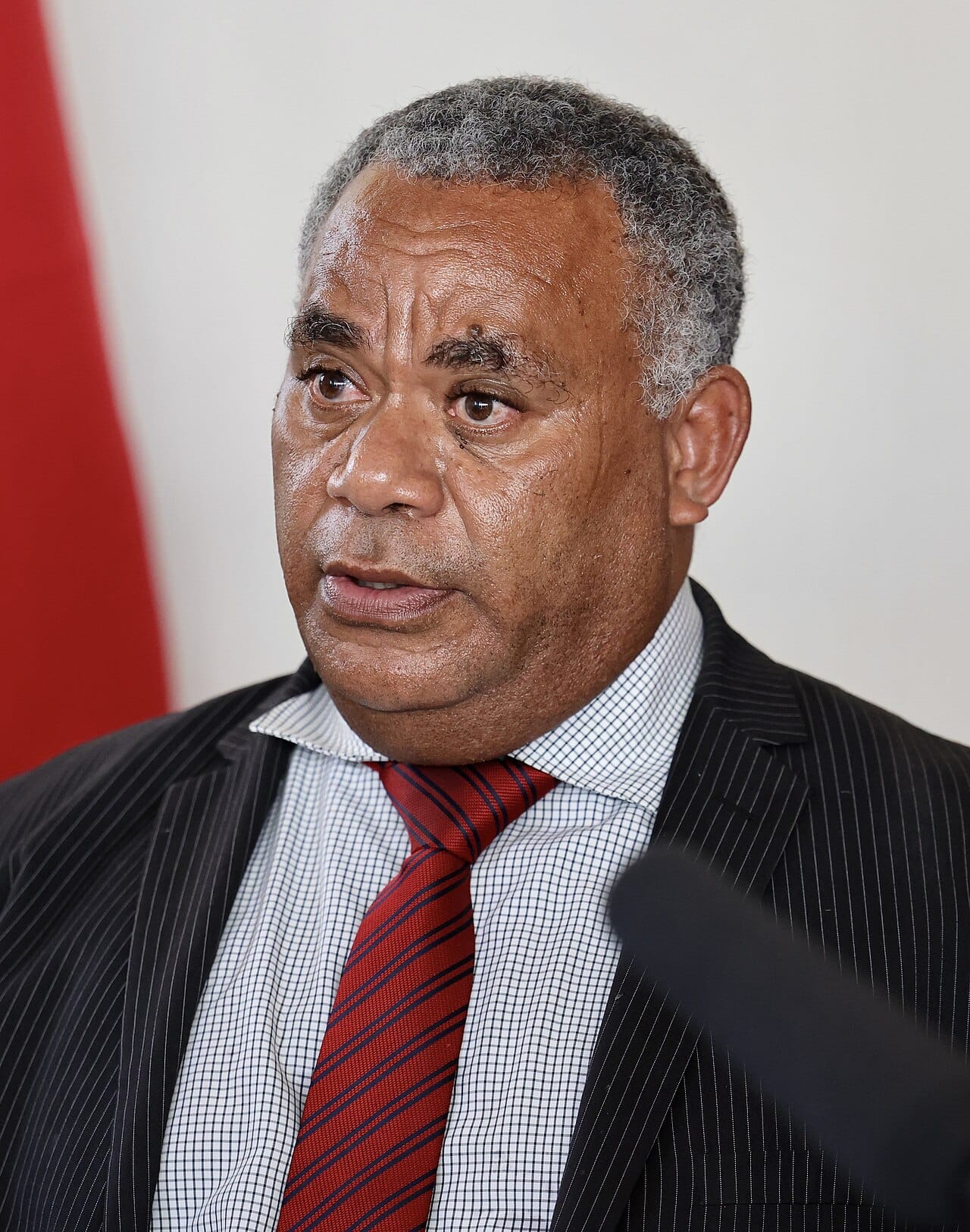
Vanuatu is a parliamentary republic, with a largely ceremonial president as head of state and a prime minister who leads the government. Its democracy is genuine but famously unstable, run through shifting alliances of many small parties and frequent votes of no confidence that topple governments in quick succession; the prime minister as of 2025 is Jotham Napat, who took office after a snap election. On the world stage the small nation has punched far above its weight, leading the campaign that persuaded the world's highest court to weigh in on the obligations of states over climate change.
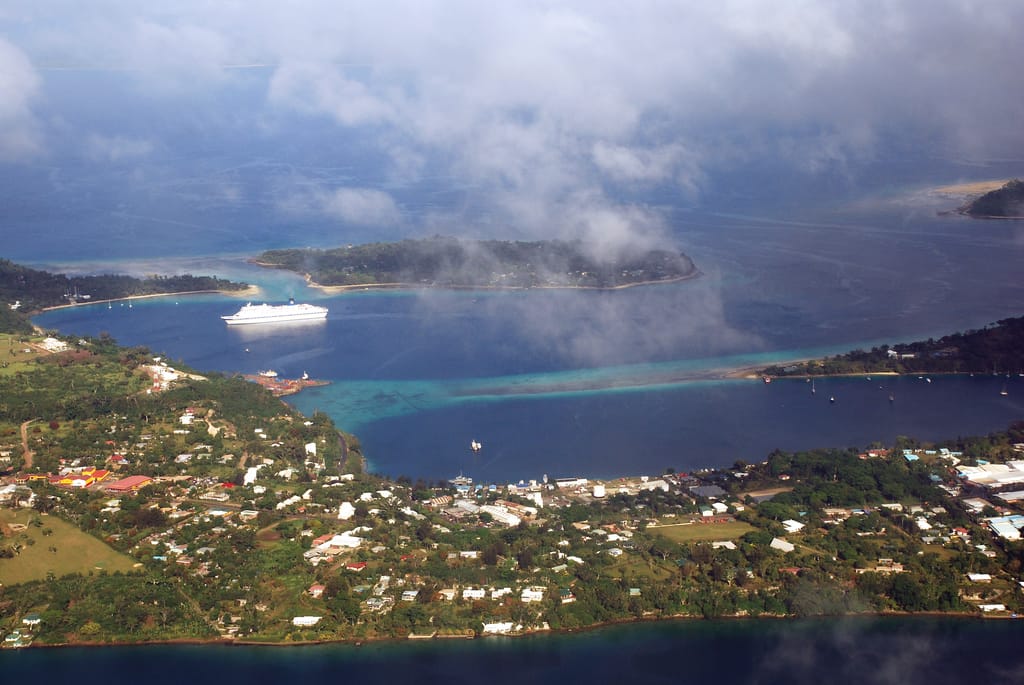
Vanuatu's small economy rests on agriculture, tourism, and the sea. Most people live by farming, and the islands export copra, kava, cocoa, coffee, and beef, while cruise ships and resorts draw visitors to the reefs, volcanoes, and beaches. The country also earns revenue from an offshore financial centre and from the sale of citizenship, both of which have drawn scrutiny. Small, remote, and repeatedly battered by disaster, Vanuatu leans on foreign aid and on the money sent home by ni-Vanuatu who work abroad as seasonal labourers.
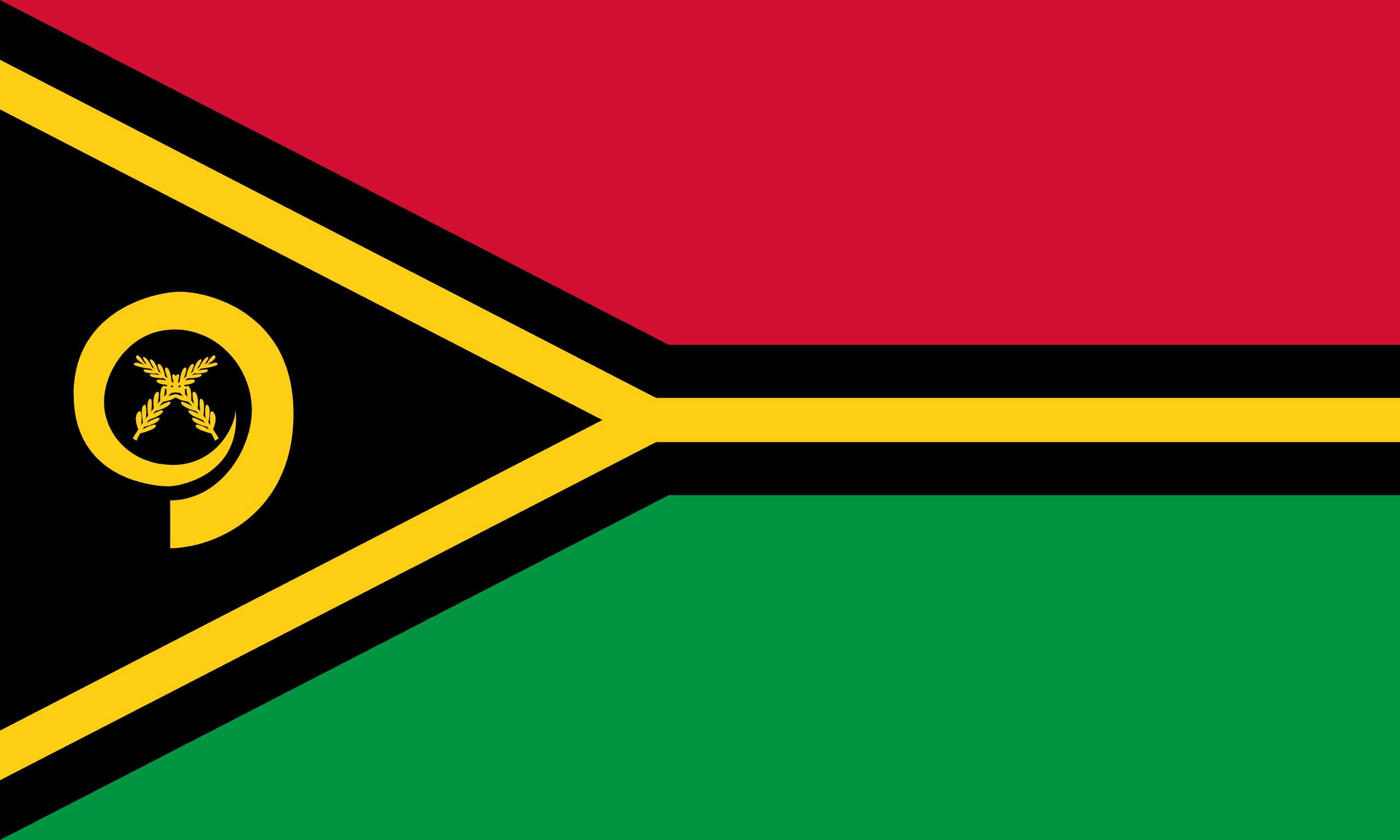
The flag of Vanuatu has a black triangle at the hoist bearing a golden emblem, with horizontal red and green bands separated by a thin black, gold-edged line, the whole forming a Y-shape that echoes the layout of the islands. The red represents the blood of unity, the green the richness of the land, and the black the Melanesian people. The golden emblem shows a boar's tusk, a symbol of prosperity, encircling two crossed fern fronds that stand for peace, reflecting the country's traditions.
Vanuatu is predominantly Christian, the result of missionary activity, with the population divided among Presbyterian, Anglican, Roman Catholic, and various other churches that are central to community life. Alongside Christianity, traditional beliefs, known locally as kastom, remain strong, governing custom, land, and ritual in many communities. The islands are also famous for unusual movements blending these strands, including cargo cults such as the John Frum movement on Tanna, which grew out of encounters with the outside world in the twentieth century.
The cuisine of Vanuatu is rooted in the islands' produce: root crops such as taro, yam, sweet potato, and cassava, along with fish, seafood, and coconut. A national dish is laplap, a pudding made of grated root vegetables wrapped in leaves and baked in an earth oven, often with meat or fish and coconut cream. Tropical fruits are abundant, and kava, a calming drink made from a root, holds a central place in social and ceremonial life, traditionally consumed in the evening in village gatherings.
Agriculture is the foundation of life in Vanuatu, with most people living as subsistence farmers growing root crops, fruit, and vegetables in their gardens and raising pigs, which hold great cultural value. The main export crops are copra and coconut products, along with cocoa, coffee, and kava, which has become an important earner. Cattle raising supplies beef for export, and fishing is significant across the islands.
Vanuatu holds one of the richest concentrations of living tradition anywhere, its many peoples keeping their own languages, ceremonies, and customs, known collectively as kastom. Its most famous ritual is the land diving of Pentecost Island, in which men leap from tall wooden towers with only vines tied to their ankles, a rite of harvest and manhood that inspired the modern bungee jump. Pigs, above all those with prized curved tusks, are treasures of wealth and ceremony, and the calming drink kava binds village life together. Amid this, the islands are famous for movements blending custom and the modern world, such as the John Frum cargo cult of Tanna.
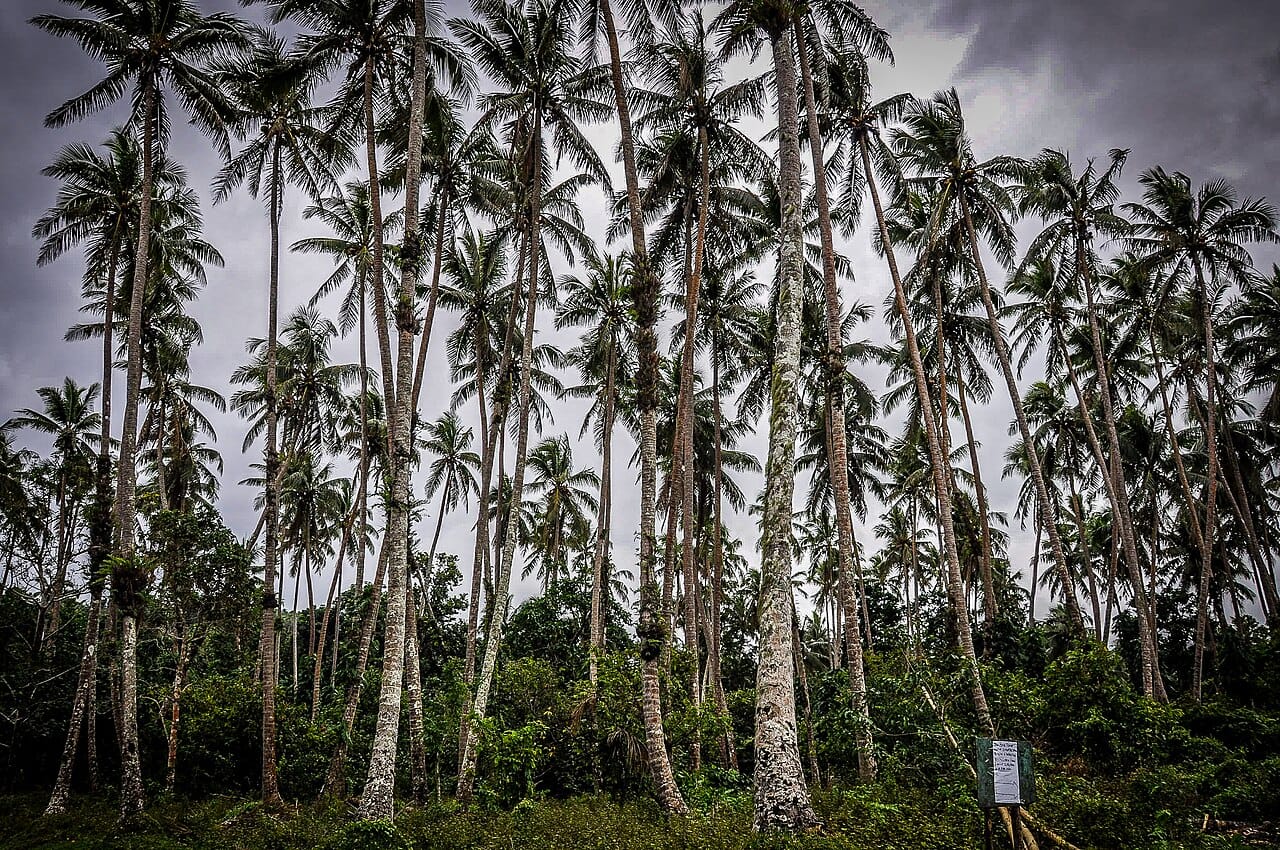
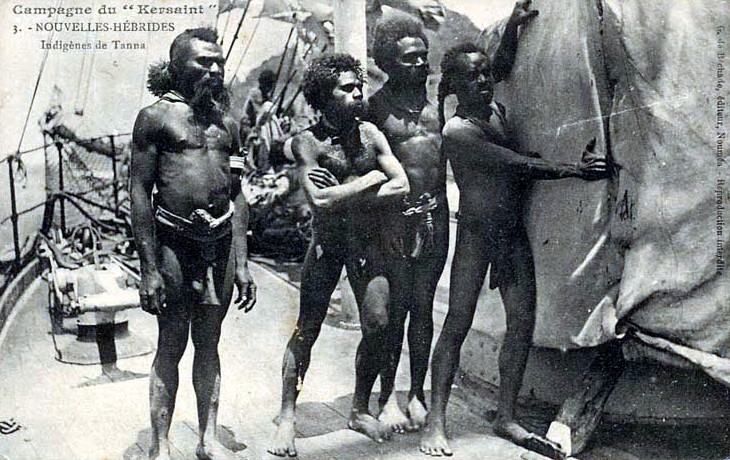
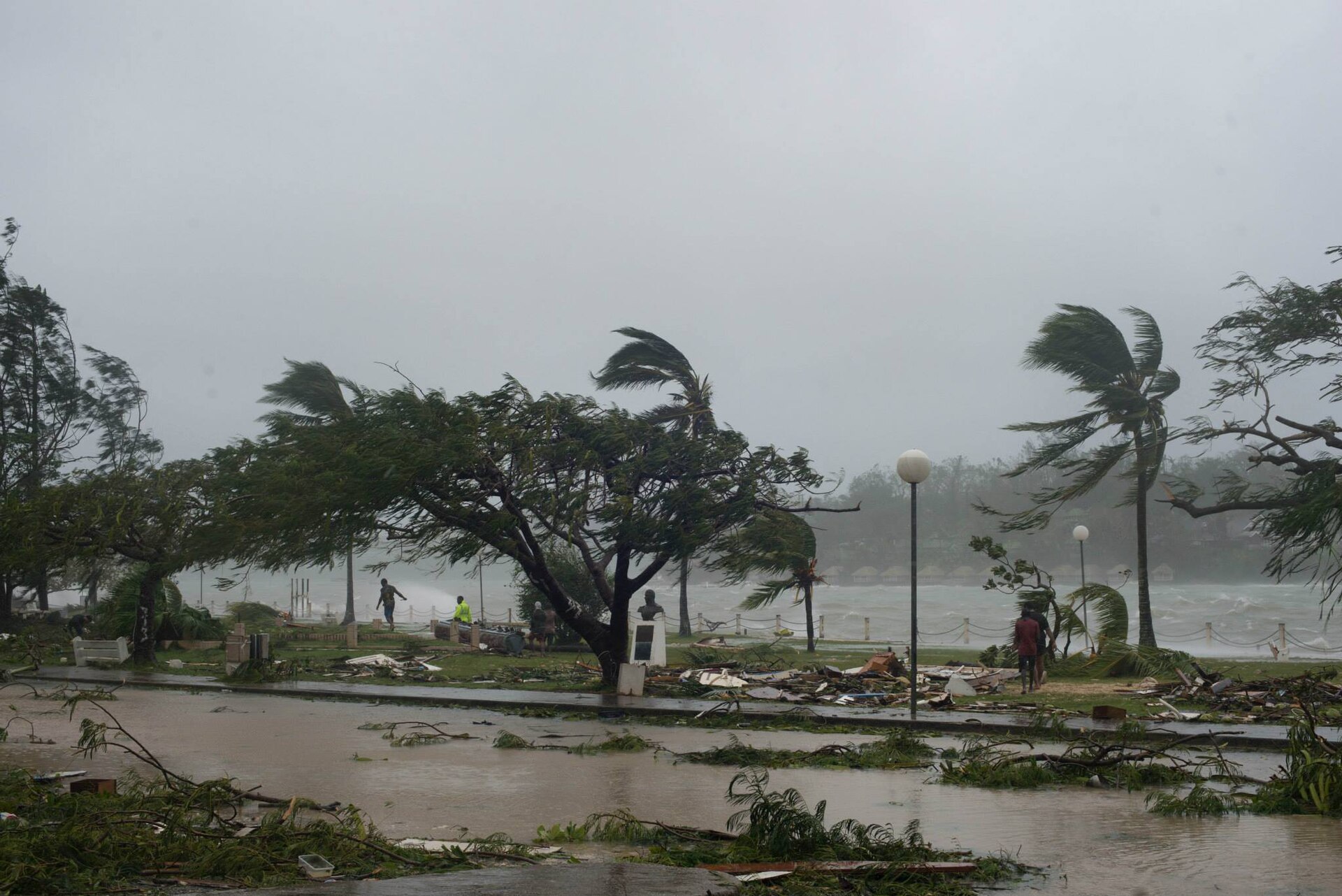
Two forces define Vanuatu's present. The first is the climate. Battered by ever more powerful cyclones, such as the devastating Cyclone Pam of 2015, and threatened by rising seas along its coasts, Vanuatu has become one of the world's most forceful voices for action, successfully leading a campaign to have the International Court of Justice set out what states owe one another over climate change. The threat to a low-lying island nation is not seriously in doubt, even as the pace and detail are debated. The second is at home: Vanuatu's politics is chronically unstable, with governments regularly falling to votes of no confidence, which critics say hampers the long-term planning the country badly needs, while others see it as the noisy working of a genuine and open democracy.
Vanuatu has a population of around 320,000 people, overwhelmingly indigenous Melanesians known as ni-Vanuatu, with small minorities of other Pacific islanders, Europeans, and Asians. The country is astonishingly diverse: more than a hundred distinct languages are spoken across its islands, the highest density of languages per person anywhere in the world, and so a creole called Bislama serves as a common tongue alongside English and French. The population is largely rural, living in villages, with the largest town the capital, Port Vila, on the island of Efate.