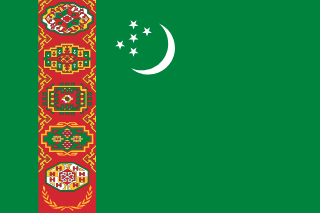
Uzbekistan is a country in the heart of Central Asia, a doubly landlocked nation, meaning it and all its neighbours are without a coast. It lies along the historic Silk Road, and its fabled cities of Samarkand, Bukhara, and Khiva were once among the greatest centres of trade, learning, and Islamic culture in the world. The most populous country in Central Asia, it blends a deep heritage with a Soviet legacy and a modern path of its own.
Uzbekistan holds one of the richest histories in Central Asia, from the ancient lands of Bactria and Sogdia, through the golden age of the Silk Road cities and the empire of Timur, to Russian and Soviet rule and modern independence.
The lands between the Amu Darya and Syr Darya rivers were home in antiquity to the settled civilisations of Bactria and Sogdia, whose merchants were the great middlemen of the early Silk Road. Conquered by the Persians and then by Alexander the Great, the region was a meeting place of Eastern and Western worlds for centuries.
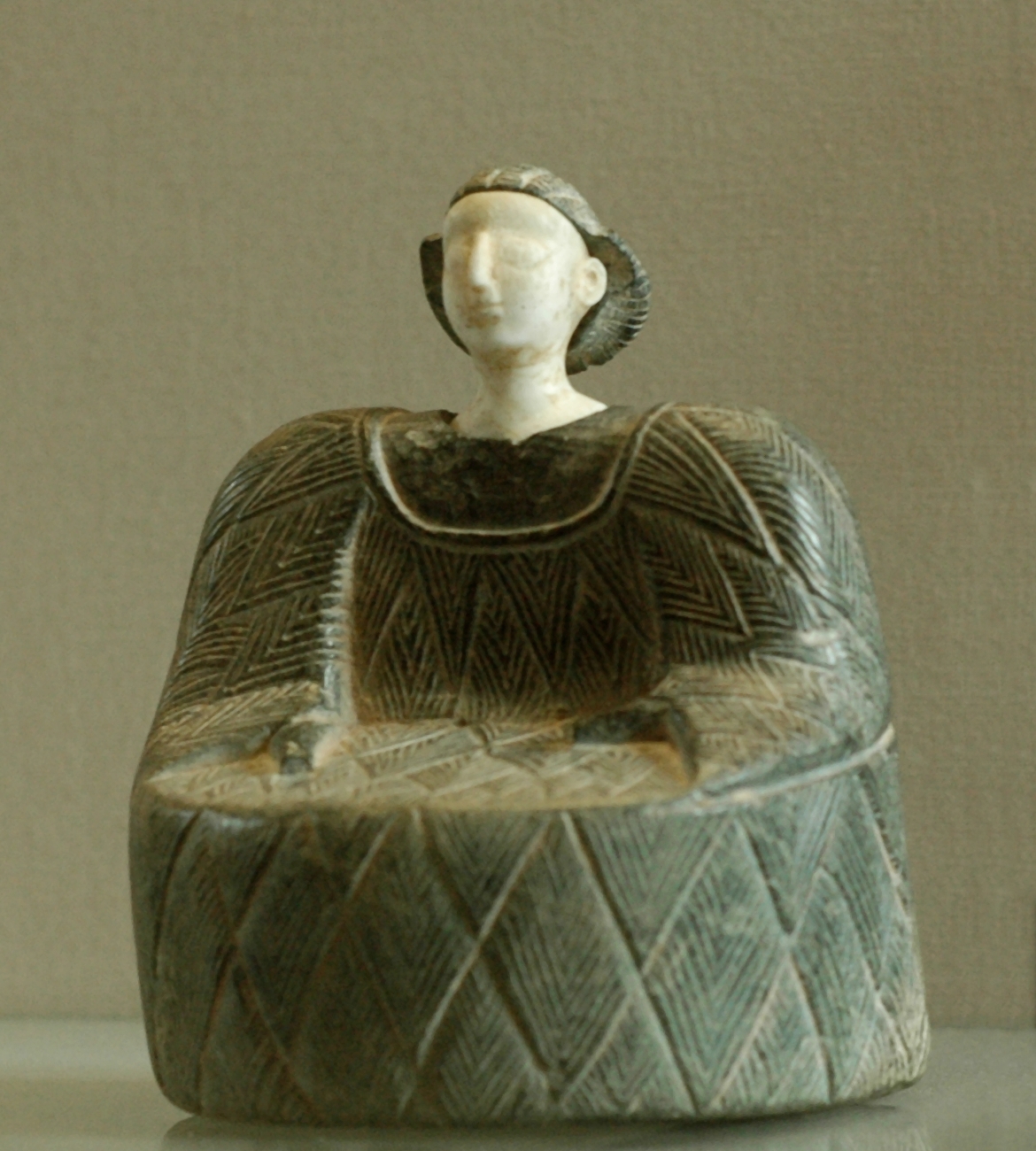
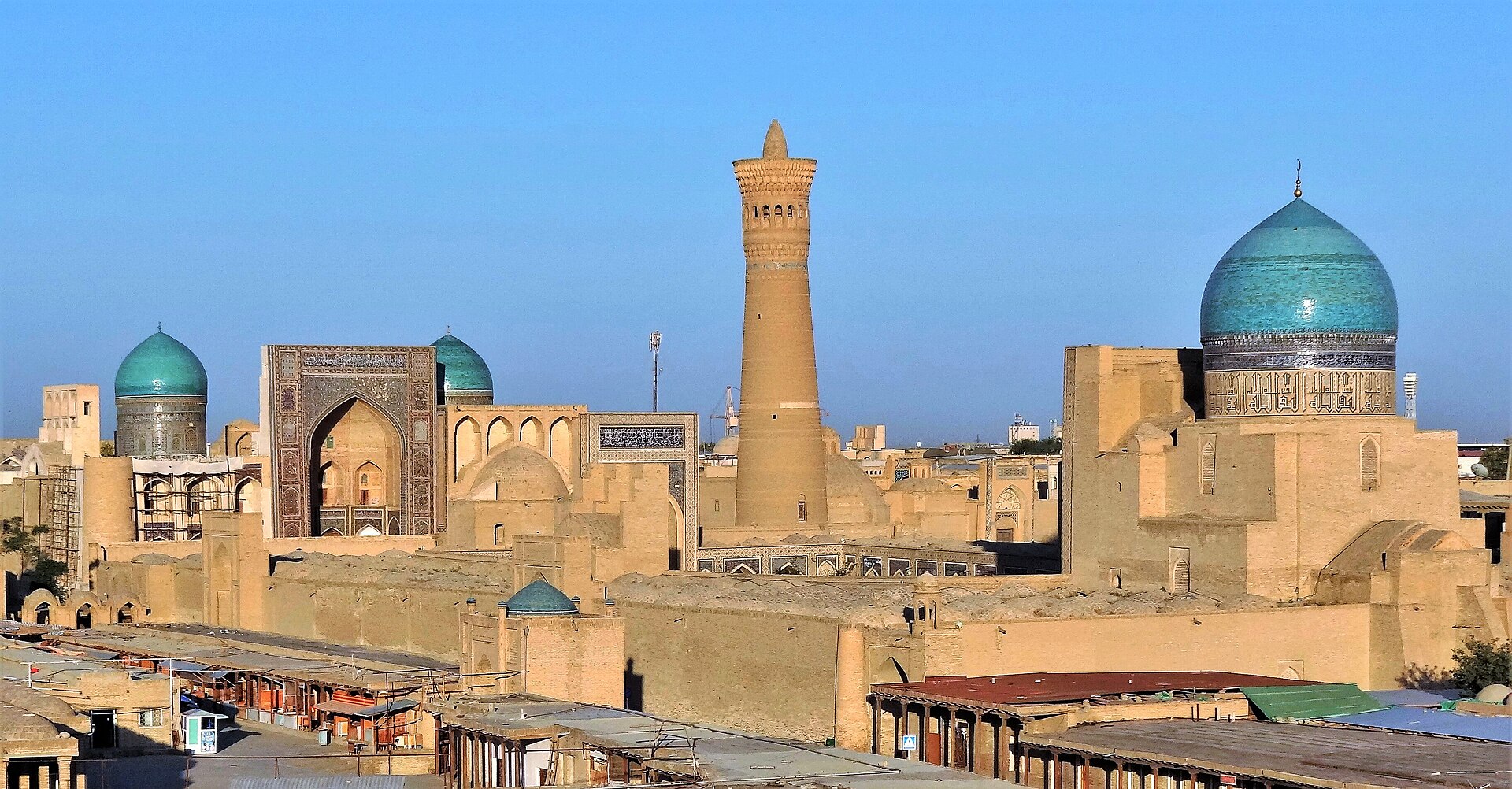
Under Islam the oasis cities of the region flourished as jewels of the Silk Road, where caravans crossing between China and the Mediterranean brought immense wealth. Bukhara and Samarkand became revered centres of trade, art, and Islamic scholarship, producing some of the greatest scientists and thinkers of the medieval world.
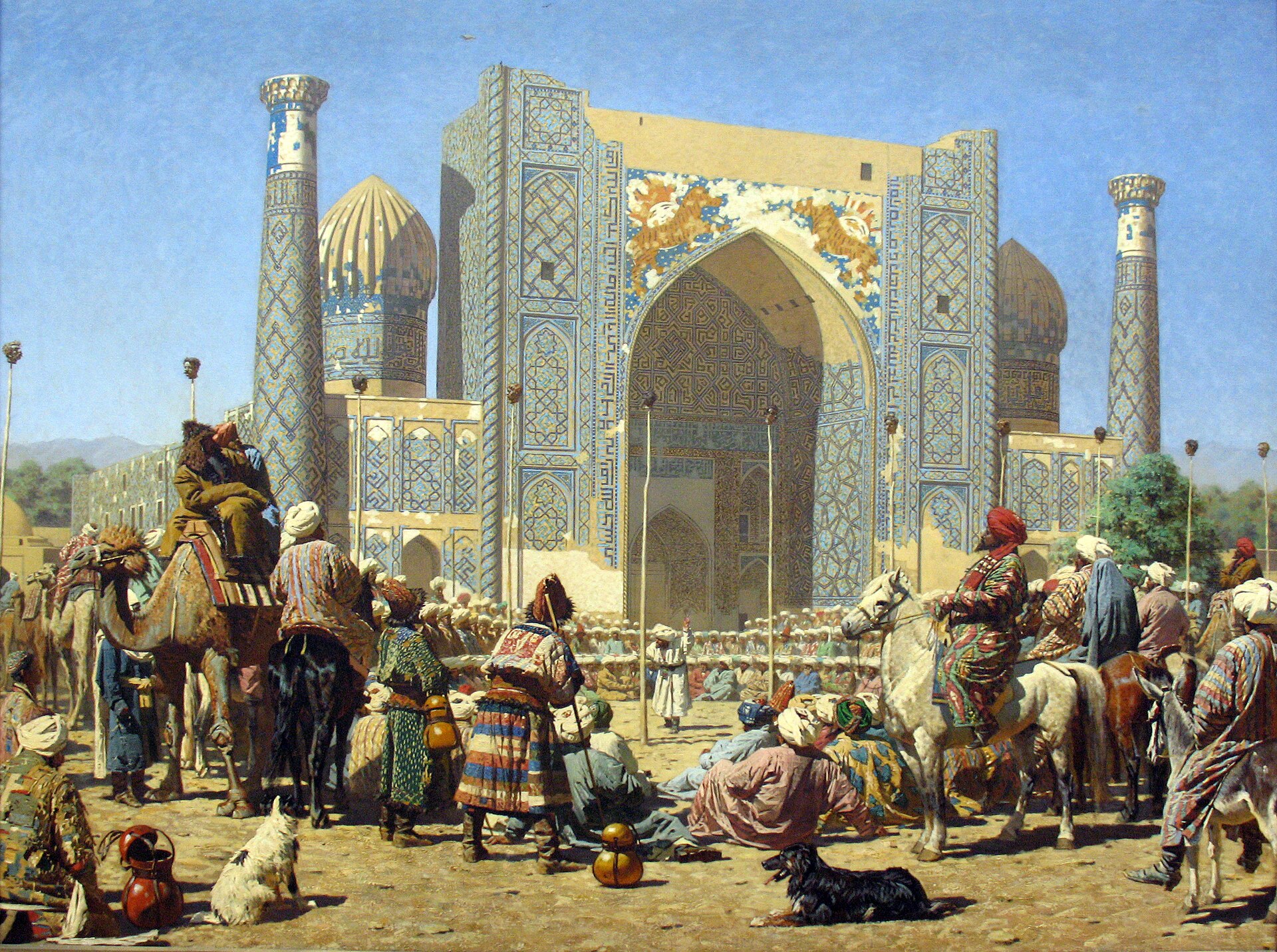
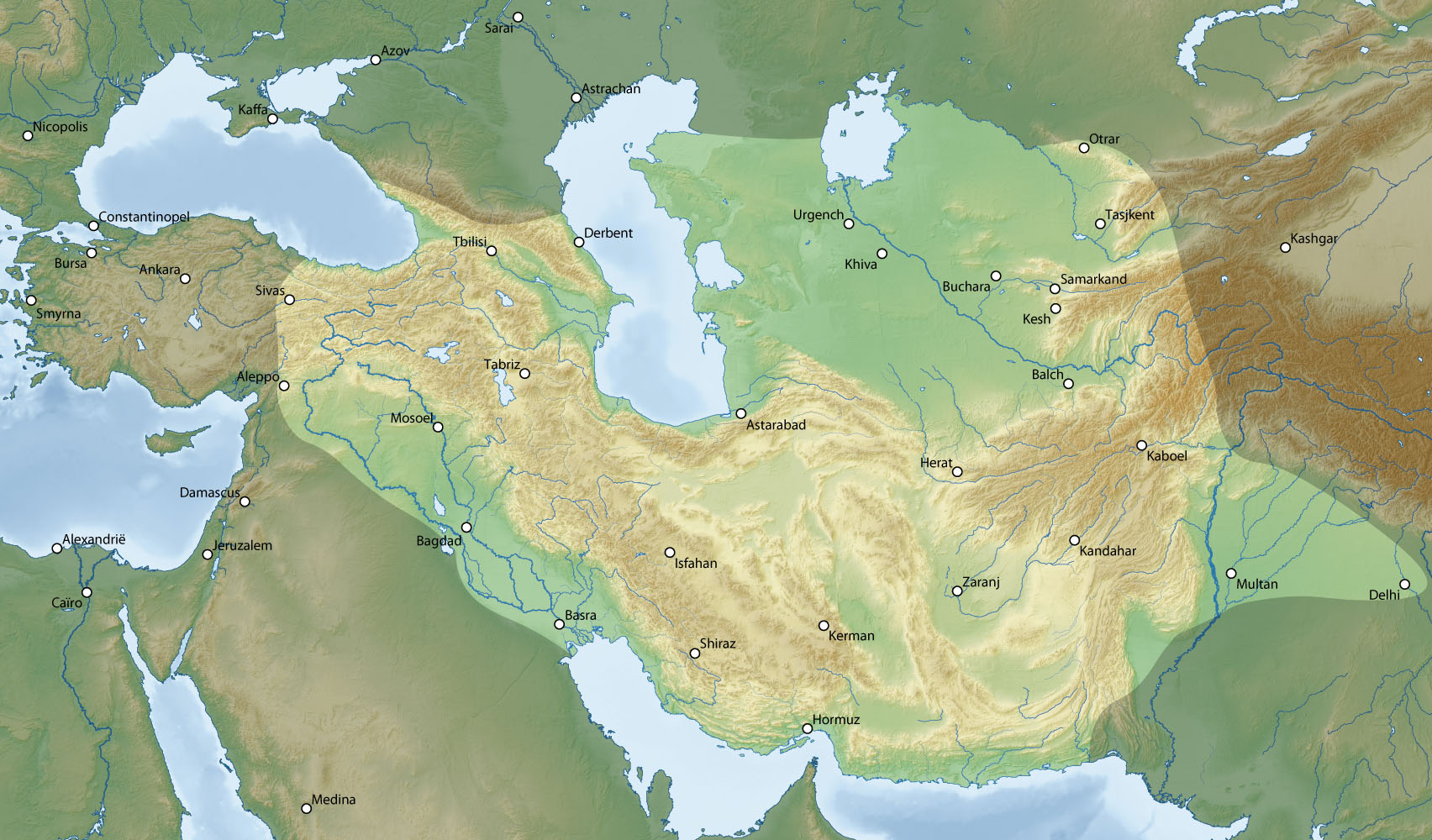
In the fourteenth century the conqueror Timur, known in the West as Tamerlane, built a vast empire from Central Asia and made Samarkand his dazzling capital, adorning it with monumental architecture. Under Timur and his descendants the region enjoyed a golden age of art, science, and building whose masterpieces still stand.
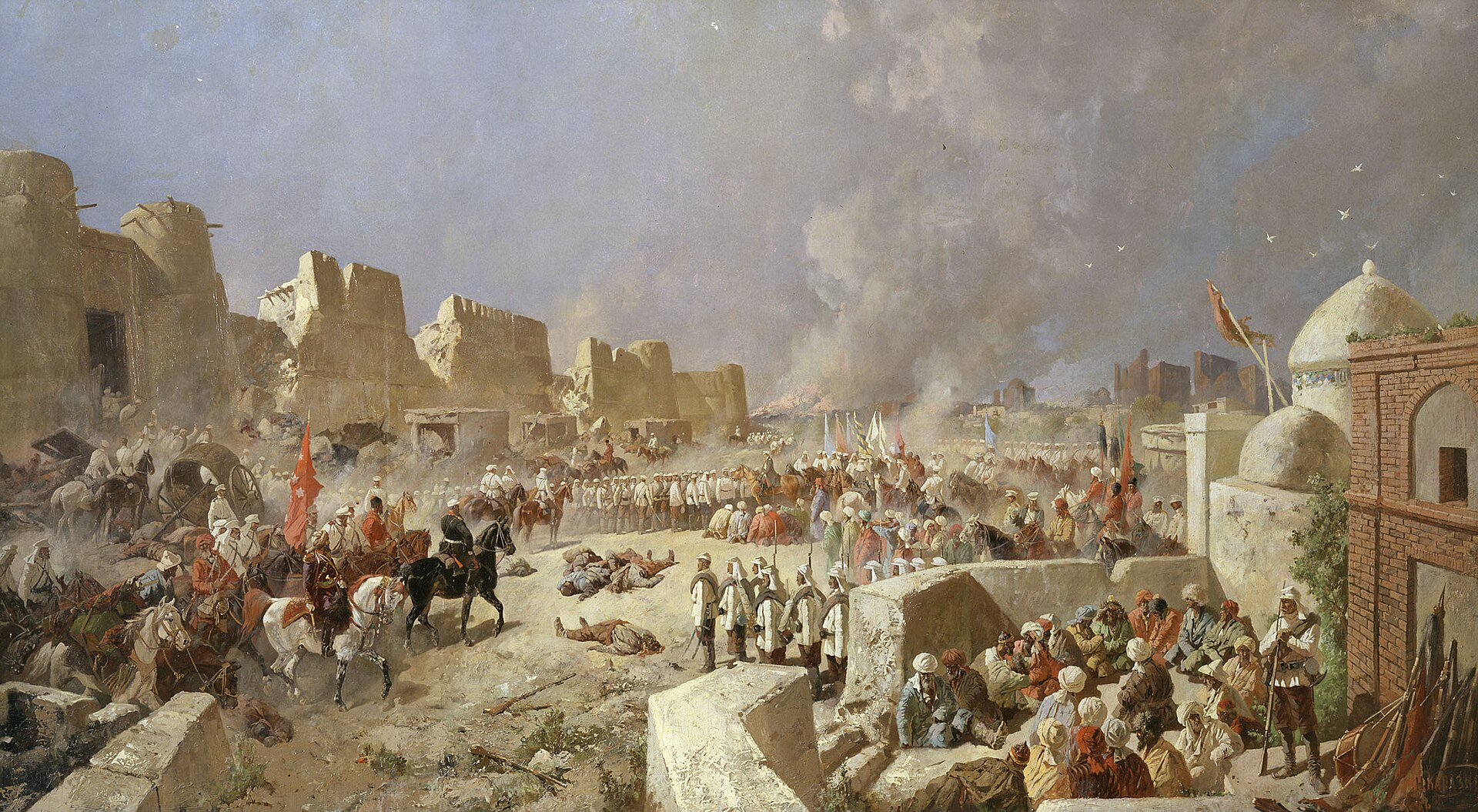
In the nineteenth century the Russian Empire conquered the region, absorbing its ancient khanates, and after the revolution it became the Soviet republic of Uzbekistan. Soviet rule brought schools, industry, and the drive for cotton, but also the suppression of religion and the environmental catastrophe of the Aral Sea, before independence came in 1991.
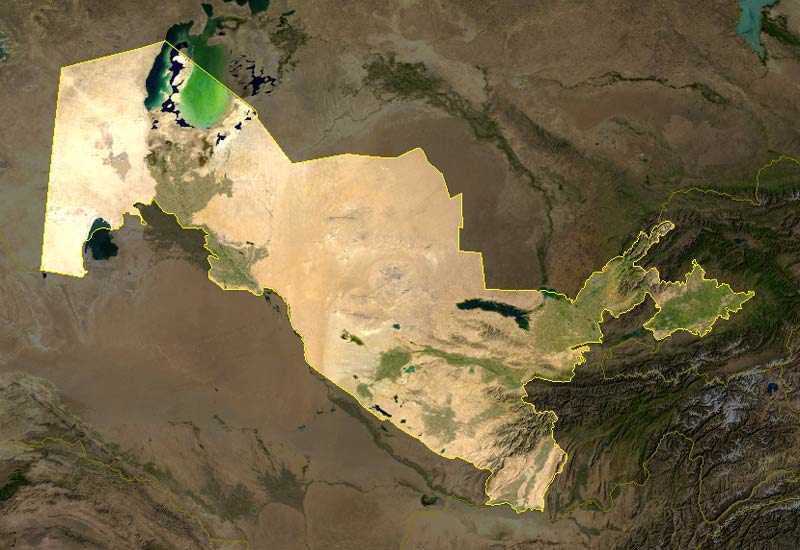
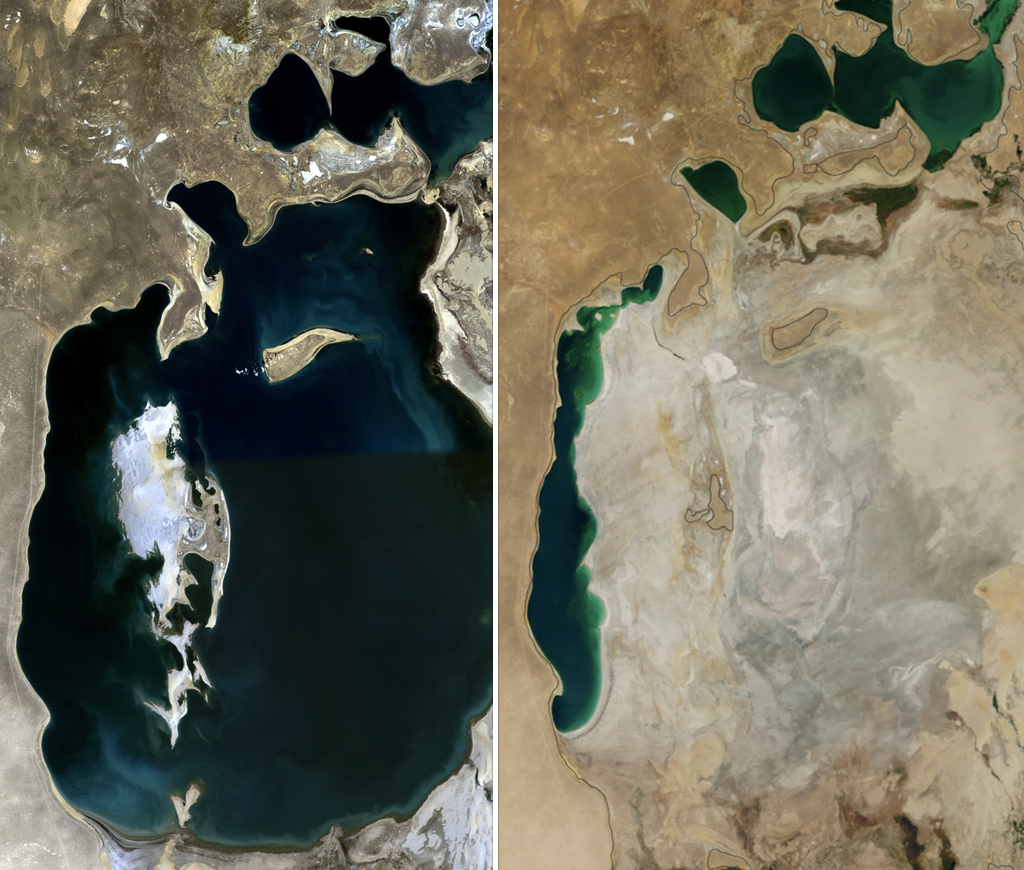
Uzbekistan stretches from the deserts of the centre and west to fertile valleys and mountains in the east. Much of the country is dry, and it depends on two great rivers, the Amu Darya and Syr Darya, for the water that sustains its oasis cities and farms. The diversion of those rivers for irrigation caused the catastrophic shrinking of the Aral Sea, once one of the largest lakes in the world, leaving behind a salt-crusted desert.
Uzbekistan is a presidential republic in which the head of state holds dominant power. Its first post-Soviet president, Islam Karimov, ruled with a firm hand and kept the country isolated until his death in 2016. His successor, Shavkat Mirziyoyev, surprised many by launching a programme of reform, easing repression, opening the economy, improving ties with neighbours, and curbing the forced labour long used in the cotton harvest, though power remains highly concentrated and the pace of change is debated.
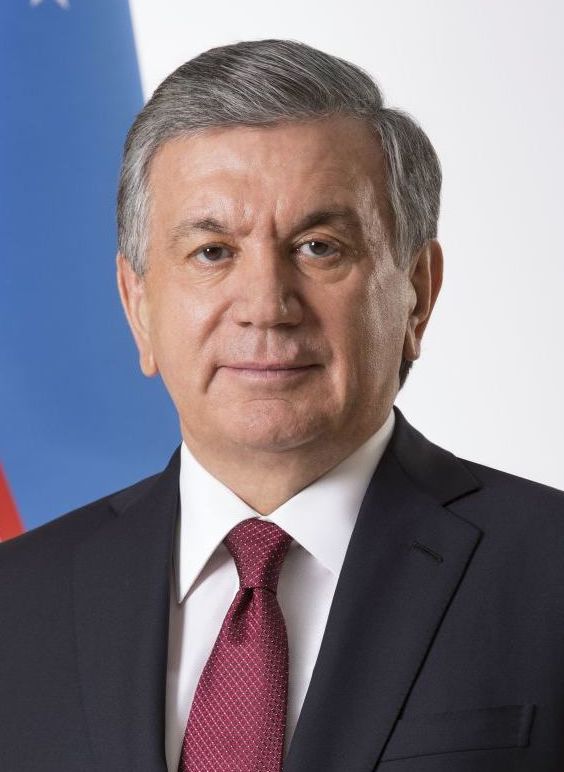
Uzbekistan has the most populous and one of the most diversified economies in Central Asia. It is a major producer of cotton, long the backbone of its farming, along with gold, natural gas, and other minerals, and it has a growing manufacturing base. Since 2016 the country has worked to open a long-closed and state-dominated economy to trade and investment, and money sent home by Uzbeks working abroad, especially in Russia, is an important support for many families.
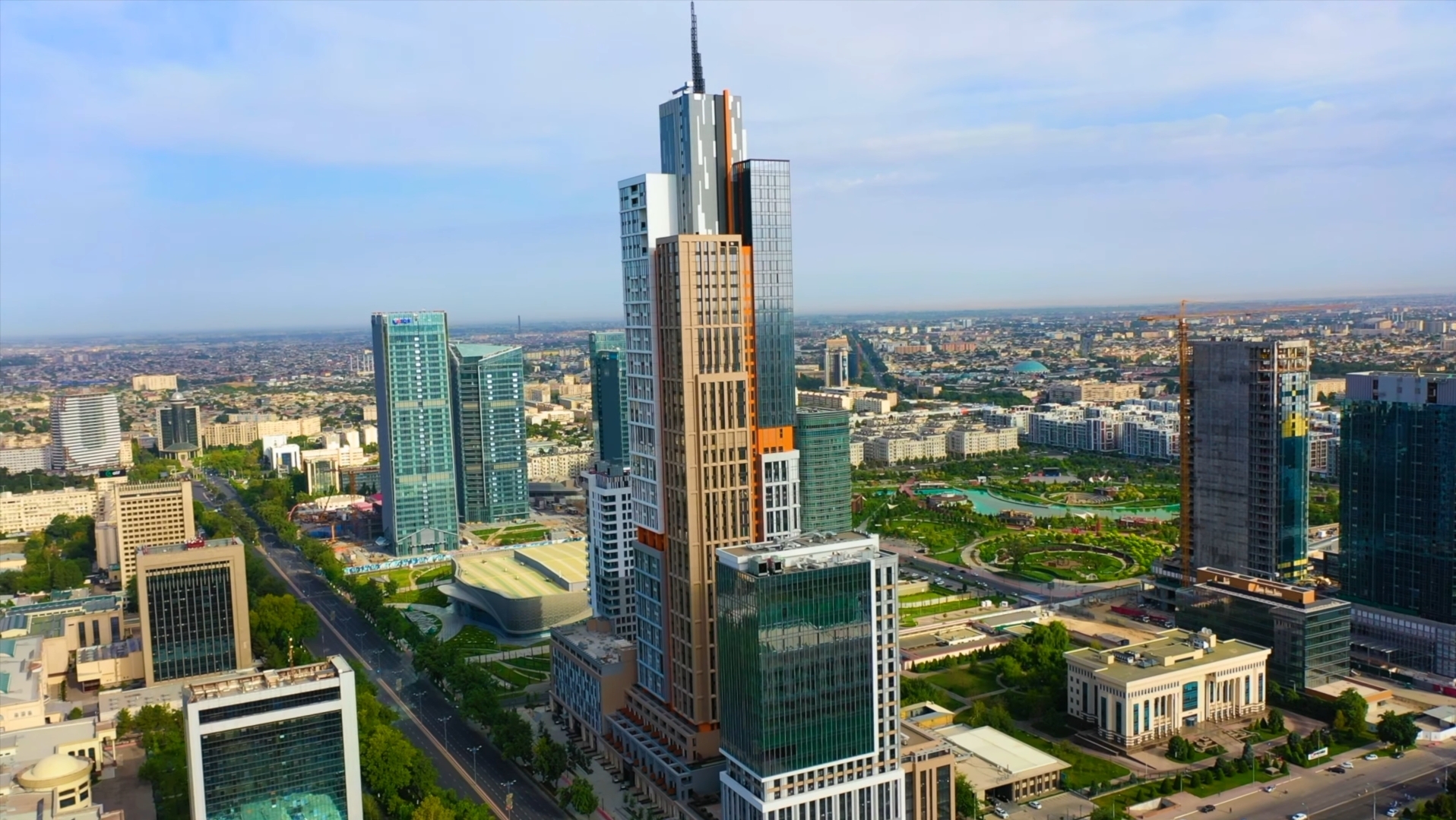
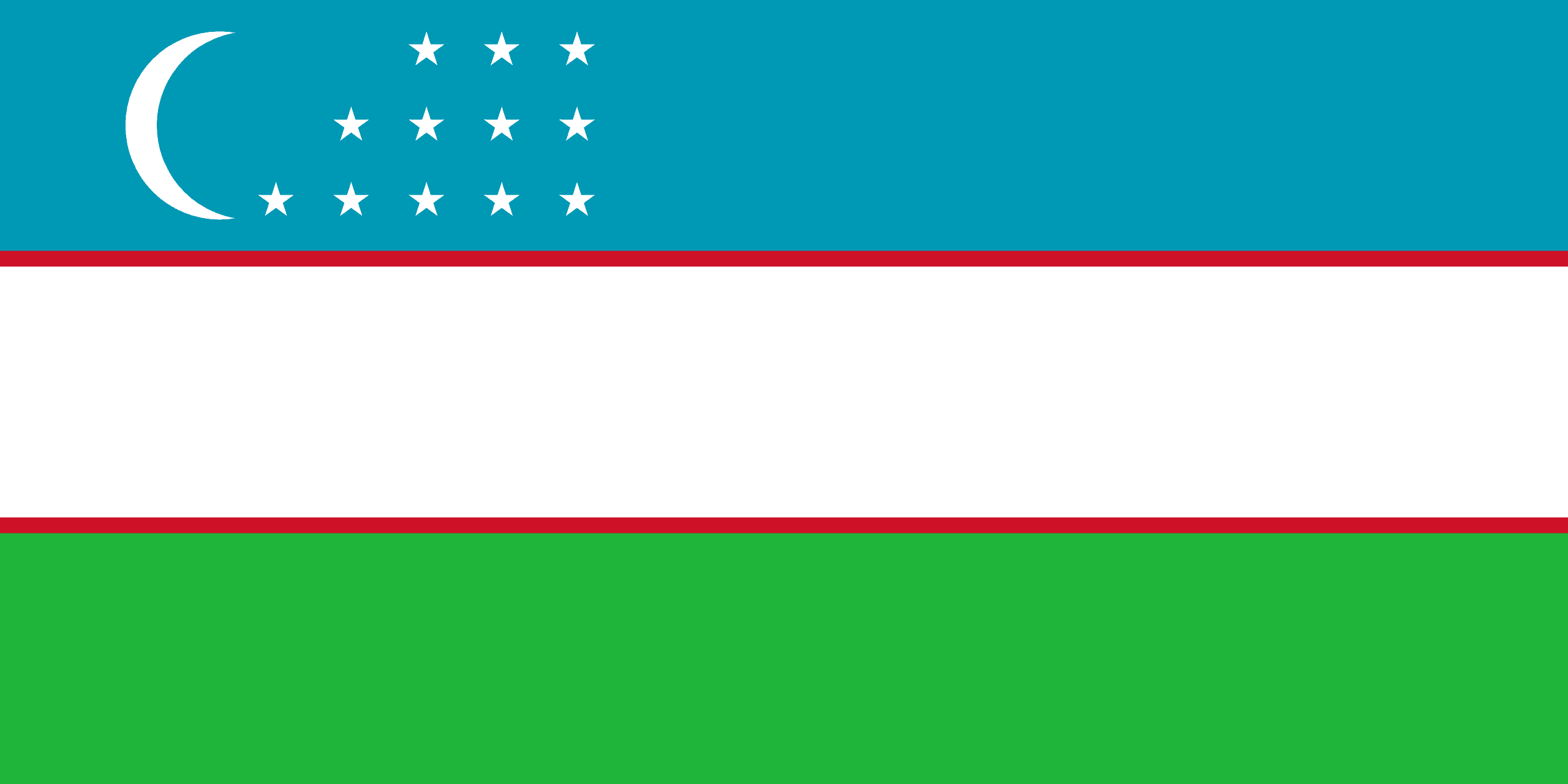
The flag of Uzbekistan has three horizontal bands of blue, white, and green, separated by thin red stripes, with a white crescent moon and twelve white stars in the upper hoist. The blue recalls the sky and water and the banners of Timur, white stands for peace, and green for nature and fertility. The crescent reflects the country's Islamic heritage, and the twelve stars are linked to the months and to ancient ideas of perfection.
The great majority of Uzbeks are Muslims, predominantly Sunni, heirs to a region that was once among the most important centres of Islamic scholarship, producing renowned scientists and theologians during the medieval golden age. Bukhara and Samarkand were revered seats of learning. Decades of Soviet atheism suppressed religious life, and modern Uzbekistan remains a secular state, though Islam has revived as a central part of cultural and personal identity.
Uzbek cuisine is the most celebrated in Central Asia, built around rich, hearty dishes suited to its continental climate. The national dish is plov, also called osh, a fragrant pilaf of rice cooked with meat, carrots, onions, and spices, prepared in enormous quantities for celebrations. Skewers of grilled meat, samsa baked in clay ovens, and round flatbread called non are staples, reflecting a strong tradition of communal eating and hospitality.
Agriculture is central to Uzbekistan, and the country is one of the world's leading producers and exporters of cotton, long known as white gold, a crop whose thirst for irrigation water did much to drain the Aral Sea. The fertile valleys also produce wheat, along with renowned fruits such as melons, apricots, and grapes, prized across the region. Reforming the cotton industry and repairing the environmental damage of the past are major priorities.
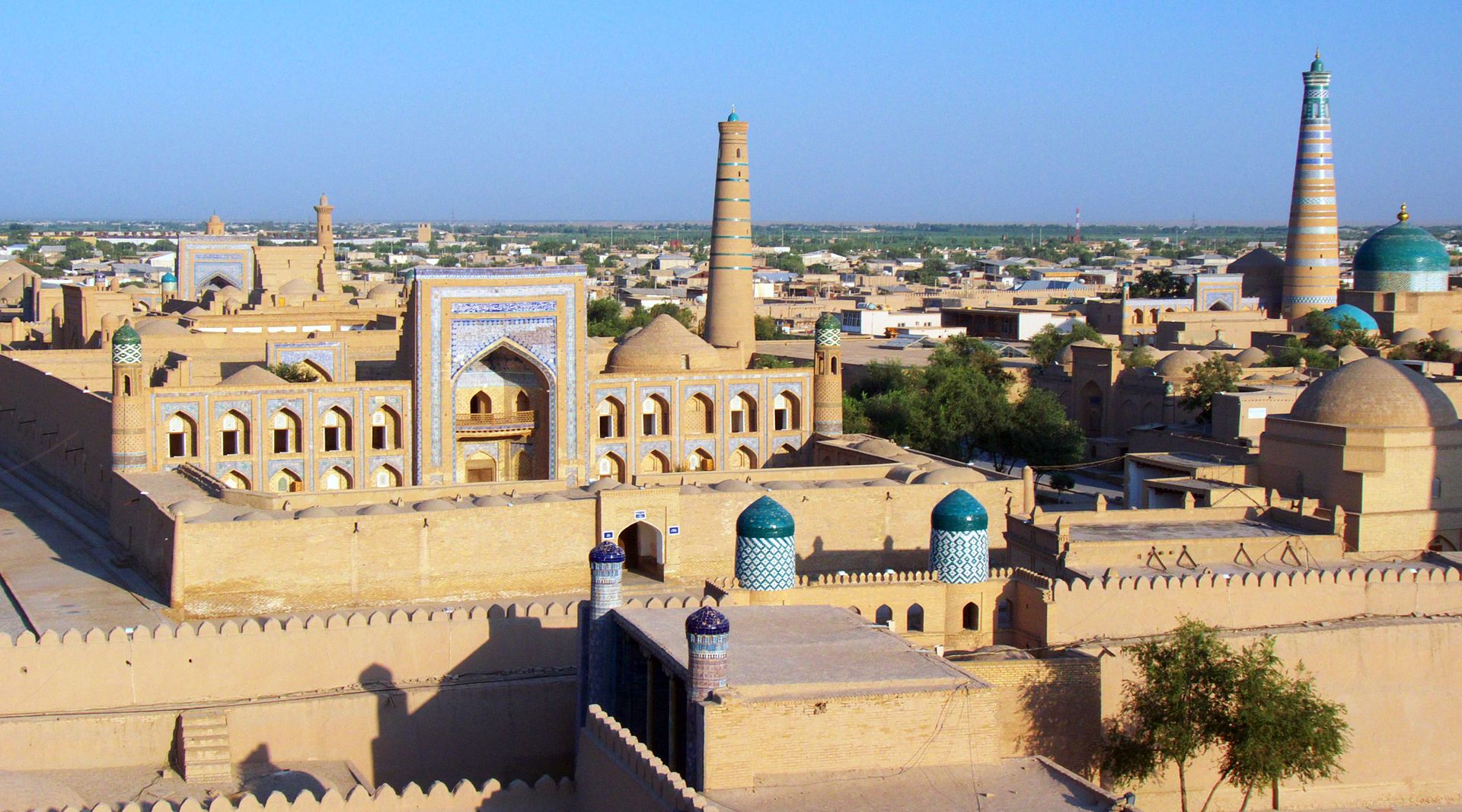
Uzbek culture is the richest and most storied in Central Asia, heir to the Silk Road cities and their traditions of craftsmanship, music, and poetry. The magnificent architecture of Samarkand, Bukhara, and Khiva, with its turquoise domes and tiled madrasas, is a source of immense national pride, and society remains warm, hospitable, and strongly rooted in family. The walled city of Khiva, its old town preserved almost intact, is among the most vivid survivals of the old Central Asian world.
One of the gravest environmental catastrophes of modern times unfolded on Uzbekistan's borders. To feed the Soviet drive for cotton, the two rivers that fed the Aral Sea were drained for irrigation, and the sea, once one of the largest lakes in the world, shrank to a fraction of its size, leaving ships stranded on salt flats and ruining the fishing towns of its shores. The blowing of toxic dust from the exposed seabed has harmed health across the region. Reviving parts of the sea and coping with the damage remain a shared struggle for Uzbekistan and its neighbours.
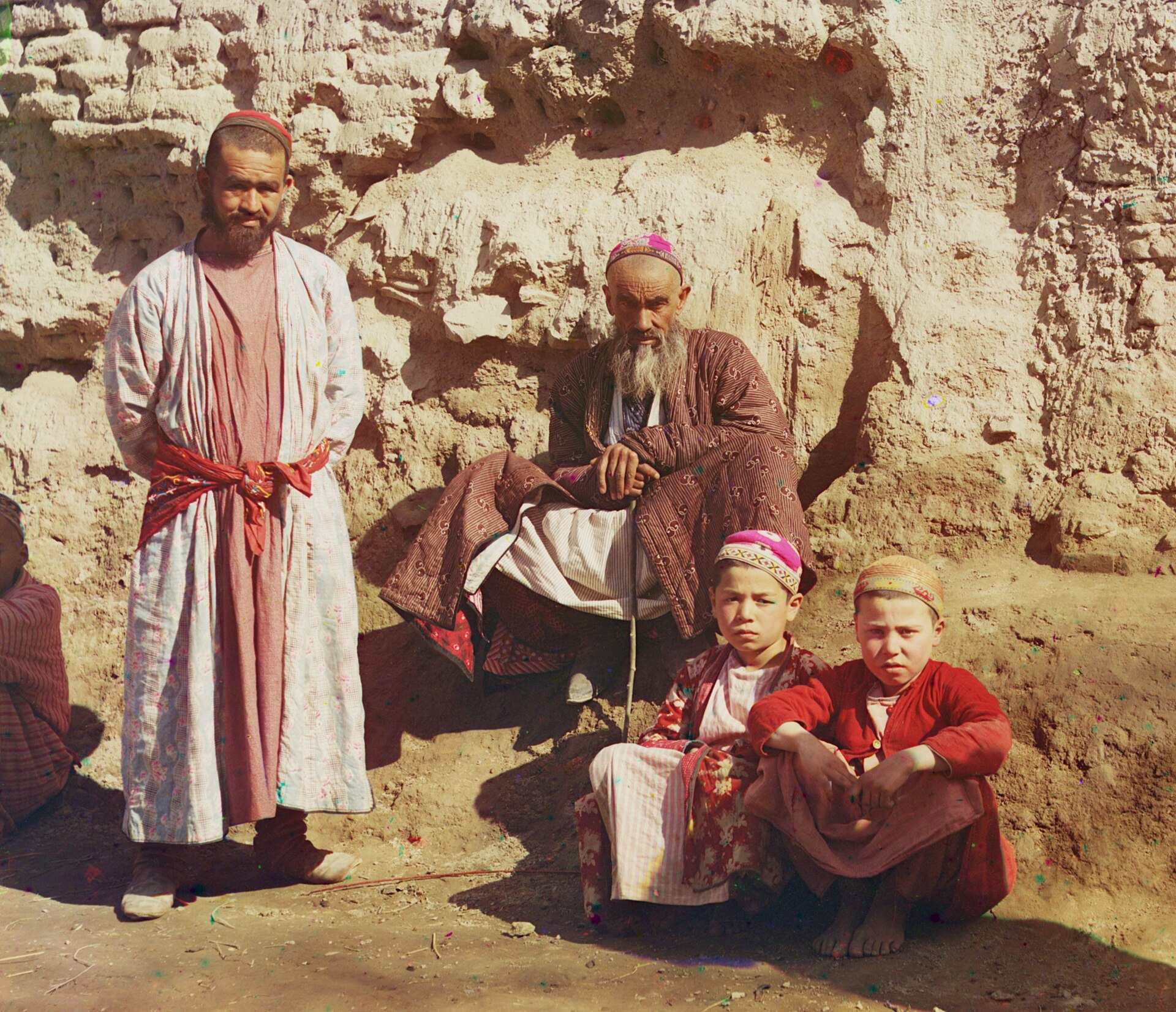
Uzbekistan has a population of around 36 million people, the most populous in Central Asia, the majority ethnic Uzbeks, alongside Tajik, Kazakh, Russian, and other minorities. The population is relatively young and concentrated in the fertile eastern valleys and the oasis cities. The capital and largest city is Tashkent, the biggest city in Central Asia, a centre rebuilt in the Soviet era after a major earthquake.