The United Kingdom is an island nation off the northwestern coast of Europe, made up of four constituent parts: England, Scotland, and Wales on the island of Great Britain, together with Northern Ireland. A union of nations under a single government and monarch, it was the birthplace of the Industrial Revolution and the centre of the largest empire in history, and its language, law, and culture have spread across the globe.
The history of the British Isles is a story of repeated invasion and gradual union, from prehistoric monument-builders through Romans, Anglo-Saxons, and Normans to the world-spanning empire of recent centuries.
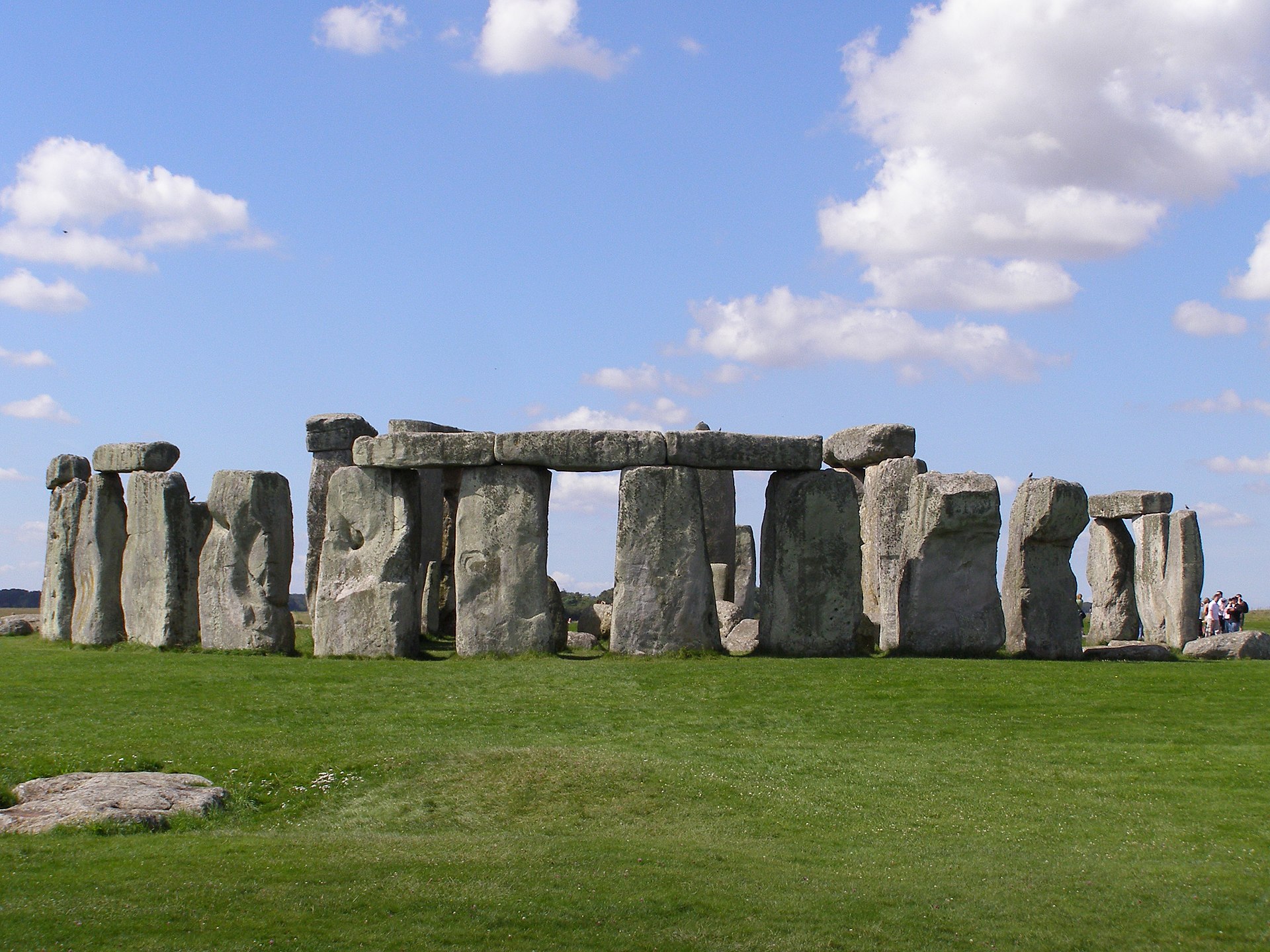
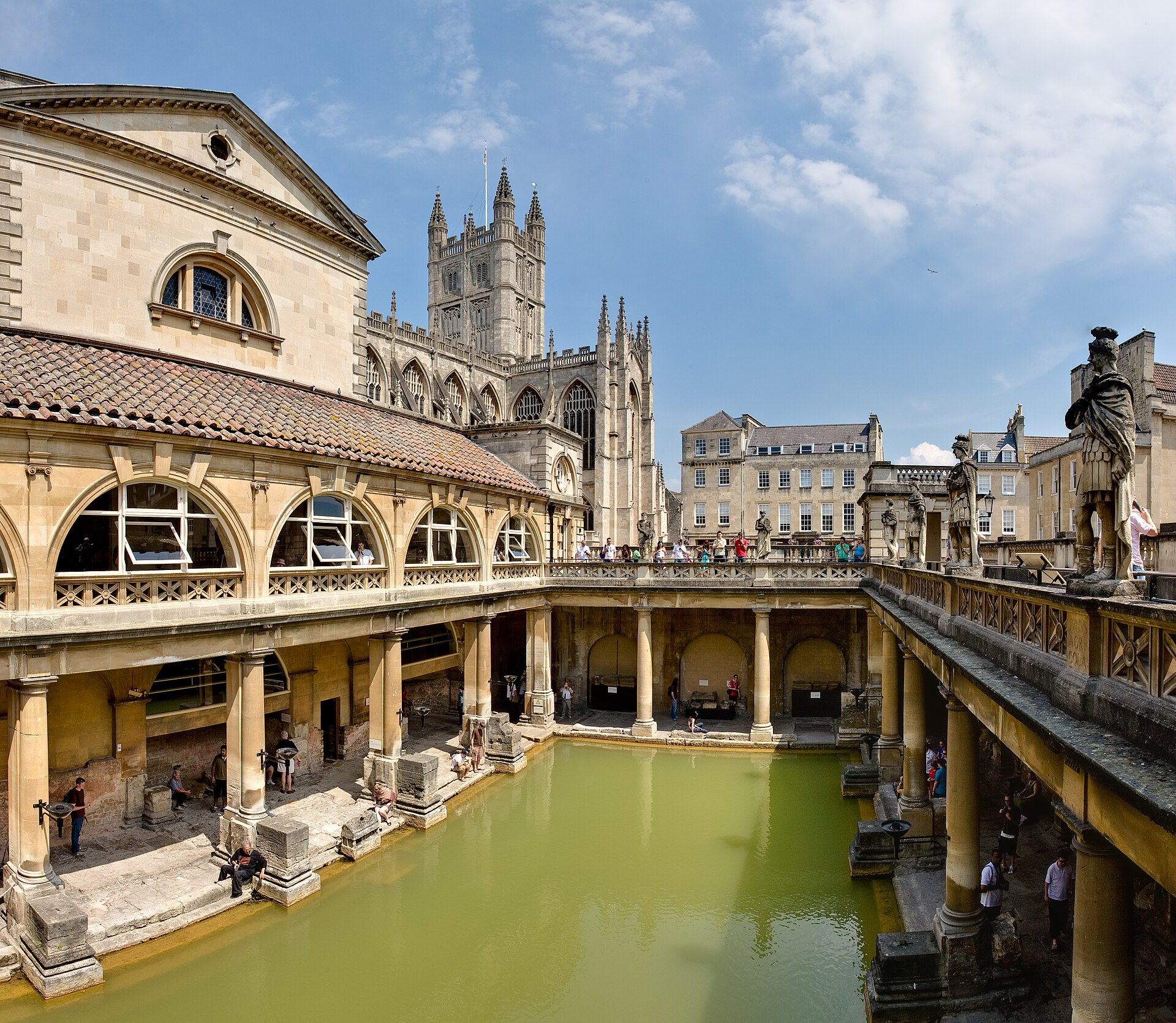
The islands were inhabited for thousands of years before written history, by peoples who raised great monuments such as Stonehenge. In the first century the Romans conquered the south and ruled the province of Britannia for nearly four hundred years, founding towns, roads, and baths before their withdrawal left the land to waves of Anglo-Saxon and later Viking settlers.
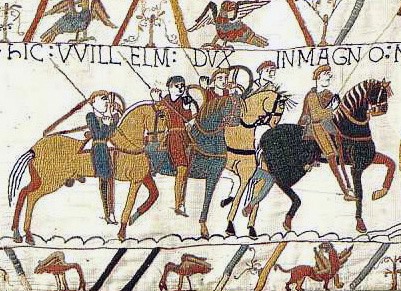
In 1066 the Norman conquest, decided at the Battle of Hastings, swept away the Anglo-Saxon ruling class and transformed England's language, law, and aristocracy. Out of the medieval centuries that followed grew a strong English monarchy, the foundations of Parliament, and landmark limits on royal power such as Magna Carta in 1215.
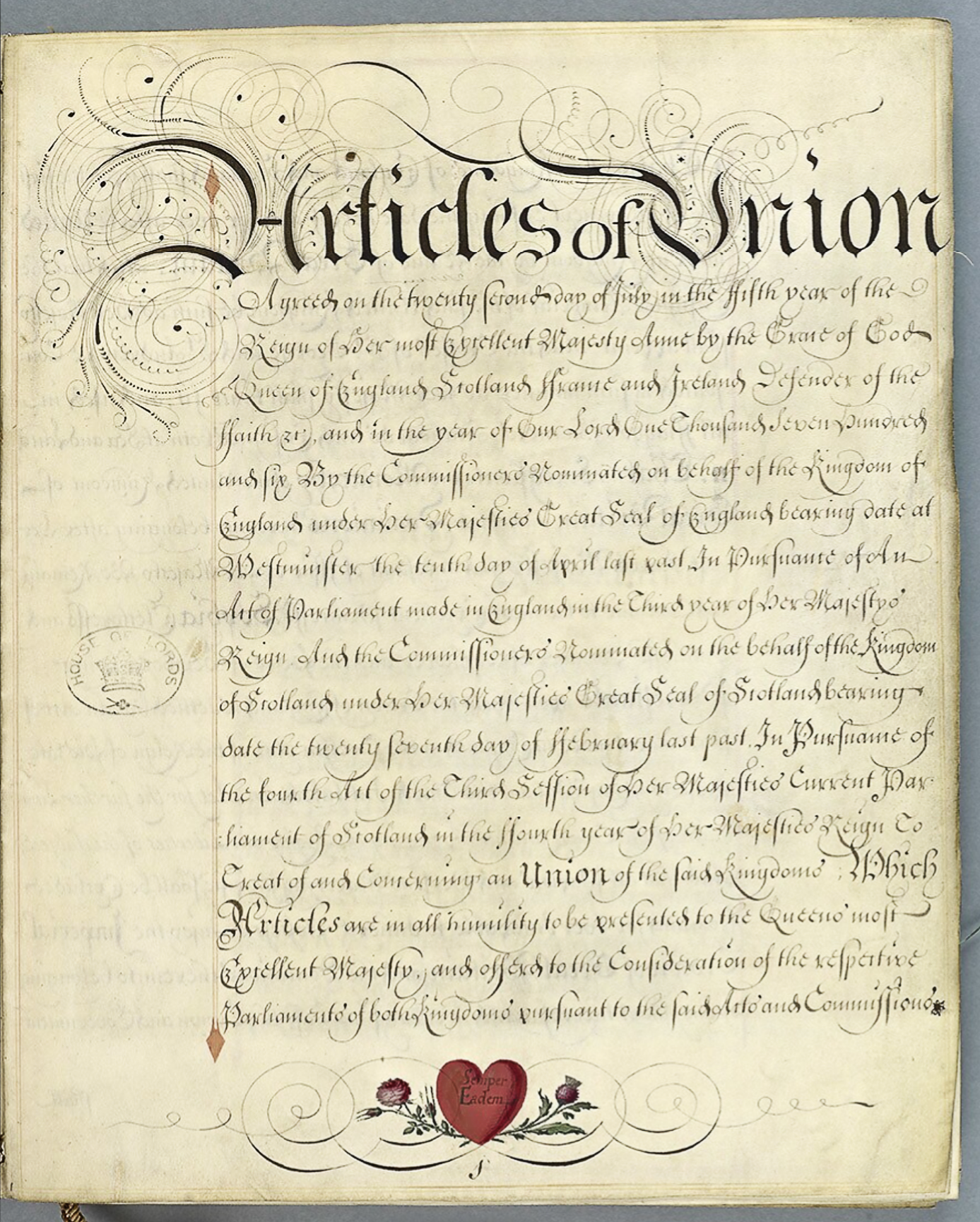
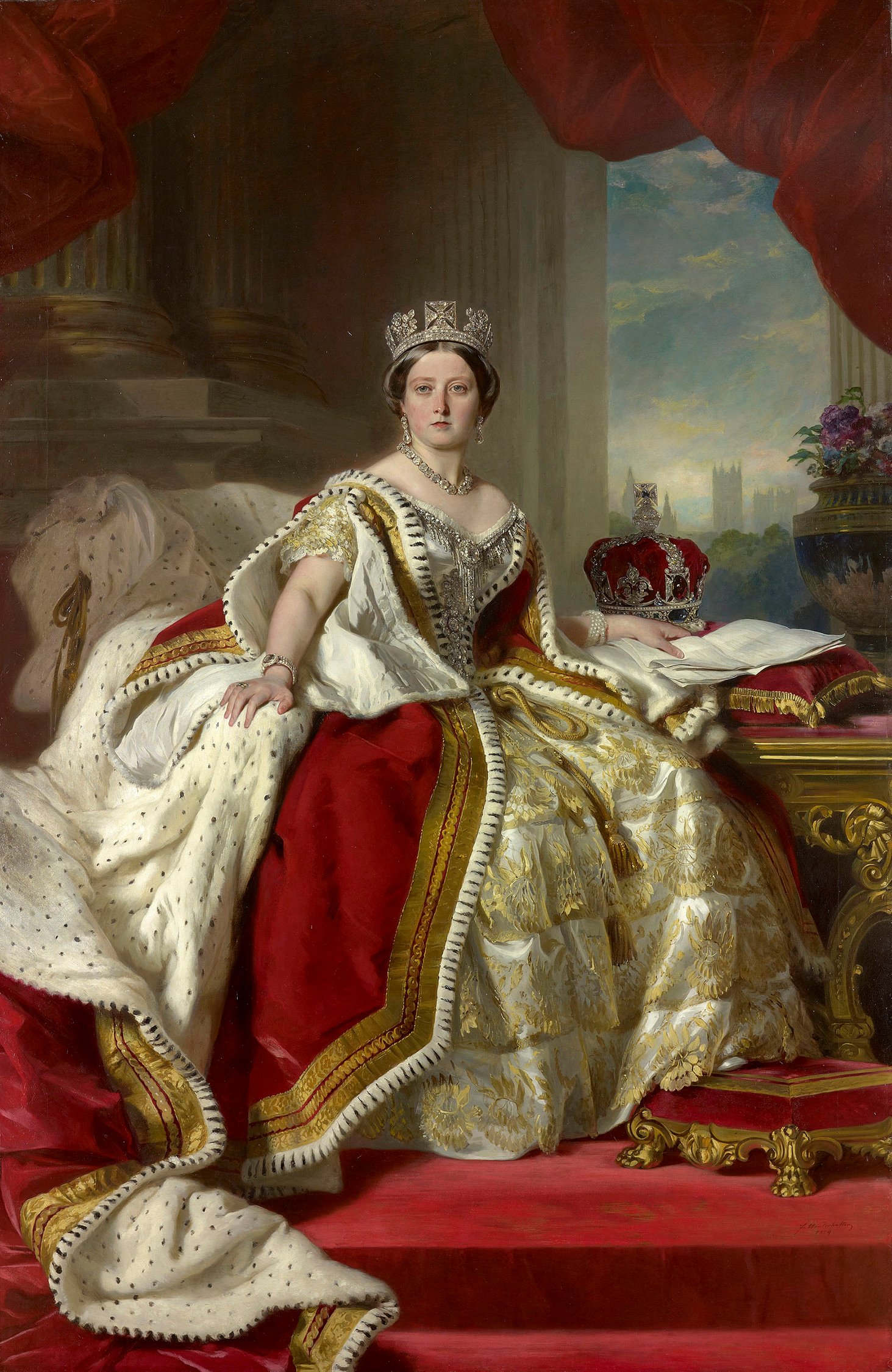
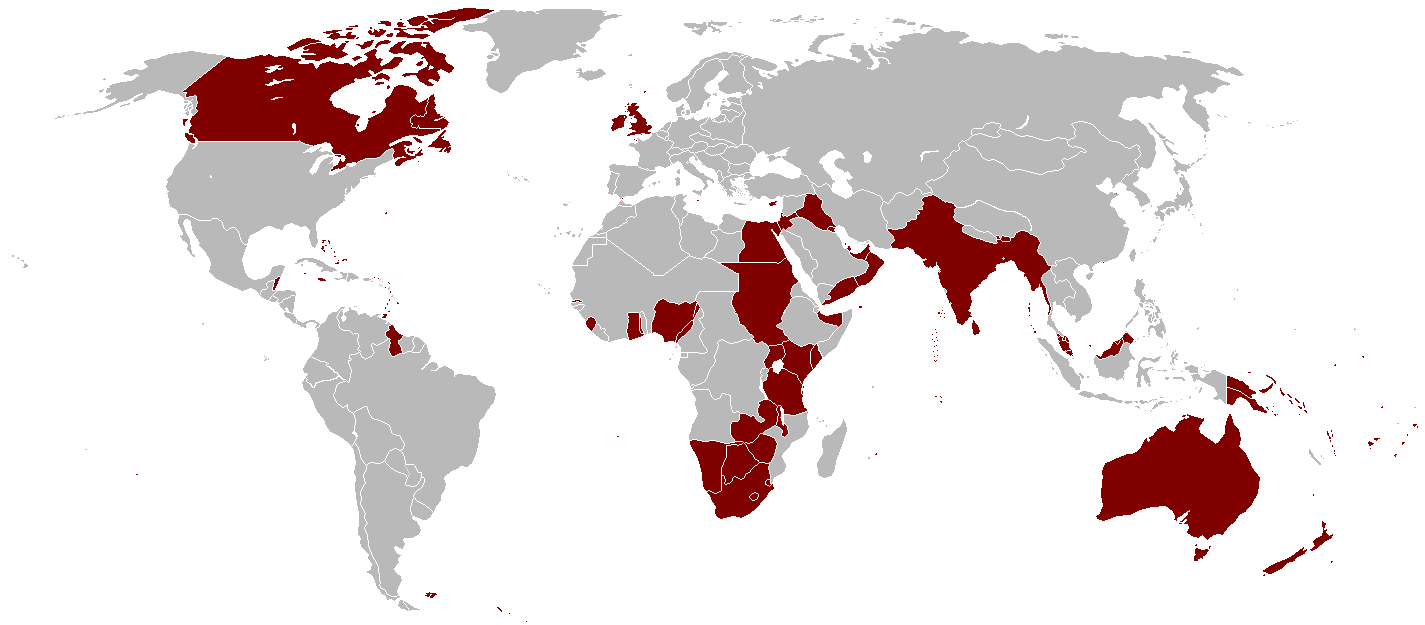
The separate kingdoms of the islands were gradually drawn together: the crowns of England and Scotland were united in 1603, and their parliaments joined in 1707 to create Great Britain, with Ireland added in 1801. From this union grew a global trading and naval power, and under Queen Victoria the British Empire became the largest in history, ruling a quarter of the world's land and people.
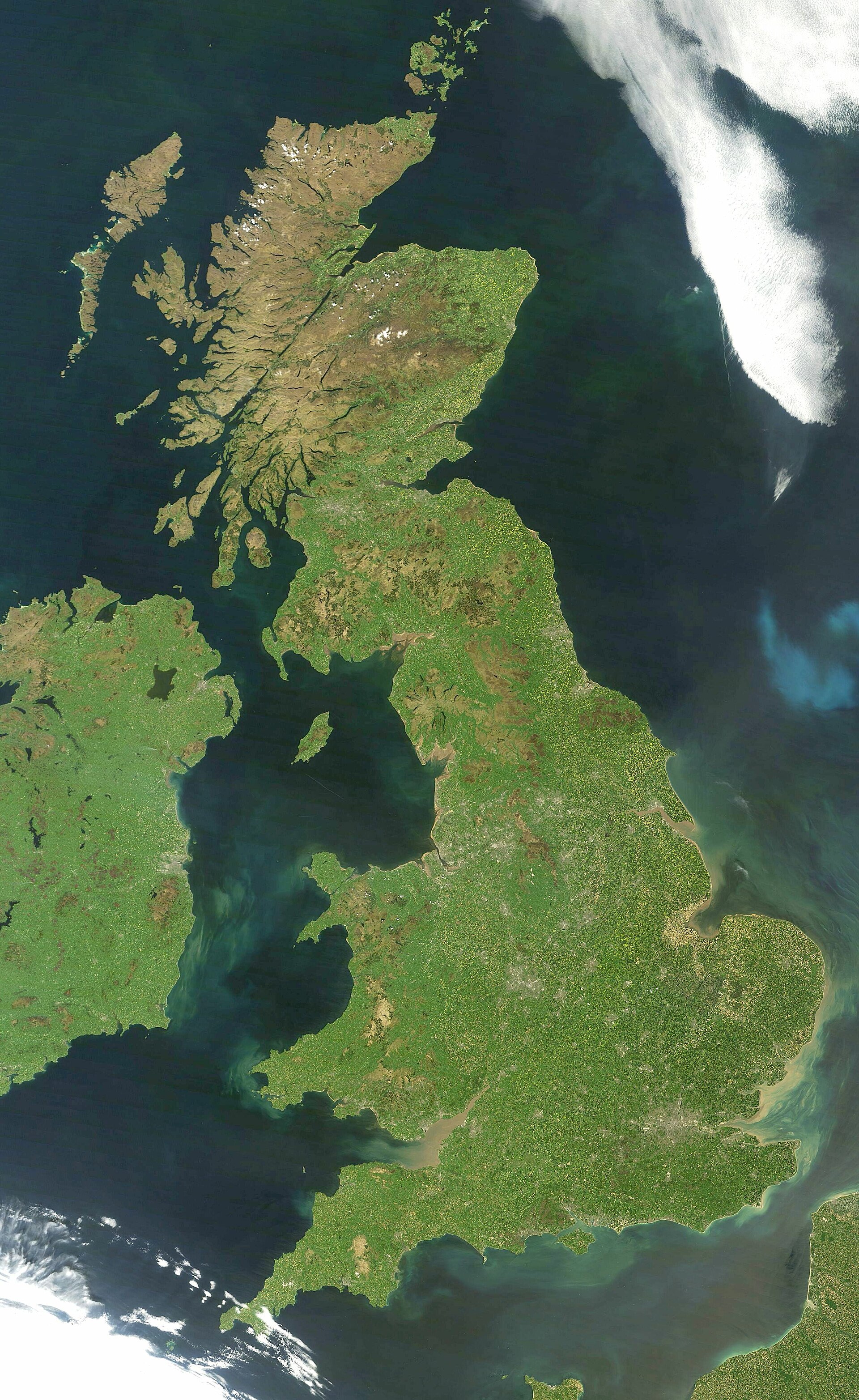
The United Kingdom is a temperate, green, and often rainy land of rolling hills, moors, and a long, indented coastline. England is largely lowland, while Scotland and Wales rise into rugged highlands and mountains, including Ben Nevis, the highest peak. No part of the country lies far from the sea, and the surrounding waters and mild maritime climate have shaped a seafaring history and a patchwork of farmland, pasture, and ancient woodland.
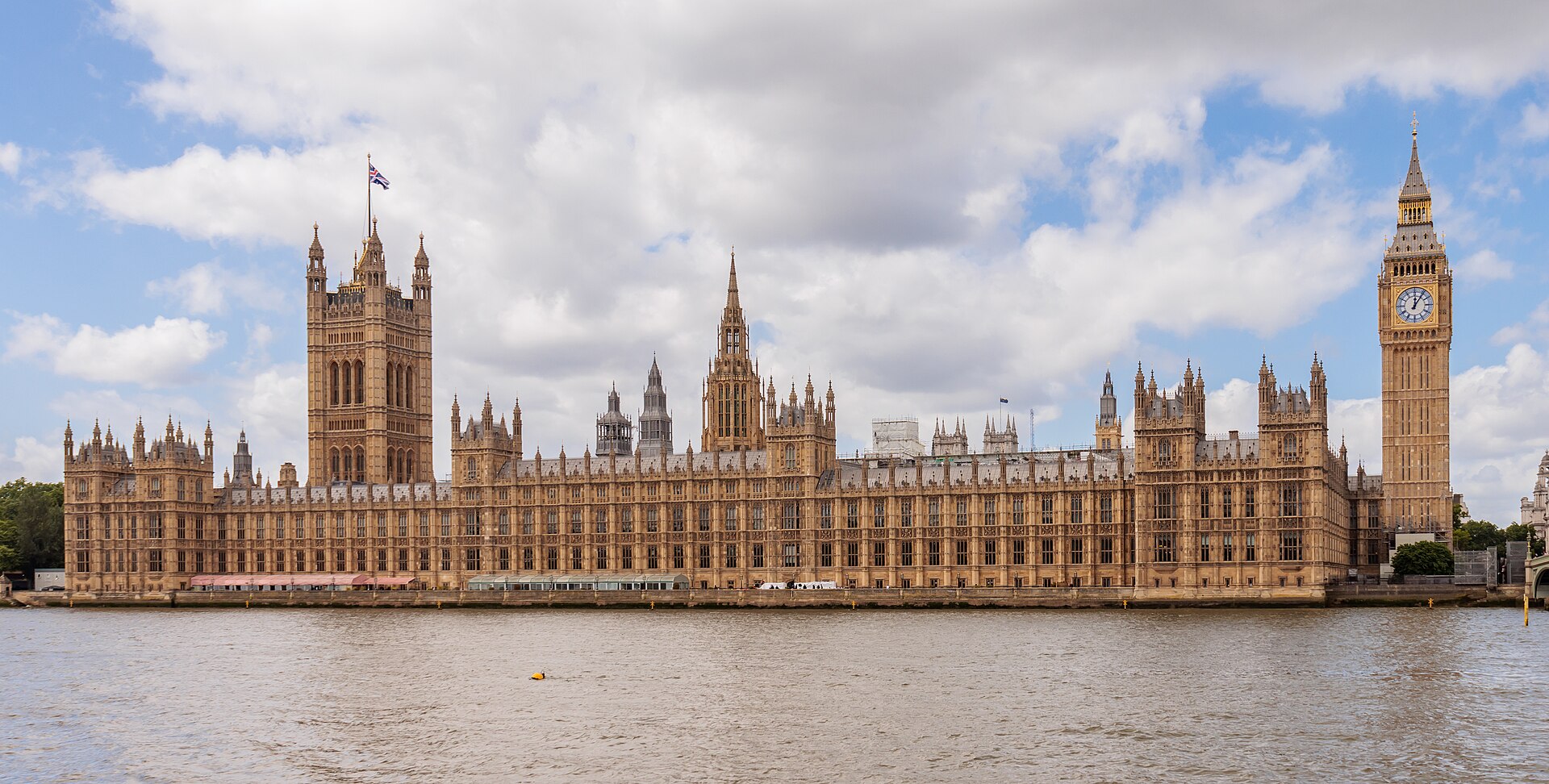
The United Kingdom is a constitutional monarchy and a parliamentary democracy. The monarch is head of state with a largely ceremonial role, while real power rests with an elected House of Commons and a prime minister drawn from it, meeting in the Palace of Westminster in London. Unusually, the country has no single written constitution, relying instead on statutes, conventions, and precedent built up over centuries. In recent decades it has devolved significant powers to Scotland, Wales, and Northern Ireland, each with its own assembly.
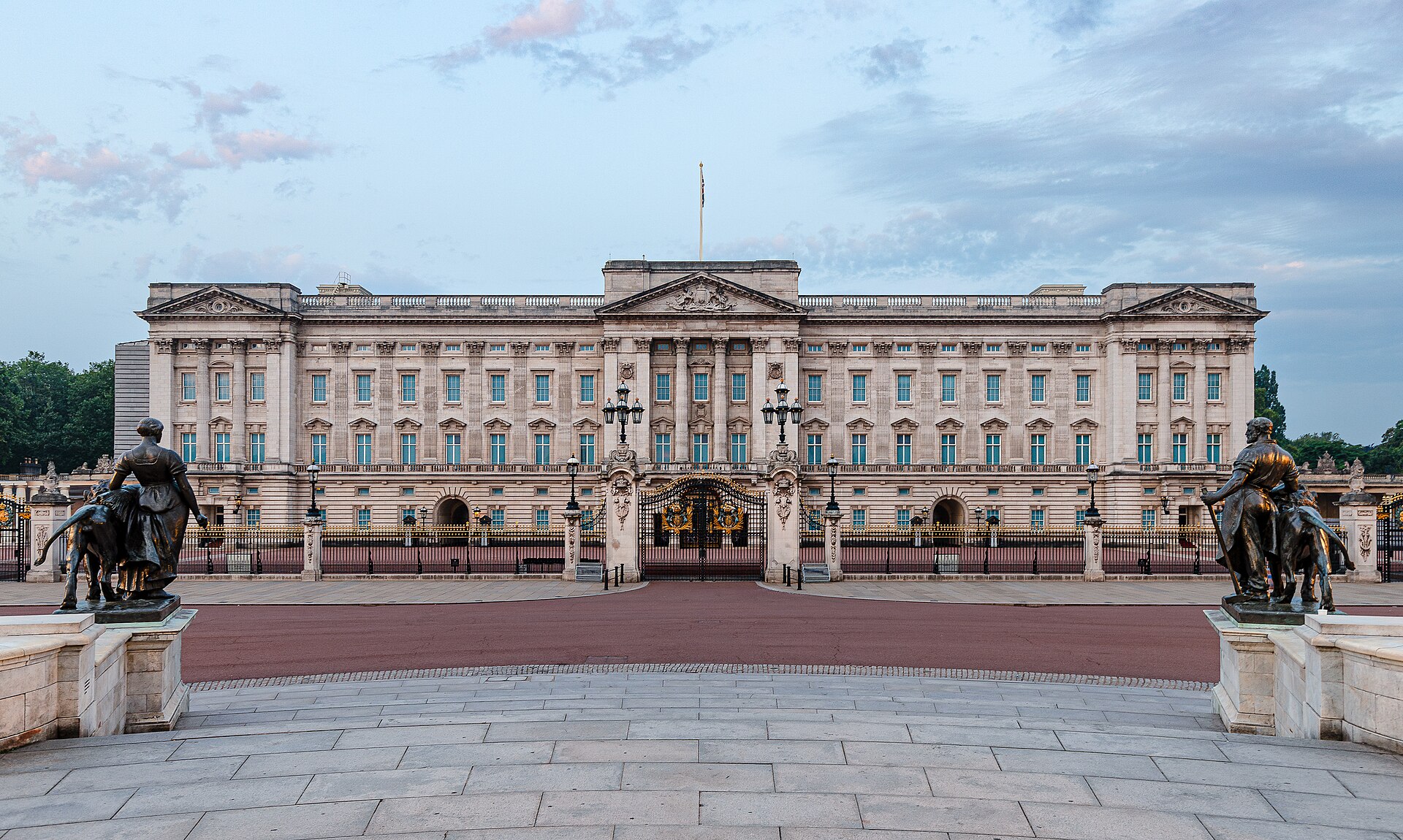
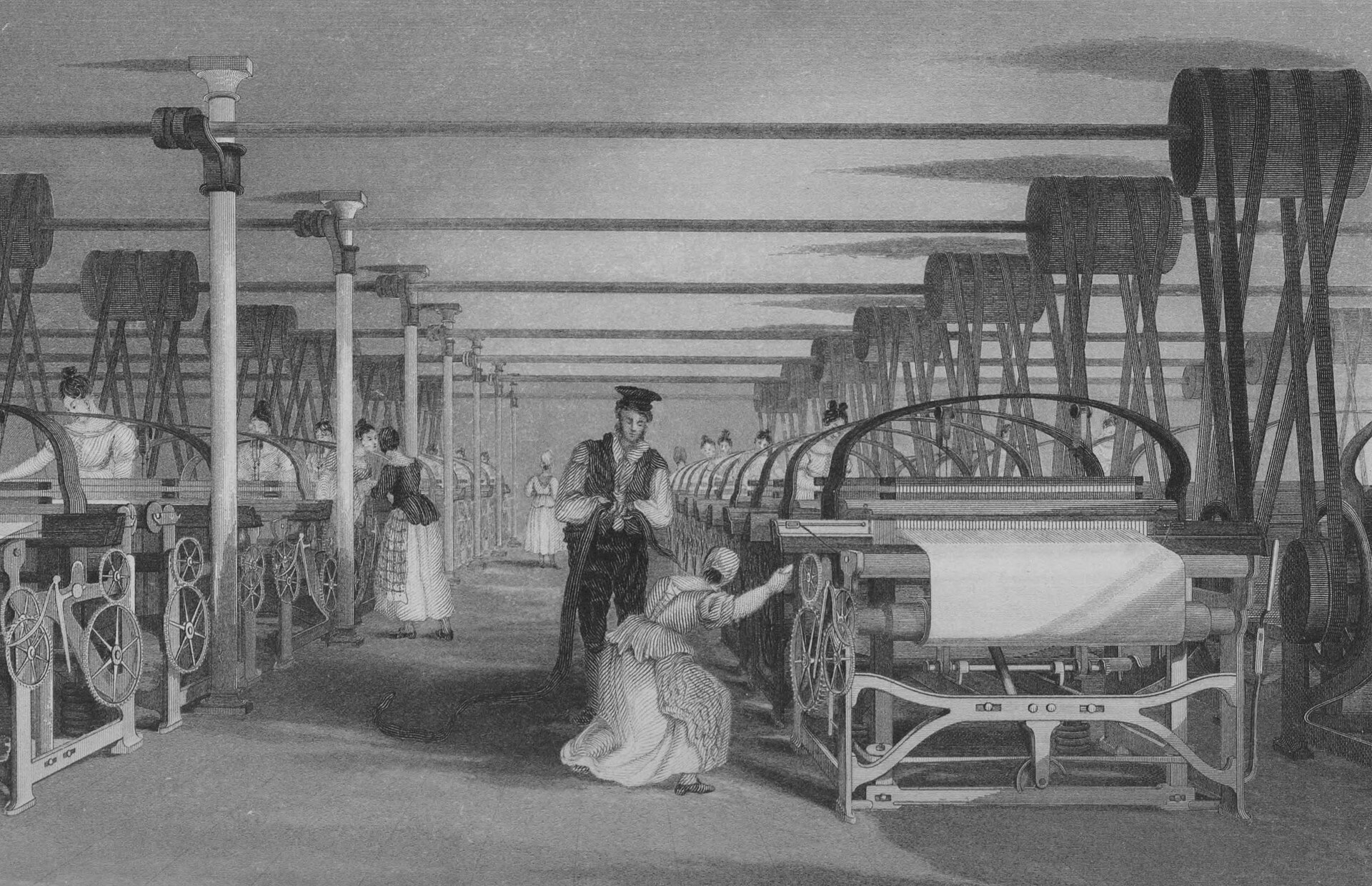
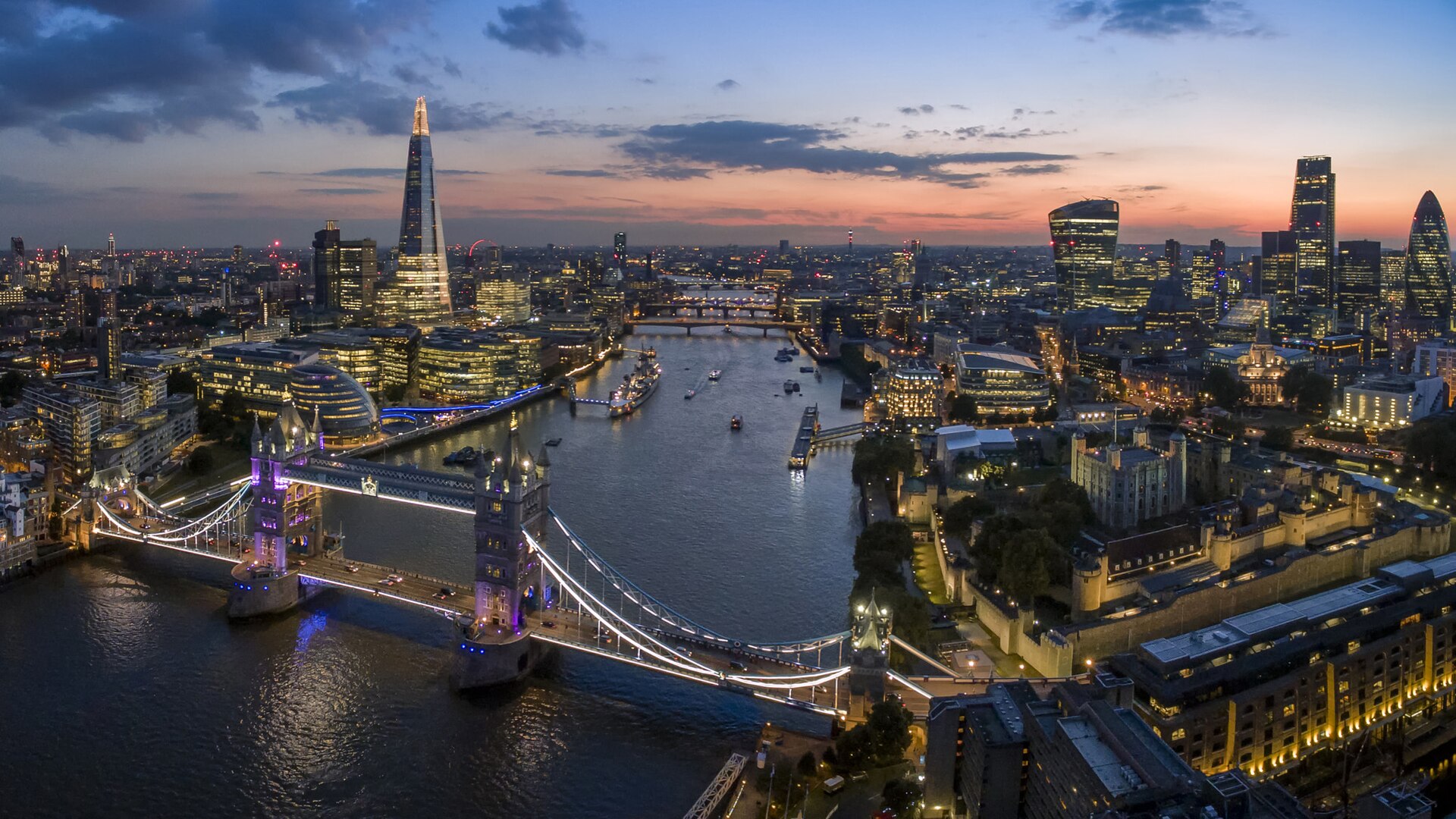
The United Kingdom was the birthplace of the Industrial Revolution, the surge of mechanisation and factory production that began in the eighteenth century and remade the modern world. Today its economy is led by services, above all the financial services centred on the City of London, one of the world's foremost financial hubs, alongside strengths in science, education, the creative industries, and advanced manufacturing.
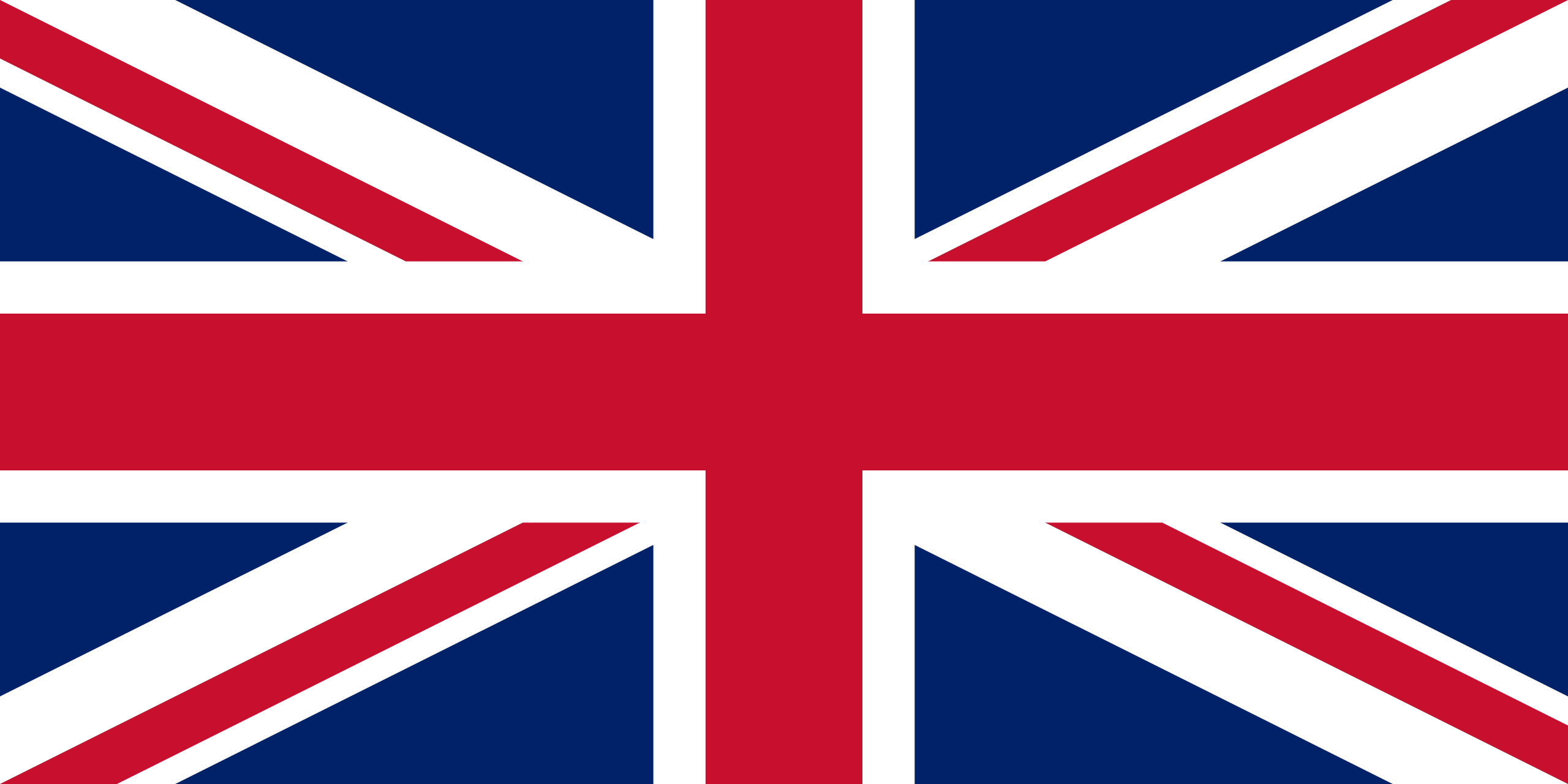
The national flag, the Union Jack, is one of the most recognisable in the world. It combines three older flags into one: the red cross of Saint George for England, the white diagonal cross of Saint Andrew for Scotland, and the red diagonal cross of Saint Patrick associated with Ireland. The result is a single emblem of the union, and its design has been echoed in the flags of many former British territories.
The established church in England is the Church of England, a Protestant body that emerged from the Reformation with the monarch as its supreme governor, while Scotland has its own Presbyterian church. Christianity in its various forms has shaped law, culture, and the calendar, but regular religious practice has fallen sharply in modern times, and a large share of people now report no religion. Immigration has brought sizeable Muslim, Hindu, Sikh, and other communities.
British food is built on simple, comforting dishes: the Sunday roast with its joint of meat and vegetables, fish and chips, hearty pies and stews, and the full cooked breakfast. Tea, taken with milk, is a national institution. Long dismissed by outsiders, British cooking has been transformed by immigration and a modern food revival, so that dishes like chicken tikka masala, born of South Asian influence, are now counted among national favourites.
Farming occupies much of the British countryside even though it is a small part of the modern economy. The temperate, wet climate suits grass, so livestock are central: dairy and beef cattle, and vast numbers of sheep on the uplands of Wales, Scotland, and northern England. Arable farms grow wheat, barley, and potatoes, mostly in the drier east. Centuries of cultivation have produced the hedgerows and patchwork fields that define the rural landscape.
Britain's cultural influence is out of all proportion to its size. It gave the world the plays of Shakespeare, foundational scientists from Newton to Darwin, and pop and rock music from the Beatles onward, while the English language has become the closest thing to a global tongue. It is also the home of many modern sports, including football, rugby, cricket, and tennis, codified in Britain and now played around the world.
The United Kingdom faces several live questions about its own future. Its 2016 vote to leave the European Union, completed in 2020 and known as Brexit, still shapes arguments over trade, borders, and the country's place in the world. Support for Scottish independence keeps alive the question of whether the union itself will hold, while the delicate political balance in Northern Ireland, and the open border with the Republic of Ireland, remain sensitive. The role and future of the monarchy is also debated, if more quietly.
The United Kingdom's influence on the world has been immense. It produced foundational documents of liberty such as Magna Carta in 1215, pioneered the Industrial Revolution that remade the modern economy, and built an empire that at its height ruled a quarter of the globe. It stood at the centre of both world wars, enduring the Blitz in the Second, and in 2020 it left the European Union after a referendum known as Brexit.
The United Kingdom has a population of around 67 million people, the great majority in England, which contains the global city of London. It is a diverse, highly urban society, shaped by internal migration among its four nations and by waves of immigration from its former empire and beyond. Questions of national identity remain live, from movements for Scottish independence to the delicate balance of communities in Northern Ireland.