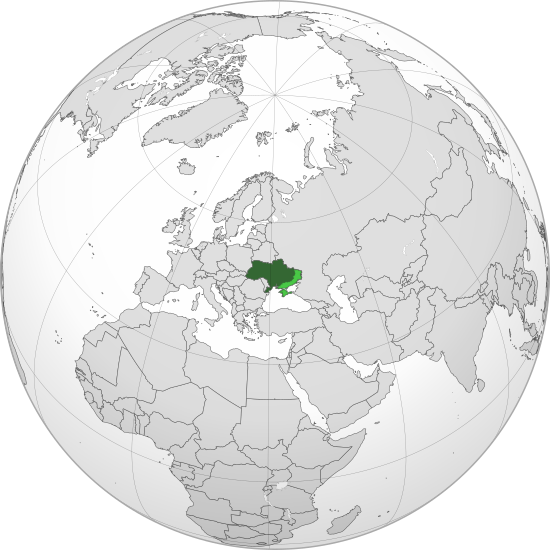
Ukraine is a large country in Eastern Europe, the biggest nation lying entirely within Europe, stretching from the forests of the north to the Black Sea coast in the south. A land of immense fertile plains, it has long been a crossroads of peoples and empires. Heir to the medieval state of Kievan Rus, Ukraine reclaimed its independence in 1991 and, since 2022, has fought a full-scale war to defend it.
Ukraine's history runs from the great medieval state of Kievan Rus, through centuries divided among empires and the fierce independence of the Cossacks, to Soviet rule and a hard-won modern independence.
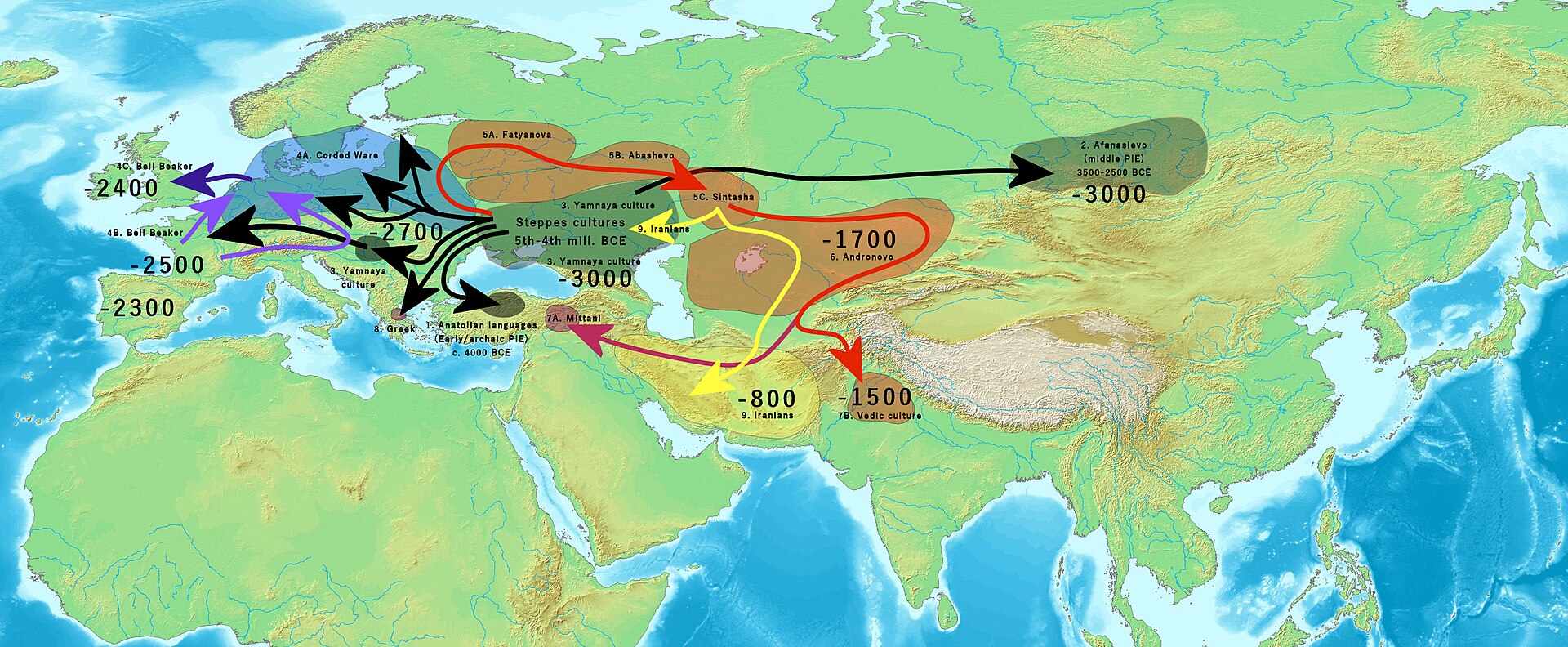
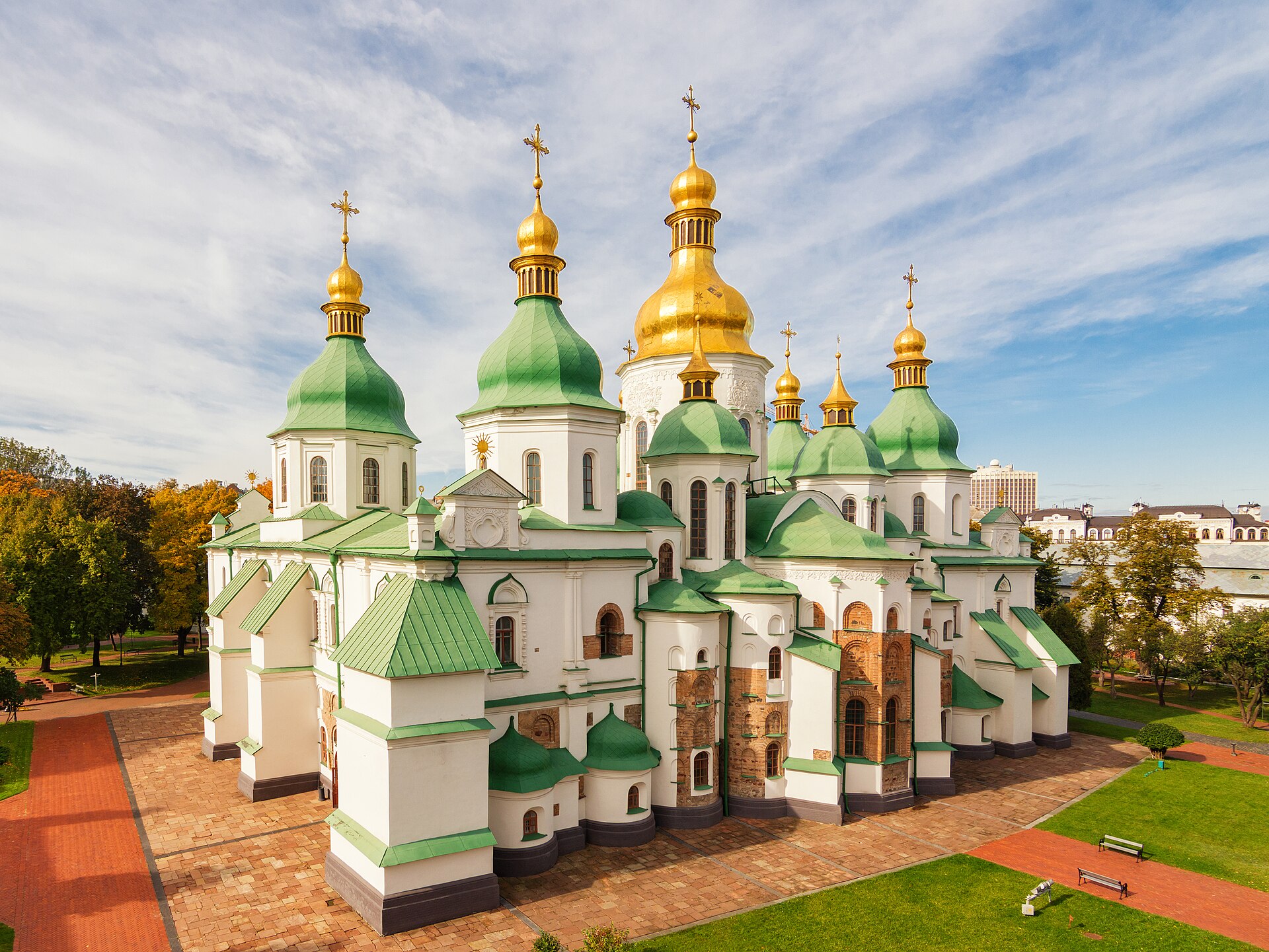
The steppes of present-day Ukraine were a cradle and corridor of peoples for millennia. In the Middle Ages they became the heart of Kievan Rus, a powerful federation centred on Kyiv that adopted Christianity around 988 and shaped the culture of the whole region.
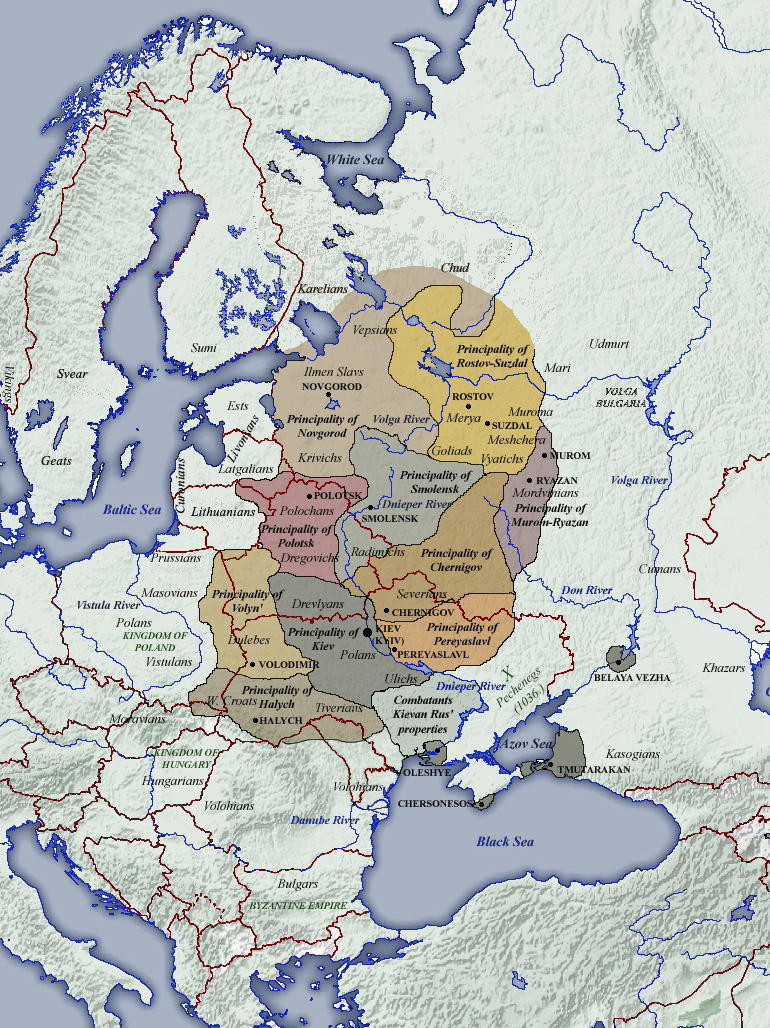
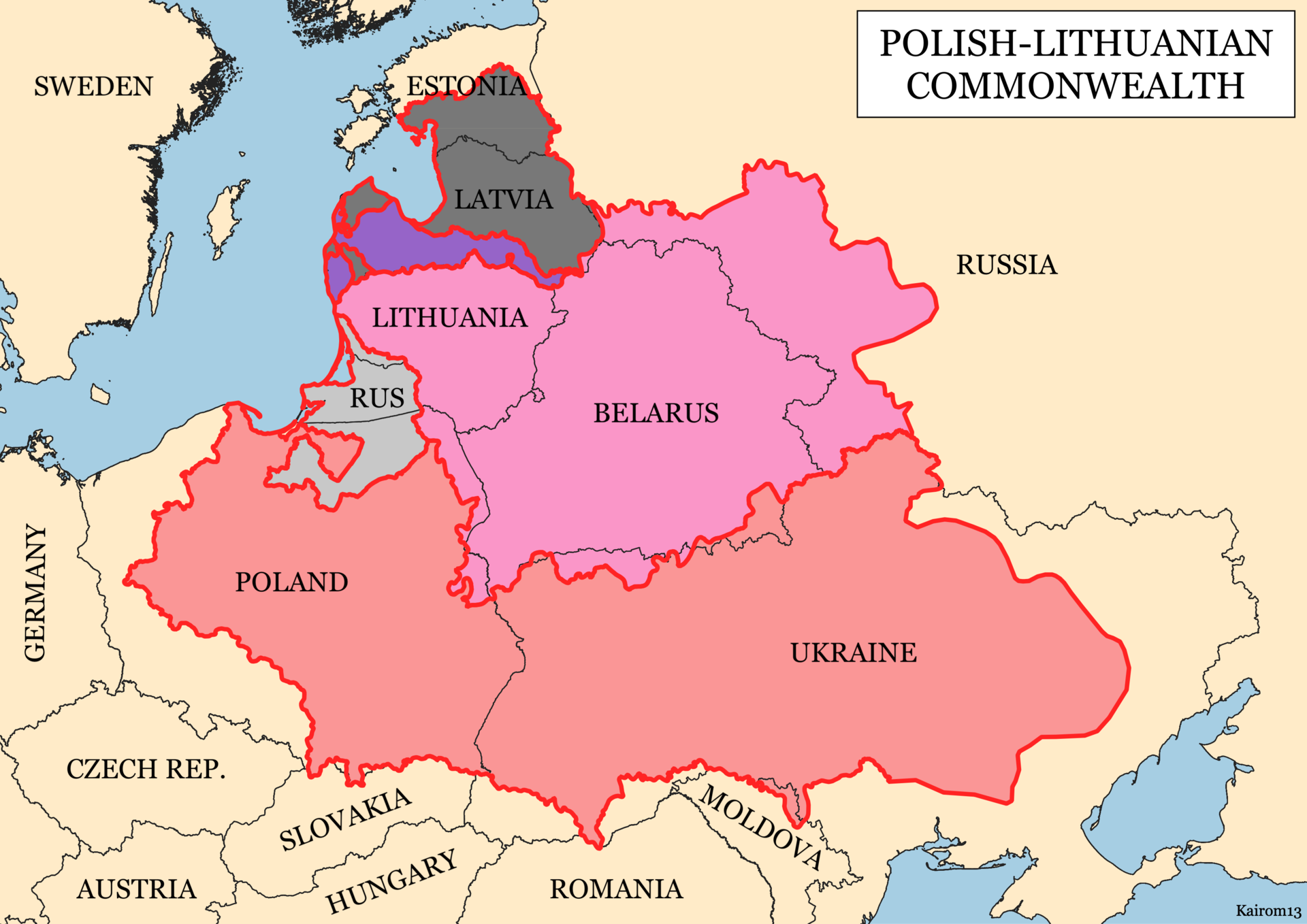
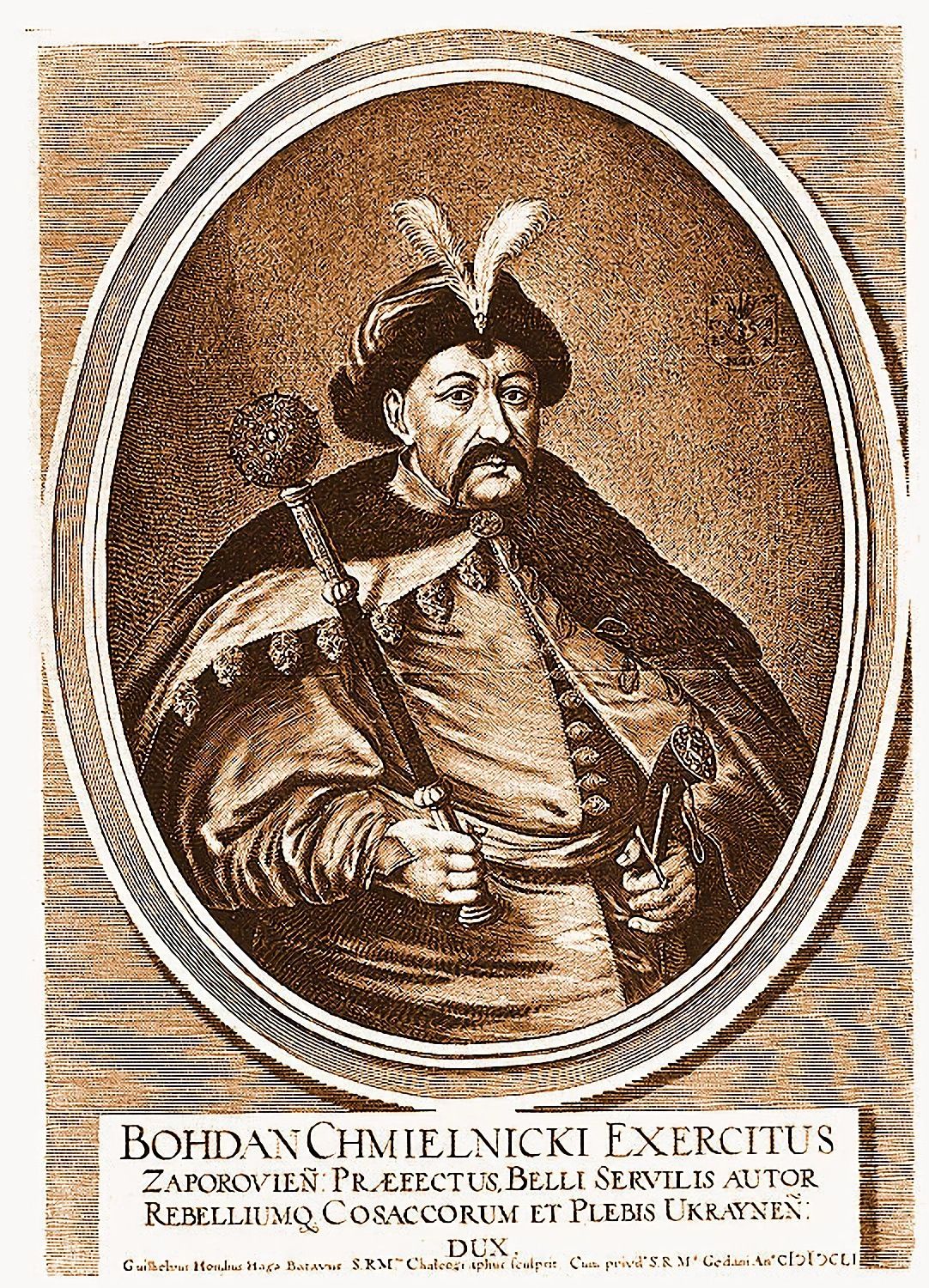
After the Mongol invasions the lands were divided among neighbours, above all Poland and Lithuania. From this world rose the Cossacks, fiercely independent warrior communities who founded a self-governing state under Hetman Bohdan Khmelnytsky in the seventeenth century, before Ukraine was gradually absorbed by the Russian Empire.
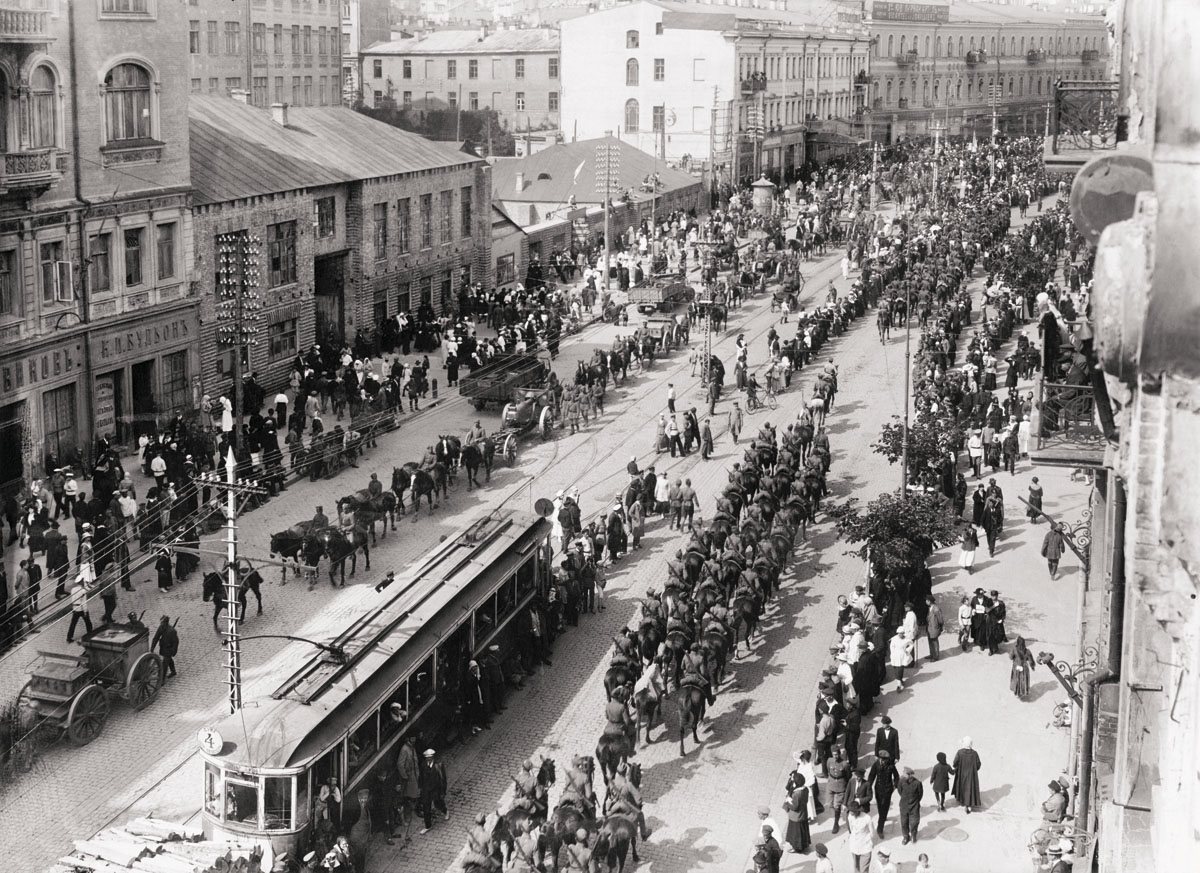
In the turmoil after the First World War, Ukraine was briefly independent before being drawn into the Soviet Union, enduring the horrors of the Holodomor famine and the Second World War. Full independence came only with the Soviet collapse in 1991.
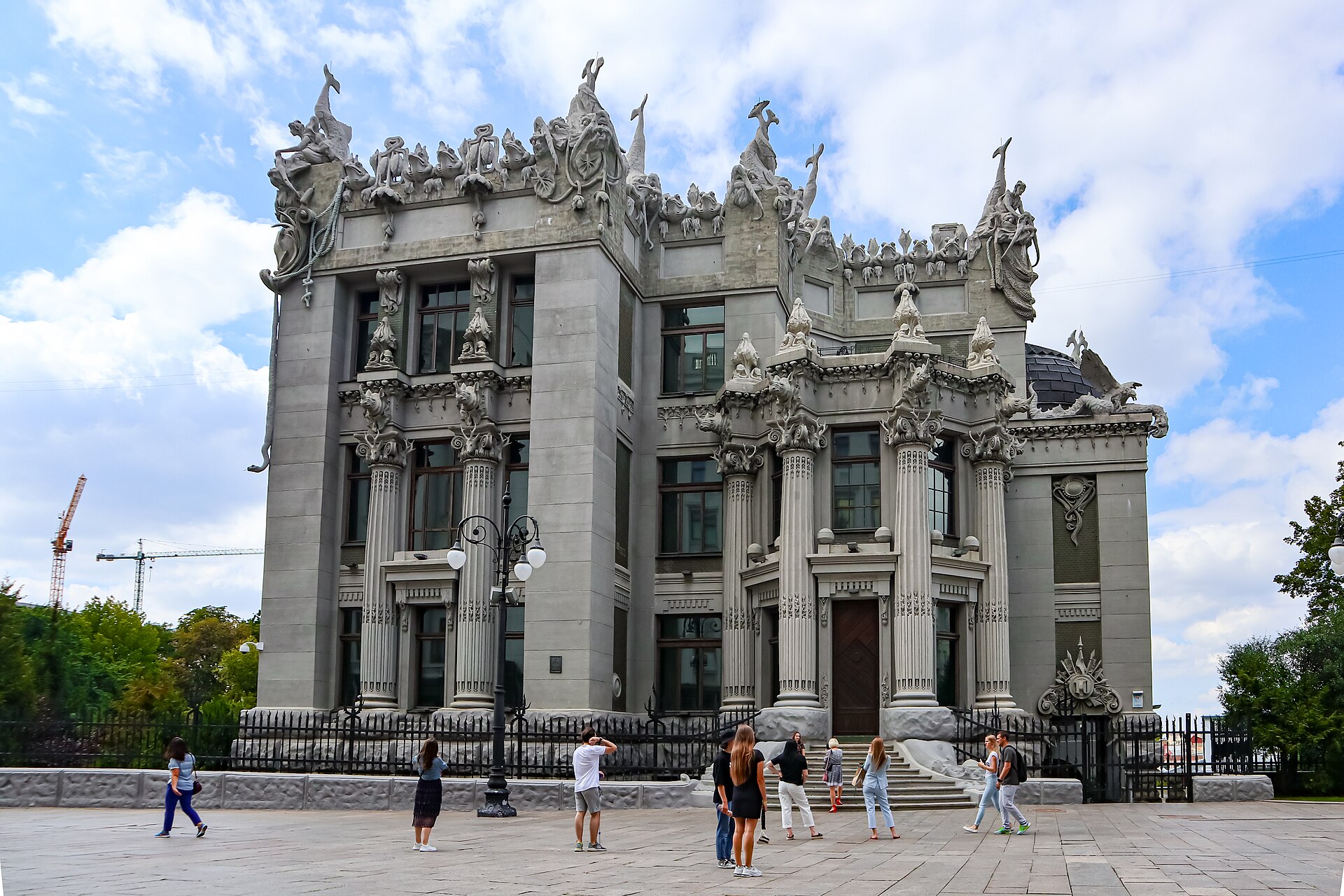
Tradition holds that Kyiv, the ancient capital, was founded by three brothers, Kyi, Shchek, and Khoryv, together with their sister Lybid, with the city taking its name from the eldest. The tale is a cherished origin story for one of the oldest cities in Eastern Europe. As literal history the brothers belong to legend rather than the documented record, though the antiquity and importance of Kyiv itself are beyond doubt.
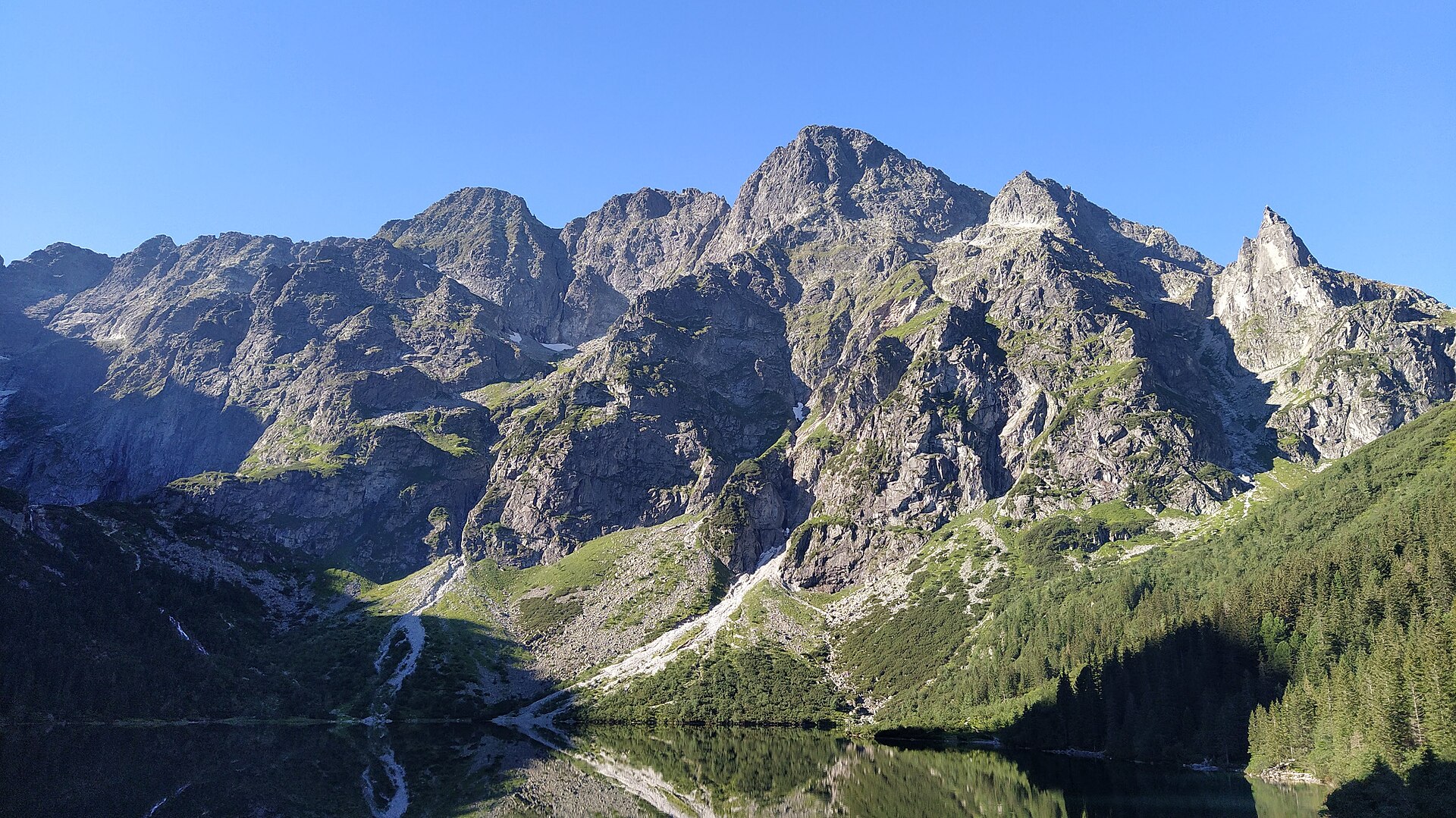
Ukraine is dominated by vast, gently rolling plains, the steppe, blanketed by some of the most fertile soil in the world, a deep black earth known as chernozem that has made the country a legendary breadbasket. The land is watered by great rivers, above all the Dnieper, which runs through the heart of the country and past Kyiv. Mountains rise only at the edges, in the Carpathians of the west and the Crimean peninsula in the south.
Ukraine is a republic with power shared between an elected president and a parliament, the Verkhovna Rada. Since independence its politics have swung between leaders looking west toward Europe and those closer to Russia, a tension that erupted in the popular Maidan uprising of 2014. The country has since firmly set its course toward the European Union and NATO, and that Western orientation, resisted by Russia, is at the heart of the war it now fights. Kyiv is the capital and seat of government.
Ukraine's economy rests on two great pillars: some of the most fertile farmland on Earth and a heavy industrial base of steel, machinery, and mining inherited from the Soviet era, concentrated in the east. It is one of the world's foremost exporters of grain and sunflower oil. The full-scale war since 2022 has inflicted enormous damage, destroying infrastructure and disrupting the exports on which both Ukraine and much of the world depend, while vast international support helps keep the economy running.
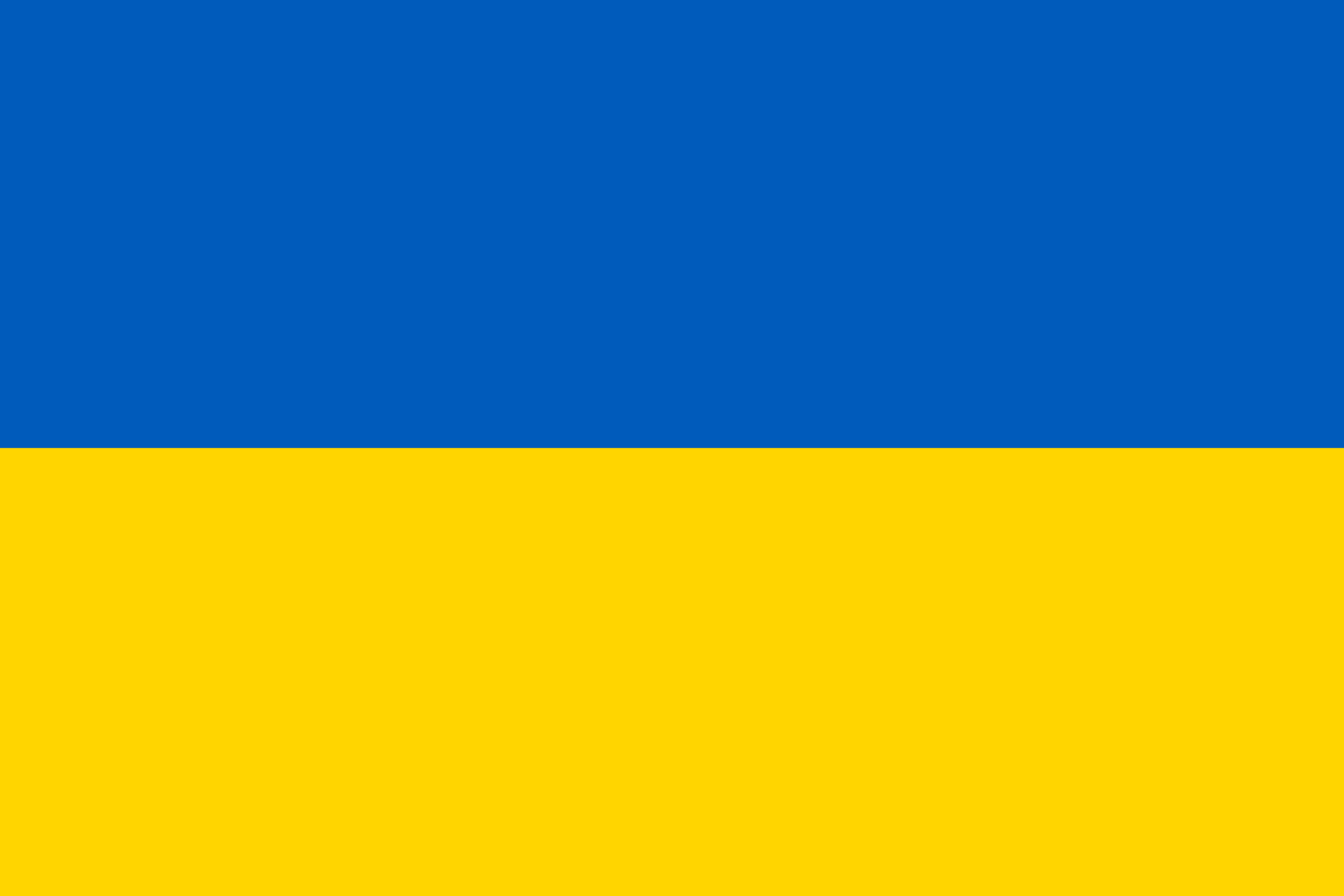
The flag of Ukraine is a simple horizontal bicolour of blue above yellow. The design is widely understood to picture the country itself: a blue sky stretching over the golden fields of ripening wheat that cover its great plains. Clean and instantly recognisable, the blue and yellow have become a powerful symbol of Ukrainian identity and, in recent years, of its resistance and resolve.
The dominant faith in Ukraine is Eastern Orthodox Christianity, which traces its roots to the conversion of Kievan Rus more than a thousand years ago and remains central to national culture. In recent years a distinct Ukrainian Orthodox Church has asserted its independence. The west of the country has a strong Greek Catholic tradition, which follows Eastern rites while recognising the Pope, and smaller communities of other faiths add to the religious landscape.
Ukrainian cuisine is hearty and rooted in the bounty of its rich farmland. Its most famous dish is borscht, a vivid beetroot soup, recognised by UNESCO as a Ukrainian cultural heritage, served with sour cream and dark bread. Varenyky, soft dumplings filled with potato, cheese, or fruit, are beloved, as is salo, cured pork fat. The cooking makes the most of grains, root vegetables, and pork, reflecting a culture deeply tied to the land.
Ukraine's extraordinarily fertile black soil has long made it one of the world's great agricultural producers, earning it the title of the breadbasket of Europe. It is among the leading exporters of wheat, corn, barley, and especially sunflower oil, of which it is a global leader. So much of the world depends on its grain that disruption to its harvests and exports, as during the recent war, sends ripples through global food supplies and prices.
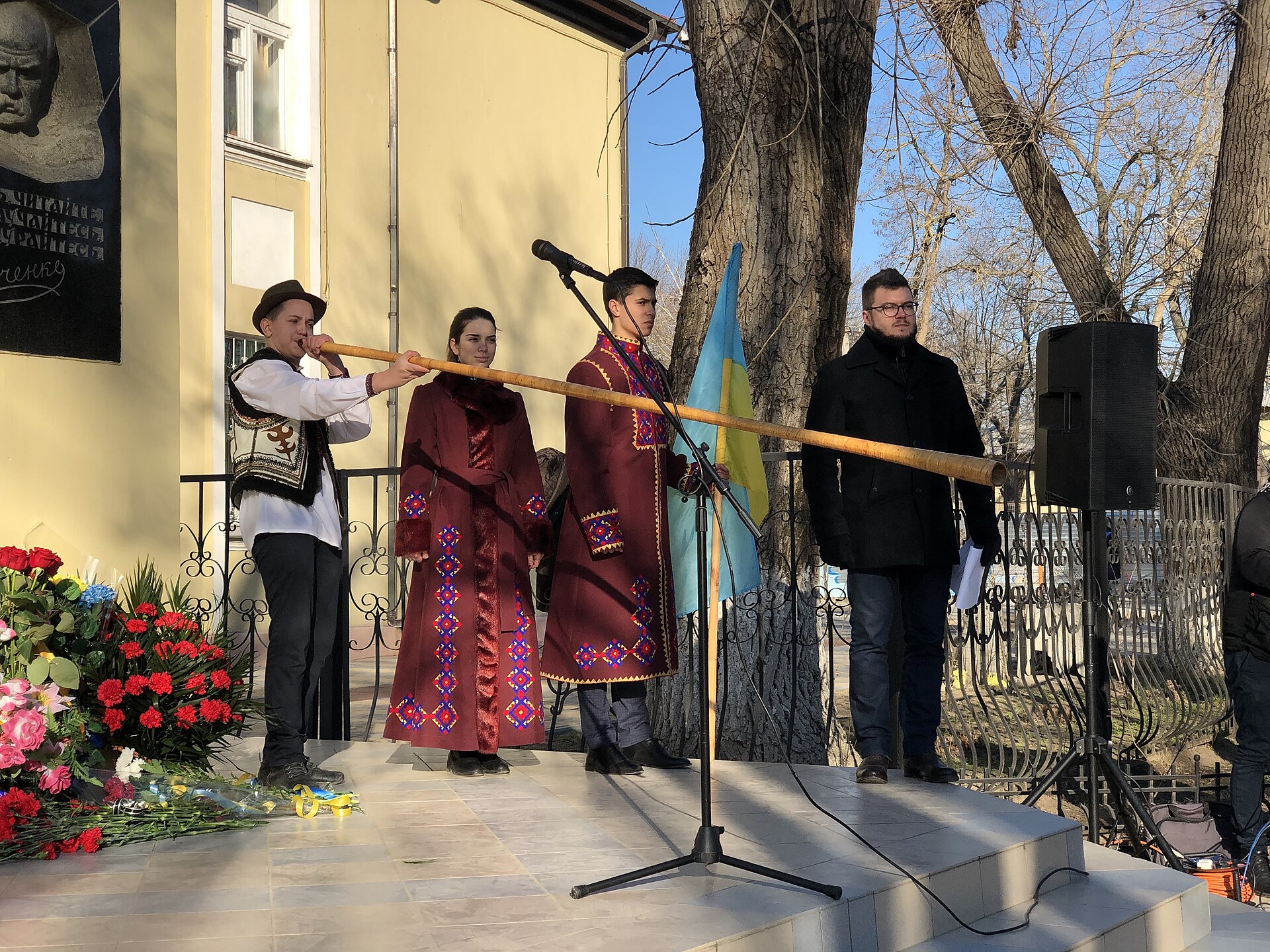
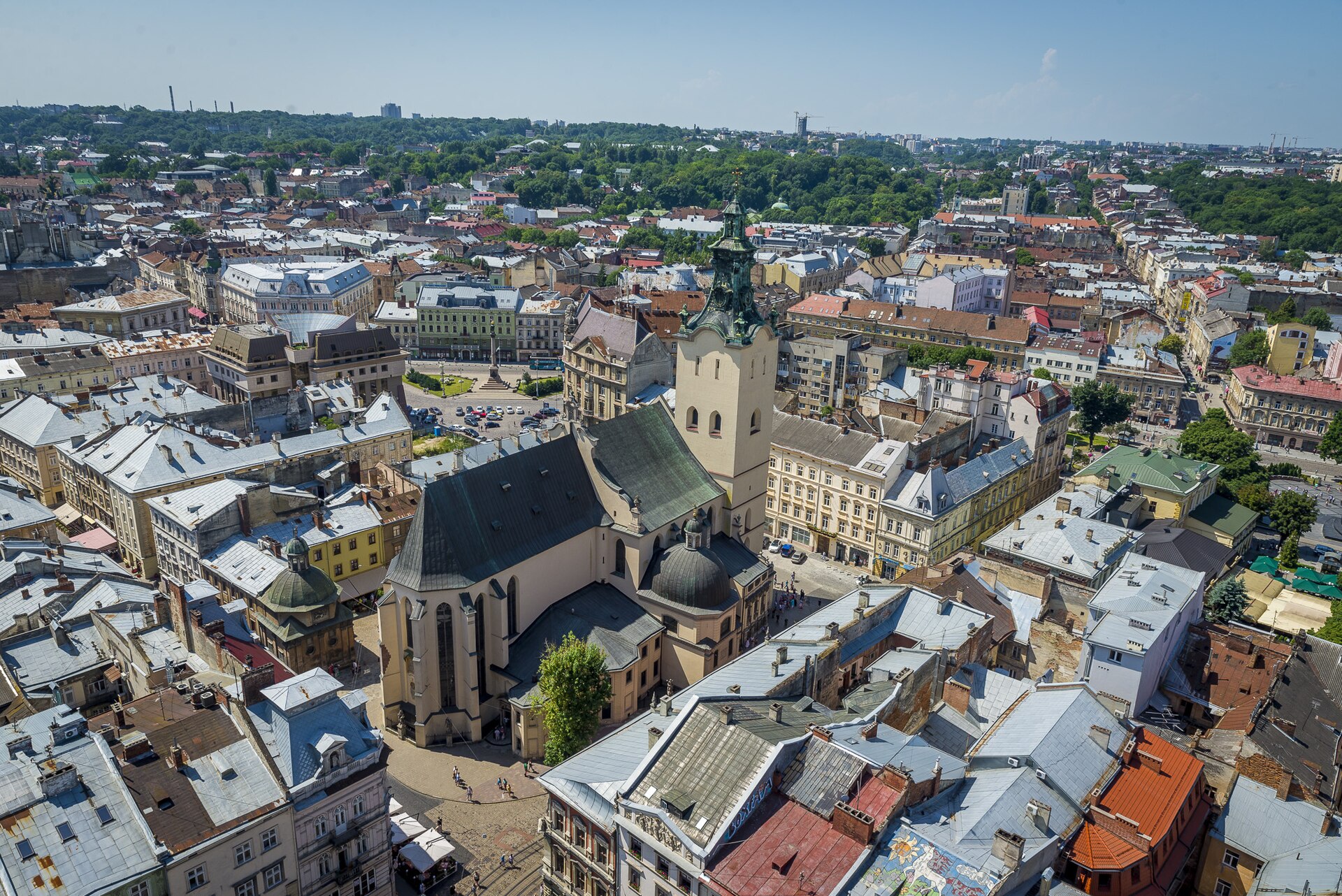
Ukrainian identity is expressed through a rich culture of language, folk tradition, music, and embroidery, and through historic cities such as Lviv in the west, with its Central European old town. The Ukrainian language, long suppressed under Russian and Soviet rule, has become a powerful marker of nationhood, alongside a deep literary and artistic heritage and an attachment to the land. That identity, reaffirmed with each modern struggle, is central to how Ukrainians see themselves.
Since 2022 Ukraine has been fighting a full-scale war following Russia's invasion, the largest conflict in Europe since the Second World War. Russia had already annexed Crimea and backed armed separatists in the eastern Donbas region in 2014, and it now occupies parts of the south and east, which it claims to have annexed. Ukraine and most of the world's governments reject those claims and regard the territory as illegally occupied. The war's course, its enormous human cost, and Ukraine's future borders and its bid to join the European Union and NATO are among the most consequential questions in world affairs.
Ukraine's modern history has been marked by both tragedy and resilience. In the early 1930s a man-made famine, the Holodomor, killed millions under Soviet rule. Independence came peacefully in 1991, but Ukraine's path toward Europe led to confrontation with Russia: a popular uprising in 2014, followed by Russia's annexation of Crimea, and then, in 2022, a full-scale Russian invasion that became the largest war in Europe since 1945.
Ukraine had a population of more than forty million before the recent war, though invasion has displaced millions as refugees and within the country. The people are mostly ethnic Ukrainians, with a significant Russian-speaking minority, especially in the east and south, and the question of language and identity has been central to the country's modern struggles. The capital and largest city is Kyiv, one of the oldest and most historic cities in Eastern Europe.