Uganda is a landlocked country in East Africa, straddling the equator on the fertile plateau between the great lakes and mountains of the region. Often called the Pearl of Africa for its lush beauty, it touches Lake Victoria, the largest lake in Africa, and is home to part of the source of the Nile. A land of ancient kingdoms and abundant farmland, it has known both turbulence and resilience in its modern history.
Uganda's history runs from a cluster of sophisticated African kingdoms, through British rule and the horrors of Idi Amin, to four decades under a single leader.
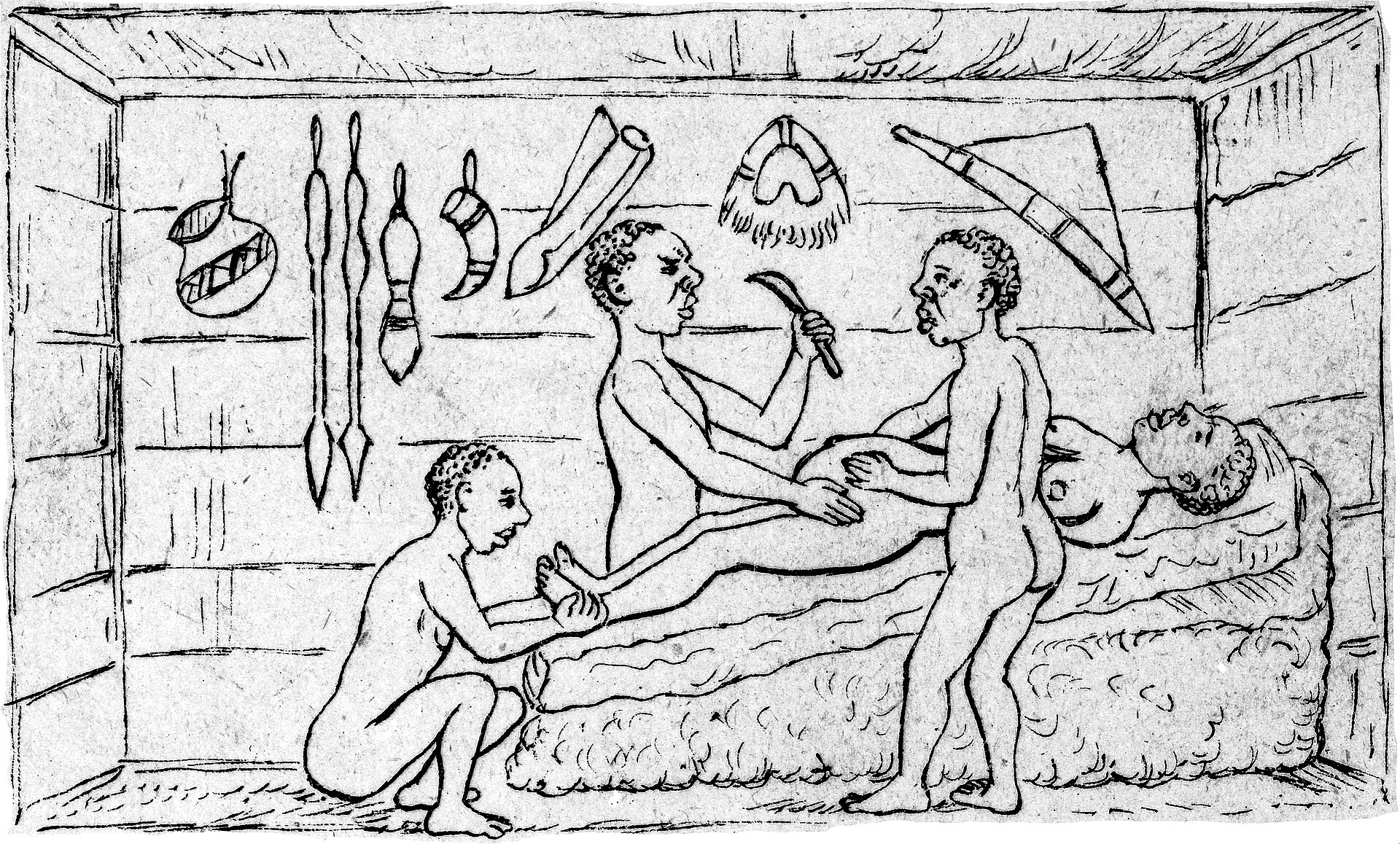
The region was home to several powerful and highly organised kingdoms, above all Buganda, from which the country takes its name, along with Bunyoro, Toro, and Ankole, each with its own monarch, court, and traditions. These were sophisticated societies: a European traveller in 1879 famously recorded local healers in the region successfully performing a caesarean section, using anaesthesia and antiseptic technique, at a time when such surgery was still perilous in Europe.
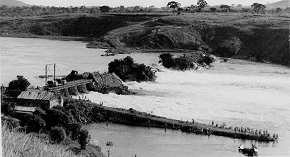
In the late nineteenth century Uganda became a British protectorate, governed in part indirectly through its existing kingdoms, above all Buganda. The colonial era brought Christianity, cash crops such as coffee and cotton, and infrastructure like the great dam at the source of the Nile. Independence came in 1962, but the new nation's politics soon grew unstable, strained by the tension between the powerful kingdoms and the central state.
According to the traditions of the Buganda kingdom, the first human and first king was Kintu, who came to the land, married a daughter of the sky god, and founded the line of kings. He is said to have overcome death and hardship to establish the people in their homeland. The story is central to Buganda identity and royal tradition, but Kintu belongs to legend and oral tradition rather than the documented historical record.
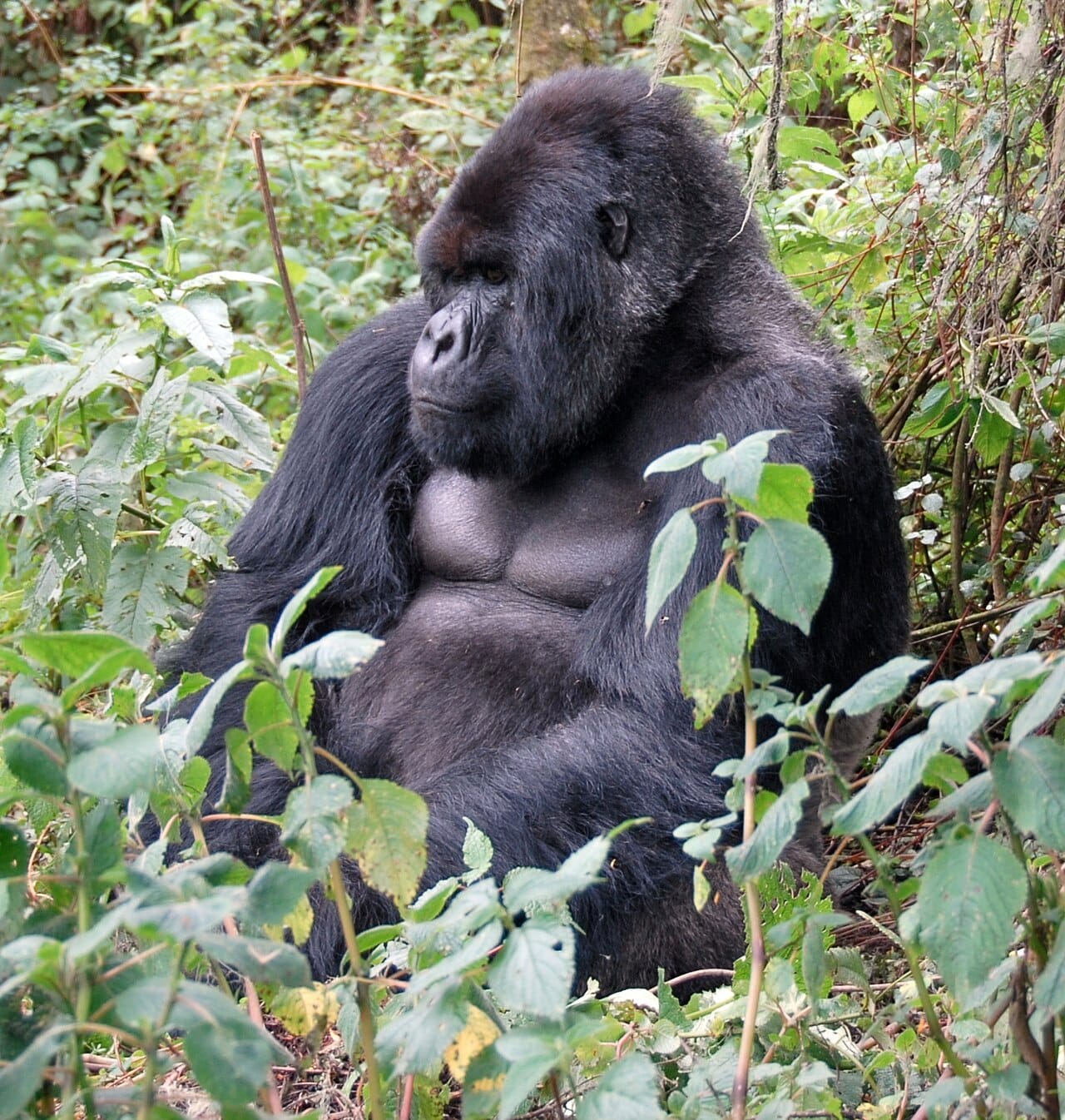
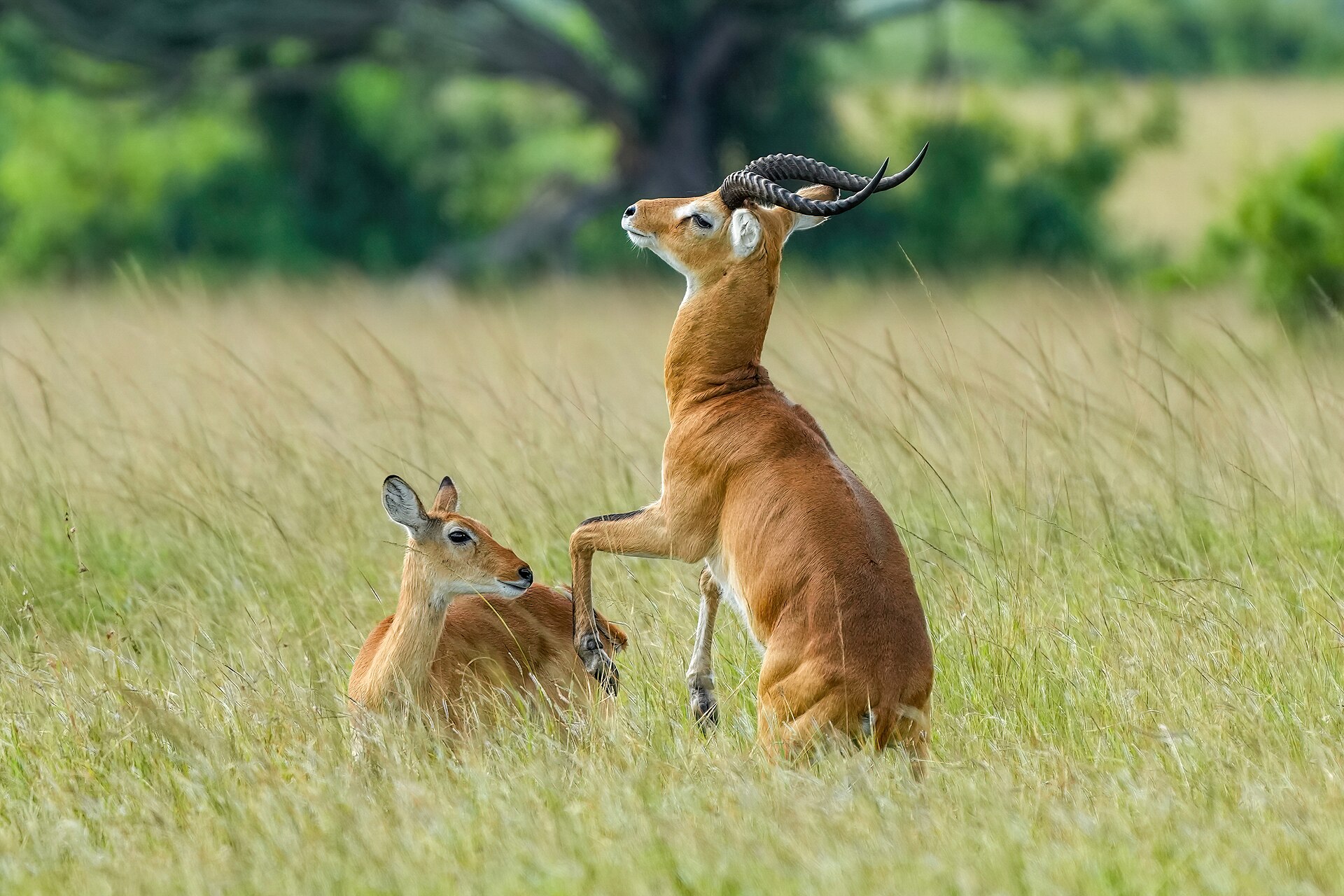
Uganda is a green, well-watered country on a high plateau, which gives it a pleasant climate despite lying on the equator. It shares Lake Victoria, the largest lake in Africa and a source of the White Nile, which begins its long journey to the Mediterranean at the town of Jinja. The land ranges from this great lake and fertile farmland to the snow-capped Rwenzori Mountains in the west and savannas rich in wildlife, including gorillas in its forests.
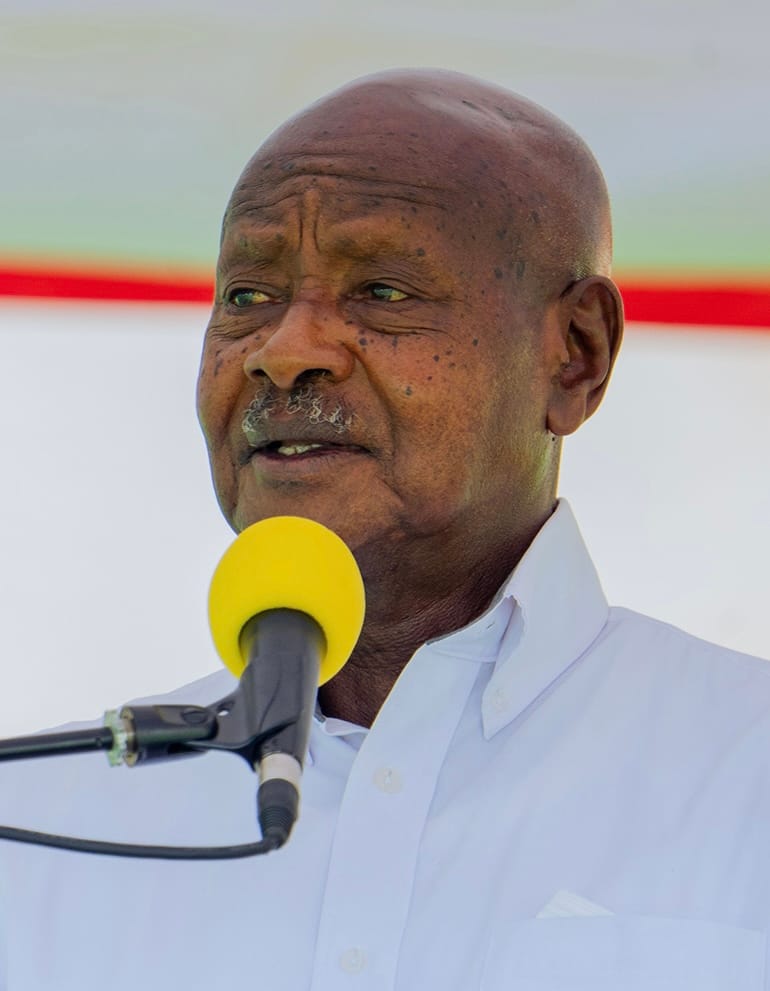
Uganda is a presidential republic, but for four decades it has effectively been the domain of one man. Yoweri Museveni, who seized power in 1986 at the head of a rebel army, ending years of chaos and the horrors of Idi Amin, has ruled ever since, removing first the limit on presidential terms and then the age limit in order to keep standing. His long rule brought a real measure of stability and growth, and made Uganda a valued Western security partner, but it has grown steadily more repressive: elections are marred by violence and fraud, opposition figures such as the musician turned politician Bobi Wine have been beaten and jailed, and the president's own son is widely seen as being groomed to succeed him, raising the prospect of a family dynasty.
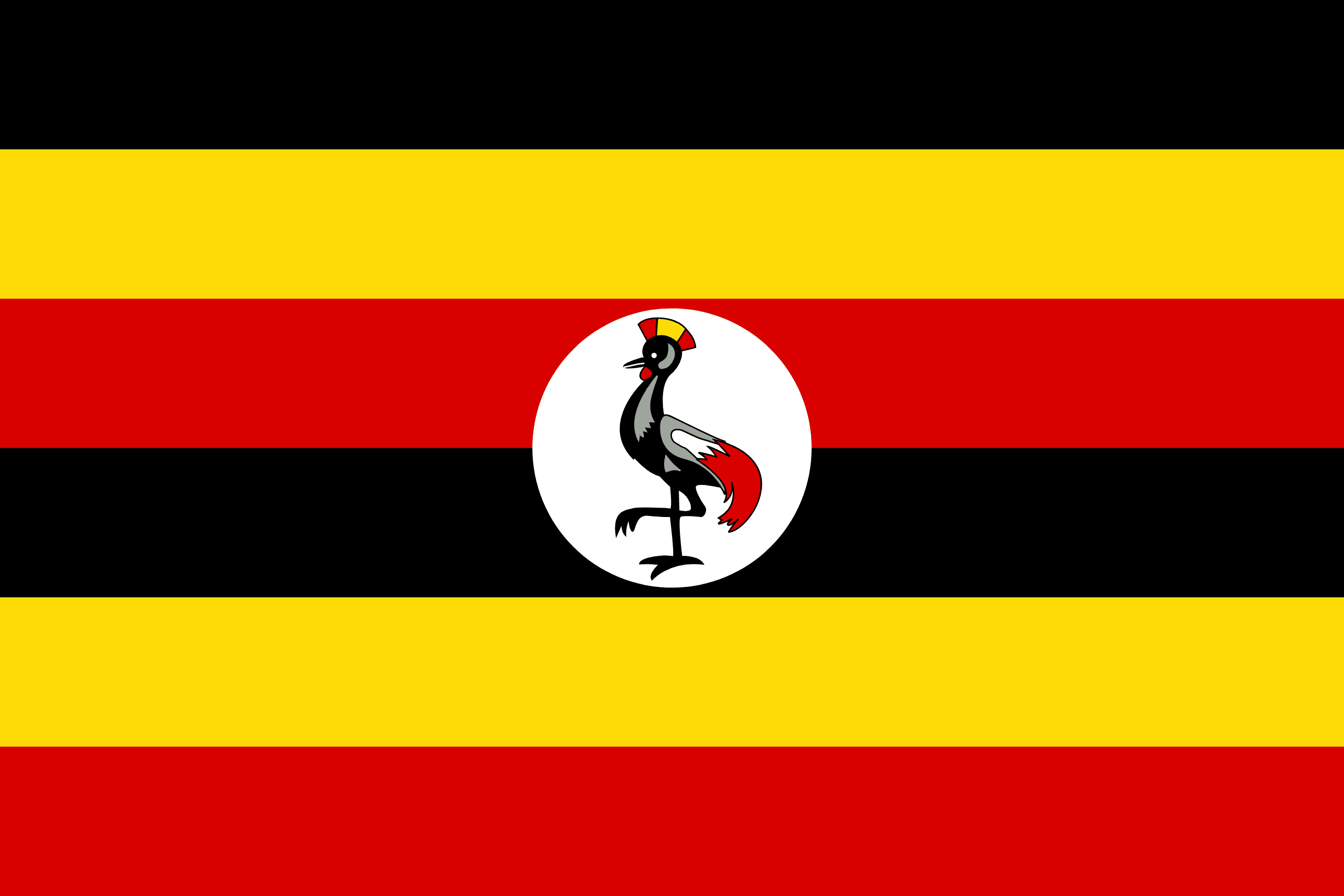
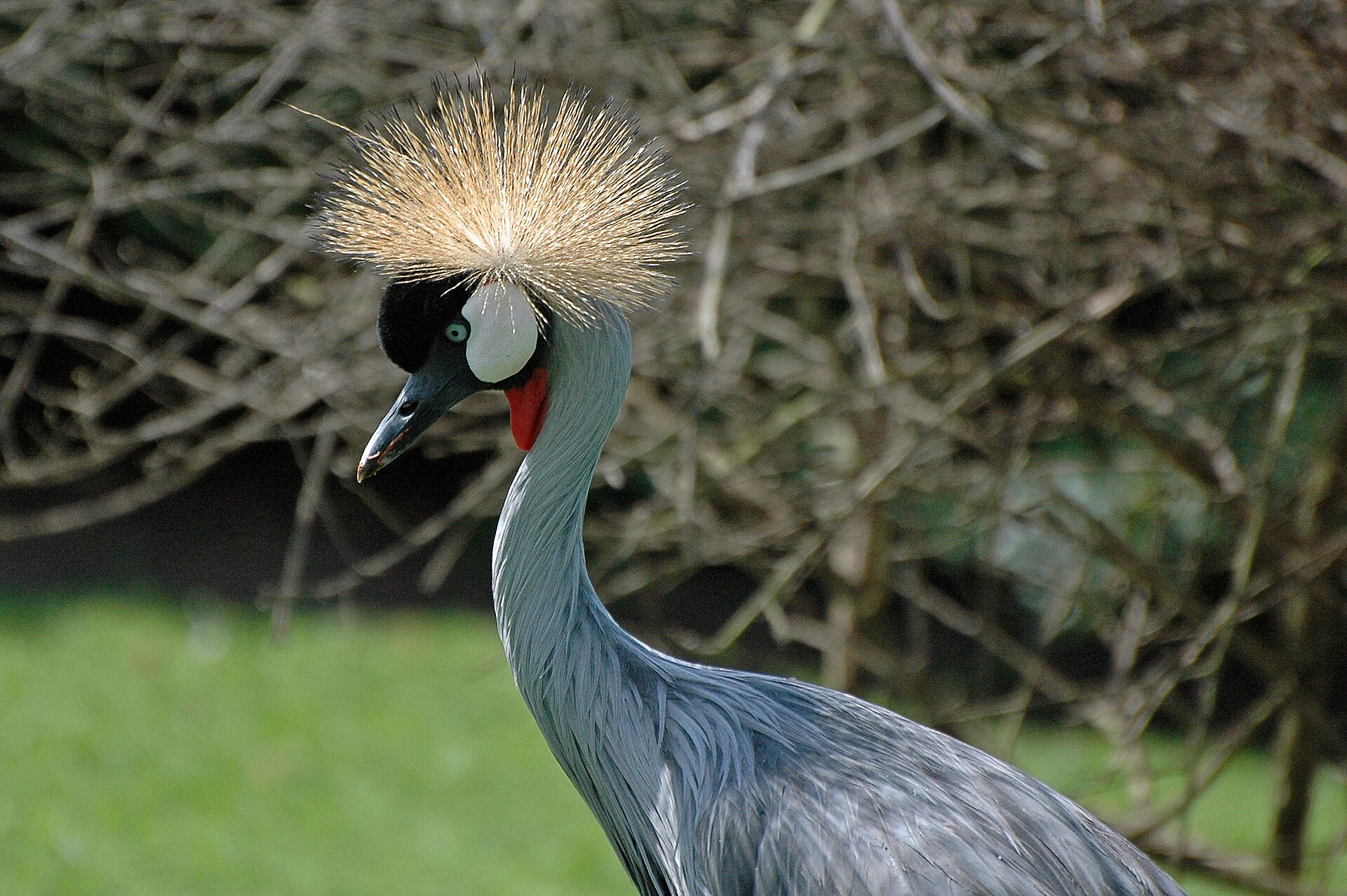
The flag of Uganda has six horizontal stripes alternating black, yellow, and red, with a white disc at the centre bearing the national bird, the grey crowned crane, standing with one leg raised. The black represents the African people, the yellow the sunshine, and the red brotherhood. The elegant crowned crane, the country's emblem, is shown with a raised leg, traditionally interpreted as the nation moving forward.
The great majority of Ugandans are Christians, divided mainly between Roman Catholics and Anglicans, the result of intense missionary activity in the colonial era, a history that includes revered local martyrs. There is a significant Muslim minority, and traditional African beliefs persist, often alongside Christianity. Religion plays a large and visible role in Ugandan public and community life, with churches and mosques central to many neighbourhoods.
Ugandan cuisine is built on the abundant produce of its fertile land. The national staple is matoke, green plantains that are steamed and mashed, served with sauces of groundnuts, beans, meat, or fish. Other starchy staples include cassava, millet, and sweet potatoes, and freshwater fish from Lake Victoria is widely eaten. A popular street food is the rolex, a rolled chapati filled with fried egg and vegetables, an inventive and beloved national snack.
Agriculture is the backbone of Uganda's economy and the livelihood of most of its people, helped by fertile soils and a favourable climate in which, it is often said, almost anything will grow. Coffee is the leading export crop, and the country also produces tea, cotton, and tobacco, while bananas, cassava, maize, and beans feed the population. Fishing on Lake Victoria is important too, and newly discovered oil in the west promises, if developed, to reshape the economy. This agricultural richness underlies the country's nickname as the Pearl of Africa.
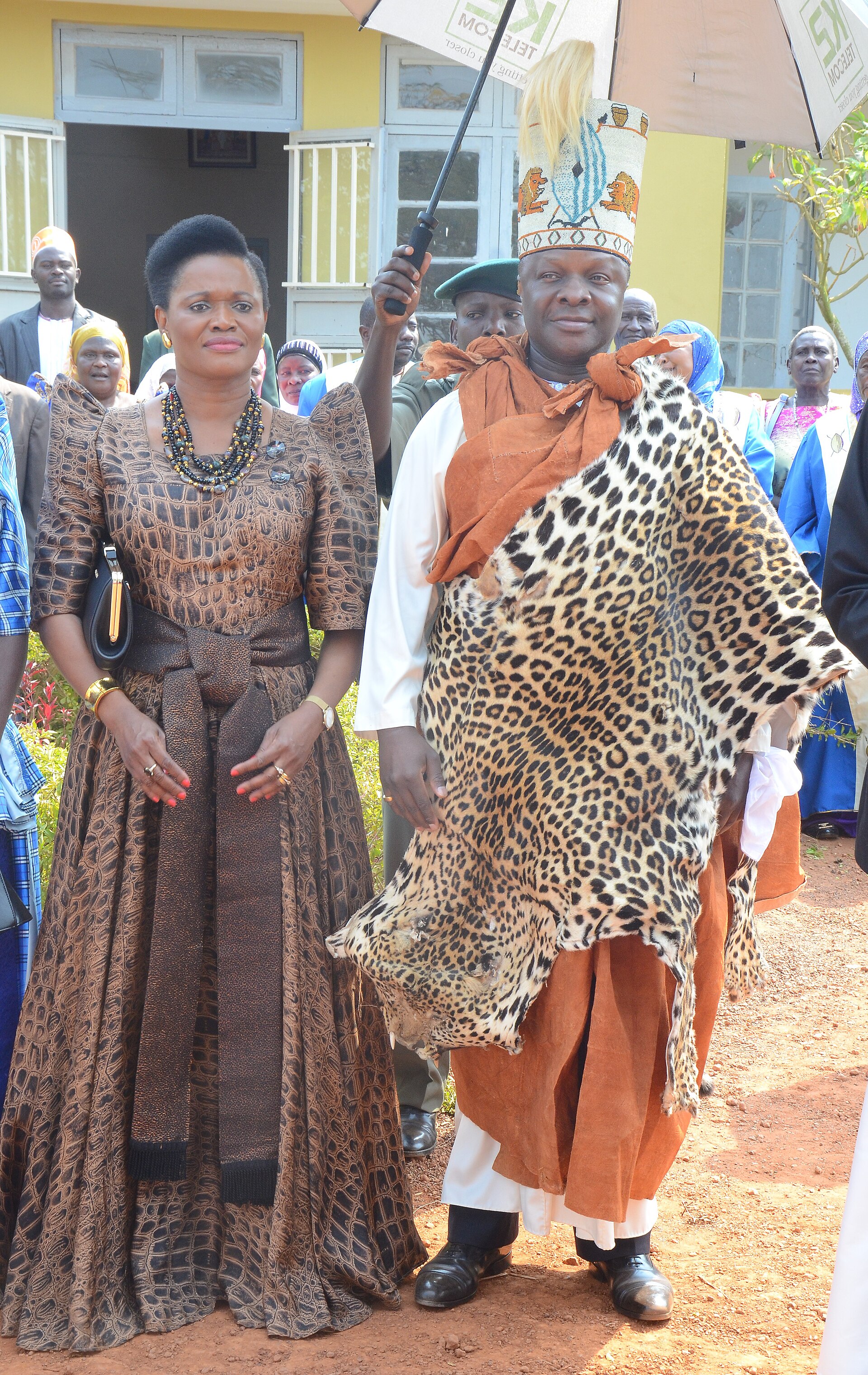
Uganda is a land of striking diversity, home to many peoples and dozens of languages, held together by English and Swahili and by a shared warmth and resilience. Its traditional kingdoms endure as cultural, if not political, forces: Buganda, abolished after independence, was restored in 1993, and its king, the Kabaka, remains a revered figure whose ceremonies draw huge crowds. Music and dance run deep, from royal court traditions to a lively modern scene, and the country has a famous knack for inventive street food, epitomised by the beloved rolex, a rolled chapati and egg. Above it all stands the elegant grey crowned crane, the national bird, wings and crest displayed on the flag as the emblem of the nation.
Two things have brought Uganda unwelcome attention in recent years. The first is the sheer permanence of Museveni's rule and the closing of political space around it: with the constitution twice amended to keep him eligible, opposition leaders harassed, and his son positioned as a possible heir, the country's democracy has hollowed out, even as its leader remains a partner the West is reluctant to abandon. The second is a law. In 2023 Uganda enacted one of the harshest anti-homosexuality statutes in the world, imposing severe penalties, including in some cases death, and drawing sharp international condemnation and cuts in aid. At home the law is popular, defended by many as an assertion of national and religious values against foreign pressure; abroad it is denounced as a grave abuse of human rights. The clash over the law, and over how long one man should rule, sits at the heart of Uganda's contested present.
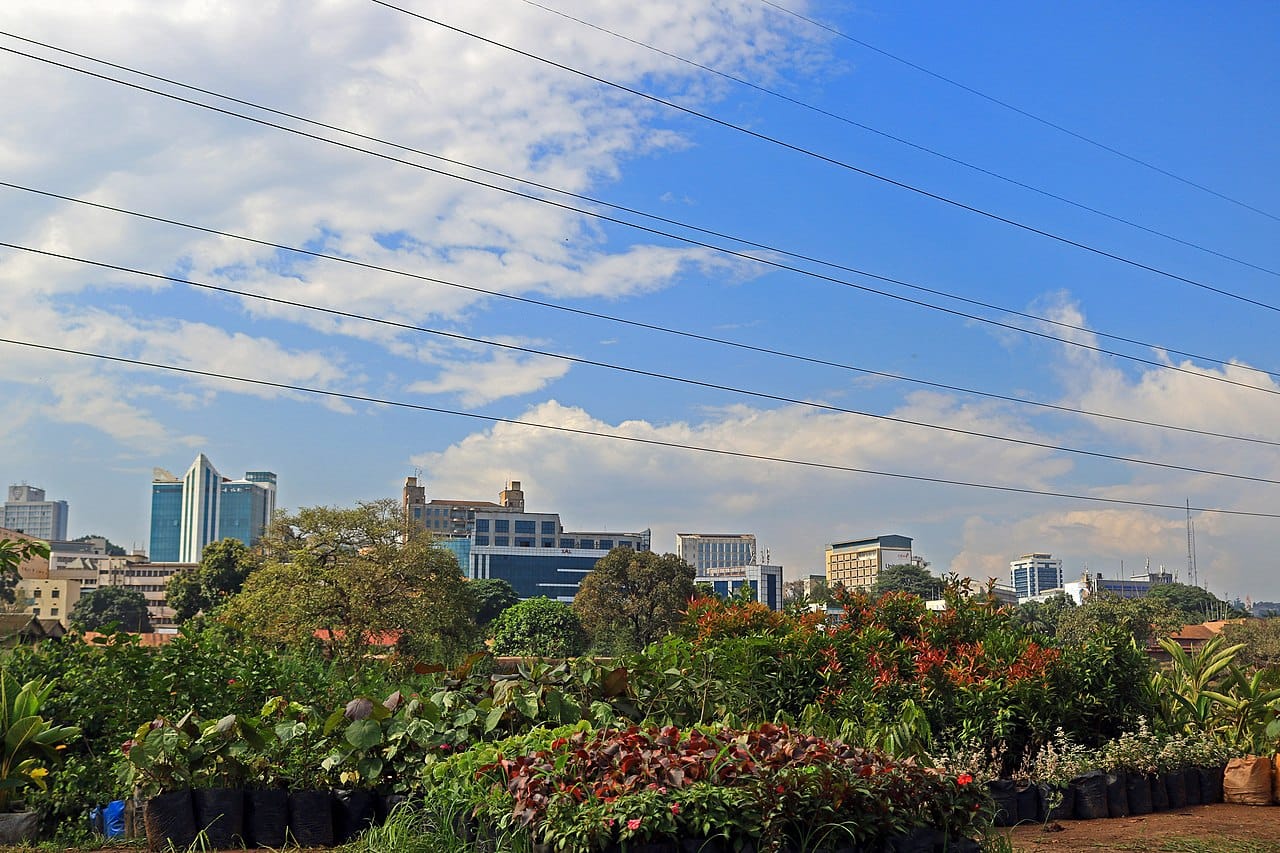
Uganda has a population of around 48 million people and one of the youngest populations in the world, with a very high birth rate and a median age of well under twenty. It is ethnically diverse, with the Baganda the largest of many groups, and English and Swahili serving as official languages. The population is largely rural, concentrated in the fertile south, and the largest city and capital is Kampala, on the shores of Lake Victoria.