Tuvalu is a tiny Polynesian island nation in the central Pacific, made up of nine low-lying coral atolls and reef islands scattered between Hawaii and Australia. One of the smallest and least populous countries in the world, and among the lowest-lying, it is famous as a nation on the front line of climate change, its existence threatened by rising seas. With almost no resources and a population of only a few thousand, Tuvalu has supported itself in unusual ways, including the lucrative leasing of its internet domain name, the memorable suffix dot tv.
Tuvalu's story is that of a string of small Polynesian communities that came under British rule, chose to part from their Micronesian neighbours, and won independence as one of the smallest nations on Earth.
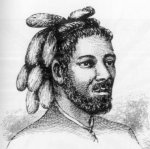
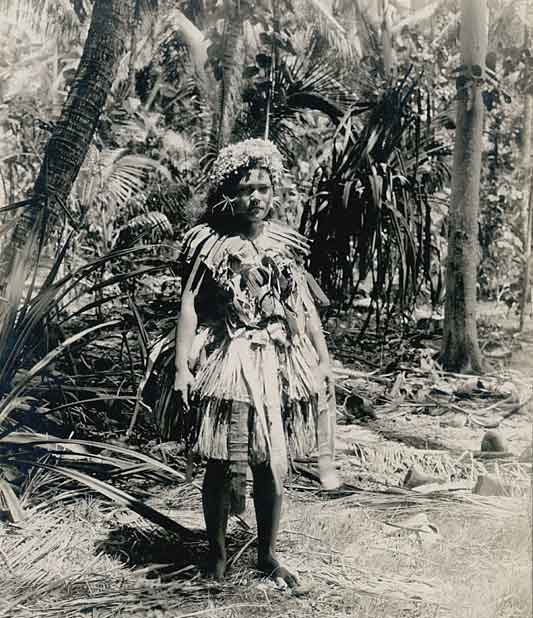
The islands were settled well over a thousand years ago by Polynesians, probably voyaging from Samoa and Tonga, who spread across the atolls and built a way of life around fishing, the coconut, and the extended family. Each island developed its own community under chiefs and councils of elders, and the name Tuvalu means roughly eight standing together, for the traditionally inhabited islands of the group.
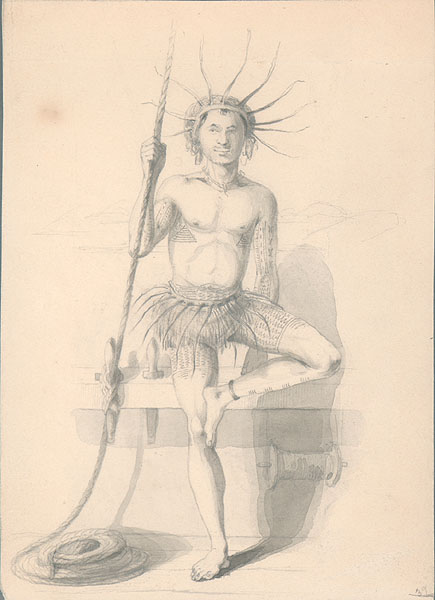
From the nineteenth century whalers, traders, and missionaries reached the islands, and a wave of labour recruitment, or blackbirding, carried many islanders away. Britain then declared a protectorate and joined the islands, as the Ellice Islands, with the Gilbert Islands to the north in a single colony.
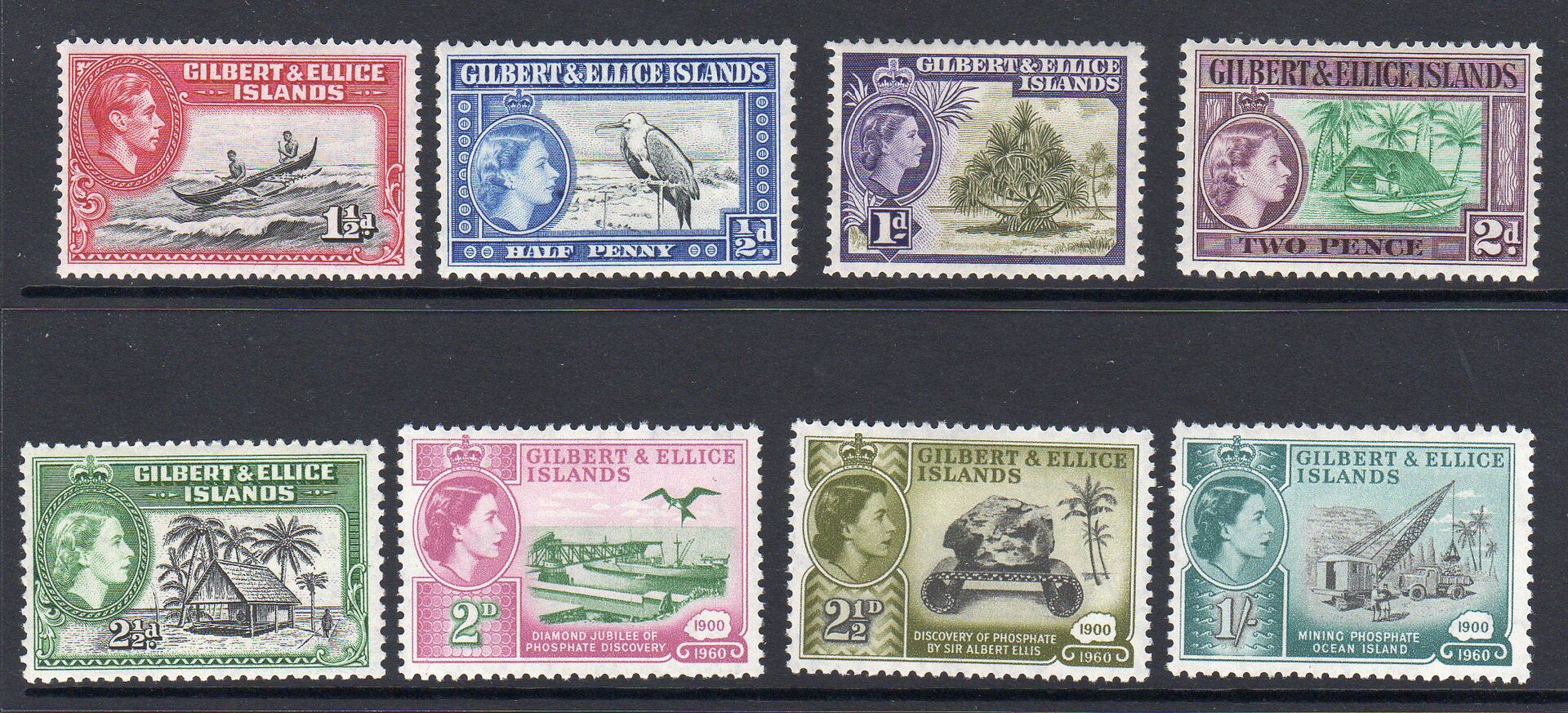
Cultural and ethnic differences with the Micronesian Gilbertese led the Polynesian Ellice Islanders to vote, in a 1974 referendum, to separate. The islands became Tuvalu and gained full independence from Britain in 1978, while the Gilberts went on to become Kiribati. Tuvalu chose to remain a realm of the Commonwealth, keeping the British monarch as its head of state.
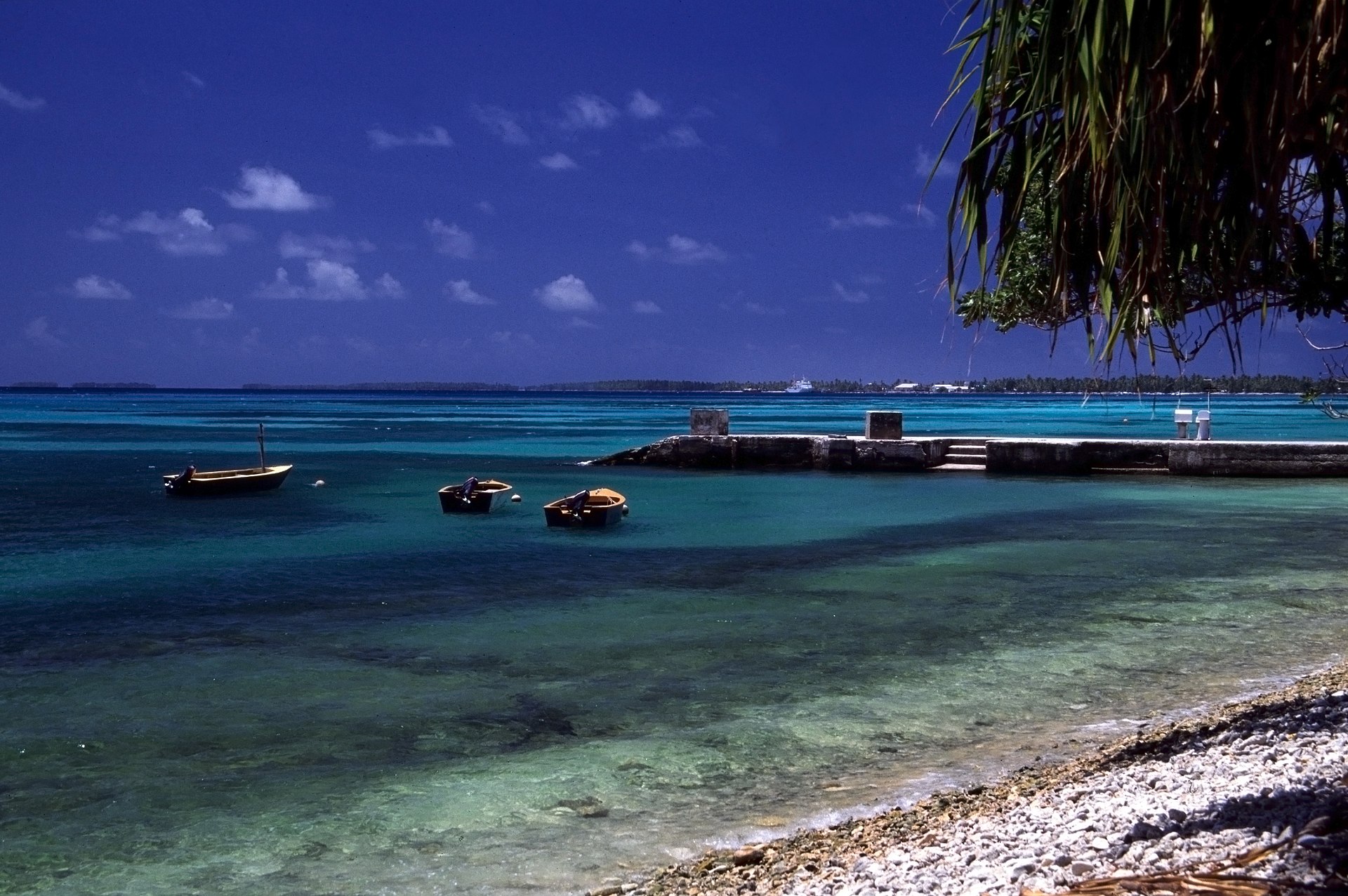
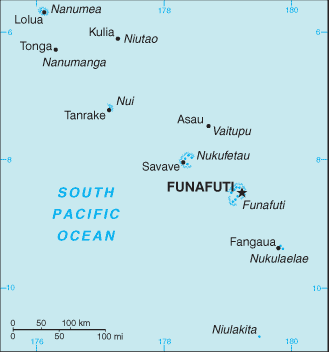
Tuvalu consists of nine tiny coral atolls and reef islands spread over a vast stretch of the central Pacific, with a total land area of only around 26 square kilometres, among the smallest of any country. The islands are extremely low and flat, rising scarcely a few metres above sea level at their highest, ribbons of sand and coral enclosing lagoons. This makes Tuvalu one of the most vulnerable nations in the world to rising sea levels, coastal erosion, storm surges, and the salt contamination of its scarce fresh water and soil.
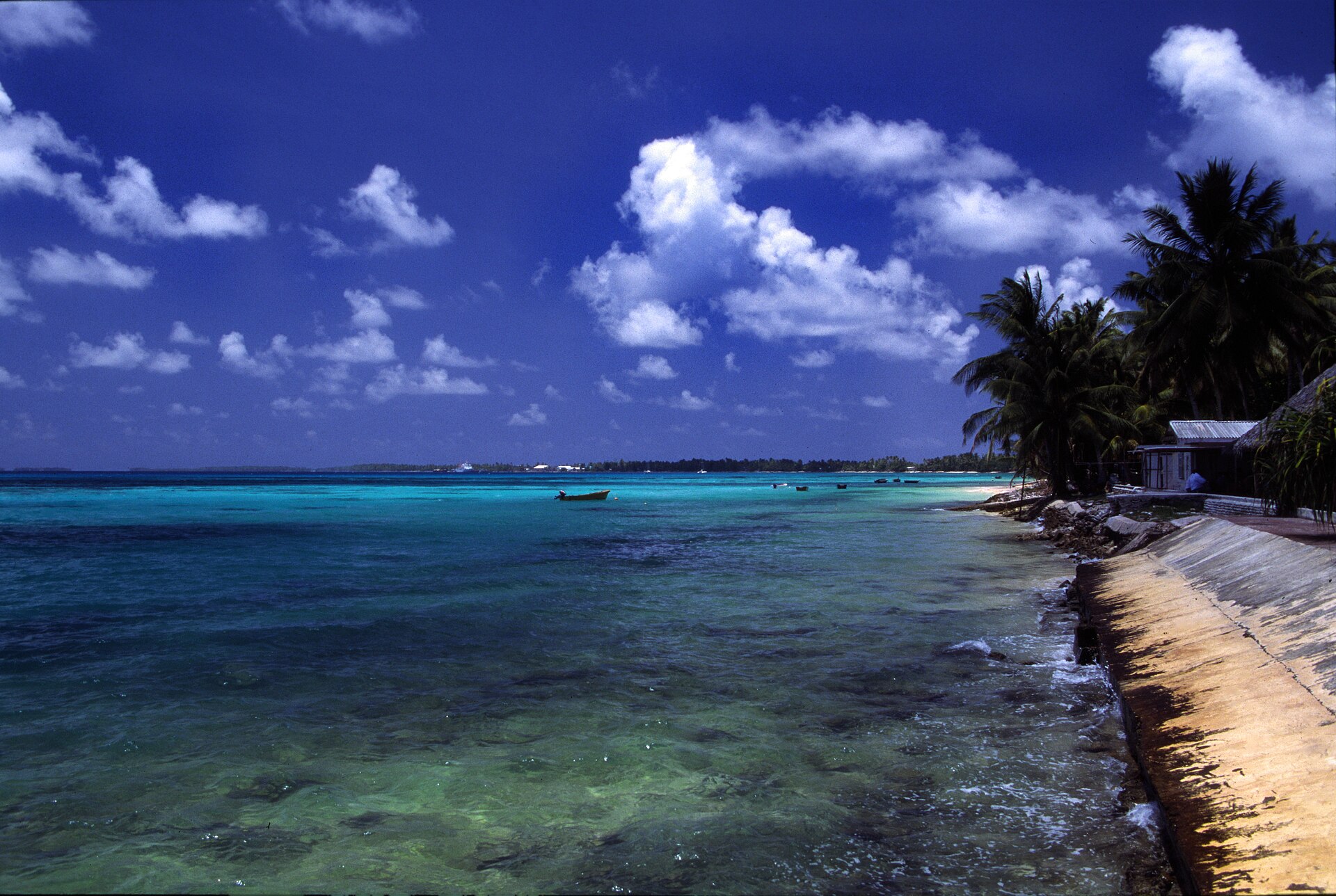
Tuvalu is a parliamentary democracy and a constitutional monarchy, with King Charles III as head of state, represented by a governor-general, and a small single-chamber parliament from which the prime minister is chosen. There are no formal political parties; governments form around personal and island loyalties and can change through votes of no confidence. The prime minister since 2024 is Feleti Teo, and the country's foreign policy has drawn notice for its steadfast diplomatic recognition of Taiwan, one of the few states in the world to maintain it, and for its leaders' prominent voice on climate change.
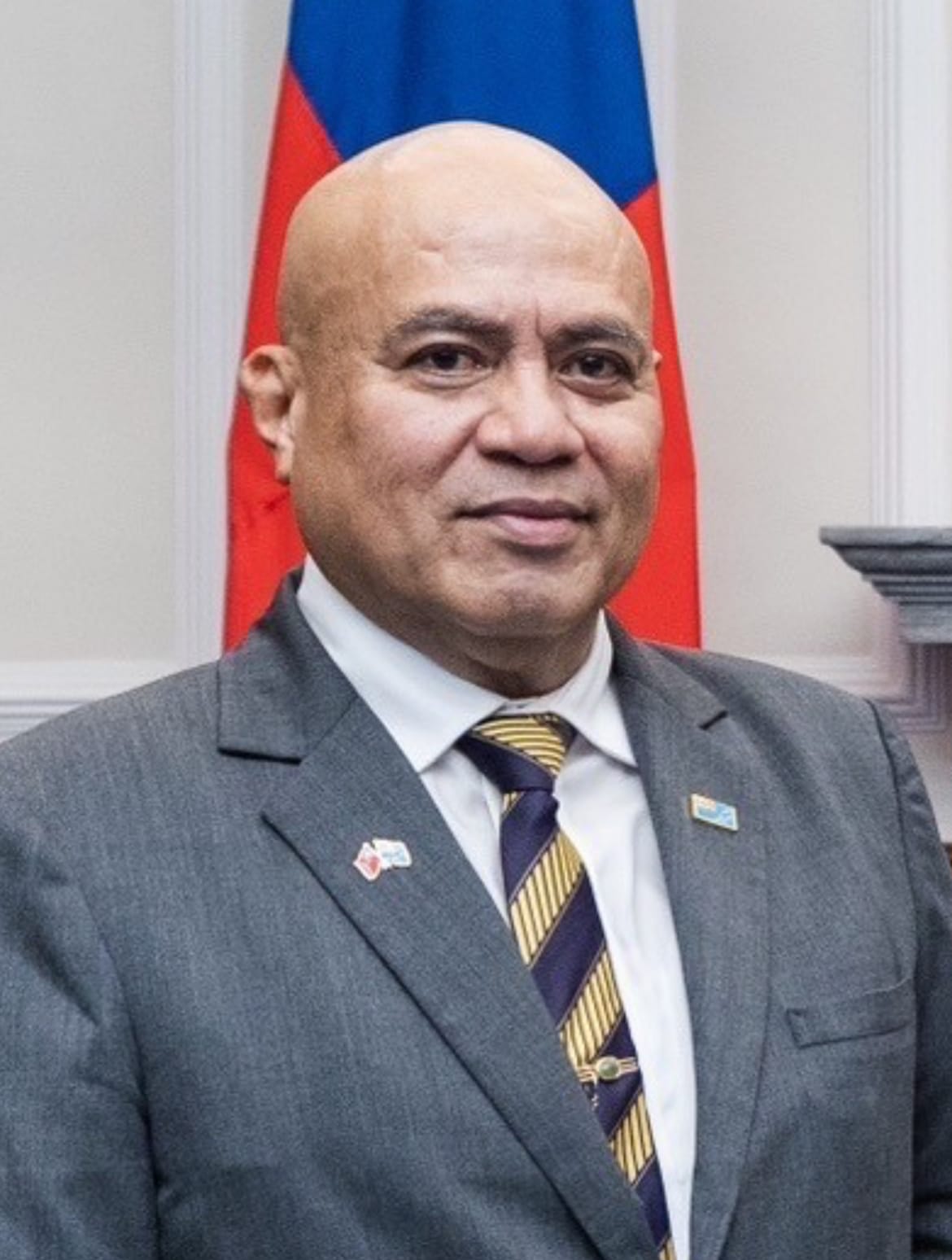
Tuvalu has one of the smallest economies on Earth, with almost no natural resources and little land to farm. It sustains itself through an unusual mix: the licensing of its large ocean territory to foreign tuna fleets, the money sent home by Tuvaluans working abroad, especially as seafarers, income from a national trust fund built up with donor help, foreign aid, and, most famously, the lease of its internet country code, dot tv, which proved highly marketable to television and streaming companies worldwide and provides a meaningful share of government revenue.
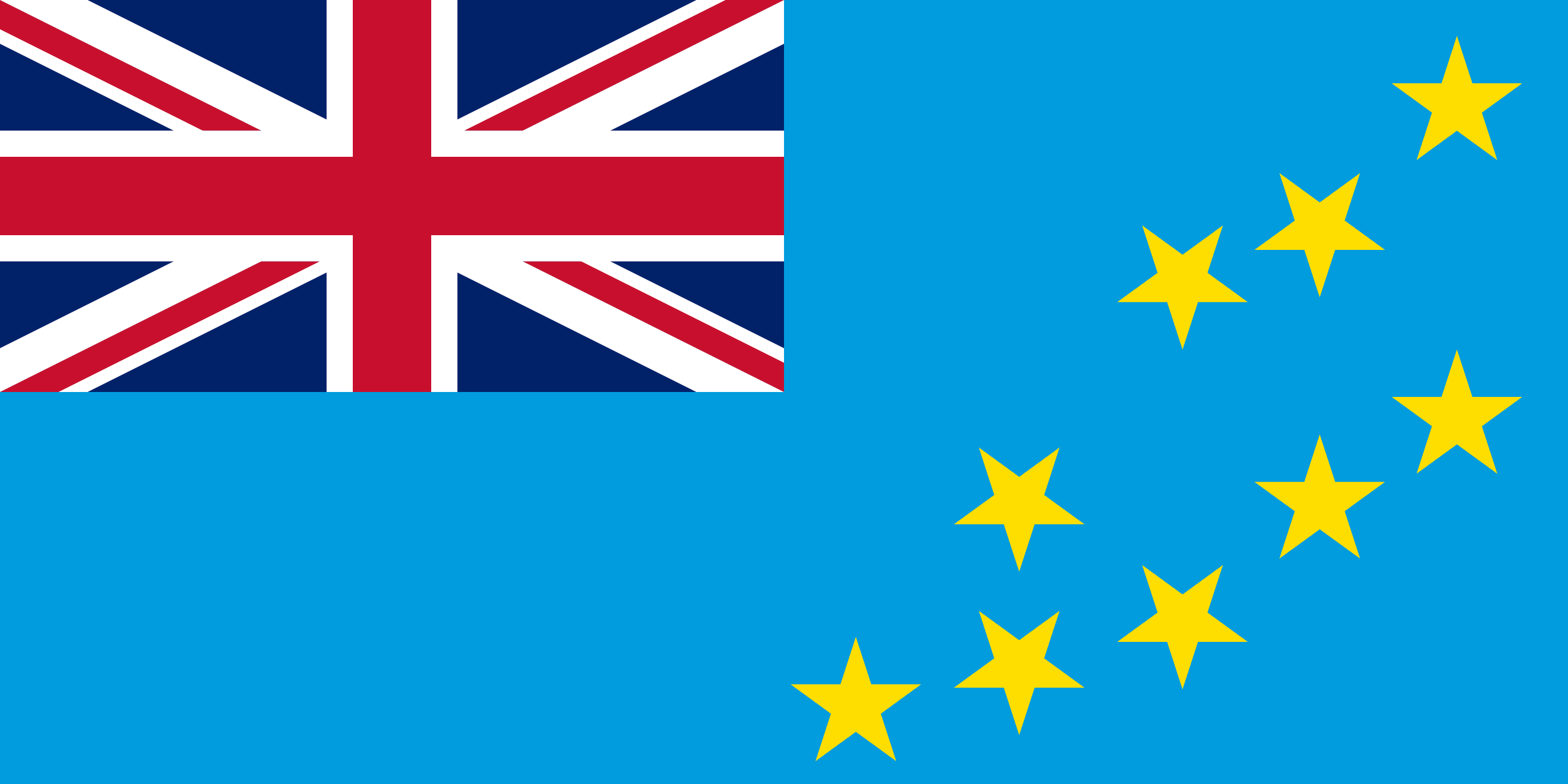
The flag of Tuvalu has a light blue field with the British Union Jack in the upper corner and nine yellow stars arranged on the fly to mirror the geographic layout of the country's nine islands. The blue represents the Pacific Ocean, the Union Jack reflects the historic link with Britain and membership of the Commonwealth, and the nine stars, laid out as a map of the scattered atolls, stand for the islands that make up the nation, the name Tuvalu meaning roughly eight standing together, from its long-inhabited islands.
Tuvalu is an overwhelmingly Christian country, and the Congregationalist Church of Tuvalu, descended from the work of nineteenth-century missionaries, is the established church to which the great majority of the population belongs, central to the life of every island community. The church, its services, and its choirs are woven deeply into Tuvaluan culture, alongside respect for tradition, the extended family, and the councils of elders that guide island affairs. Religion is a powerful unifying force across the scattered atolls of the small nation.
Tuvaluan cuisine is built on the limited produce of the atolls and the abundant resources of the sea. Fish and seafood are the staples, eaten fresh, along with coconut in many forms, breadfruit, bananas, the giant swamp taro called pulaka grown in cultivated pits, and other tubers. Coconut and its cream flavour many dishes, and food is often cooked in earth ovens for feasts. With so little land for farming, the people depend heavily on the ocean and the coconut palm, supplemented in modern times by imported rice and tinned goods.
Agriculture is extremely limited in Tuvalu by the poor, sandy soils and tiny land area of the coral atolls. The main crops are coconuts, from which copra is produced, the giant swamp taro pulaka, grown with great effort in dug pits enriched with compost, breadfruit, bananas, and a few vegetables. Pigs and poultry are kept, and the sea provides the fish that, with the coconut, remain the foundation of daily life for a people who live close to the land and the reef.
Tuvaluan life is deeply communal and traditional, organised around the extended family, the island community, and the maneapa, the open meeting house where island affairs are settled by consensus under the councils of elders. Christianity, above all the Congregationalist church, is woven into every part of life, and church services and choirs are central to the culture. Custom, seniority, and the sharing of work and food bind the small population together, and traditional dance and song, along with the rhythms of the sea and the coconut, shape the year across the scattered atolls.
More than any other, one question hangs over Tuvalu: whether it can survive the rising ocean. Its islands stand only a metre or two above the sea, and higher tides, worsening storm surges, and the salting of soil and fresh water already reach into daily life. This has made Tuvalu one of the world's most forceful voices on climate change, and it has driven bold and debated responses. It has begun creating a digital record of its land and culture to preserve its identity and statehood even if the islands become uninhabitable, and in the Falepili Union treaty with Australia it secured, in exchange for a say over its security arrangements, a pathway for Tuvaluans to migrate there as the seas rise. Whether a nation can be kept alive, at home or in some new form, against such a threat is Tuvalu's defining and unresolved struggle.
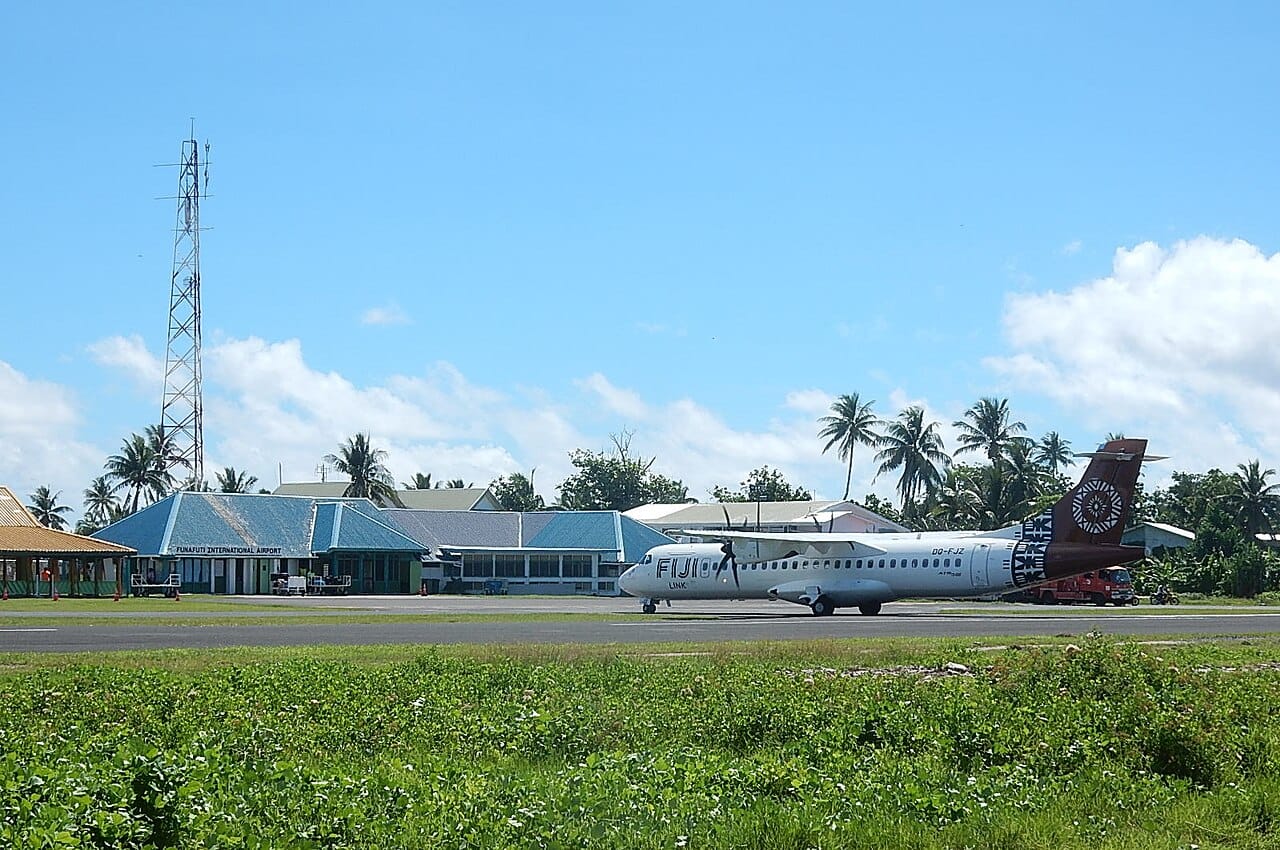
Tuvalu has a population of only around 11,000 people, making it one of the least populous sovereign nations in the world, almost entirely Polynesian Tuvaluans, sharing the Tuvaluan language alongside English. The population is spread thinly across the inhabited atolls, with a large share on the main atoll of Funafuti, home to the capital and the country's only airfield. Society is highly traditional and close-knit, organised around the extended family, the island community, and the church. A growing number of Tuvaluans live abroad, especially in New Zealand.