Turkmenistan is a country in Central Asia, on the eastern shore of the Caspian Sea, most of it covered by the vast Karakum Desert. A land of ancient Silk Road cities and proud nomadic traditions, it sits atop some of the largest natural gas reserves in the world. Since independence it has been one of the most closed and tightly controlled countries on Earth, ruled by leaders who built elaborate cults of personality, and remains little known to outsiders.
Turkmenistan's history runs from ancient desert civilisations and great Silk Road cities, through the coming of the nomadic Turkmen who gave the country its name, to Russian and Soviet rule and a fiercely isolated independence.
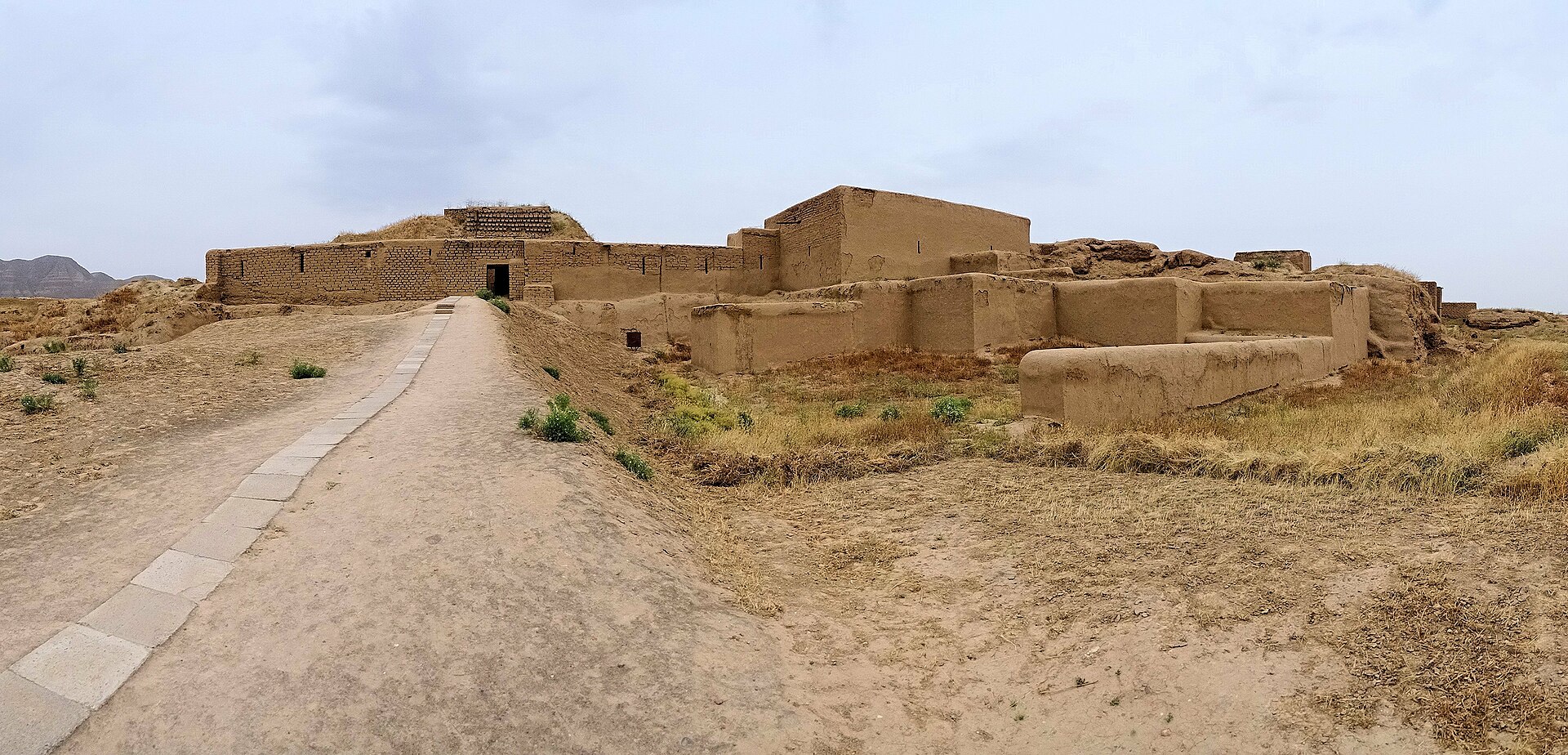
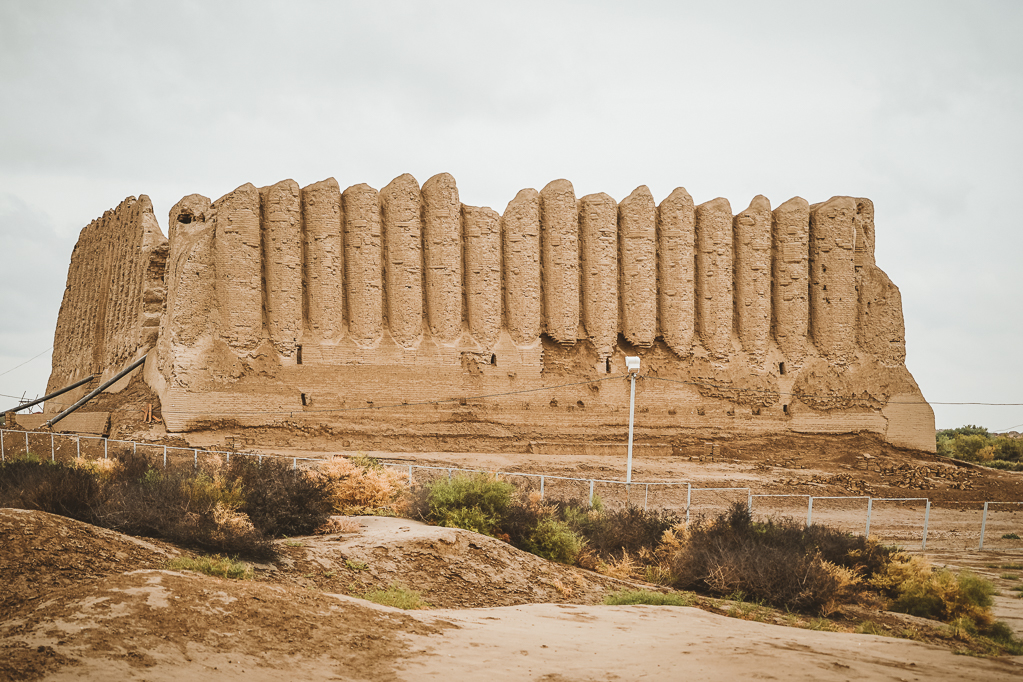
Long before the Turkmen arrived, the region held ancient civilisations. Near modern Ashgabat lay Nisa, a royal city of the Parthian Empire, one of Rome's great rivals, while to the east stood Merv, a jewel of the Silk Road that grew into one of the largest cities in the world and a centre of learning, until it was destroyed by the Mongols in the thirteenth century.
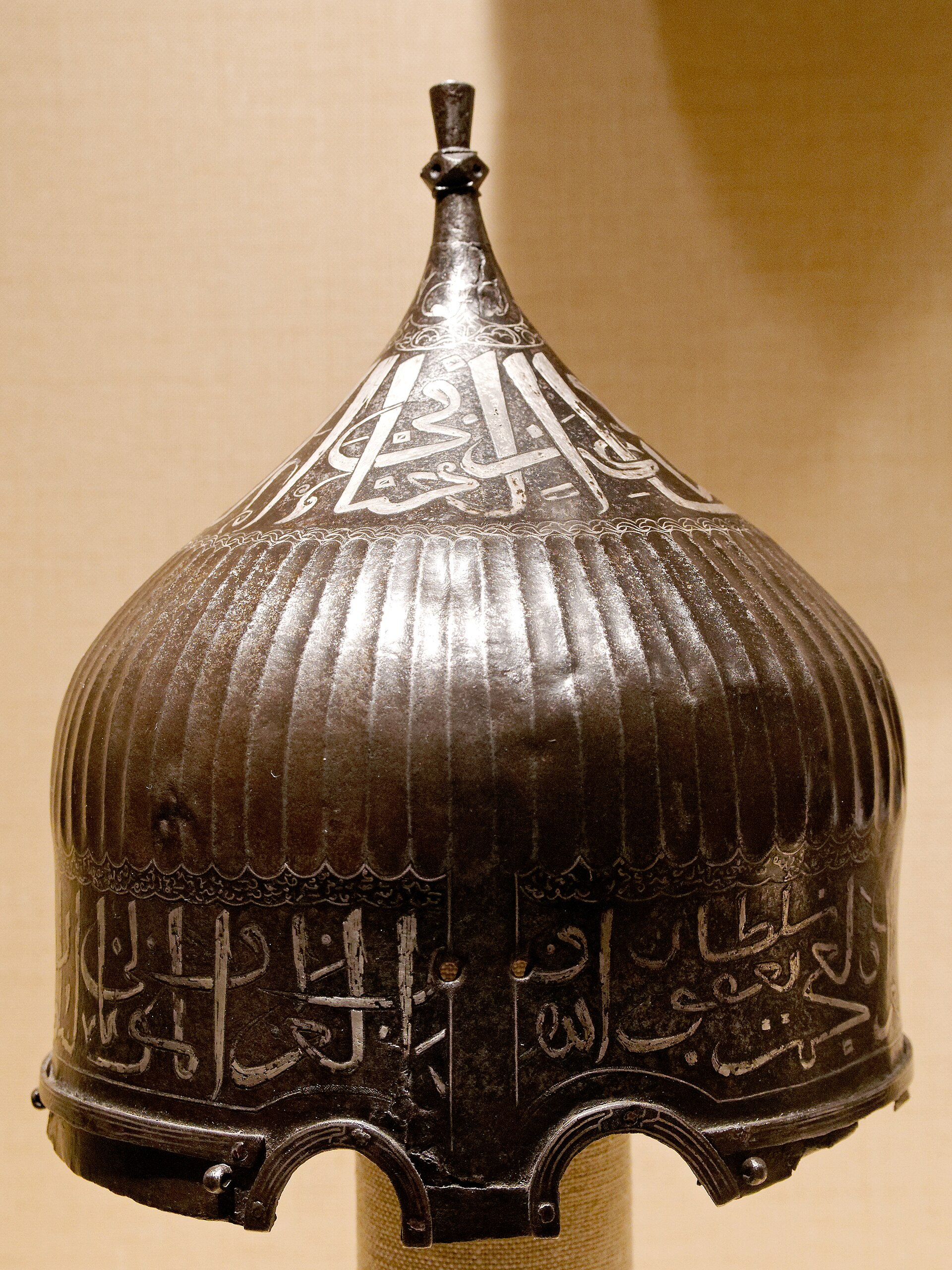
The Turkmen, a Turkic nomadic people who gave the country its name, spread across the region from the Middle Ages, organised into tribes and famed as fierce horsemen, warriors, and weavers of magnificent carpets. Their raiding and their independence made them feared across Central Asia and Persia for centuries.
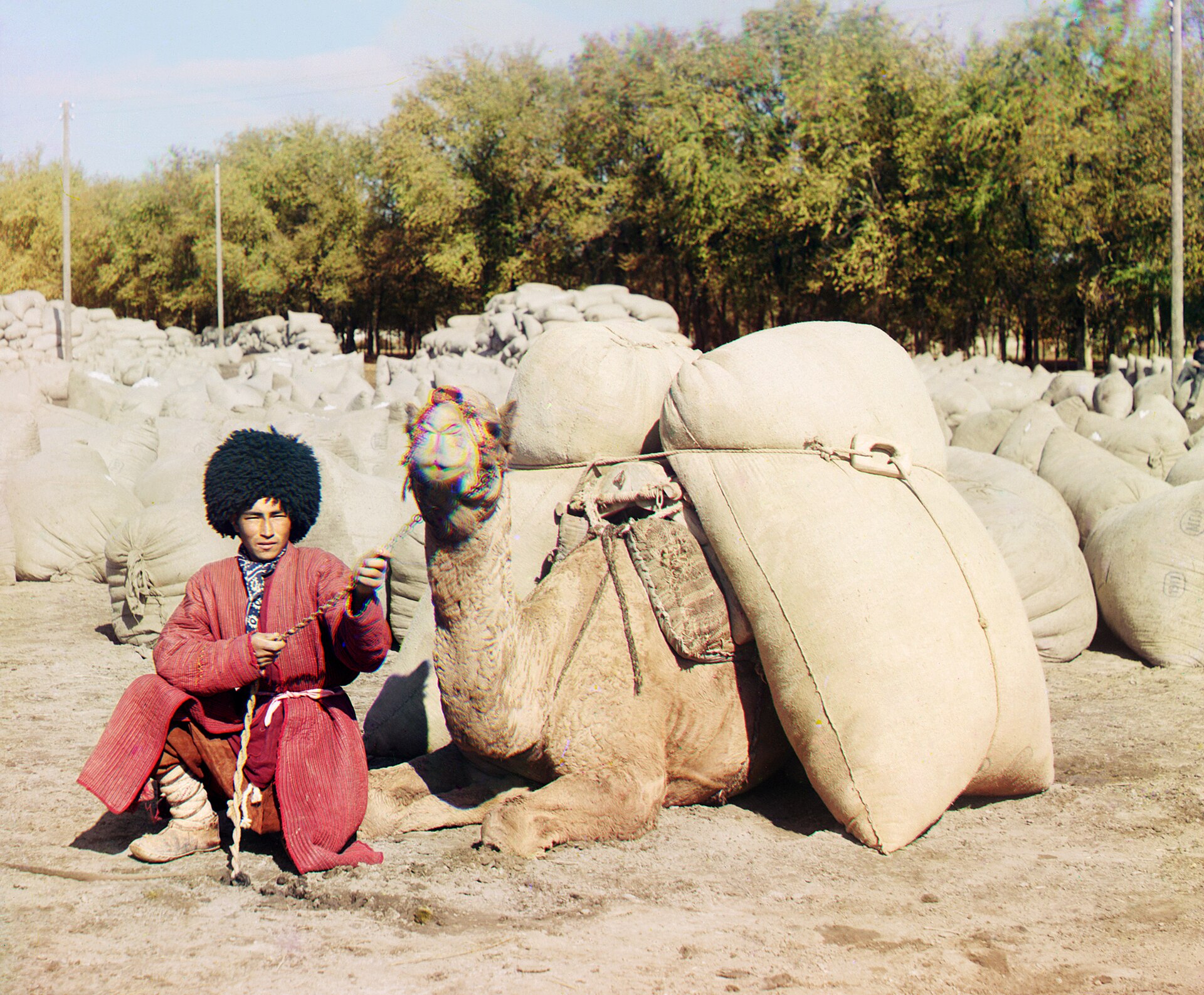
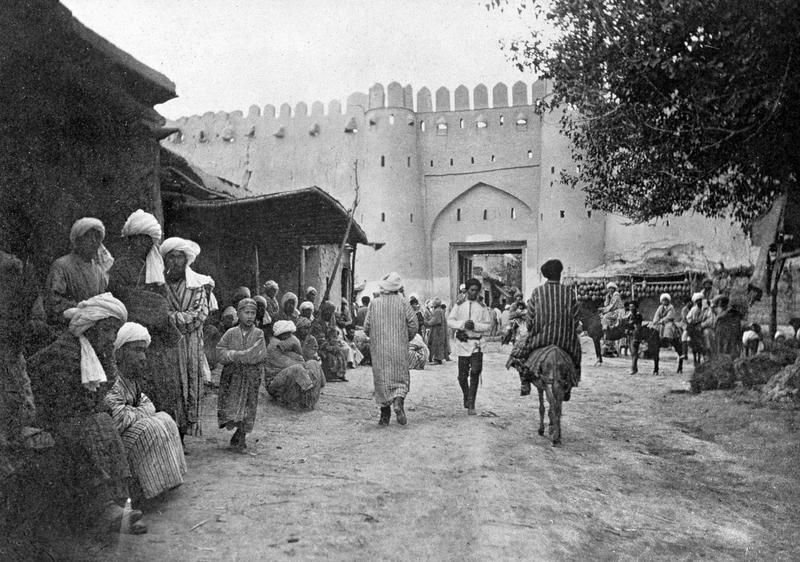
In the late nineteenth century the Russian Empire conquered the Turkmen lands after fierce fighting, and the region later became a Soviet republic. Soviet rule brought a great irrigation canal, cotton farming, and settled towns to the desert, along with the suppression of nomadic and religious life, before independence came in 1991.
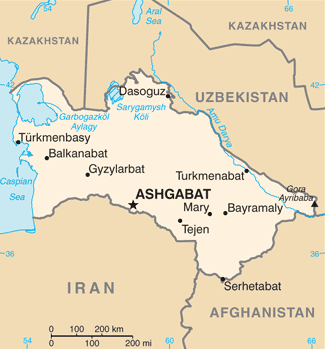
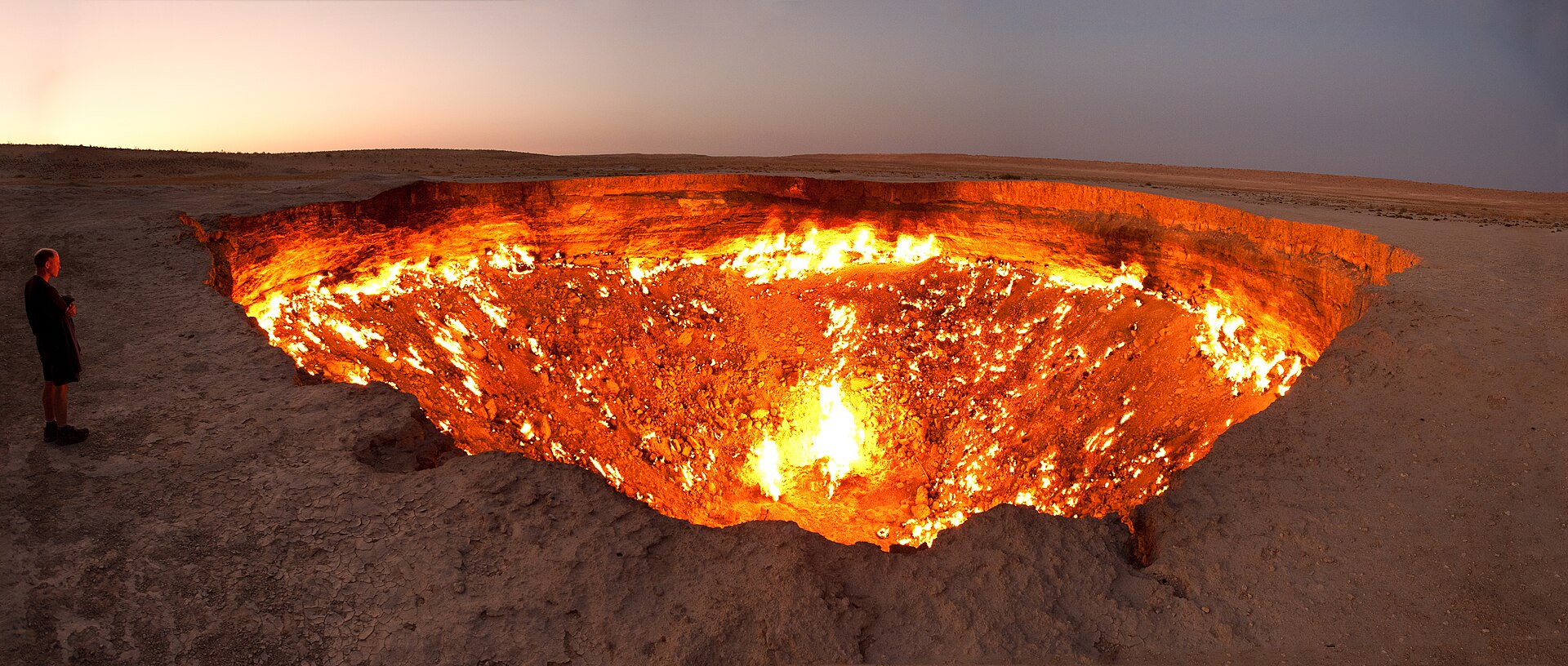
Turkmenistan is dominated by the Karakum, or Black Sand, Desert, which covers around four-fifths of the country, a vast and largely empty expanse of sand and dry plains. Mountains rise along the southern border, and the Caspian Sea forms the western edge. Almost all settlement and farming depend on irrigation, much of it carried far across the desert by canal, drawn from the rivers that skirt the country.
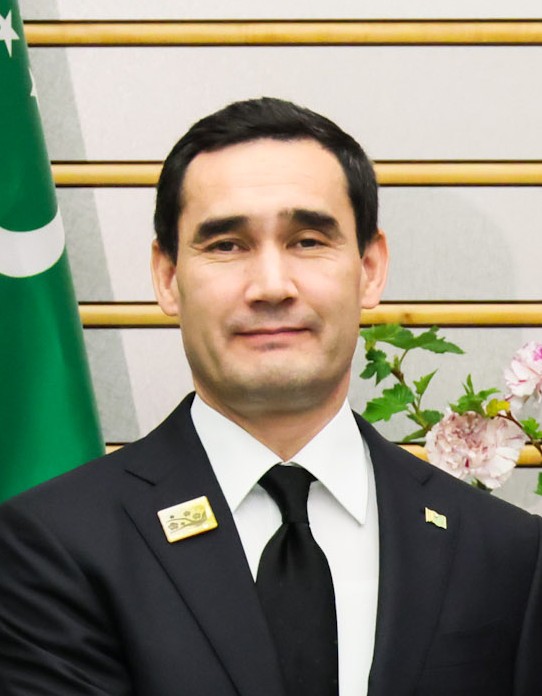
Turkmenistan is one of the most tightly controlled and secretive states in the world, a presidential republic in name but in practice an absolute personal rule wrapped in an elaborate cult of the leader. Its first president, Saparmurat Niyazov, styled himself Turkmenbashi, renamed the months of the year, and filled the country with golden statues of himself. He was succeeded by Gurbanguly Berdimuhamedow and then, from 2022, by the latter's son Serdar Berdimuhamedow, though the elder Berdimuhamedow retains great power as head of a national council, an unusual family transfer of authority.
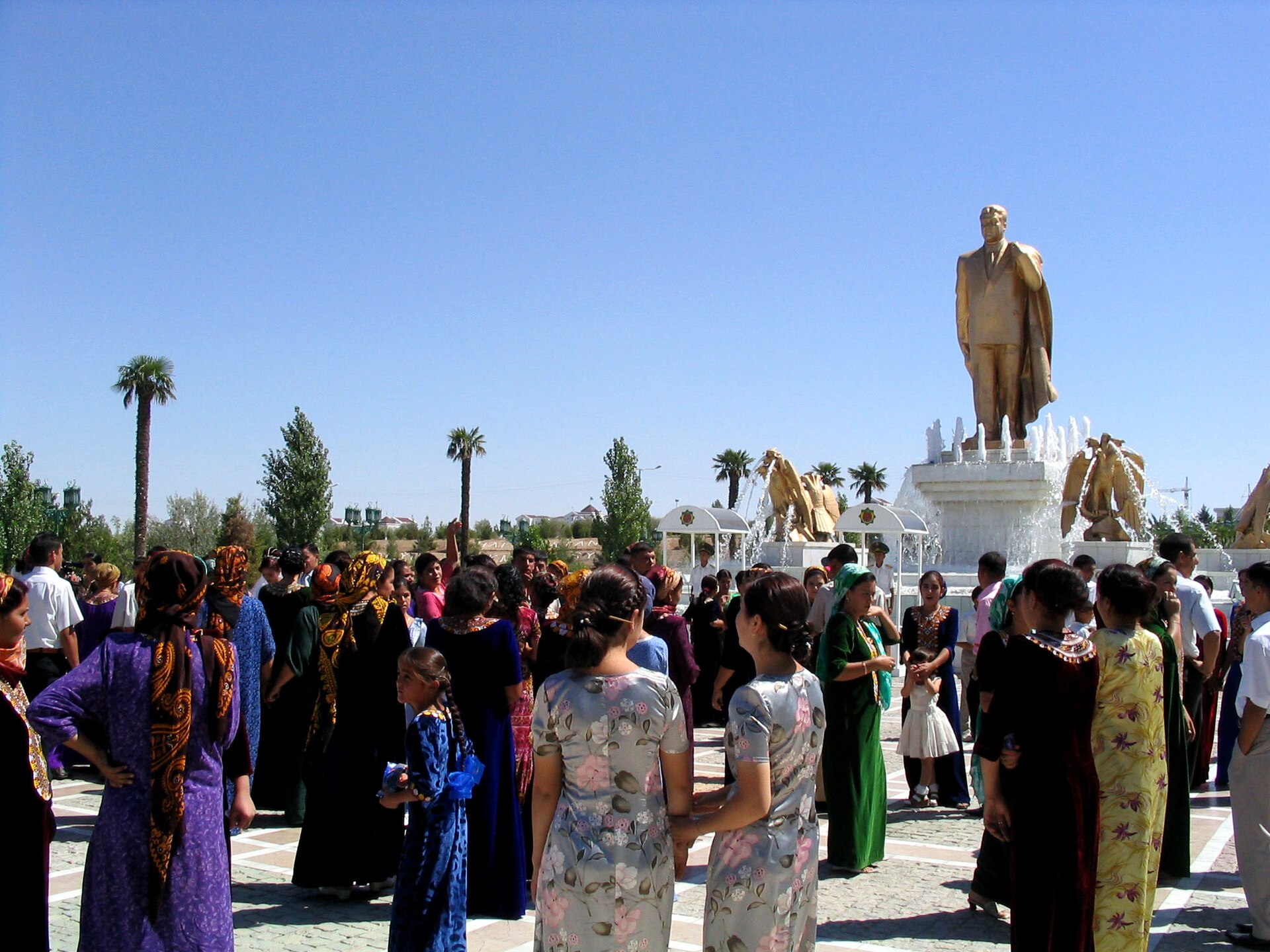
Turkmenistan's economy rests overwhelmingly on its natural gas, of which it holds some of the largest reserves in the world, sold above all to China. This wealth has funded the lavish rebuilding of the capital and grand state projects, but little of it reaches ordinary people, and the closed, state-run economy suffers from mismanagement, isolation, and shortages. Cotton and wheat, grown by irrigation in the desert, remain important but secondary to gas.
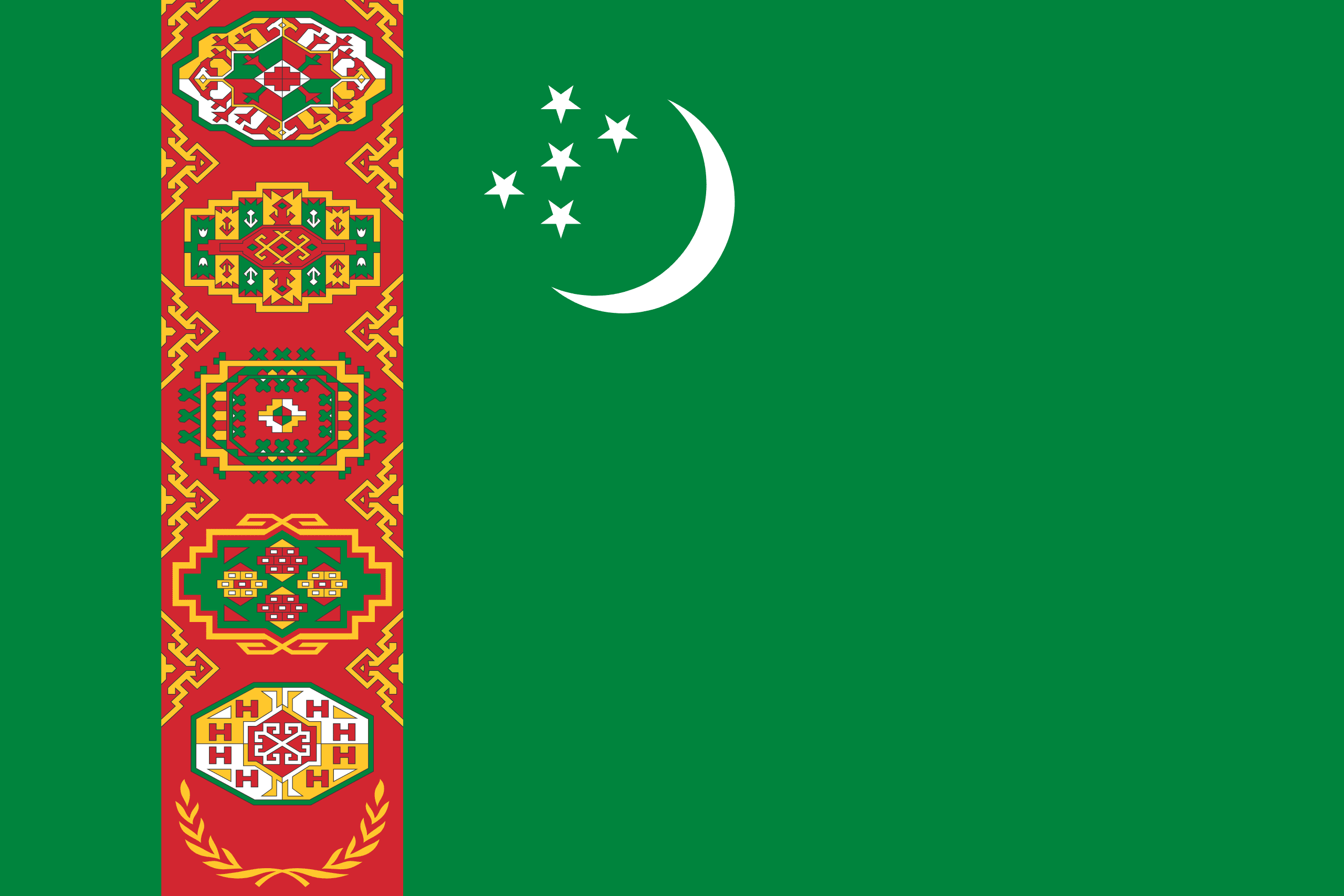
The flag of Turkmenistan is green, bearing a white crescent moon and five white stars, with a vertical red stripe near the hoist containing five elaborate carpet designs. The green and the crescent reflect the country's Islamic heritage, and the five stars and five carpet patterns represent its five regions and the great tribes of the Turkmen people. The inclusion of carpet motifs, unique among national flags, honours the Turkmen's world-famous tradition of carpet weaving.
The great majority of Turkmen are Sunni Muslims, a faith that has been part of the region for over a thousand years, though, as among other Central Asian peoples, it is often blended with older customs and a strong sense of tribal and ancestral tradition. Decades of Soviet rule left a secular state, and the government keeps religious life under firm control. Islam remains an important element of Turkmen identity, woven into the rhythm of family life and festivals.
Turkmen cuisine is Central Asian in character, centred on meat, especially mutton, bread, and dairy, reflecting the nomadic and pastoral heritage of the people. The rice dish plov, cooked with meat and vegetables, is a centrepiece of celebrations, and grilled meat, soups, and dumplings are common. Flatbread baked in clay ovens accompanies meals, and green tea is the customary drink, central to the hospitality for which the culture is known.
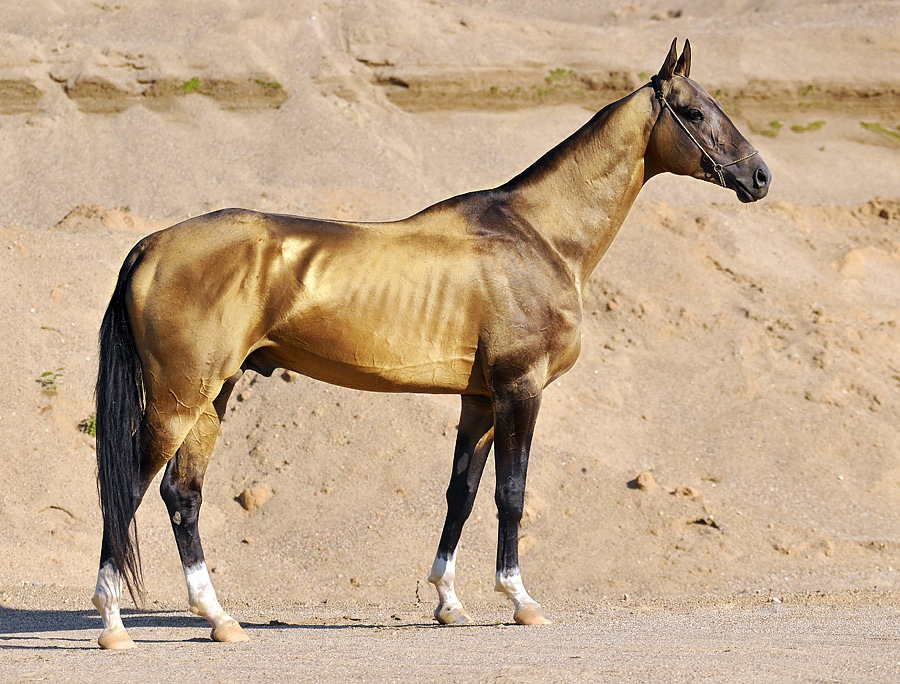
Agriculture in Turkmenistan depends almost entirely on irrigation in this overwhelmingly desert land, much of it drawn from a great canal carrying river water across the Karakum. Cotton is the dominant crop, a legacy of the Soviet drive for cotton production, along with wheat for bread. The Turkmen are also famous for breeding the elegant Akhal-Teke horse. The economy, however, rests far more on the country's enormous reserves of natural gas.
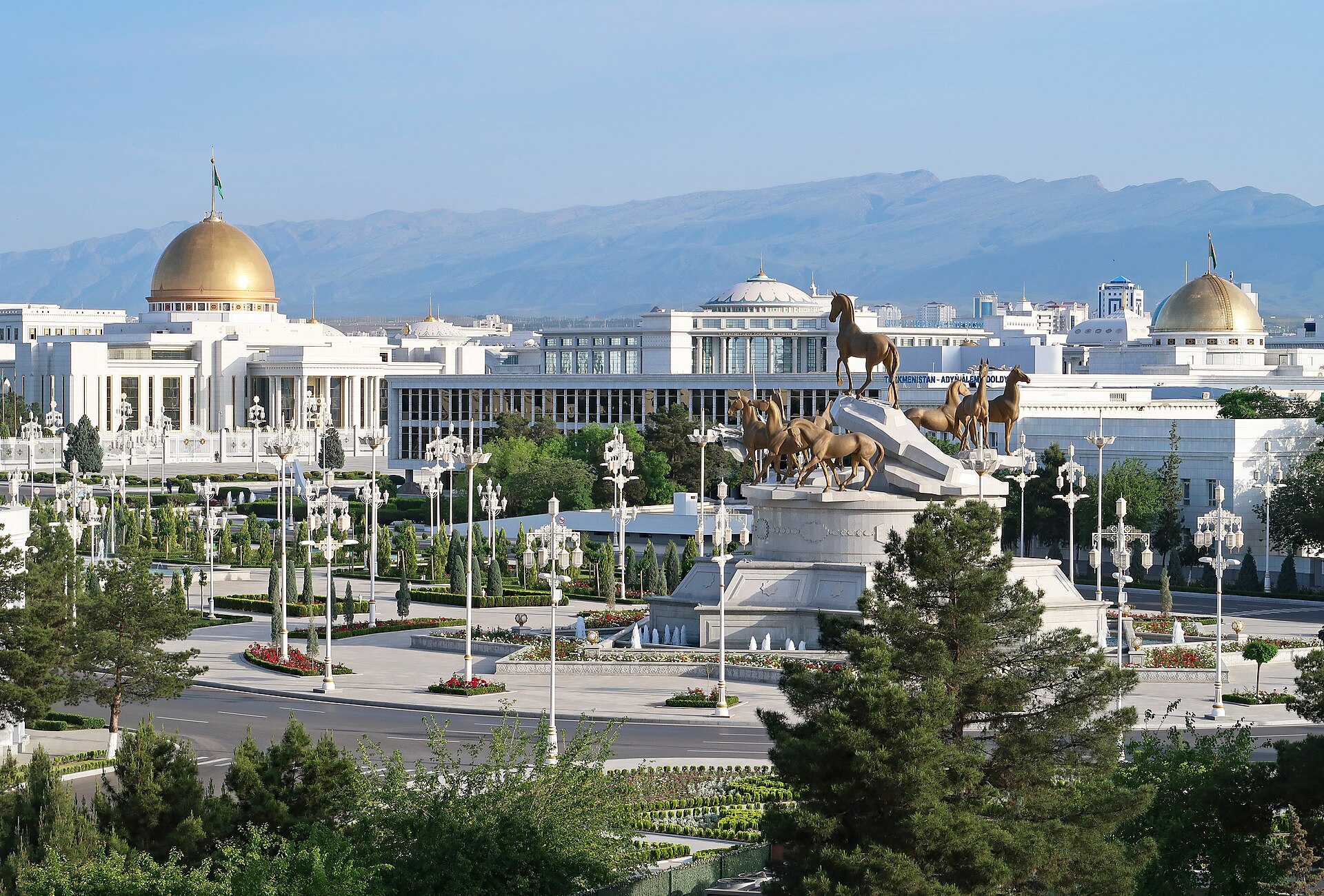
Turkmen culture is proud and deeply traditional, rooted in the tribes of the desert and expressed above all in two national treasures: the magnificent hand-knotted Turkmen carpet, whose deep-red patterns appear even on the national flag, and the Akhal-Teke horse, a breed of extraordinary grace and endurance prized for thousands of years. Ashgabat, the capital, has been rebuilt with gas wealth into a startling city of white marble buildings, fountains, and monuments, unlike anywhere else on Earth.
Turkmenistan has a population of around 6 million people, the great majority ethnic Turkmen, a Turkic people organised historically into tribes, with Uzbek and Russian minorities. The population is concentrated in the irrigated oases and along the rivers and canals at the edges of the desert, above all in the capital, Ashgabat. The country is one of the most closed in the world, with strict limits on movement, media, and contact with outsiders.