Turkey is a country straddling two continents, with a small part in southeastern Europe and the great bulk, the peninsula of Anatolia, in western Asia. This crossroads position, where Europe and Asia meet across the straits at Istanbul, has made it a meeting point of civilisations for thousands of years. Modern Turkey is a populous, strategically vital nation bridging the Mediterranean, the Middle East, and the Black Sea.
Anatolia is one of the oldest cradles of civilisation, and the land that is now Turkey has been Hittite, Greek, Roman, Byzantine, and Ottoman in turn before becoming a modern republic.
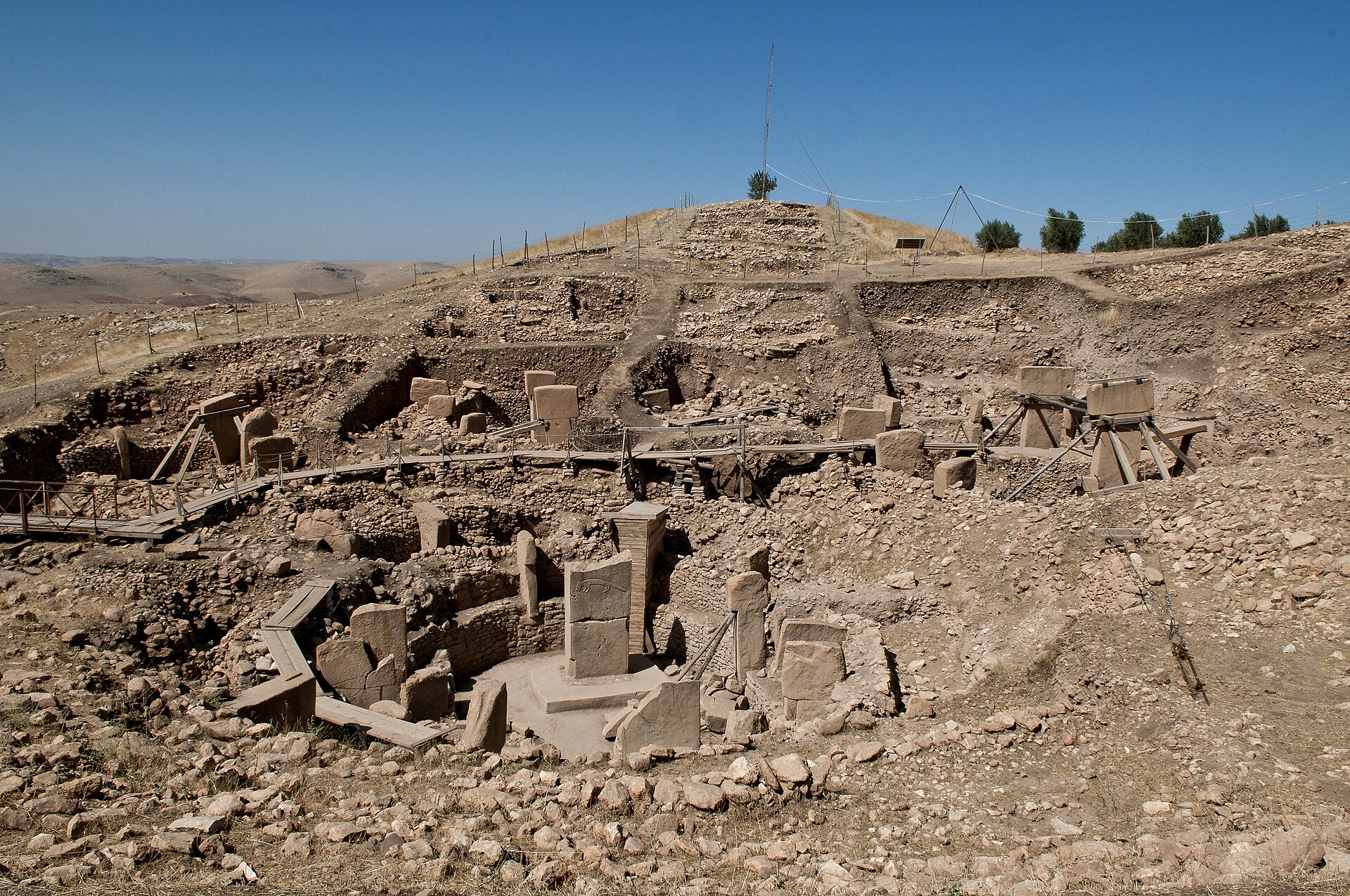
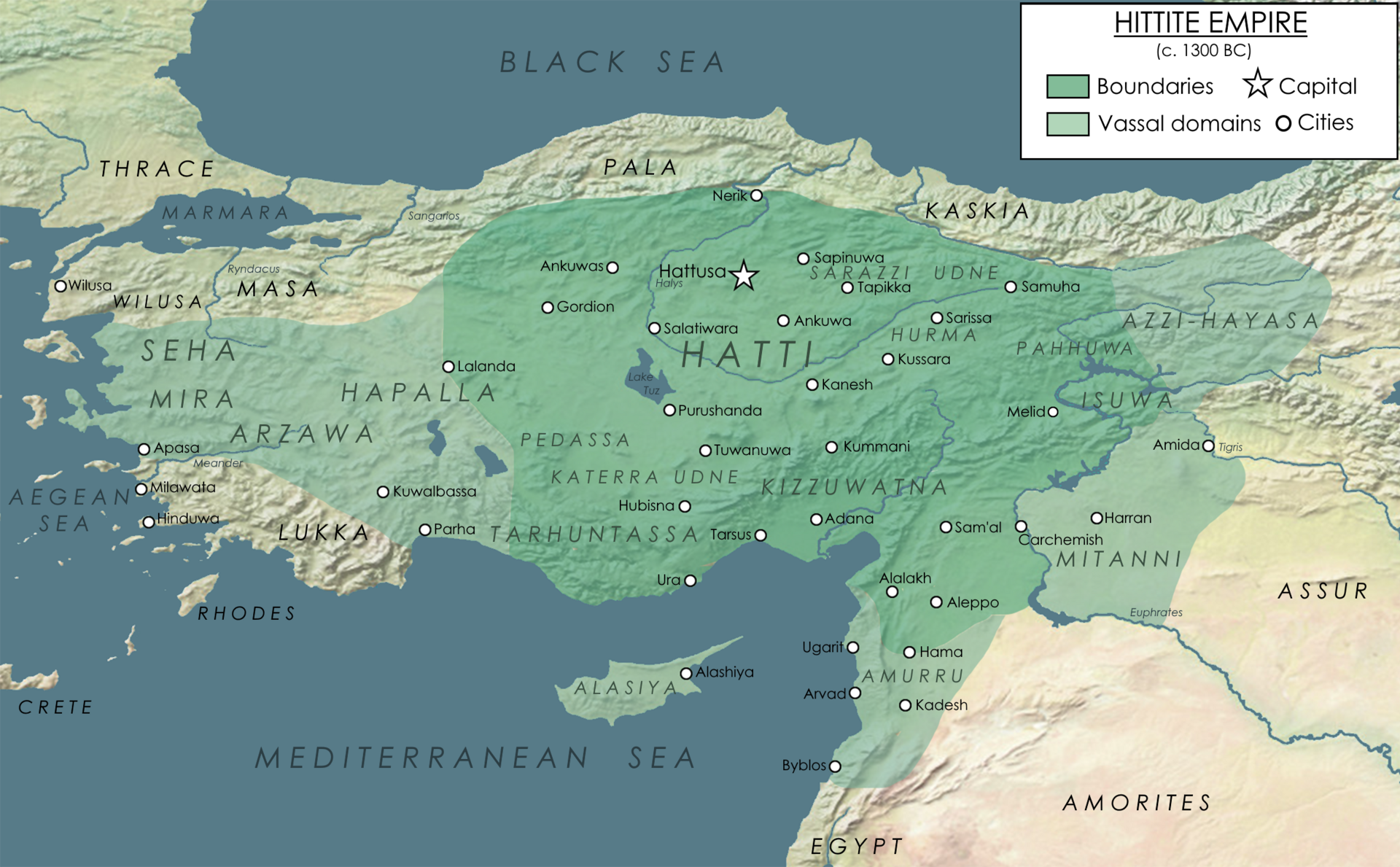
The region holds some of humanity's earliest monuments, above all Gobekli Tepe, raised before farming or writing existed. Later Anatolia was home to the Hittites, a Bronze Age empire that rivalled Egypt, and to the legendary city of Troy on the Aegean coast.
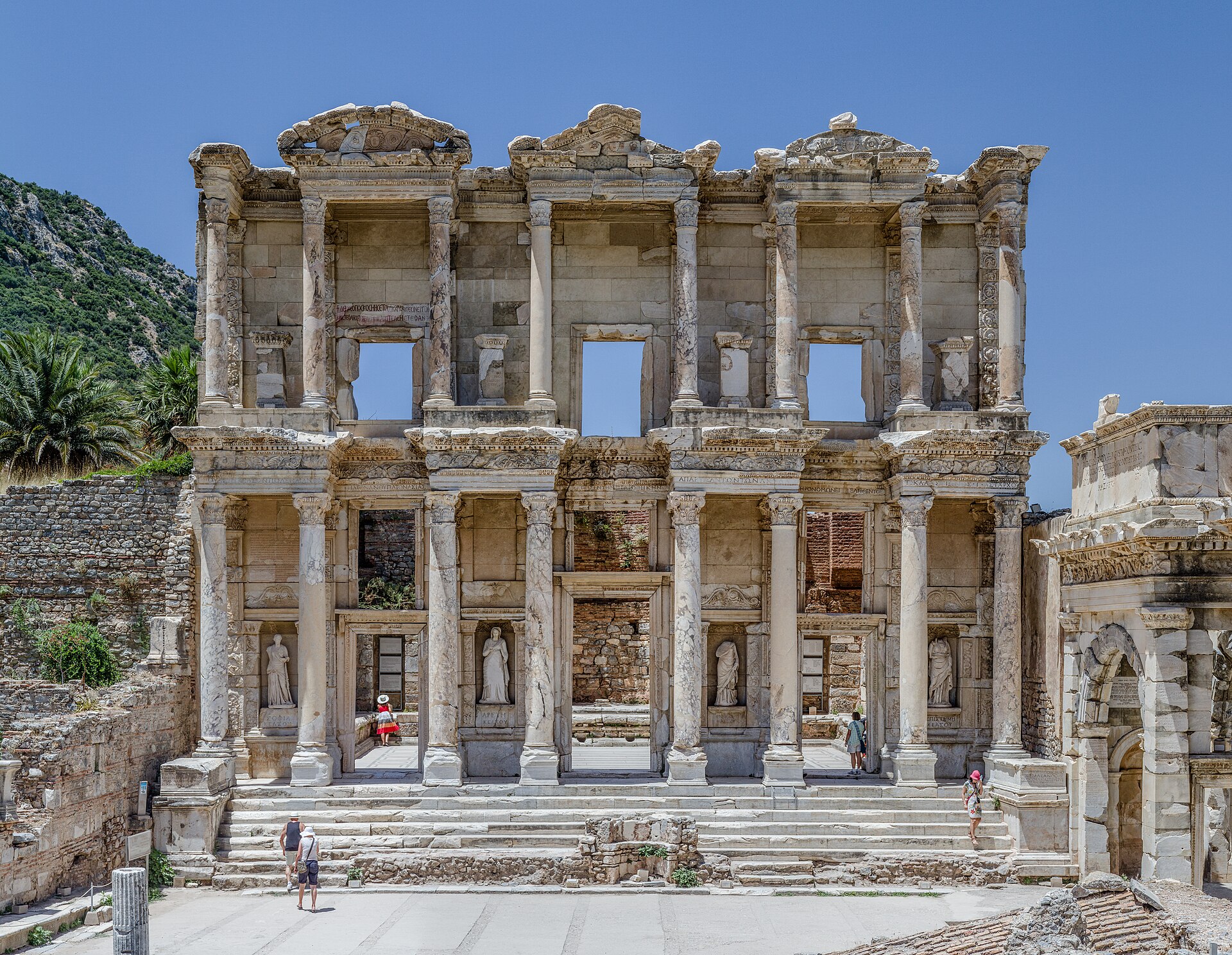
The Aegean coast was dotted with Greek cities, and the whole peninsula became part of the Roman Empire, leaving spectacular ruins such as Ephesus. When the empire split, Anatolia became the core of the Eastern Roman, or Byzantine, Empire, ruled for over a thousand years from Constantinople, the greatest Christian city of the medieval world.
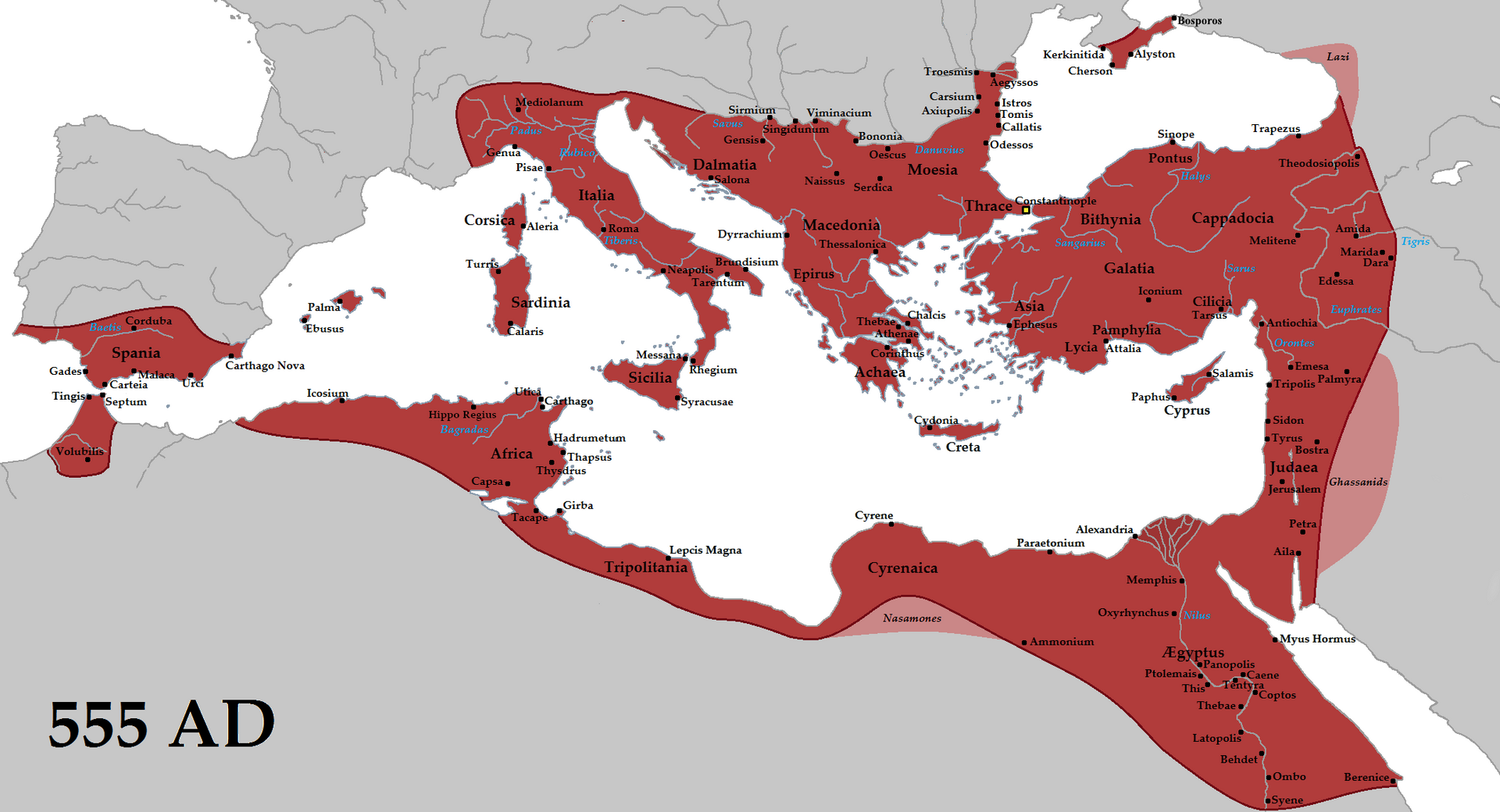
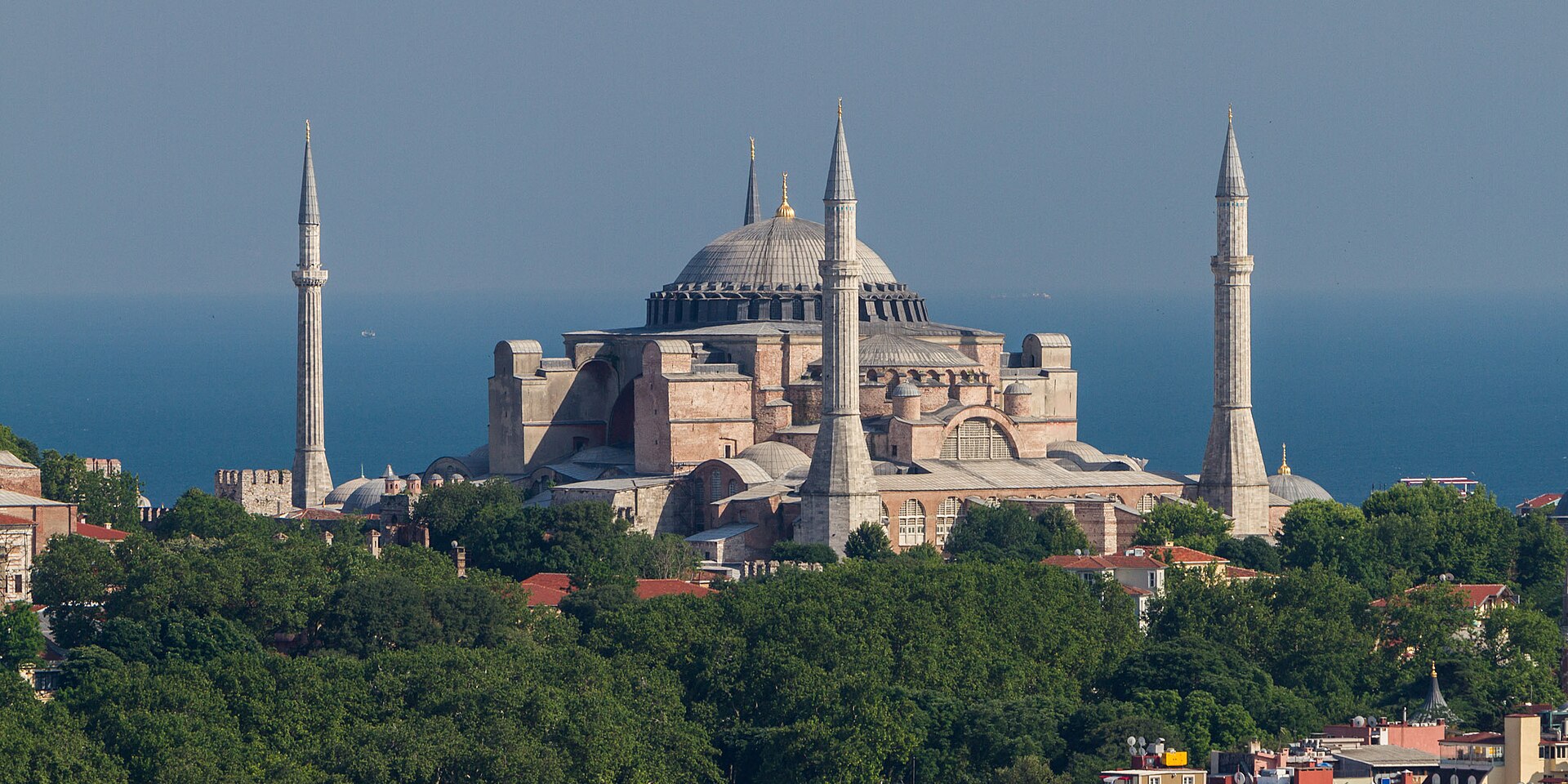
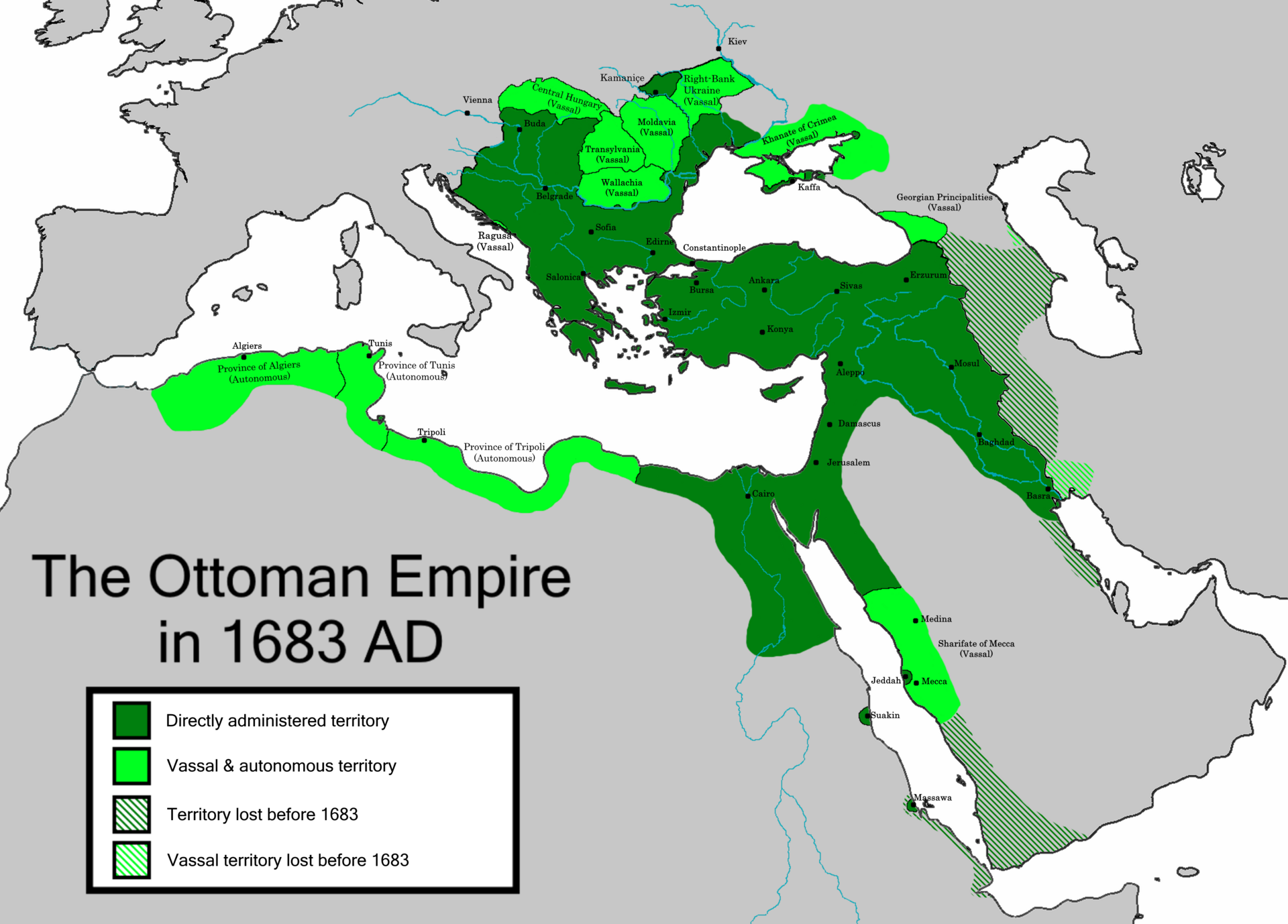
Turkic peoples migrated from Central Asia, and in 1453 the Ottoman Turks captured Constantinople, ending the Byzantine Empire. Over the following centuries the Ottomans built one of history's great empires, spanning the Middle East, North Africa, and southeastern Europe, before a long decline ended with defeat in the First World War.
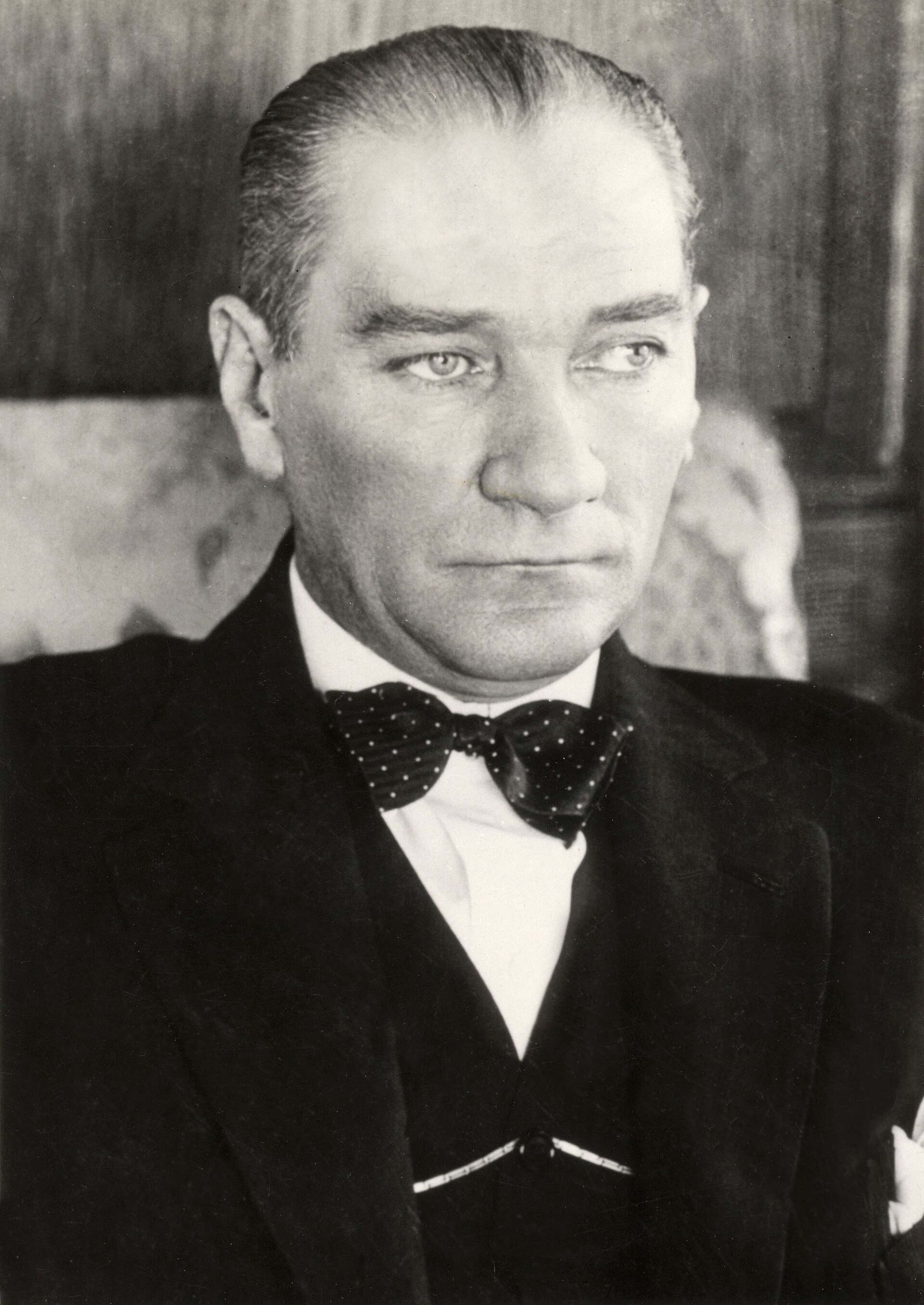
Out of the empire's collapse, Mustafa Kemal Ataturk led a war of independence and in 1923 founded the Republic of Turkey, sweeping away the sultanate and the caliphate. His reforms remade Turkey as a secular, Western-facing nation-state, changing its alphabet, dress, and laws in a single transformative generation.
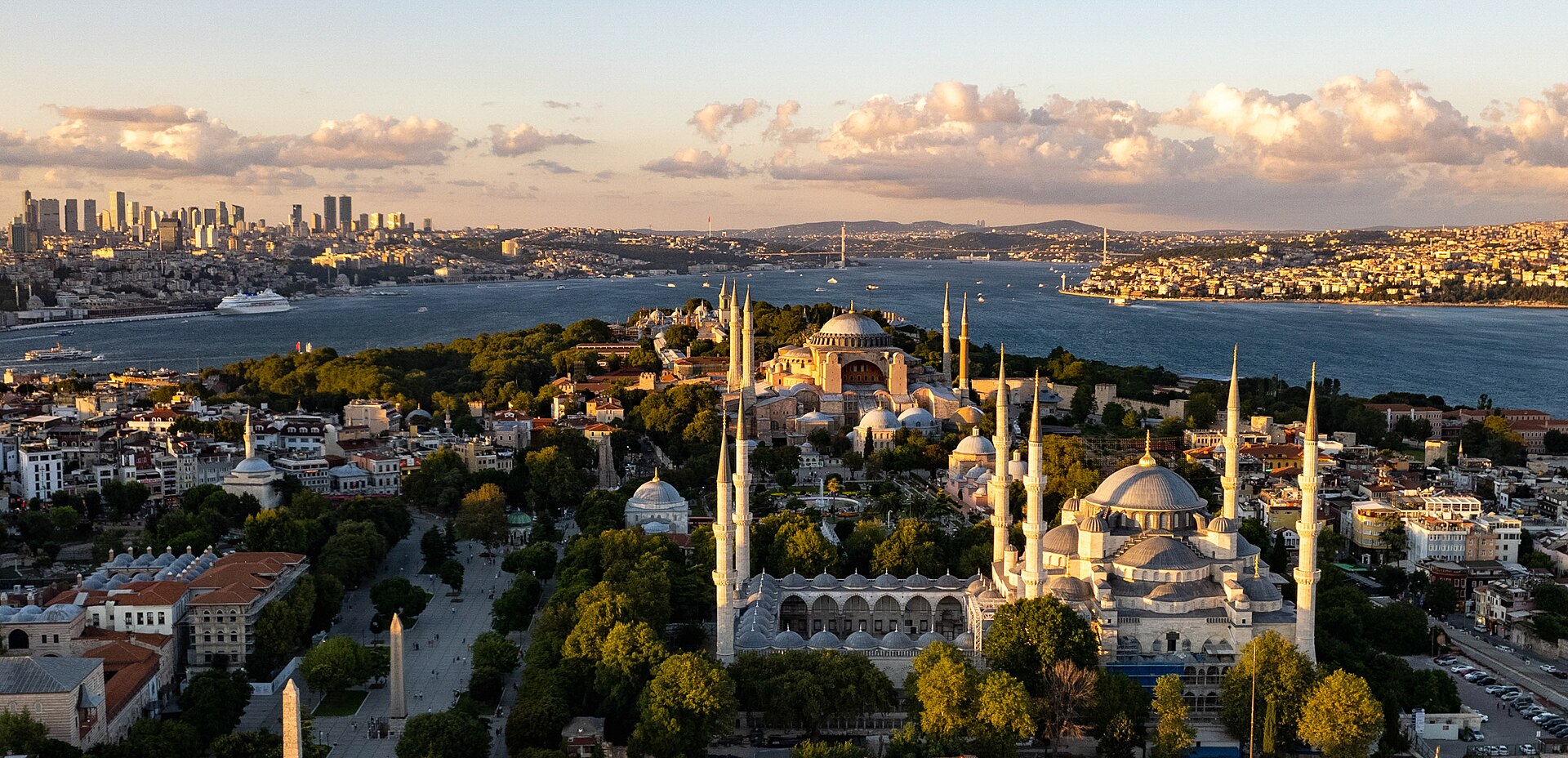
Most of Turkey is the high, semi-arid Anatolian plateau, ringed by mountains and edged by fertile coasts on the Aegean, Mediterranean, and Black Seas. The land is geologically active and prone to powerful earthquakes. It holds remarkable landscapes, from the fairy-chimney rock formations of Cappadocia to Mount Ararat in the east. The straits of the Bosphorus and Dardanelles, running through Istanbul, link the Black Sea to the Mediterranean and divide Europe from Asia.
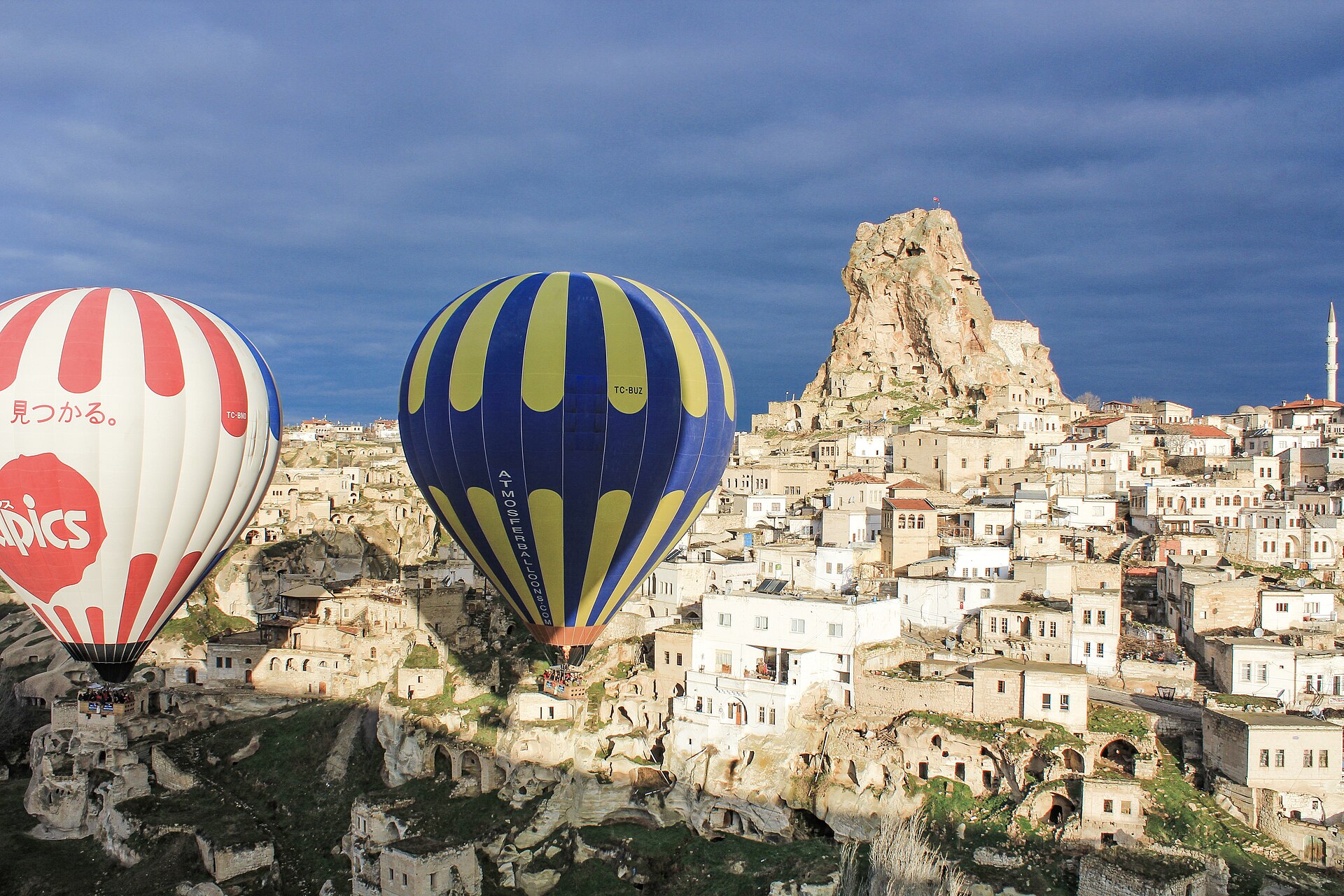
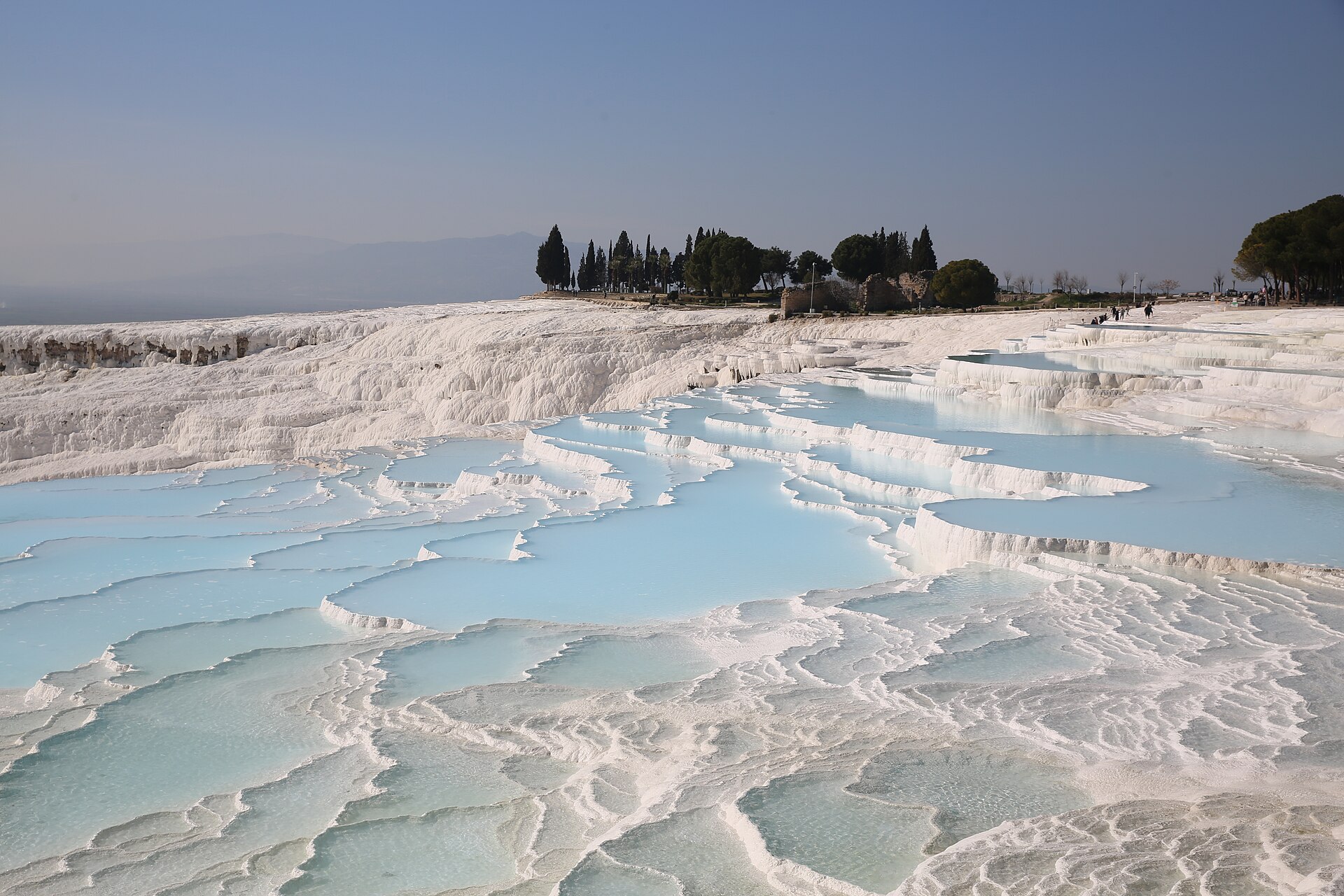
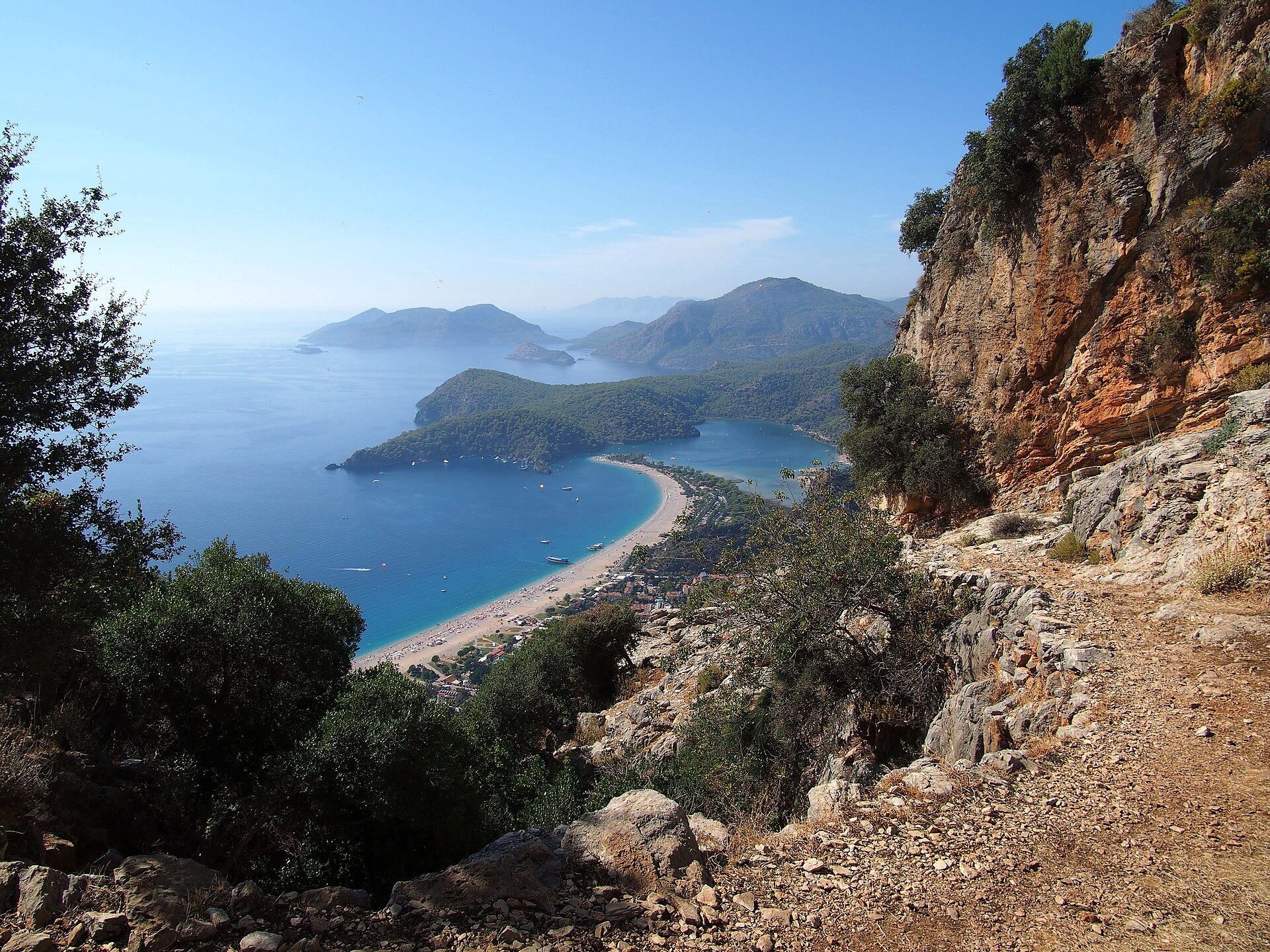
Turkey is a presidential republic. Founded as a parliamentary state by Ataturk, it shifted to a strong executive presidency after a 2017 referendum, concentrating power in the office of the president. The military, long the self-appointed guardian of secularism, intervened in politics several times in the twentieth century, including a failed coup attempt in 2016. A member of NATO since 1952, Turkey is a pivotal regional power, though its long-sought membership of the European Union has stalled.
Turkey has a large, diversified economy spanning manufacturing, textiles, vehicles, construction, agriculture, and a vast tourism industry. Istanbul, its largest city, is the commercial heart, a megacity of some sixteen million straddling Europe and Asia. The economy has grown rapidly at times but has been dogged by high inflation and currency instability in recent years, a recurring strain on living standards.
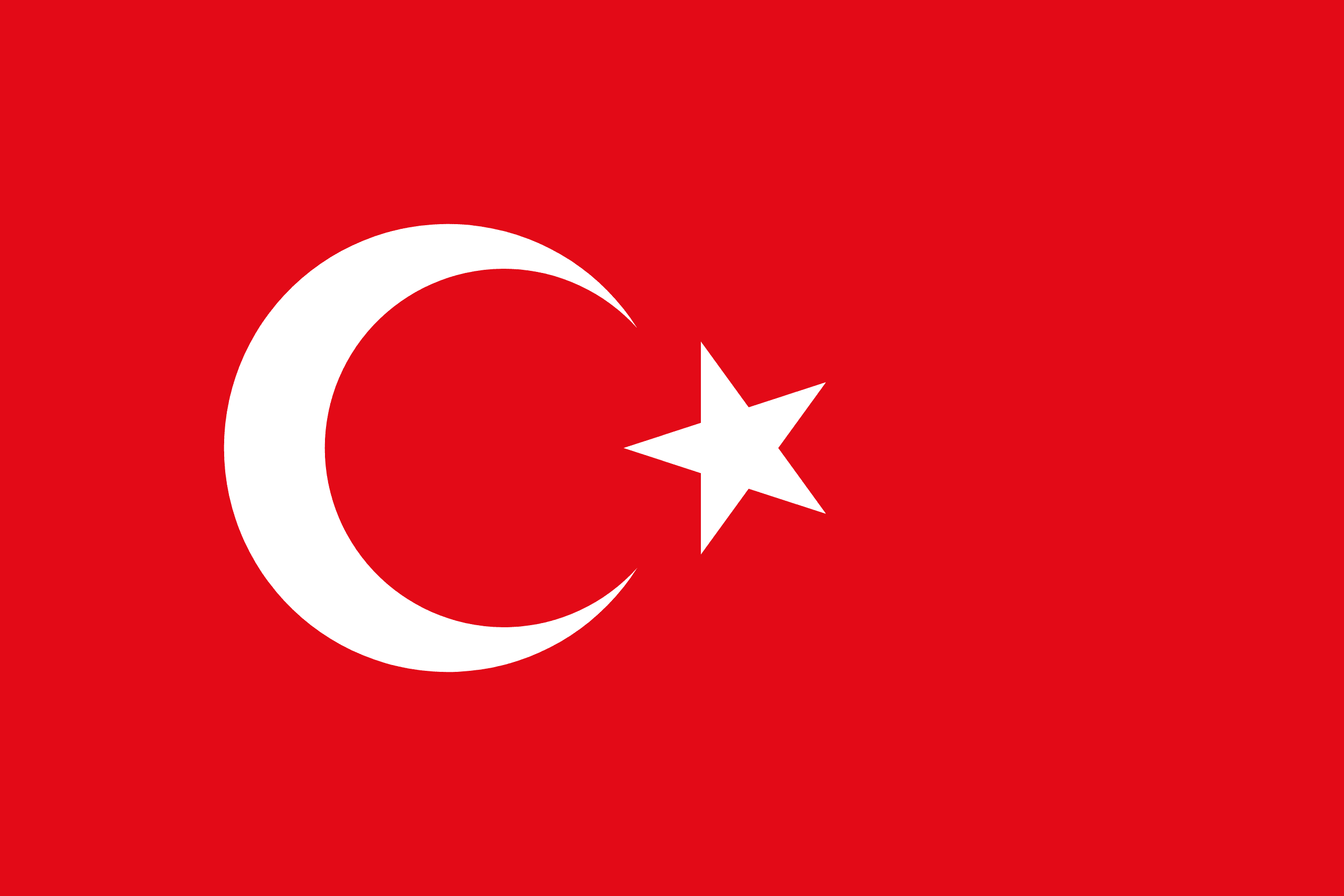
The flag of Turkey is a red field bearing a white crescent moon and a five-pointed star. The crescent and star are long associated with Islam and with the Ottoman Empire, from which the modern flag is inherited. Bold and simple, the red banner is a powerful national symbol, and many stories, mostly legendary, have grown up to explain the origin of its crescent and star.
The great majority of Turks are Muslims, predominantly Sunni, and Islam has deep historical roots in the land. Yet modern Turkey was founded as a secular republic, in which the state and religion were formally separated as part of a sweeping programme of reform. The balance between this secular tradition and a more publicly religious politics has been one of the central tensions of the country's modern life. Istanbul remains dotted with both grand mosques and ancient churches.
Turkish cuisine is one of the world's great culinary traditions, drawing on Ottoman, Mediterranean, Middle Eastern, and Central Asian roots. Grilled meats, the many forms of kebab, mezze platters of small dishes, stuffed vegetables, and rich pastries like baklava are all central. Bread accompanies nearly every meal, yogurt appears in countless dishes, and strong tea and thick Turkish coffee are woven into daily social life across the country.
Turkey is a major agricultural producer, largely self-sufficient in food, with farming spread across its varied regions. It is the world's leading producer of hazelnuts and a major grower of wheat, cotton, tea, figs, apricots, and many fruits and vegetables. The fertile coastal plains and river valleys are intensively cultivated, while the dry interior grows grain and raises livestock. Agriculture remains an important employer and a significant part of the export economy.
Turkish culture sits at the meeting point of East and West, blending Anatolian, Ottoman, Islamic, and modern European influences. It is famous for its hospitality, its bazaars and bathhouses, its music and dance, and its globally popular television dramas. Football is a national passion, and Turkish coffee and tea anchor a rich social life of long conversation.
Turkey faces several deep and contested questions. The status of its large Kurdish minority, and the decades-long conflict with Kurdish militants in the southeast, remains unresolved and sensitive. The balance between the country's secular founding and a more assertively religious and conservative politics divides society. Turkey is also entangled in the long dispute over Cyprus, divided since 1974, and its bid to join the European Union has stalled amid disagreements over democracy and human rights.
The fall of Constantinople to the Ottomans in 1453 is often taken to mark the end of the Middle Ages and reshaped the balance between Europe and the Islamic world. At its height the Ottoman Empire was among the most powerful states on Earth. After its defeat in the First World War, Mustafa Kemal Ataturk led a war of independence and in 1923 founded the modern Turkish Republic, transforming it into a secular, modernising nation-state.
Turkey has a population of around 85 million people, most of them ethnic Turks, with a large Kurdish minority concentrated in the southeast whose status has long been a sensitive issue. The population is young by European standards and increasingly urban. Istanbul, straddling Europe and Asia, is one of the largest cities in the world and the country's cultural and economic engine, while Ankara on the Anatolian plateau is the capital.