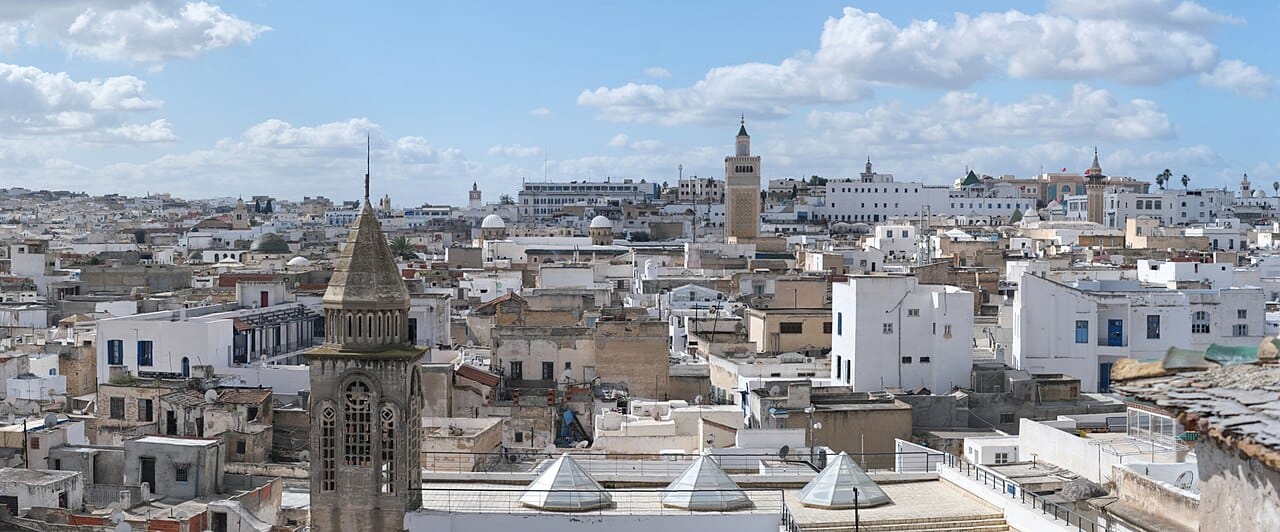
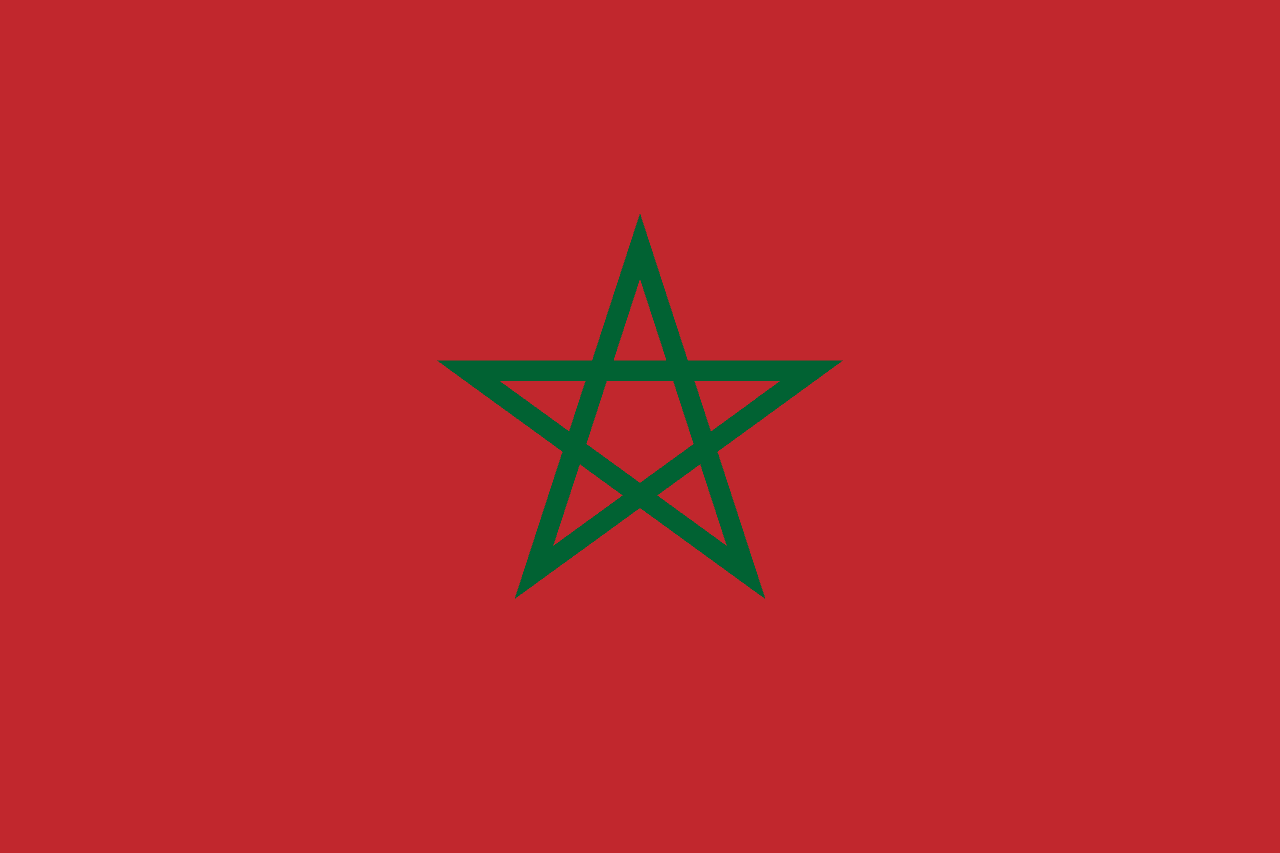
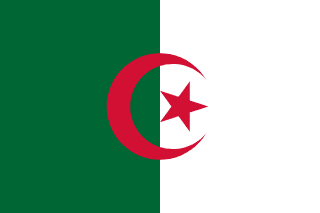
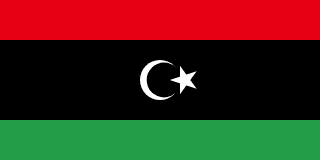
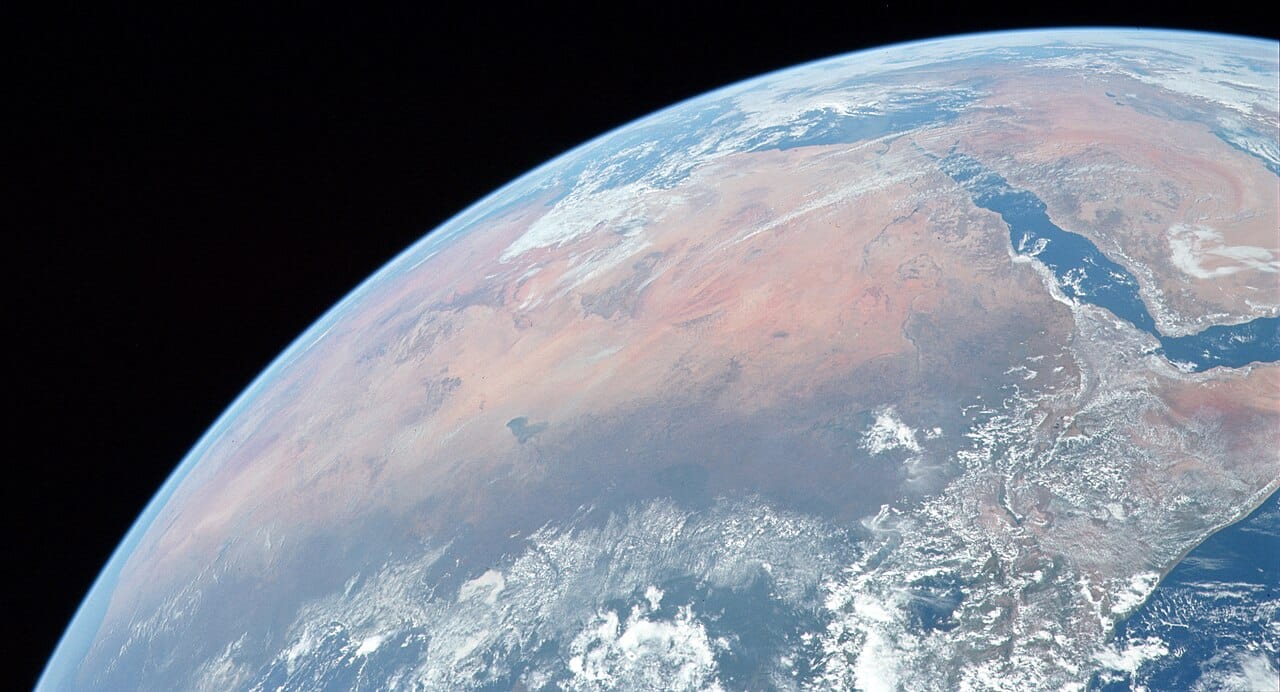
Tunisia is the northernmost country in Africa, on the Mediterranean coast between Algeria and Libya, where the continent reaches closest to Europe. A small nation of beaches, olive groves, and the edge of the Sahara, it has a history reaching back to the great city of Carthage, the rival of Rome, and through Roman, Arab, and Ottoman ages. In modern times Tunisia stood out as a relatively progressive and stable Arab state, and it was here that the wave of uprisings known as the Arab Spring began.
Few small countries have been at the centre of world events as often as Tunisia. It was the seat of the power that came closest to destroying Rome, one of the great centres of early Islam, a prize fought over by Habsburgs and Ottomans, and, in 2010, the place where the Arab Spring began.
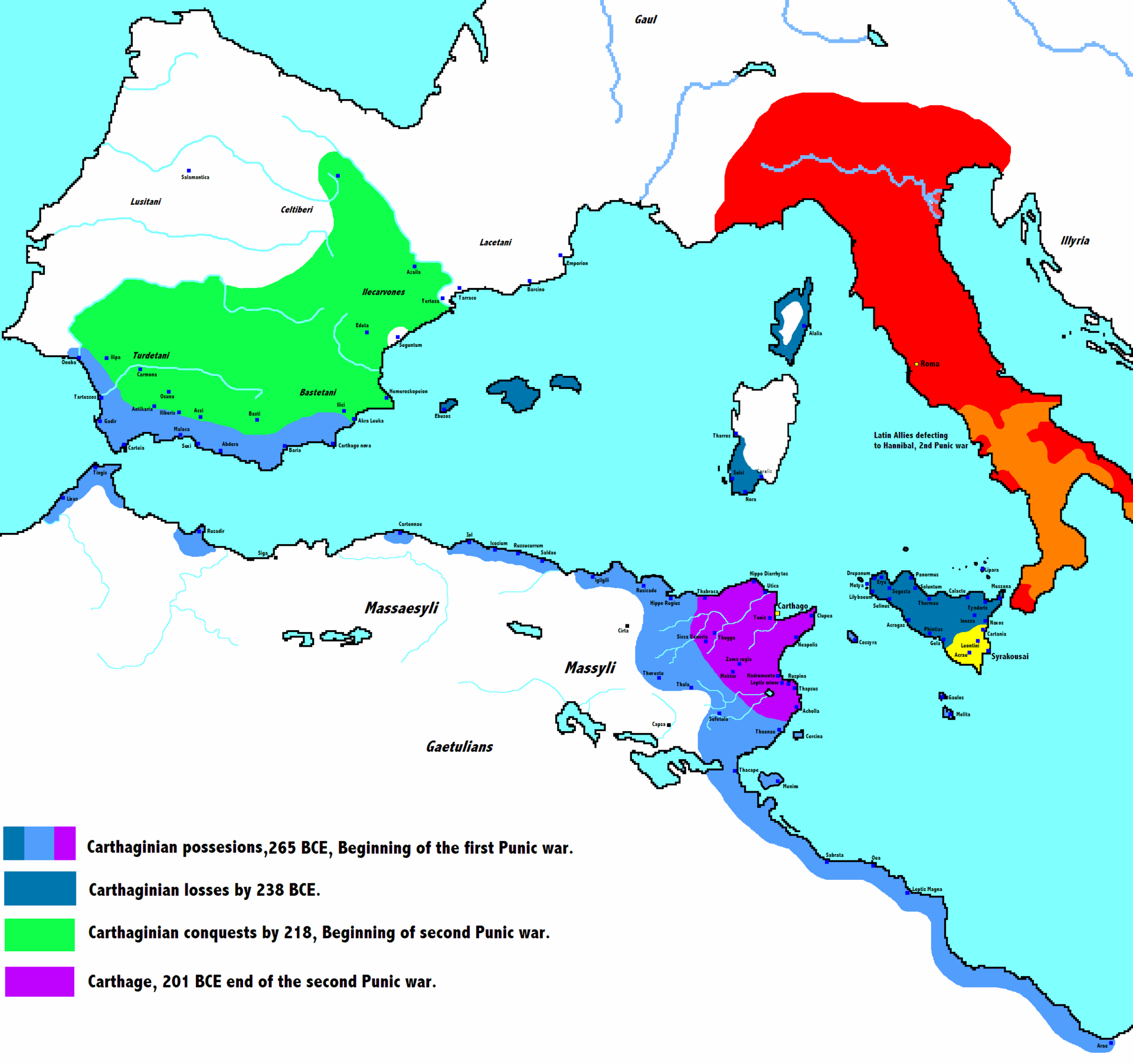
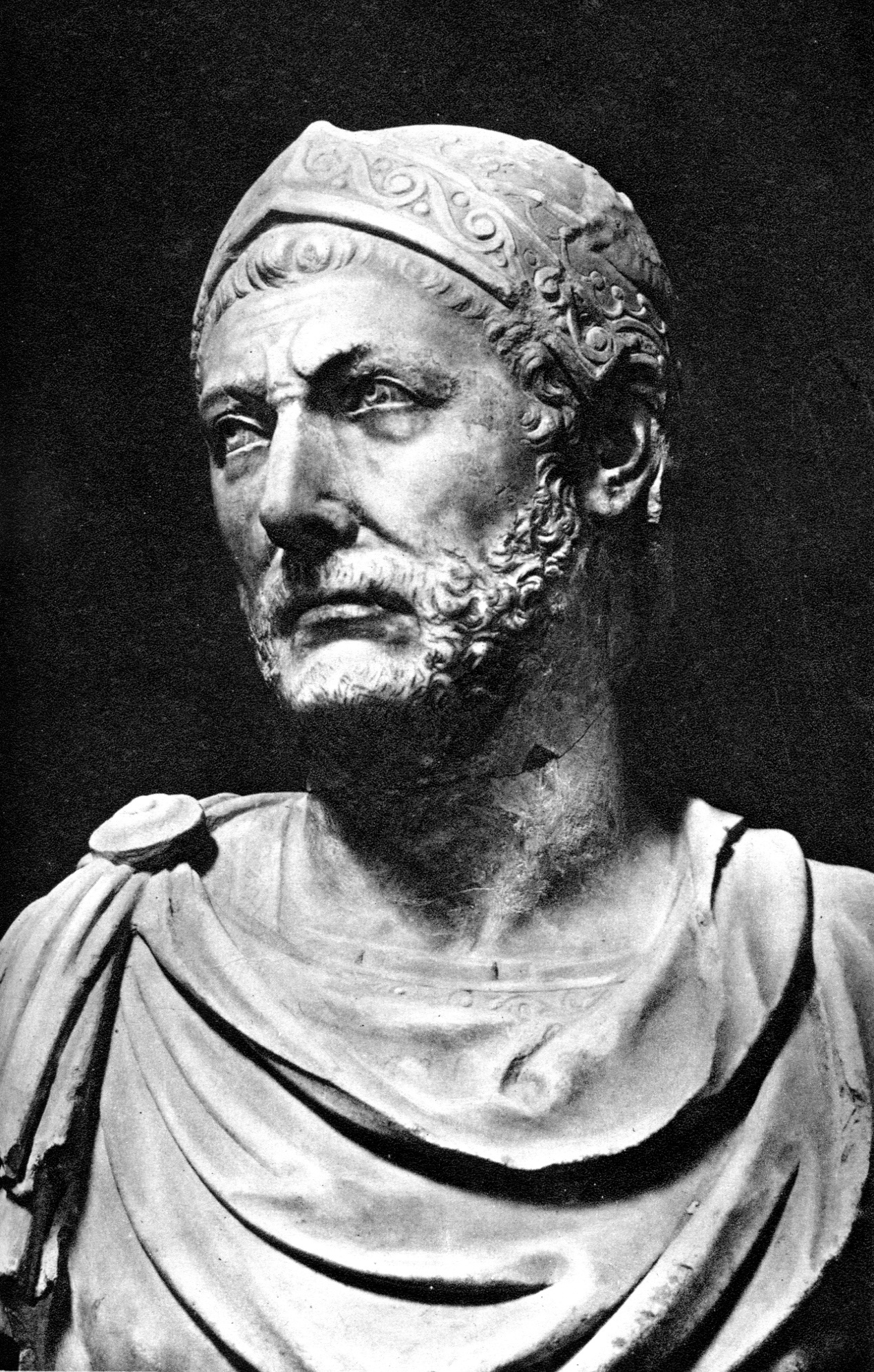
Phoenician traders from what is now Lebanon founded Carthage on the Gulf of Tunis, by tradition in 814 BC, and it grew into the dominant maritime power of the western Mediterranean, with colonies and trading posts from Sicily to Spain and beyond the Strait of Gibraltar. Its rivalry with Rome produced the three Punic Wars, in the second of which Hannibal marched an army with elephants over the Alps and spent fifteen years in Italy without being decisively beaten, winning at Cannae one of the most studied victories in military history before being recalled and defeated at Zama. In 146 BC Rome razed Carthage to the ground. A century later it rebuilt the city as a Roman colony, and Roman Africa became one of the wealthiest provinces of the empire, the granary that fed Rome and the home of writers such as Apuleius and of Christian thinkers including Tertullian and Cyprian.
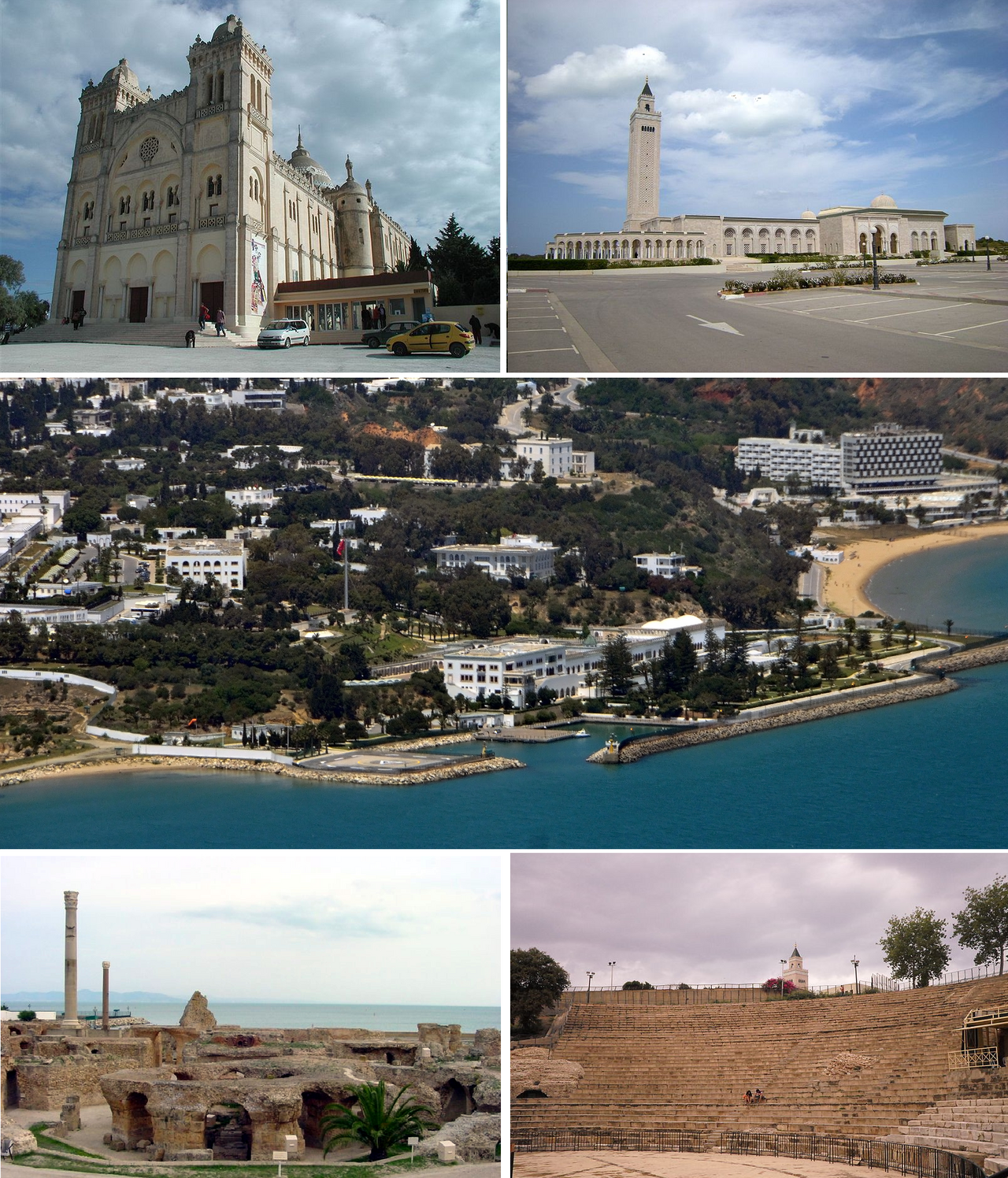
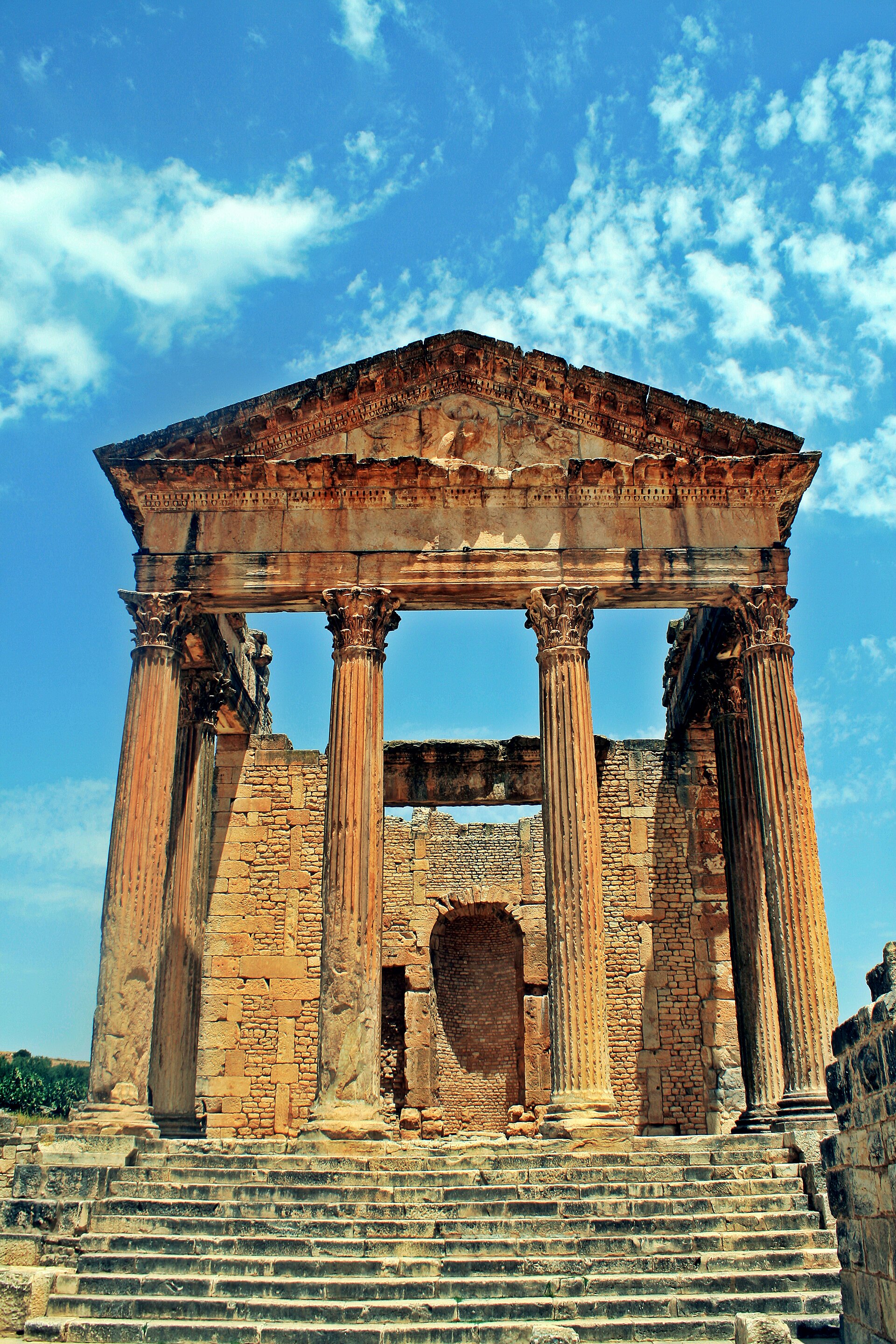
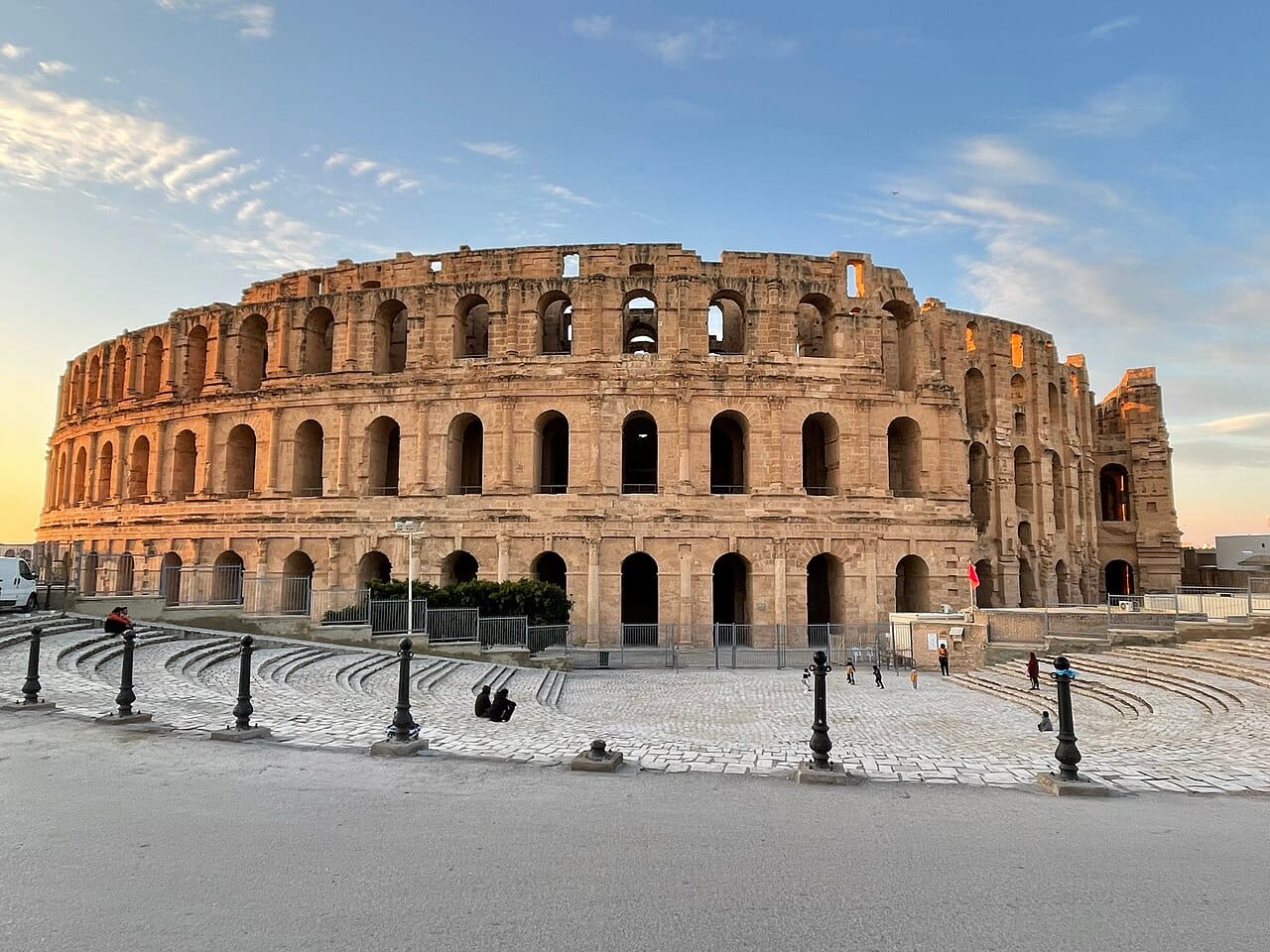
Roman Africa was rich, and it built accordingly. The province was dense with cities that put up theatres, baths, aqueducts, and amphitheatres on a scale that startles visitors who expect the ruins of the empire to be confined to Italy. Dougga, in the northern hills, is among the best preserved Roman towns anywhere, and the amphitheatre at El Djem, raised in the third century in a place that is now a modest town, is one of the largest ever built, seating a crowd far bigger than the town could ever have held. The wealth came from grain and olive oil, and the olive groves planted in that period still shape the landscape.
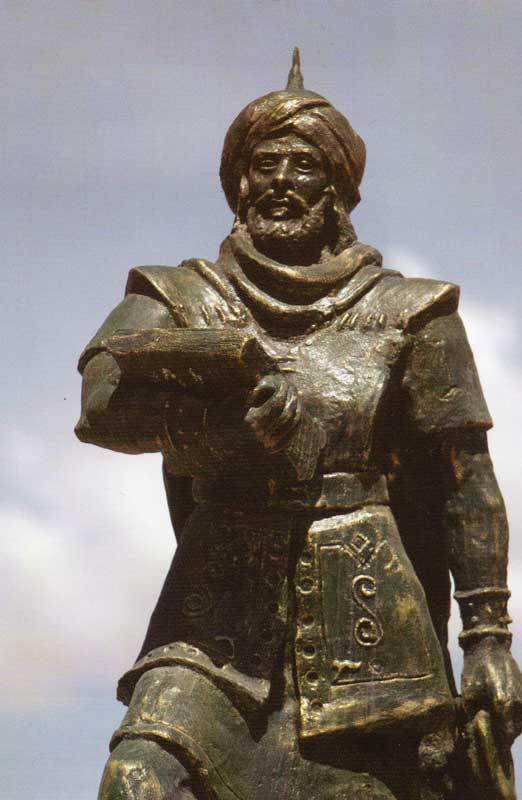
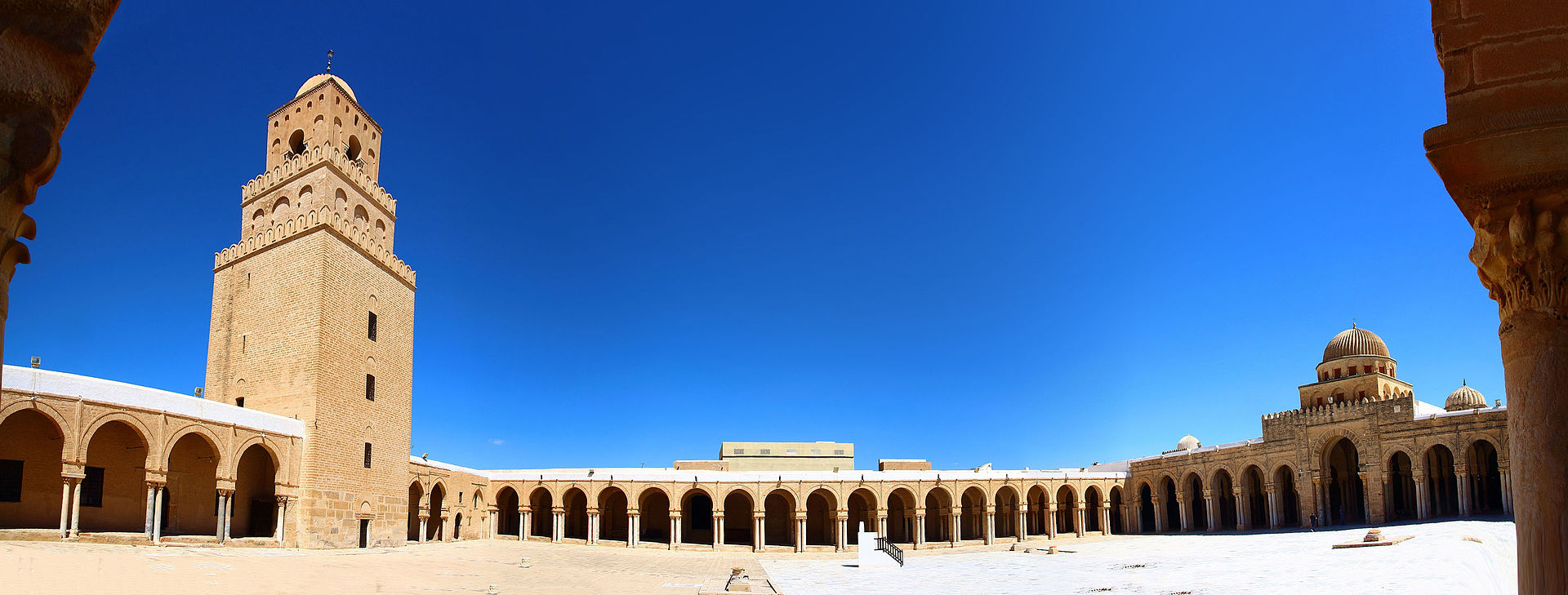
Arab armies reached the region in the seventh century, and in 670 the general Uqba ibn Nafi founded Kairouan as a garrison town in the interior, deliberately away from the Byzantine-held coast. It became the first great centre of Islam in the Maghreb and one of the most important cities of learning in the Muslim world, and its Great Mosque, rebuilt in the ninth century under the Aghlabid dynasty, set the architectural pattern for mosques across North Africa and into Spain. Kairouan is regarded as one of the holiest cities in Islam. Under the Aghlabids and later the Fatimids and Zirids, Ifriqiya, the Arabic name that preserves the Roman one and eventually gave the whole continent its name in European languages, was a prosperous and cultured state.
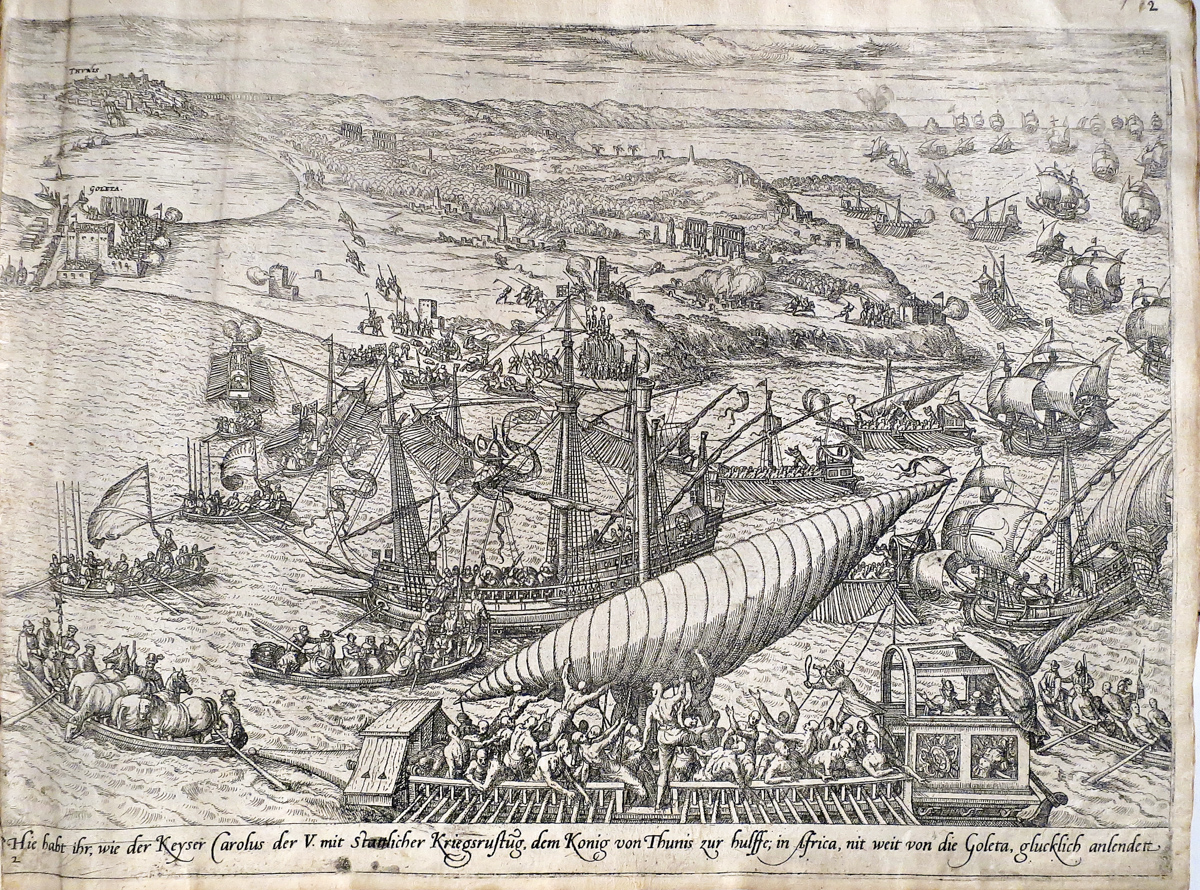
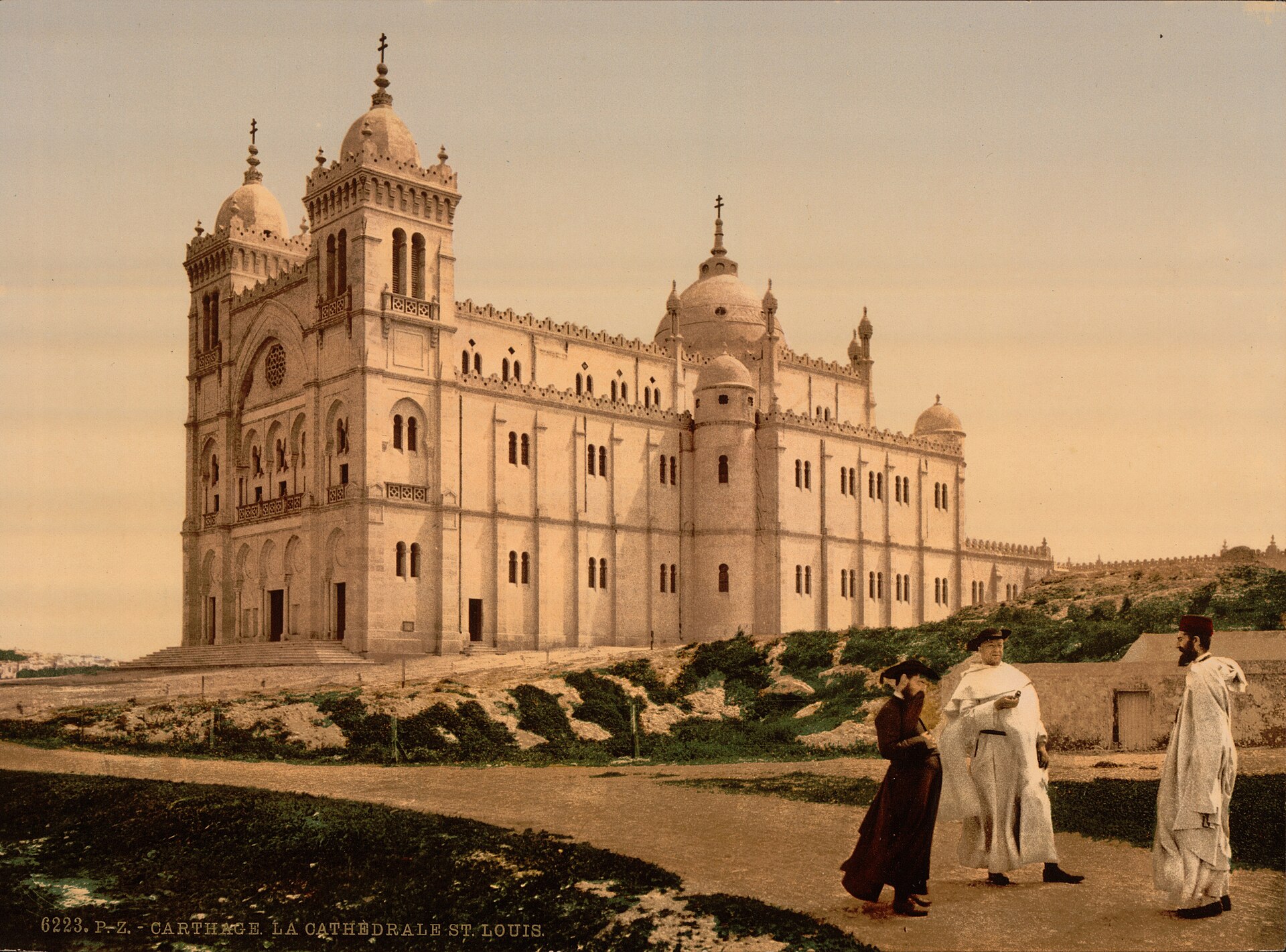
By the sixteenth century the Tunisian coast had become a front line between the Ottoman Empire and Habsburg Spain, and Tunis changed hands more than once amid the wider struggle for the Mediterranean. The Ottomans prevailed, and Tunisia was governed as a province with growing autonomy, eventually under the hereditary Husainid beys, who ruled from the early eighteenth century until the middle of the twentieth. Corsairing out of the North African ports was a major part of the regional economy and preyed on European shipping for centuries. In the nineteenth century the beys attempted an ambitious programme of modernisation, promulgating in 1861 the first constitution in the Arab world, but the debts it ran up gave France its opening, and in 1881 Tunisia became a French protectorate. Independence came in 1956 under Habib Bourguiba, and the monarchy was abolished the following year.
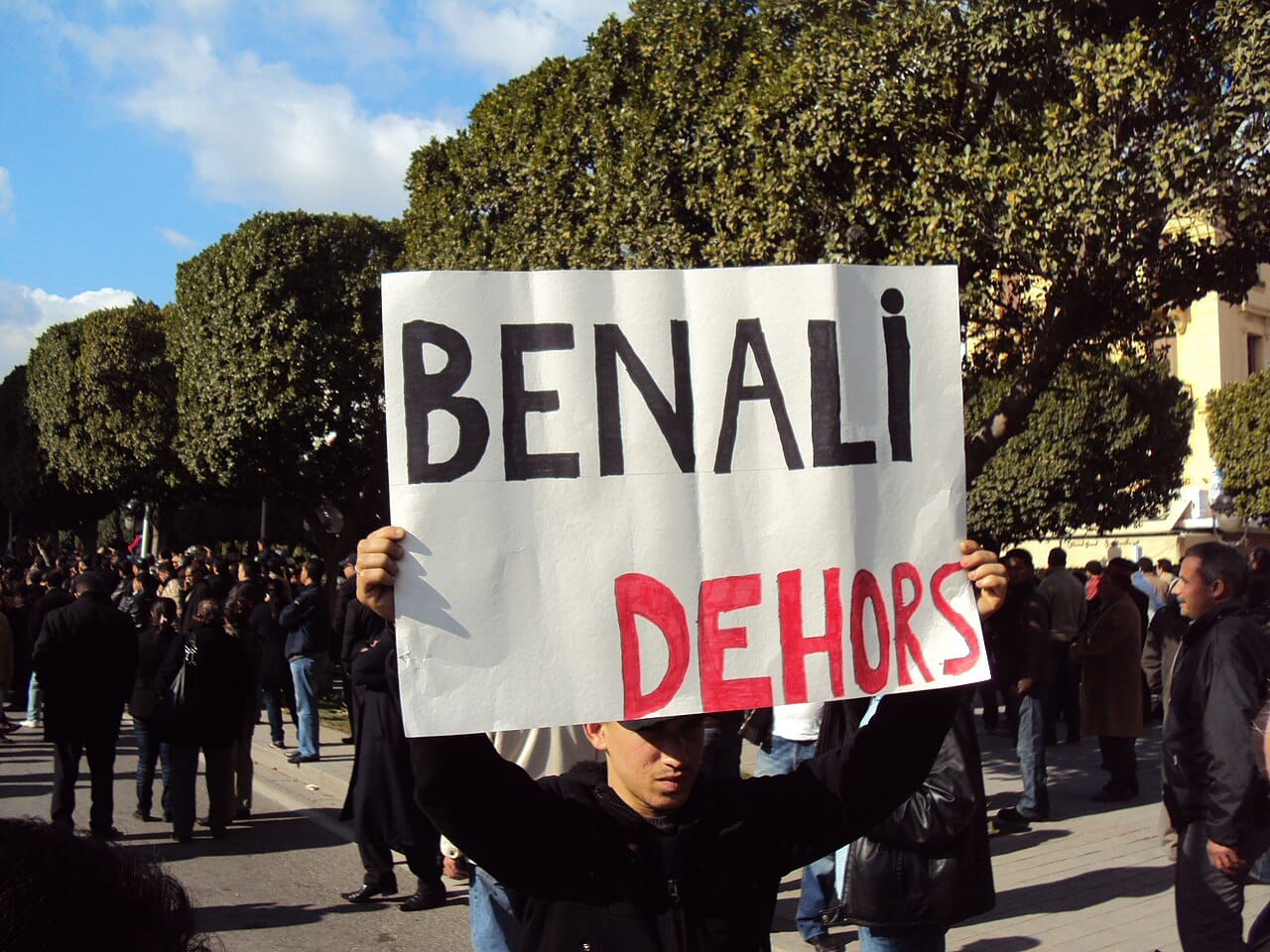
Bourguiba governed for thirty years and pushed through social reforms that had no equal in the Arab world at the time. The Code of Personal Status of 1956 abolished polygamy outright, ended divorce by repudiation and put it before the courts, and set a minimum age of marriage; education was expanded rapidly and made secular. He also made himself president for life and tolerated no opposition. In 1987 his prime minister, Zine El Abidine Ben Ali, removed him on grounds of senility and ruled for twenty-three years over a police state that was praised abroad for its stability and economic figures while suppressing dissent at home.
In December 2010 a street vendor named Mohamed Bouazizi set himself alight in the provincial town of Sidi Bouzid after his goods were confiscated. The protests that followed spread across the country, the army declined to fire on them, and on 14 January 2011 Ben Ali fled to Saudi Arabia. The Tunisian revolution set off uprisings across the Arab world. Alone among them, Tunisia produced a functioning democracy: a broad constitution in 2014, a peaceful handover between elected governments, and a Nobel Peace Prize in 2015 for the quartet of civil society bodies that brokered the settlement when it nearly collapsed.
Tunisia is small, roughly the size of England and Wales together, but it packs in a striking range. The north is Mediterranean in every sense: hills and valleys watered by the country's only significant river, the Medjerda, cork oak forests near the Algerian border, and a long indented coastline. The eastern arm of the Atlas Mountains, known here as the Dorsale, runs diagonally across the country and marks the boundary between the wetter north and the dry interior. South of it lie steppe and the great olive plains around Sfax, then a belt of vast salt flats, the chotts, of which Chott el Djerid is the largest in the Sahara and shimmers with mirages when dry. Beyond them the Sahara proper begins, with dune fields, oases such as Tozeur and Douz, and the troglodyte dwellings around Matmata that were used as film locations for Tatooine in Star Wars. Cape Angela, on the northern coast, is the northernmost point of the African continent, and the island of Djerba lies off the southeastern shore.
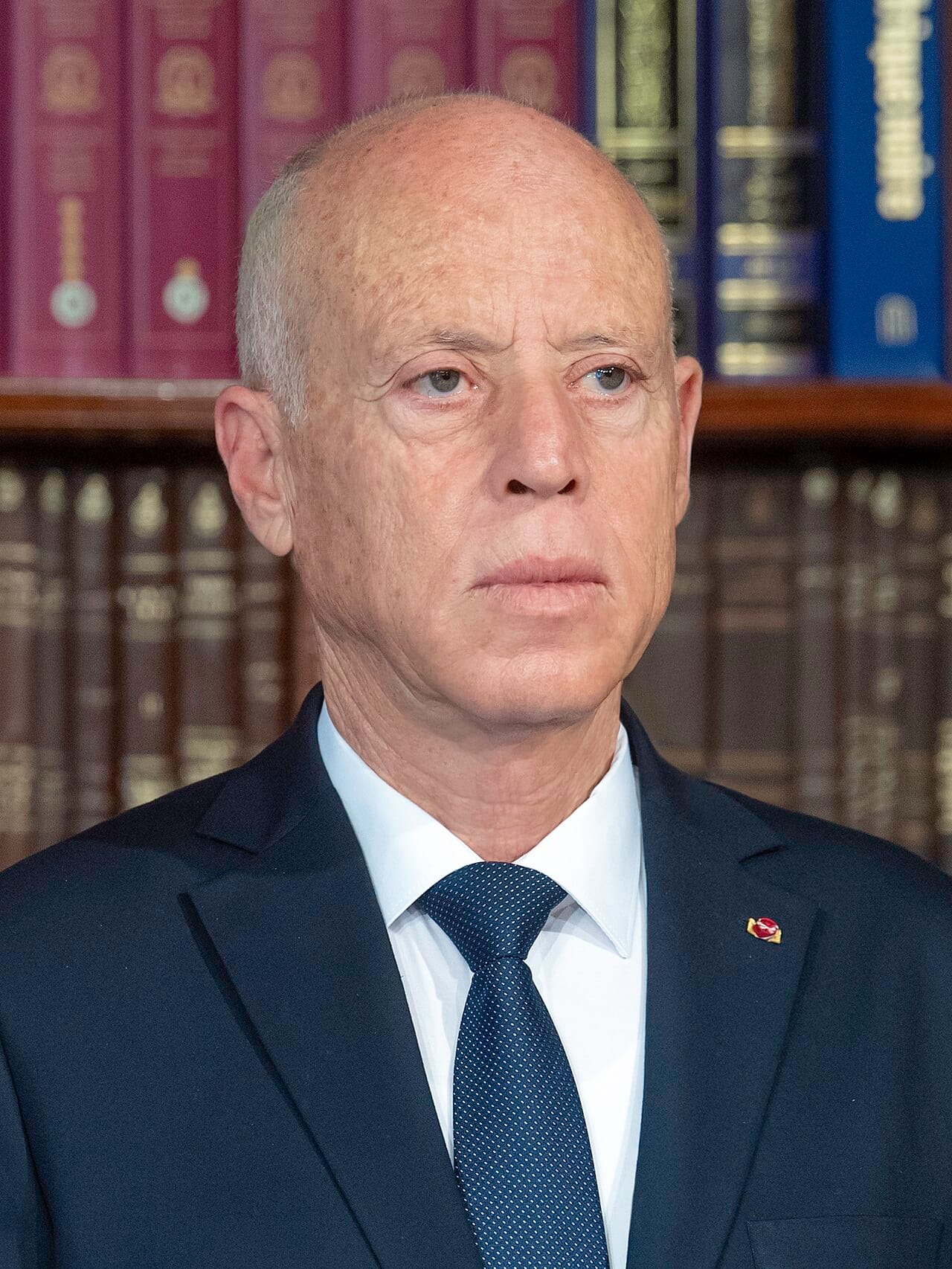
Tunisia is a republic whose constitutional order has been remade twice in a decade. The democratic constitution of 2014 created a mixed system dividing power between an elected president, a prime minister, and a strong parliament. In July 2021, President Kais Saied, a constitutional law professor elected as an outsider in 2019, invoked an emergency article to dismiss the government and suspend parliament, then ruled by decree, dissolved the assembly, replaced the judicial oversight council, and put a new constitution to a referendum in 2022 that concentrated power in the presidency and was approved on a turnout of under a third. He was re-elected in October 2024 in a contest from which most serious challengers had been excluded. A state of emergency, in force since 2015, was extended again in January 2026.
Tunisia's economy is more diversified than most in the region, resting on manufacturing for European markets, above all textiles, car parts, and electrical components, alongside phosphates, olive oil, and tourism. It has been in difficulty for most of the period since the revolution. Growth has been weak, unemployment high and concentrated among the young and the educated, and public debt heavy; the pandemic cut off tourism at the worst moment, and the war in Ukraine raised the cost of the wheat and fuel the state subsidises. Negotiations with the International Monetary Fund over a support programme stalled when the government rejected the conditions attached, and the country has since financed itself by other means, including borrowing domestically and from friendly states. Emigration, both legal and by boat across the Mediterranean, has risen with the strain, and Tunisia has become a major departure and transit point for migration to Europe, which has made it the object of migration deals with the European Union that are themselves domestically contentious.
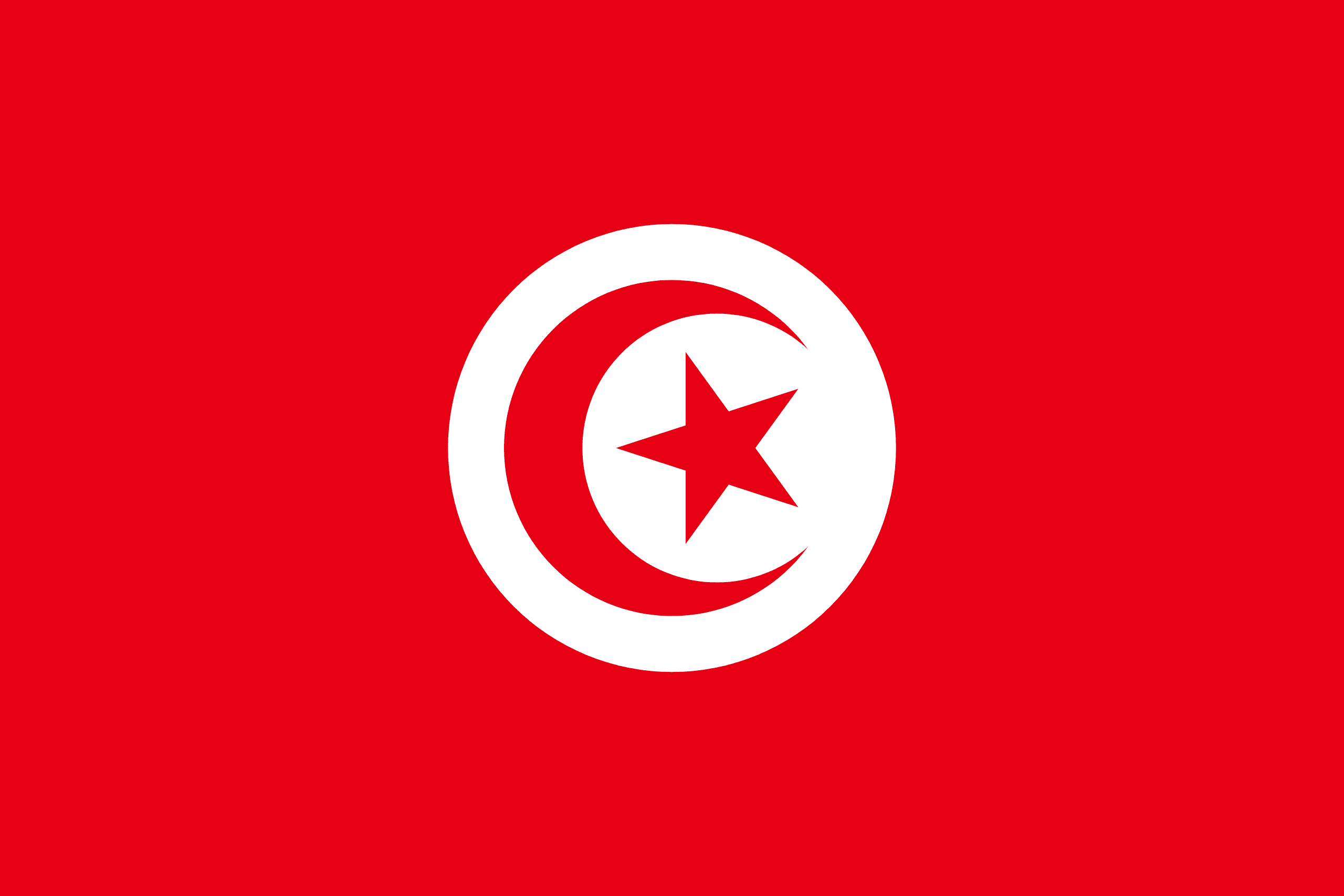
The flag of Tunisia is red, with a white circle in the centre containing a red crescent moon and a red five-pointed star. The crescent and star are traditional symbols of Islam and of the Ottoman world to which Tunisia long belonged, and the red has deep historical associations with the region. The design dates from the nineteenth century, making it one of the older national flags, and it has represented Tunisia through the eras of Ottoman rule, French protection, and independence.
Tunisia is an overwhelmingly Muslim country, with the great majority following Sunni Islam, a faith established since the Arab conquests and central to the nation's identity and culture, and the city of Kairouan ranks among the holiest in Islam. At the same time, Tunisia has long had a reputation as one of the more secular and socially liberal countries in the Arab world, the legacy of reforms after independence. Small Jewish and Christian communities reflect the country's older, more diverse past.
Tunisian cuisine is among the spiciest in North Africa, distinguished by its love of the fiery chili paste known as harissa, which flavours many dishes. Couscous, the steamed semolina served with meat and vegetables, is the national dish, as across the Maghreb, and other favourites include brik, a crisp fried pastry filled with egg and tuna, and rich stews and tagines. Olives and olive oil, seafood from the Mediterranean, and an abundance of fresh vegetables are central to the food.
Agriculture is important to Tunisia, favoured by the fertile, well-watered north. The country is consistently among the world's largest producers and exporters of olive oil, with groves that in places were first planted in antiquity, and olive oil is one of its most valuable exports. Tunisia also grows cereals such as wheat and barley on the Medjerda plains, citrus and other fruits, tomatoes, and the prized deglet nour dates of the southern oases, and it maintains a winemaking tradition inherited from the Carthaginians and continued under the French. The sector is highly exposed to rainfall, and the long droughts of the 2020s emptied reservoirs, forced water rationing, and cut the grain harvest badly in a country that already imports much of what it eats.
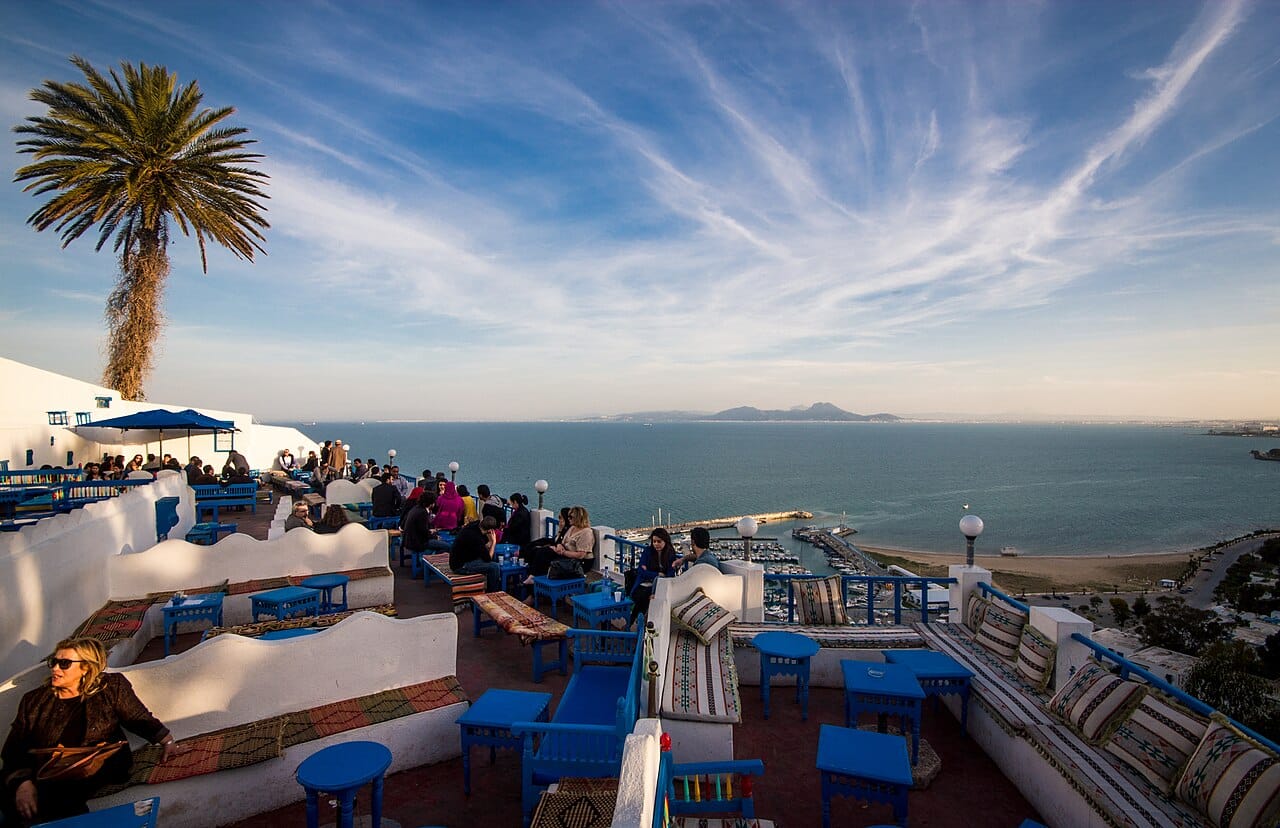
Tunisian culture sits at the meeting point of Berber, Arab, Mediterranean, Ottoman, and French influences, and it wears all of them lightly. The medina of Tunis, a dense maze of covered souks, mosques, and palaces founded in the seventh century, is a UNESCO World Heritage site and still a working commercial quarter rather than a museum. The blue-and-white cliffside village of Sidi Bou Said, above the Gulf of Tunis, has drawn painters and writers for a century and gave the country one of its most reproduced images. Craft traditions are strong, particularly the ceramics of Nabeul, the carpets of Kairouan, and the silver and gold work of Djerba. Malouf, the Andalusian-derived music brought by refugees from Spain, is the classical tradition, and Tunisian cinema and literature have an international reach out of proportion to the country's size, with the Carthage Film Festival among the oldest in Africa and the Arab world.
Tunisia's social character was set largely by the reforms of 1956. Women have had rights in marriage, divorce, and custody unmatched in the region for seventy years, abortion was legalised in 1973, and women make up a large share of university graduates and of the professions. The country remains devoutly Muslim and socially conservative in many respects, and the tension between that and its legal secularism is a live and ordinary part of public argument rather than a crisis.
Tunisia occupies a singular place in modern Arab politics: the country where the 2011 uprisings began, and the only one where they produced a lasting democracy. Between 2011 and 2021 it held free elections, transferred power peacefully between rival parties, wrote a constitution by negotiation between Islamists and secularists, and saw its civil society awarded the Nobel Peace Prize for pulling the transition back from collapse in 2013. What has happened since is argued about in fundamentally different terms by the two sides.
President Kais Saied and his supporters describe 26 July 2021 as a rescue rather than a coup. On that account the decade of pluralist government had produced paralysis, a parliament that traded favours while living standards fell, a political class widely seen as corrupt, and an Islamist party, Ennahda, that many Tunisians blamed for the drift; the emergency measures were taken under an article of the 2014 constitution, the new constitution was put to a referendum, and Saied was re-elected in 2024. Polling in the months after the suspension showed considerable public relief.
Critics, including most Tunisian opposition parties, the judges' association, the powerful UGTT trade union federation, and international human rights organisations, describe the same events as the dismantling of the democracy the revolution won. They point to the dissolution of parliament and of the judicial oversight council, a decree of 2022 criminalising the spread of false information that has been used against journalists and critics, and the prosecution of a wide range of opponents, businesspeople, and lawyers on conspiracy charges, with an appeals court in 2025 imposing sentences running to decades and the opposition figure Abir Moussi jailed. They note that the 2022 referendum passed on a turnout below one third and that the 2024 election excluded the most credible challengers. Saied's public statements about sub-Saharan African migrants in 2023 drew accusations of racial incitement from African and international bodies and were followed by attacks on migrants, which the government rejected as a misreading of his remarks.
Underneath both accounts lies the same economic reality. The revolution delivered political rights and did not deliver jobs, and unemployment among young graduates has remained severe throughout. In July 2026, on the fifth anniversary of the suspension, thousands marched in Tunis demanding the president's resignation, while the state of emergency entered its eleventh consecutive year.
Tunisia has a population of around 12 million, overwhelmingly Arab-Berber and Sunni Muslim, with a strong and unusually homogeneous national identity. Arabic is the official language, spoken locally as Tunisian Arabic, and French remains widespread in business, higher education, and the media as a legacy of the protectorate. A small Amazigh-speaking minority survives in the south and on Djerba, and Djerba is also home to one of the oldest continuously inhabited Jewish communities in the world, whose Ghriba synagogue draws an annual pilgrimage. The population is concentrated in the fertile north and along the coast, above all in Greater Tunis, and in the coastal cities of Sfax and Sousse, while the interior is markedly poorer, a regional imbalance that helped set off the revolution and has not been resolved since. Tunisia is highly educated, with near-universal literacy among the young and one of the region's highest rates of university attendance, and it has one of the lowest birth rates in Africa, the long consequence of the family planning programmes begun in the 1960s.