A procedure in which questions of fact in a legal case are decided by a panel of ordinary people rather than by a professional judge. It is used in a minority of the world's legal systems and is central to the identity of those that have it.
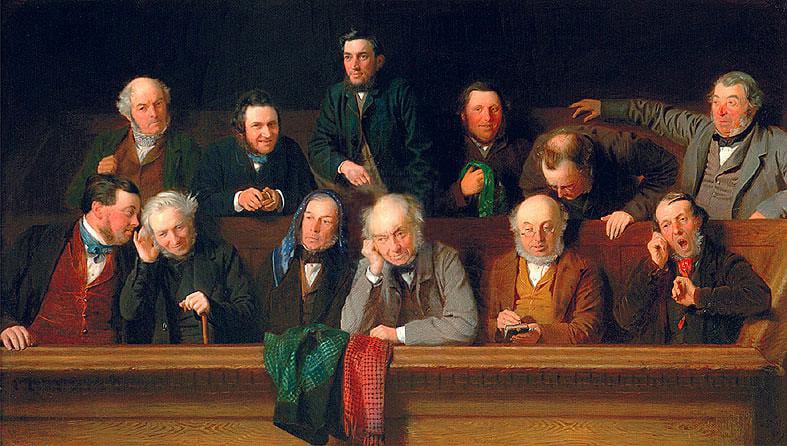
The division of labour is the defining feature. The jury determines facts: what happened, whether a witness is credible, whether the evidence establishes the charge. The judge determines law: what the charge requires, what evidence is admissible, and what sentence follows a conviction.
Juries in criminal trials are typically twelve people, though the number varies. They are selected from the general population, hear the evidence, receive instruction from the judge on the law, and deliberate in private.
They give a verdict without reasons. This is unusual in adjudication and is deliberate: the absence of a reasoned judgement is what makes a jury's decision difficult to appeal on its merits and what protects deliberation from scrutiny.
Bodies of local men were used in Anglo-Saxon and Norman England to report facts to the crown, initially as witnesses who already knew the matter rather than as impartial hearers of evidence.
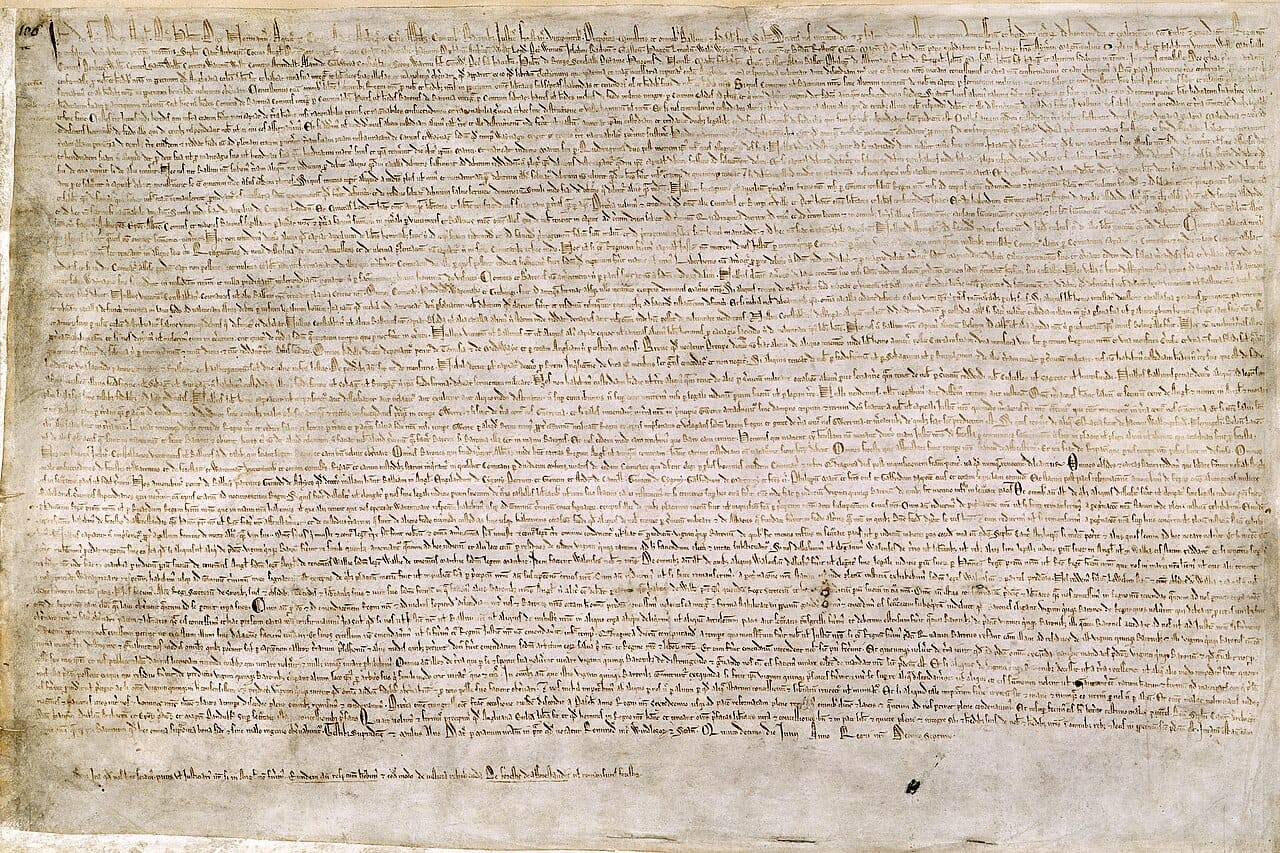
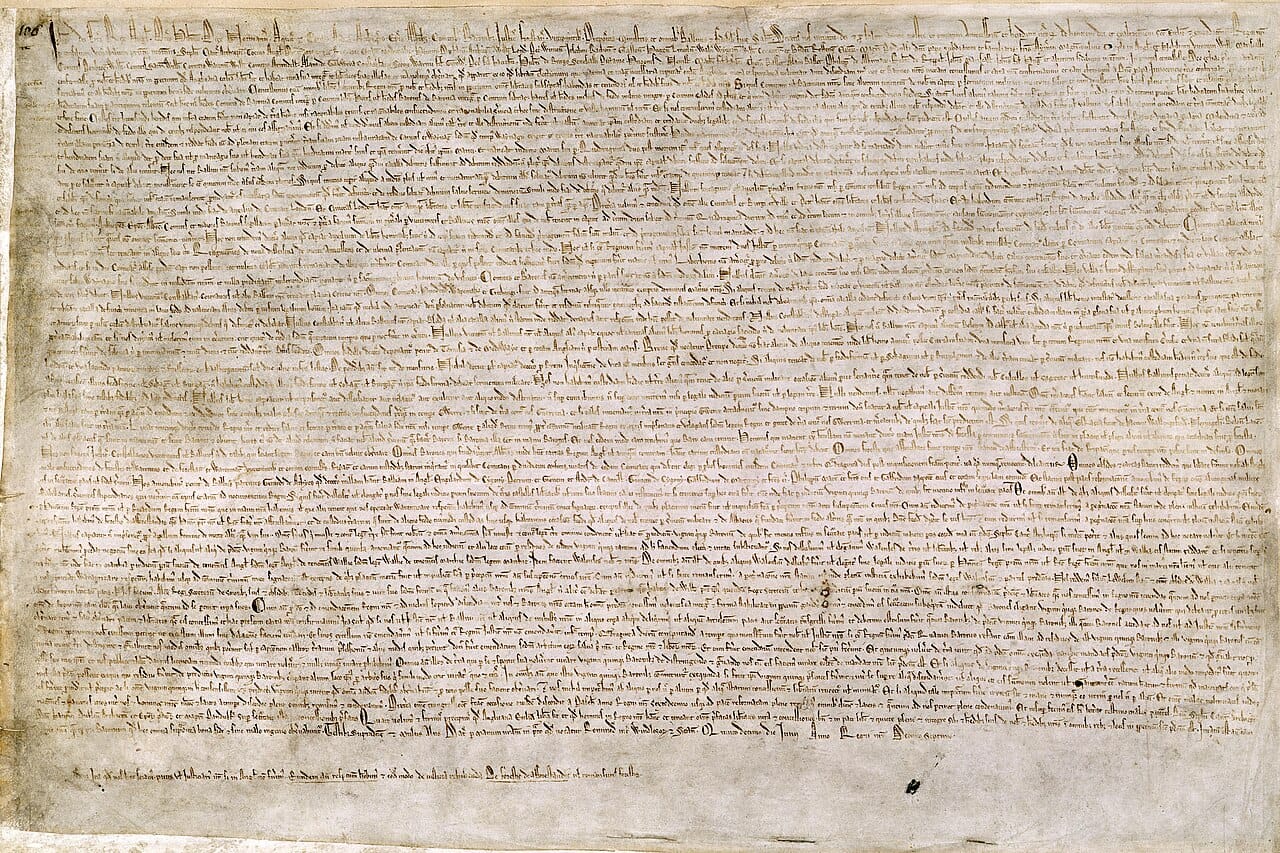
Magna Carta in 1215 promised that no free man would be seized, imprisoned or dispossessed except by the lawful judgement of his peers or by the law of the land. The clause did not create the jury in its modern form and it became the text most often cited for it.
The same year, the Fourth Lateran Council prohibited clergy from participating in trial by ordeal, which removed the divine verdict that ordeals were held to deliver. Jury trial expanded into the gap.
Two later cases fixed the jury's independence. In Bushel's Case in 1670, jurors who acquitted William Penn against the judge's direction were imprisoned for it, and the court held that jurors could not be punished for their verdict. That established that a jury's decision is genuinely its own.
Jury trial is characteristic of common law systems, and it is not universal even within them.
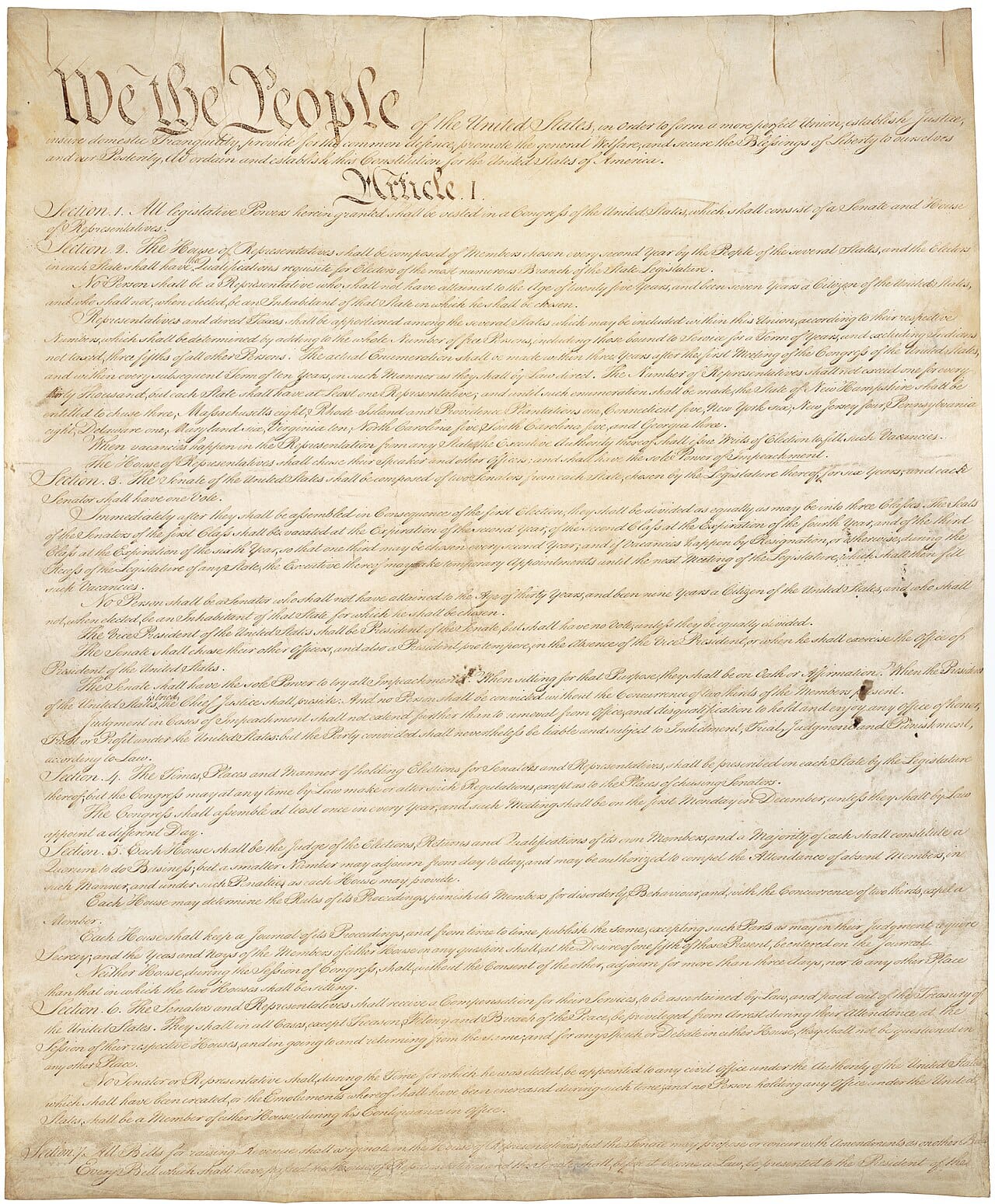
The United States uses juries most extensively, including in civil cases, a right preserved by the Sixth and Seventh Amendments. England and Wales retain them for serious criminal cases and have largely removed them from civil trials other than a few categories such as defamation. Canada, Australia, New Zealand, Ireland and many former British territories retain them for serious crime.
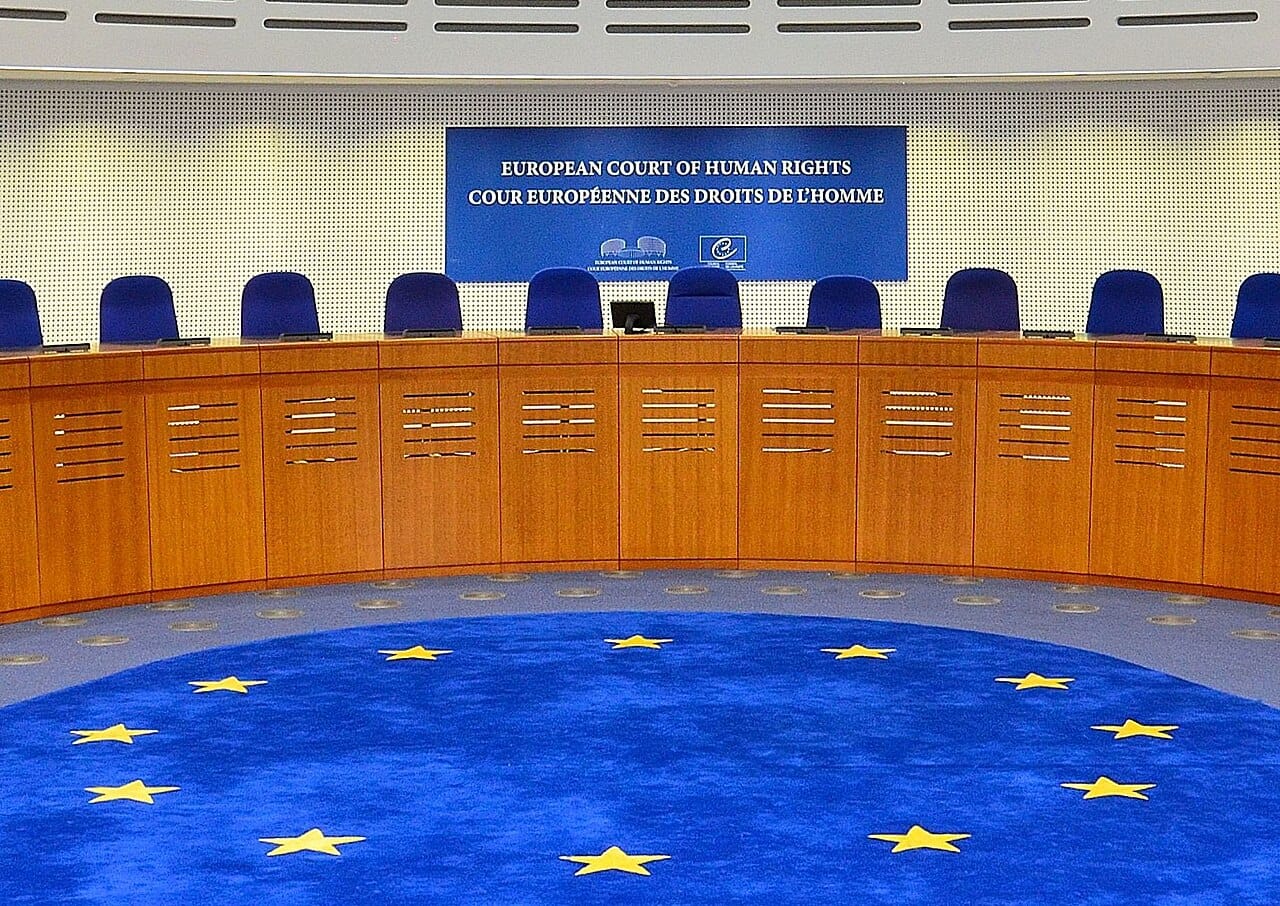
Most civil law systems, which cover the majority of the world's population, do not use juries in the common law sense. Some use lay judges or mixed panels in which lay members and professional judges deliberate together, an arrangement found in Germany, France and Japan, which introduced a mixed panel system in 2009.
Even where the right exists, most cases do not reach a jury. The overwhelming majority of criminal matters in the United States and England conclude by guilty plea, so jury trial governs the system by setting the terms on which cases are negotiated rather than by deciding most of them.
For. It places the state's power to punish in the hands of citizens rather than officials, so a conviction requires ordinary people to be persuaded. It brings community standards into the application of law. It provides a check against unjust prosecution, since a jury may acquit against the evidence and cannot be compelled to explain itself.
Against. Juries may struggle with complex technical or financial evidence. They are susceptible to presentation and to the same biases as anyone else, including in the assessment of witness credibility, which research on eyewitness memory has shown to be unreliable. They are expensive and slow. And the absence of reasons means an unjust verdict is difficult to identify or correct.
Jury nullification, in which a jury acquits despite the evidence because it rejects the law or its application, is the sharpest illustration of the trade. It has been used to refuse convictions under laws regarded as unjust, and it has also been used historically to acquit defendants in racially motivated killings.
Trial by jury is the mechanism by which a legal system delegates its gravest decisions to people with no legal training and no accountability for the outcome. Whether that is a safeguard or a defect is a genuine and long-running disagreement, and legal systems have reached different conclusions rather than converging.