Tonga is a Polynesian kingdom in the South Pacific, an archipelago of more than 170 islands lying south of Samoa and east of Fiji. It holds a special place in the region as the only Pacific island nation never to have been formally colonised, keeping its ancient monarchy through the whole era of European empire. A deeply traditional and devoutly Christian society, proud of its kings and chiefs, Tonga was once the centre of a far-reaching maritime empire and remains one of the strongholds of Polynesian culture and identity.
Tonga's history is unique in the Pacific: a sacred kingdom of great antiquity that met the Europeans, embraced Christianity, and yet was never colonised, carrying its monarchy unbroken into the present.
Tonga was settled around three thousand years ago and developed a powerful chiefly society under a line of sacred rulers, the Tu'i Tonga, whose influence at its height extended across a wide expanse of the central Pacific in what is sometimes called the Tongan maritime empire. From their seat on Tongatapu, the Tu'i Tonga drew tribute from distant islands, and monuments such as great stone tombs and the trilithon gateway of Ha'amonga 'a Maui still testify to the reach of that old order.
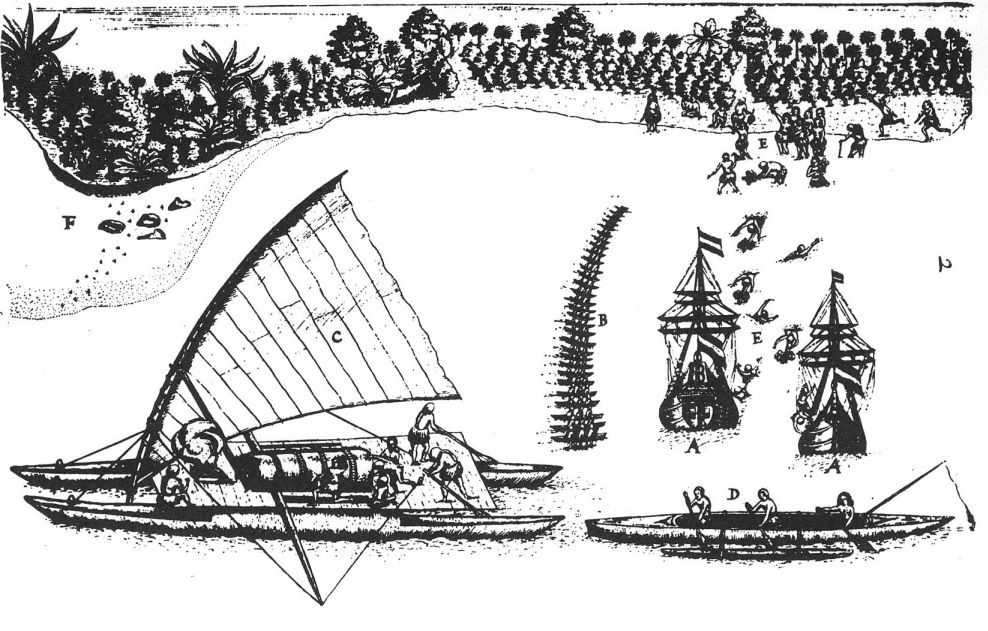
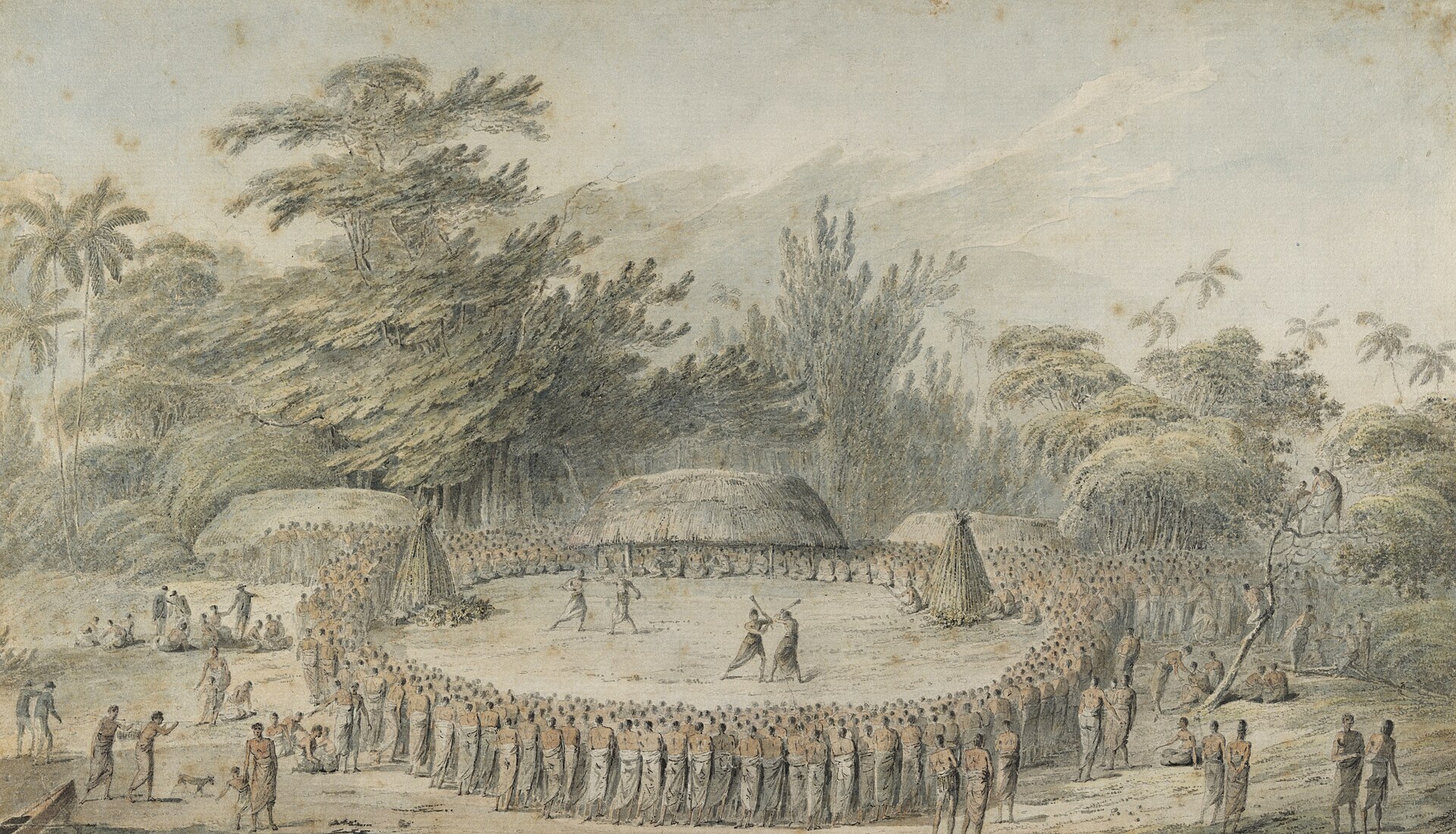
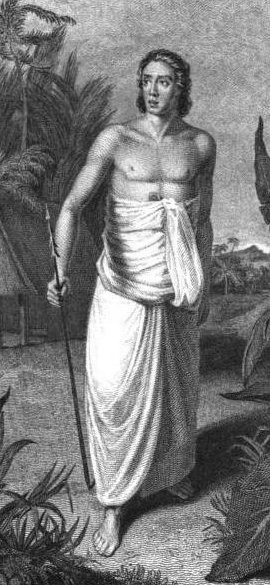
Europeans reached Tonga in the seventeenth and eighteenth centuries, beginning with the Dutch navigator Abel Tasman in 1643 and, most famously, Captain James Cook, who was so warmly received that he named the archipelago the Friendly Islands. In these years a young English sailor, William Mariner, was taken captive and lived for years among the Tongans, and the account of his time there gave the outside world one of its first detailed windows into the kingdom.
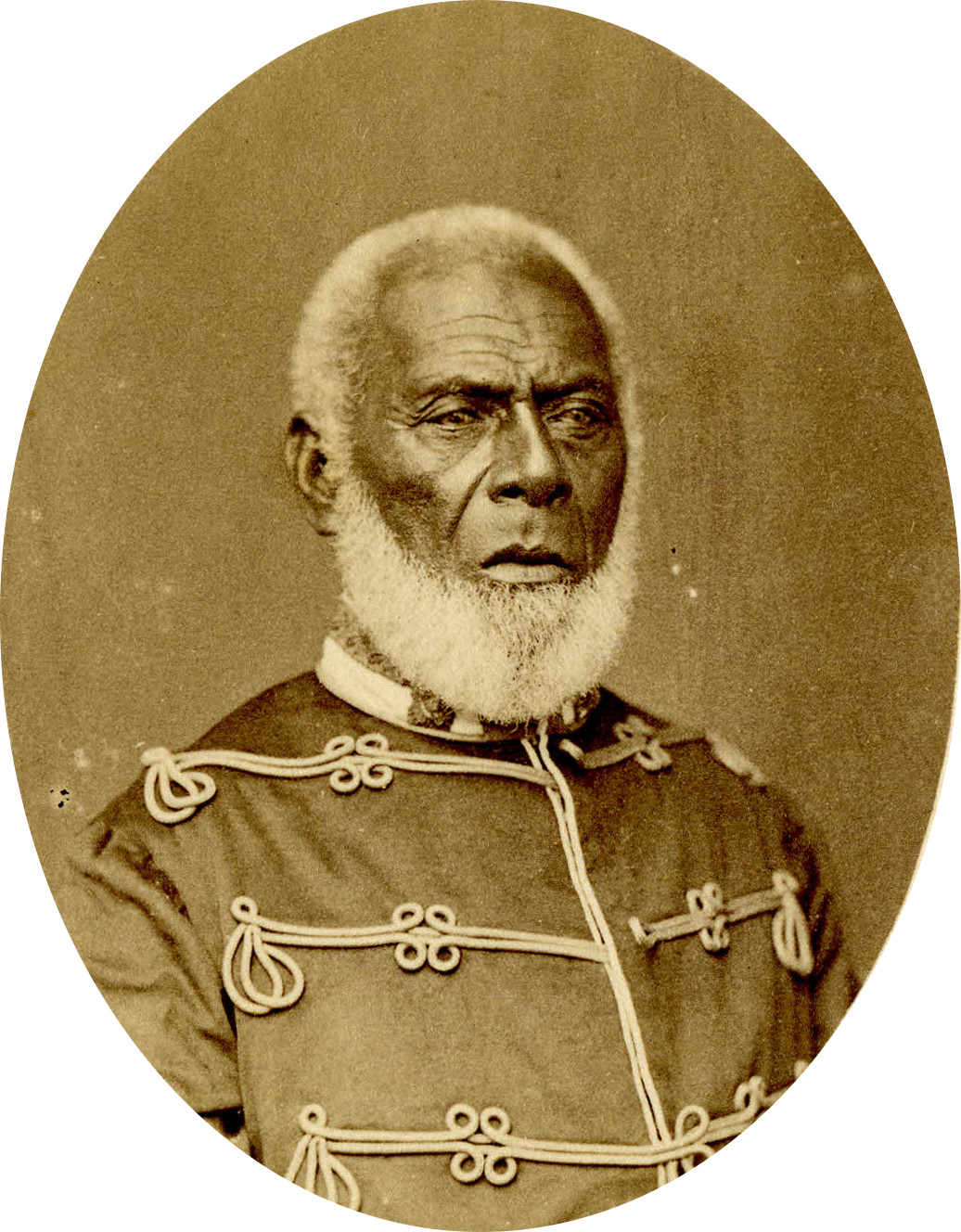
In the nineteenth century, amid war among rival chiefs, the warrior Taufa'ahau converted to Christianity, united the islands, and founded the modern dynasty as King George Tupou I. Through shrewd diplomacy, a written constitution granted in 1875, and a treaty of friendship with Britain, he secured Tonga's survival as a sovereign kingdom through the age of empire, so that it alone in the Pacific was never formally colonised.
Tongan tradition holds that the first Tu'i Tonga, named 'Aho'eitu, was the son of the sky god Tangaloa and a mortal woman, founding a sacred dynasty that descended from the heavens. This origin story, passed down through generations of oral history, served to legitimise the rulers' sacred authority. While it reflects genuine traditions about the early Tu'i Tonga line, the divine descent and the precise early history are matters of myth and oral tradition rather than verifiable record, and scholars treat the details with caution.
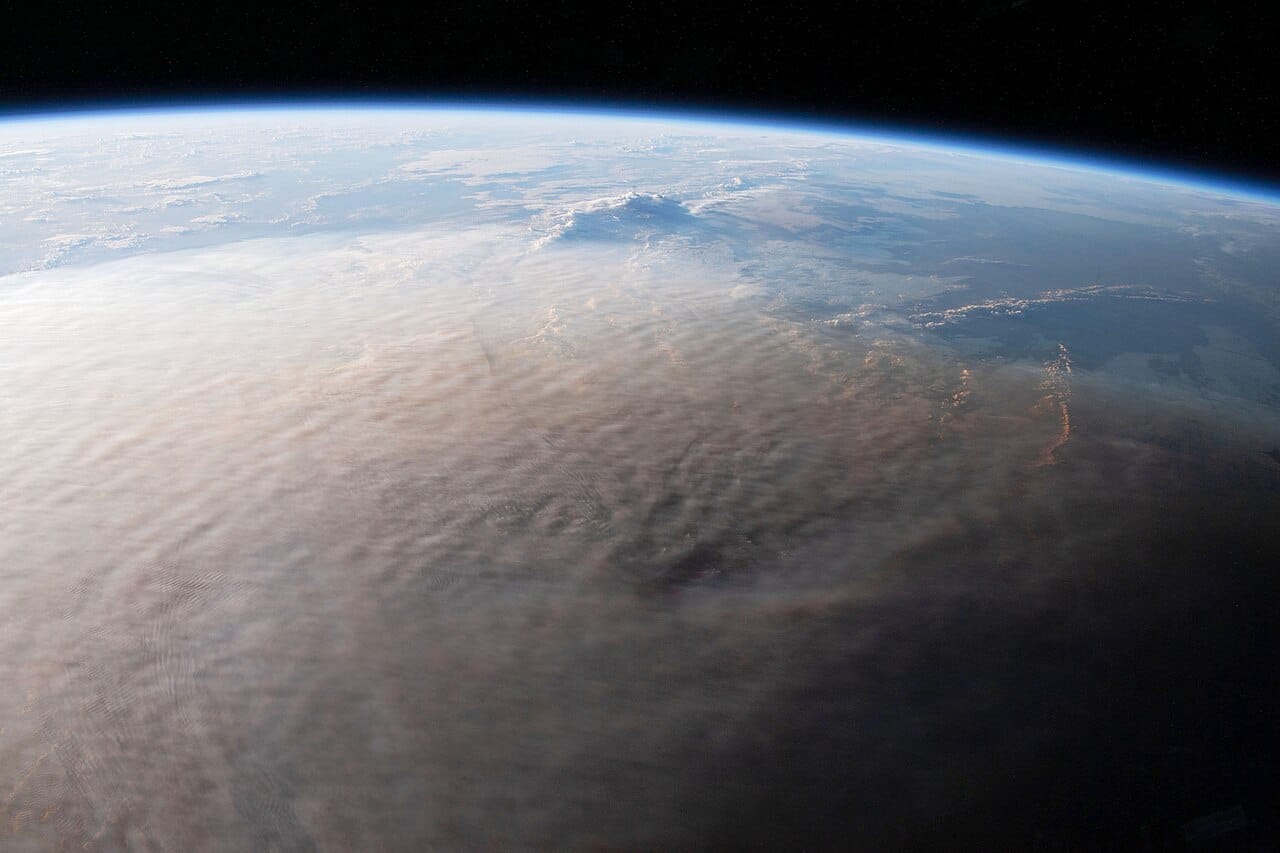
Tonga consists of more than 170 islands, of which only a few dozen are inhabited, arranged in groups running roughly north to south. Some islands are low and flat, built of coral, while others are higher and volcanic, and the country sits on the seismically active Ring of Fire, with active and even newly forming volcanoes. The islands are ringed by reefs and lagoons, with a warm tropical climate. Tonga lies in the cyclone belt and is exposed to earthquakes, tsunamis, and volcanic eruptions, including a massive undersea eruption in 2022.
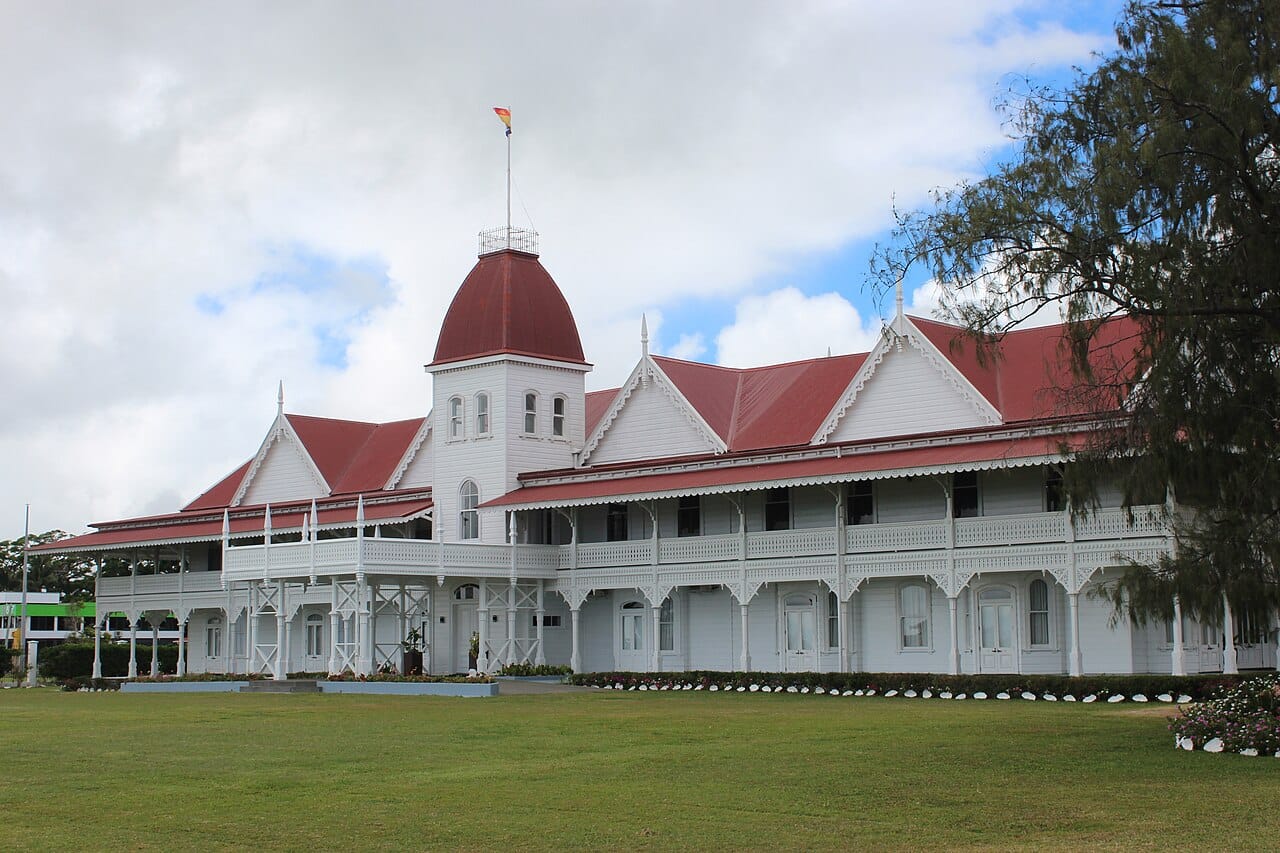
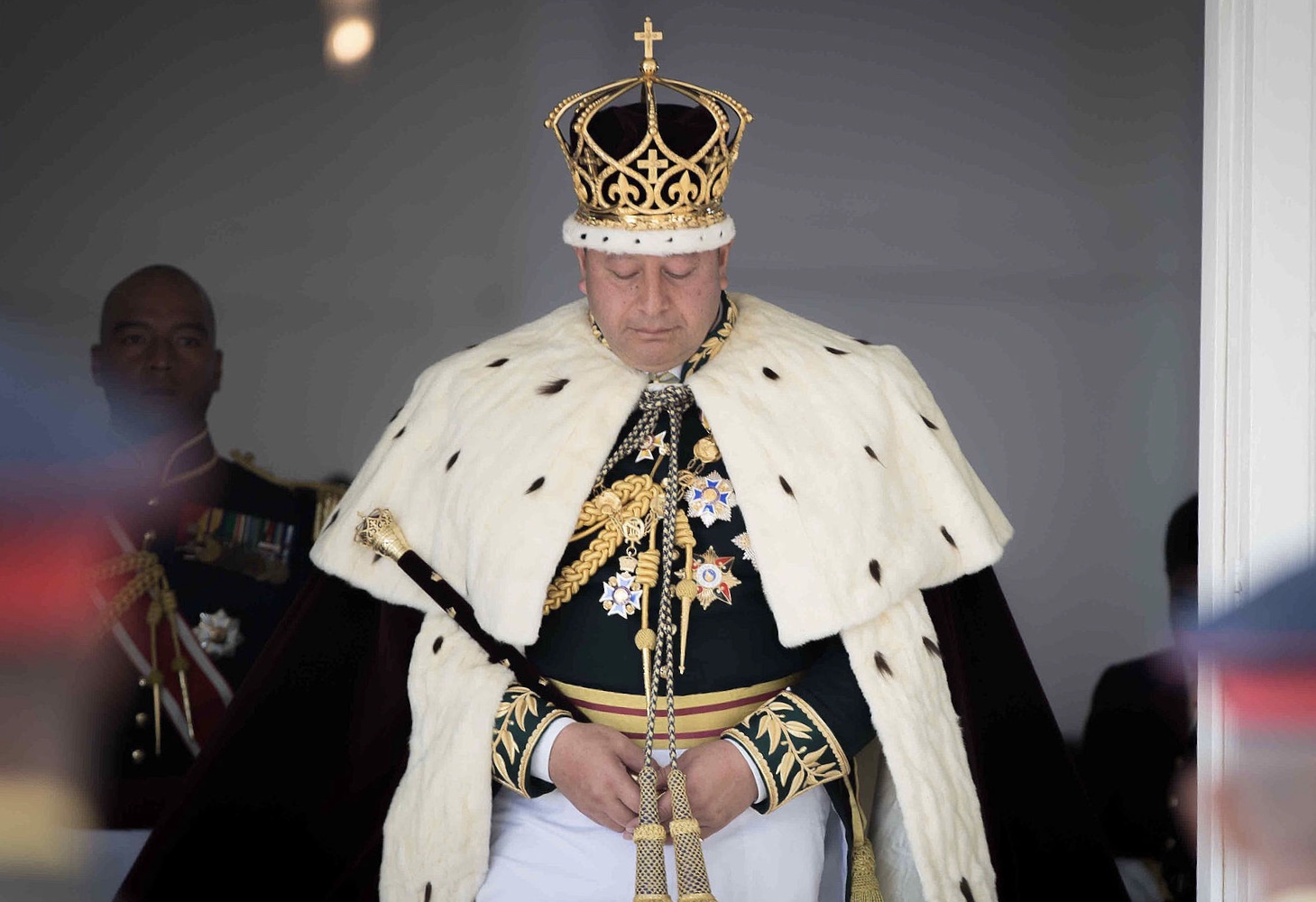
Tonga is a constitutional monarchy, and the crown remains at the very centre of national life. For most of its modern history the king held sweeping power, but a pro-democracy movement, and riots that burned much of the capital in 2006, pushed the kingdom toward reform. Since changes in 2010 the Legislative Assembly is mostly elected by the people, though a bloc of seats is reserved for the country's hereditary nobles, and the prime minister is chosen by parliament rather than appointed by the king. The reigning monarch is King Tupou VI, while the office of prime minister has passed through several holders, with 'Aisake Eke elected to it by parliament in the mid-2020s.

Tonga's small economy rests on farming, fishing, and, above all, on the money sent home by the very large number of Tongans living abroad, whose remittances are among the highest in the world as a share of national income. The islands export squash, root crops, coconut products, vanilla, and fish, and tourism brings some visitors to its beaches and whale-watching waters. Remote, small, and exposed to cyclones and eruptions, Tonga also depends significantly on foreign aid.

The flag of Tonga is red with a white rectangle in the upper hoist corner bearing a red cross. The red cross reflects the deep Christian faith of the kingdom, and the red of the field is said to symbolise the blood of Christ, while the white stands for purity. The flag's strong Christian symbolism mirrors a constitutional provision that ties the design to the nation's faith, and it has been the emblem of the kingdom since the nineteenth century, embodying Tonga's identity as a Christian monarchy.
Tonga is one of the most devoutly Christian nations in the world, and Christianity is woven into the constitution and the life of the kingdom. The population is overwhelmingly Christian, with the Methodist tradition especially strong, alongside Roman Catholic, Latter-day Saint, and other churches. The Sabbath is observed with great seriousness, and by law Sunday is kept as a day of rest, with most commerce halted. Faith, the monarchy, and respect for rank and family are the pillars of a traditional and conservative society.
Tongan cuisine centres on root crops, coconut, fish, and pork, much of it cooked in an earth oven called an umu. Staples include taro, yam, cassava, and breadfruit, and a signature dish is lu, taro or other leaves wrapped around meat or fish with coconut cream and baked. Suckling pig is the centrepiece of feasts, which are an important part of social and ceremonial life. Fish and seafood from the reefs and tropical fruits round out a diet that remains close to the land and sea.
Agriculture is a mainstay of Tongan life, with much of the population engaged in farming on family land. The islands grow root crops such as taro, yam, and cassava for the home table, along with export crops including squash, which became a major earner, coconut products, vanilla, and tropical fruits such as bananas. Fishing in the surrounding waters is also important, and much of the land is held under a traditional system that grants each Tongan man a plot, tying farming closely to custom and identity.
Tongan society is famously traditional, its pillars the monarchy, the nobility, the church, and the extended family, bound together by a deep code of respect and mutual obligation known as faka'apa'apa. Rank runs through every gathering, and elaborate feasts, oratory, and the making of fine mats and bark cloth, or ngatu, mark the great occasions of life. The Sabbath is kept with striking seriousness, and faith and custom shape daily life. Beyond the islands, a very large Tongan diaspora keeps these ties alive, and Tongans have won a formidable reputation in the sport of rugby.
For all its continuity, Tonga has not stood still. The pro-democracy movement of the 2000s, and the destructive Nuku'alofa riots of 2006, drove the reforms of 2010 that handed most political power to an elected parliament, a peaceful but profound shift for an ancient monarchy. Then, in January 2022, the undersea volcano Hunga Tonga-Hunga Ha'apai erupted with colossal force, one of the most powerful eruptions ever recorded, sending a tsunami across the islands, blanketing them in ash, and severing the single undersea cable that linked Tonga to the world. Recovery from that disaster, alongside the slow work of balancing tradition and democracy, defines the kingdom's present.
Tonga has a population of around 100,000 people, almost entirely ethnic Tongans, one of the most homogeneous Polynesian populations, with tiny minorities of other origins. Tongan and English are the official languages. Society remains highly traditional, structured around the monarchy, the nobility, and the extended family, and centred on the islands' villages, with the largest town the capital, Nuku'alofa, on the main island of Tongatapu. A very large Tongan diaspora lives abroad, especially in New Zealand, Australia, and the United States.