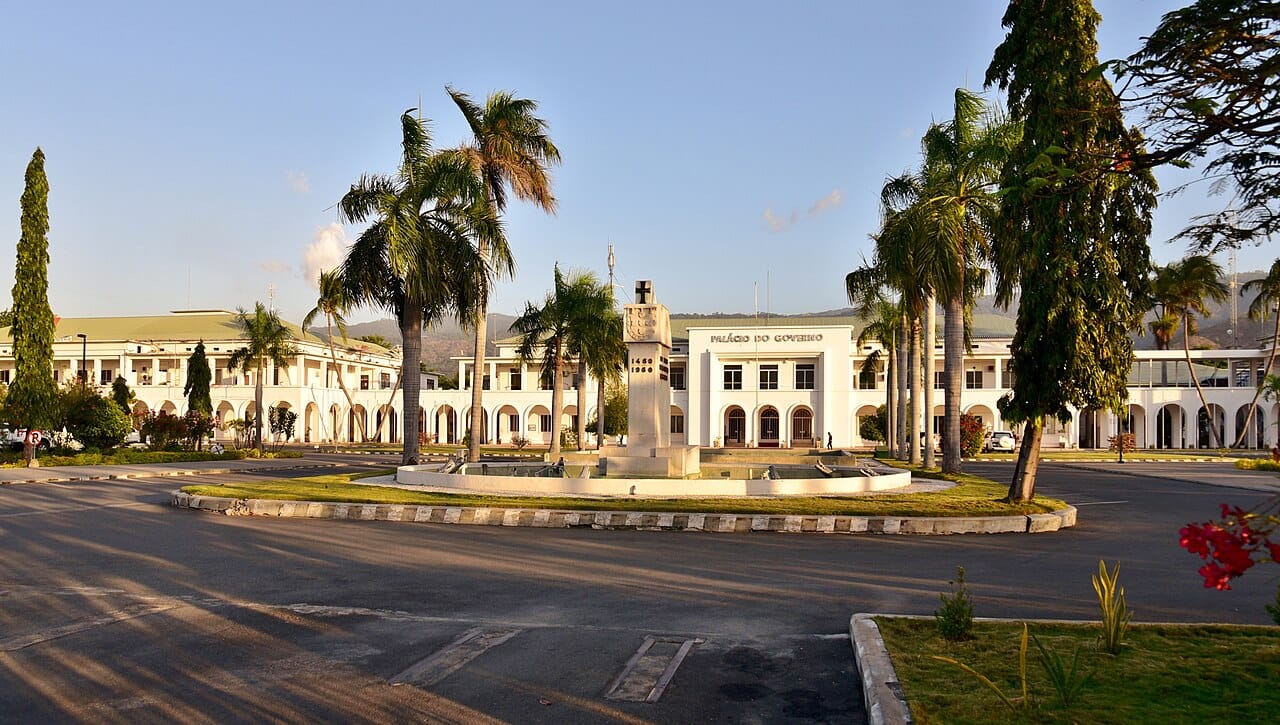
Timor-Leste, also called East Timor, is a country in Southeast Asia occupying the eastern half of the island of Timor, together with a small enclave and nearby islands, at the edge of the Indonesian archipelago. Unusual in its region for its Portuguese colonial heritage and its largely Catholic faith, it endured a long and painful struggle for freedom, first from Portugal and then from a brutal Indonesian occupation. Restoring its independence in 2002, it became the first new sovereign nation of the twenty-first century.
The story of Timor-Leste is one of centuries of remote Portuguese rule, a brutal occupation, and a hard-won independence that made it the first new nation of the twenty-first century.
From the sixteenth century the Portuguese established themselves in the eastern half of the island of Timor, ruling it as a distant and neglected colony for some four hundred years, while the Dutch held the west, which later became part of Indonesia. Portuguese rule was thin but lasting, leaving behind the Catholic faith and a European tie that set the territory apart from everything around it.
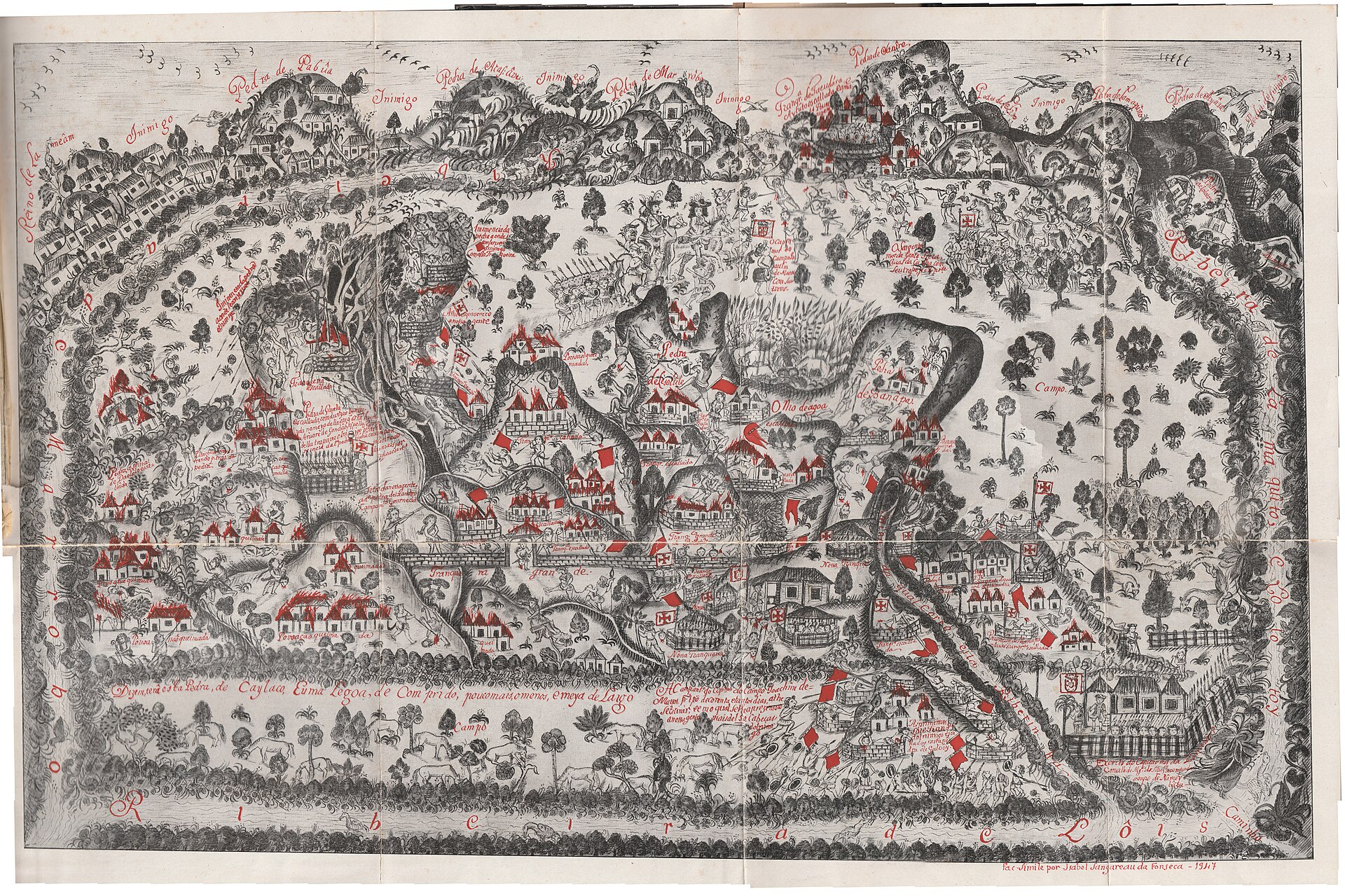
When Portugal withdrew in 1975 and East Timor declared independence, it was almost immediately invaded and annexed by neighbouring Indonesia. The occupation that followed lasted twenty-four years and was marked by famine, mass killing, and repression, in which a large share of the population died. Yet resistance never ended, sustained by guerrilla fighters, the Church, and a determined diplomatic campaign abroad.
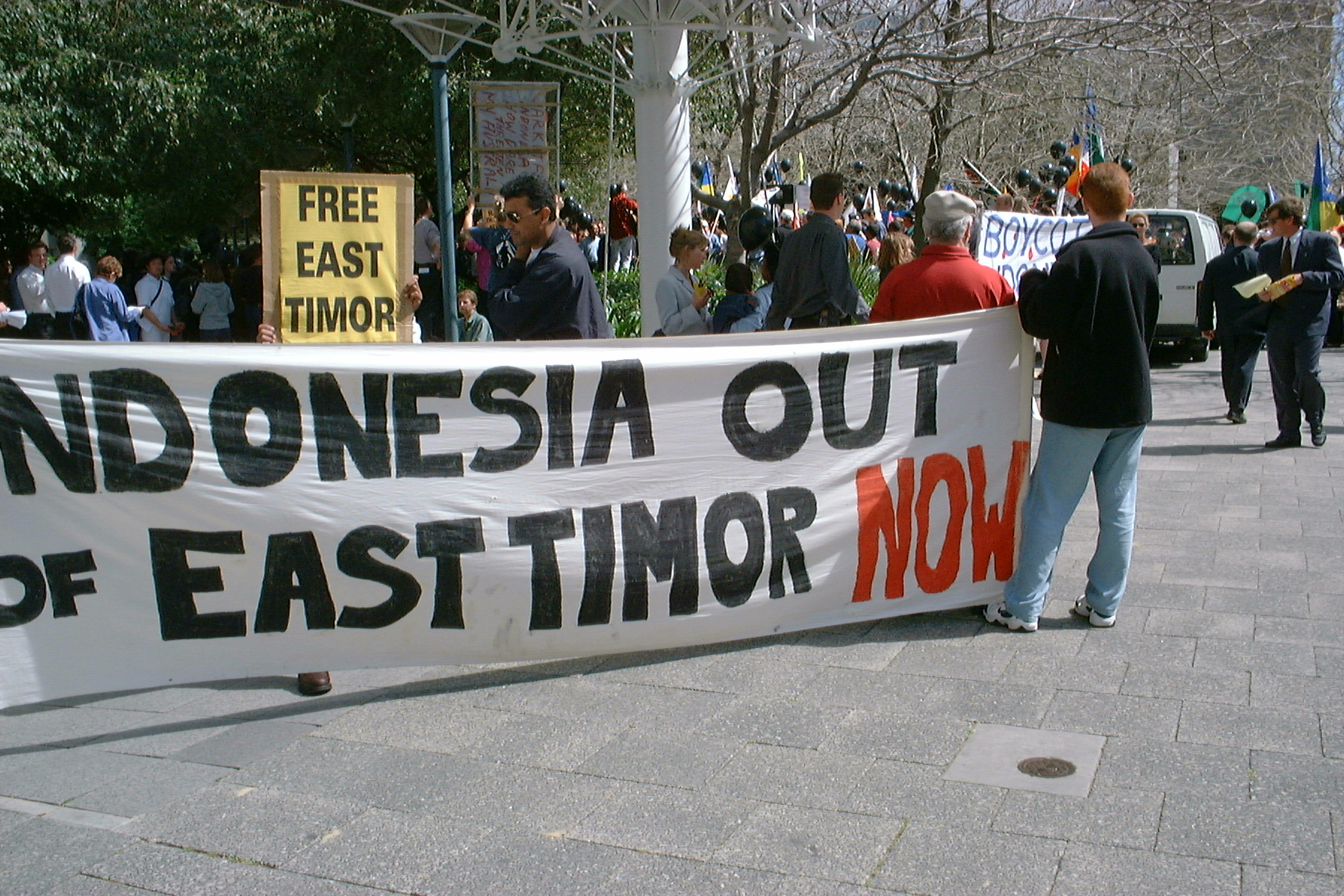
Under mounting international pressure, Indonesia agreed to a referendum in 1999, in which the people overwhelmingly chose independence. A wave of violence by pro-Indonesian militias followed the vote, before a United Nations force restored order and administered the territory. In 2002 Timor-Leste became fully independent, the first new sovereign nation of the twenty-first century.
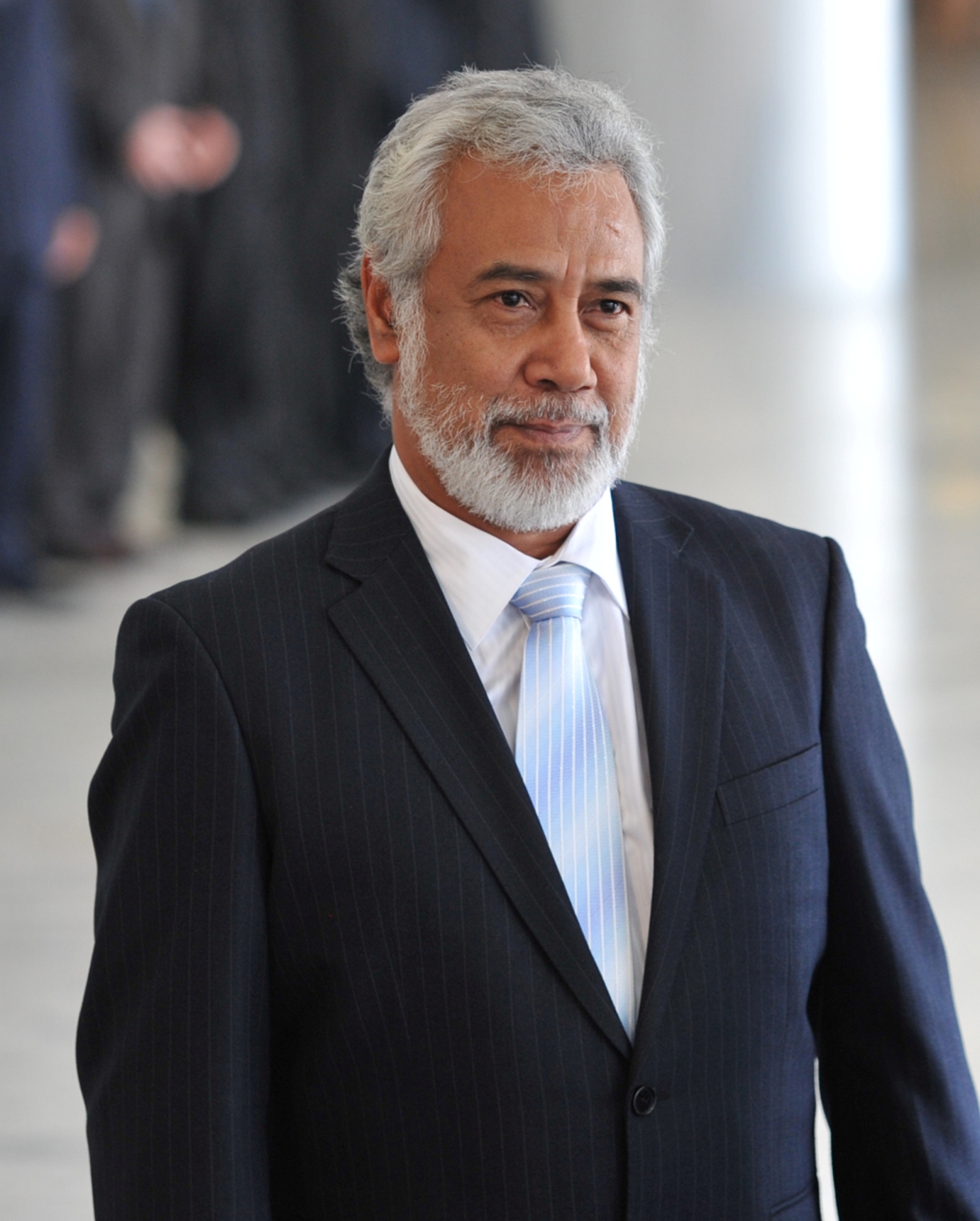
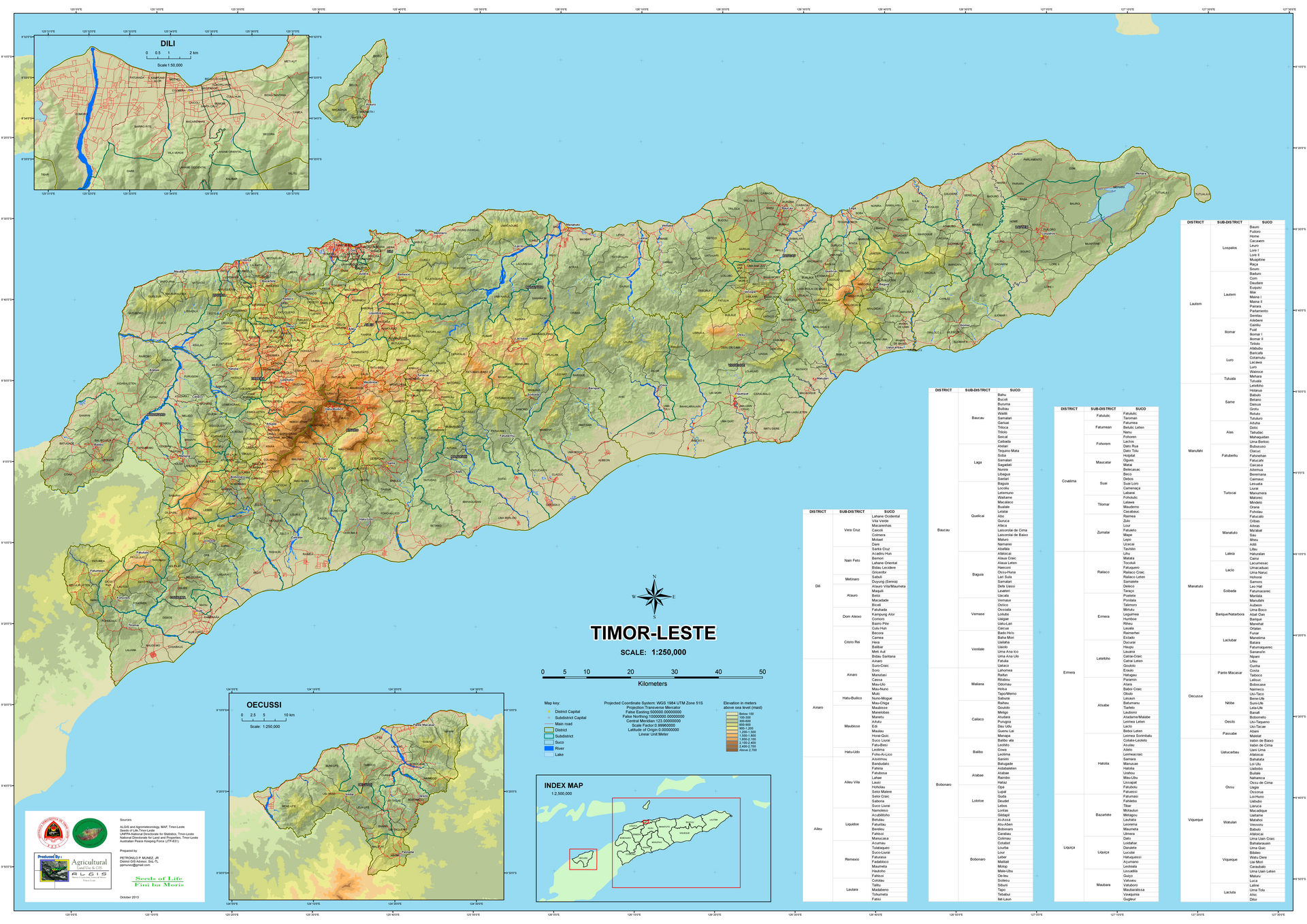
Timor-Leste occupies the eastern part of the mountainous island of Timor, plus the enclave of Oecusse on the western, Indonesian side, and a couple of small islands. The land is dominated by a rugged central mountain range, dropping to narrow coastal plains, with a hot climate and a marked dry season that can be severe. The surrounding seas are rich in marine life, part of the biologically diverse Coral Triangle, while offshore lie the oil and gas reserves on which the economy heavily depends.
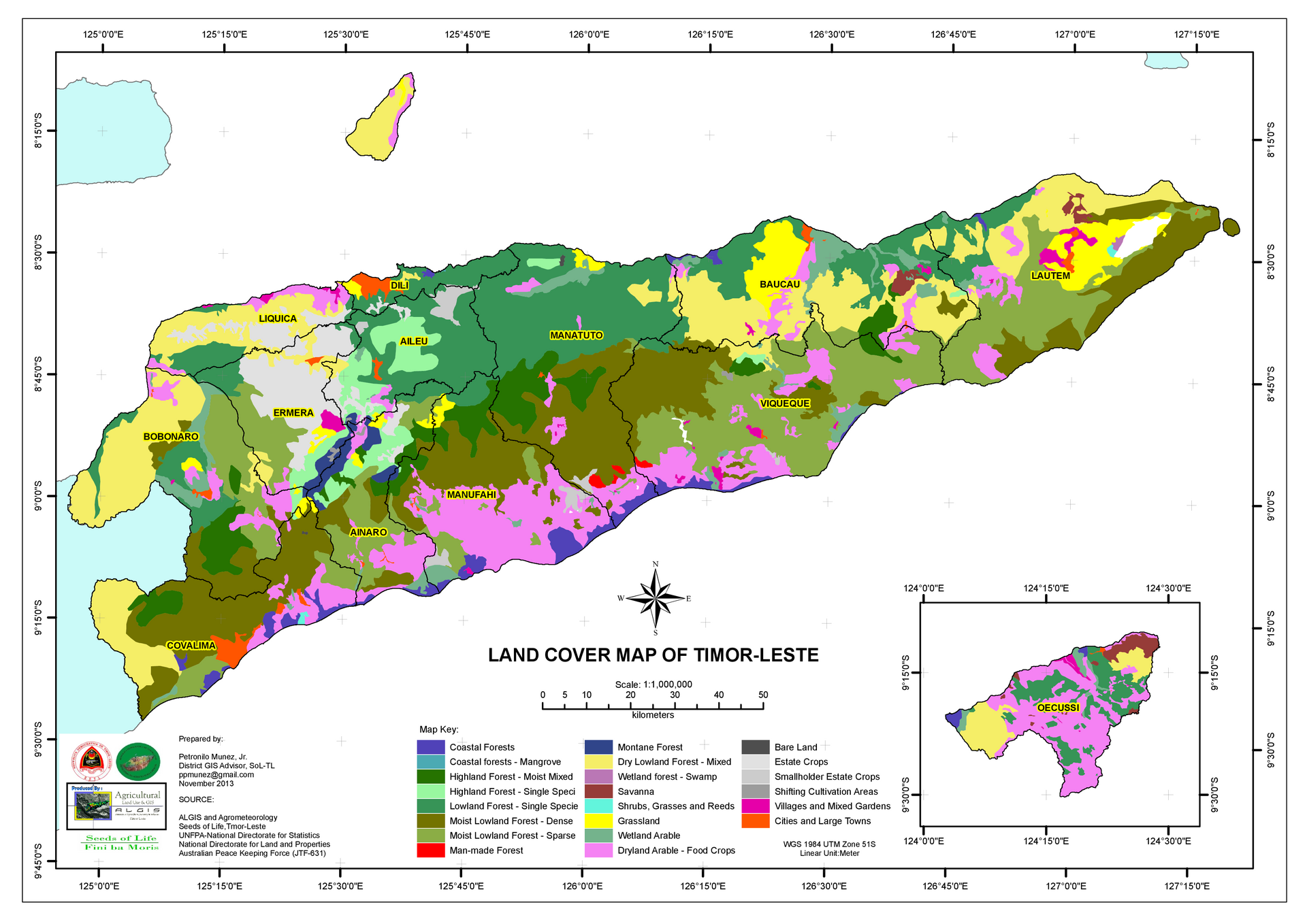
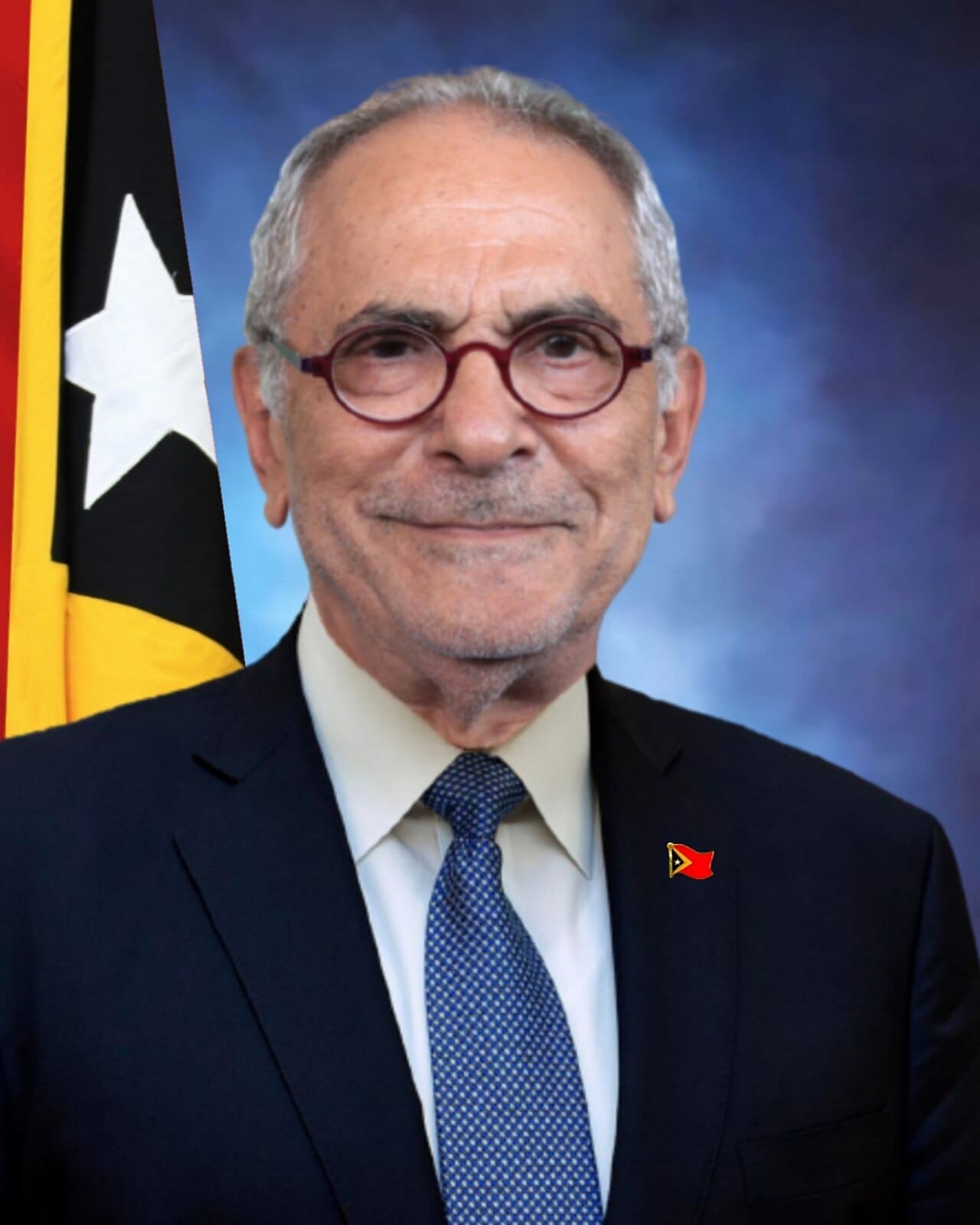
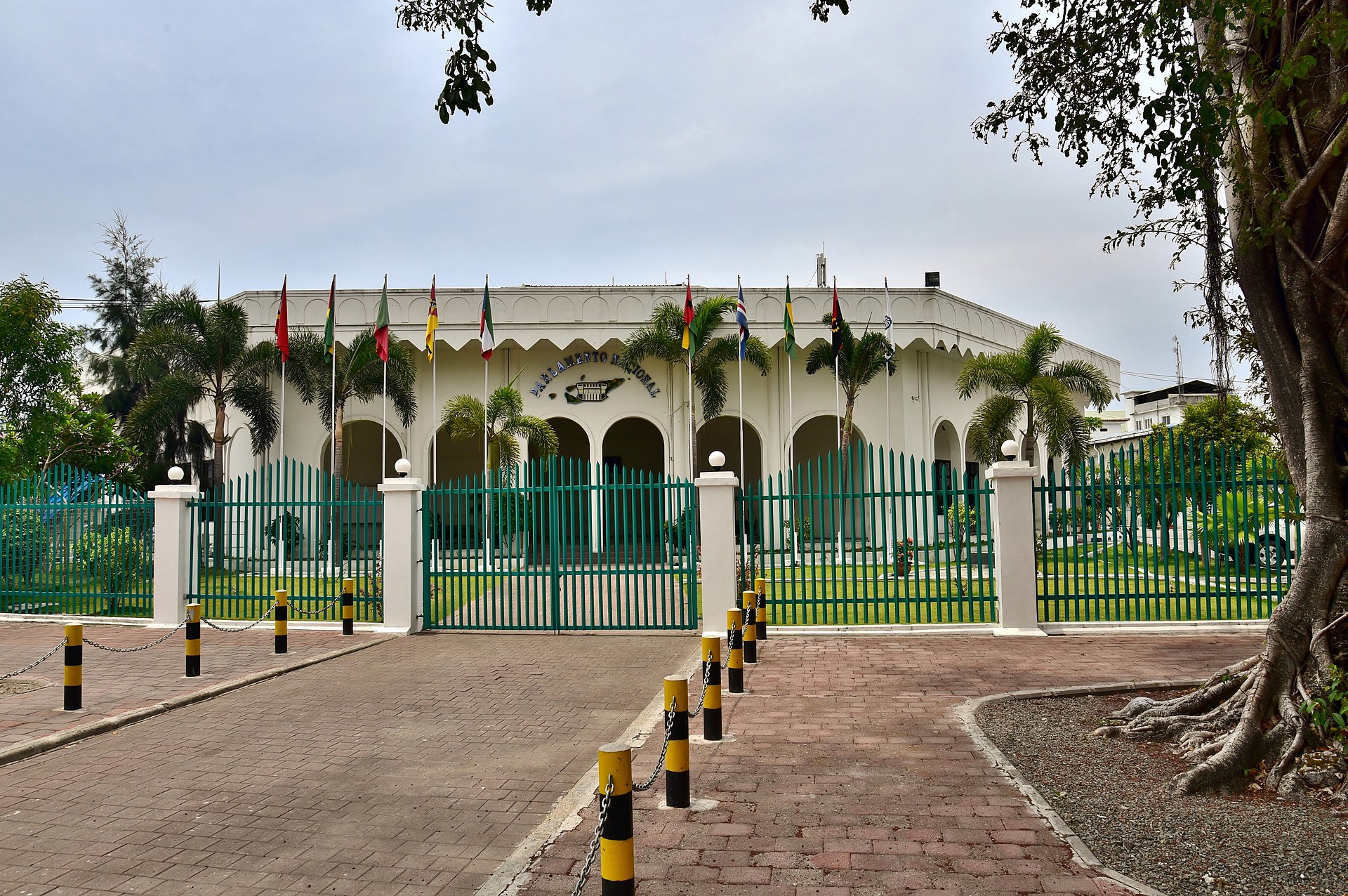
Timor-Leste is a young democracy, a semi-presidential republic whose politics has been dominated by the towering figures of its independence struggle. As of the mid-2020s the president is José Ramos-Horta, a Nobel Peace Prize laureate for his work for independence, and the prime minister is Xanana Gusmao, the former guerrilla leader and first president; the two have rotated through the country's highest offices for a generation. Hard-won and closely guarded, its democratic institutions have held through periods of instability, and in a milestone for the small nation it joined the Association of Southeast Asian Nations in the mid-2020s.
Timor-Leste's economy is dominated by oil and natural gas from the Timor Sea, whose revenues, saved in a national Petroleum Fund, pay for most of the state budget. That dependence is also the country's greatest worry: its producing fields are running down, the fund is being drawn on faster than it earns, and the future of the large undeveloped Greater Sunrise field is tied up in long negotiations with Australia. Outside oil, most people live by farming, and the highlands produce a fine coffee that is the main non-oil export. Building a broader economy before the oil money fades is the central challenge facing the young nation.
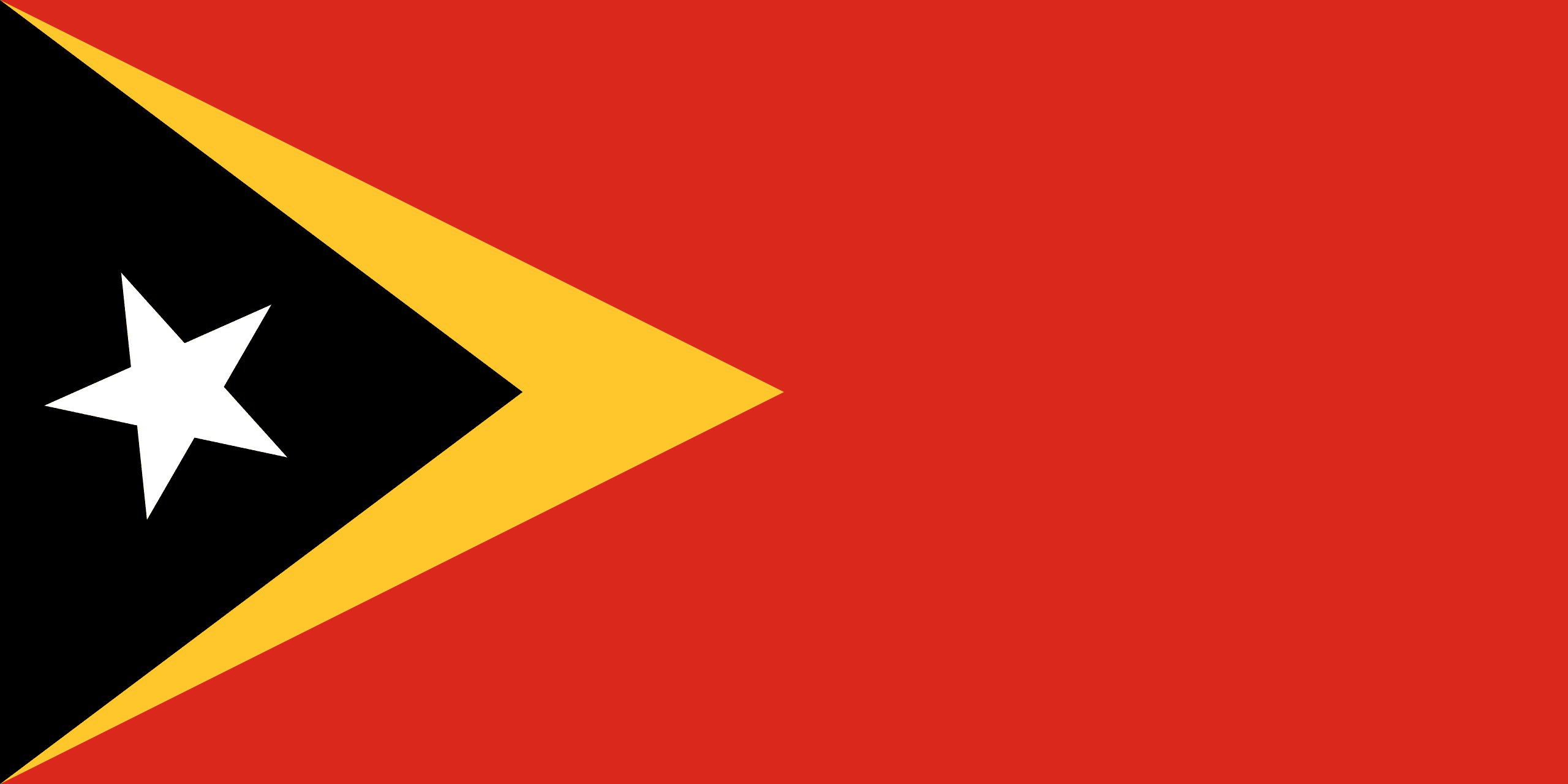
The flag of Timor-Leste is red with a black triangle at the hoist, edged by a wider yellow triangle, and a white star on the black. The red represents the struggle for national liberation, the yellow the traces of colonialism in the country's history, and the black the obscurantism that must be overcome, while the white star symbolises peace and the light that guides the nation. The design dates from the 1975 declaration of independence and was restored when full sovereignty was achieved in 2002.
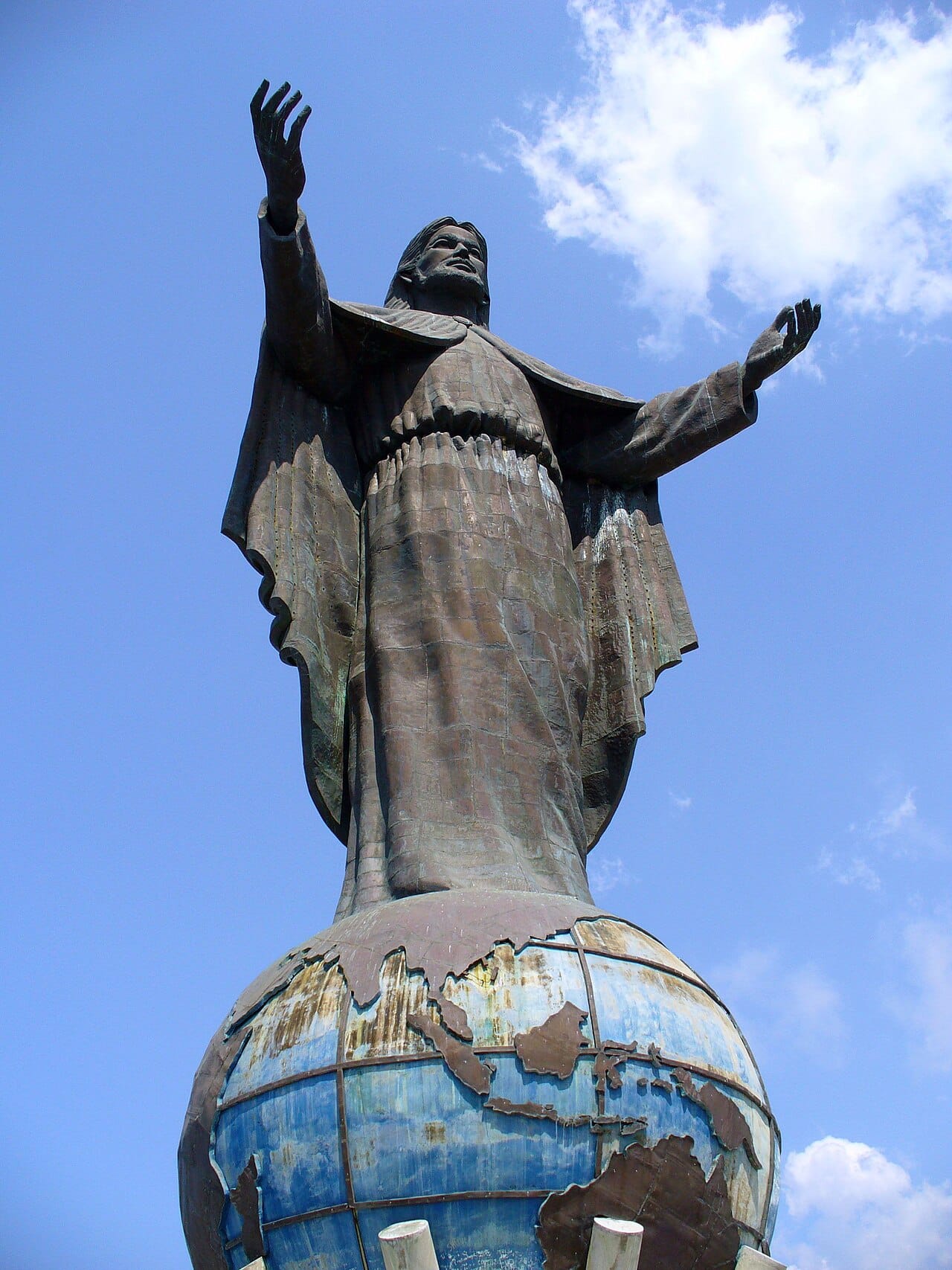
Timor-Leste is overwhelmingly Roman Catholic, a legacy of Portuguese rule and, paradoxically, a faith that grew even stronger during the Indonesian occupation, when the Church became a refuge and a voice for the people, helping to forge national identity. The country is one of only two in Asia with a Catholic majority. Alongside the dominant Catholicism are small Protestant and Muslim minorities, and traditional animist beliefs and customs, deeply rooted in the culture, still persist and often blend with Christian practice in everyday life.
The cuisine of Timor-Leste blends Southeast Asian staples with a Portuguese influence left by centuries of colonial rule. Rice and maize are the staples, accompanied by fish and seafood from the surrounding seas, pork and other meats, and an abundance of tropical vegetables and fruit. Dishes are often flavoured with tamarind, chili, and spices, and the Portuguese legacy appears in stews and in the country's strong coffee. Simple, hearty cooking based on local produce reflects a largely rural society in which many families grow much of their own food.
Agriculture is the livelihood of most of the population of Timor-Leste, the majority of whom are subsistence farmers growing maize, rice, cassava, and vegetables, and raising livestock in the rugged hill country. The most important agricultural export by far is coffee, grown in the highlands and prized for its quality, which provides a livelihood for many rural families and offers one of the few paths to earning beyond the oil economy.
Timorese culture is a distinctive weave of Austronesian and Melanesian roots, Portuguese and Catholic influence, and the memory of the long struggle for freedom. It is expressed in the sacred ancestral houses known as uma lulik, in traditional weaving and ceremony, and in a national identity forged in resistance. The languages of the country reflect its layered history: the everyday tongue is Tetum, Portuguese is an official language of state and Church, and Indonesian and English are widely understood, so that a single conversation may cross several languages.
Two unresolved questions hang over independent Timor-Leste. The first is justice for the occupation. A great many people died between 1975 and 1999, and while a truth commission documented the crimes in detail, few of those responsible, above all in the Indonesian military, have ever been held to account, as successive Timorese governments have chosen reconciliation and good relations with their giant neighbour over prosecutions. For many survivors that choice remains painful and contested. The second is the country's economic future: the oil and gas money that sustains the state is finite and dwindling, the national fund is being drawn down, and there is deep disagreement over how to develop the Greater Sunrise field and build a lasting economy before the money runs out. How Timor-Leste reckons with its past and secures its future are the defining debates of the young nation.
Timor-Leste has a population of around 1.3 million people, made up of various ethnic groups of mixed Austronesian and Melanesian heritage, speaking many local languages. Tetum and Portuguese are the official languages, while Indonesian and English are also widely used, a reflection of the country's layered history. The population is young, growing, and largely rural, concentrated in the hill country and along the coast, with the largest city the capital, Dili. The nation faces the task of building prosperity and institutions after its long and costly road to freedom.