Thailand is a country in the heart of mainland Southeast Asia, a land of tropical beaches, lush river plains, and gilded Buddhist temples. Famed for its hospitality, its cuisine, and its rich royal and religious traditions, it holds a special place in the region's history as the only Southeast Asian nation never colonised by a European power. Today it is a populous, vibrant country and one of the world's most visited destinations.
Thai civilisation grew up among older cultures in the valley of the Chao Phraya River, rose through the kingdoms of Sukhothai and Ayutthaya, and preserved its independence through the colonial age by skilful diplomacy.
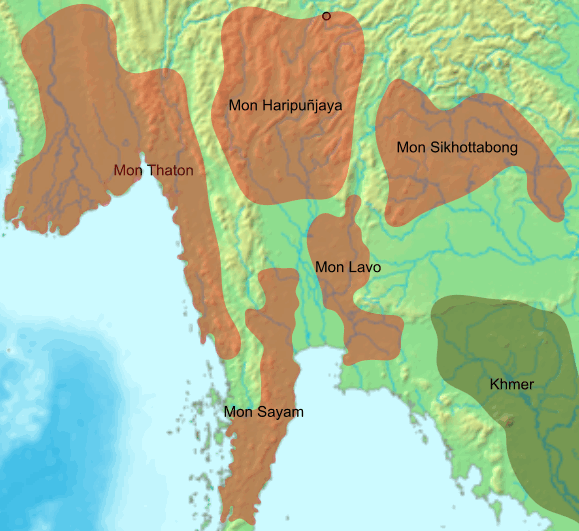
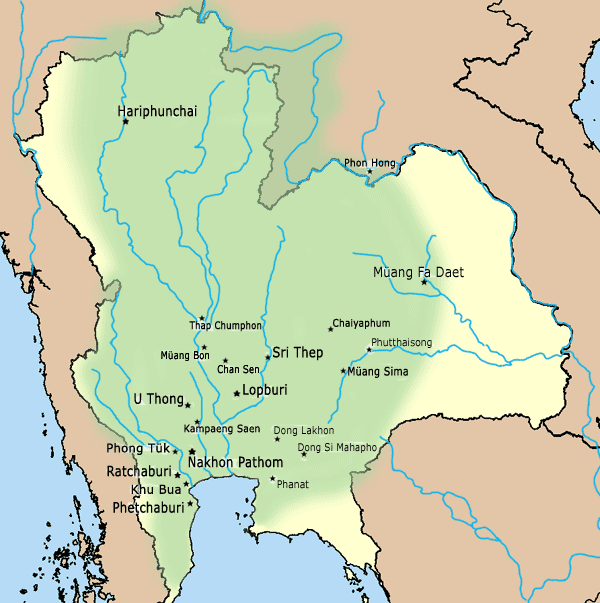
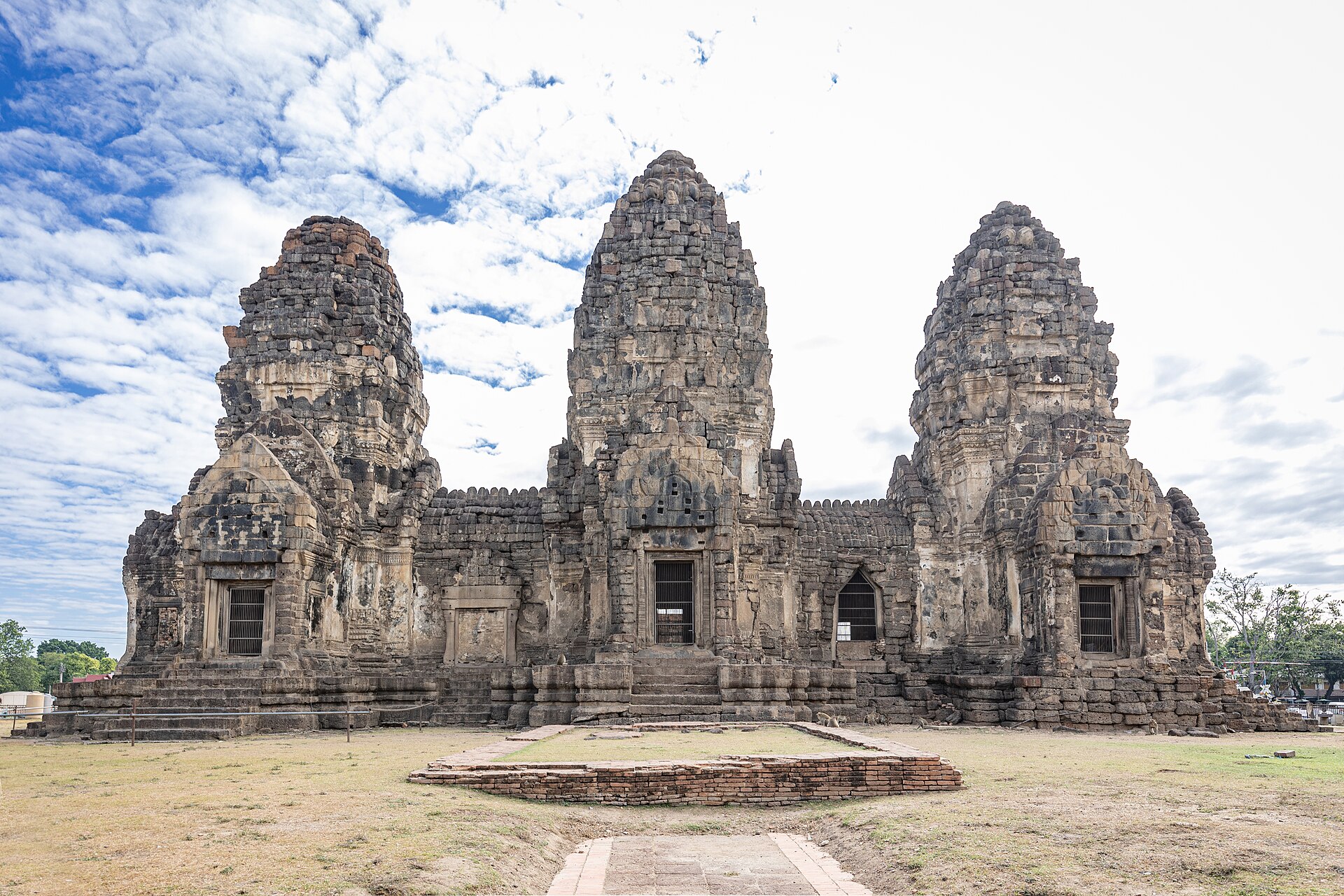
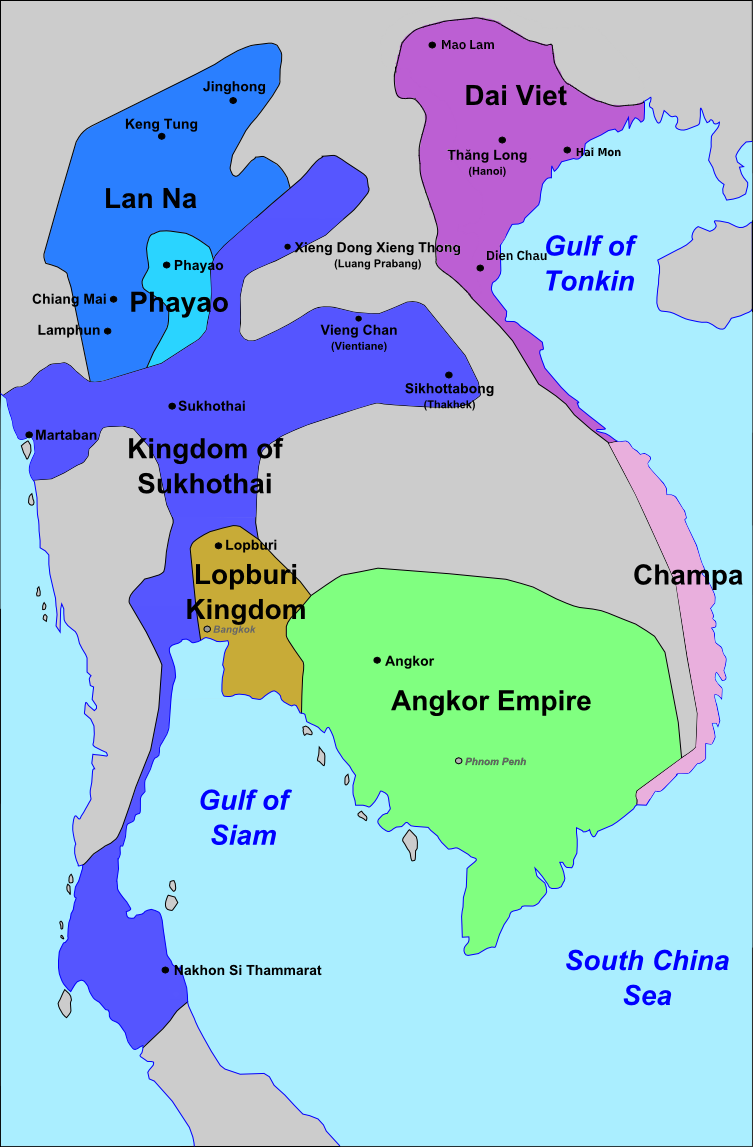
Before the Thai people came to dominate the region, the land was home to older civilisations: the Mon, whose city-states spread Buddhism, the Dvaravati culture, and, to the east, the mighty Khmer empire of Angkor, whose temples still stand on Thai soil.
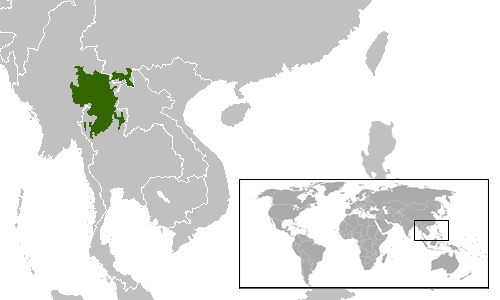
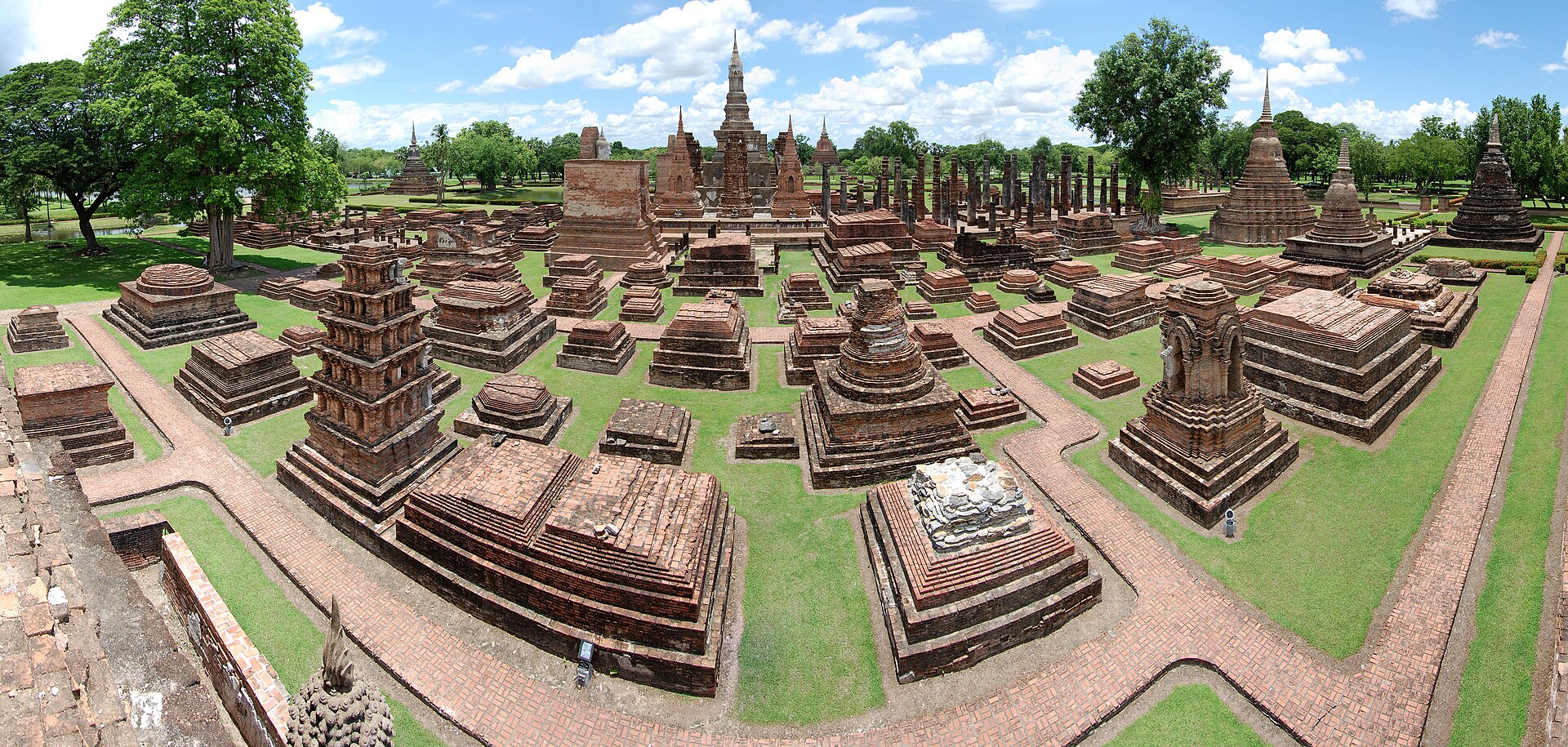
In the thirteenth century the kingdom of Sukhothai emerged and is often remembered as the first truly Thai state, a golden age of art and the Thai script, while the kingdom of Lan Na flourished in the northern hills around Chiang Mai.
Sukhothai gave way to the powerful and cosmopolitan kingdom of Ayutthaya, and after its fall to a new capital at Bangkok under the present ruling dynasty. By playing rival European powers against one another, the kingdom preserved its independence while every one of its neighbours fell under colonial rule.
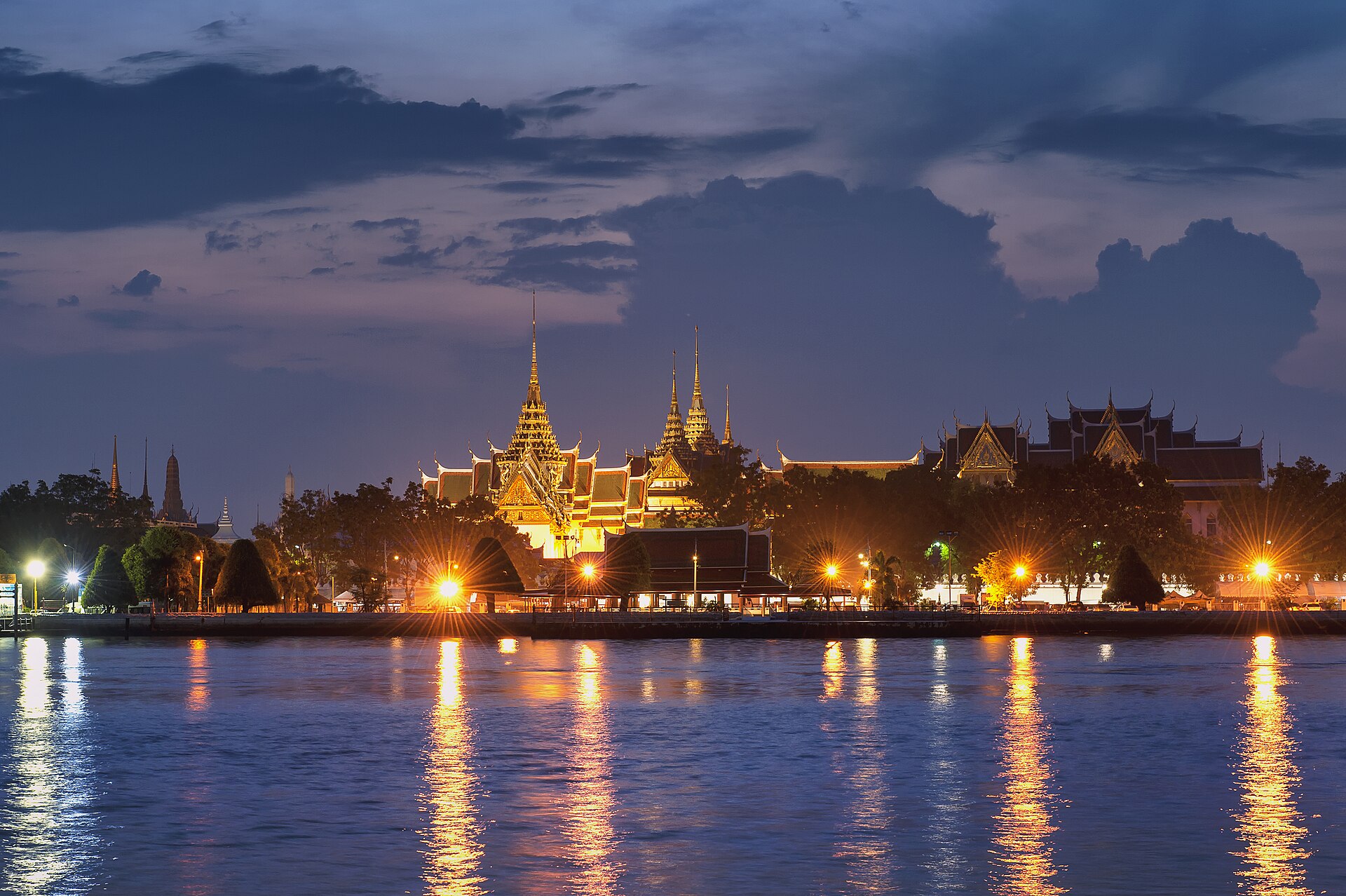
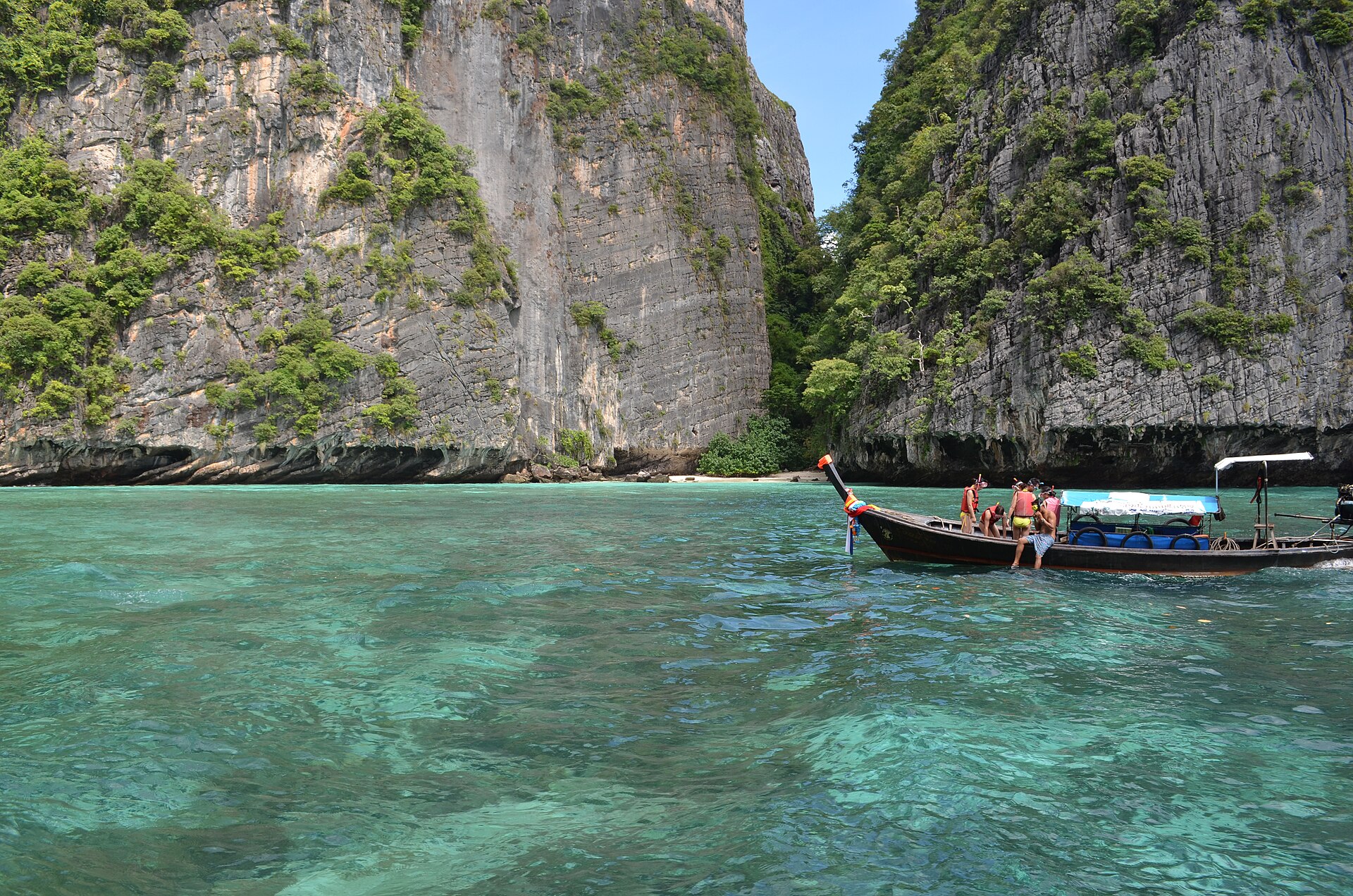
Thailand's shape is sometimes compared to an elephant's head, with a broad northern body and a long southern trunk reaching down the Malay Peninsula. The fertile central plain around the Chao Phraya River is the country's rice bowl and population heartland, ringed by forested mountains in the north, a dry plateau in the northeast, and tropical coasts on the Gulf of Thailand and the Andaman Sea, lined with the beaches and islands that draw visitors from around the world.
Thailand is a constitutional monarchy. The king is head of state and a deeply revered figure at the centre of national identity, while a prime minister and an elected parliament run the government. In practice the country's modern politics have been turbulent, marked by repeated swings between elected governments and military rule, with the armed forces a powerful presence. The monarchy is protected by strict laws, and debate over its role has become one of the most sensitive questions in public life.
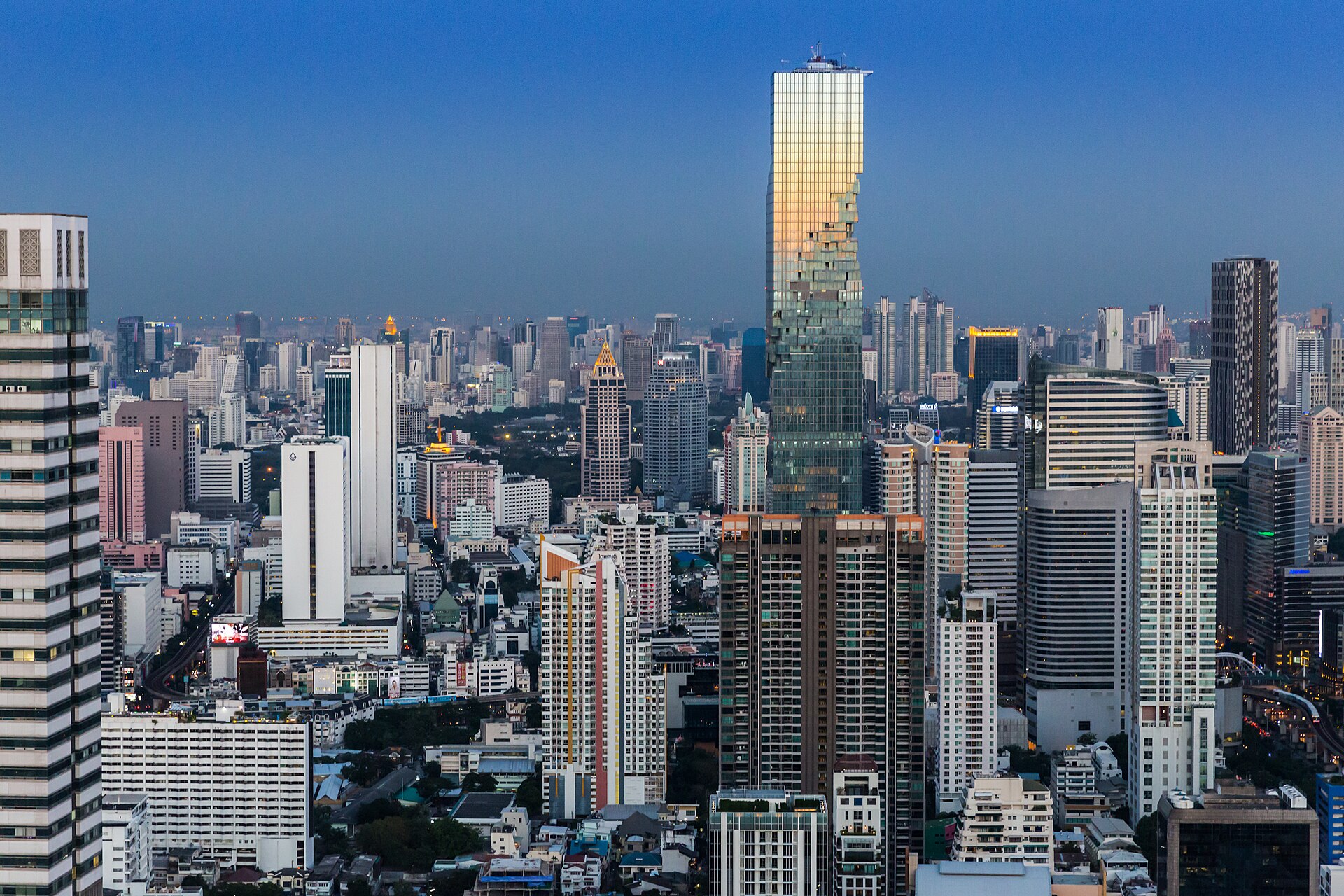
Thailand has one of the larger and more developed economies in Southeast Asia, built on manufacturing, especially cars and electronics, on agriculture, and on a vast tourism industry that makes it one of the most visited countries on Earth. Bangkok is the commercial heart, a sprawling metropolis that dominates national life. Decades of growth lifted Thailand to middle-income status, though wealth is unevenly shared between the booming capital and the poorer rural northeast.
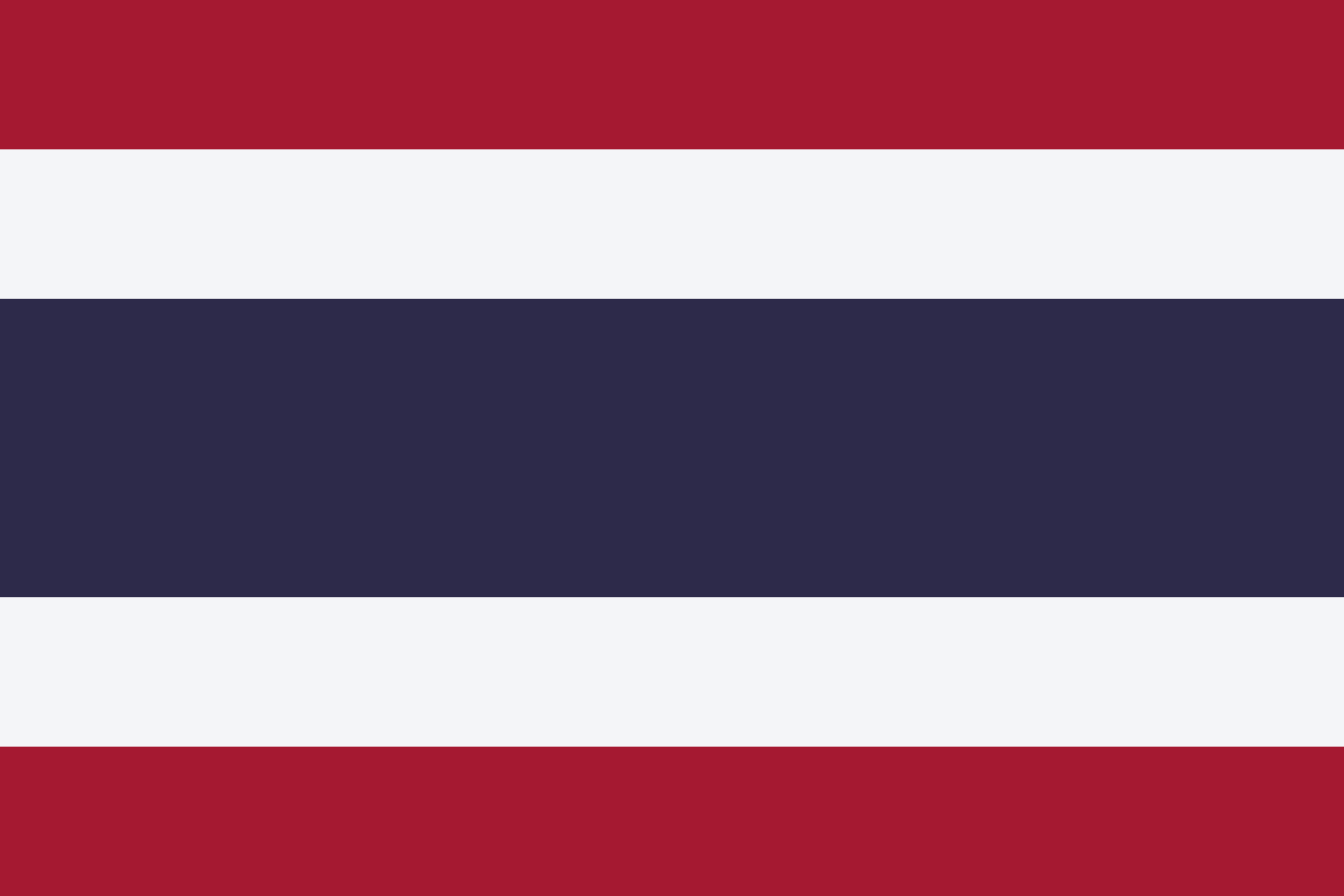
The Thai flag, called the Trairanga, has five horizontal stripes of red, white, and blue, with the central blue band twice the width of the others. The colours carry meaning at the heart of national identity: red for the nation and the blood of its people, white for religion, above all Buddhism, and blue for the monarchy. Together they express the three pillars on which Thais traditionally see their country resting.
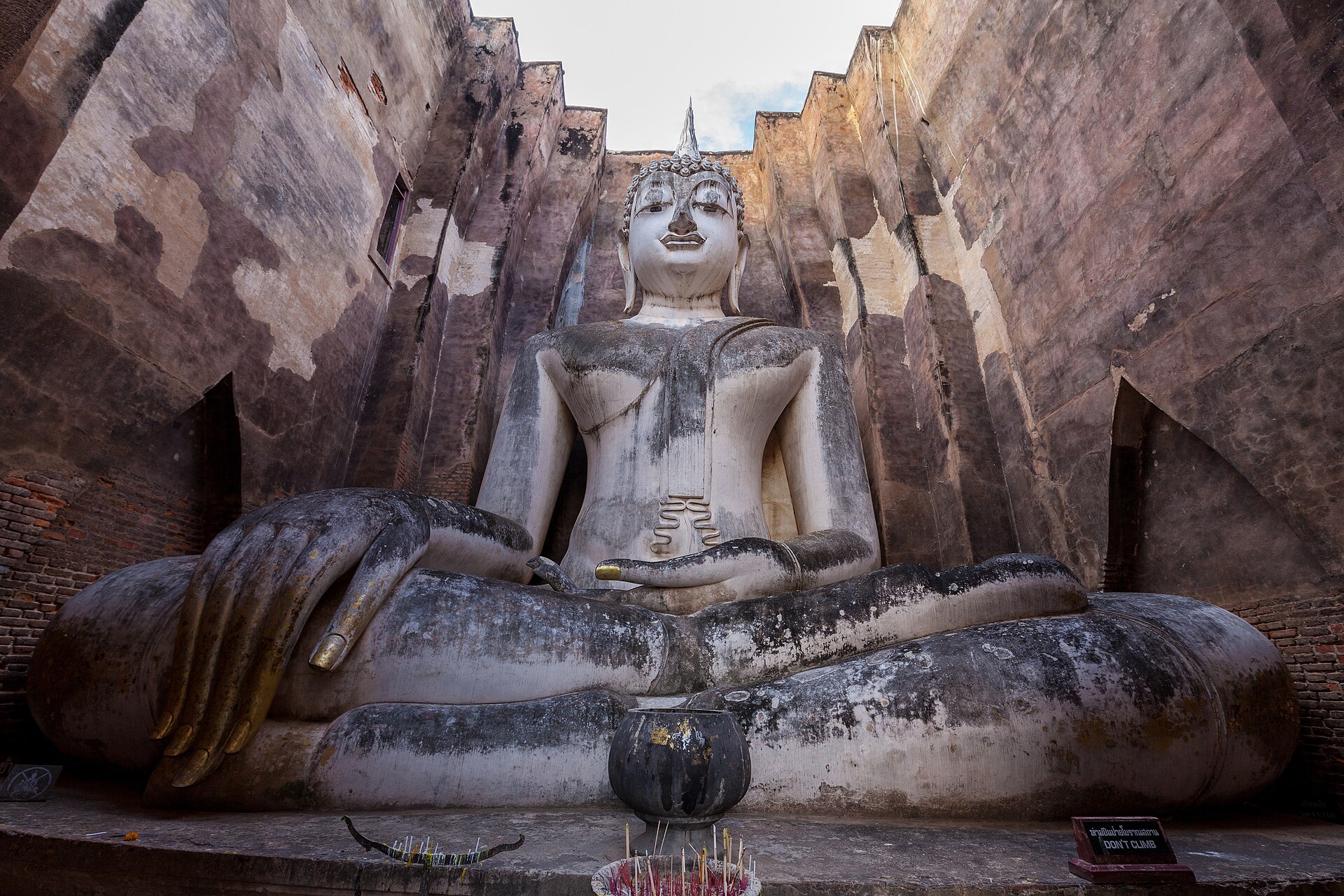
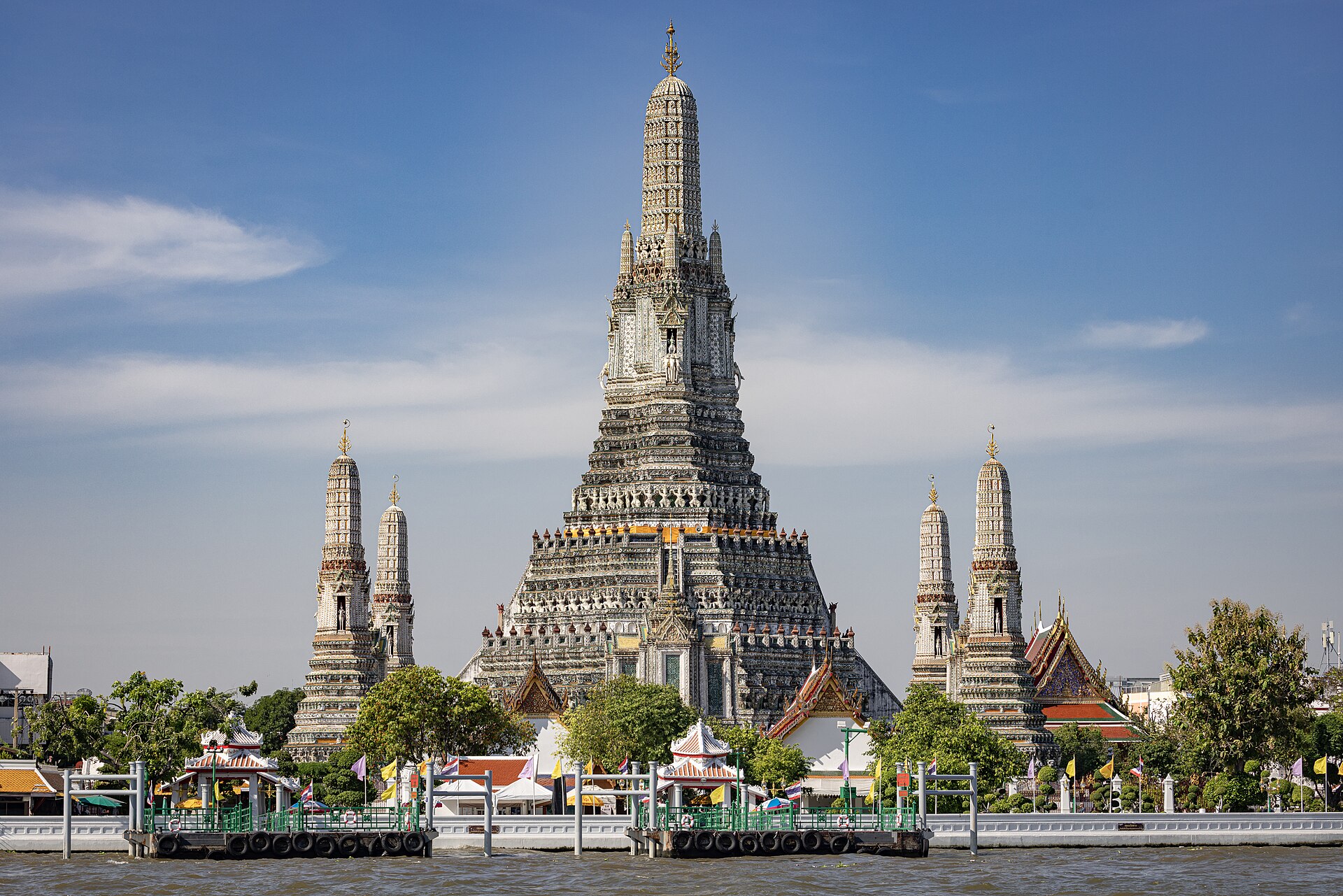
Thailand is one of the most devoutly Buddhist countries in the world, with the great majority following Theravada Buddhism, which permeates daily life, the calendar, and the landscape of saffron-robed monks and glittering temples. Many young men spend a period as monks, and merit-making is woven into ordinary routines. A Muslim minority lives mainly in the far south, and Buddhist practice often blends with older animist and Hindu-derived beliefs in spirits and shrines.
Thai cuisine is famous around the world for its bold, aromatic balance of sweet, sour, salty, and spicy flavours. Dishes like pad thai, the stir-fried noodles, tom yum, a hot and sour soup, and green curry are beloved globally, built on ingredients such as lemongrass, chili, fish sauce, lime, and coconut milk. Rice is the staple of every meal, and a vibrant culture of street food makes eating out a constant pleasure of daily life.
Agriculture remains central to Thailand, employing a large share of its people. The country is one of the world's leading exporters of rice, grown across the central plain, and the single largest producer of natural rubber. It also grows and exports cassava, sugar, tropical fruits, and a great deal of seafood from fishing and aquaculture. Farming is a cornerstone of rural life and a major source of the country's export earnings.
Thai culture is warm, expressive, and bound up with Buddhism and the monarchy. The graceful wai greeting, an easy-going spirit captured in the word sanuk (the idea that life should have fun in it), and a famous hospitality shape daily life, alongside classical dance, ornate temple art, and the martial art of muay Thai. Festivals such as Songkran, the water-splashing new year, and Loy Krathong, when candle-lit floats are set adrift, fill the calendar, and Thai food and cinema have won admirers worldwide.
Thailand's modern politics are unsettled and closely contested. The country has swung repeatedly between elected governments and military coups, with deep divisions between the urban establishment and rural and reformist movements. The role of the revered monarchy, shielded by strict laws against insulting it, has become an unusually open subject of debate, especially among younger Thais calling for reform, while a long-running insurgency simmers in the Muslim-majority far south.
Thailand's proudest historical distinction is that it was never colonised, preserving its monarchy and independence through the colonial age by deft diplomacy. The Sukhothai and Ayutthaya kingdoms left a rich cultural legacy of art, architecture, and law. In 1932 a revolution ended absolute monarchy and established a constitutional one, though the country's modern politics have been marked by repeated cycles of military coups and democratic government.
Thailand has a population of around 72 million people, the great majority ethnic Thai, alongside a large community of Chinese descent well integrated into society, hill peoples in the north, and Malay Muslims in the south. The revered monarchy is a powerful symbol of national unity. The population is concentrated in the central plain, above all in the vast and energetic capital, Bangkok, which dominates the country's economy and culture.