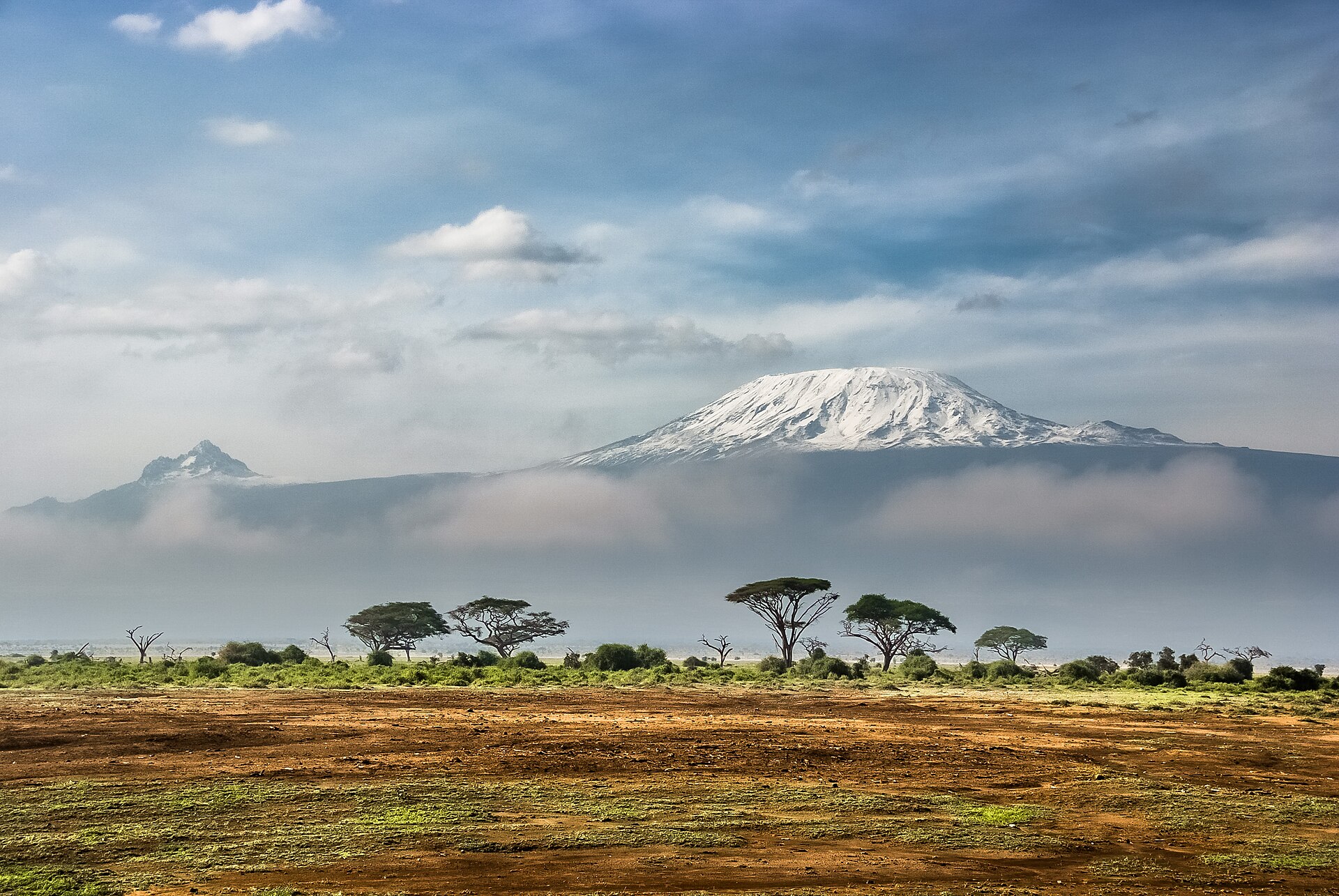
Tanzania is a country in East Africa, on the Indian Ocean, formed from the union of the mainland of Tanganyika with the spice islands of Zanzibar. It is a land of extraordinary natural wonders, home to Mount Kilimanjaro, the highest peak in Africa, the vast plains of the Serengeti and their great wildlife migration, and a share of the world's largest lakes. It is also one of the cradles of humankind, holding some of the oldest evidence of our ancestors.
Tanzania's history reaches from the very dawn of humanity, through the wealthy Swahili world of the coast, to colonial rule and a distinctive path to nationhood.
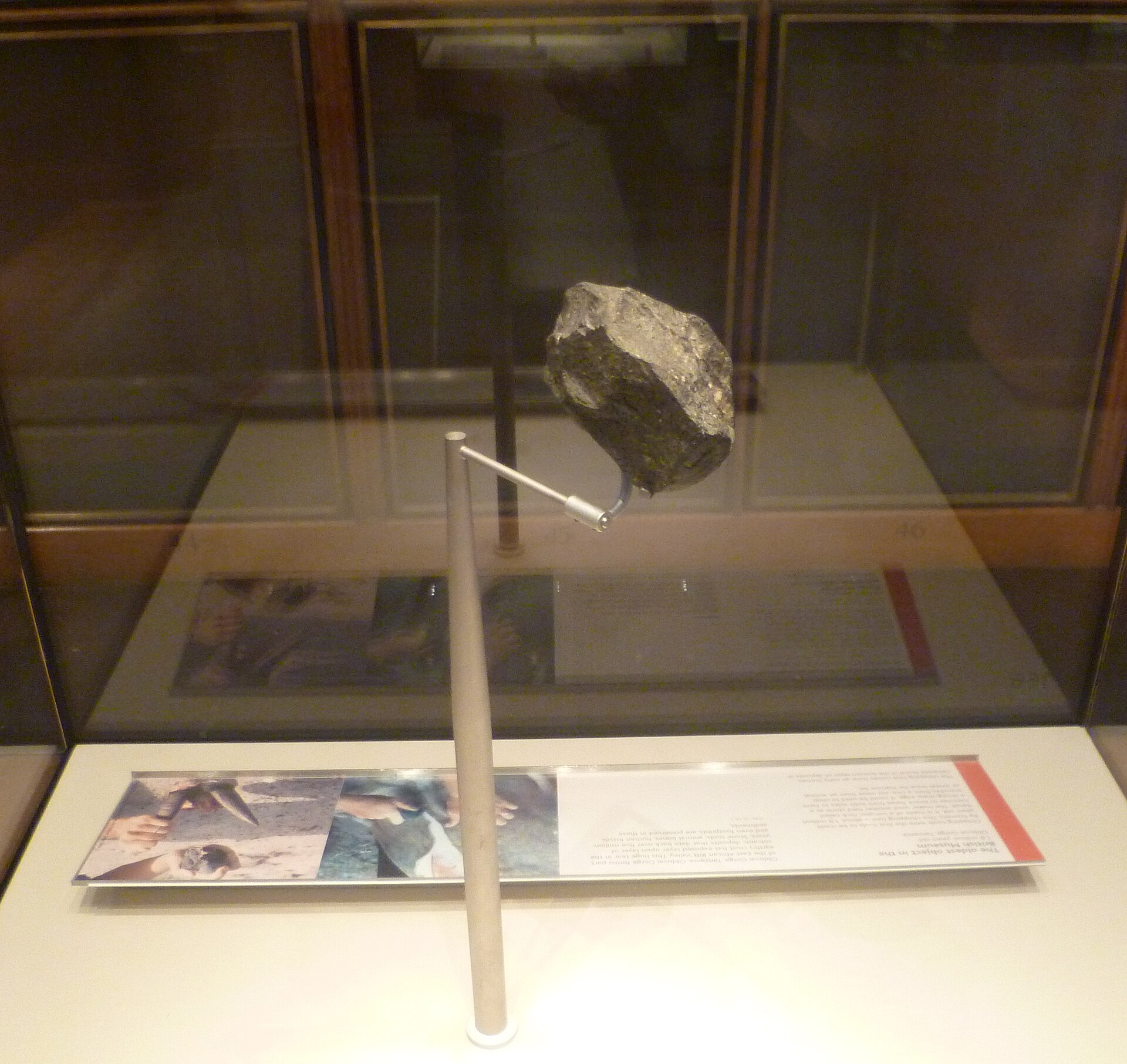
Some of the oldest traces of humanity anywhere have been found in Tanzania, at Olduvai Gorge and Laetoli, where ancient stone tools and a trail of footprints millions of years old record the deep roots of our species. This makes the country one of the true cradles of humankind, a place where the story of human origins is written into the earth.
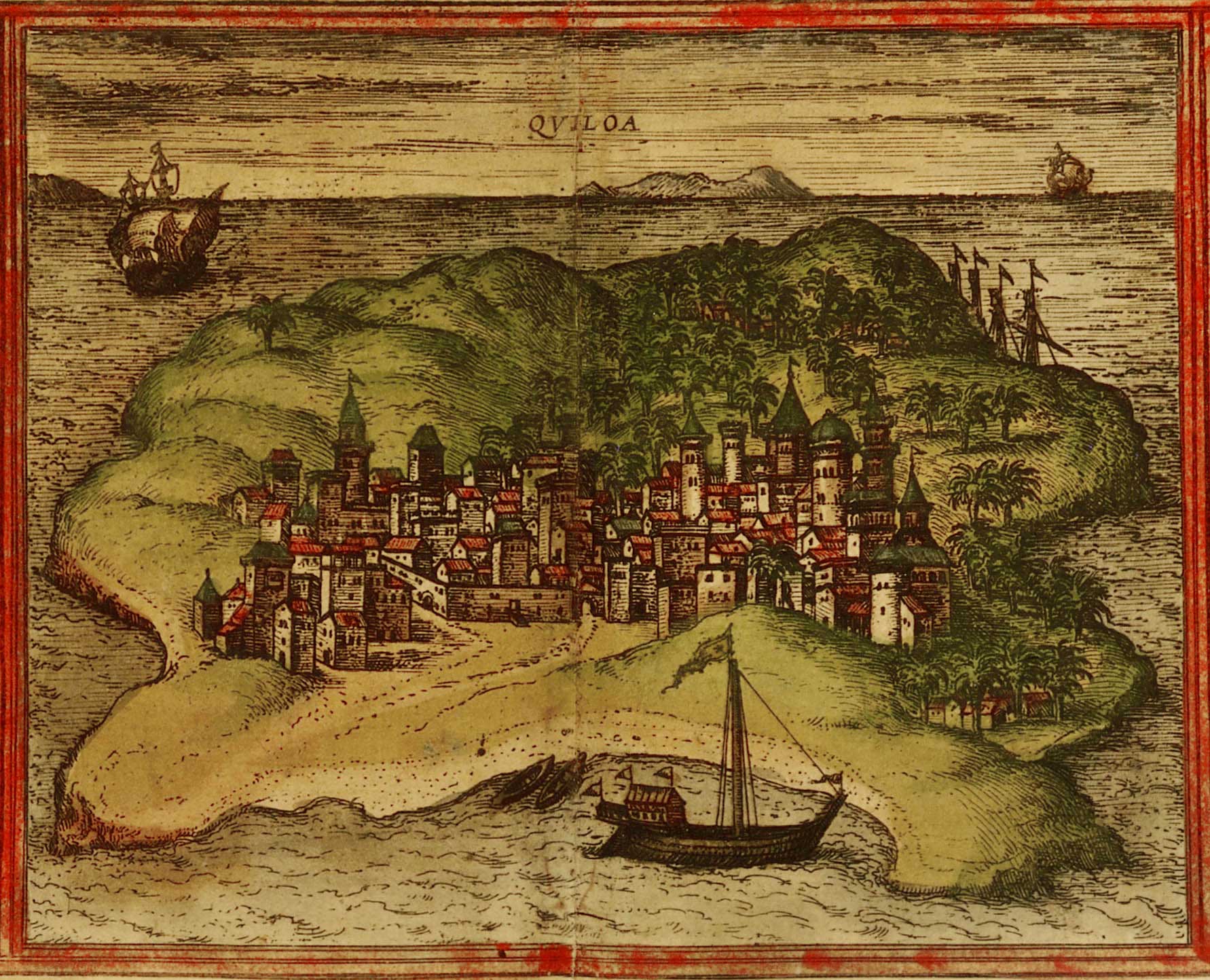
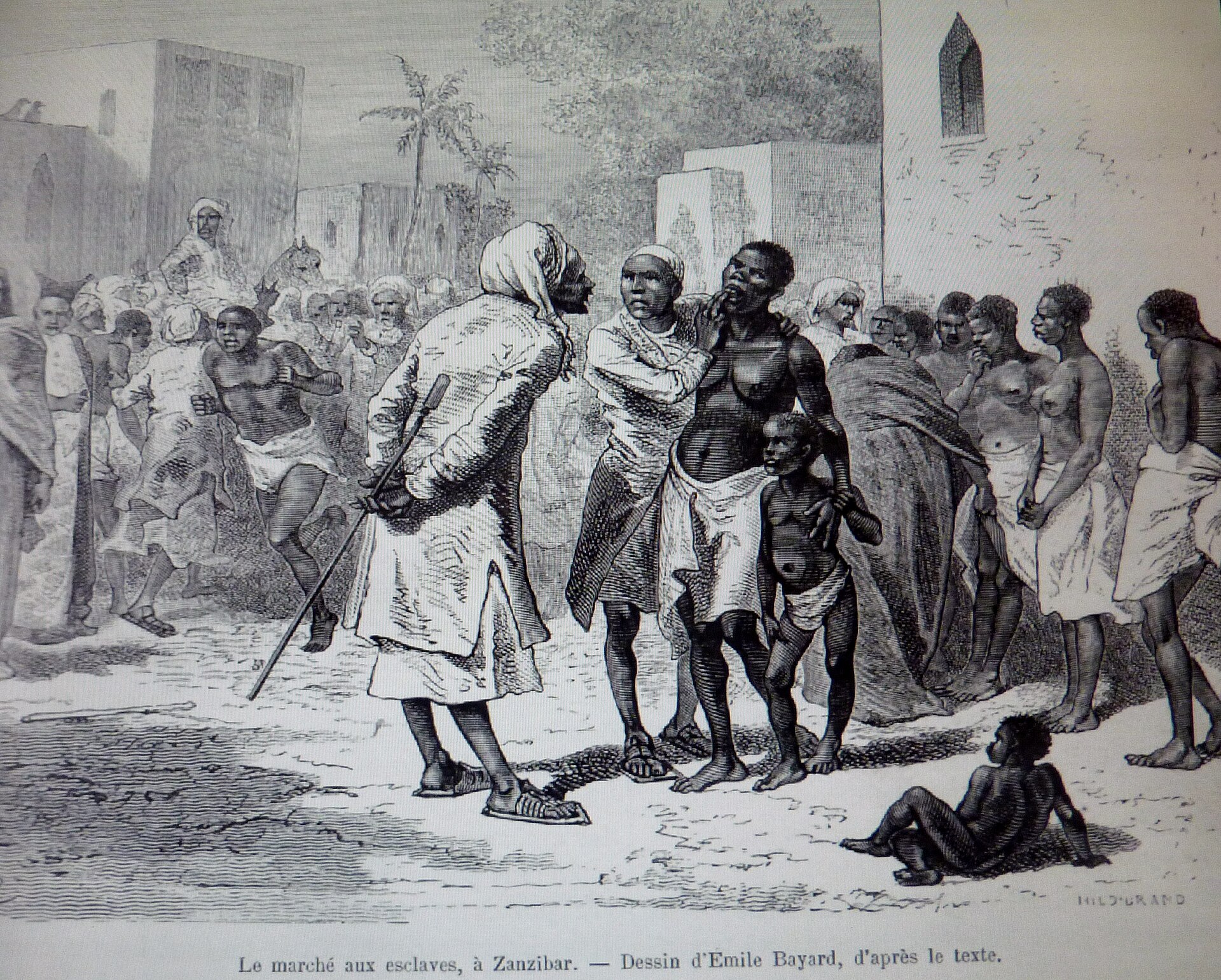
Along the Indian Ocean shore, Swahili city-states such as Kilwa grew rich for centuries on a trade in gold, ivory, and spices that reached across to Arabia, Persia, and India. The islands of Zanzibar became a great entrepot, famous for cloves and spices but also, in the nineteenth century, a notorious hub of the East African slave trade, ruled by sultans from Oman.
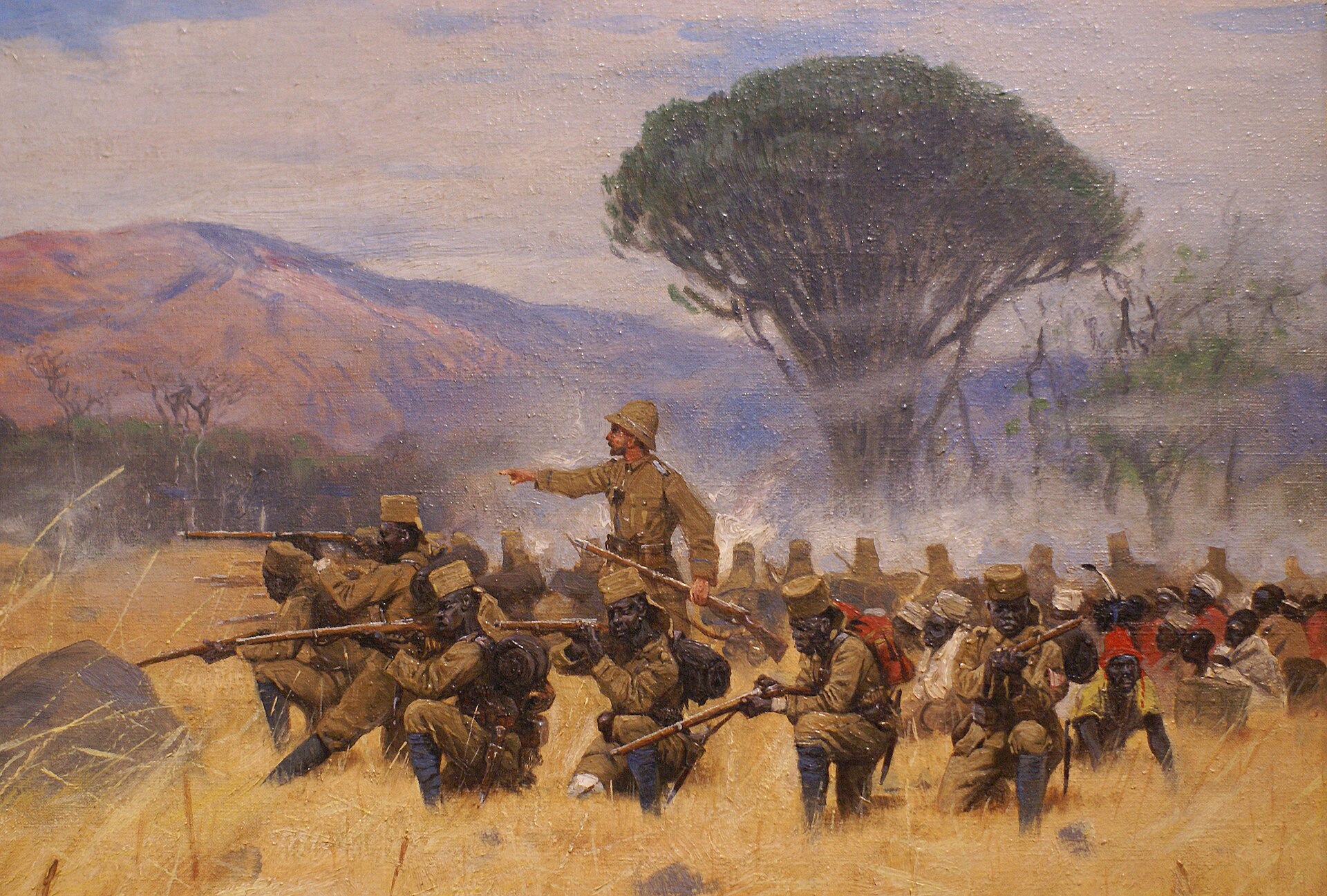
In the late nineteenth century the mainland was seized by Germany as German East Africa, whose harsh rule provoked the Maji Maji Rebellion of 1905, a great uprising crushed with terrible loss of life. After the First World War the territory passed to Britain, setting the stage for the independence movement to come.
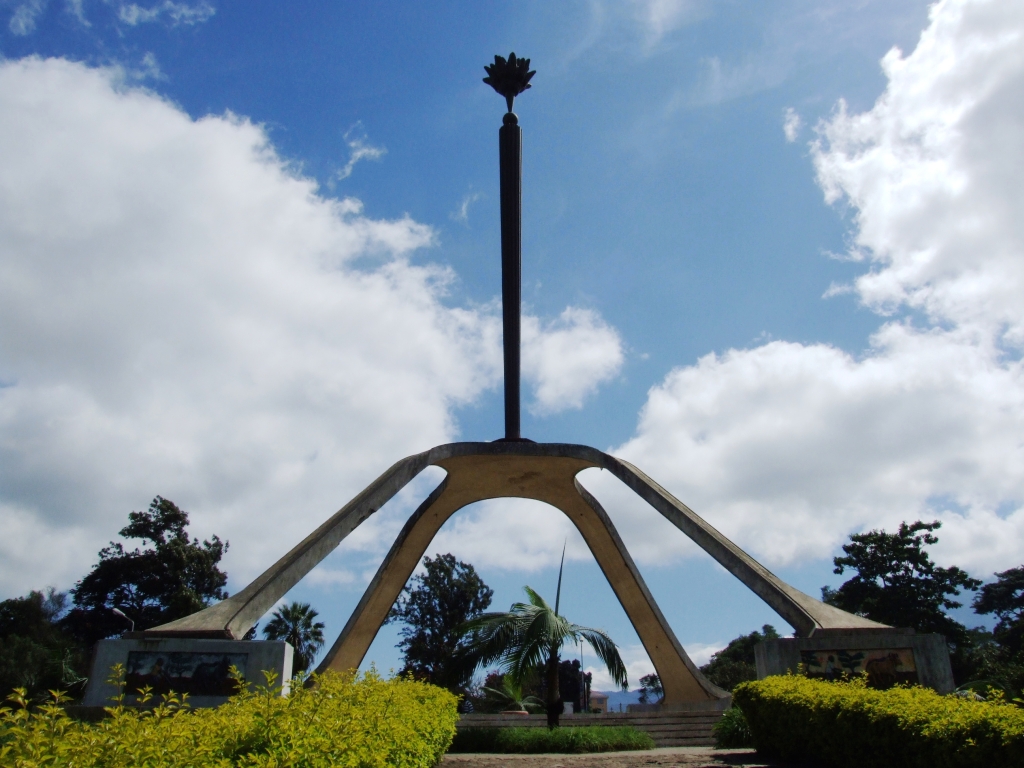
Tanganyika won independence in 1961 under Julius Nyerere, a revered teacher and thinker known as Mwalimu. In 1964 it united with the newly revolutionary Zanzibar to form Tanzania. Nyerere then pursued a distinctive experiment in African socialism and self-reliance, ujamaa, set out in the Arusha Declaration, which fostered a strong national unity and identity even as it fell short in its economic aims.
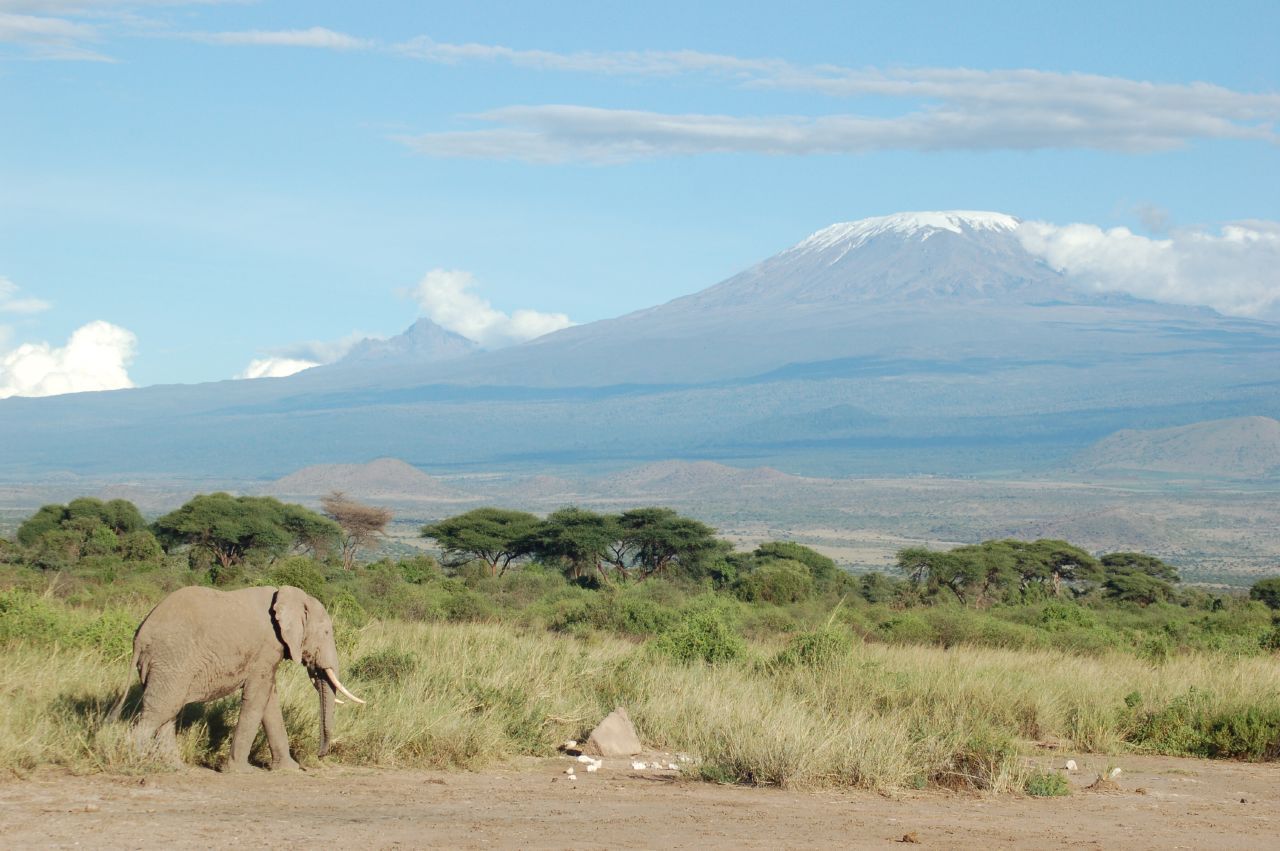
Tanzania's landscape is among the most spectacular in Africa. The snow-capped cone of Mount Kilimanjaro rises near the northern border, while the Great Rift Valley cuts through the country, dotted with lakes and the Ngorongoro Crater. The Serengeti plains host one of the greatest wildlife spectacles on Earth, the annual migration of millions of wildebeest and zebra. Tanzania also borders three of Africa's great lakes, including Lake Victoria, and meets the warm Indian Ocean along its coast.
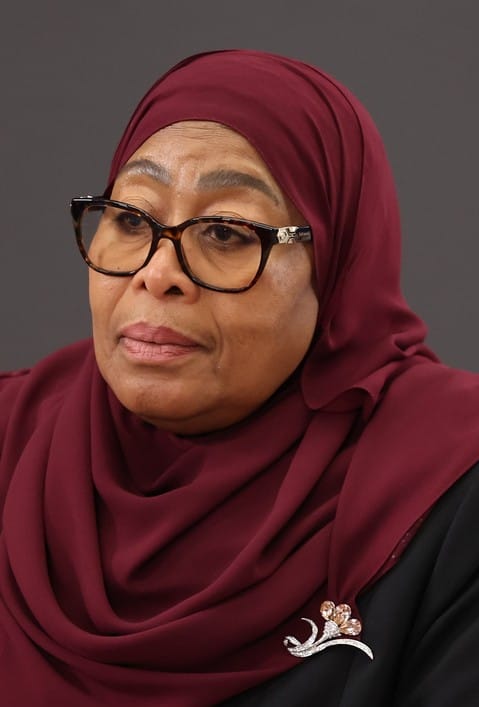
Tanzania is a presidential republic with an unusual structure, a union in which the mainland and the islands of Zanzibar share a national government while Zanzibar keeps its own president and parliament for local affairs. Politics has been dominated since independence by a single party, now called Chama Cha Mapinduzi, which has never lost power. The president since 2021 is Samia Suluhu Hassan, the country's first woman leader, who took office on the death of her predecessor. She at first eased the harsh repression of recent years, but the approach to the elections of 2025 saw a renewed and often violent crackdown on the opposition, casting a shadow over the country's reputation for stability.
Tanzania has one of the larger economies in East Africa, growing steadily but still resting heavily on agriculture, which employs most of its people. Coffee, cashews, cotton, tea, and the cloves of Zanzibar are important exports, alongside a growing mining sector, for Tanzania is a significant producer of gold and of the rare gemstone tanzanite, found nowhere else. Above all, the country's extraordinary wildlife and landscapes, from Kilimanjaro to the Serengeti and the beaches of Zanzibar, make tourism a vital and growing source of income.
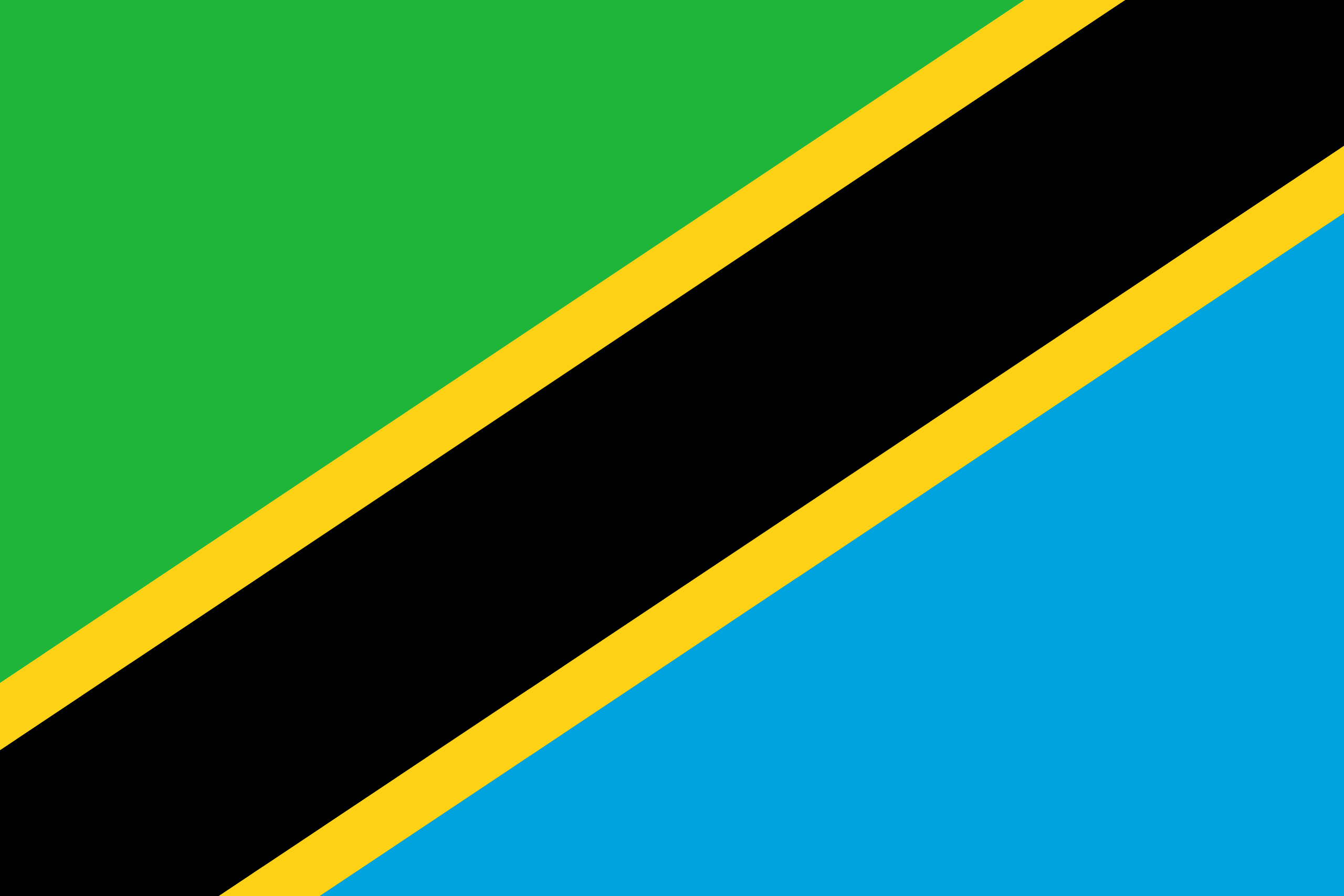
The flag of Tanzania is divided by a black diagonal band, edged in gold, running from the lower hoist to the upper fly, separating a green triangle from a blue one. The green represents the land and its vegetation, the blue the lakes, rivers, and the Indian Ocean, the black the people of Tanzania, and the gold the country's mineral wealth. The design dates to the union that created the country in 1964.
Tanzania is religiously diverse and known for a tradition of tolerance among its faiths. Christianity and Islam each claim large shares of the population, with Christians more numerous on much of the mainland and Islam dominant on the coast and overwhelmingly so on Zanzibar, a legacy of centuries of Indian Ocean trade. Traditional African beliefs also persist. This mix has generally coexisted peacefully, an important feature of a country built from diverse peoples.
Tanzanian food blends African staples with Indian, Arab, and coastal Swahili influences. On the mainland the staple is ugali, a stiff maize porridge eaten with stews of meat, beans, or vegetables, and grilled meat known as nyama choma is a favourite. The coast and Zanzibar offer fragrant Swahili cooking rich with coconut, spices, and seafood, reflecting the islands' long history as a centre of the spice trade. Chai, spiced tea, is widely enjoyed.
Agriculture is the foundation of Tanzania's economy, employing a large majority of its people. Maize is the main food crop, while coffee, cashew nuts, cotton, tea, and tobacco are important exports. Zanzibar is famous for its cloves and other spices. Much farming is done by smallholders on modest plots, and the sector, together with the country's spectacular wildlife and landscapes that draw tourists, forms the bedrock of national livelihoods.
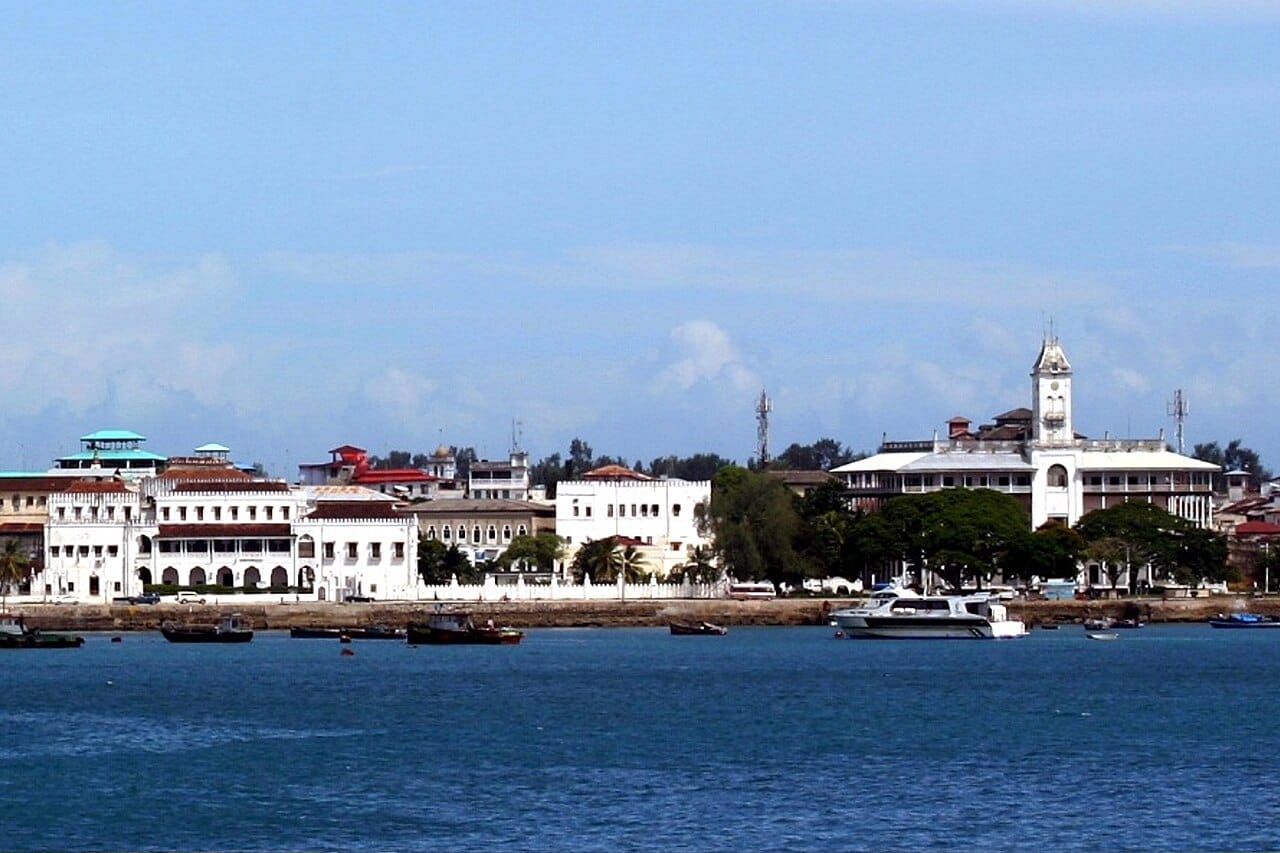
Tanzania is one of the most diverse nations in Africa, home to some 120 ethnic groups, yet it is bound together with remarkable success by a shared language, Swahili, adopted as a unifying national tongue and a lasting achievement of Nyerere's nation-building. This has given the country a strong sense of common identity and a reputation for harmony rare in the region. Along the coast and on Zanzibar flourishes the distinctive Swahili culture, a centuries-old blend of African, Arab, and Indian influences seen in the carved doors and coral-stone alleys of Stone Town. Music, from the coastal taarab to modern bongo flava, and a warm, communal way of life run through the national character.
Tanzania is admired for its unity and its long peace, but that stability has come under a single party that has held power without interruption since independence, first as a one-party socialist state and, since the 1990s, as the dominant force in a nominally multiparty system. Supporters credit the ruling party with building national cohesion and steady development in a turbulent region. Critics counter that its unbroken grip has hollowed out real democracy, and point to the repression of recent years: the crushing of dissent under a hardline president in the late 2010s, and a fresh, sometimes deadly crackdown on the opposition around the elections of 2025, when leading opposition figures were barred or charged and protests were met with force. The tension between Tanzania's prized stability and the demands of a genuine democracy is the central question of its politics, sharpened further by the delicate union with a restive Zanzibar.
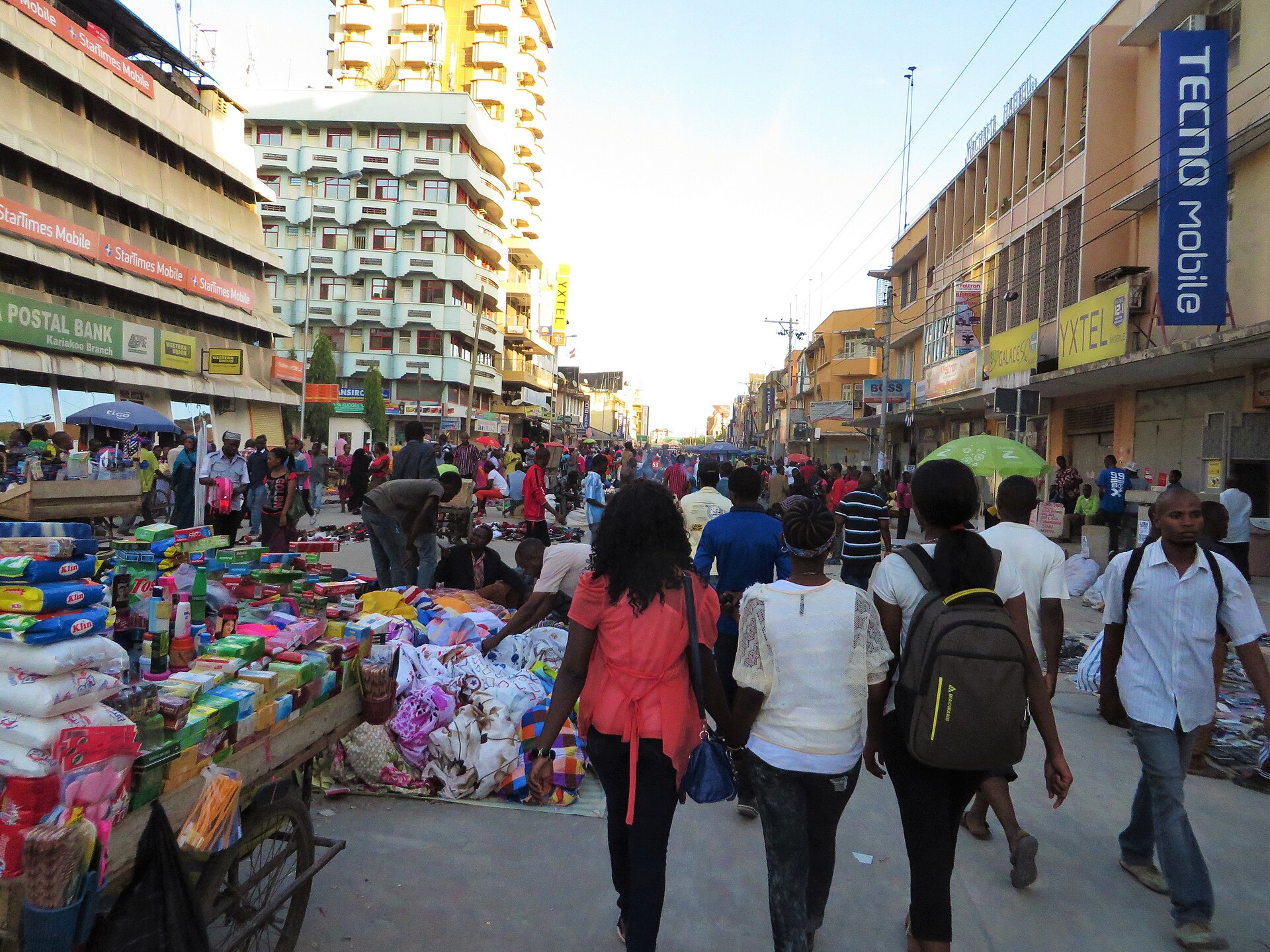
Tanzania has a population of around 67 million people, one of the most diverse in Africa, with some 120 ethnic groups. Crucially, the spread of Swahili as a national language has helped bind this diversity into a strong sense of unity and given the country a reputation for stability. The population is largely rural, though cities are growing fast, above all the commercial hub of Dar es Salaam, while the official capital is the more central Dodoma.