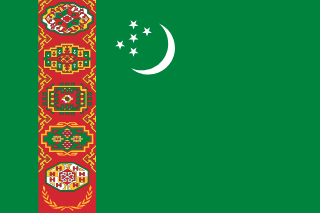
Tajikistan is a landlocked, mountainous country in Central Asia, where the towering Pamir mountains, sometimes called the Roof of the World, rise along its borders with China and Afghanistan. Unlike its Turkic-speaking neighbours, its people are Tajiks, a Persian people whose language and culture are closely related to those of Iran and Afghanistan. A land of high peaks, ancient Silk Road heritage, and recent hardship, it is the poorest of the former Soviet republics of Central Asia.
Tajikistan's history is a Persian one, from the ancient lands of Bactria and Sogdiana, through the golden age of the Samanid Empire, to Russian and Soviet rule and an independence scarred by civil war.
The lands of Tajikistan were part of the ancient Persian world and home to the historic regions of Bactria and Sogdiana, whose merchants were the great traders of the early Silk Road. Their caravans and envoys carried goods and ideas across Asia, linking the region to China, India, and the Mediterranean.
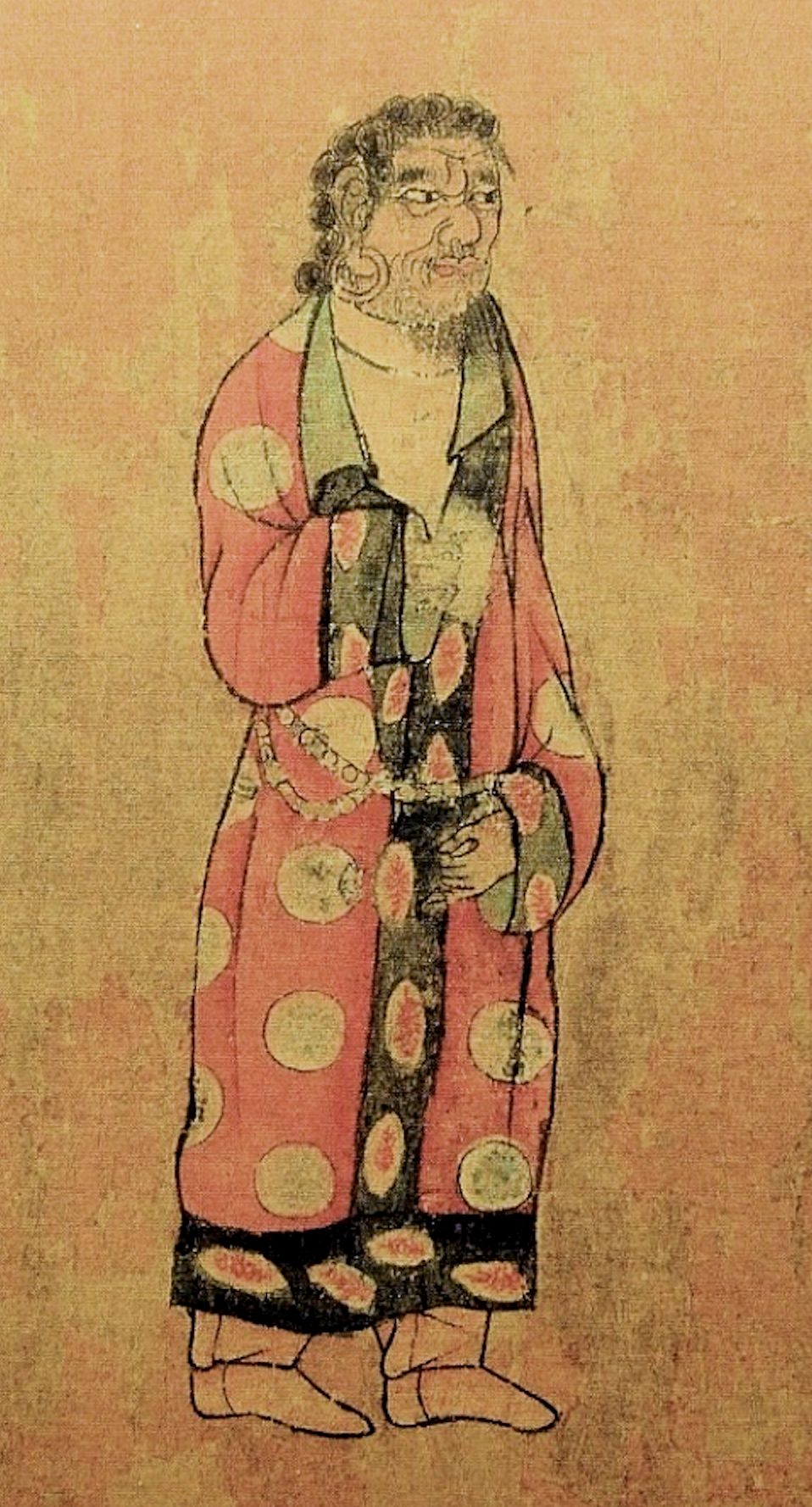
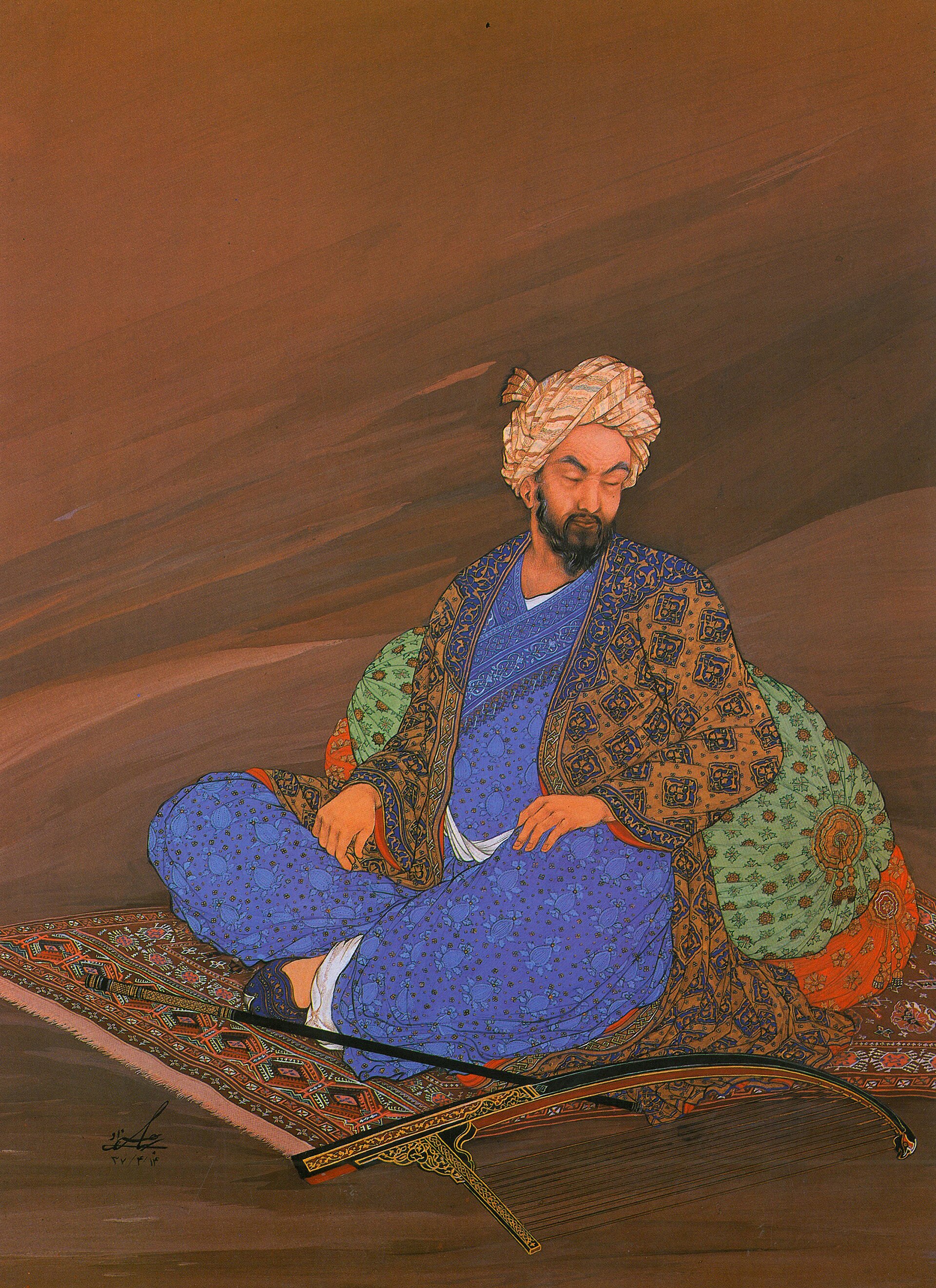
The proudest era of Tajik history came under the Samanid Empire of the ninth and tenth centuries, a Persian-speaking state that fostered a brilliant golden age of Persian literature, science, and learning. It was the age of Rudaki, regarded as the father of Persian poetry and a towering national symbol for Tajiks.
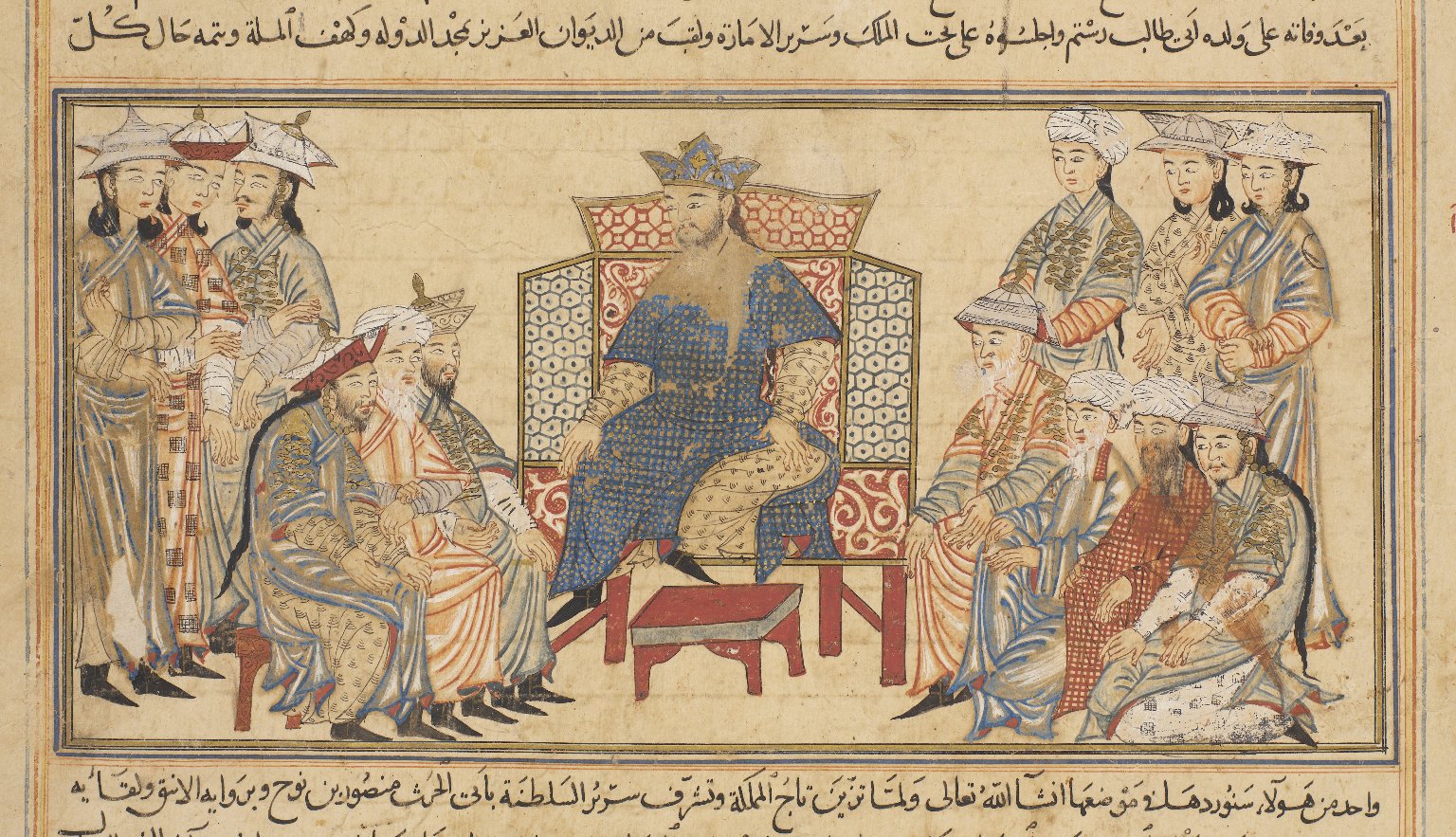
For centuries the region was fought over by Persian, Turkic, and Mongol powers, and its remote Pamir highlands became a frontier in the imperial rivalry known as the Great Game. In the nineteenth century the Russian Empire absorbed the lands, whose Muslim fighters, the basmachi, resisted the new Soviet order into the 1920s and 1930s.
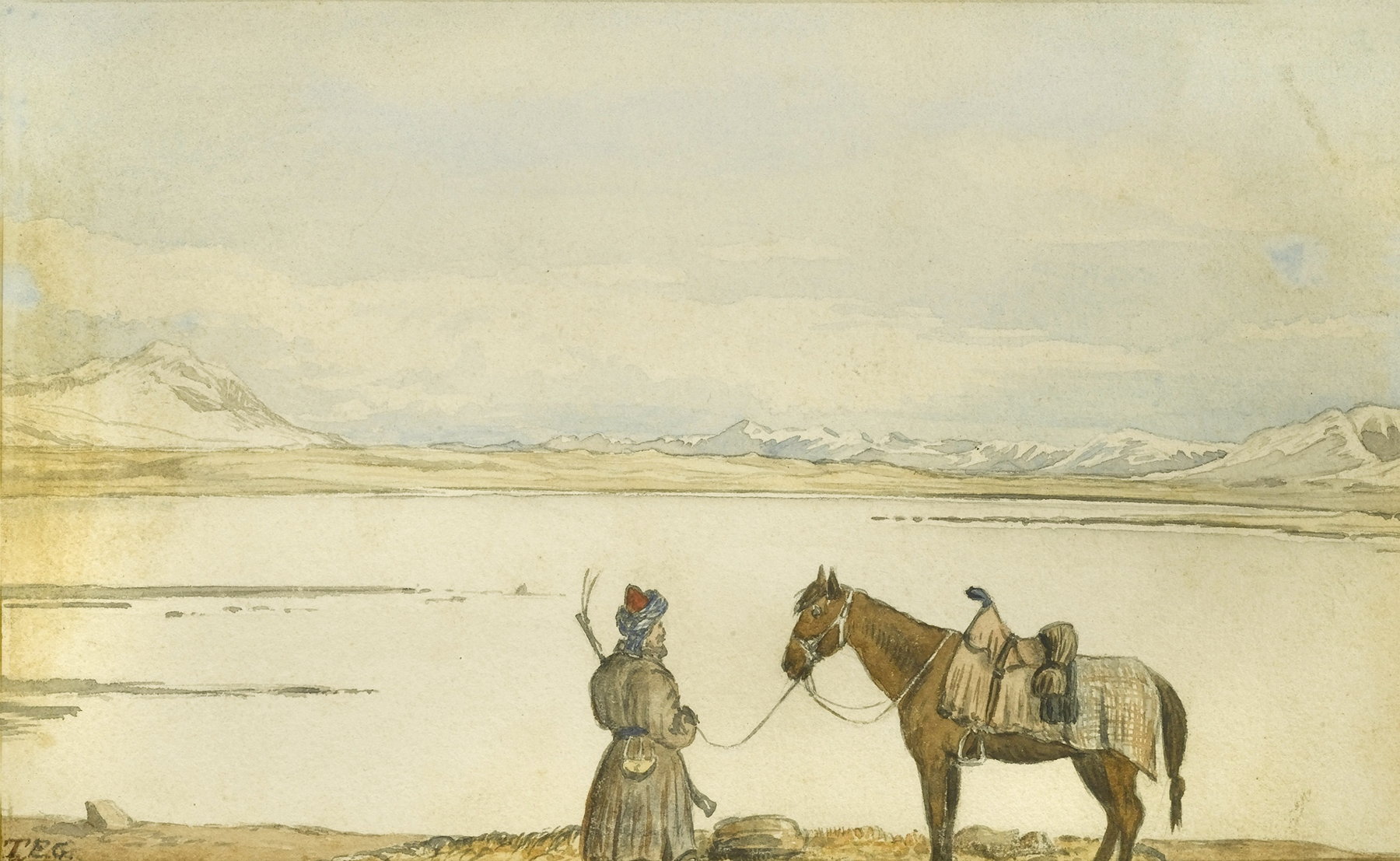
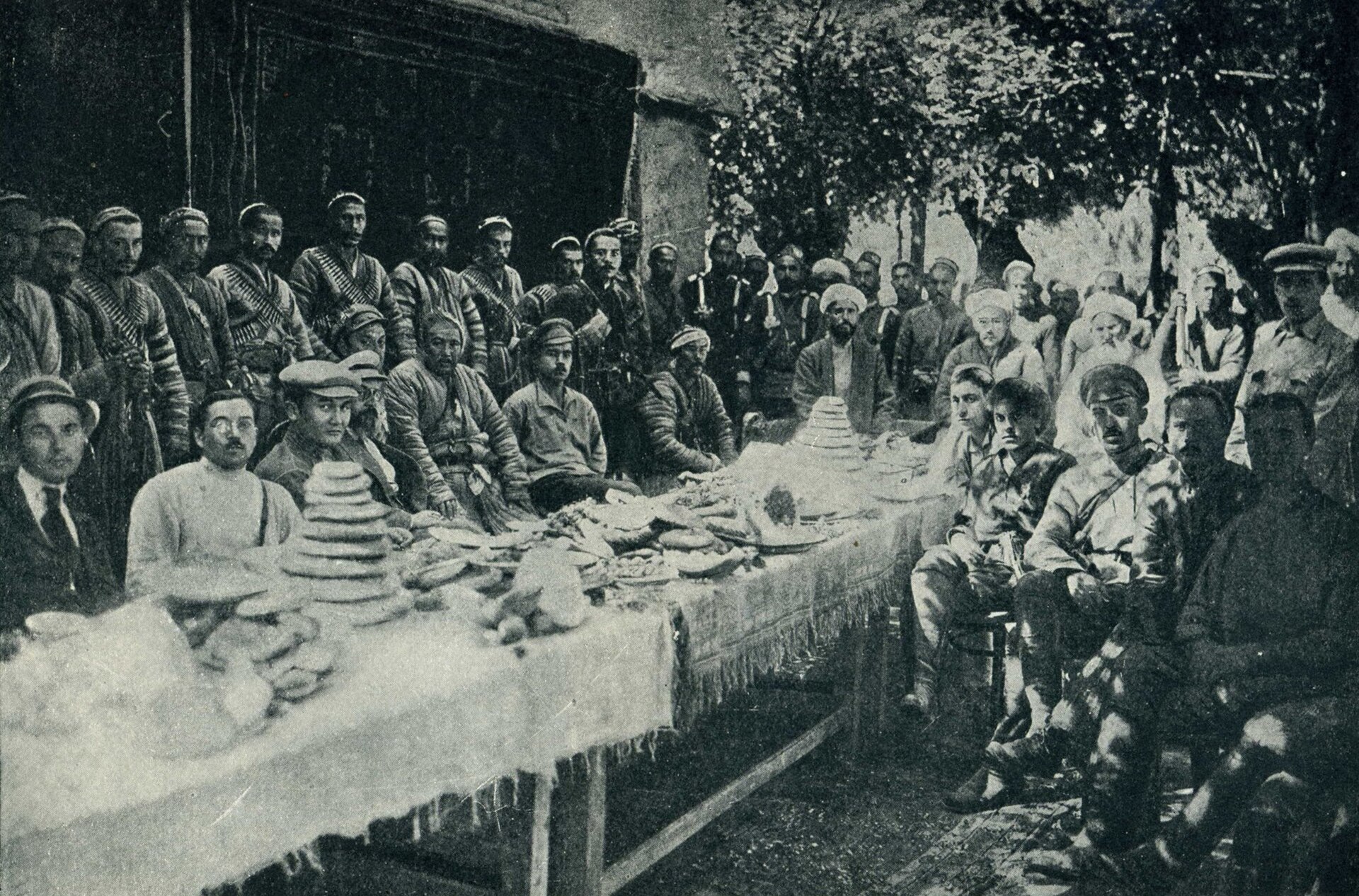
As the Soviet republic of Tajikistan, the country was reshaped in the twentieth century, with cotton farming, industry, and schooling brought to the valleys and the suppression of religion and old ways. The Soviet decades built the modern nation and its capital before independence came suddenly in 1991.
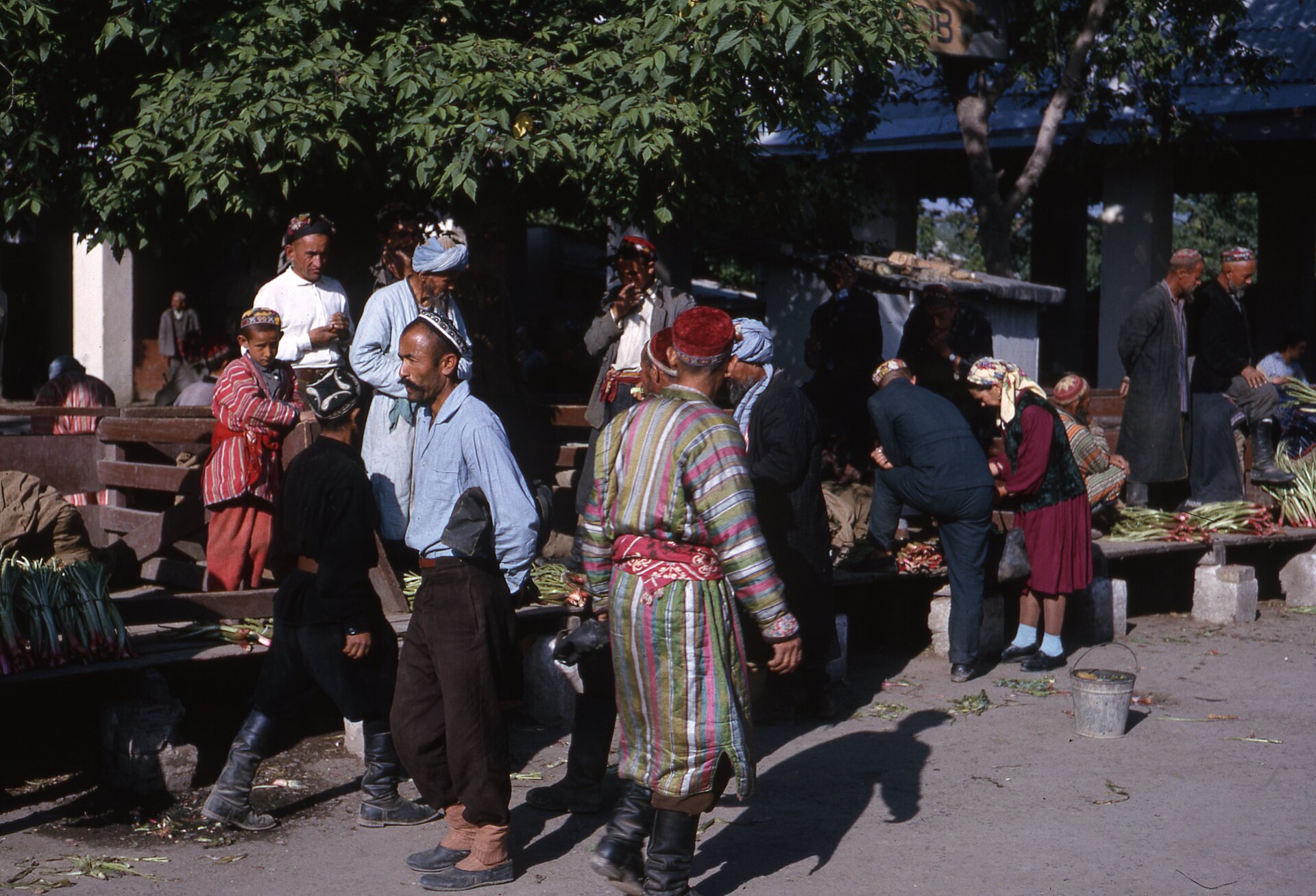
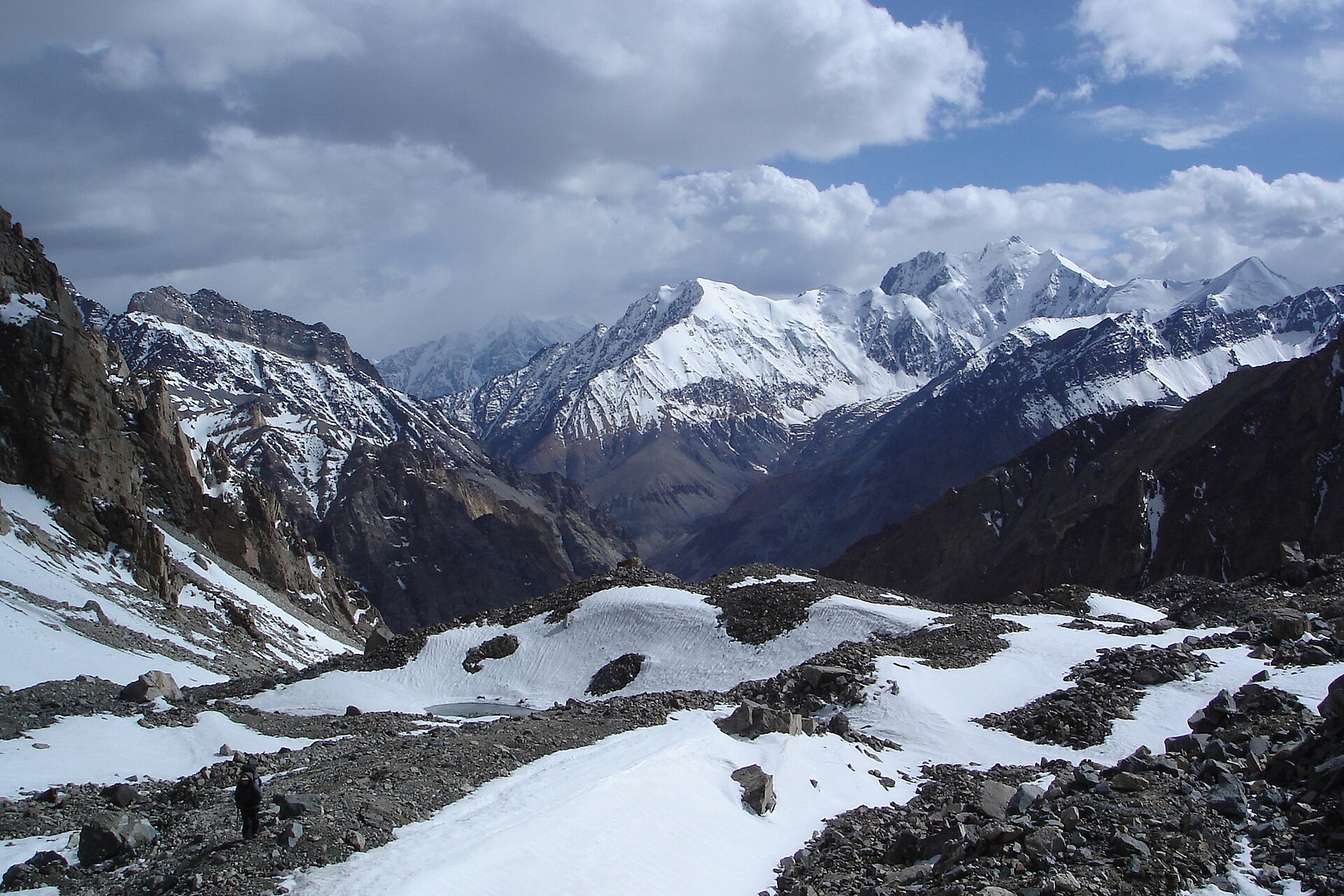
Tajikistan is overwhelmingly mountainous, with more than nine-tenths of its territory covered by ranges, and the great Pamir mountains in the east holding some of the highest peaks in the world. Deep valleys and gorges cut through the highlands, fed by glaciers and snowmelt that give rise to the rivers on which the region depends, and this water and elevation give the country enormous hydroelectric potential. The lower western valleys hold most of the population and farmland.
Tajikistan is a presidential republic dominated by a single figure. Emomali Rahmon, who emerged as leader during the civil war of the 1990s and has ruled since, is one of the longest-serving heads of state in the world, presiding over a tightly controlled political system with an entrenched cult of the leader and little effective opposition. Power and patronage are closely held, and the question of an eventual succession, widely expected to pass within his family, hangs over the country's politics.
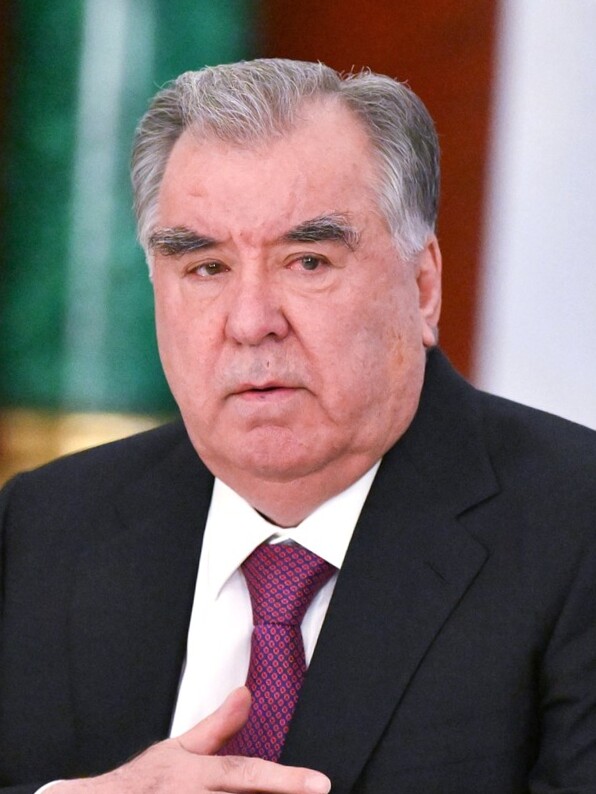
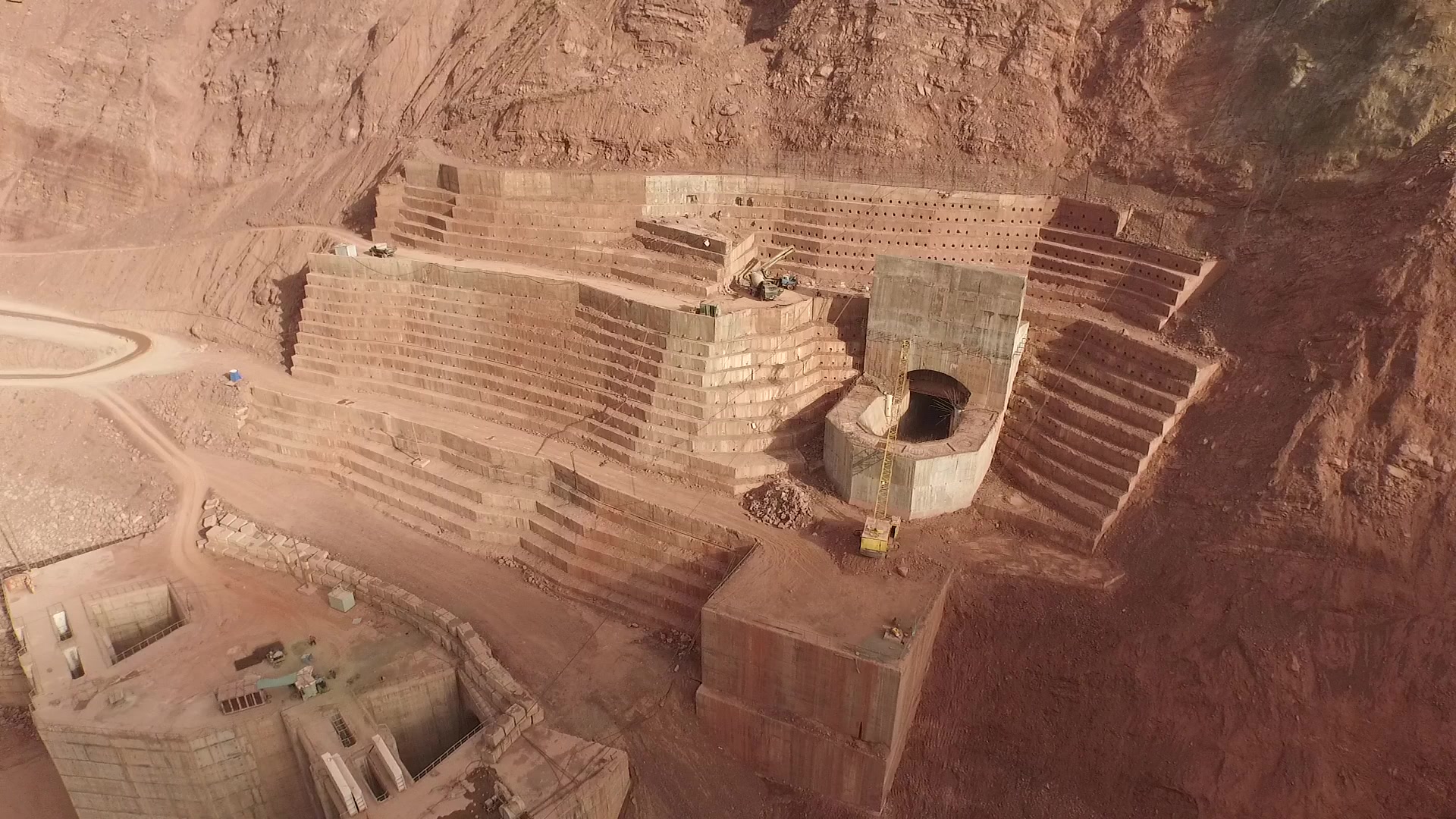
Tajikistan is the poorest of the former Soviet republics of Central Asia, and its economy leans heavily on the money sent home by the great many Tajiks who work abroad, above all in Russia, which makes up a huge share of national income. Cotton and aluminium are important, and the country's greatest hope lies in its mountains and rivers: it is building the Rogun Dam, intended to be the tallest in the world, to harness its vast hydroelectric potential and export power to its neighbours.
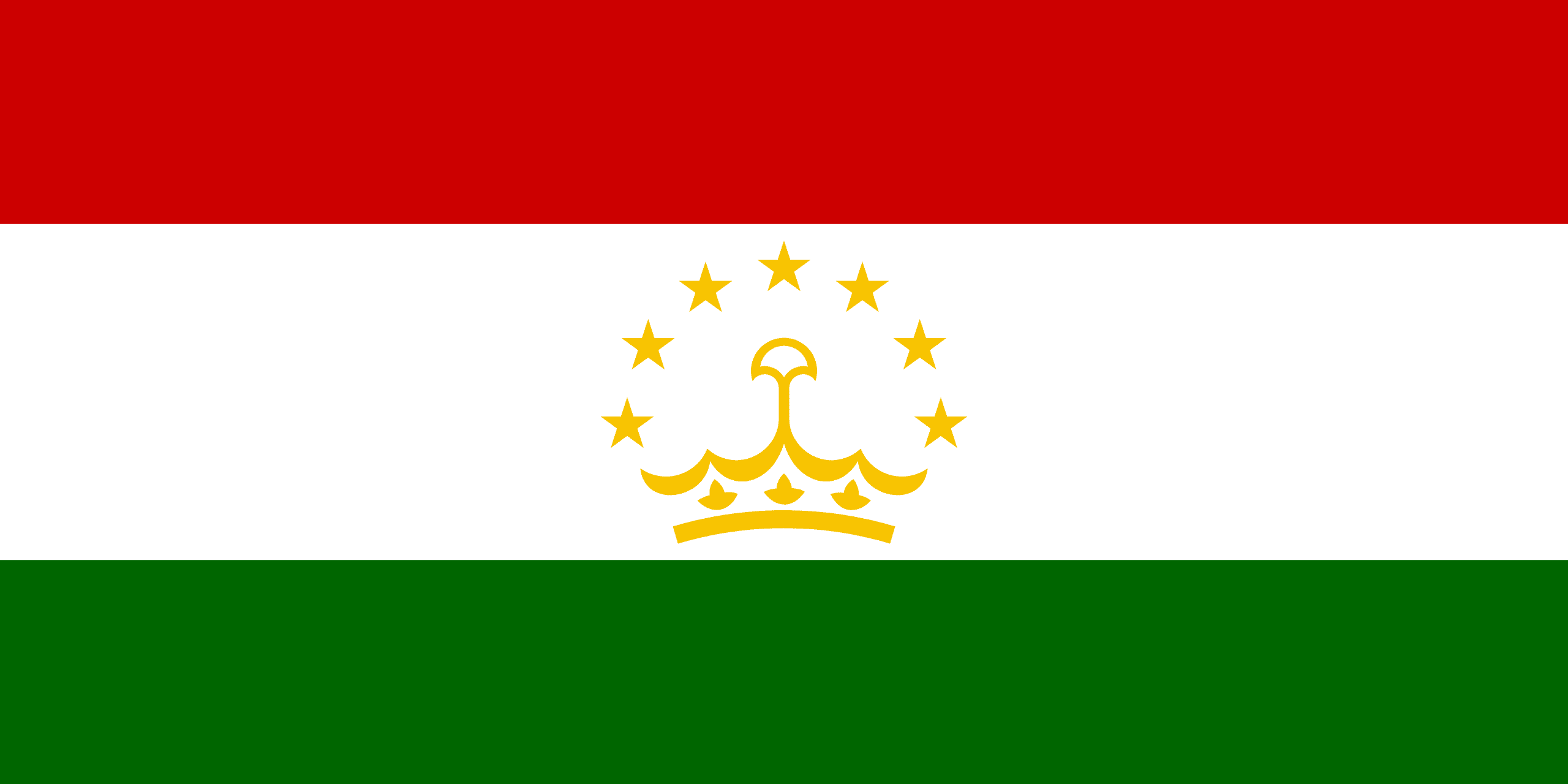
The flag of Tajikistan has three horizontal bands of red, white, and green, with a central white band wider than the others bearing a golden crown topped by an arc of seven stars. The red is associated with unity and the nation's history, the white with purity and the snow of the mountains and cotton of the fields, and the green with the valleys and the faith. The crown and the seven stars are traditional symbols said to represent the unity of the country's peoples.
The great majority of Tajiks are Sunni Muslims, and Islam is central to the country's culture and identity, having arrived more than a thousand years ago. In the remote Pamir mountains, many people follow the Ismaili branch of Shia Islam, giving the country some religious variety. Decades of Soviet atheism left a secular state and society, and the government keeps a careful watch over religious life, but faith has revived as an important part of personal and community identity since independence.
Tajik cuisine blends Persian and Central Asian traditions, and like much of the region it centres on the rice dish known as osh or plov, cooked with meat, carrots, and onions and served at gatherings and celebrations. Flatbread is sacred to the table, and dishes of meat, noodles, and dumplings are common, alongside fresh and dried fruit from the country's orchards. Green tea is the constant companion of meals and of a strong tradition of hospitality.
Agriculture is vital to Tajikistan, employing a large share of its people despite the mountainous terrain, with farming concentrated in the lower valleys. Cotton has long been the dominant cash crop, a legacy of the Soviet era, grown with irrigation, while wheat, vegetables, and the country's renowned fruits, including apricots and grapes, are also important. The high mountains give Tajikistan great potential for hydroelectric power, which it is developing as a key resource.
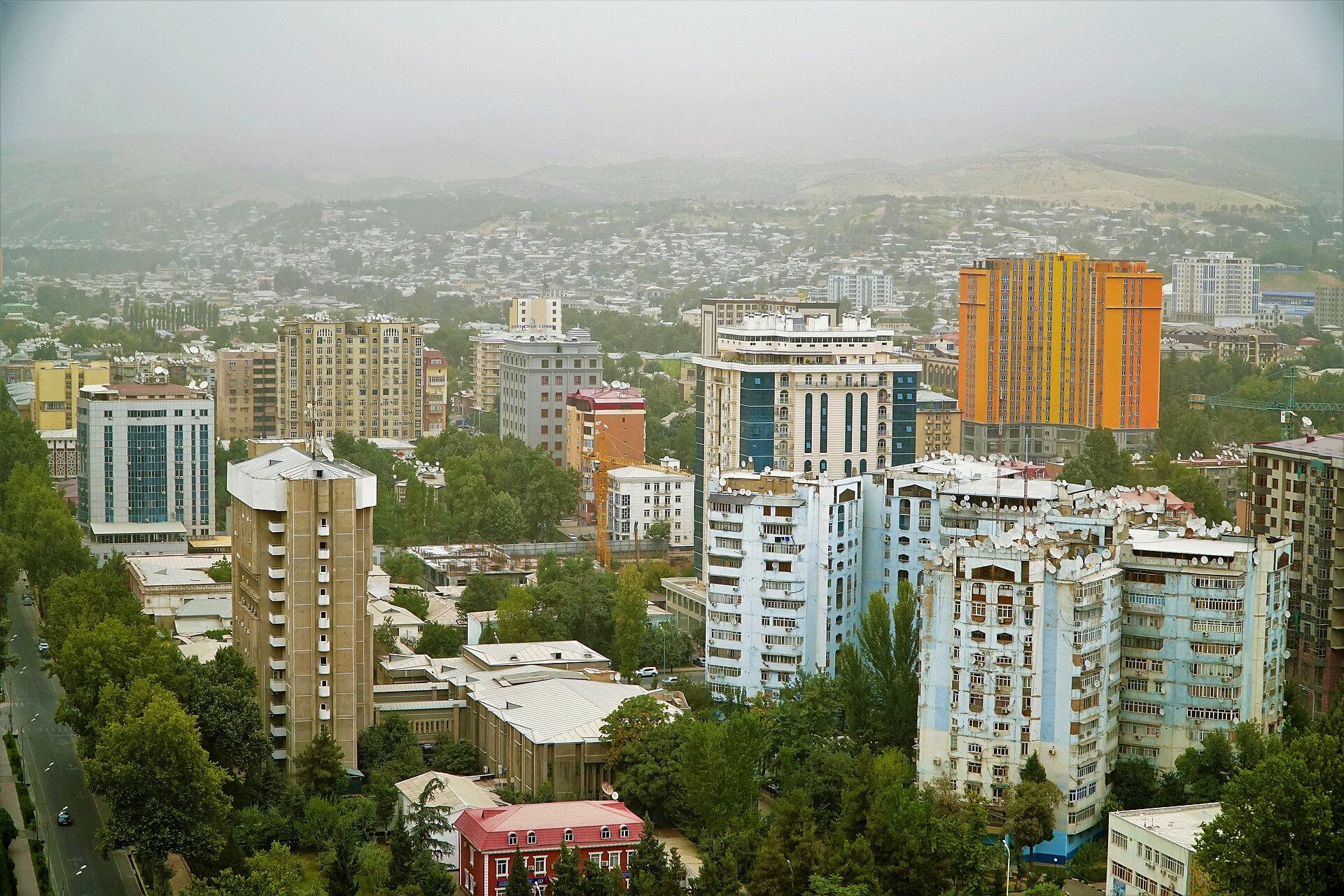
Tajik culture is a Persian one, set apart from its Turkic-speaking neighbours by a language that is a form of Persian and by a deep pride in the shared heritage of Persian poetry, music, and art. Rudaki and the classical poets are national treasures, and festivals such as the spring new year of Navruz are joyfully kept. Society is traditional and family-centred, and the capital, Dushanbe, whose name means Monday after its old market day, has been rebuilt with grand monuments proclaiming the nation's history.
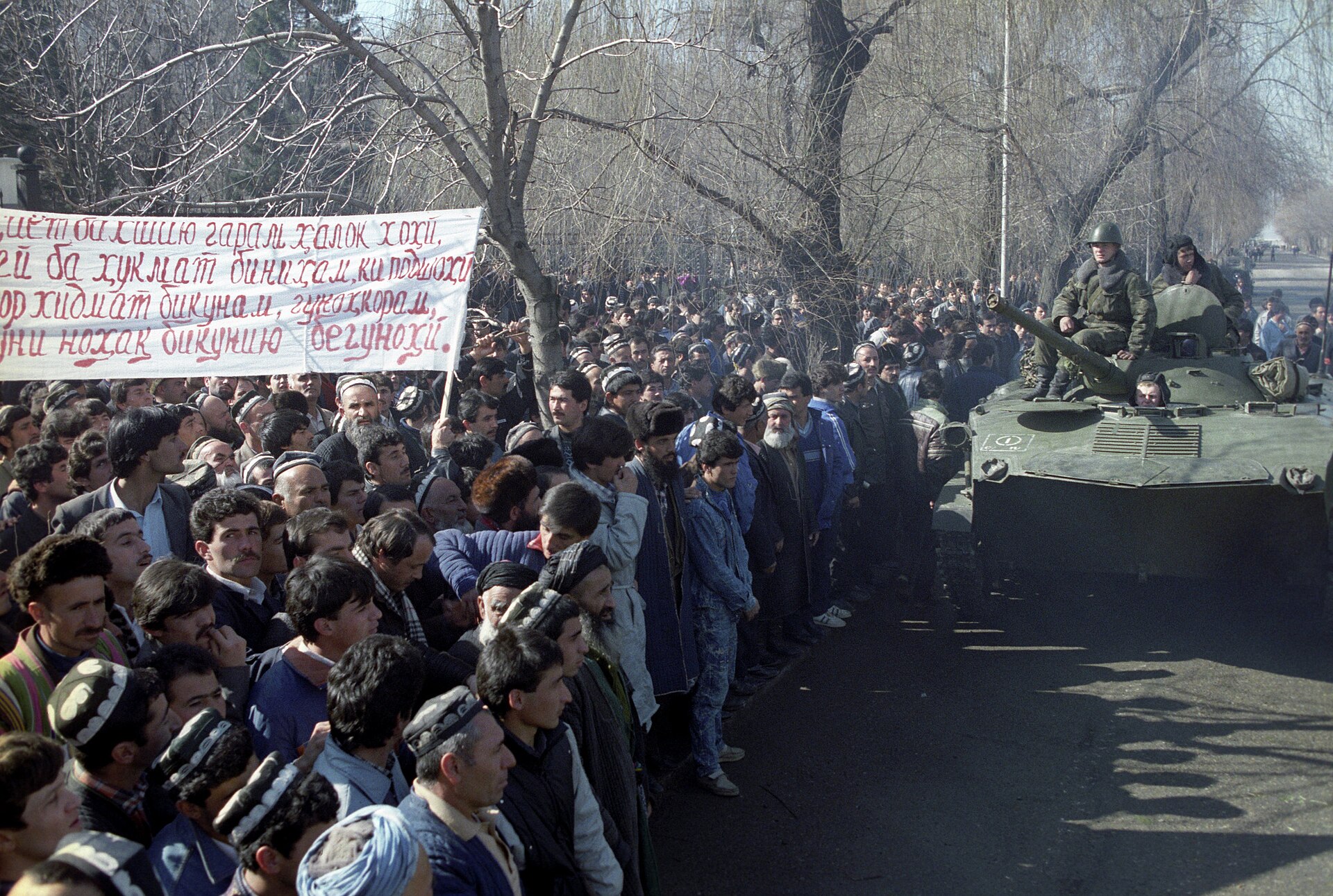
Independence in 1991 was followed almost at once by tragedy. From 1992 to 1997 Tajikistan was torn apart by a brutal civil war between the post-Soviet government and an opposition of Islamist and regional forces, a conflict that killed tens of thousands, displaced many more, and wrecked the young country's economy. It was out of this war that Emomali Rahmon rose to power. A peace settlement in 1997 ended the fighting, but the war's legacy of trauma, poverty, and a tightly controlled state, along with lingering tensions in the autonomous Pamir region, still shapes the country today.
Tajikistan has a population of around 10 million people, the great majority ethnic Tajiks, a Persian people whose language is a form of Persian, with Uzbek and other minorities. The population is young and fast-growing, and concentrated in the western valleys, above all in and around the capital, Dushanbe. Widespread poverty has driven a great many Tajiks to work abroad, especially in Russia, and the money they send home is a crucial support for the national economy.