Switzerland is a landlocked country in the heart of Europe, a small Alpine nation famous for its mountains, its long tradition of neutrality, and its prosperity. Bordered by France, Germany, Italy, and Austria, it brings together four language communities into a single, strikingly stable federation. Renowned for its banks, watches, chocolate, and cheese, and for staying out of Europe's wars, Switzerland is one of the wealthiest and most peaceful countries in the world.
Switzerland's history is the slow growth of a small alliance of Alpine communities into one of the most stable and prosperous states on Earth, held together by federalism, direct democracy, and neutrality.
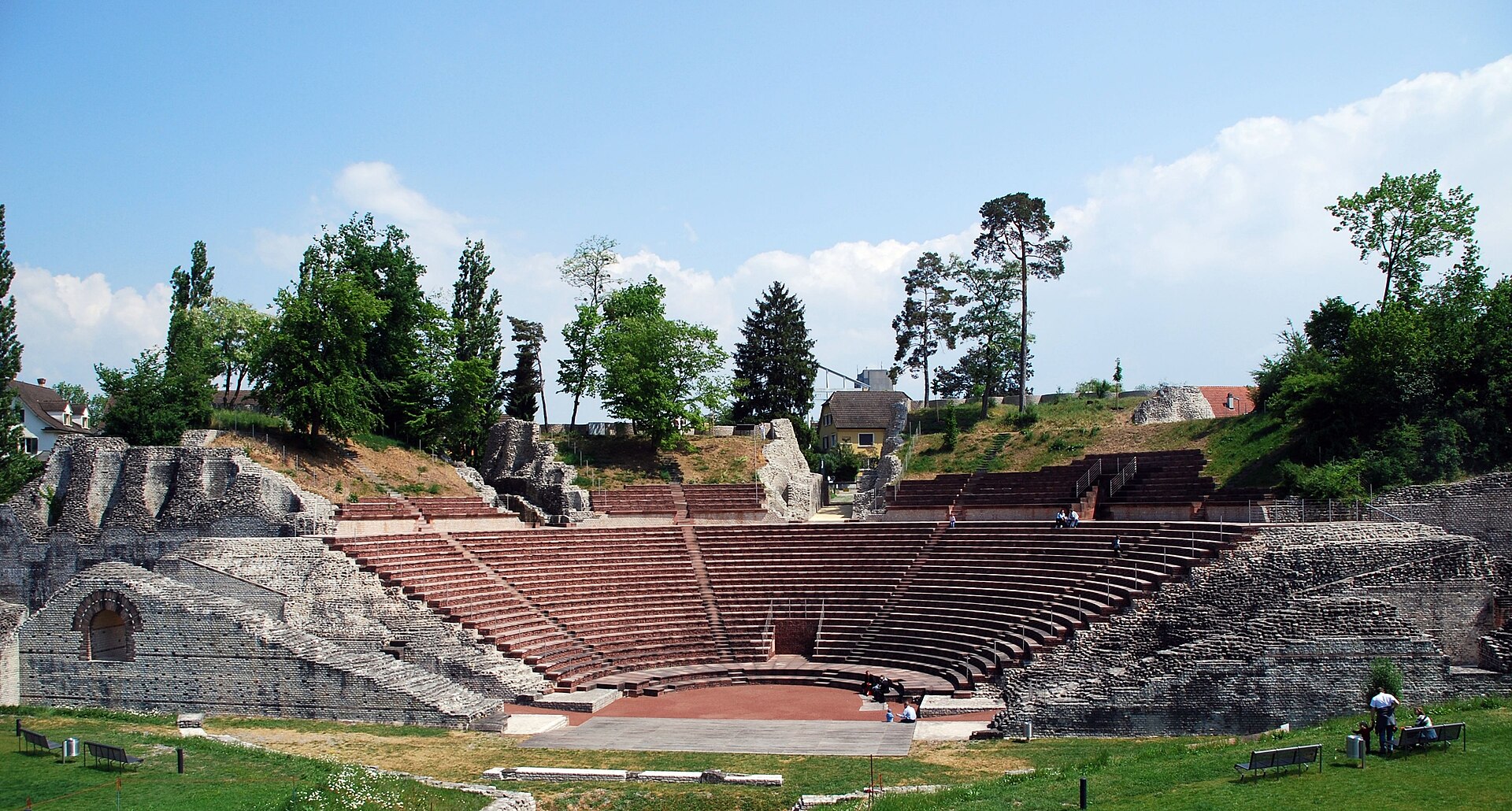
The Swiss lands were settled in antiquity and Romanised, leaving towns such as Augusta Raurica on the Rhine. After the fall of Rome the region was divided among dukes, bishops, and the Holy Roman Empire, its mountain valleys and trading towns prizing their local liberties.
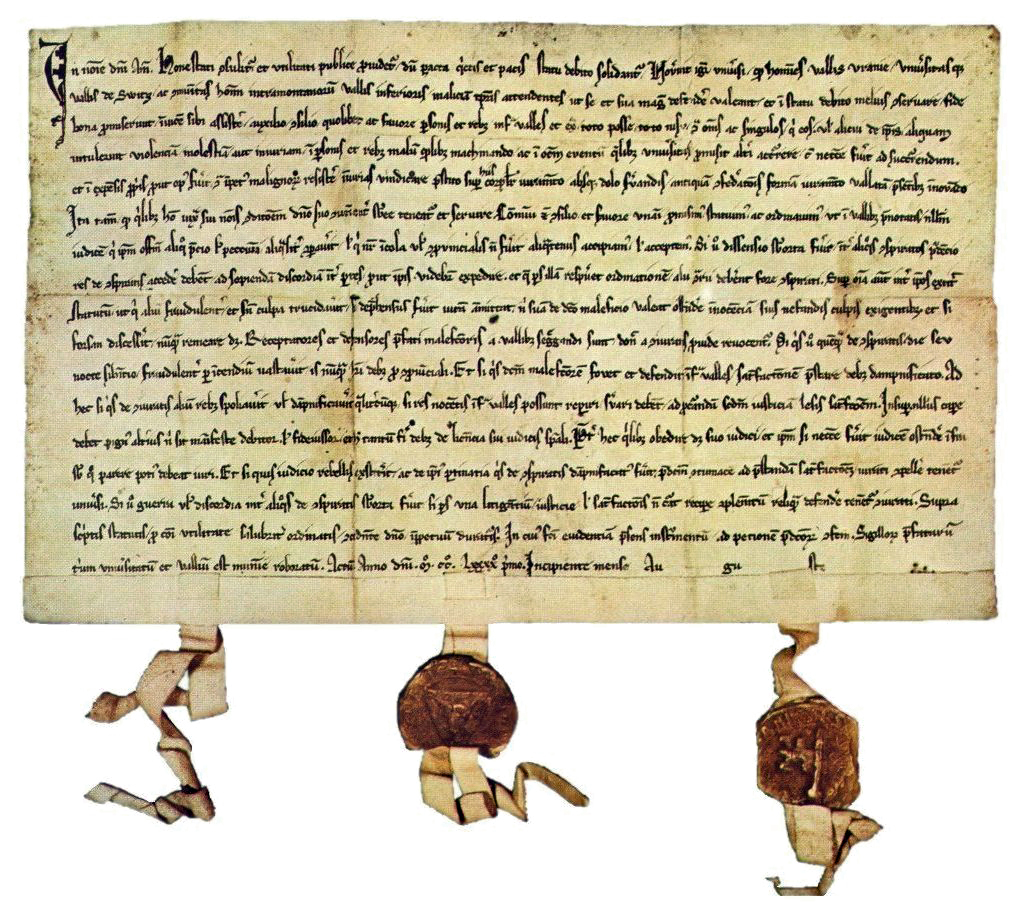
Switzerland traces its origin to 1291, when three rural communities in the Alps swore a defensive pact against outside rule. This alliance grew over the centuries into the Old Swiss Confederacy, adding cantons, winning a fearsome military reputation, and gradually freeing itself from the Holy Roman Empire, whose independence was formally recognised in 1648.
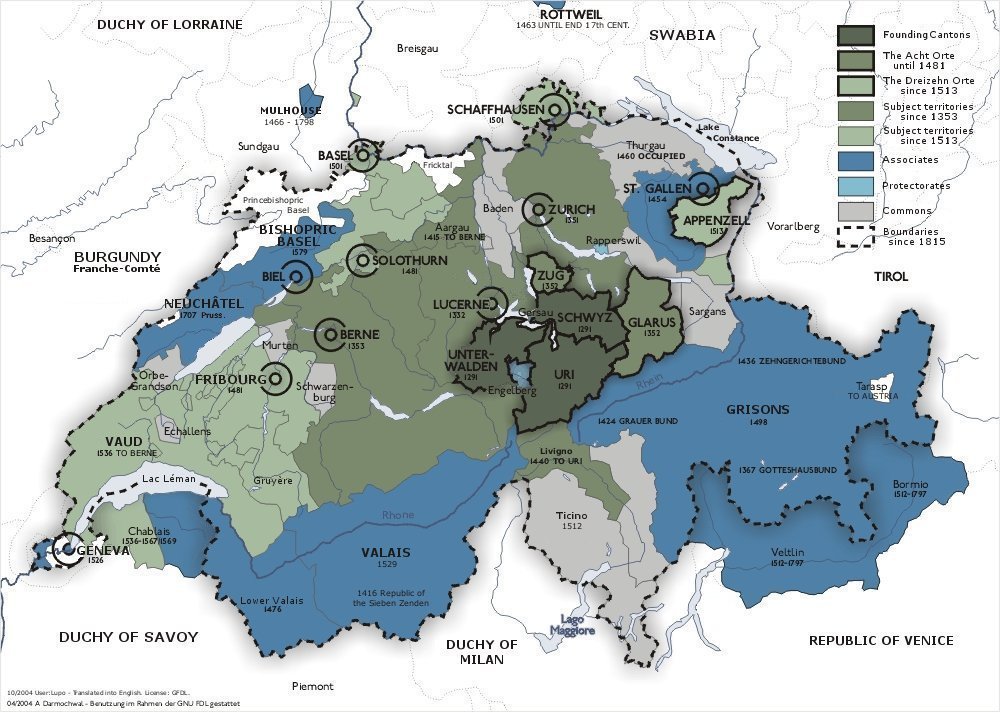
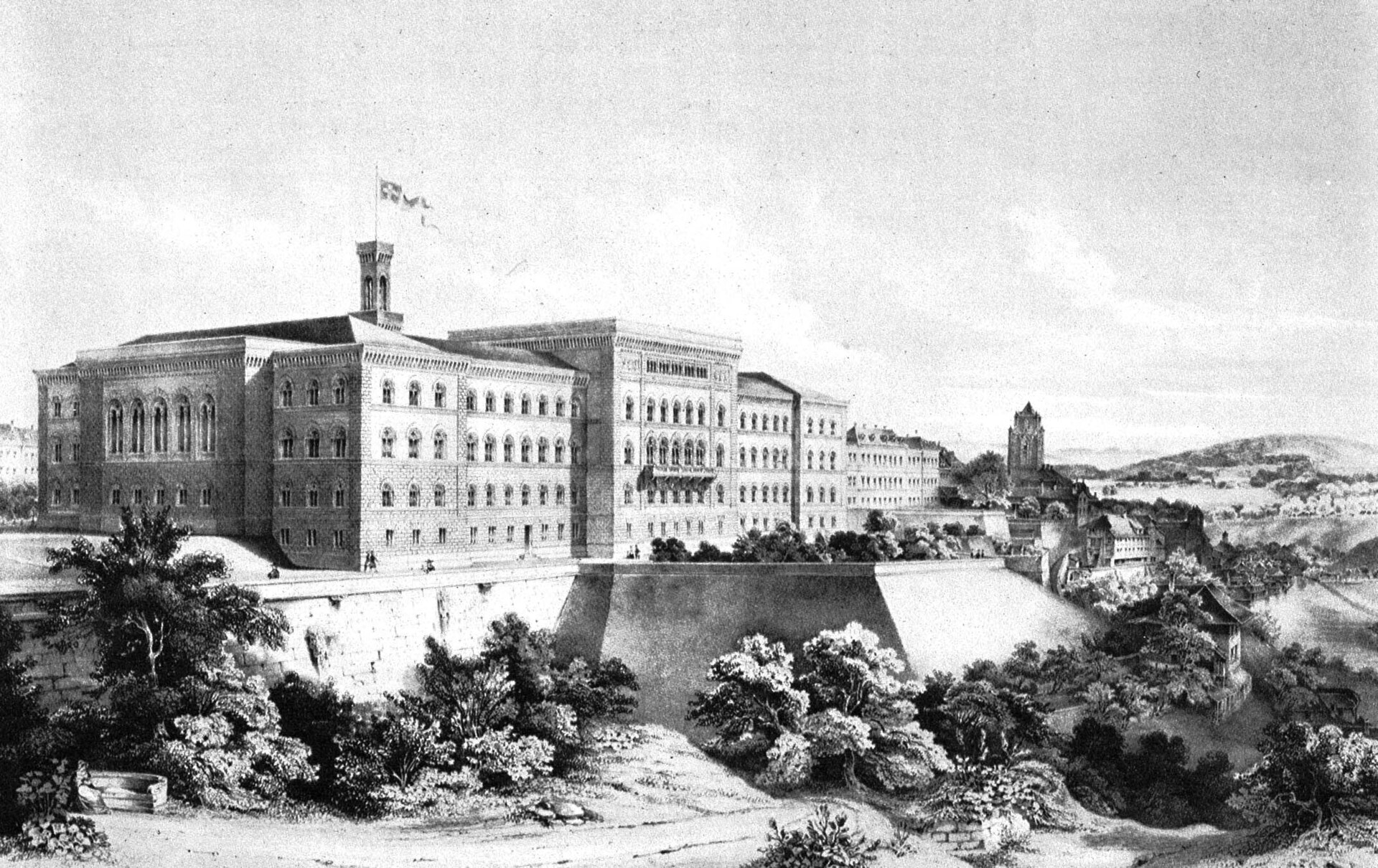
The Reformation split the confederacy between Protestant cantons, led from Zurich and Geneva, and Catholic ones, a division that brought recurring conflict. Napoleon overturned the old order, but after his fall the cantons rebuilt their union, and following a brief civil war the modern federal state was established in 1848, with a constitution that created the durable, decentralised confederation of today.
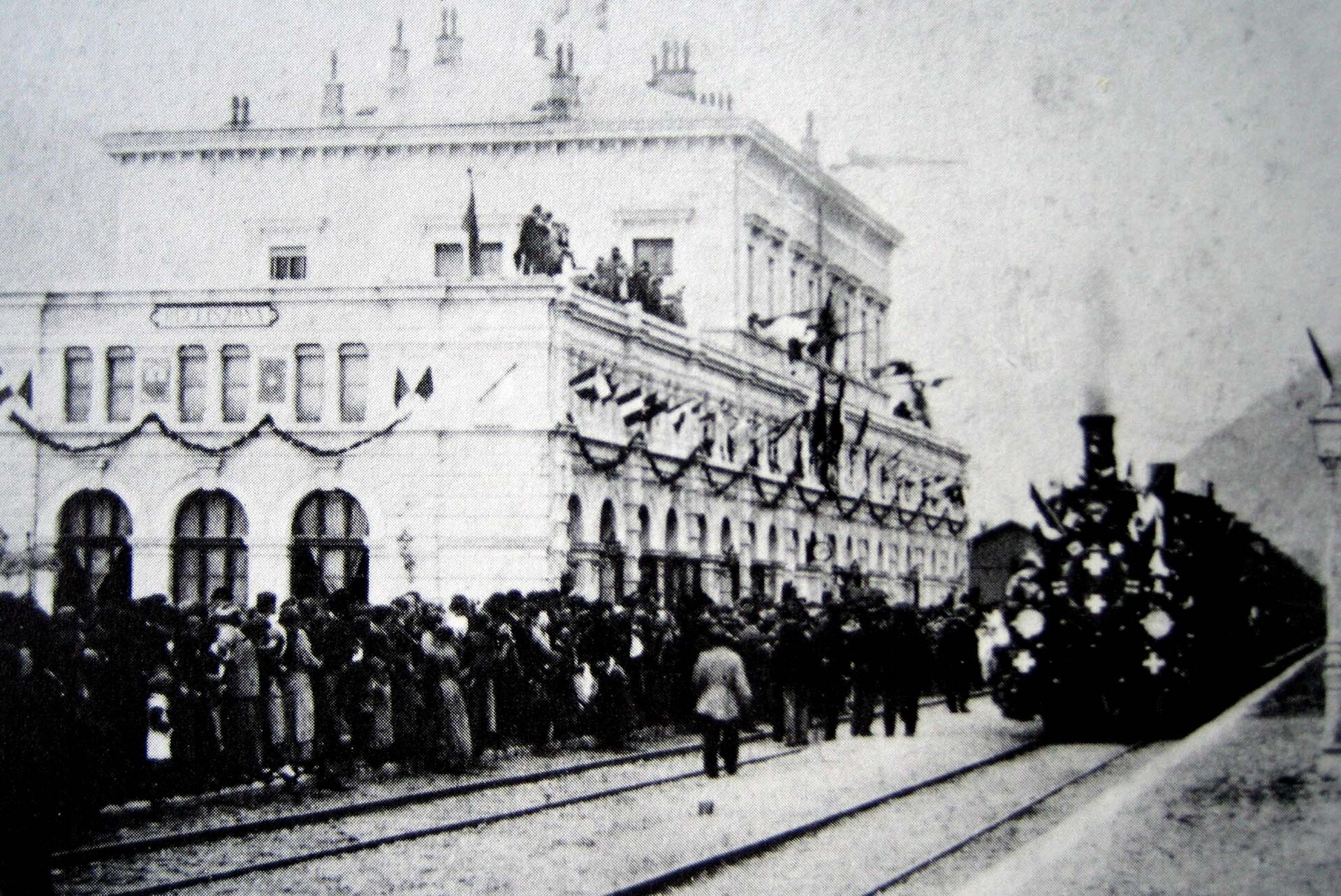
Switzerland's defining policy has been armed neutrality, which kept it out of the wars that repeatedly devastated Europe. It built prosperity through banking, precision manufacturing, and great feats of Alpine engineering, while Geneva became a world centre of diplomacy and humanitarianism, the birthplace of the Red Cross. Standing armed but aloof, Switzerland came through both world wars unoccupied.
The most cherished Swiss legend tells of William Tell, a peasant of the early confederacy who refused to bow to a tyrannical Habsburg official and was forced to shoot an apple from his own son's head with a crossbow. He succeeded, and his later defiance is said to have helped spark the rebellion that founded Swiss freedom. Beloved as a symbol of liberty and resistance, William Tell is regarded by historians as a figure of legend rather than documented fact.
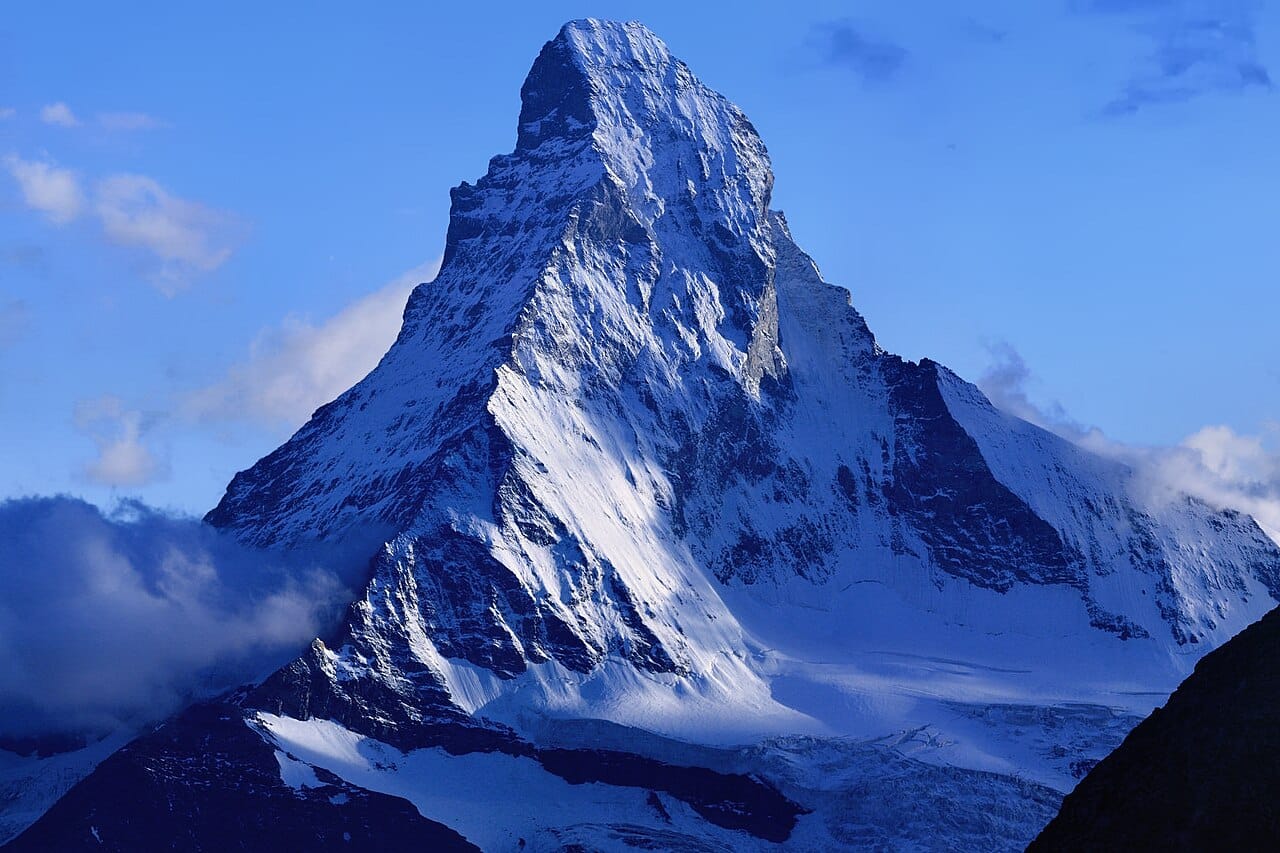
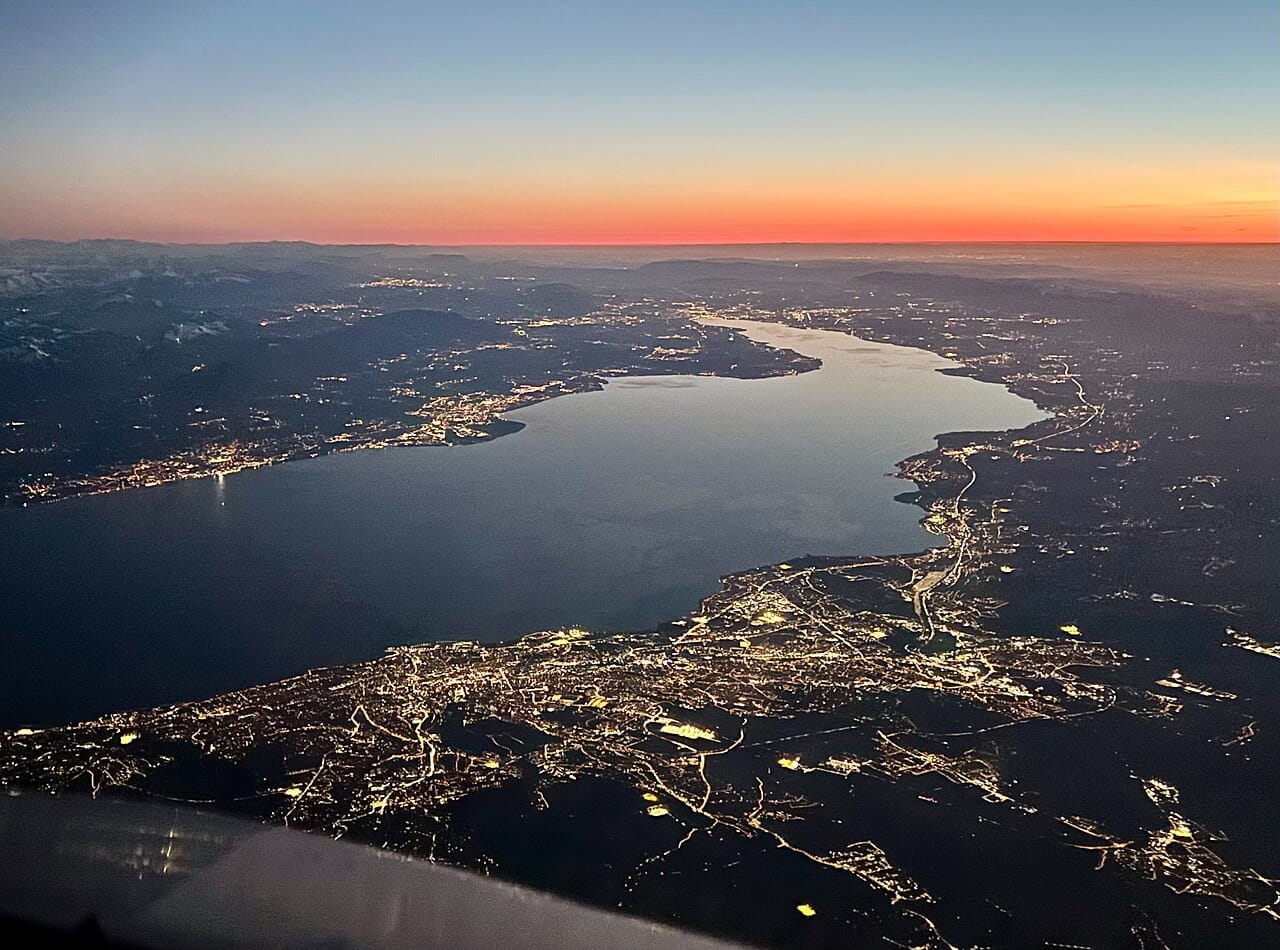
Switzerland is dominated by mountains. The mighty Alps cover much of the south and centre, including iconic peaks such as the Matterhorn, while the Jura mountains rise in the northwest, leaving the population concentrated on the central plateau between them. This is a land of glaciers, deep valleys, and clear lakes, and the source of great rivers, including the Rhine and the Rhone. The dramatic, well-managed landscape is central to both the national identity and the economy.
Switzerland has one of the most distinctive political systems in the world, built to prevent any one person or region from dominating. There is no single powerful leader: the executive is a seven-member Federal Council, elected by parliament, that governs as a team and shares the major parties among its seats, and the office of president rotates among the seven each year as a largely ceremonial first-among-equals. Power is deliberately dispersed among 26 self-governing cantons, and, above all, held by the citizens themselves through direct democracy, in which Swiss voters go to the polls several times a year to decide questions of law and even to amend the constitution by popular initiative. This system of consensus and dispersed power is the secret of the country's famous stability.
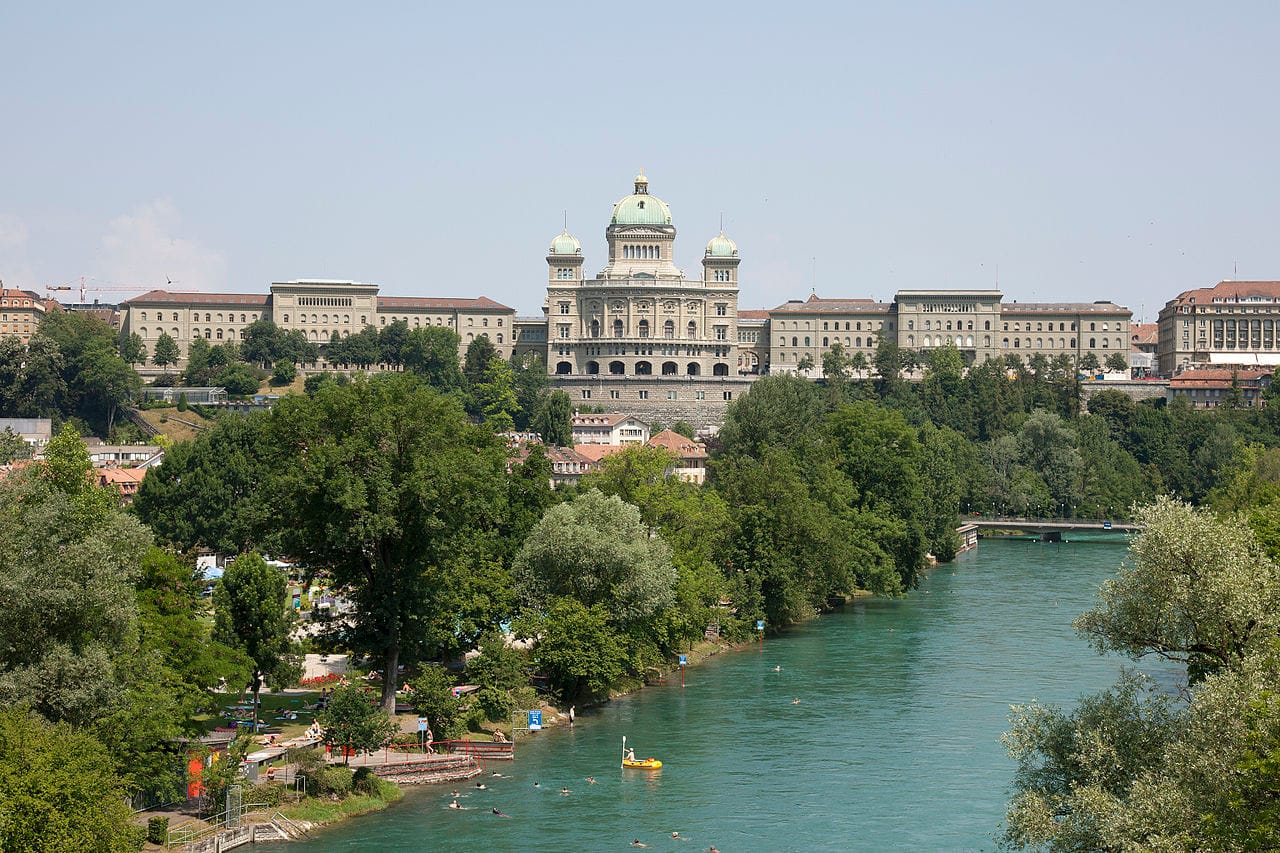
Switzerland is one of the wealthiest countries in the world, with an economy built on high skill and high value rather than size. It is a global centre of banking, insurance, and finance, long associated with discretion and stability, and a powerhouse in pharmaceuticals, home to giants such as Novartis and Roche, as well as in precision machinery, watchmaking, and the food company Nestle. Wages, prices, and living standards are among the highest anywhere. A stable currency, political predictability, and a highly educated workforce make the small landlocked nation a magnet for global business and capital.
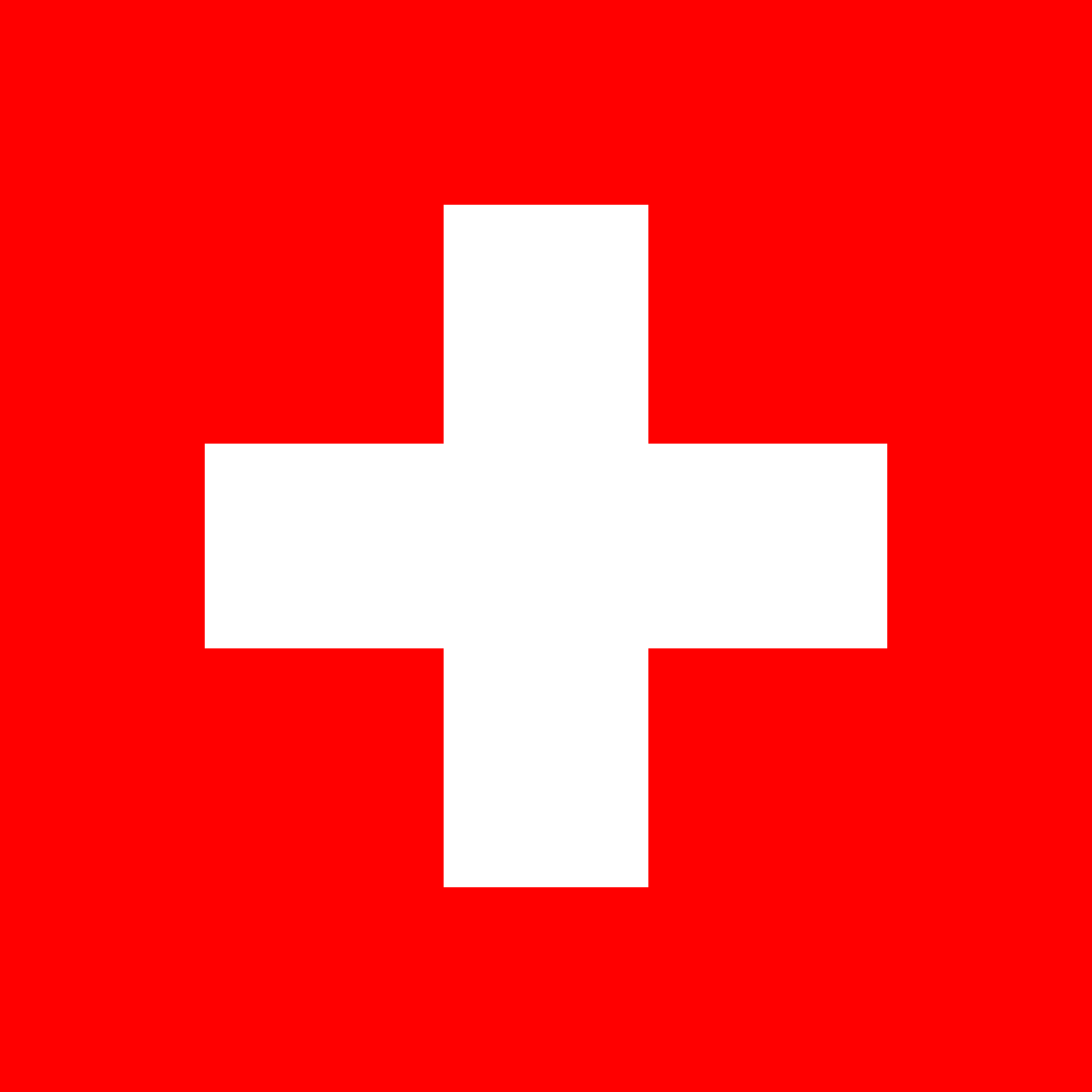
The flag of Switzerland is striking and unusual: a bold white cross on a square red field, one of only two square national flags in the world. The white cross has been a Swiss emblem since the Middle Ages, carried into battle by the confederates. Its simple, powerful design is recognised everywhere, and it directly inspired the emblem of the Red Cross, the humanitarian organisation founded in Switzerland, which reverses the colours.
Switzerland was deeply marked by the Protestant Reformation, which found some of its greatest leaders here in Geneva and Zurich, splitting the country between Protestant and Catholic cantons in a division that shaped its history. Today the population remains roughly balanced between Catholics and Protestants, but, as across western Europe, religious practice has declined and a large share of people now report no affiliation. The country's tradition of tolerance accommodates this diversity of belief.
Swiss cuisine reflects the country's mountain dairy farming and its neighbours' influences. It is world-famous for cheese, the basis of national dishes like fondue, in which bread is dipped into a pot of melted cheese, and raclette, as well as for celebrated varieties such as Emmental and Gruyere. Switzerland is equally renowned for its chocolate, a national art form, and the hearty potato dish rosti is a beloved staple, especially in the German-speaking regions.
Swiss agriculture is shaped and limited by the mountainous terrain, with much of it dedicated to dairy farming on the Alpine pastures, producing the milk for the country's celebrated cheeses and chocolate. Cattle are driven up to high meadows in summer in a centuries-old tradition. Arable farming of grains and other crops is concentrated on the central plateau. Heavily protected and supported, Swiss farming emphasises high quality and the careful stewardship of the iconic landscape.
Switzerland is a nation held together not by a single language or people but by a shared way of doing things. Its four official languages, German, French, Italian, and the small Romansh, mean it draws on the cultures of all its neighbours, yet a strong common identity is built on federalism, direct democracy, neutrality, and a pride in local community and self-reliance. It is a country of remarkable order and precision, from its famously punctual trains to its watches, and one that guards its distinctiveness, keeping outside the European Union and preserving traditions such as a citizen militia army. Prosperous, meticulous, and quietly proud, the Swiss have made unity out of diversity in a way few nations manage.
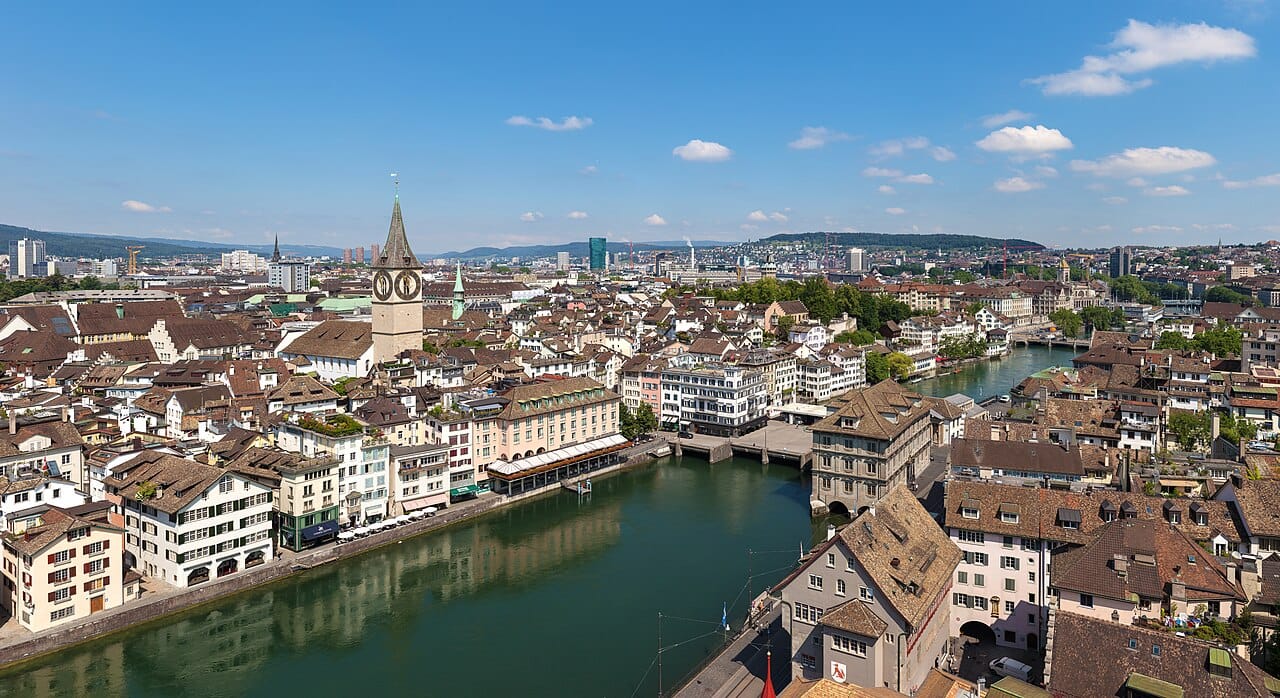
For two centuries neutrality has been at the core of what Switzerland is, keeping it out of Europe's wars and making it a trusted meeting ground for the world. But what neutrality should mean today is increasingly debated. When Russia invaded Ukraine in 2022, Switzerland adopted the European Union's sanctions against Moscow, which many abroad welcomed but which some at home saw as a departure from strict neutrality; and it has wrestled with whether to allow Swiss-made weapons to be passed on to Ukraine, torn between solidarity and its neutral tradition. Alongside this runs a long argument about the country's place in Europe: proudly outside the European Union, Switzerland manages its ties through a web of bilateral treaties that are periodically strained, and debate over immigration and the free movement of people is a recurring theme of its direct democracy. How a small neutral state should stand in a world of renewed great-power conflict is a genuinely open question.
Switzerland has a population of around nine million people, remarkable for its unity amid diversity. It has four official languages, German, French, Italian, and the small Romansh, and is divided into many self-governing cantons, yet it holds together through a strong tradition of consensus and direct democracy, in which citizens vote frequently on matters of policy. The population is highly urban, wealthy, and increasingly international, with cities such as Zurich and Geneva among the world's most prosperous.