Sweden is a country in northern Europe, the largest of the Nordic nations, stretching down the eastern side of the Scandinavian Peninsula. A land of vast forests, tens of thousands of lakes, and a long Baltic coastline reaching into the Arctic, it is known for its high standard of living, its strong welfare state, and a culture that prizes equality, design, and a close relationship with nature.
Sweden's history runs from Viking seafarers, through a unified medieval kingdom, to a seventeenth-century empire and, later, a long peace.
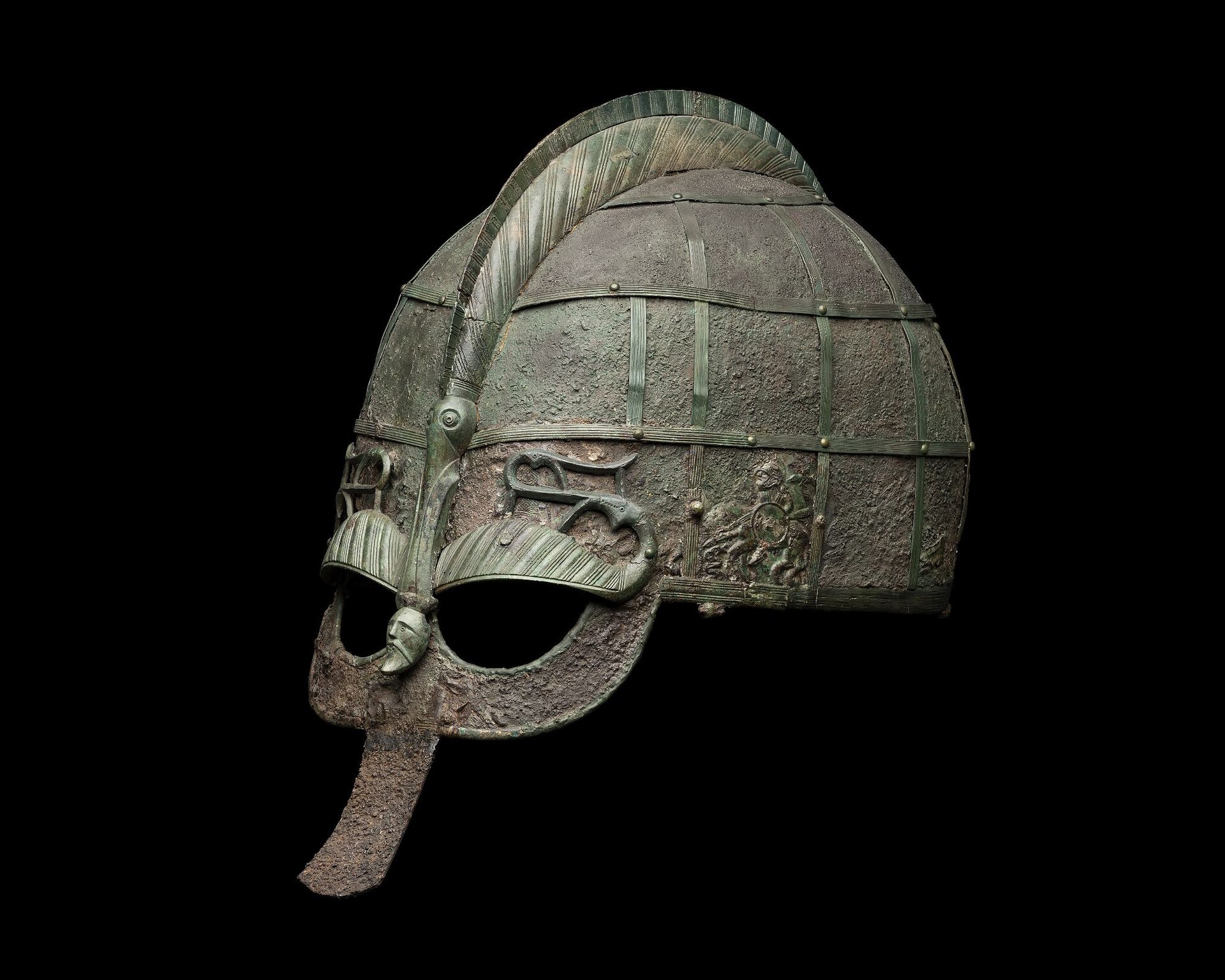
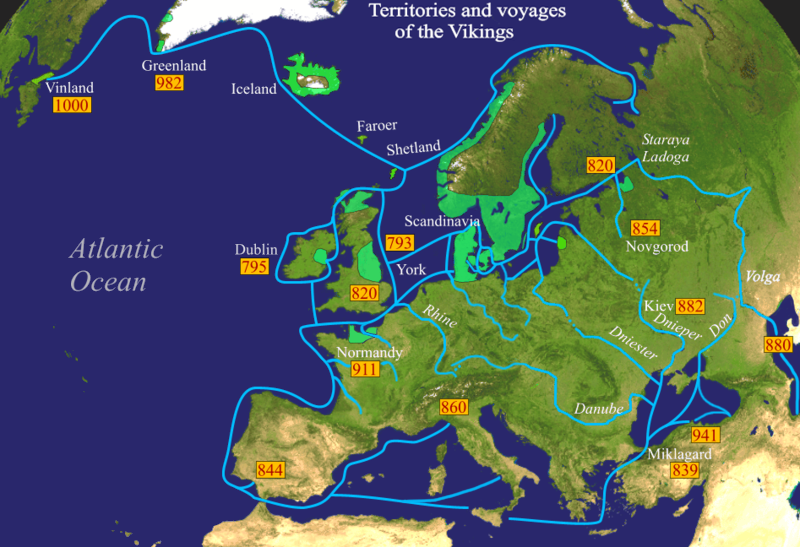
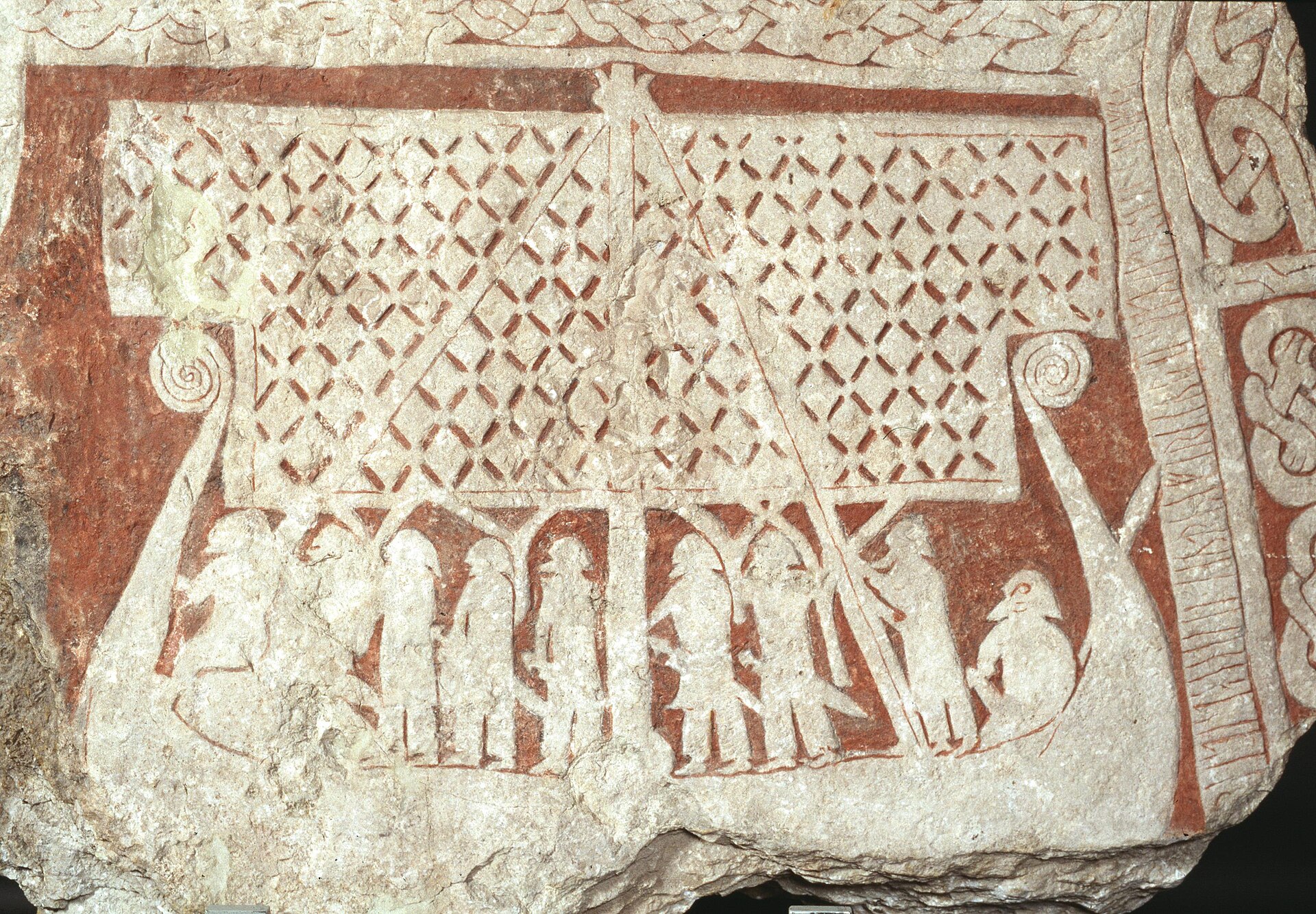
Sweden rose to prominence in the Viking Age, when Norse seafarers from the region traded and raided across the Baltic and along the rivers of Eastern Europe, reaching as far as Constantinople and the Caspian.
United and Christianised in the Middle Ages, Sweden was for a time bound to Denmark and Norway in a single union, until Gustav Vasa broke that union in 1523 and founded the modern Swedish state.
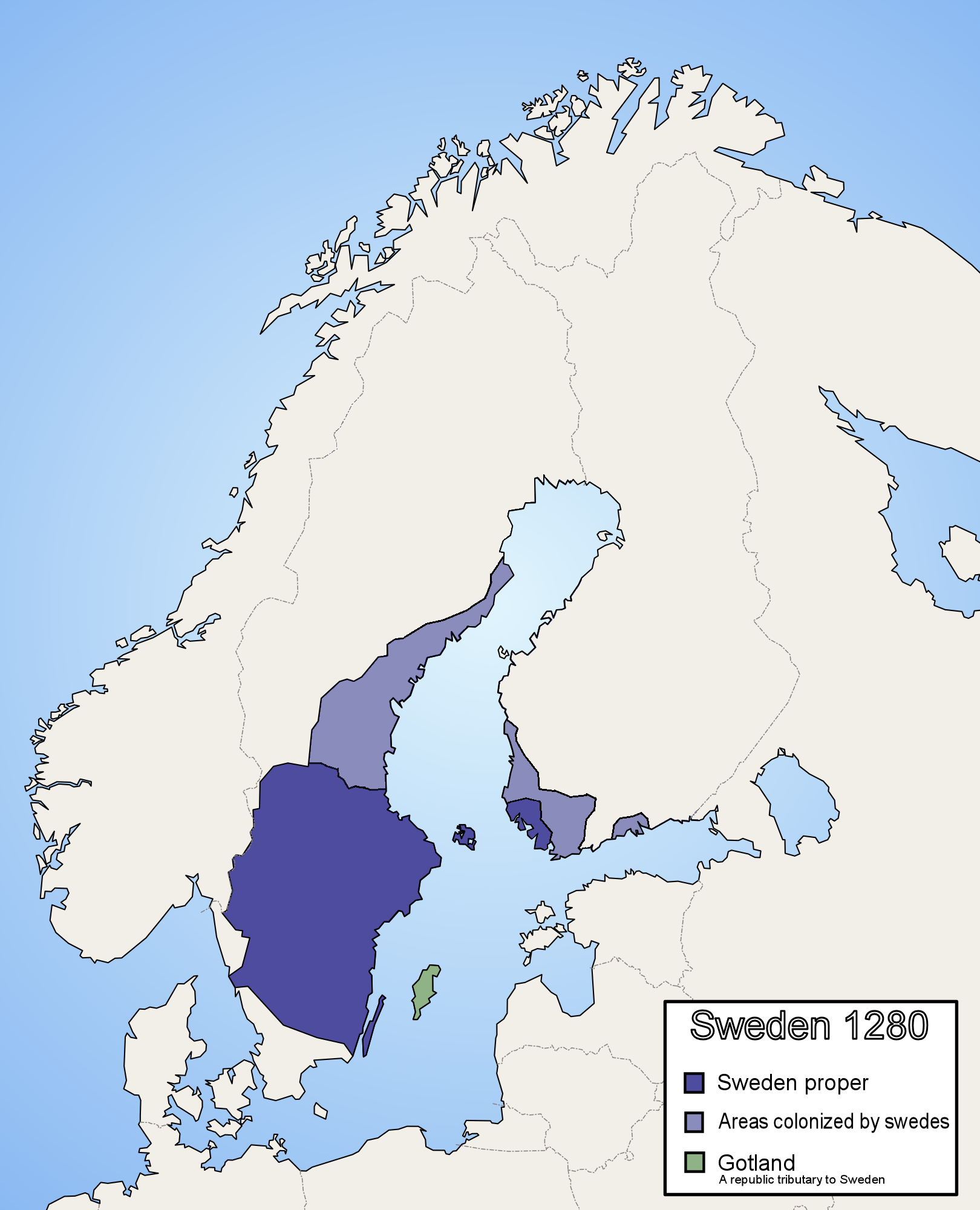
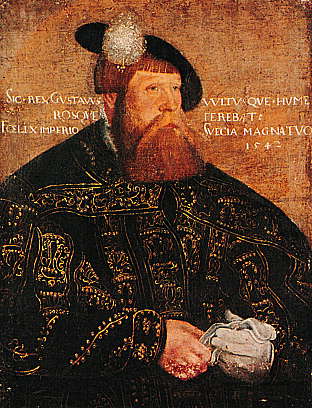
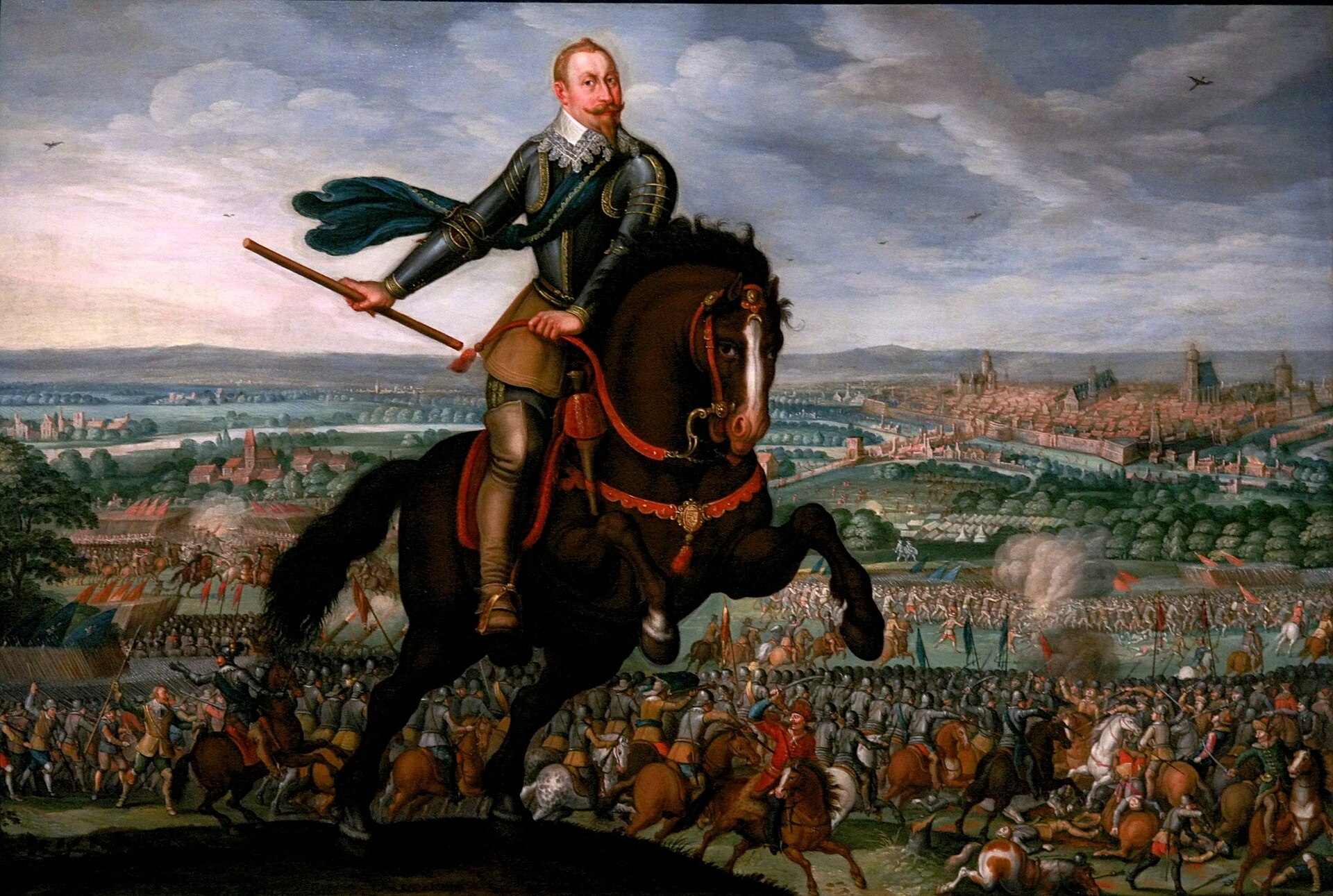
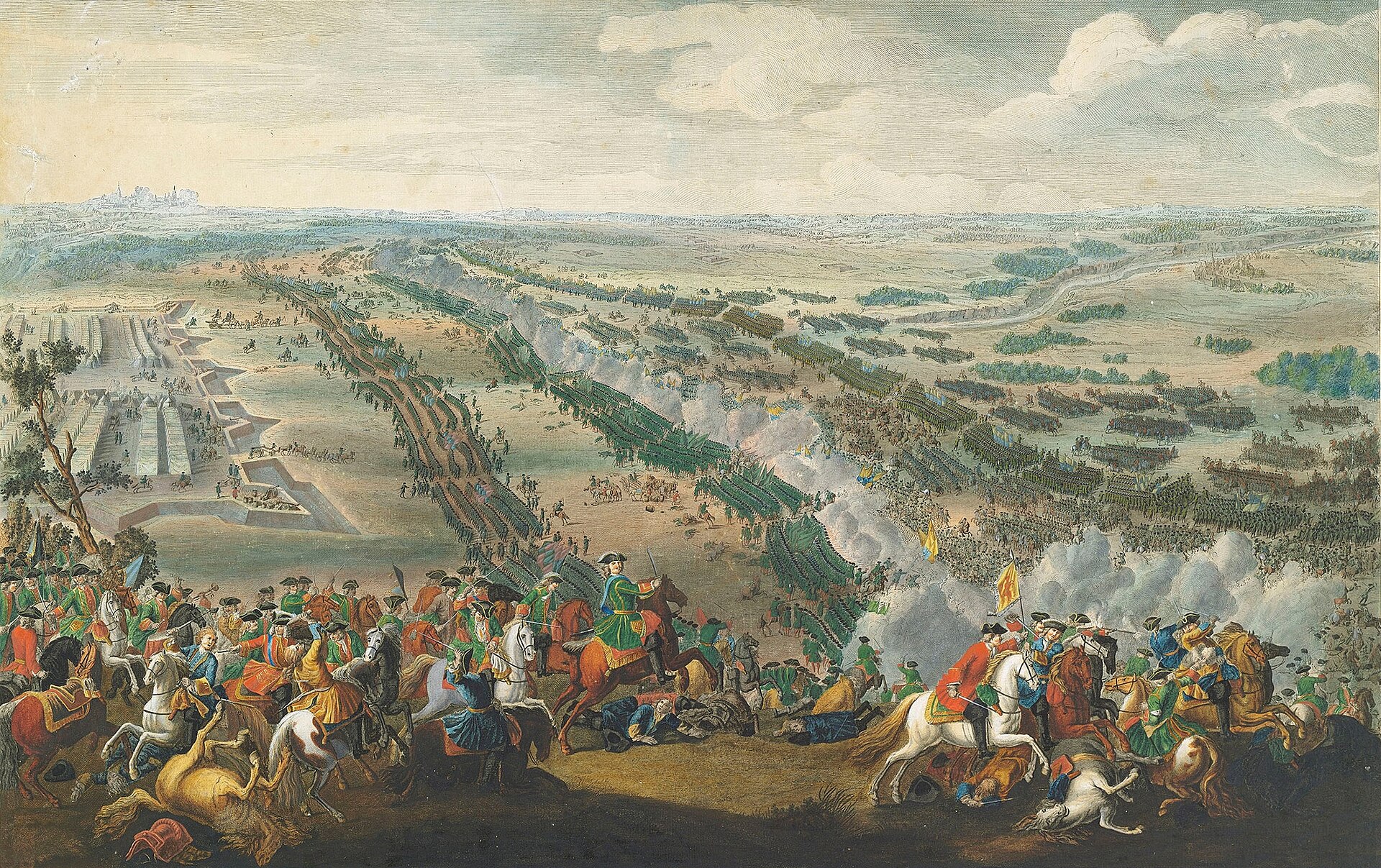
In the seventeenth century Sweden became a great power dominating the Baltic, a decisive force in the Thirty Years War under Gustavus Adolphus. That empire was broken by the disastrous defeat at Poltava in 1709, after which Sweden turned away from conquest.
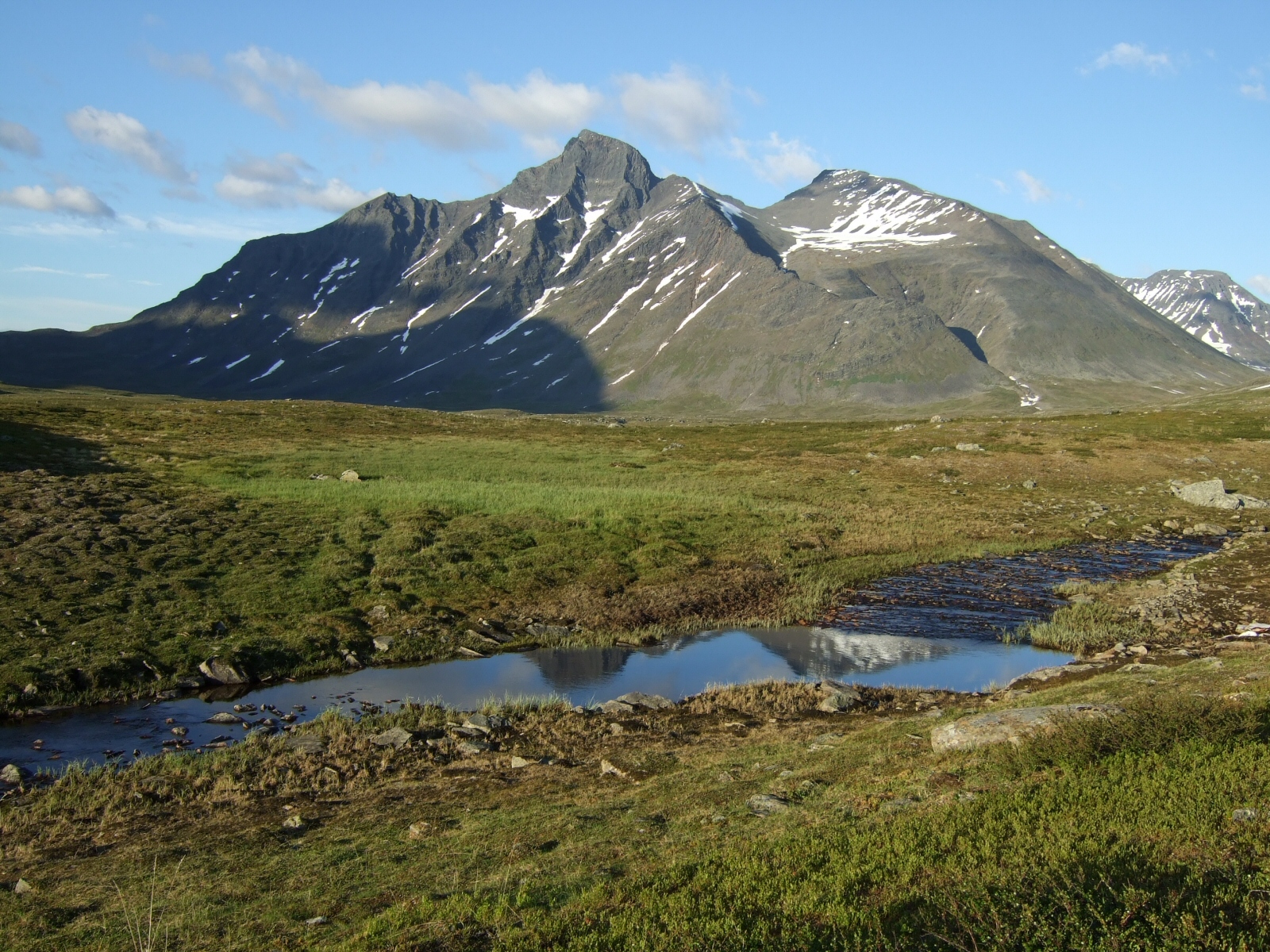
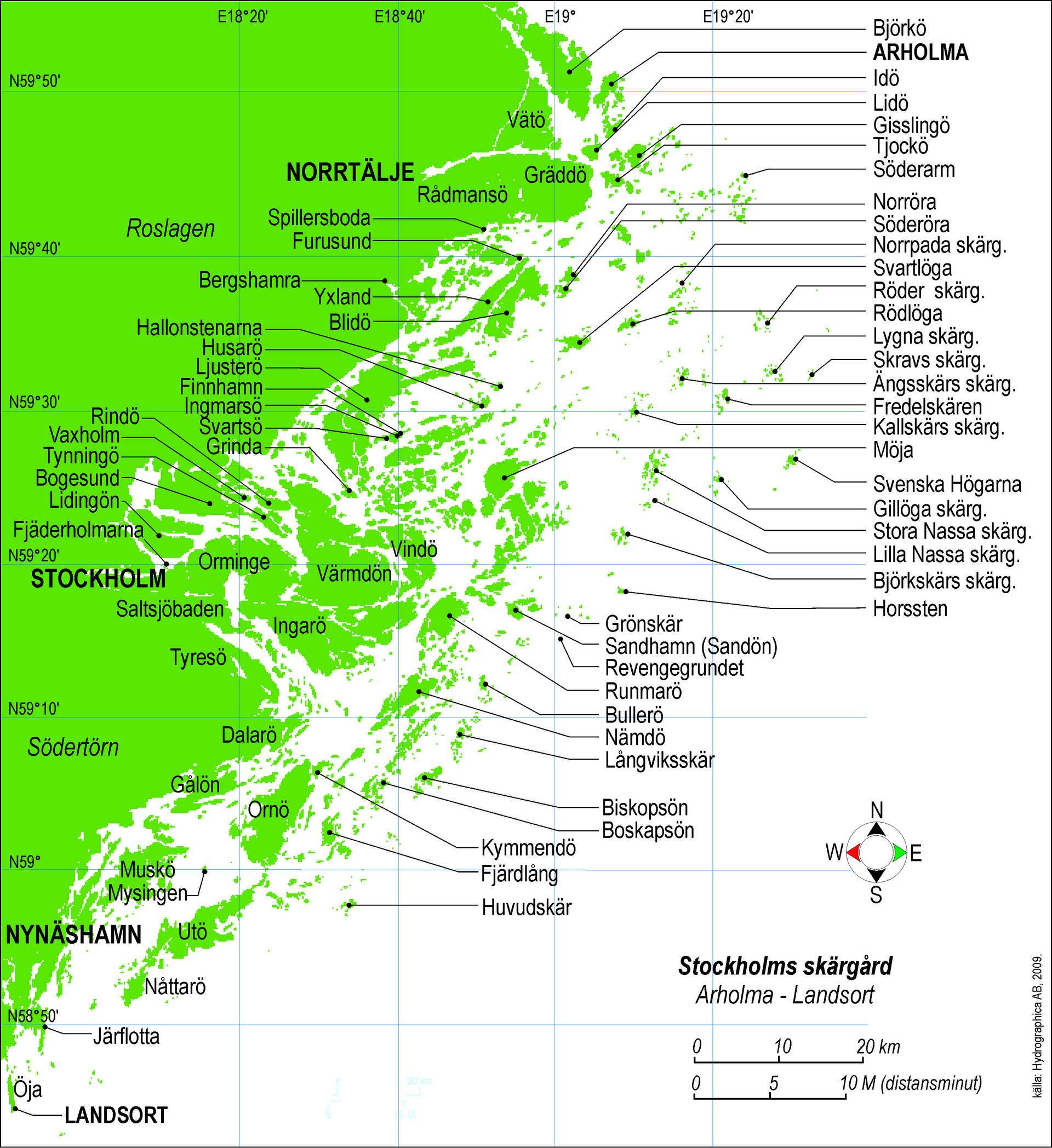
Sweden is long and forested, running from temperate farmland and lakes in the south to subarctic wilderness and the mountains of the far north, where the sun does not set in midsummer nor rise in midwinter. Dense coniferous forest covers much of the country, dotted with around a hundred thousand lakes, and a vast archipelago of islands fringes the Baltic coast. A tradition of open access enshrines the right to roam freely through this natural landscape.
Sweden is a constitutional monarchy and a parliamentary democracy: the monarch is a ceremonial head of state while real power lies with an elected parliament and a prime minister. It is known for a strong welfare state and a long tradition of consensus politics, shaped over the twentieth century above all by the Social Democrats. A member of the European Union, Sweden made a historic break with two centuries of military non-alignment by joining the NATO alliance in 2024.
Sweden has a highly developed, export-driven economy that pairs a generous welfare state with world-class private enterprise. It is the home of global names such as Volvo, Ericsson, IKEA, and Spotify, and is known for engineering, innovation, and design. Forestry, iron-ore mining in the north, and clean energy are important, and a highly educated workforce and widespread digitalisation keep Swedish industry competitive.
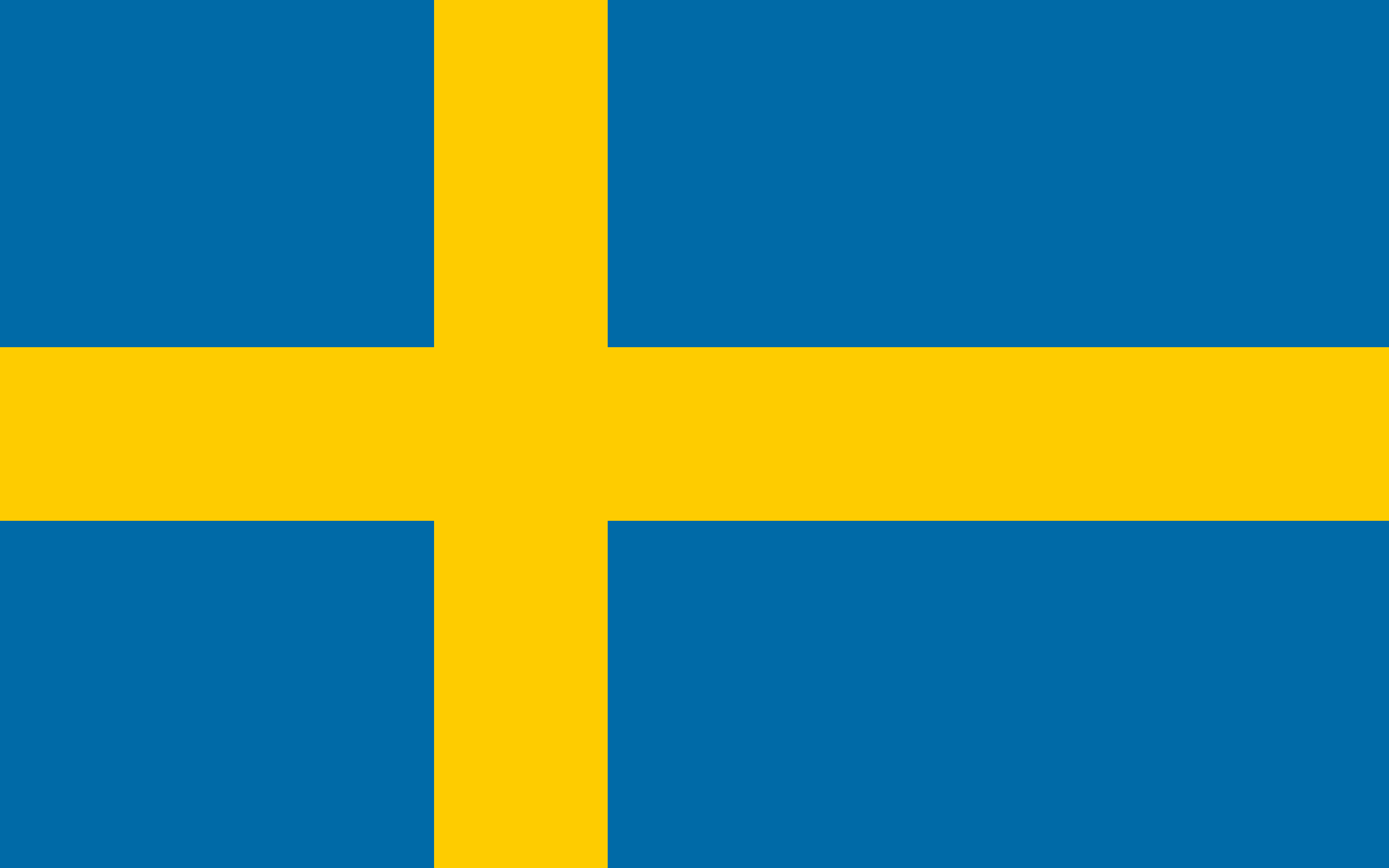
The Swedish flag is blue with a yellow Nordic cross, its arms extending to the edges with the vertical bar shifted toward the hoist, the common pattern shared by the Scandinavian nations. The blue and yellow are the national colours, drawn from the coat of arms, and the cross reflects the Christian heritage of the region. It is one of the oldest flag designs still in use.
Sweden was historically a Lutheran Protestant country, with the Church of Sweden long established as the national church before it was formally separated from the state. Today, however, Sweden is among the most secular societies in the world: while many people remain nominal members of the church, regular religious practice is low and a large share describe themselves as non-religious. Immigration has brought growing communities of other faiths, including Islam.
Swedish food is rooted in the need to preserve through long, dark winters, favouring pickled, smoked, and cured dishes. Meatballs served with lingonberry jam are the national emblem, alongside cured and pickled herring, salmon, and crispbread. A beloved social custom is fika, a daily pause for coffee and a sweet pastry such as a cinnamon bun. Seasonal feasts, from crayfish parties to the Christmas smorgasbord, mark the turning of the year.
Sweden's cold climate and heavy forest cover limit farming, which concentrates in the milder south. Farmers grow grains such as barley, wheat, and oats, along with potatoes and rapeseed, and raise dairy and beef cattle. Much more of the country is given over to forestry, and Sweden is one of the world's leading exporters of timber, pulp, and paper. Agriculture is modern and efficient but a relatively small part of a highly developed economy.
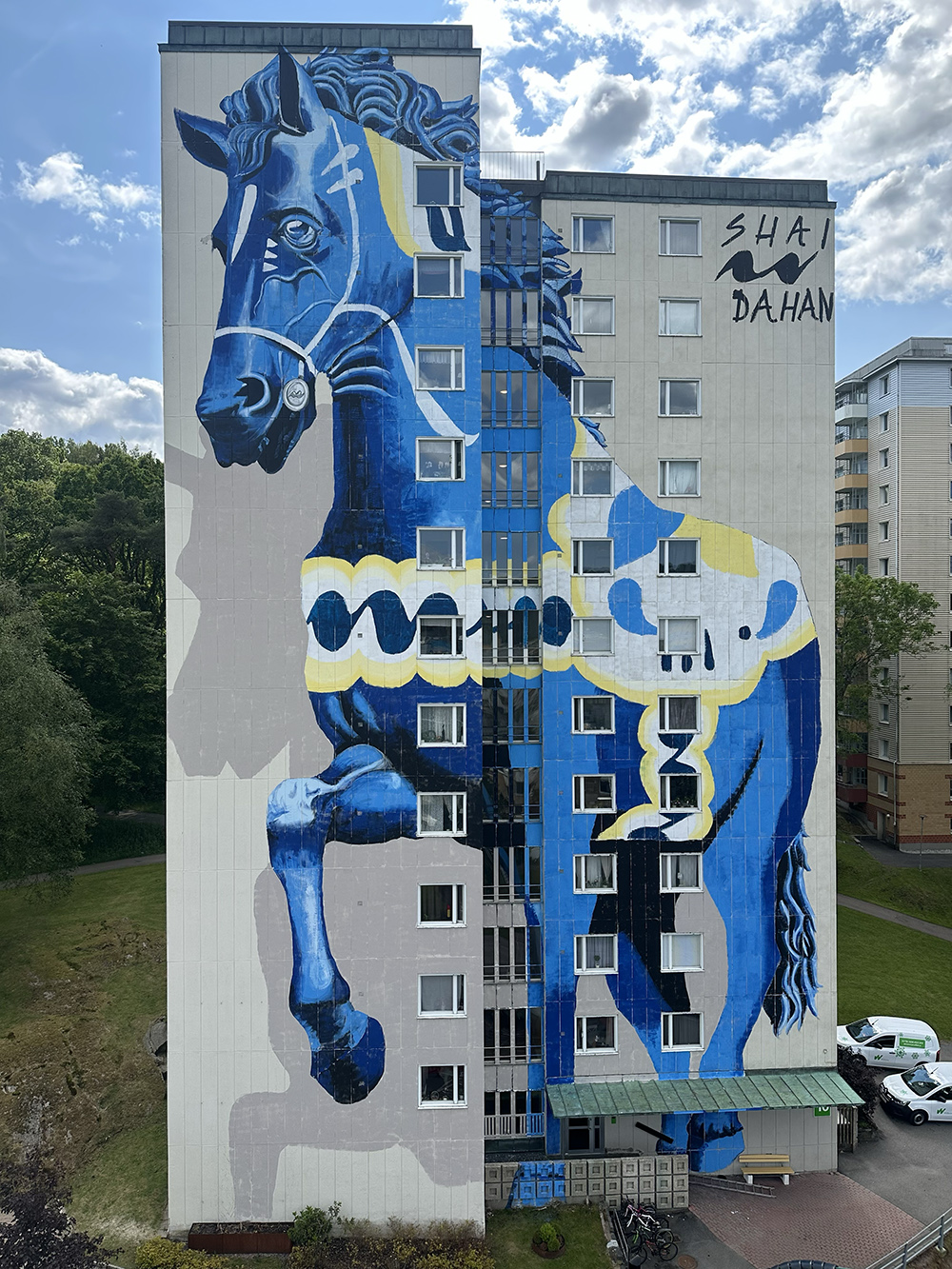
Swedish culture prizes equality, restraint, and a love of nature, captured in the word lagom, the idea that the right amount is best. It has an outsized influence in design, fashion, and popular music, from ABBA onward, and each year it awards the Nobel Prizes in Stockholm. Traditions such as Midsummer, celebrated around a flower-decked maypole, and folk emblems like the painted Dala horse remain much loved.
Sweden's identity as an open, egalitarian society is being tested by live debates. Decades of immigration have prompted difficult arguments about integration and a rise in gang violence in some cities, now central to national politics. The country is also weighing the long-term costs of its generous welfare model, and its decision to abandon two hundred years of neutrality for NATO membership marked a profound shift in how Sweden sees its place in the world.
In the seventeenth century, under kings such as Gustavus Adolphus, Sweden became a major European military power and a decisive force in the Thirty Years War. After its imperial ambitions ended, Sweden charted a different course, avoiding war for more than two centuries and building, in the twentieth century, an influential model of a prosperous, egalitarian welfare state. In a historic shift, it set aside its long neutrality to join the NATO alliance in 2024.
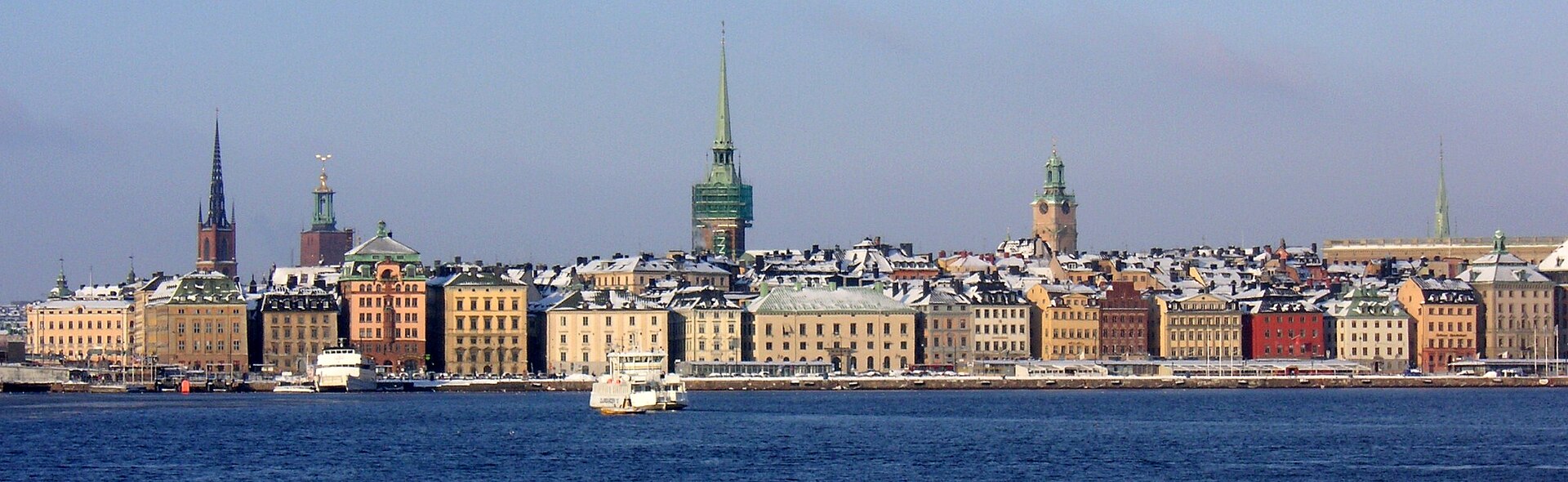
Sweden has a population of around 10.5 million people, most living in the southern third of the country and in cities such as the capital Stockholm, built across a beautiful archipelago. Once highly homogeneous, Sweden has become considerably more diverse through decades of immigration, including refugees from conflicts around the world, which has reshaped its society and become a significant theme in its politics. Living standards and life expectancy are among the highest anywhere.