Sudan is a country in northeastern Africa, where the Sahara meets the Sahel and the waters of the Blue and White Nile join at its capital. Once the largest country in Africa, before the south split away to form South Sudan, it is the land of ancient Nubia, a civilisation that rivalled and at times ruled Egypt. A nation of deep history and great diversity, Sudan has been deeply scarred by decades of conflict.
Sudan's history is one of the oldest and richest in Africa, from the mighty kingdoms of Nubia, through Christian and Islamic ages and colonial rule, to a modern nation repeatedly torn by war.
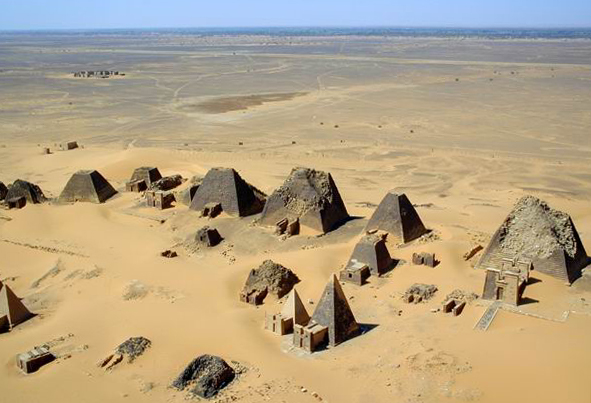
Along the Nile rose the ancient civilisation of Nubia, or Kush, with great cities at Kerma, Napata, and Meroe. So powerful did these Black kingdoms become that in the eighth century BC their rulers conquered Egypt itself and reigned as pharaohs. At Meroe they left behind a field of steep pyramids, more in number than in all of Egypt, monuments to a wealthy civilisation of iron and trade.
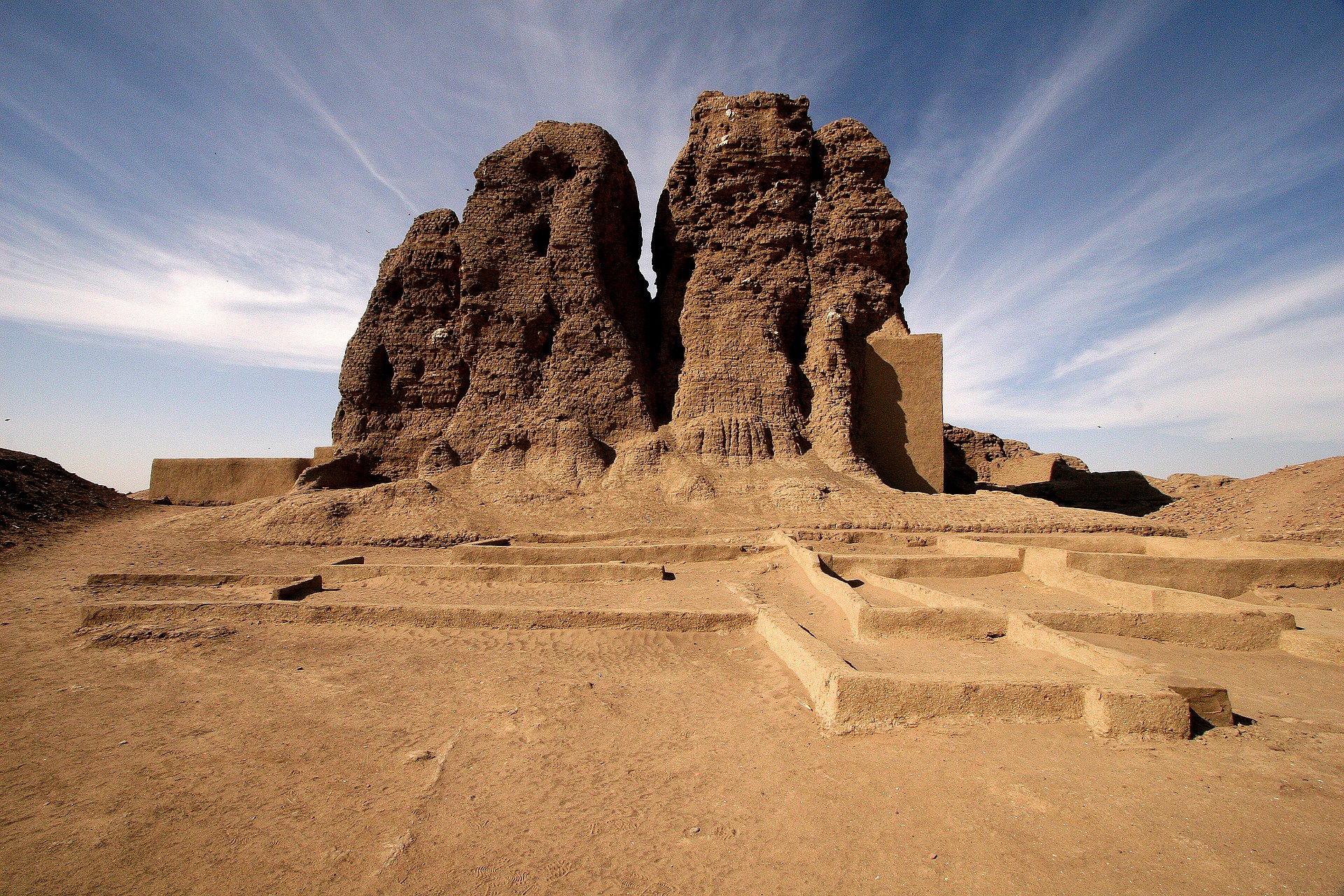
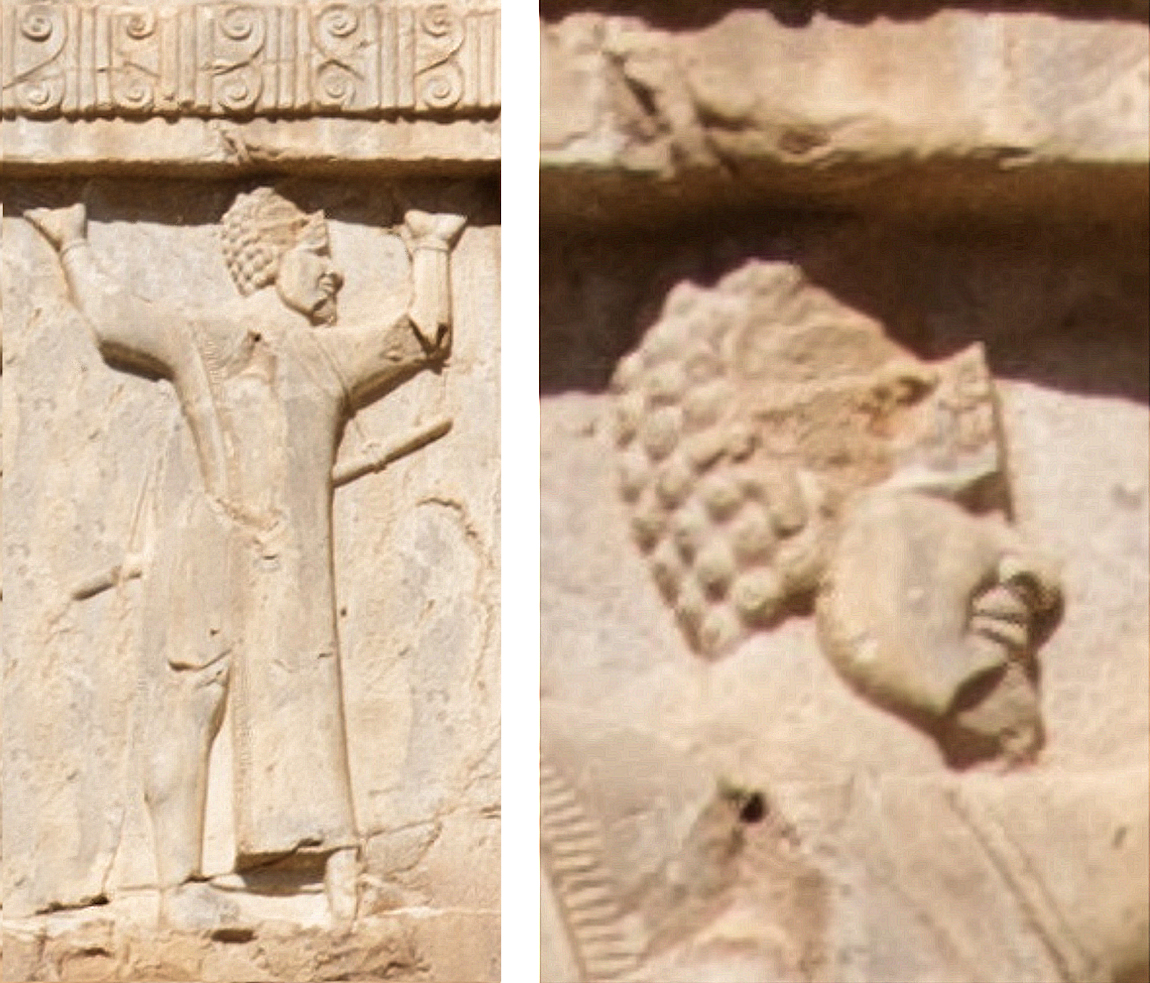
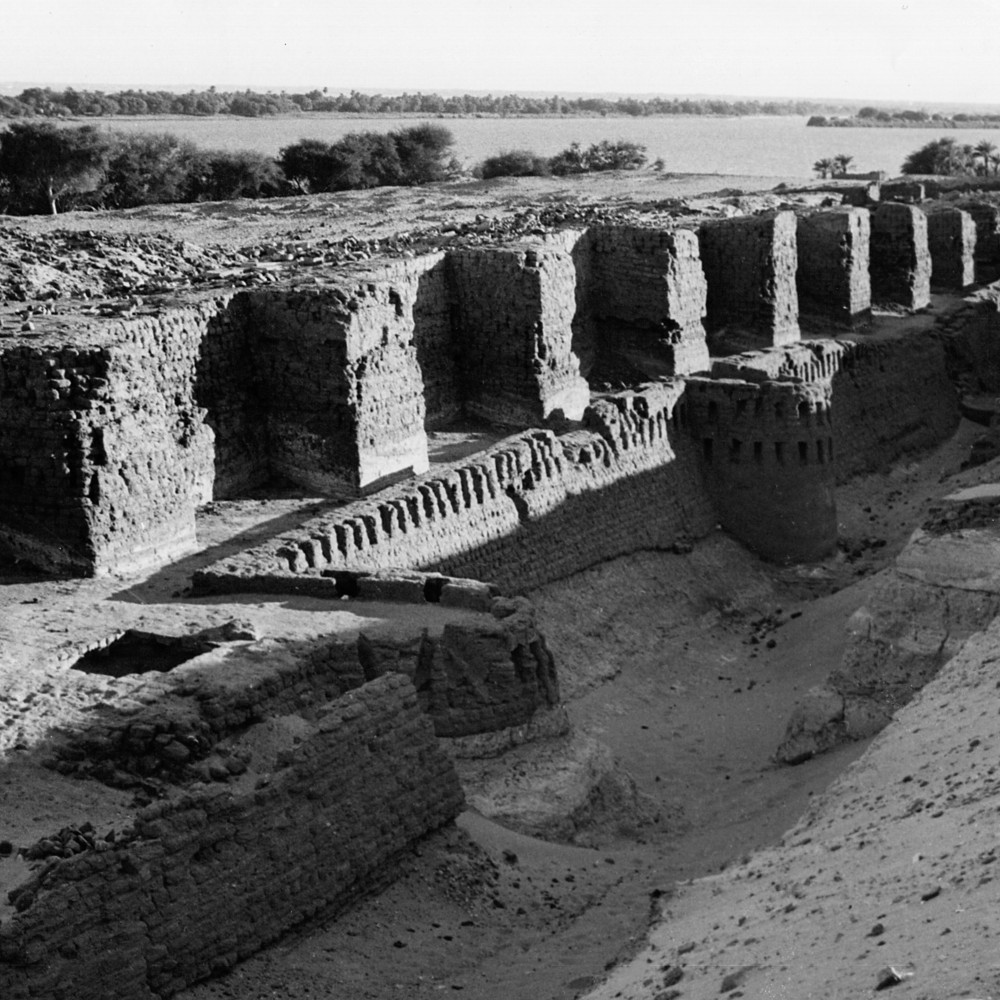
Nubia's history was entwined for millennia with that of Egypt to the north, in turns rival, subject, and conqueror. Egyptian pharaohs pushed south and built fortresses such as Buhen to control the region and its gold, while Nubian princes brought tribute and, later, turned the tables to rule Egypt themselves.
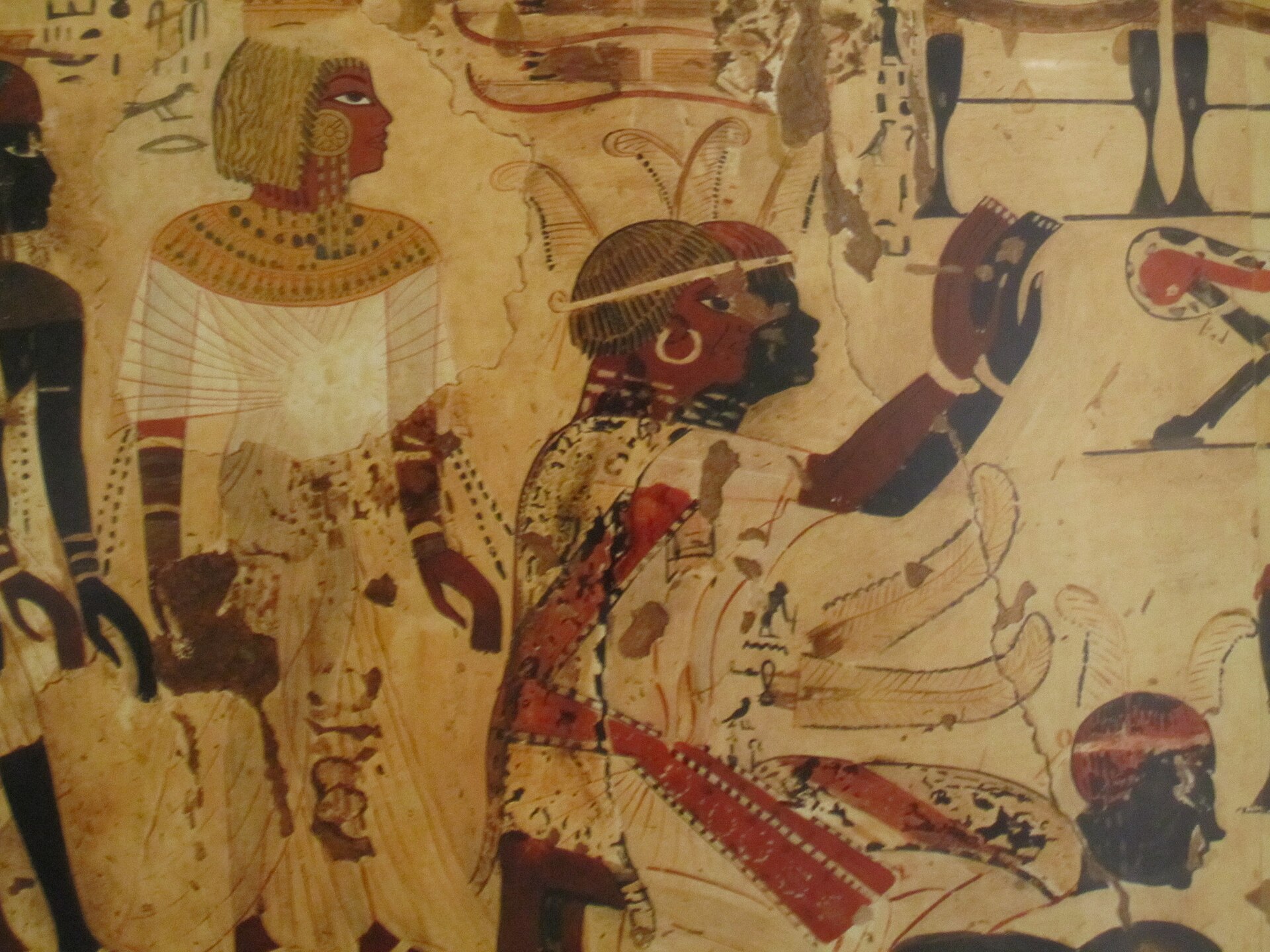
After the fall of Kush, Christian kingdoms flourished in Nubia for centuries, before Islam and Arabic gradually took hold and Muslim sultanates such as the Funj arose. In the nineteenth century Sudan was conquered by Egypt and later administered jointly with Britain, a rule briefly overthrown by the religious revolt of the Mahdi in the 1880s before the British returned.
Sudan gained independence in 1956, but its history since has been dominated by conflict, above all between the Muslim, Arabic-speaking north and the Christian and traditionally religious south, in civil wars that ended only when the south seceded to become South Sudan in 2011. A separate and devastating war engulfed the western region of Darfur, and the long-ruling dictator Omar al-Bashir, later wanted for genocide, was finally overthrown by a popular uprising in 2019.
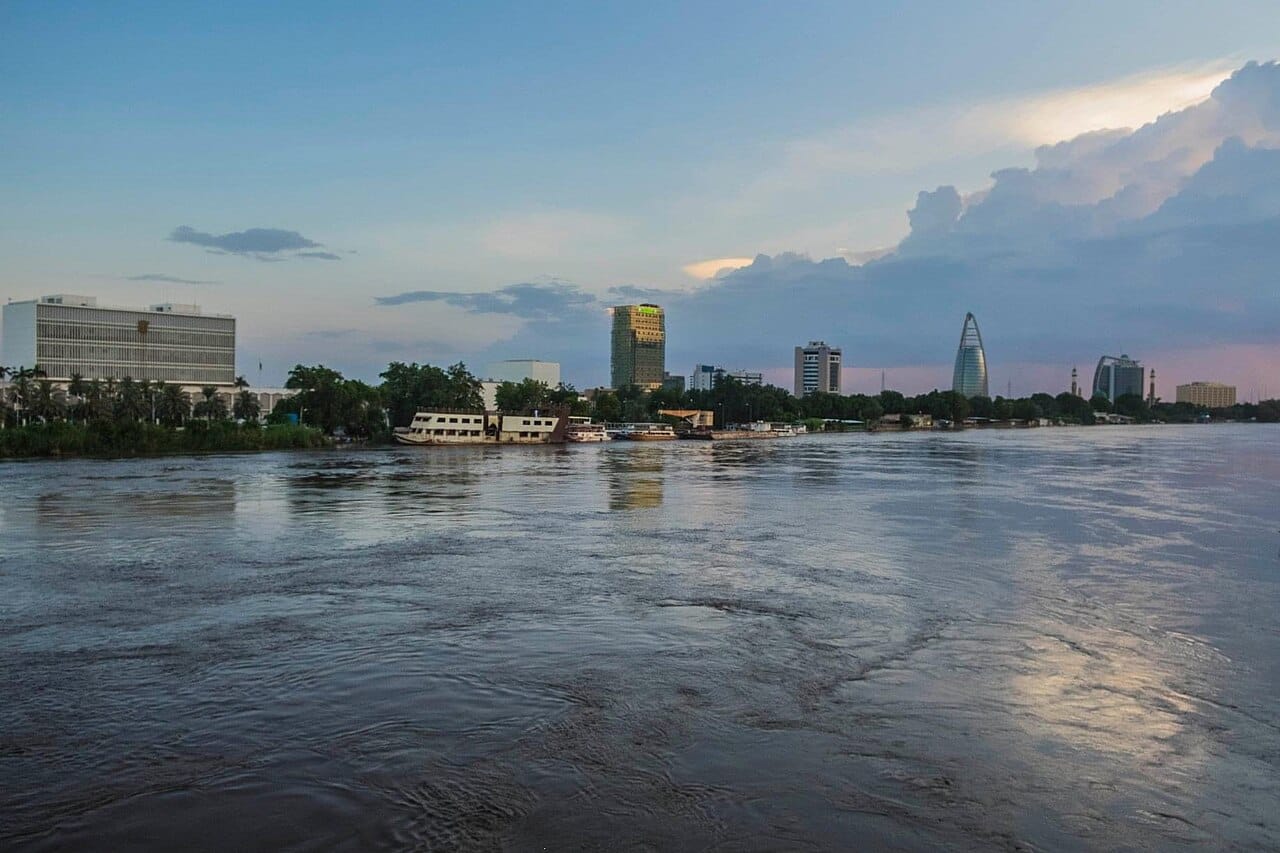
Sudan is shaped by the Nile, which flows north through the country toward Egypt, its two great branches, the Blue Nile from the Ethiopian highlands and the White Nile from the African lakes, meeting at Khartoum. Away from the river the land is mostly desert in the north and dry grassland, or Sahel, to the south, with mountains in a few regions. The fertile strip along the Nile has supported civilisation here for thousands of years.
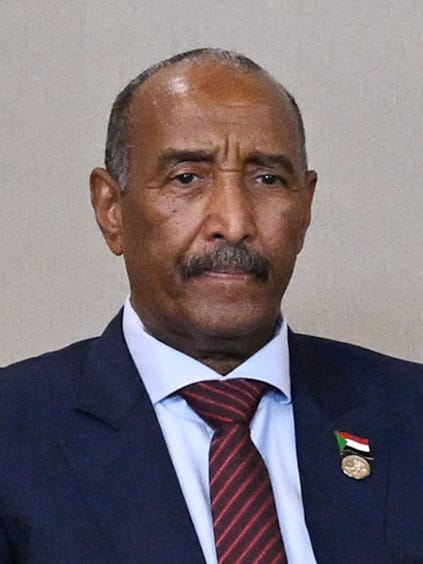
Sudan's recent political history is a tragedy of hopes betrayed. The popular revolution of 2019 that toppled the dictator Omar al-Bashir raised the prospect of a democratic, civilian future, but the generals who shared power in the transition seized full control in a coup in 2021. Then, in April 2023, the two military factions behind that coup turned on each other: the regular army, under General Abdel Fattah al-Burhan, and the powerful paramilitary Rapid Support Forces, under a commander known as Hemedti, plunging the country into a ruinous war. There is today no functioning national government, only a country broken between rival armed forces.
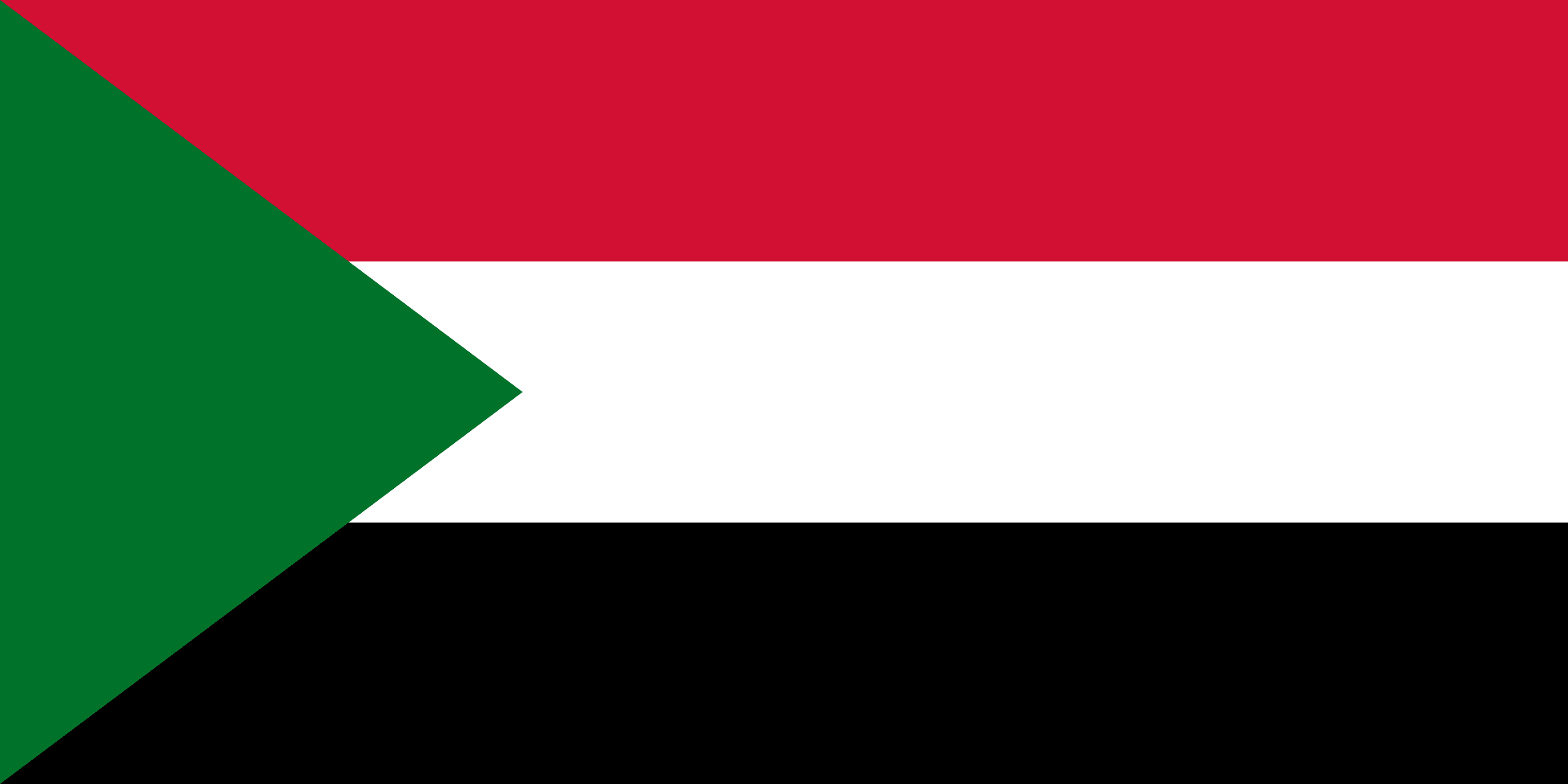
The flag of Sudan has three horizontal bands of red, white, and black, with a green triangle at the hoist. These are the pan-Arab colours, shared with many nations of the region, symbolising in turn struggle and sacrifice, peace and optimism, the people, and the land and Islam. Adopted after a change of government in the late 1960s, the flag expresses Sudan's identity within the Arab and Islamic world.
The great majority of Sudanese are Muslims, following the Sunni tradition, and Islam has shaped the law and culture of the north for centuries, often expressed through Sufi brotherhoods. After the largely Christian and traditionally religious south separated to form South Sudan in 2011, the remaining country became more religiously uniform. Faith remains central to Sudanese identity, woven through daily life, festivals, and a long tradition of Islamic learning.
Sudanese cuisine combines African, Arab, and Egyptian influences in simple, hearty fare. A staple is kisra, a thin fermented flatbread made from sorghum, eaten with stews and sauces. Ful medames, slow-cooked fava beans, is a common breakfast shared with the wider region, and dishes of meat, beans, and vegetables seasoned with peanut paste are widespread. Strong, spiced coffee and tea are central to a culture of warm hospitality.
Agriculture is the backbone of Sudan's economy and employs much of its population, sustained by the Nile and seasonal rains. The country grows sorghum and millet as staples, along with wheat, cotton, sesame, and sugar, and it keeps large herds of livestock. Sudan is also the world's leading producer of gum arabic, a natural gum harvested from acacia trees that is used in foods, drinks, and industry around the world, an unusual and important export.
Sudanese culture stands at the meeting point of the Arab and African worlds, blending the two into something distinctive. Islam, often in the gentle, mystical form of the Sufi brotherhoods, shapes daily life, festivals, and a long tradition of learning, while the many peoples of the country keep their own languages, music, and customs. Sudanese hospitality is legendary, centred on the sharing of strong, spiced coffee, and the country has a rich heritage of poetry and song. Beneath the modern strife lies a deep pride in an ancient homeland, the land of Kush and the meeting of the two Niles.
Sudan's present is defined by catastrophe. The joyful revolution of 2019, in which ordinary Sudanese, led in part by women and the young, overthrew a thirty-year dictatorship, seemed to promise a new democratic beginning. Instead, generals hijacked the transition and then, in 2023, turned their guns on each other. The war between the army and the Rapid Support Forces has become one of the worst humanitarian disasters in the world: tens of thousands killed, famine stalking the land, atrocities revisited on Darfur, and some twelve million people driven from their homes, the largest displacement crisis anywhere. Foreign powers are widely accused of arming both sides for their own interests. How, and whether, Sudan can be put back together, and the democracy its people rose for ever be realised, are open and agonising questions.
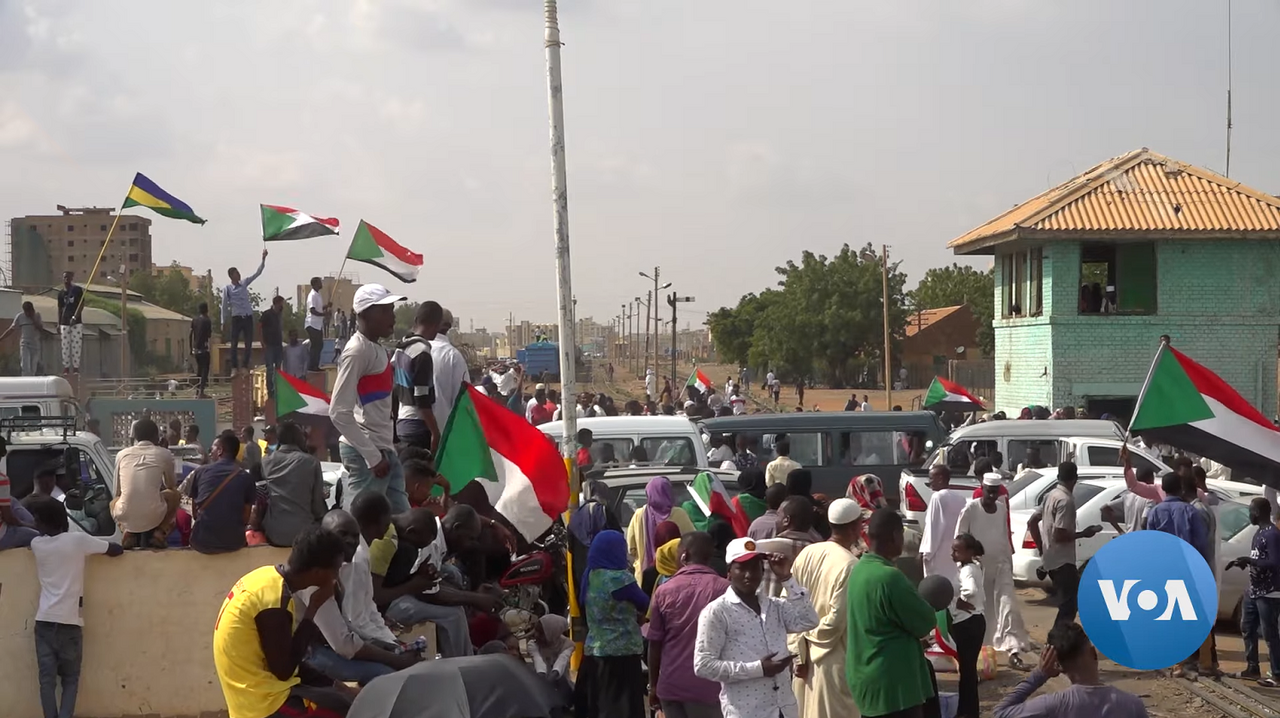
Sudan has a population of around 48 million people, a mix of Arab and many indigenous African groups, a diversity that has at times been a source of conflict. Most people live along the Nile and in the central regions, and the largest urban area is the capital, Khartoum, set where the two Niles meet. The country has endured repeated upheaval, including the major armed conflict that began in 2023, which displaced millions and brought renewed hardship to a long-suffering nation.