Sri Lanka is an island nation in the Indian Ocean, lying just off the southeastern tip of India, a tear-shaped land of tropical coasts, central highlands, and ancient cities. Once known as Ceylon, it has a recorded history stretching back more than two thousand years, a deep Buddhist heritage, and a reputation for natural beauty and fine tea. Its modern story has been marked by both that rich culture and a long and painful civil war.
Sri Lanka's history runs from the ancient Sinhalese kingdoms and the arrival of Buddhism, through a golden age of great cities and reservoirs, to centuries of European rule and a troubled modern independence.
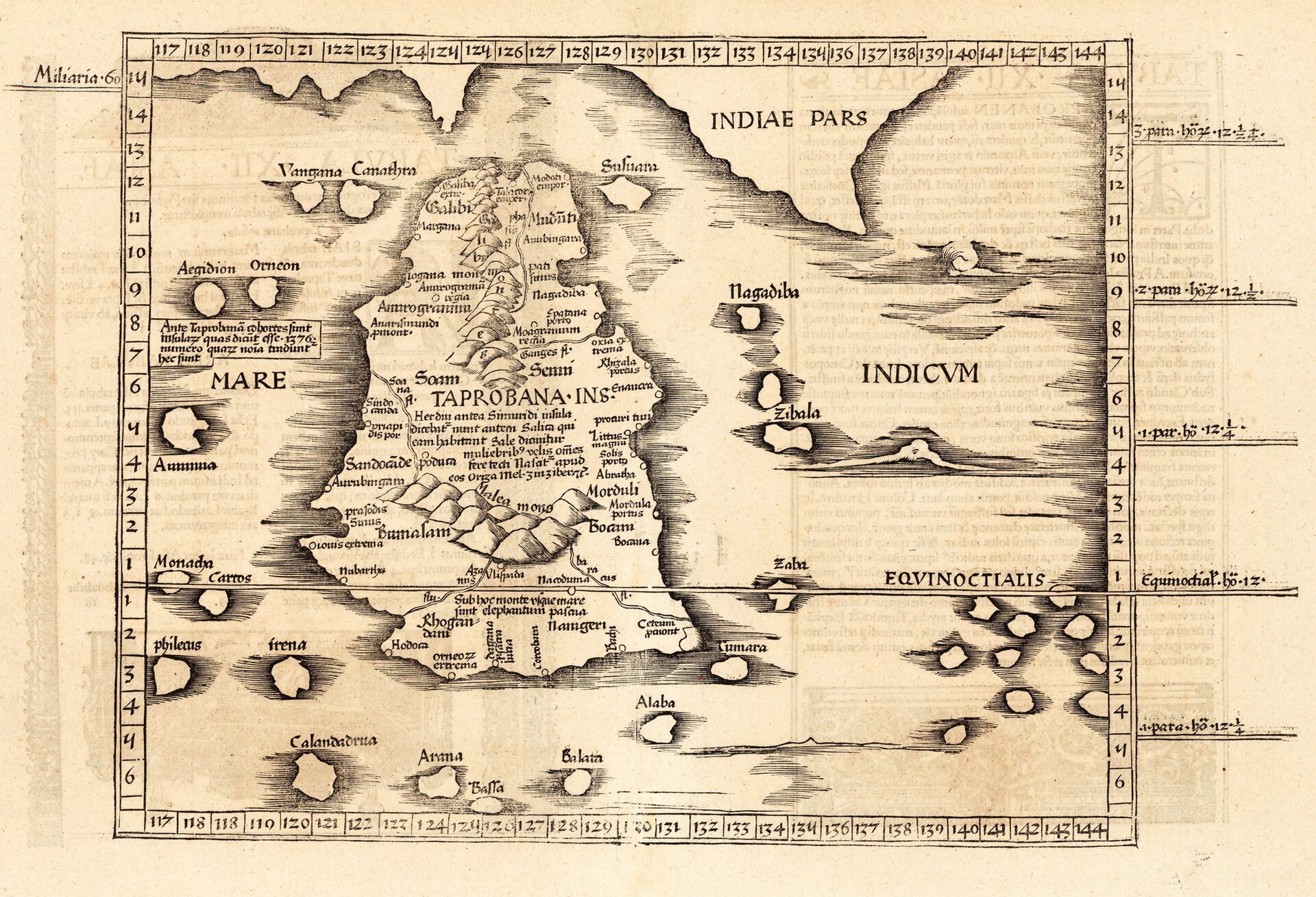
The island's recorded history begins with Sinhalese kingdoms that arose more than two thousand years ago, and its position on the Indian Ocean trade routes made it known to the wider ancient world. Buddhism arrived in the third century BC and became central to the island's identity, while its early rulers built citadels and monasteries whose ruins still astonish.
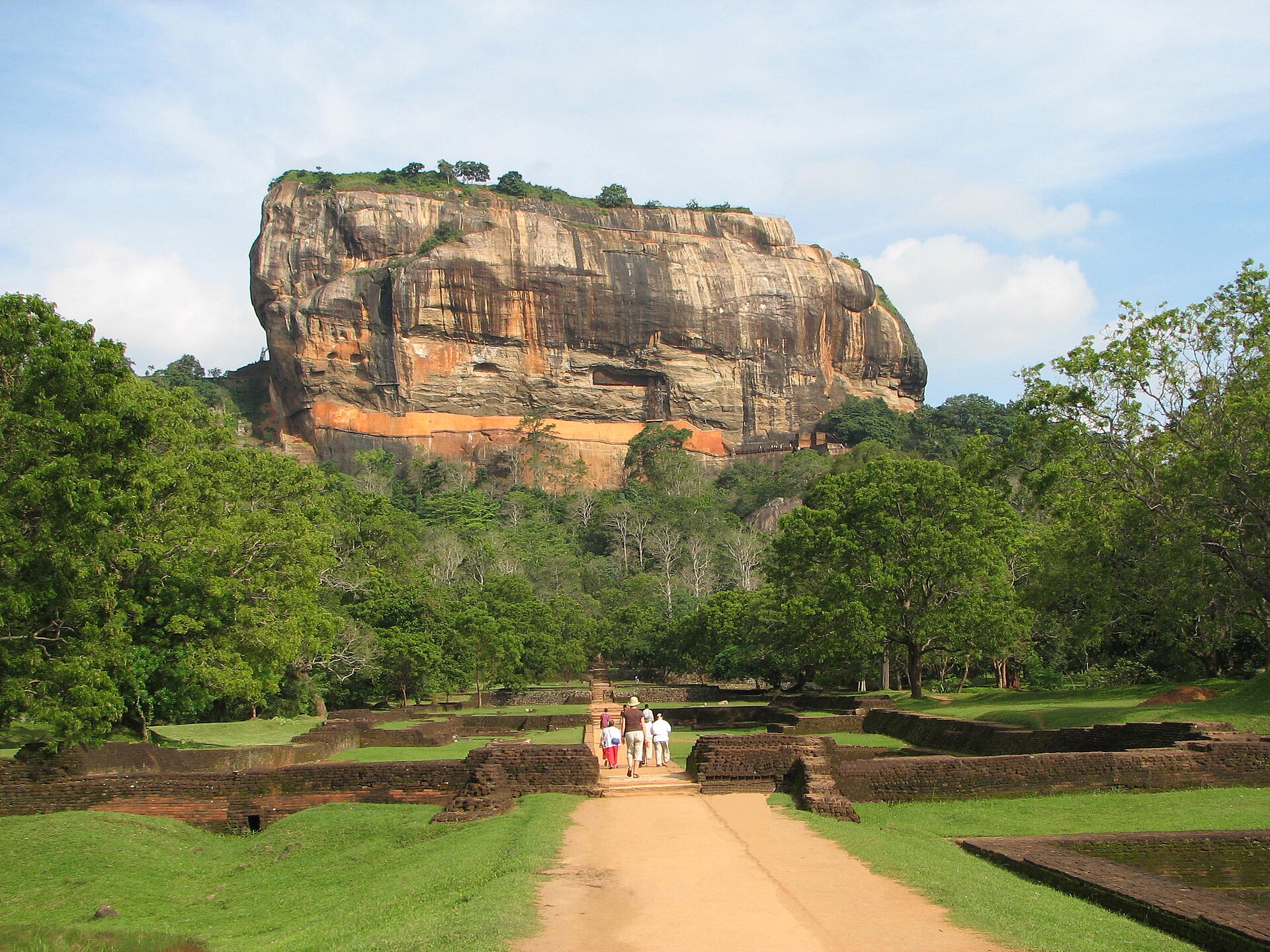
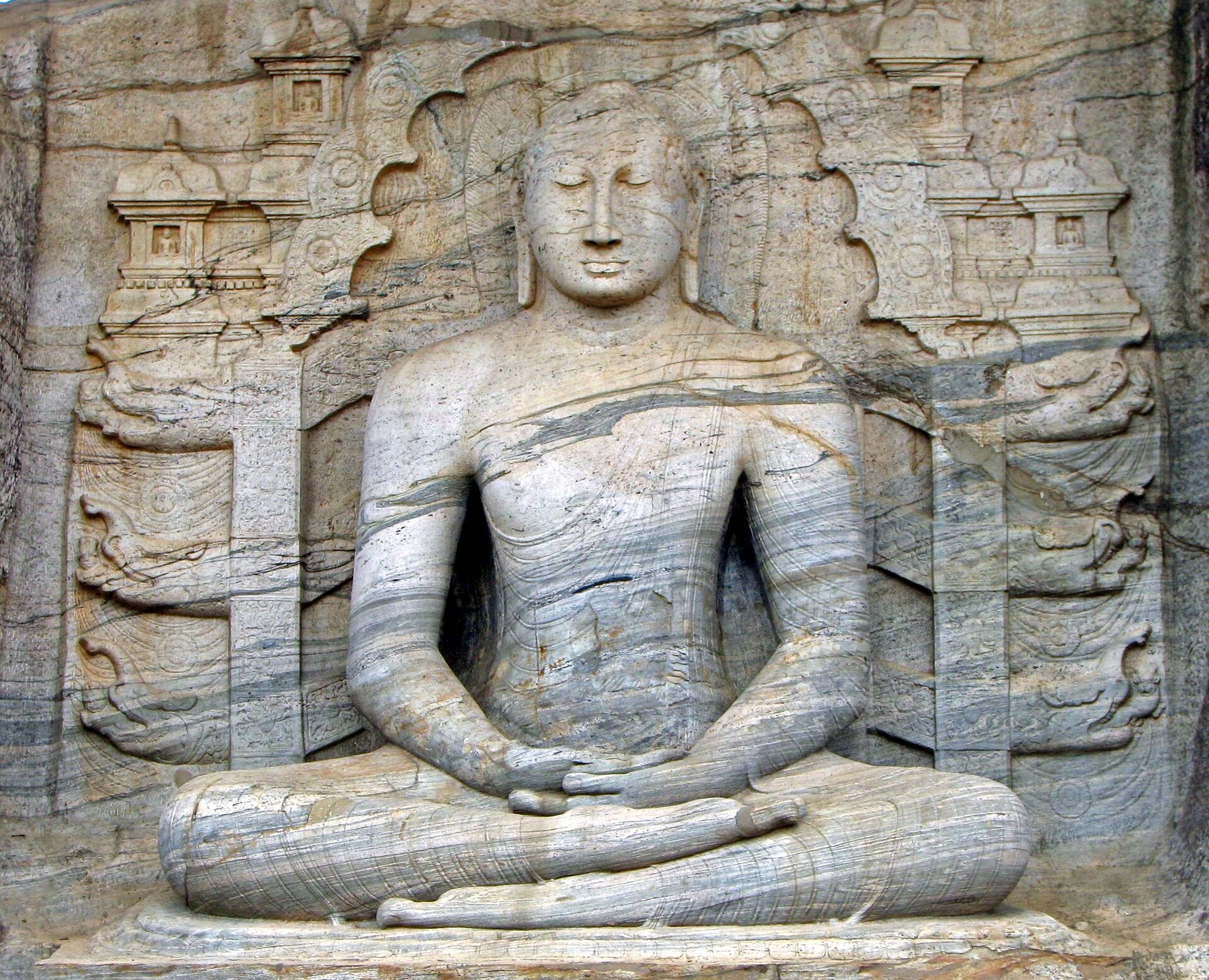
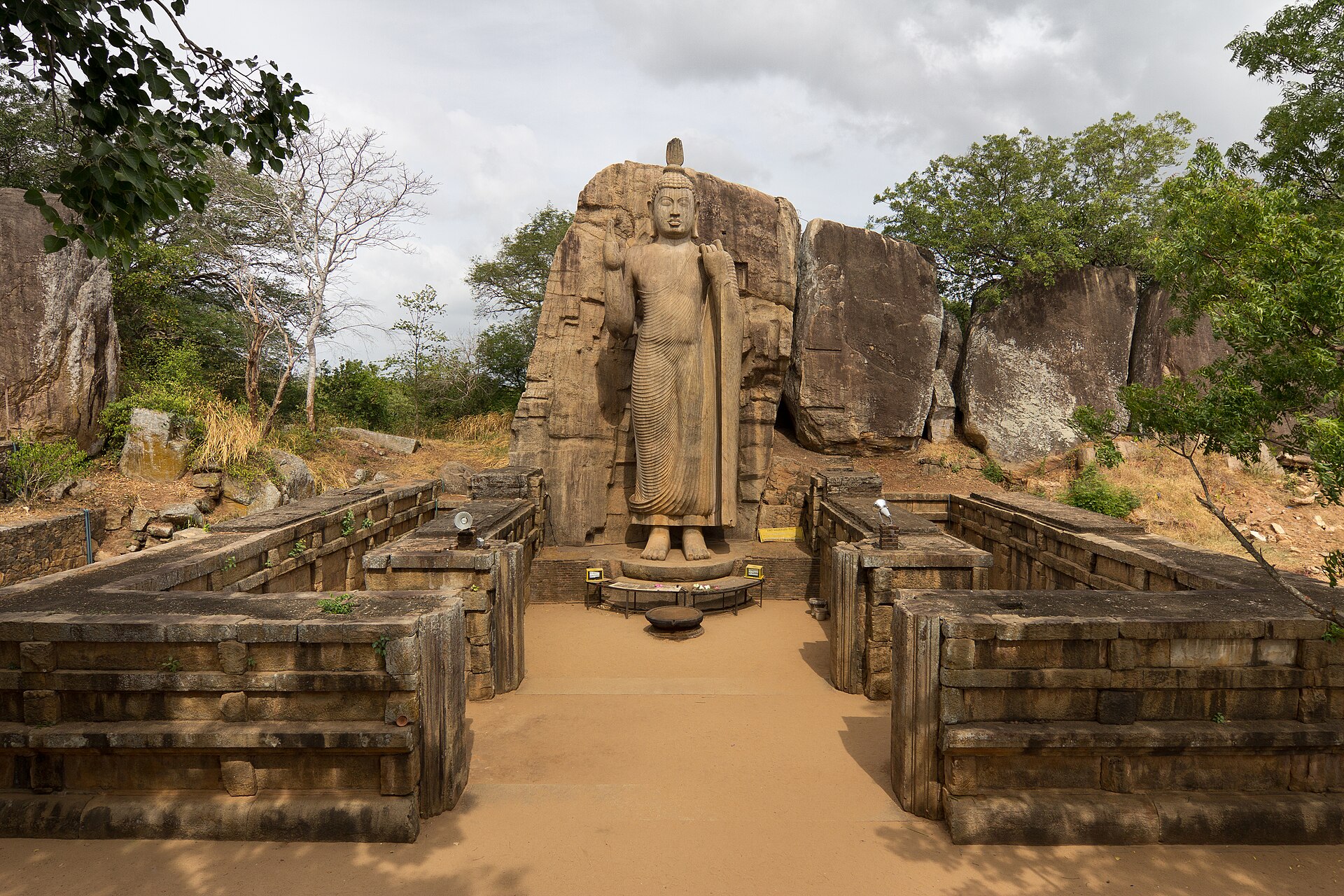
At Anuradhapura and later Polonnaruwa, Sinhalese kings built vast cities served by sophisticated networks of reservoirs and canals, a hydraulic civilisation that fed a large population from the dry-zone plains. This golden age also produced masterpieces of Buddhist art carved from living rock.
From the sixteenth century the island's coasts were seized in turn by the Portuguese and the Dutch, and finally the whole island fell to the British, who ended the last independent Sinhalese kingdom in the highlands of Kandy in 1815. Under British rule the island, known as Ceylon, was covered in tea plantations, and it gained independence in 1948.
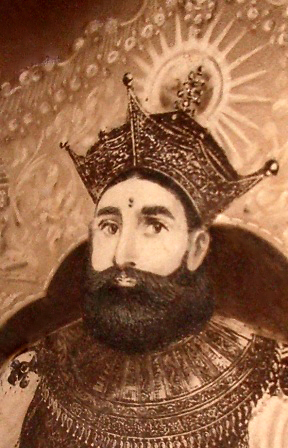
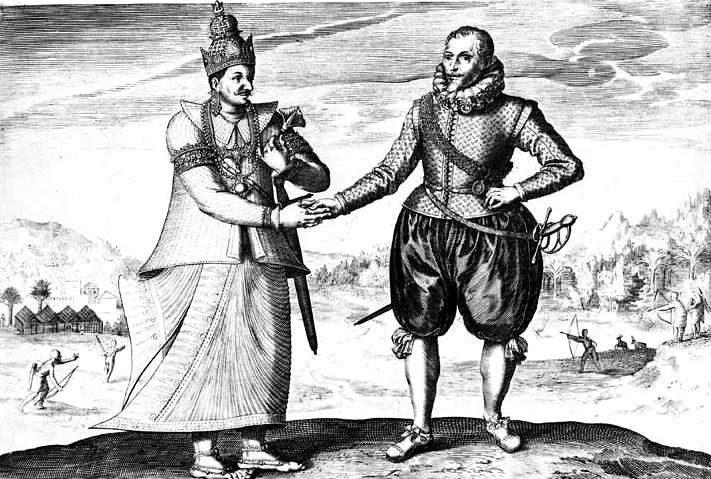
Sinhalese tradition, recorded in ancient chronicles, holds that the people descend from Prince Vijaya, an exiled North Indian prince who landed on the island and became its first king, founding the Sinhalese nation. By the legend, Vijaya's own grandfather was a lion, which is why the people call themselves Sinhala, from the word for lion, and place a lion on their flag. The tale is foundational to Sinhalese identity, but Vijaya and his lion ancestry belong to legend rather than documented history.
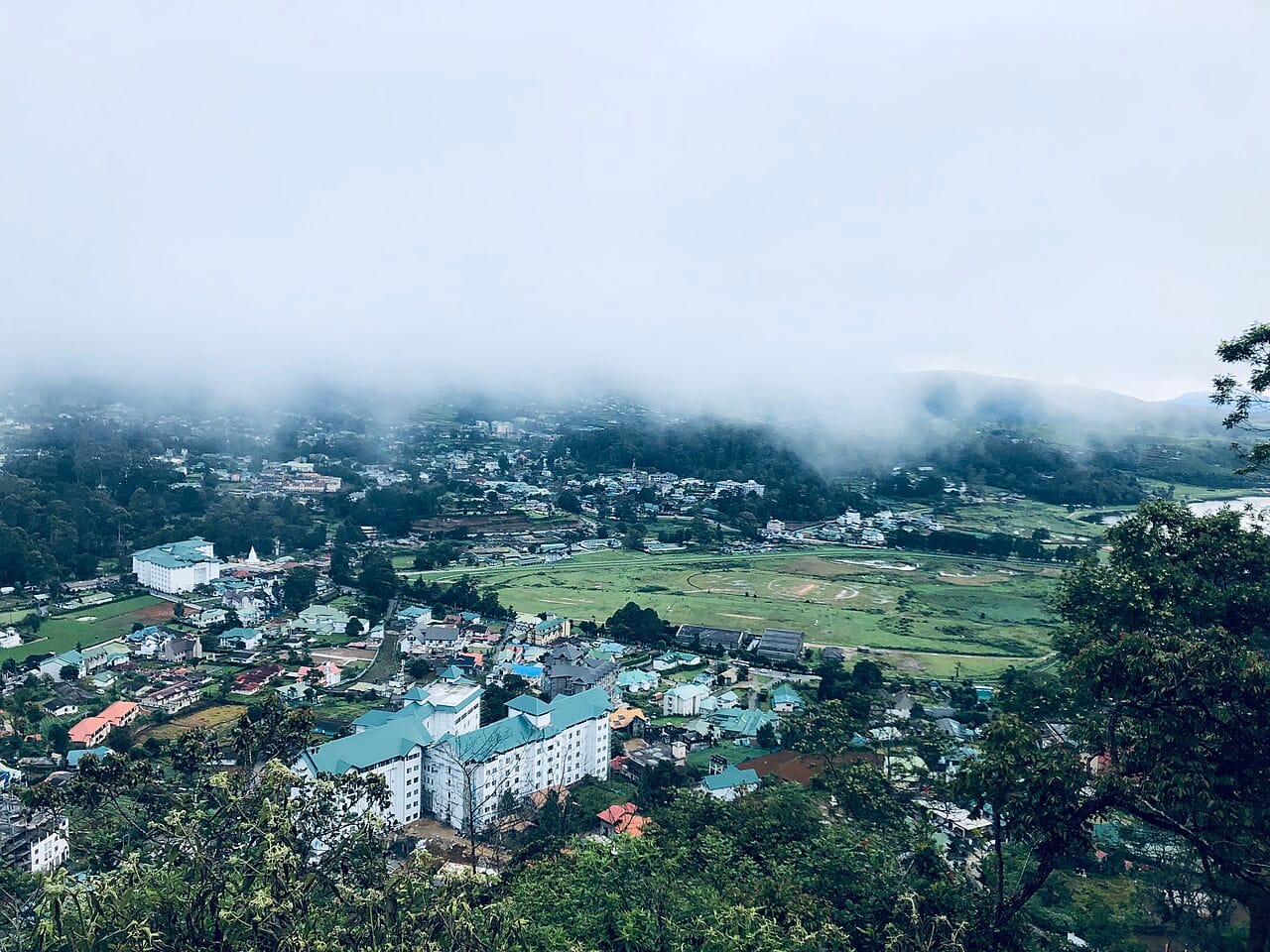
Sri Lanka is a compact island of remarkable variety. A central massif of forested mountains and tea-clad slopes rises in the south-centre, ringed by lowland plains and a coastline of beaches, lagoons, and coral. The climate is tropical, governed by the monsoons, with a wet southwest and a drier north and east. This range of environments, packed into a small island, supports rich biodiversity, including elephants and leopards, and a landscape dotted with ancient reservoirs.
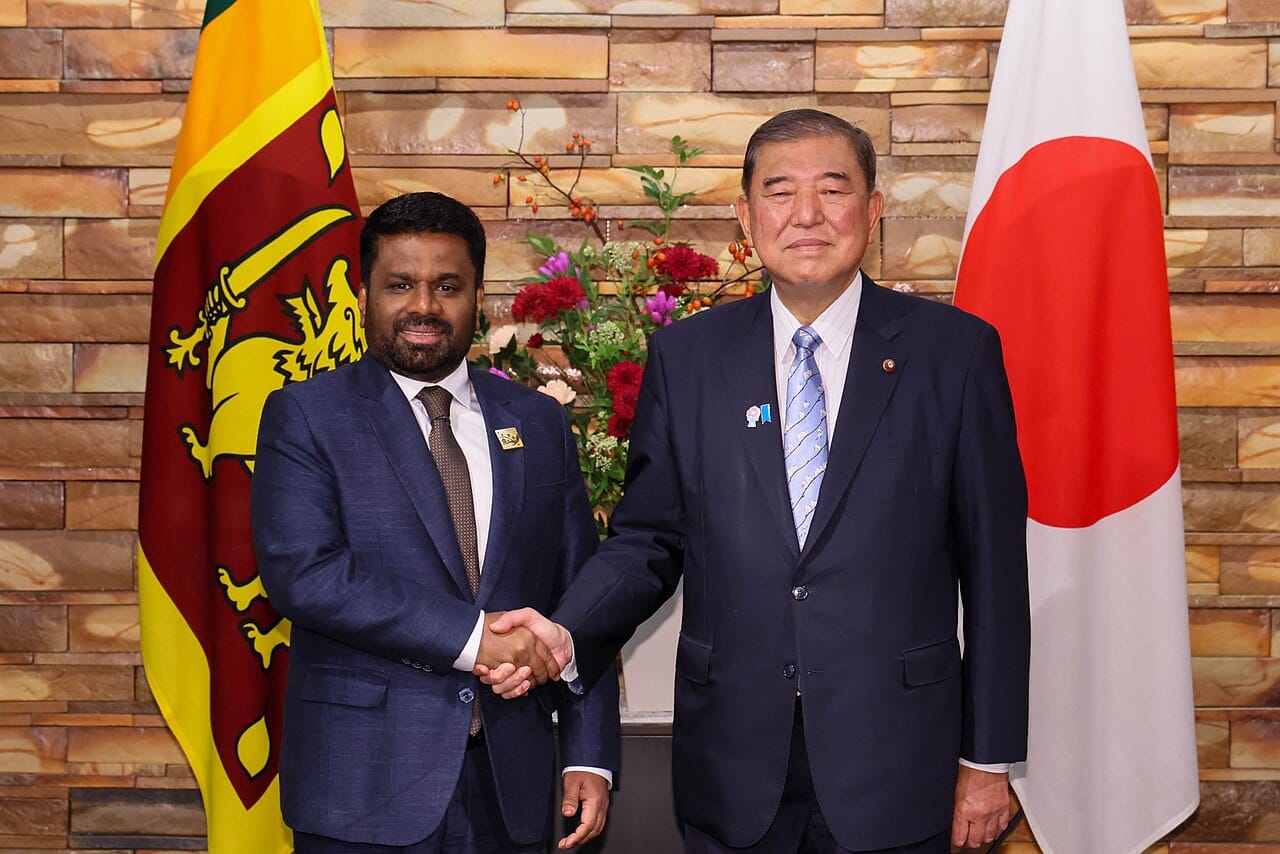
Sri Lanka is a democratic republic with an executive president and a parliament. Its politics was long dominated by two established parties and by powerful family dynasties, above all the Rajapaksa family. That order was upended by the economic collapse of 2022, and in the elections of 2024 voters turned decisively to an outsider: Anura Kumara Dissanayake, leader of a left-leaning alliance long outside the mainstream, was elected president, and his movement won a landslide in parliament, with Harini Amarasuriya becoming prime minister. It marked one of the most dramatic political shifts in the island's modern history.
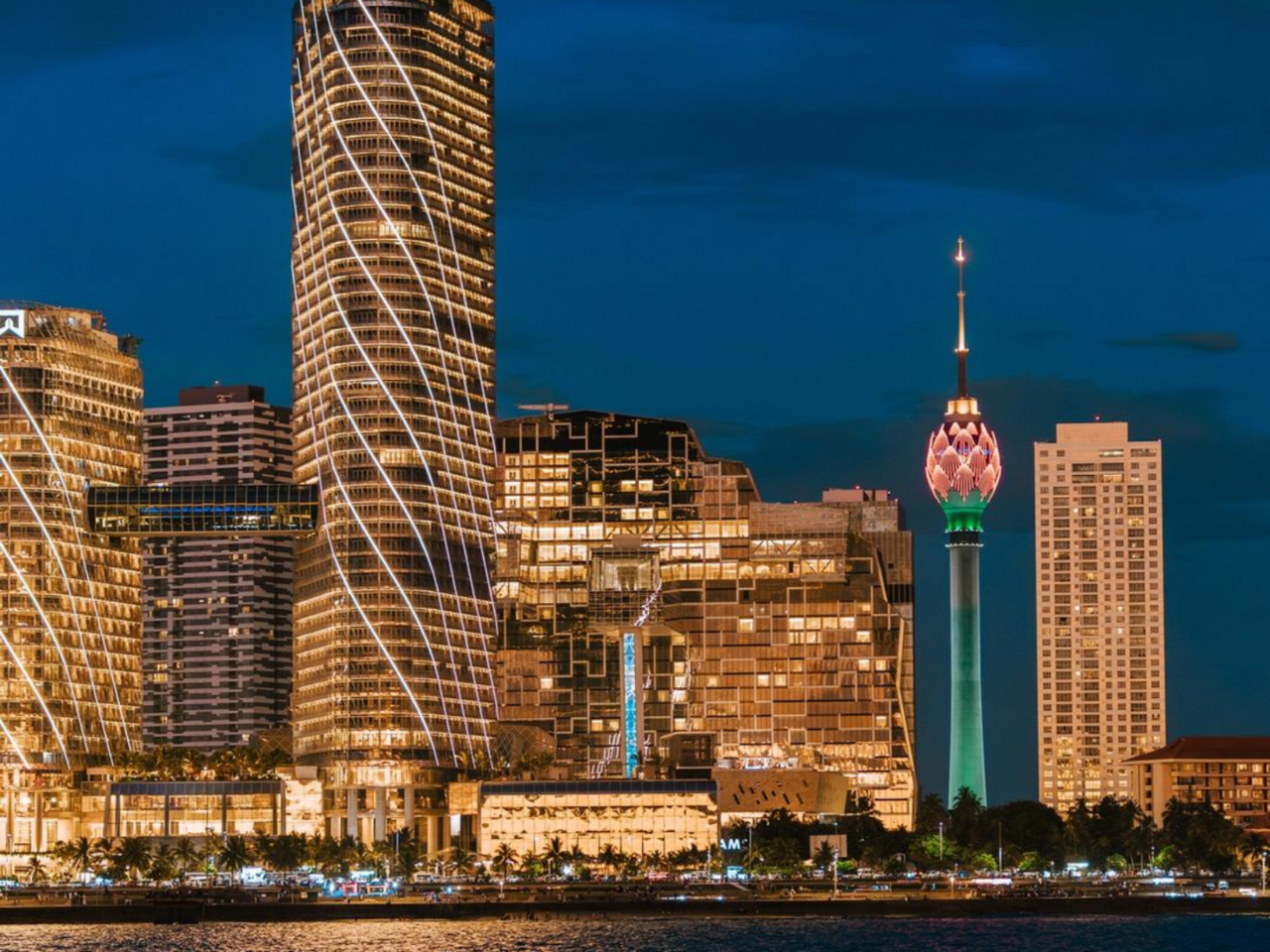
Sri Lanka's economy rests on tea, textiles and garments, tourism drawn by its beaches and heritage, and money sent home by Sri Lankans working abroad, especially in the Gulf. Its location on the Indian Ocean shipping lanes gives its ports strategic value, and the capital, Colombo, is the commercial heart of the island. In 2022 the country suffered a severe financial crisis, defaulting on its foreign debt amid shortages of fuel, food, and medicine, and the slow, painful recovery has dominated economic life since.
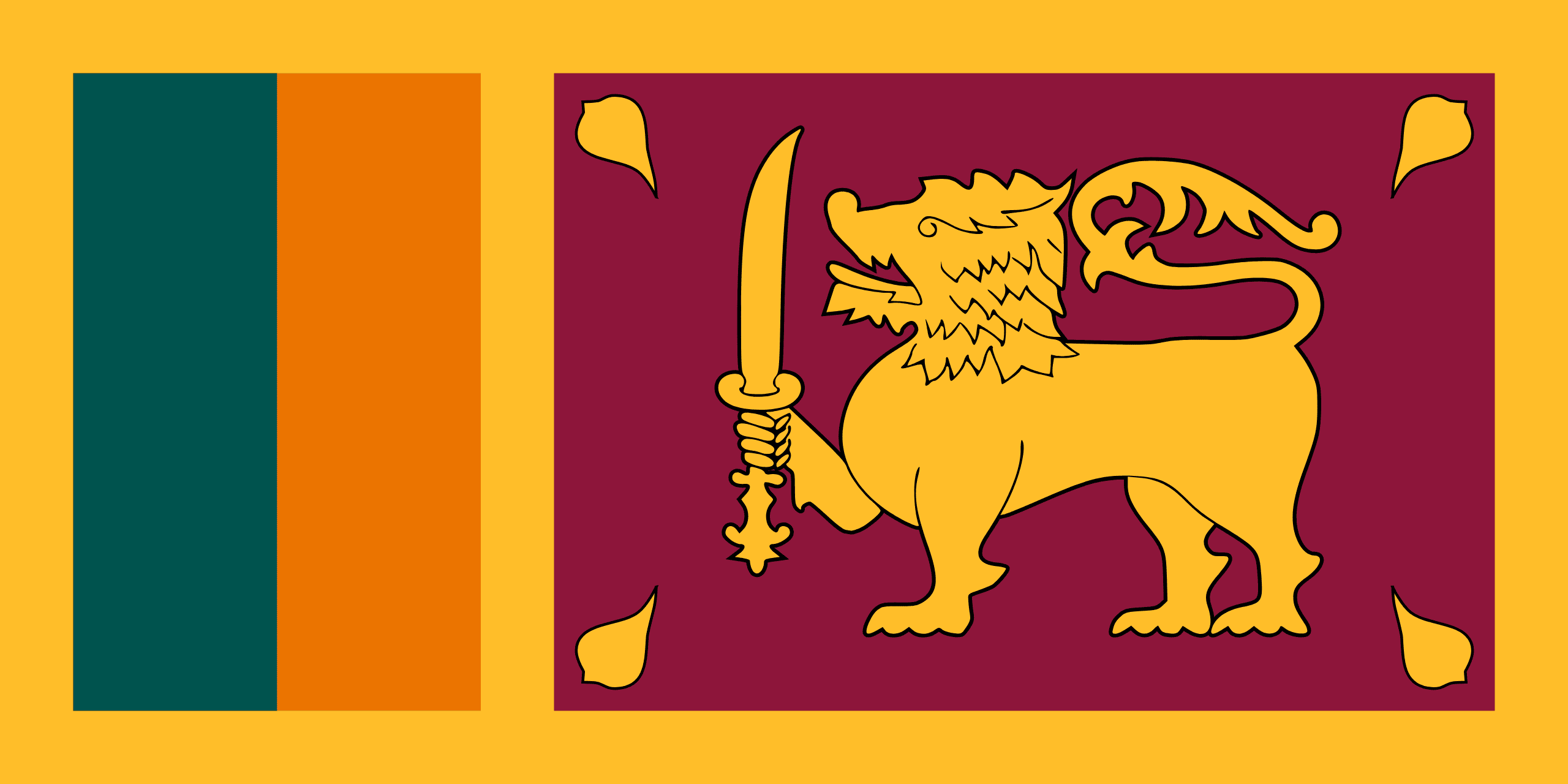
The flag of Sri Lanka, known as the Lion Flag, shows a golden lion holding a sword on a deep red field, with a bo leaf in each corner, alongside two vertical stripes of green and orange at the hoist. The lion and red represent the Sinhalese people and their courage, the bo leaves the Buddhist values of the nation, and the green and orange stripes the Muslim and Tamil minorities, making the flag a statement of the island's communities.
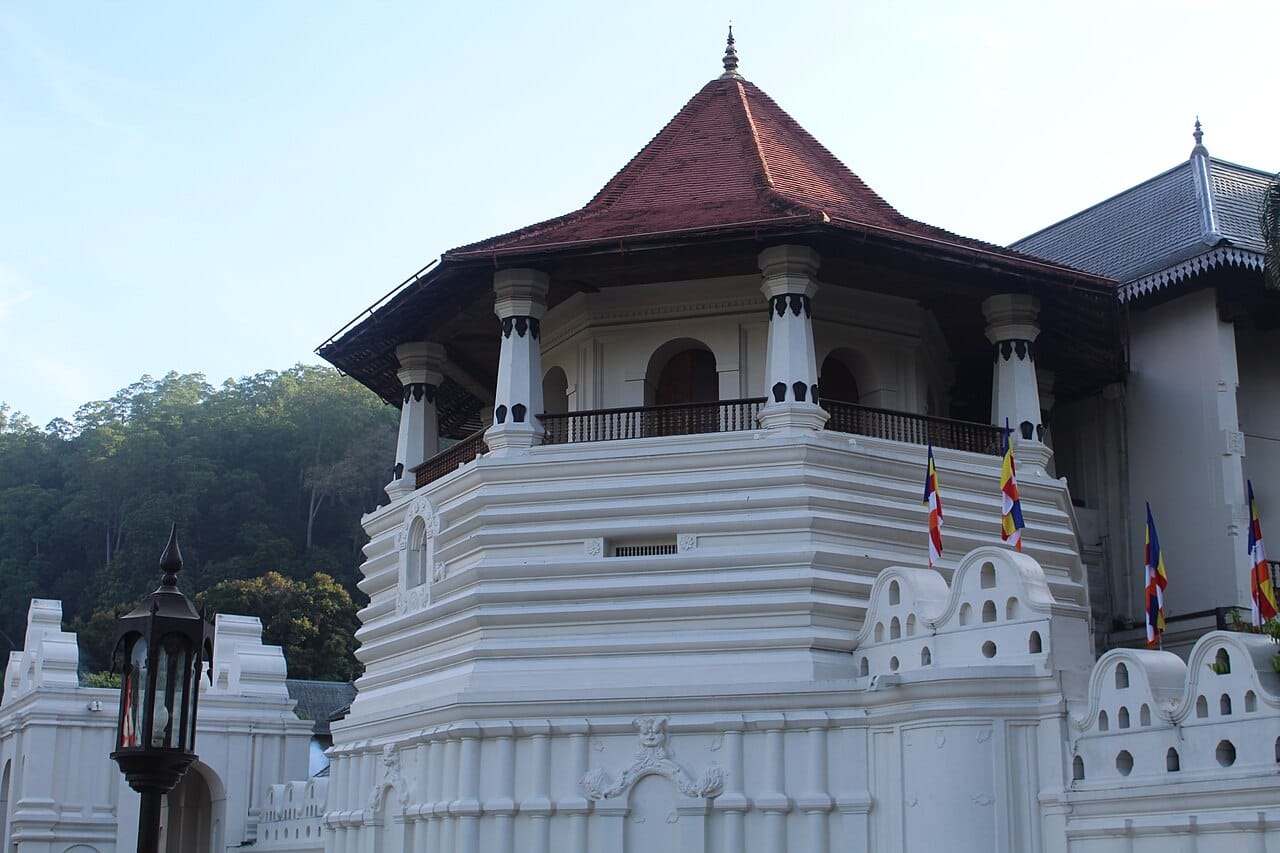
Sri Lanka is one of the great strongholds of Theravada Buddhism, the faith of the Sinhalese majority, which has shaped the island's culture, art, and history for over two thousand years and fills the land with temples and ancient relics. Its most sacred site is the Temple of the Sacred Tooth Relic in Kandy, said to enshrine a tooth of the Buddha. The Tamil minority is largely Hindu, and there are significant Muslim and Christian communities as well. Religious identity has been closely tied to ethnic identity, a connection that has sometimes deepened the island's communal tensions.
Sri Lankan cuisine is famous for being fragrant and fiery, built on rice served with an array of curries and the fresh coconut that grows everywhere. Distinctive dishes include hoppers, bowl-shaped pancakes of fermented rice flour, and the fresh, spicy relishes known as sambol. The island's long history in the spice trade, the original source of cinnamon, shows in the generous, skilful use of spices. Tea, the island's signature crop, is the national drink.
Agriculture is central to Sri Lanka, and above all it is famous for tea: grown on the cool, misty highlands, Ceylon tea is one of the world's most renowned, and the island is a leading exporter. Rice is the staple food crop, cultivated in irrigated paddies as it has been for millennia, and coconut and rubber are important too. The island is also a historic source of spices, especially cinnamon, which is native to its forests.
Sri Lankan culture is ancient and layered, shaped above all by Theravada Buddhism but also by Hindu, Muslim, and colonial influences. It is expressed in classical dance and drumming, in elaborate temple festivals such as the great Esala Perahera of Kandy, with its processions of decorated elephants, and in a literature and art reaching back two thousand years. Society is warm and family-centred, and cricket is a national passion that unites the island across its communities.
Two events dominate modern Sri Lanka. The first is the civil war, fought from 1983 to 2009 between the government and the Liberation Tigers of Tamil Eelam, who sought an independent Tamil state in the north and east. The long conflict cost tens of thousands of lives and ended with the military defeat of the Tigers in 2009, a victory for the state that was shadowed by allegations of grave abuses against civilians in its final phase. Questions of accountability and of reconciliation between the Sinhalese majority and the Tamil minority remain unresolved and sensitive.
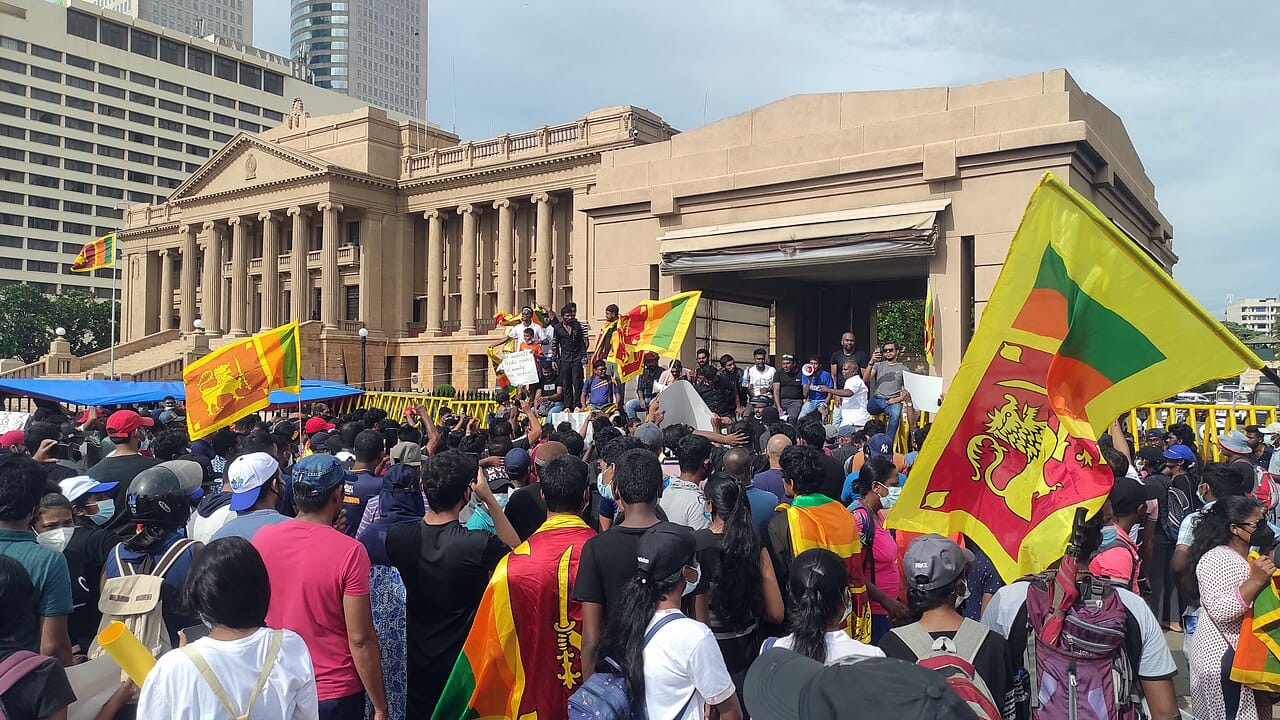
The second is the economic crisis of 2022, when years of debt, tax cuts, and policy missteps, worsened by the collapse of tourism during the pandemic, left the country unable to pay for fuel, food, and medicine. Mass protests, known as the Aragalaya, filled the streets and drove the president from office and the country. In the elections that followed in 2024, voters rejected the established parties and dynasties and turned to a new political movement, a shift whose consequences are still unfolding.
Sri Lanka has a population of around 22 million people. The majority are Sinhalese, who are mostly Buddhist, alongside a significant Tamil minority, largely Hindu and concentrated in the north and east, as well as Muslim and other communities. The relationship between these groups, especially the Sinhalese and Tamils, has been central to the country's modern history. The largest city is the commercial capital, Colombo, on the west coast.