Spain is a country in southwestern Europe occupying most of the Iberian Peninsula, bordered by the Mediterranean Sea, the Atlantic Ocean, and the Pyrenees mountains that separate it from France. A land of sun-baked plains, green northern coasts, and historic cities, it was once the centre of a global empire, and its language and culture spread across much of the Americas, making Spanish one of the most widely spoken languages on Earth.
Spain's history is layered with the many peoples who ruled the Iberian Peninsula, from Romans and Visigoths to centuries of Muslim rule, before a unified kingdom built a global empire.
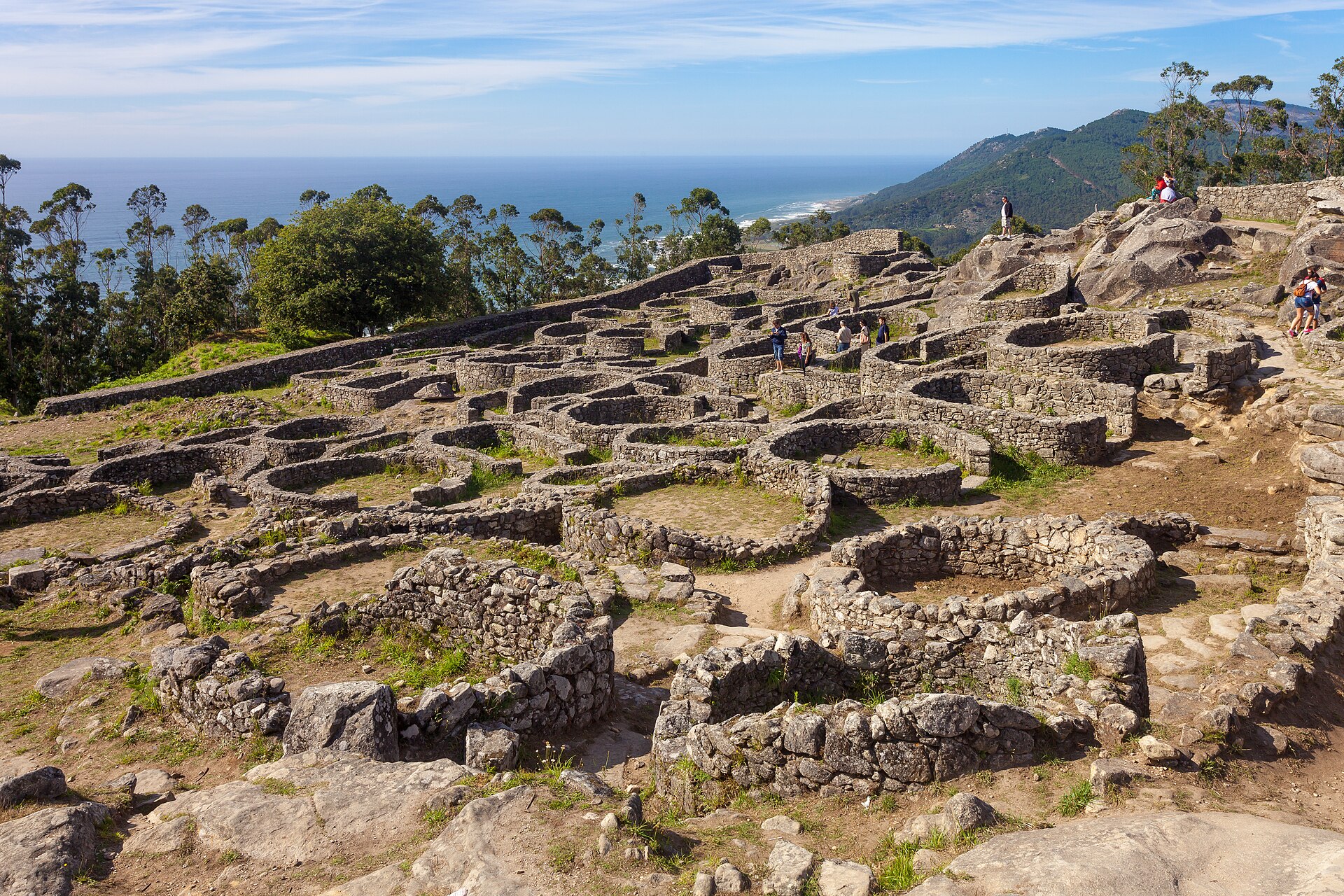
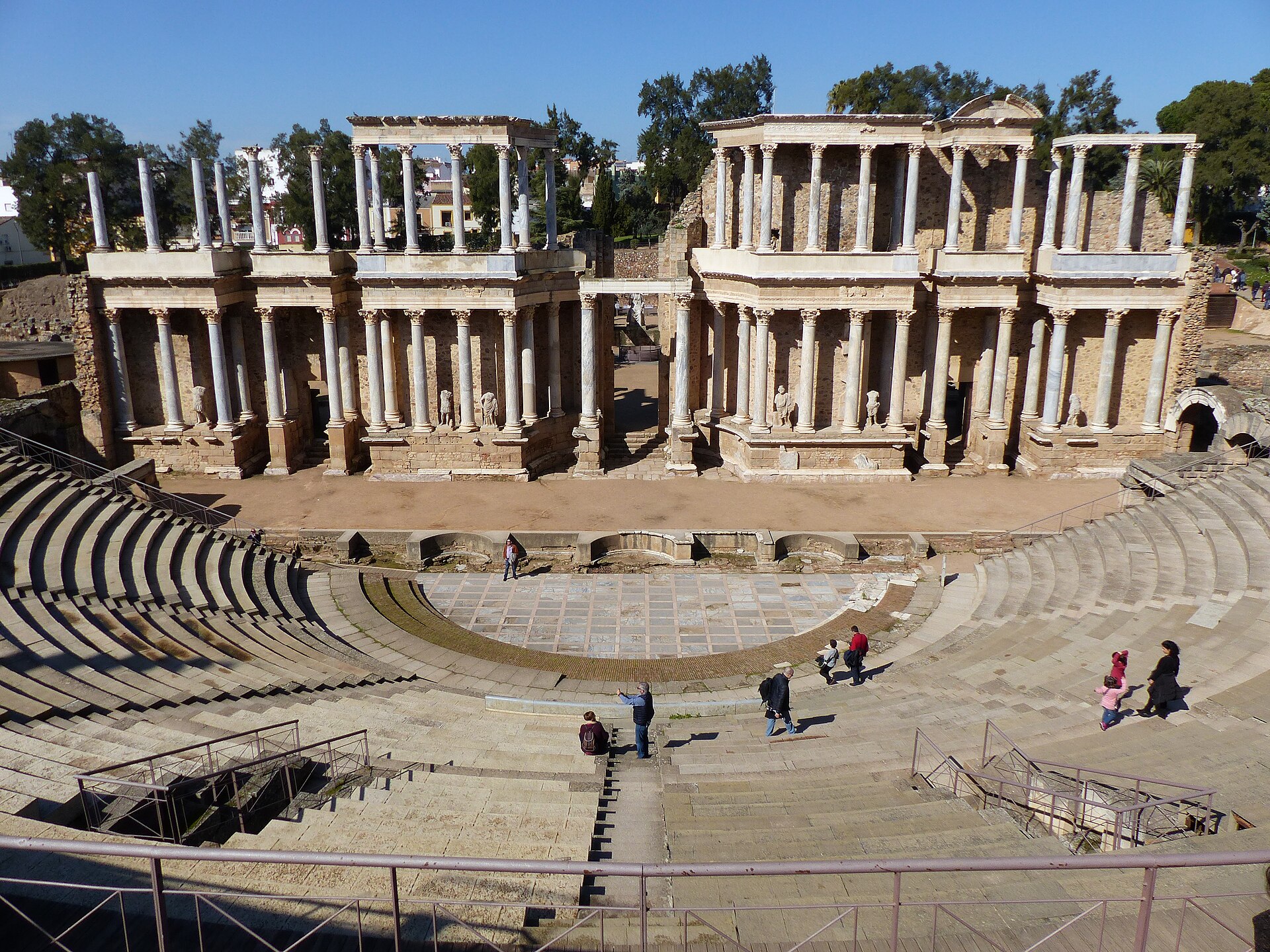
The peninsula was home to Iberian and Celtic peoples before Rome conquered it and made Hispania one of the richest parts of its empire, leaving cities, roads, and the Latin roots of Spanish. As Roman power faded, the Germanic Visigoths established a kingdom that ruled until the early eighth century.
In 711 Muslim armies crossed from North Africa and within a few years ruled most of the peninsula. For nearly eight centuries much of Spain was Al-Andalus, a Muslim domain of remarkable learning, science, and architecture, where Muslims, Christians, and Jews lived side by side. From the north, Christian kingdoms slowly pushed south in the long campaign known as the Reconquista.
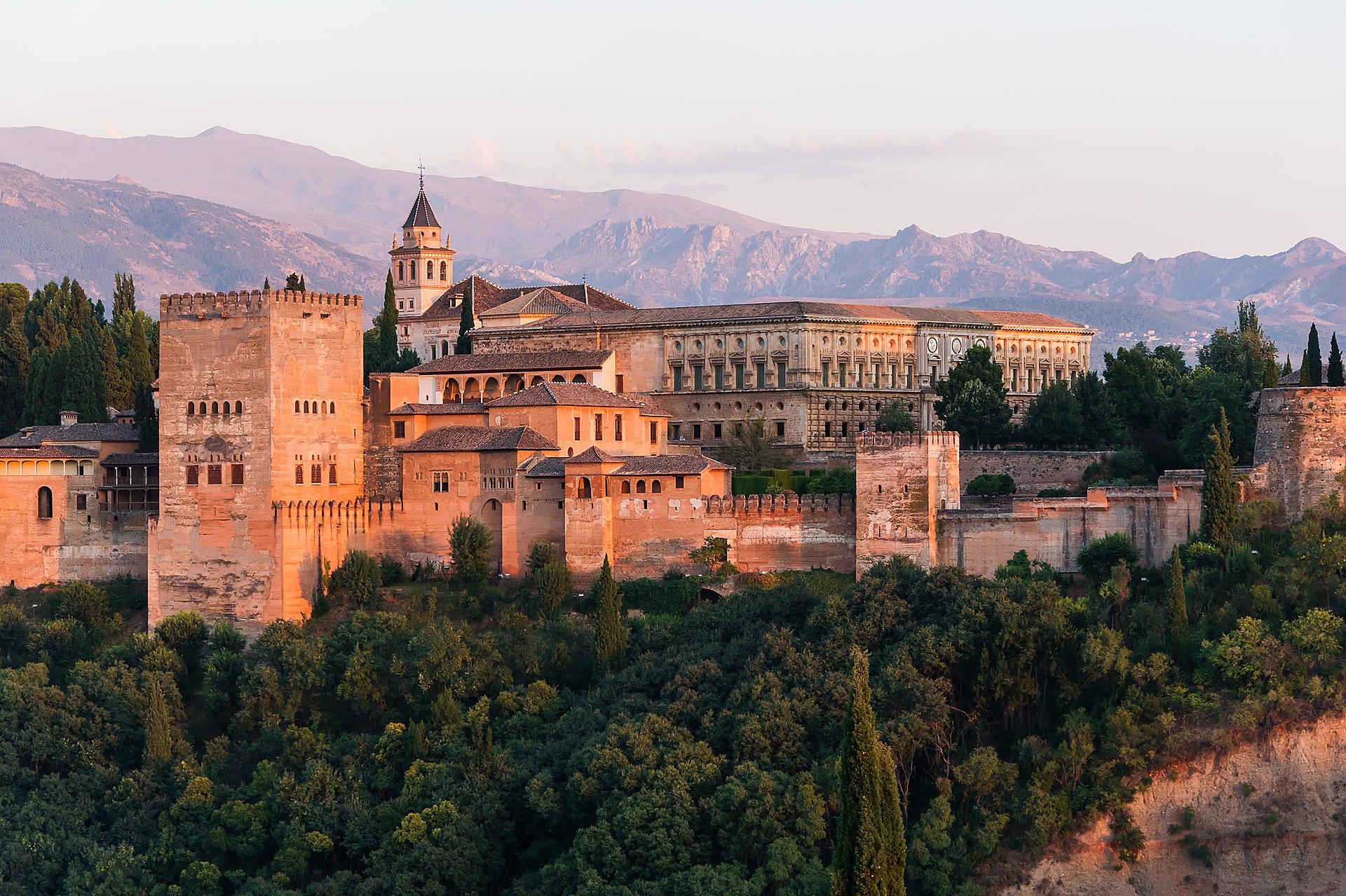
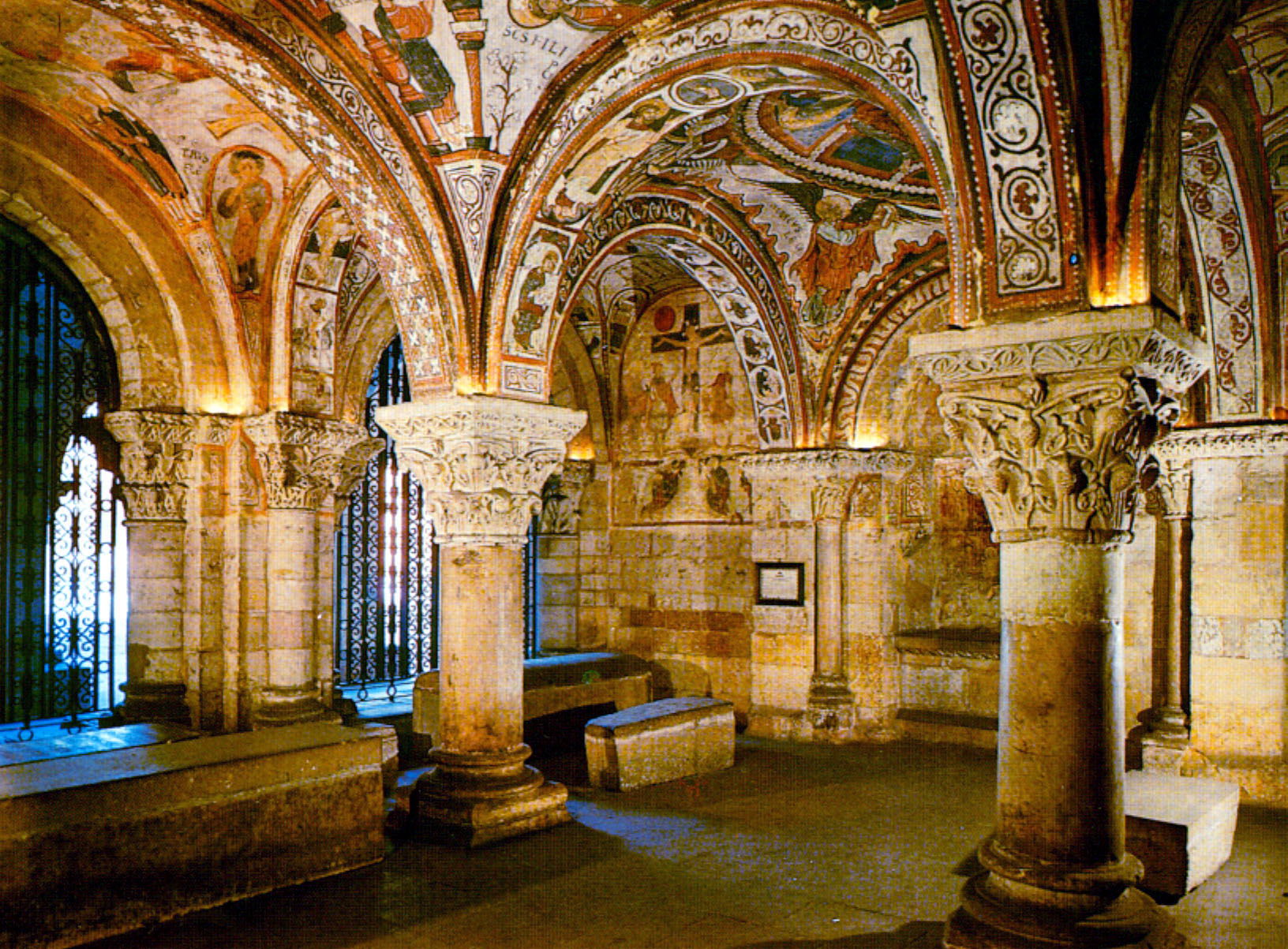
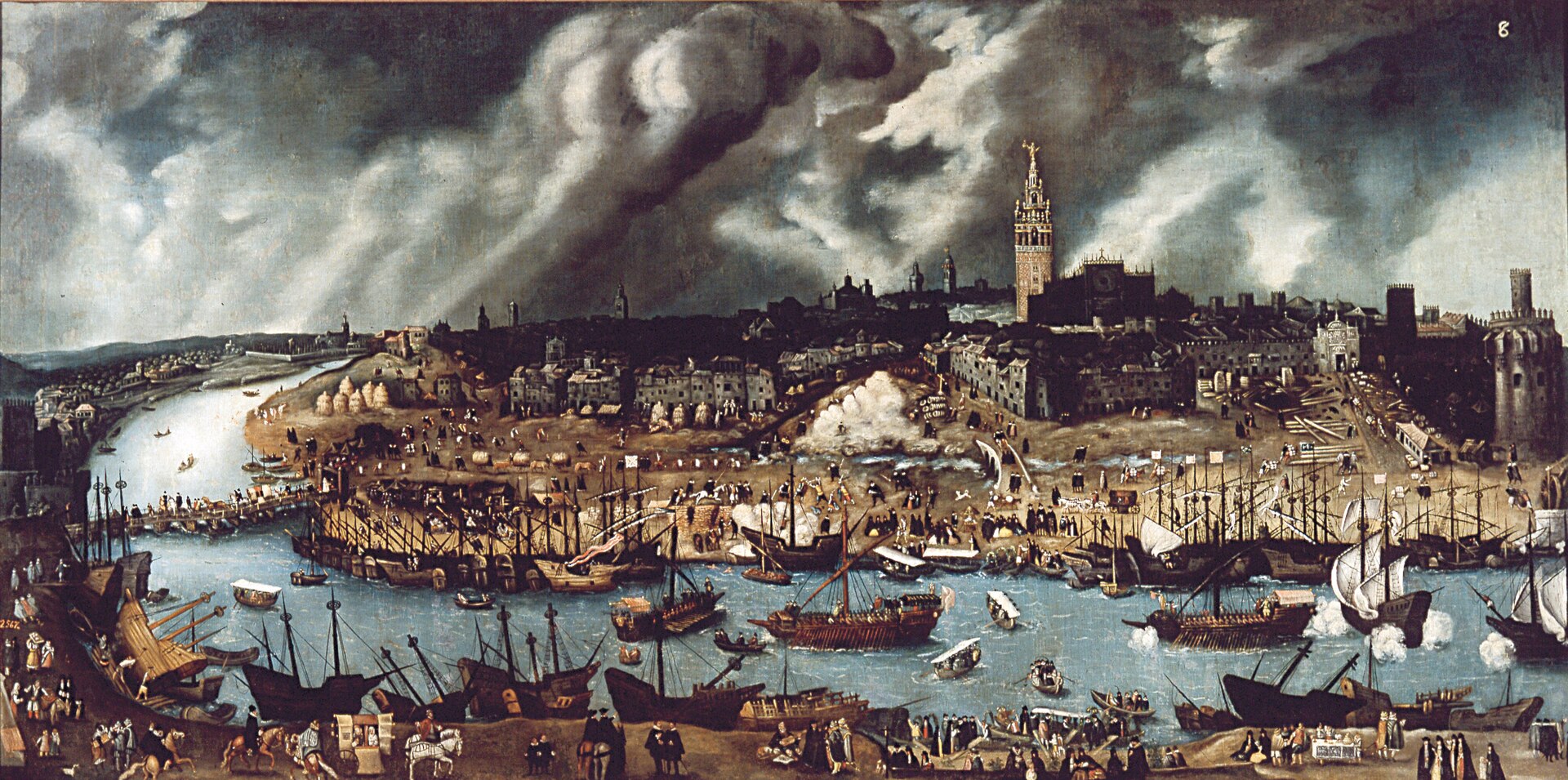
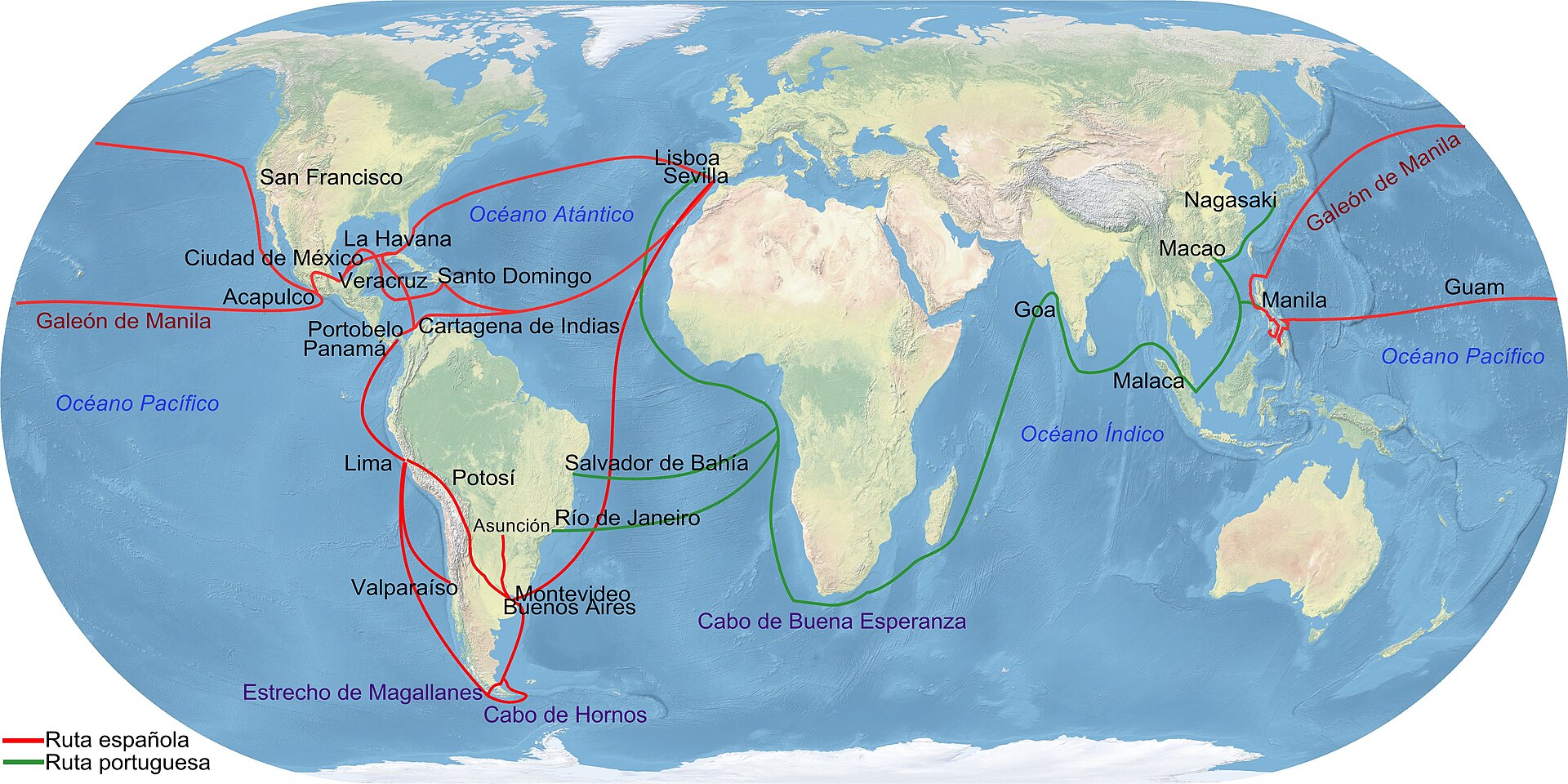
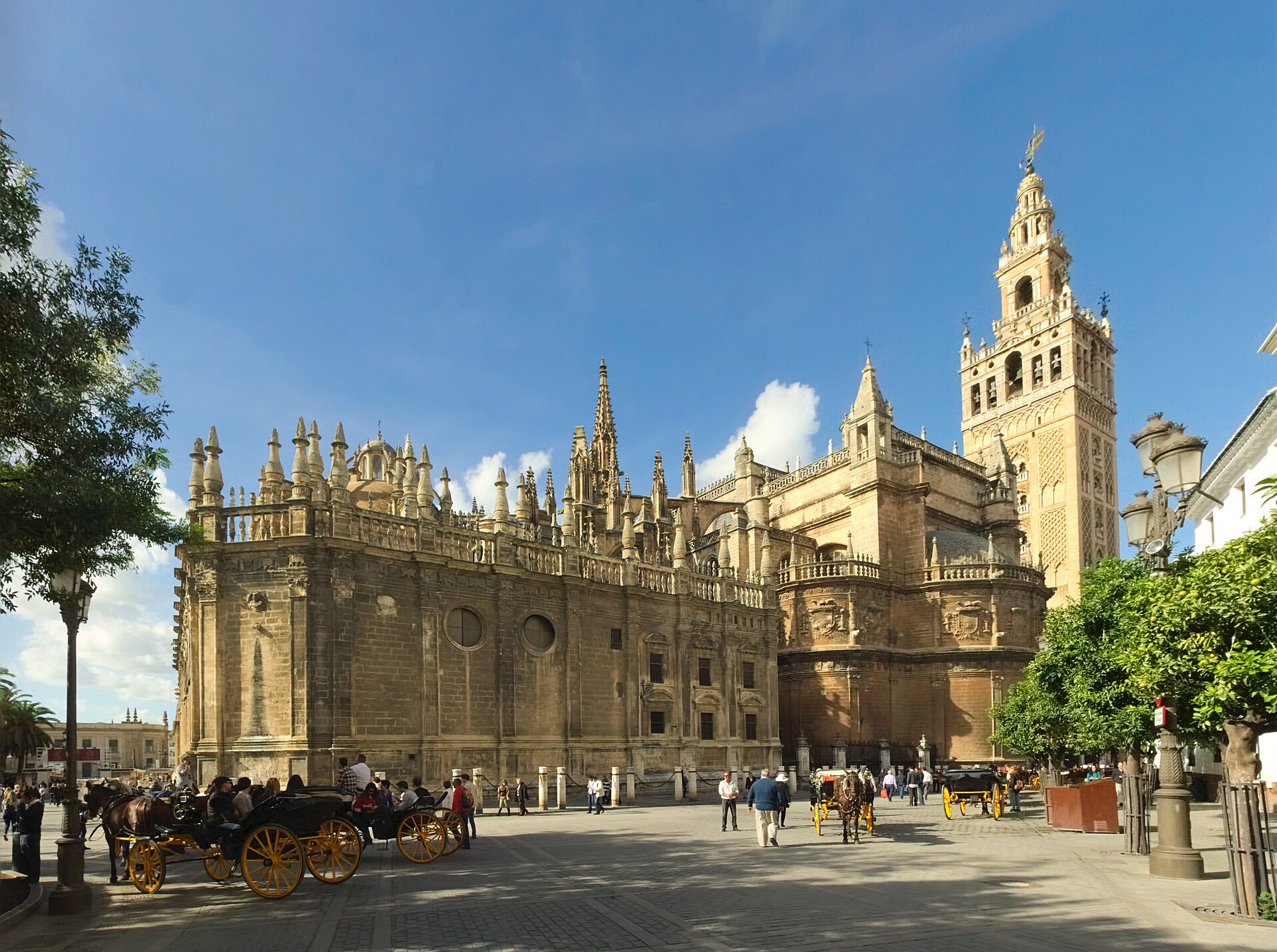
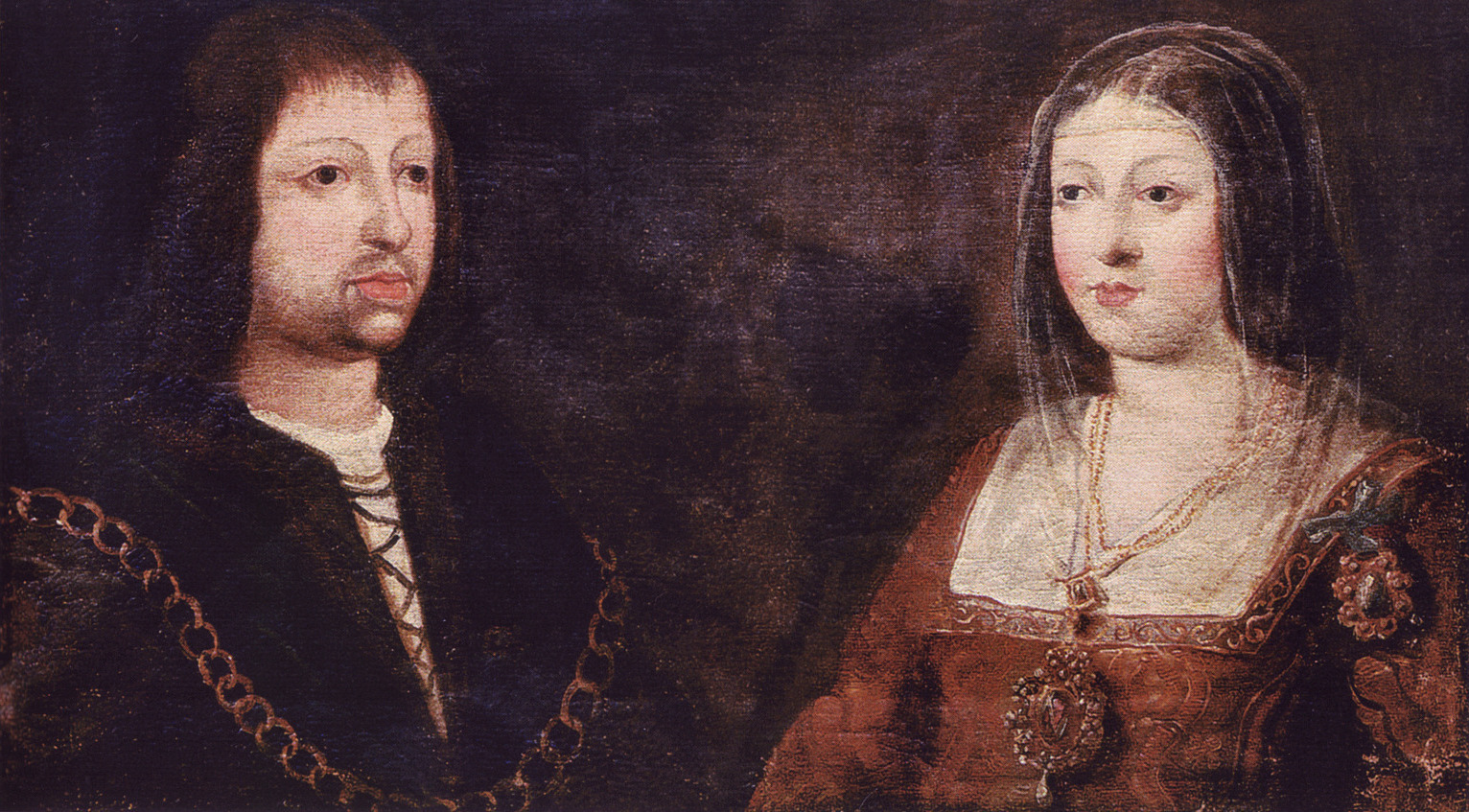
The marriage of Ferdinand and Isabella united the crowns, and in 1492 they completed the reconquest with the fall of Granada and sponsored Columbus, opening the age of a worldwide Spanish empire. Silver from the Americas flowed through ports such as Seville, making Spain the dominant power of the sixteenth century, an empire on which it was said the sun never set.
Spain is dominated by a high central plateau, the Meseta, ringed and crossed by mountain ranges and baked by hot, dry summers. The green, rainy north along the Atlantic contrasts sharply with the arid south and the Mediterranean coast, while the Pyrenees wall off the country to the northeast. Spain also includes the Balearic Islands in the Mediterranean and the Canary Islands off Africa, and it is one of the most mountainous countries in Europe.
Spain is a parliamentary constitutional monarchy. After the death of the dictator Francisco Franco in 1975, the country made a celebrated transition to democracy, restoring the monarchy as a constitutional figurehead under a king and establishing an elected parliament led by a prime minister. Power is substantially devolved to seventeen autonomous communities, such as Catalonia, the Basque Country, and Andalusia, each with its own government, a structure that gives Spain's strong regional identities a political voice.
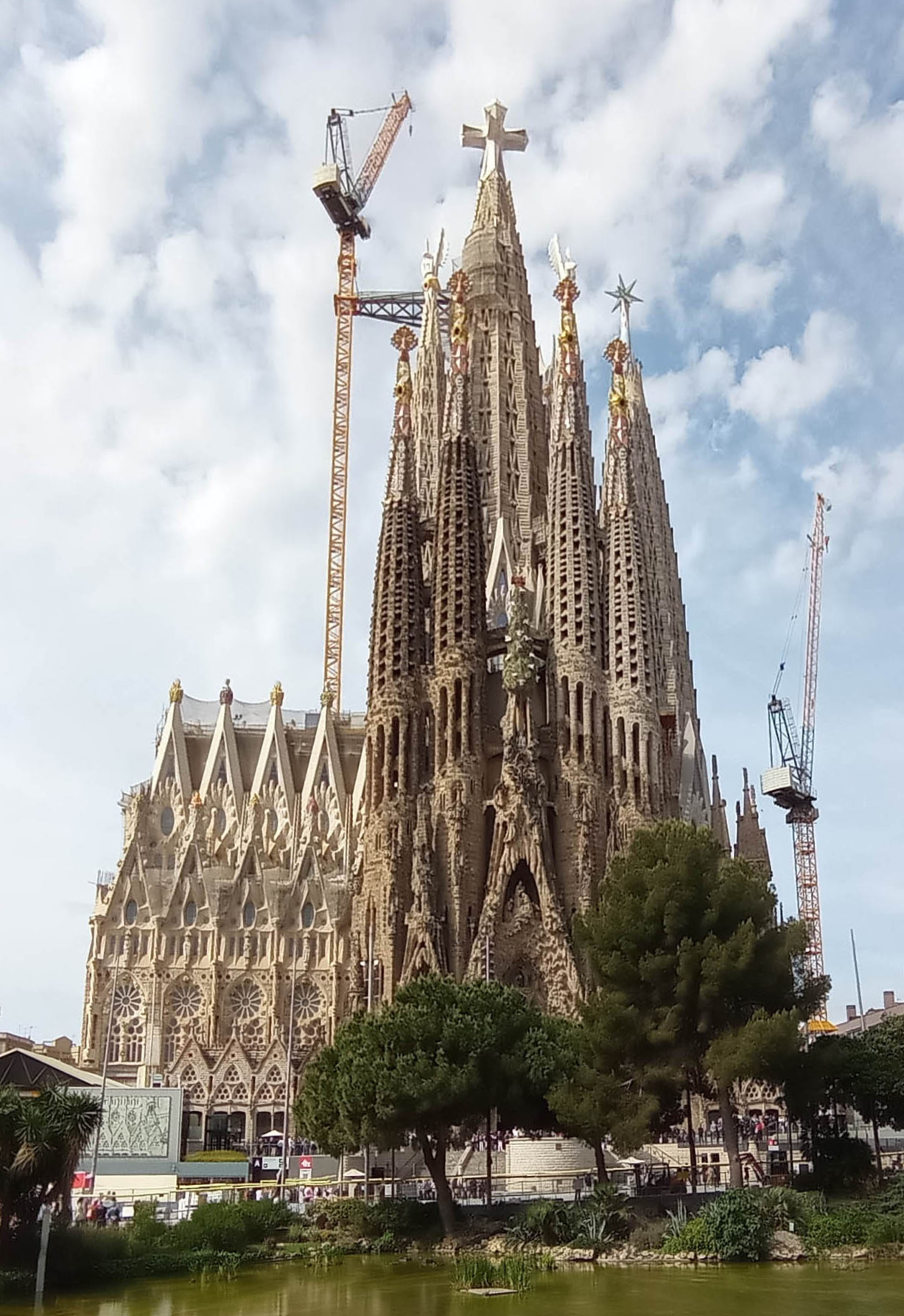
Spain has one of the largest economies in the European Union, with strengths in tourism, services, agriculture, automobiles, and renewable energy. It is among the most visited countries in the world, drawing travellers to its beaches, art cities, and monuments such as Barcelona's Sagrada Familia. The economy boomed in the decades after democracy but was hit hard by the global financial crisis, which left high unemployment, especially among the young, a challenge it has worked to overcome.
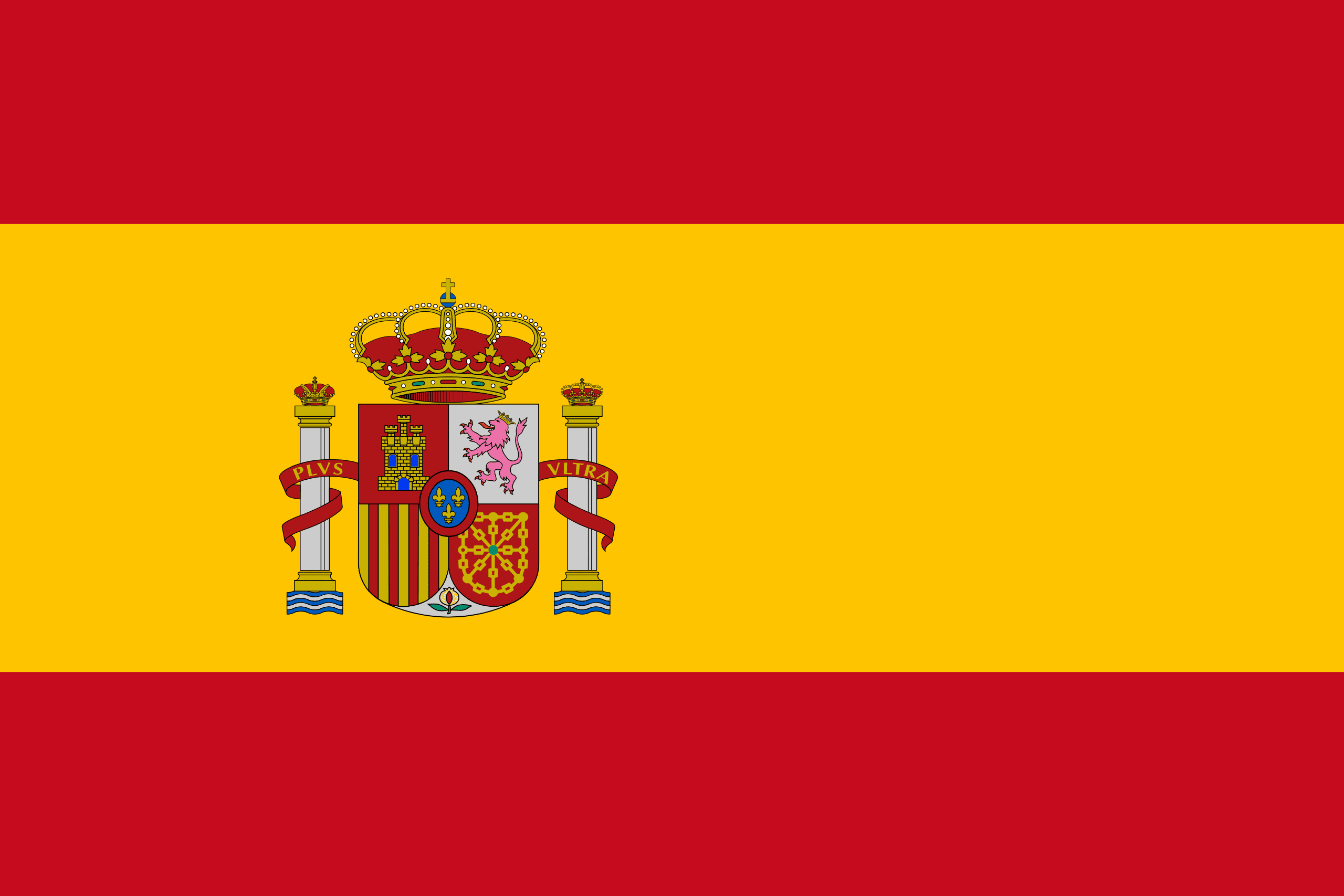
The Spanish flag has three horizontal bands, a broad yellow stripe between two narrower red ones, with the national coat of arms set toward the hoist. The red and yellow have been associated with Spain for centuries. The coat of arms gathers the emblems of the historic kingdoms that united to form Spain, along with the Pillars of Hercules at the Strait of Gibraltar, recalling the country's reach beyond Europe.
Roman Catholicism shaped Spain for more than a thousand years, from the Reconquista fought in its name to the missionaries who carried it across the Americas, and it remains woven into the country's festivals, architecture, and identity. Holy Week processions are famous across the land. In recent decades, however, Spain has become markedly more secular, with regular church attendance falling and a large share of people now identifying as non-practising or non-religious.
Spanish cuisine is regional, social, and built on superb ingredients. Its most famous custom is tapas, small dishes shared over conversation, and its best-known dish is paella, the saffron rice of Valencia. Cured ham, or jamon, olive oil, seafood along the coasts, and dishes like the cold tomato soup gazpacho define the table, all washed down with celebrated wines. Eating is leisurely and communal, often late into the evening.
Spain's warm climate makes it an agricultural powerhouse of southern Europe. It is the world's largest producer of olive oil, the foundation of its cooking, and one of the leading growers of wine, citrus fruits, almonds, and vegetables, much of it exported across Europe. Pork is central to its livestock, and the famous acorn-fed Iberian pigs yield prized ham. Irrigation has turned parts of the dry south into intensive market gardens.
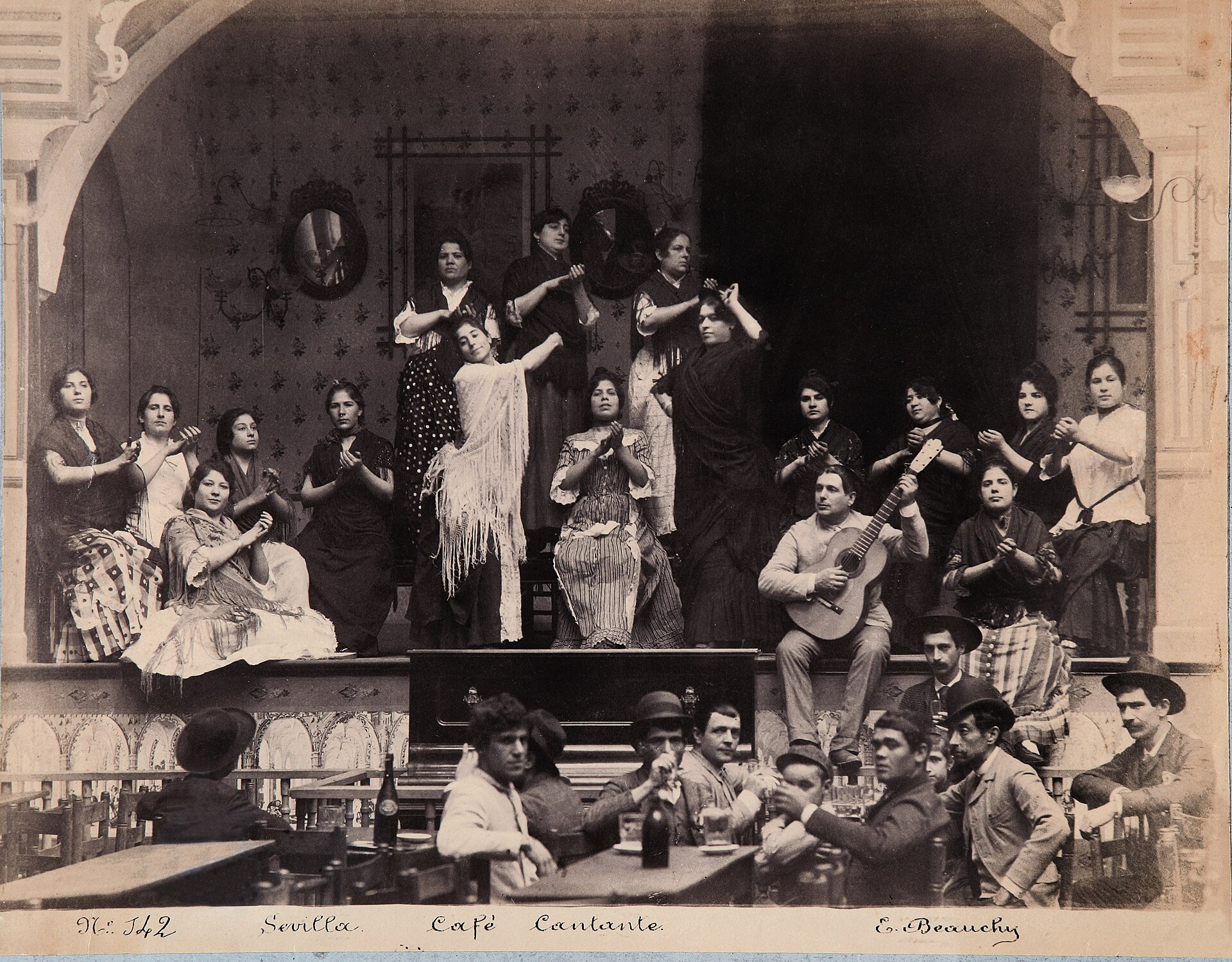
Spain's culture is famous the world over, from the rhythms of flamenco, born in Andalusia, to the bold tradition of its painters: Velazquez, Goya, Picasso, Dali, and Miro. Its festivals, such as the running of the bulls and countless local fiestas, are renowned, and its relaxed, sociable rhythm of life, with late meals, evening strolls, and a strong sense of community, is admired across Europe. Spanish, born here, is now one of the most spoken languages on Earth.
Spain's sharpest internal debate concerns the unity of the country itself. In Catalonia, a wealthy northeastern region with its own language and identity, a strong independence movement held a disputed referendum in 2017, triggering a constitutional crisis whose tensions still simmer; the Basque Country has its own history of separatism. Spaniards also continue to reckon with the legacy of the Franco dictatorship and the Civil War through arguments over historical memory, alongside concerns about youth unemployment and regional inequality.
The fall of Granada in 1492 ended Muslim rule and, in the same year, launched Spain's voyages to the Americas, building an empire on which it was said the sun never set. The wealth and reach of that empire shaped the early modern world. In the twentieth century Spain was torn by a brutal civil war from 1936 to 1939, followed by the long dictatorship of Francisco Franco, before a peaceful transition to democracy after his death in 1975.
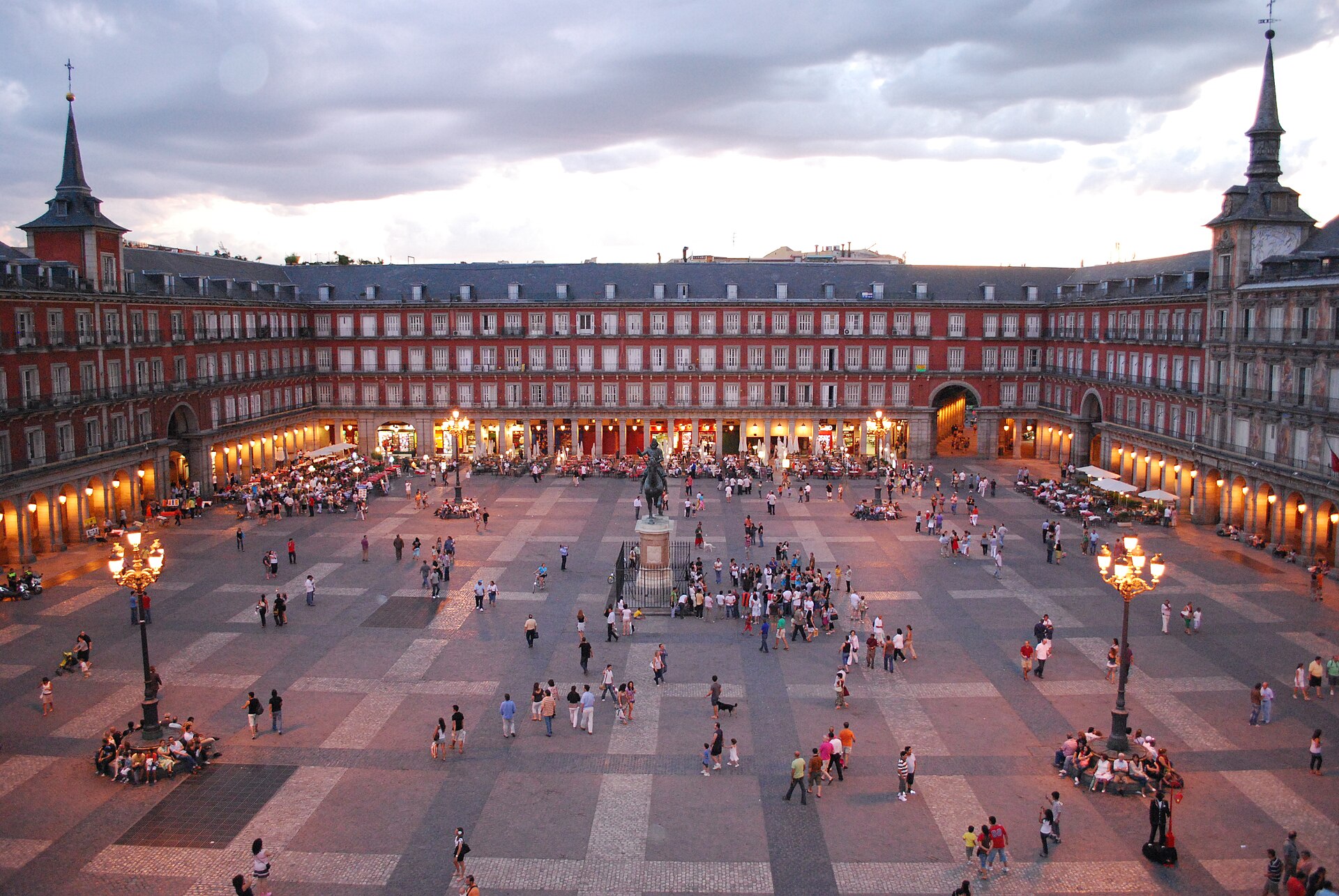
Spain has a population of around 48 million people, concentrated in Madrid, the central capital, and along the Mediterranean coast and in cities like Barcelona. The country has strong regional identities, some with their own languages, including Catalan, Basque, and Galician, and movements for greater autonomy or independence, especially in Catalonia, are a live feature of its politics. Like much of Europe, Spain has an ageing population and one of the lowest birth rates in the world.