South Sudan is a landlocked country in East-Central Africa and the youngest internationally recognised nation in the world, having gained its independence from Sudan only in 2011. A land of vast wetlands, savanna, and the White Nile, it is home to many cattle-herding peoples with proud and ancient traditions. Rich in oil but desperately poor and underdeveloped, the country has, since its hopeful birth, struggled with conflict, making the building of a stable nation its central and unfinished challenge.
South Sudan is the world's newest recognised country, and its short existence has been dominated by a single question: whether a state built out of a liberation movement can become something other than that movement.
The peoples of the region, among them the Dinka, Nuer, Shilluk, Azande, and Bari, developed societies organised around cattle, the Nile, and kinship rather than around centralised states, and the great wetland of the Sudd made the area extremely difficult for outsiders to penetrate, which for a long time protected it. That changed in the nineteenth century, when Turco-Egyptian expeditions and then Sudanese and European traders pushed up the river for ivory and for slaves, and the raids that followed did lasting damage and left a memory that has shaped the region's relationship with the north ever since.
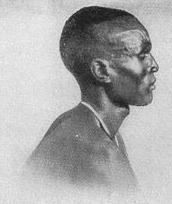
Britain ruled Sudan jointly with Egypt and administered the south separately from the north, restricting movement between them, encouraging Christian missions in the south while the north remained Muslim and Arabic-speaking, and doing very little in the way of development. When independence approached, that policy was reversed abruptly and the south was folded into a northern-dominated state, with almost no southerners in the new administration. A mutiny in 1955, before independence was formally granted, began a war that ran until 1972.
Peace lasted about a decade. In 1983 the imposition of Islamic law nationwide, along with disputes over the newly discovered oil that lay mostly in the south, set off a second war, fought by the Sudan People's Liberation Army under John Garang. It lasted twenty-two years and is among the deadliest conflicts since the Second World War, with an estimated two million dead, mostly from famine and disease, and millions displaced. The Comprehensive Peace Agreement of 2005 ended it and provided for a referendum. Garang, who had argued for a reformed united Sudan rather than separation, was killed in a helicopter crash weeks after becoming vice president. In January 2011 southerners voted by about 99 per cent to secede, and on 9 July 2011 South Sudan became independent.
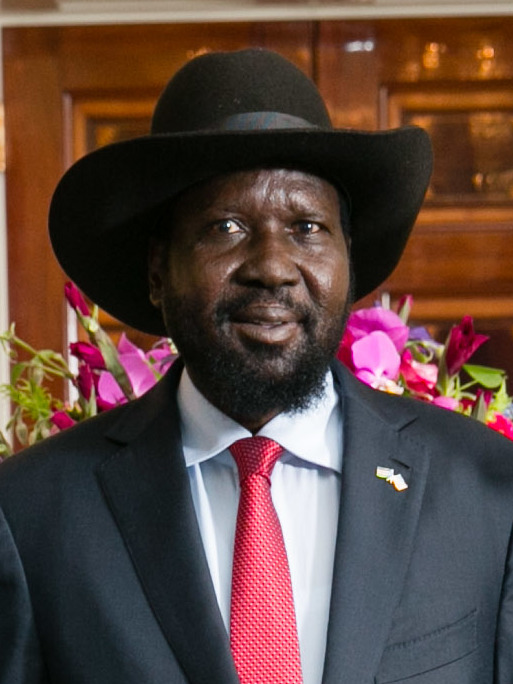
The new country began with almost nothing: very few paved roads, among the world's worst health and education indicators, and an economy that was essentially one commodity, oil, whose only export route ran through the country it had just left. Disputes with Sudan over transit fees led South Sudan to shut down production entirely for over a year in 2012, wrecking its own finances.
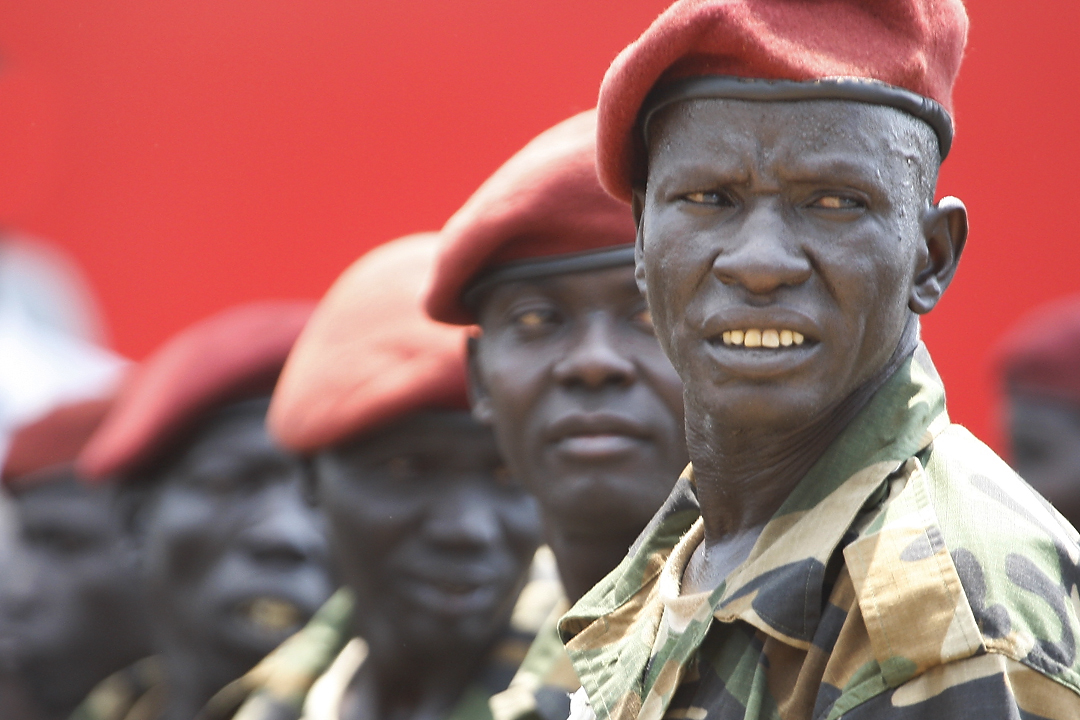
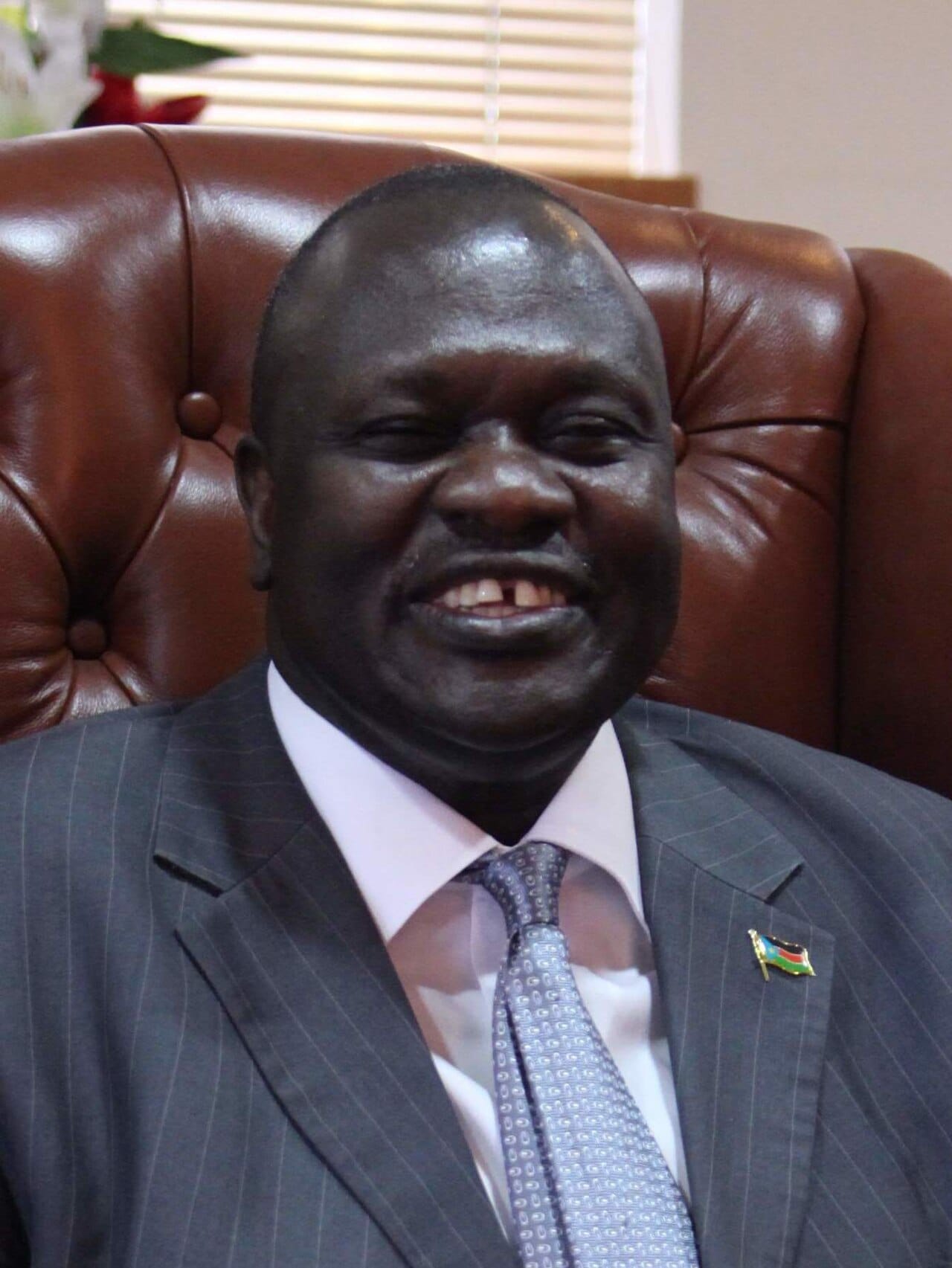
In December 2013 a political struggle between President Salva Kiir, a Dinka, and his dismissed vice president Riek Machar, a Nuer, turned into fighting in Juba that spread along largely ethnic lines into a civil war. Estimates of the dead run to around four hundred thousand, and millions were displaced, with famine declared in parts of the country in 2017 and both sides accused by United Nations investigators of atrocities including mass killings and widespread sexual violence. A peace agreement in 2018 brought Machar back as first vice president in a unity government, but its core provisions, the unification of the armed forces, a permanent constitution, and elections, were never carried out.
That arrangement broke down in 2025, when Machar was arrested and detained on treason and other charges, collapsing the unity government and reigniting fighting. Elections, originally due in 2015 and postponed repeatedly, are now scheduled for 22 December 2026, the fourth such date; opposition parties and outside observers note that the security, constitutional, and census preparations the agreement requires remain largely undone, and doubt that conditions for a credible vote exist.
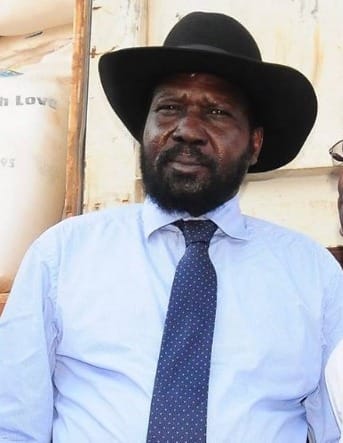
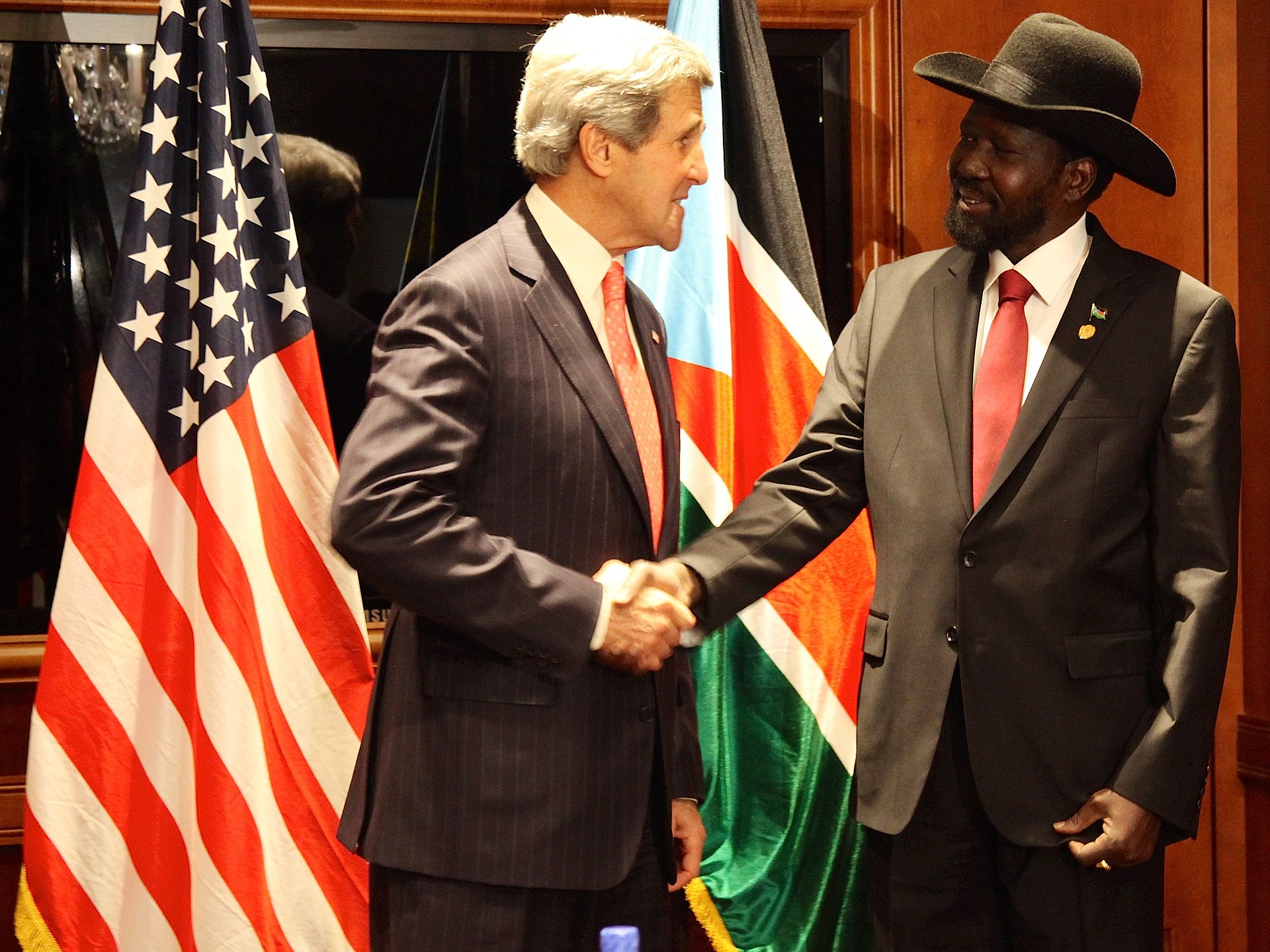
South Sudan is a republic in which the Sudan People's Liberation Movement, the political wing of the guerrilla army that fought for independence, has held power without interruption and without ever having faced a national election. Salva Kiir has been president since 2011 and led the movement before that. Power has been distributed through a series of peace agreements rather than votes, producing a large government of vice presidents and ministers assembled to accommodate factions rather than to administer.
The country consistently ranks at or near the bottom of international measures of corruption and state fragility, and investigative panels have documented the diversion of very large sums of oil revenue. Real authority in much of the territory rests with armed groups and local commanders whose allegiances shift. A United Nations peacekeeping mission has been present since independence and protects tens of thousands of civilians at its sites. The unresolved status of Abyei, claimed by both Sudan and South Sudan, remains a further flashpoint, as does the war in Sudan since 2023, which has driven very large numbers of refugees and returnees south across the border and disrupted the pipeline that carries South Sudanese oil to the sea.
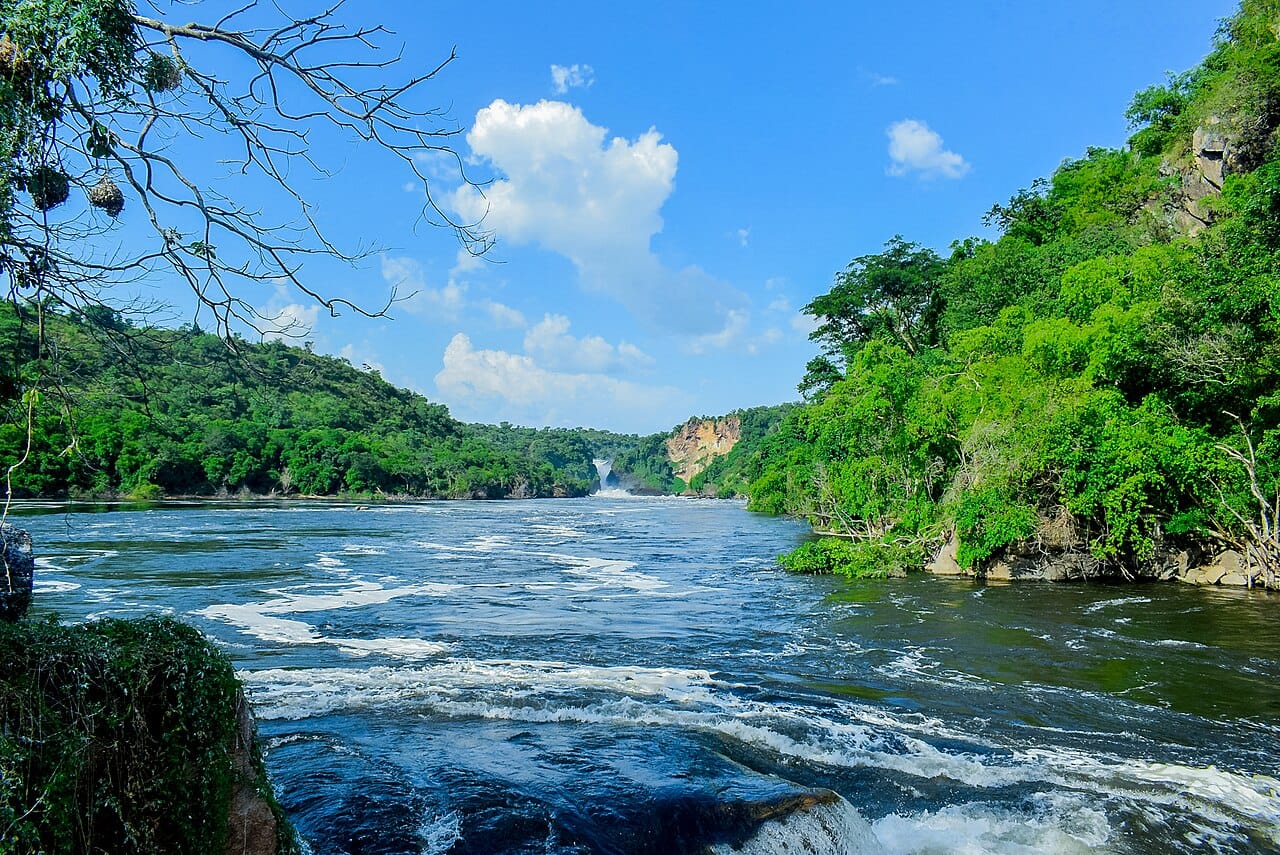
South Sudan is flat, low-lying, and dominated by water. The White Nile flows north through it and, in the centre, spreads into the Sudd, one of the largest wetlands in the world, a shifting maze of swamp, channels, and floating papyrus that seasonally doubles in size, loses roughly half the river's flow to evaporation, and long made the region impassable; the name comes from the Arabic for barrier. Around it lie savanna, woodland, and, on the southern border, the foothills of the Imatong Mountains, which hold the country's highest point and its remaining montane forest.
The wildlife is remarkable and largely unstudied. Aerial surveys after the war found that one of the largest land-mammal migrations on Earth had survived the fighting, with well over a million white-eared kob, tiang, and gazelle moving between Boma and the Sudd. Against that, seasonal flooding of unprecedented extent since 2019 has left large areas of Unity and Jonglei states permanently inundated, displacing hundreds of thousands and killing cattle on a scale that has itself become a driver of conflict.
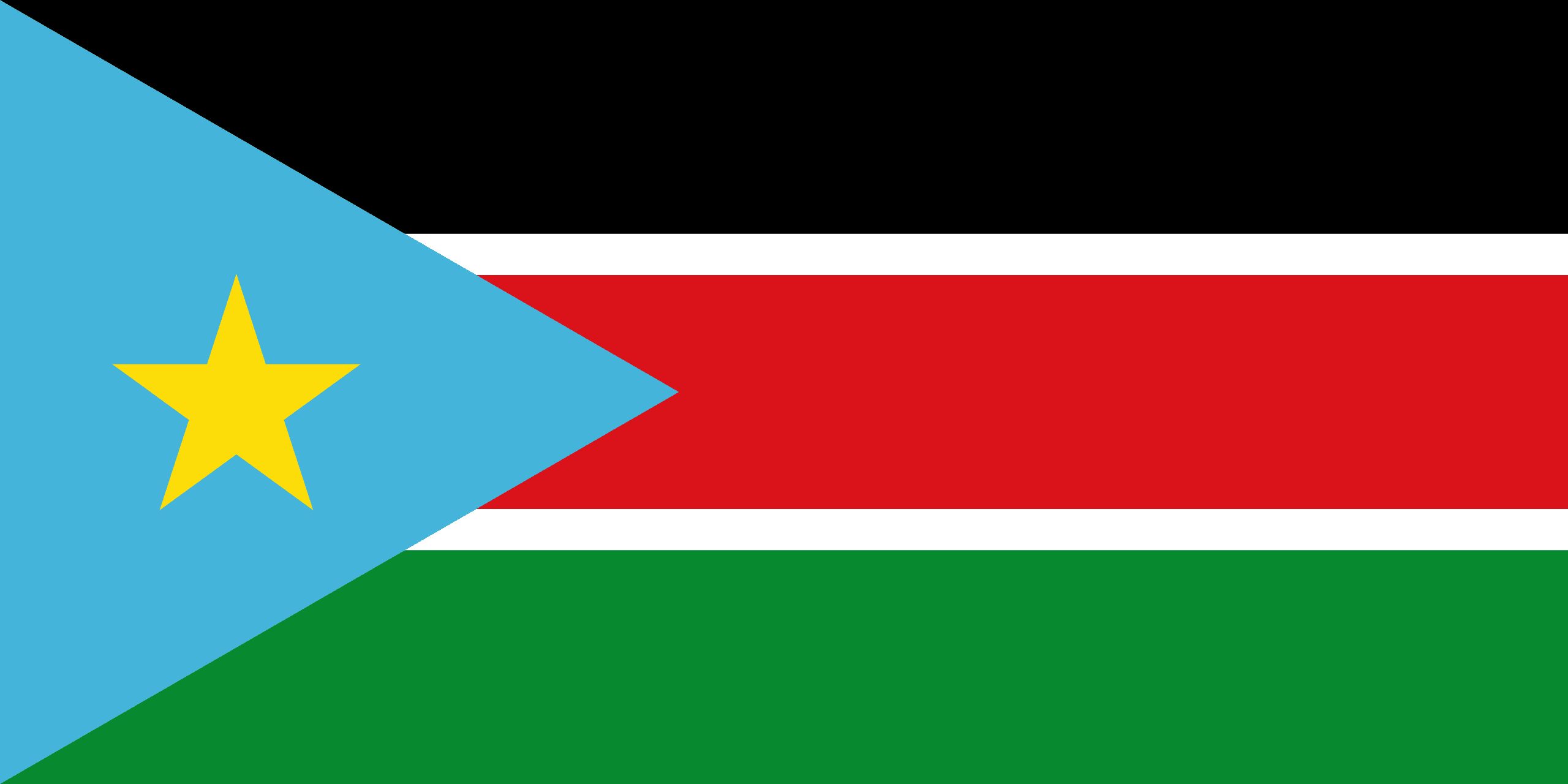
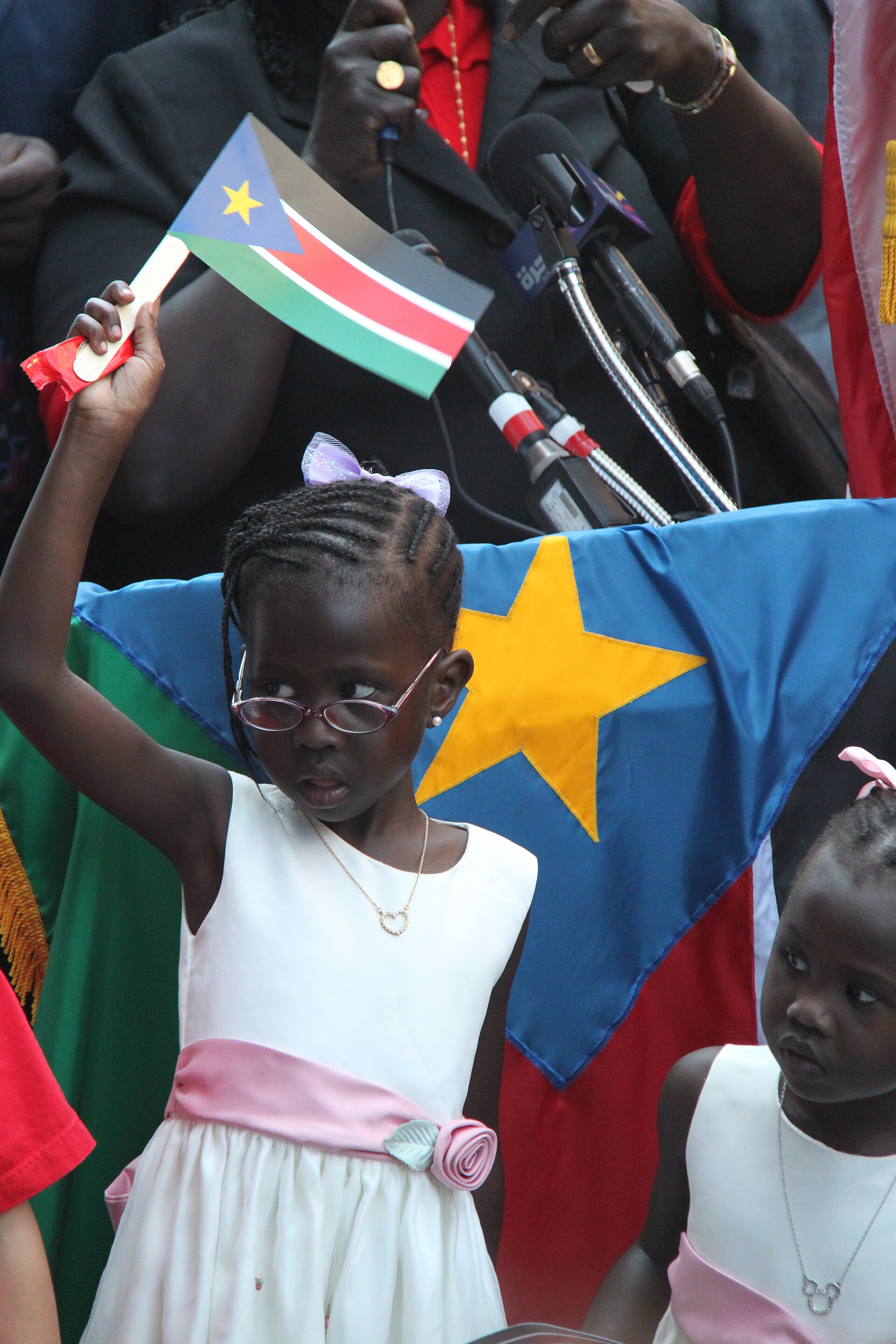
The flag of South Sudan has three horizontal bands of black, red, and green, separated by thin white stripes, with a blue triangle at the hoist bearing a golden star. The black represents the people, the red the blood shed for freedom, the green the land, the white peace, the blue the waters of the Nile, and the golden star, called the Star of Bethlehem, the unity of the country's states. Adopted at independence, the flag draws together symbols of the long struggle and the new nation's hopes.
South Sudan is predominantly Christian, the result of missionary activity, with the majority belonging to various Protestant churches and to the Roman Catholic Church, alongside a large number of people who follow traditional African religions, with their reverence for ancestors and the spirits of nature. This Christian and traditional religious character was one of the differences that set the south apart from the largely Muslim north of Sudan. Faith plays a significant role in community life and in efforts toward reconciliation.
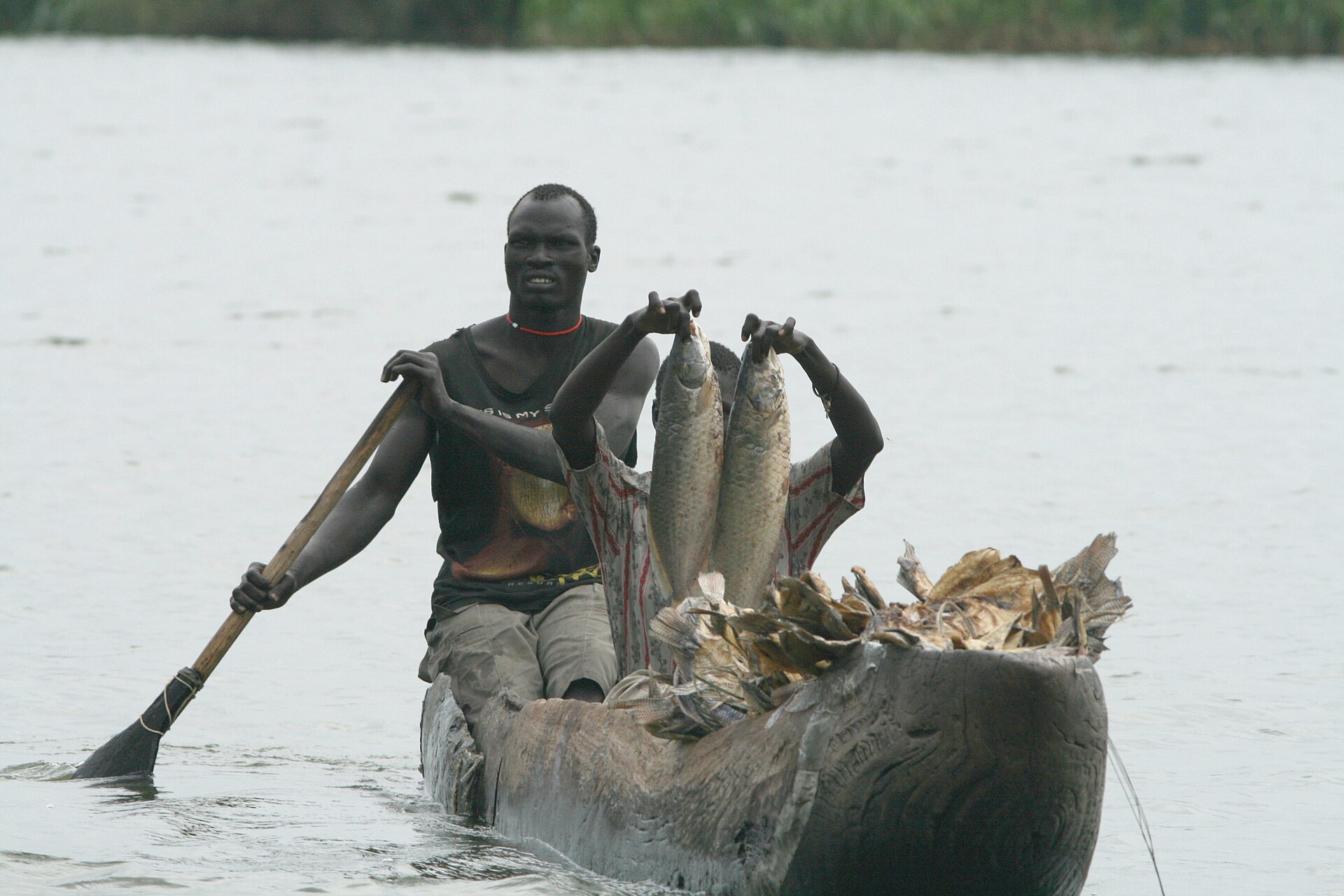
The cuisine of South Sudan reflects the cattle-herding and farming life of its peoples. A staple is a thick porridge made from sorghum or millet, often eaten with stews and sauces, and among the cattle-keeping communities, milk and dairy products are highly valued. Cattle themselves, however, are usually a measure of wealth and status rather than a daily food, slaughtered mainly for special occasions. Fish from the rivers and wetlands, beans, and vegetables round out a simple diet shaped by a challenging environment.
Agriculture and cattle-herding are the livelihood of the great majority of South Sudanese, though the sector is underdeveloped after decades of war and lacks infrastructure. Farmers grow sorghum, maize, and other crops, while pastoralist peoples move great herds of cattle across the land, animals of deep cultural importance. The country has very fertile land and abundant water and could be a major food producer, but conflict and a lack of development have left it dependent on aid. Its economy rests overwhelmingly on oil.
South Sudanese culture is built around cattle to a degree that is difficult to overstate among the pastoral peoples of the Nile. Among the Dinka and Nuer, cattle are wealth, bridewealth, poetry, and identity at once: men take the names of favourite oxen, songs are composed about them, and their horns are shaped as they grow. That centrality also explains a great deal about conflict, since cattle raiding between communities is an old practice that automatic weapons and political mobilisation have made vastly more lethal than it once was.
Body art, scarification marking initiation into adulthood, and the tall, spare aesthetic of the cattle camps have made South Sudanese imagery internationally recognisable, and the country has produced figures of world standing including the model Alek Wek and a run of professional basketball players. Music, dance, and oral poetry are the main expressive forms, and English, adopted as the official language at independence in preference to Arabic, is joined by Juba Arabic as the lingua franca of the towns.
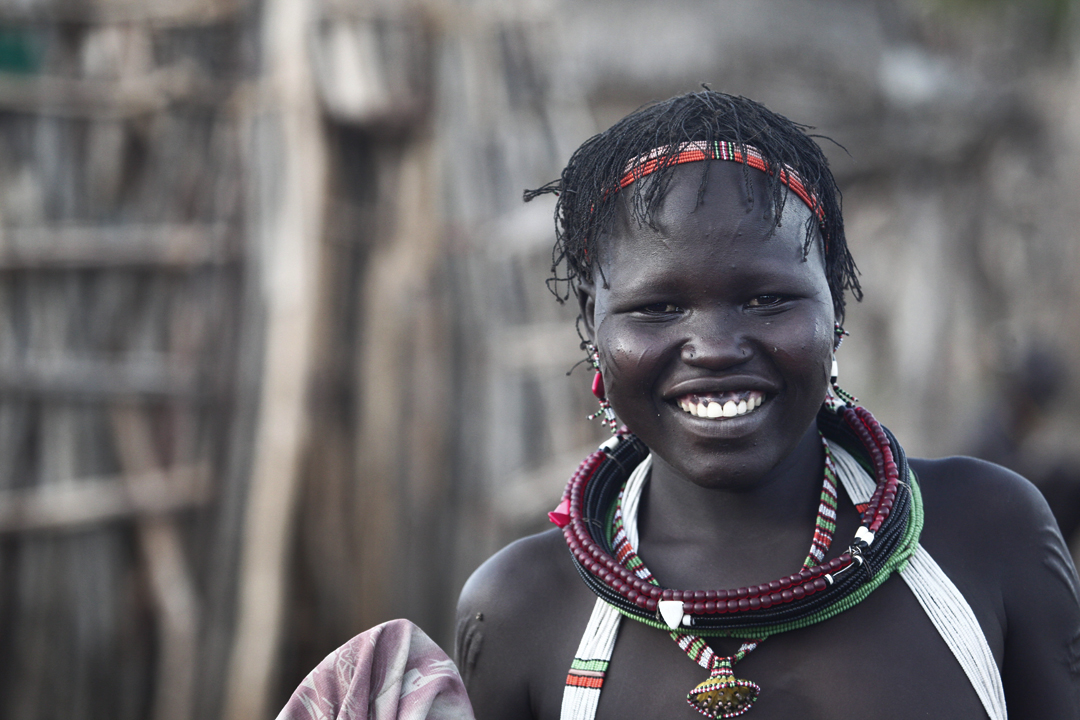
South Sudan has a population estimated at around 11 to 12 million, though no reliable census has been possible and the figure is contested, which matters because representation and revenue-sharing depend on it. There are some sixty ethnic groups speaking a comparable number of languages. The Dinka are the largest, followed by the Nuer, with the Shilluk, Bari, Azande, Toposa, Murle, and many others; that plurality is the country's greatest asset in principle and, mobilised politically, the mechanism of its wars in practice.
The population is overwhelmingly rural and extremely young, with a median age around eighteen, and literacy and health indicators are among the lowest recorded anywhere. Displacement is the defining demographic fact: millions have been forced from their homes by the two civil wars, the fighting since 2013, and the floods since 2019, with large numbers living as refugees in Uganda, Sudan, Ethiopia, and Kenya, or in protection sites inside the country. The war in Sudan since 2023 has reversed part of that flow, sending hundreds of thousands of returnees and Sudanese refugees south into a country that has little capacity to receive them.