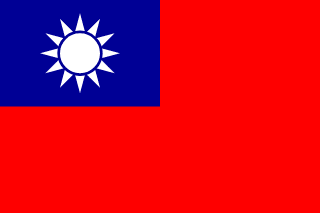
South Korea, officially the Republic of Korea, is a country in East Asia occupying the southern half of the Korean Peninsula. In the span of a single lifetime it transformed from one of the poorest places on Earth into a wealthy, high-technology democracy, a rise so rapid it is known as the Miracle on the Han River. Its culture, from electronics to music and film, now reaches around the globe.
Korea has a long history as a unified civilisation, shaped by powerful dynasties, a brutal colonial occupation, and the division of the peninsula that still defines the region.
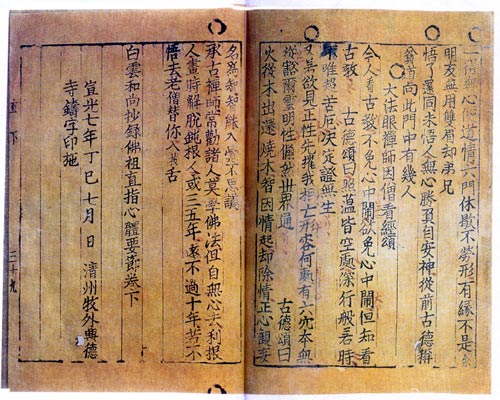
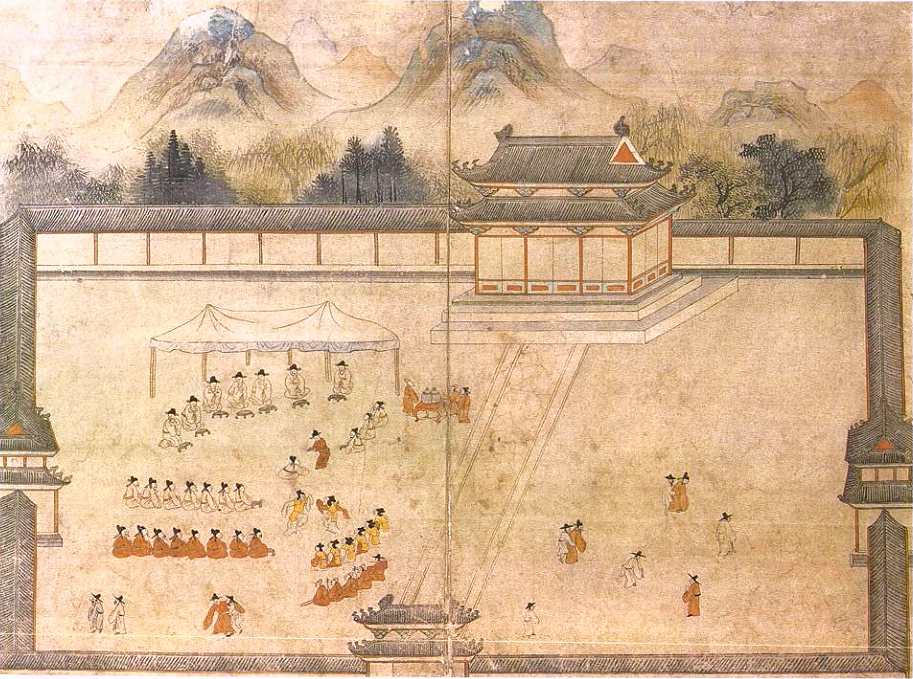
Korean states reach back more than two thousand years, and the peninsula was unified under a series of dynasties: the Goryeo, from which the name Korea comes, and the long-lasting Joseon, which shaped Korea's Confucian society, its alphabet Hangul, and its arts. Korean civilisation produced remarkable achievements, among them the world's oldest surviving book printed with movable metal type.
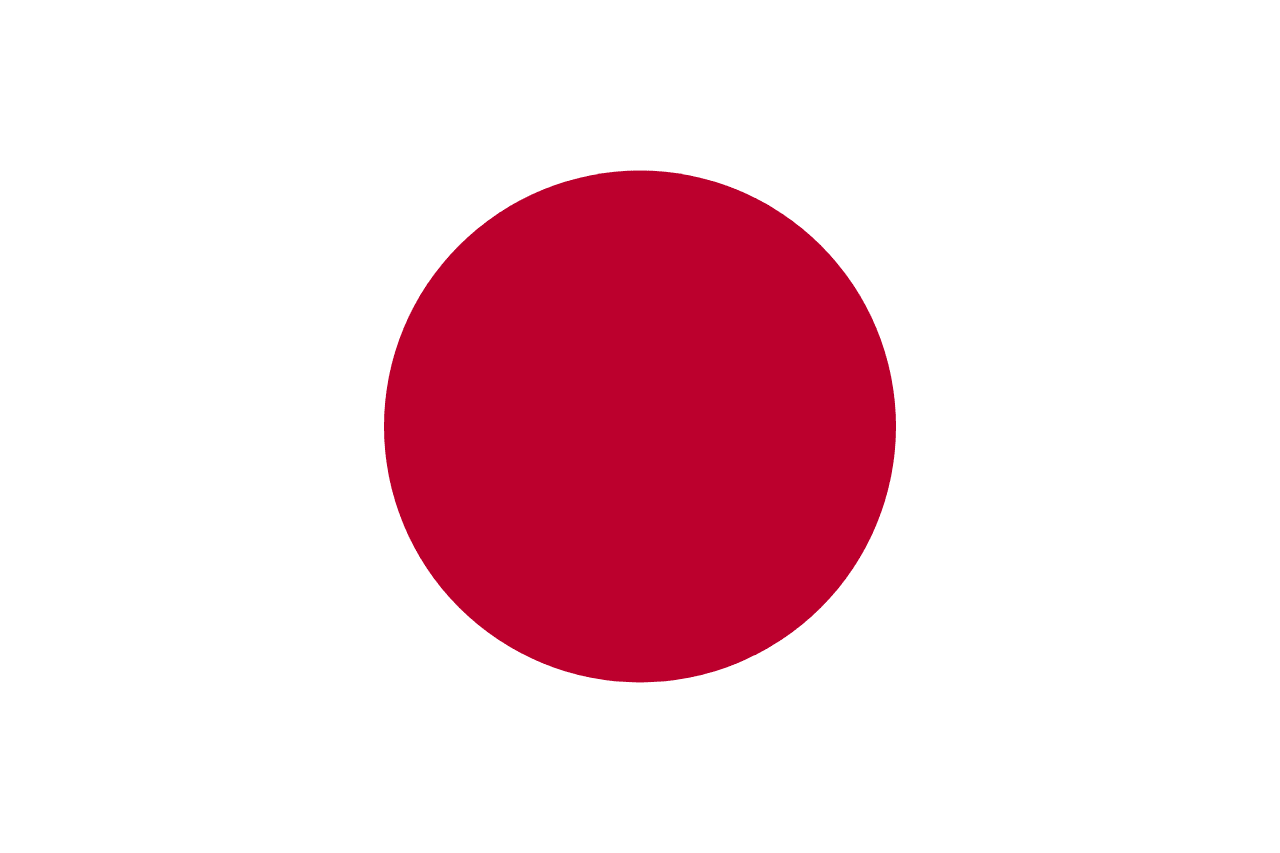
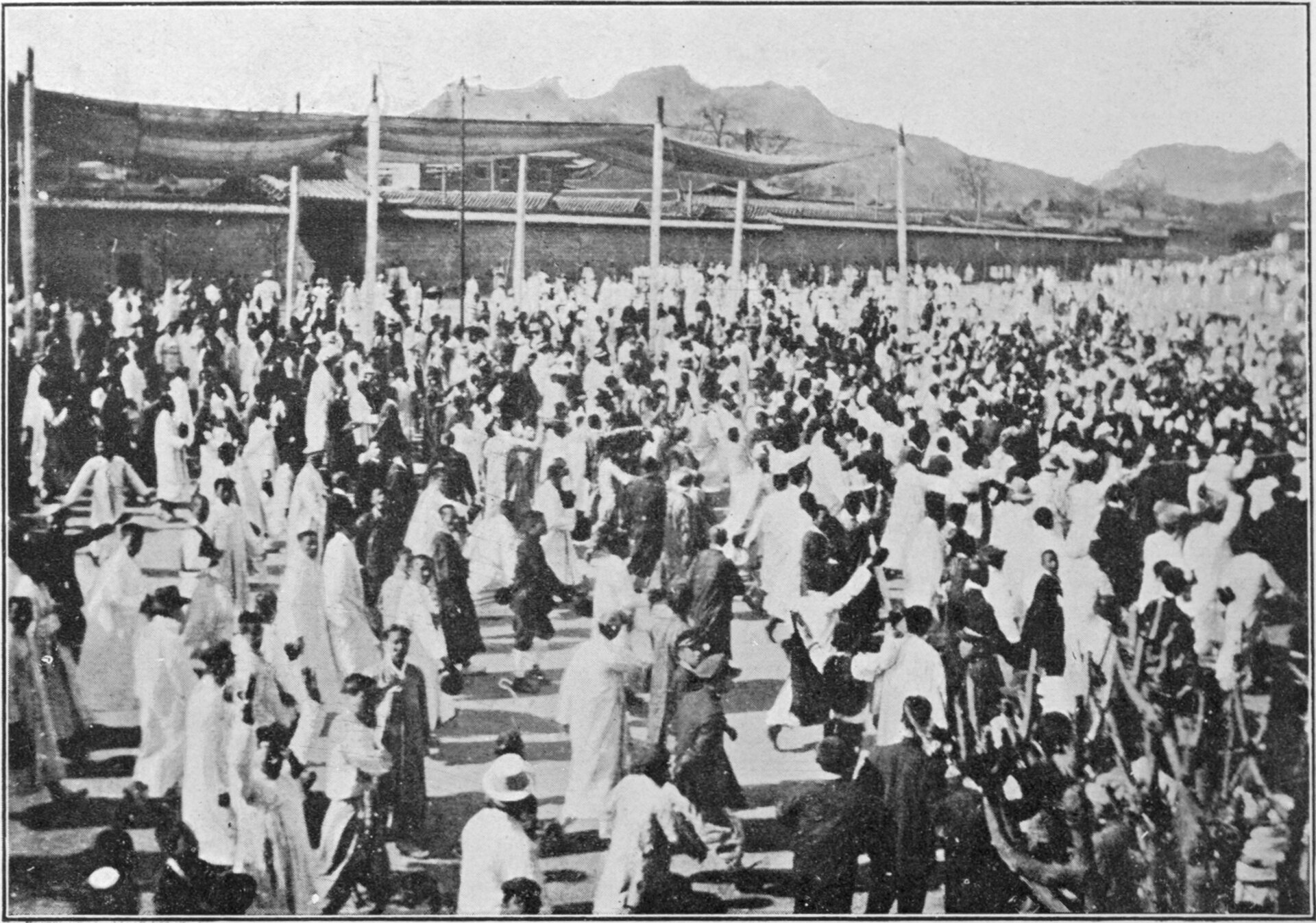
In 1910 Korea was annexed by Japan and endured harsh colonial rule until 1945, a period of suppression that sparked mass resistance such as the March First Movement of 1919. With Japan's defeat, the peninsula was divided into a Soviet-aligned north and a United States-aligned south, a split that hardened into two separate states and led to war.
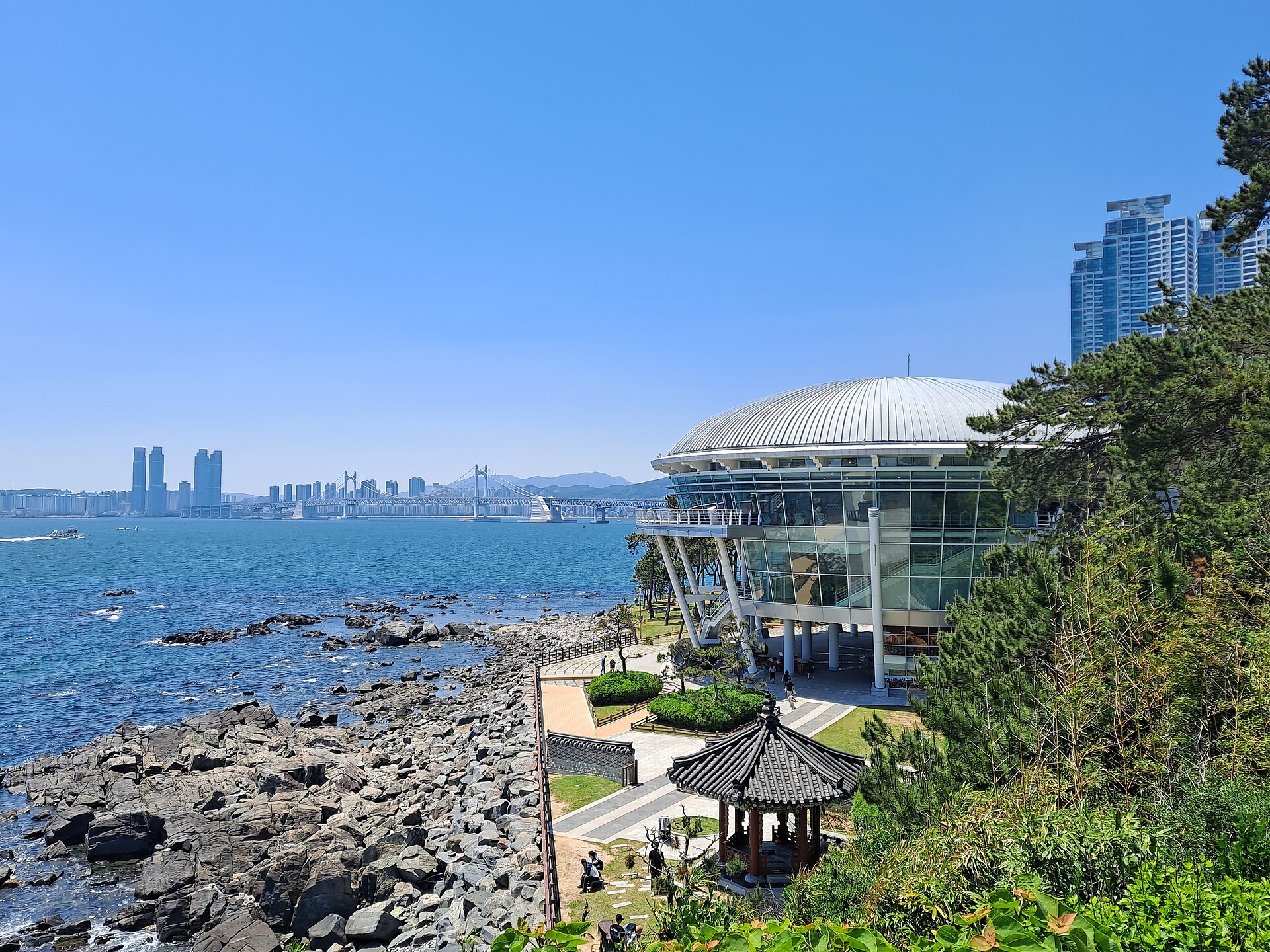
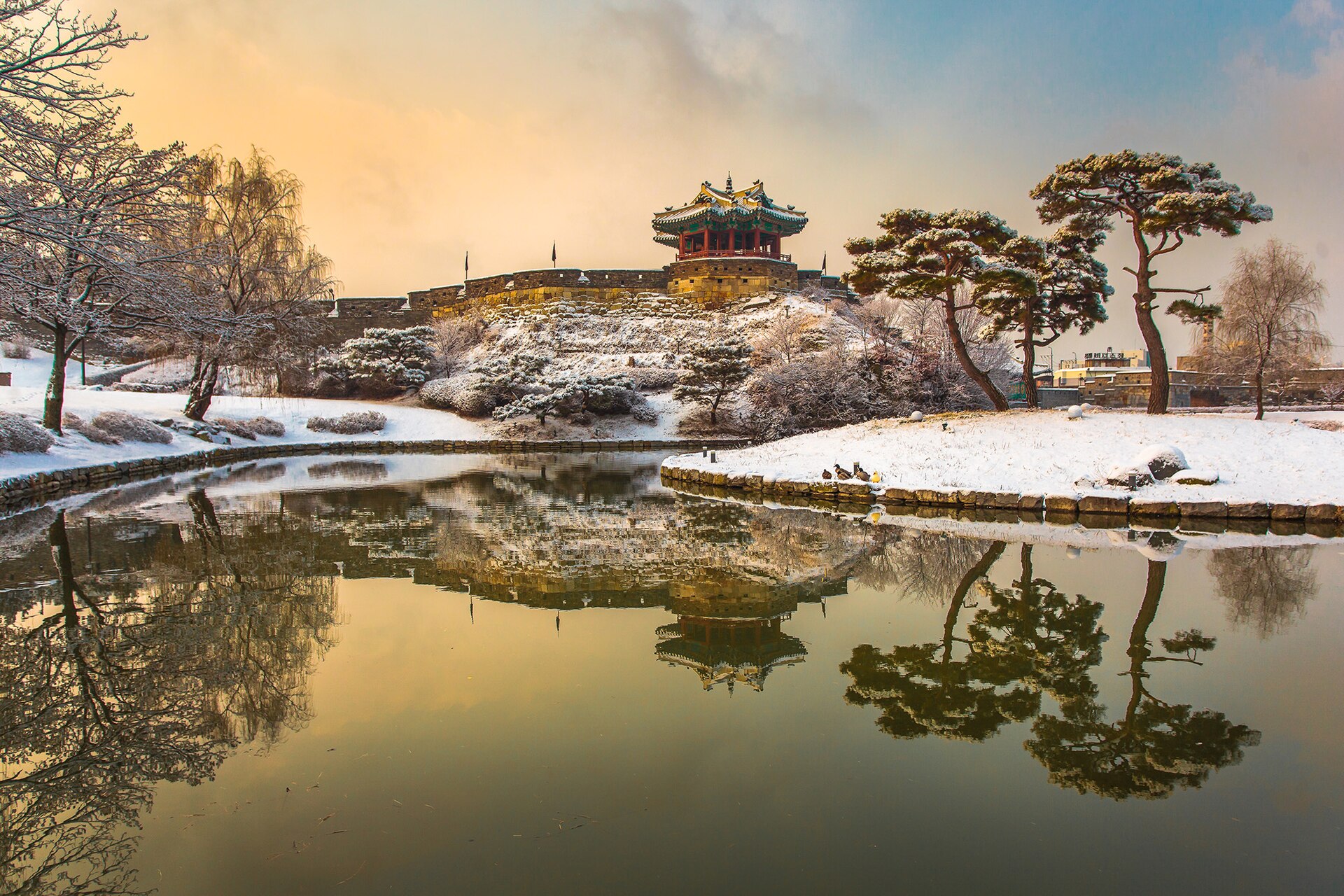
South Korea is a mountainous country, with ranges and hills covering most of its land and pushing its dense population and farming onto the plains and valleys, mainly in the west and south. It occupies the southern part of a peninsula reaching off the Asian mainland, with long coastlines and many offshore islands, the largest being the volcanic resort island of Jeju. Four distinct seasons bring cold winters and hot, humid summers.
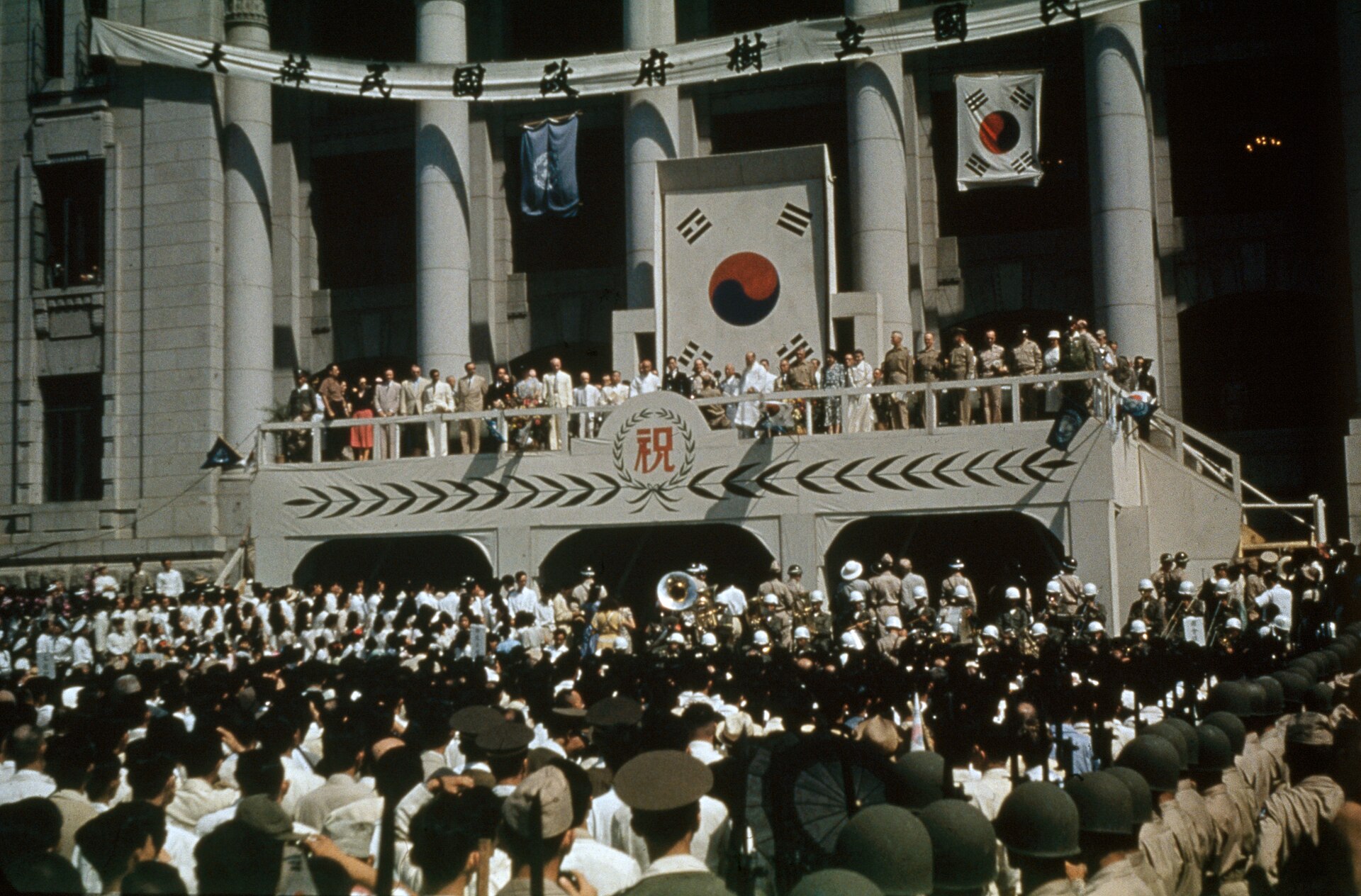
South Korea is a democratic republic with a directly elected president and a national assembly. Its democracy is relatively young: the country was governed by authoritarian and military rulers for decades after its founding, and only made a decisive transition to free elections in 1987 after sustained popular protest. Since then it has built a vigorous, sometimes turbulent democracy, with a powerful presidency, a free press, and a tradition of mass civic protest that has more than once reshaped its politics.
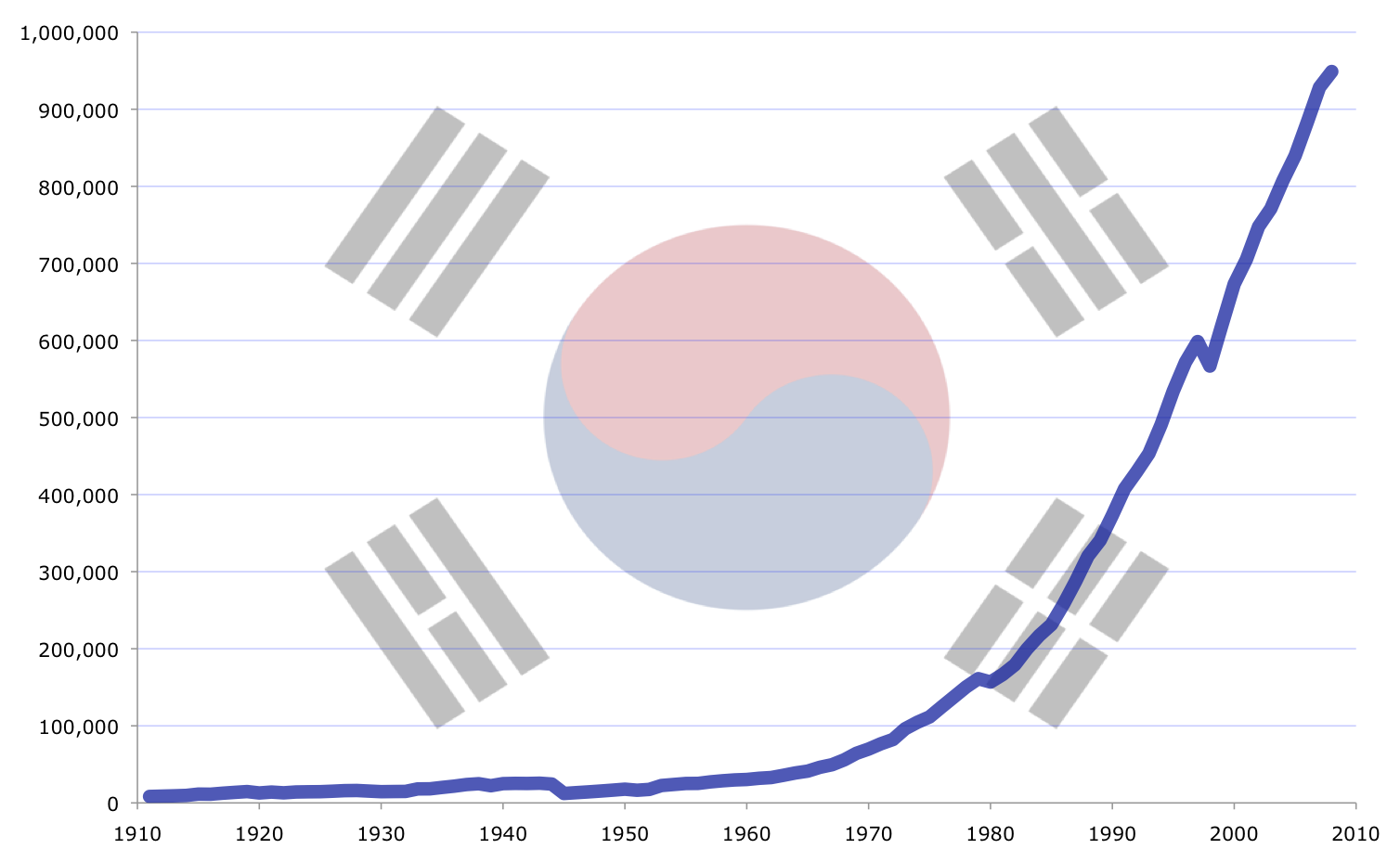
South Korea's transformation from poverty to wealth in a single generation, the Miracle on the Han River, is one of the most dramatic economic stories of the twentieth century. The state guided rapid industrialisation, building giant family-run conglomerates, the chaebol, such as Samsung, Hyundai, and LG, which grew into global leaders in electronics, cars, shipbuilding, and semiconductors. Today it is a wealthy, high-technology economy at the cutting edge of manufacturing and innovation.

The South Korean flag, the Taegukgi, is rich in symbolism. On a white field, standing for peace and purity, sits a central circle divided into red and blue halves, the taeguk, representing the balance of opposing cosmic forces, the yin and yang. In each corner is a black trigram drawn from an ancient book of divination, together symbolising the elements and the harmony of the universe.
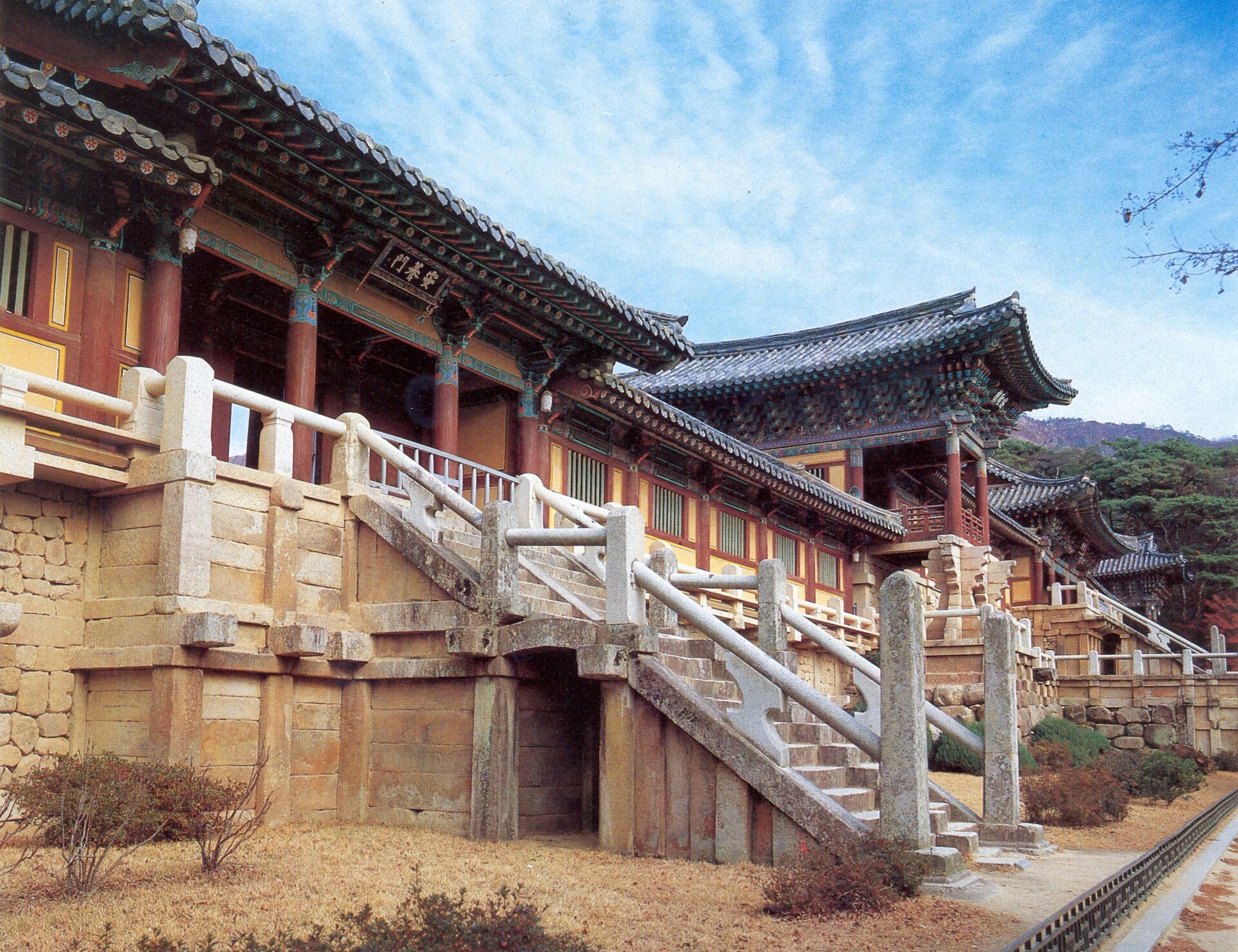
South Korea has an unusually diverse religious landscape. A large share of the population reports no religion, while Christianity, both Protestant and Catholic, has grown to become the largest organised faith, and Buddhism retains deep roots and historic temples. Underlying all of these, Confucian ethics continue to shape social relationships, respect for elders, and the value placed on education. Shamanistic folk traditions also persist quietly alongside the major religions.
Korean food is bold, savoury, and often spicy, built around rice and an array of small side dishes called banchan. Its most famous element is kimchi, vegetables, classically napa cabbage, fermented with chili and garlic, served at nearly every meal. Dishes like bibimbap, a bowl of rice topped with vegetables and egg, and bulgogi, marinated grilled beef, are widely loved, and Korean barbecue, grilled at the table, has become popular worldwide.
South Korea's mountainous terrain leaves limited land for farming, so agriculture is intensive and highly productive on the plains that remain. Rice is the central crop and a cultural staple, grown in irrigated paddies, alongside vegetables, especially the cabbage and chili central to kimchi, as well as fruit and barley. As the country industrialised, farming shrank as a share of the economy, and South Korea now imports much of its food.
In recent decades South Korea has become a global cultural powerhouse, a wave known as Hallyu. Its pop music, led by groups with worldwide followings, its television dramas, and films such as the Oscar-winning Parasite have won enormous international audiences, while its cosmetics, fashion, and food have followed. At home, society places intense value on education and achievement, and life is among the most digitally connected and fast-paced anywhere.
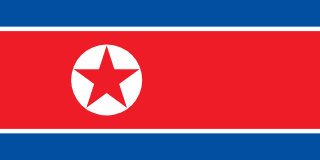
South Korea lives with unresolved questions of the highest stakes. It remains technically at war with North Korea, separated by one of the most heavily fortified borders on Earth, and the hope, fear, and cost of eventual reunification hang over national life, alongside the threat posed by the North's nuclear weapons. At home, the country faces the lowest birth rate in the world, raising alarm over a shrinking, ageing population, together with debates over intense work and education pressure, gender equality, and its alliance with the United States amid rising regional rivalry.
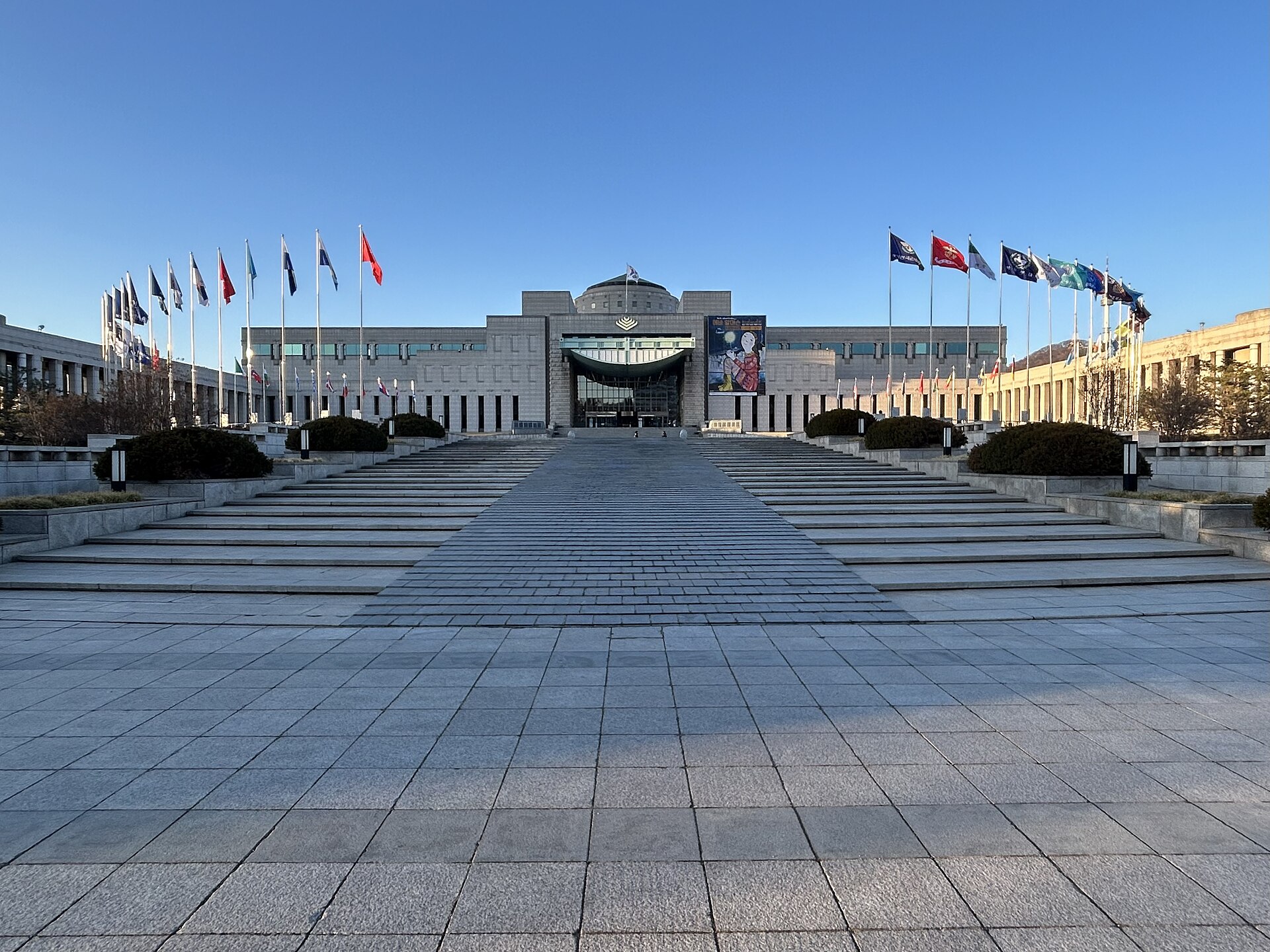
The Korean War of 1950 to 1953 devastated the peninsula and ended in a ceasefire rather than a peace treaty, leaving the two Koreas technically still at war along a heavily fortified border. From the ruins, South Korea built an extraordinary economic transformation across the following decades. It moved from military rule to democracy in the late 1980s and has since become a global cultural force through K-pop, film, and television.
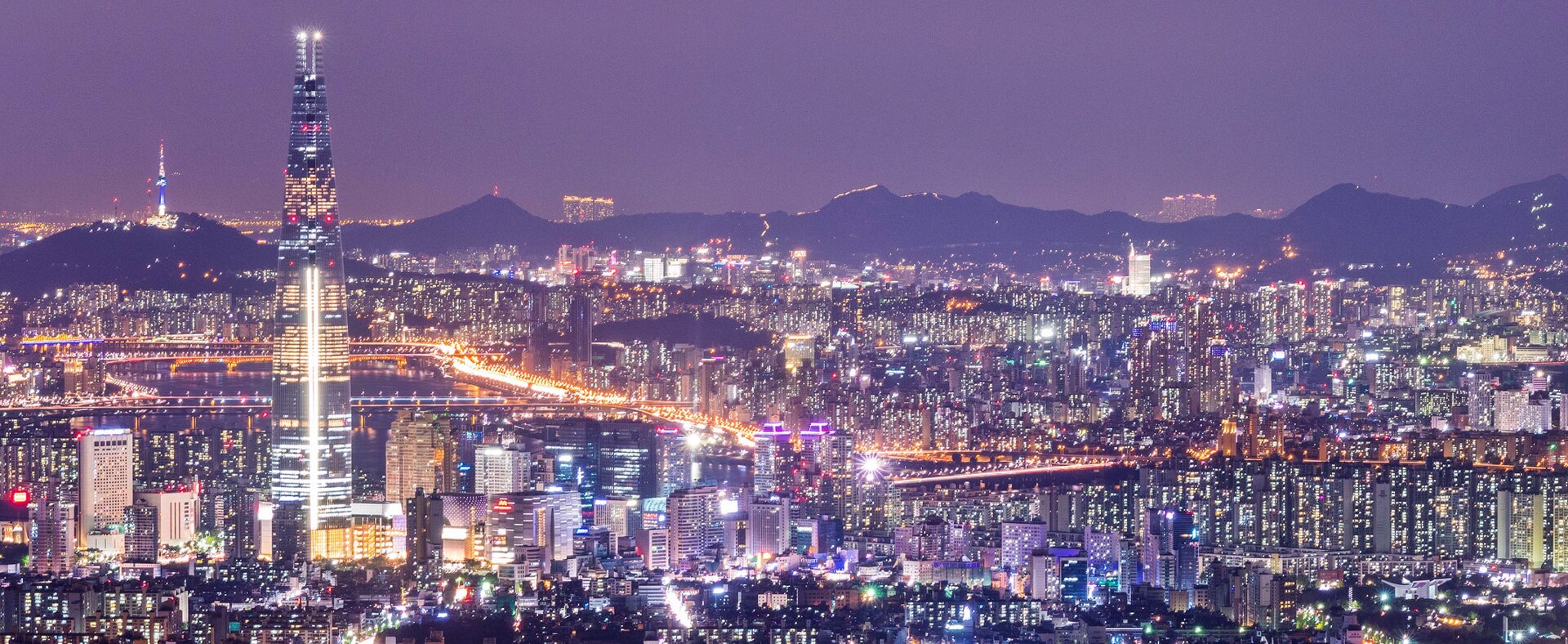
South Korea has a population of around 52 million people, one of the most ethnically homogeneous and densely populated countries in the world, and among the most urban. Roughly half live in the vast Seoul metropolitan area, a global hub of business and technology. The nation is highly educated and connected, but it now faces the world's lowest birth rate, a looming demographic challenge that threatens long-term population decline.