Somalia is a country in the Horn of Africa, the easternmost point of the continent, with the longest coastline on mainland Africa, washed by the Indian Ocean and the Gulf of Aden. A largely arid land of a proud, mostly nomadic people united by a single language and faith, it has an ancient history as a centre of trade reaching back to the time of the pharaohs. In recent decades, however, it has become one of the world's most fragile states, marked by the collapse of central government, conflict, and a slow, contested rebuilding.
Somalia's history runs from one of the oldest trading coasts on Earth, through a golden age of Muslim sultanates on the Indian Ocean, to colonial division and, in our own time, the collapse and painful rebuilding of the state.
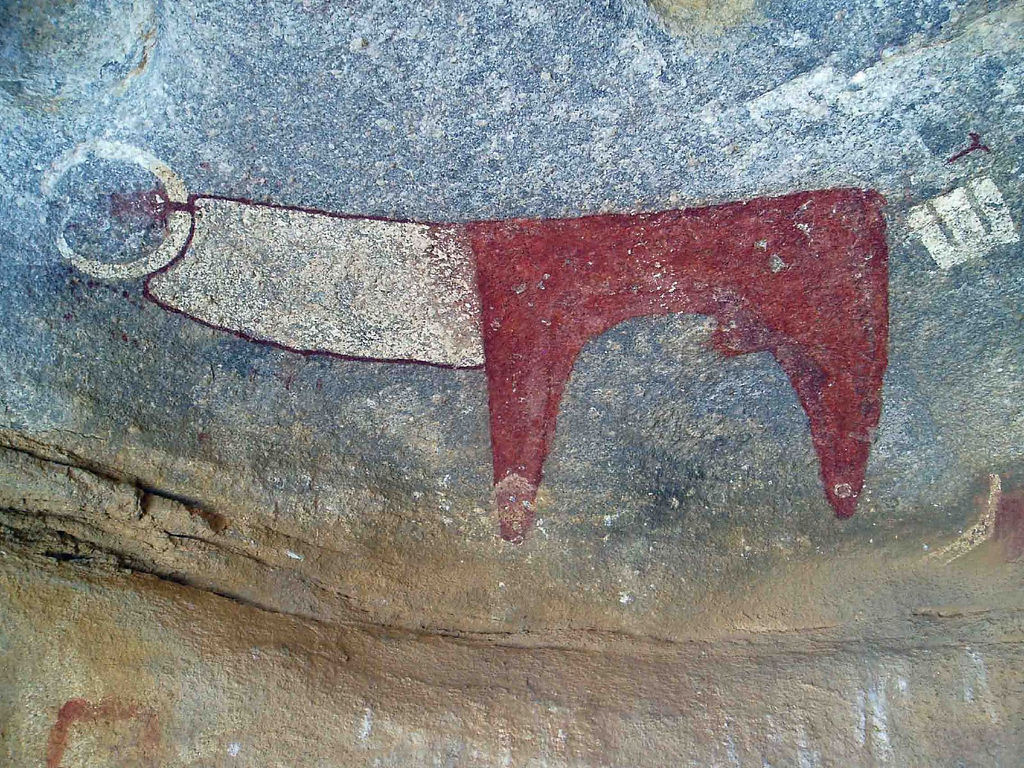
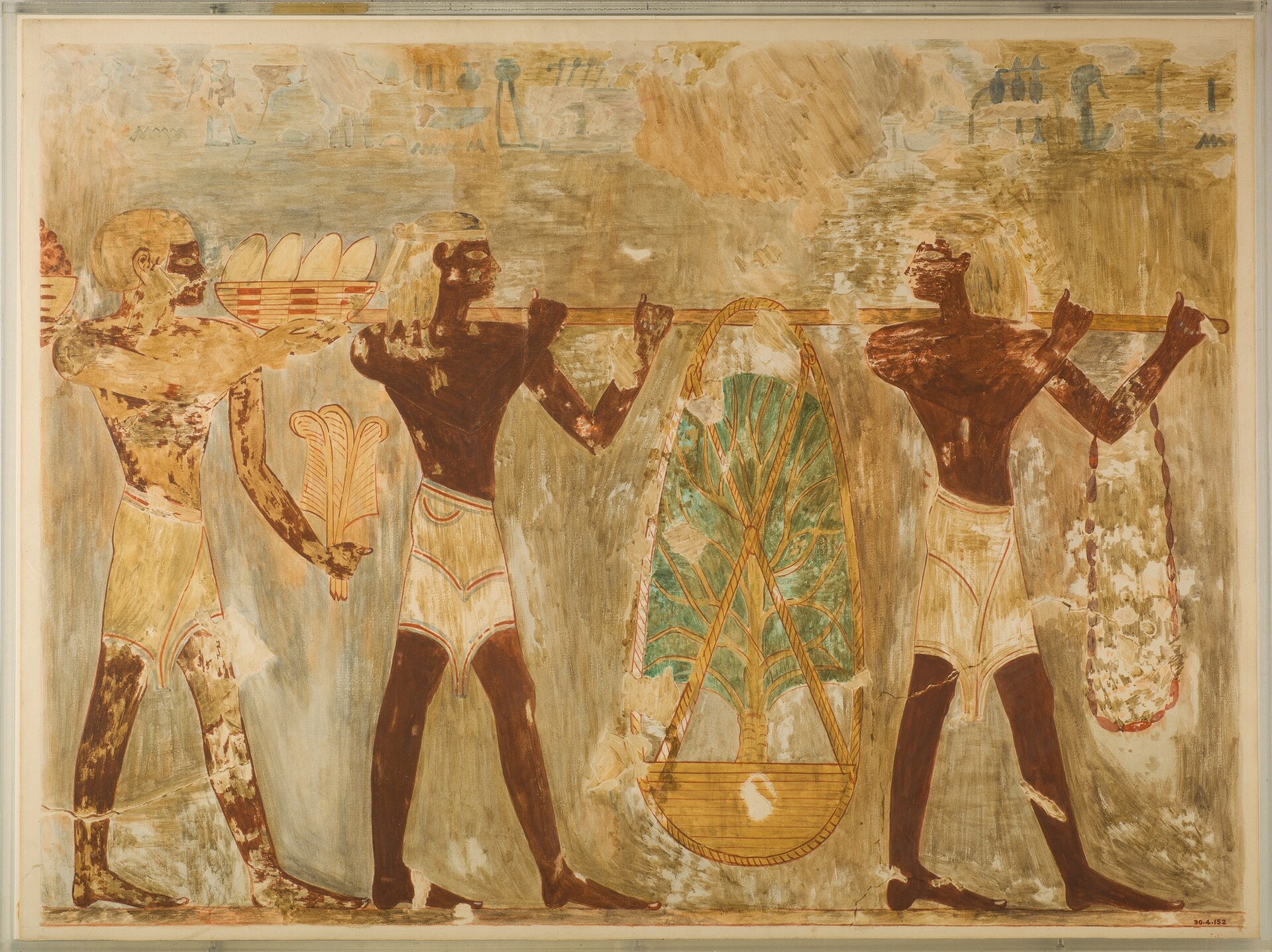
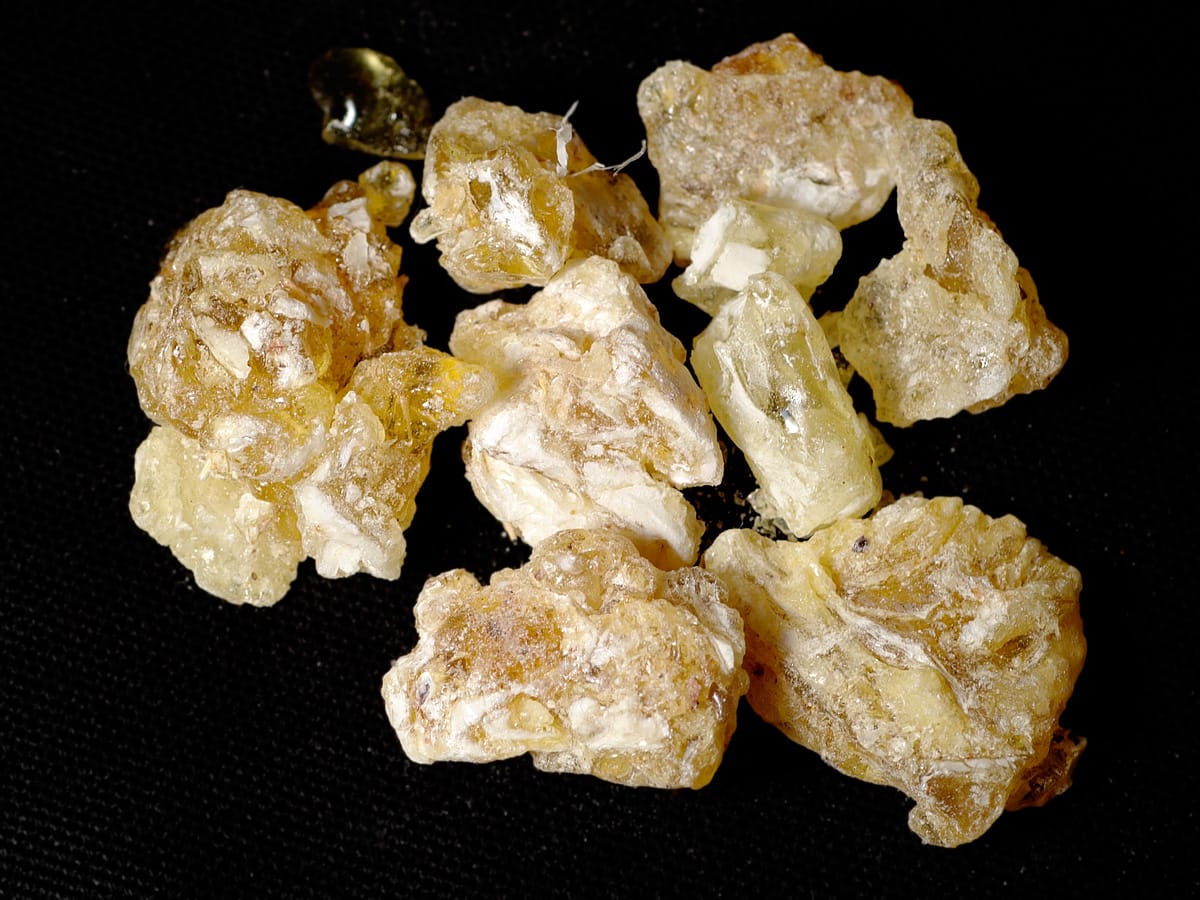
The Horn of Africa has been settled since deep antiquity, its inland caves painted with some of the oldest and finest rock art in Africa, at Laas Geel. Many scholars identify the region with the fabled Land of Punt, the source of frankincense and myrrh that traded with the pharaohs of Egypt more than four thousand years ago, making this one of the oldest commercial coasts in the world.
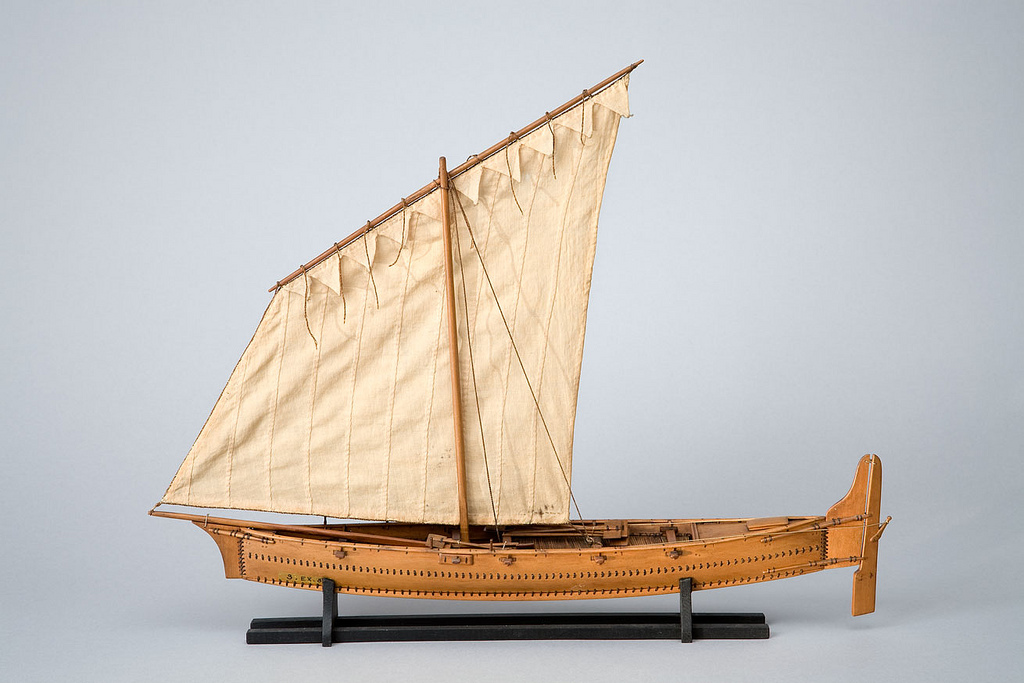
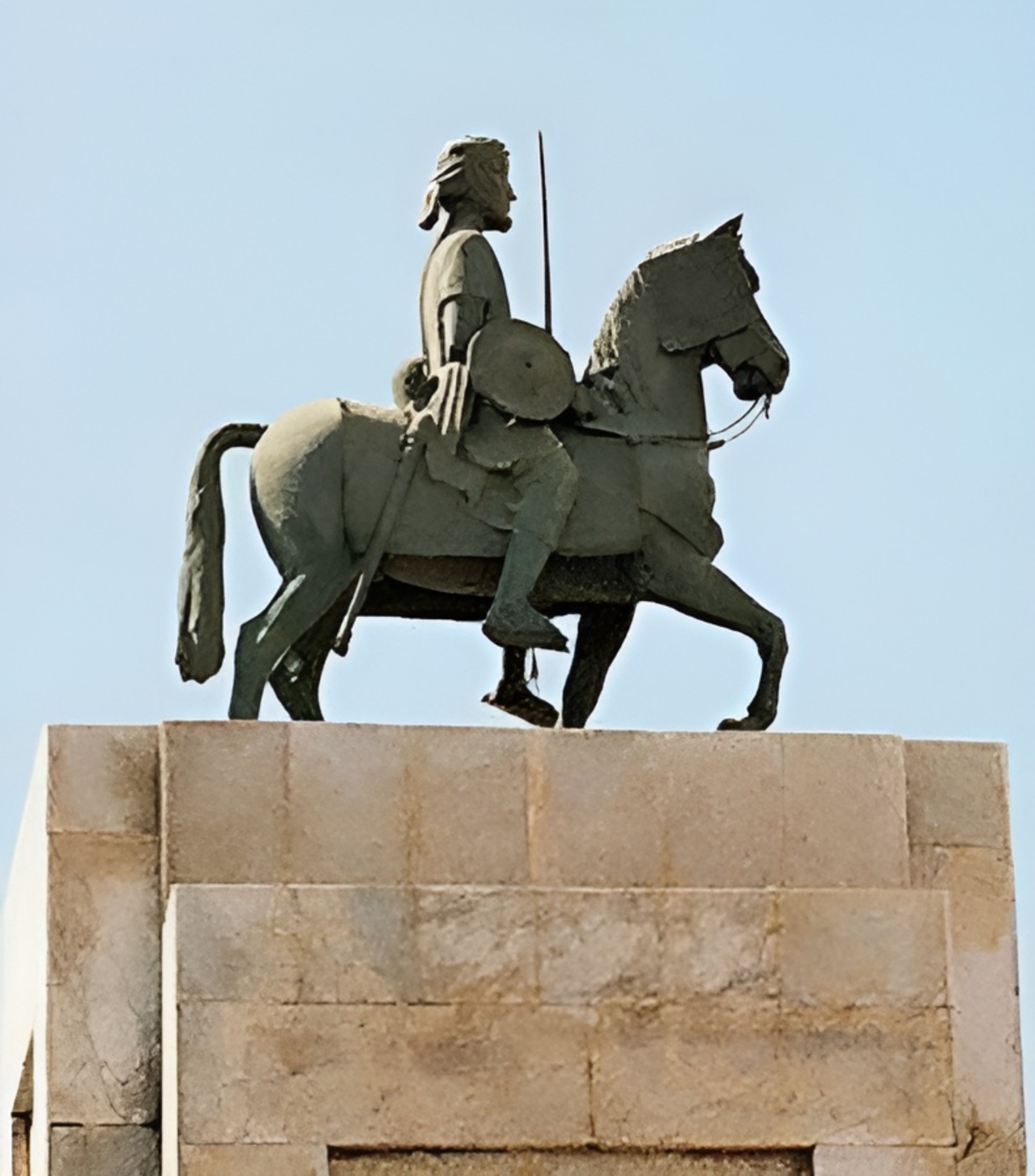
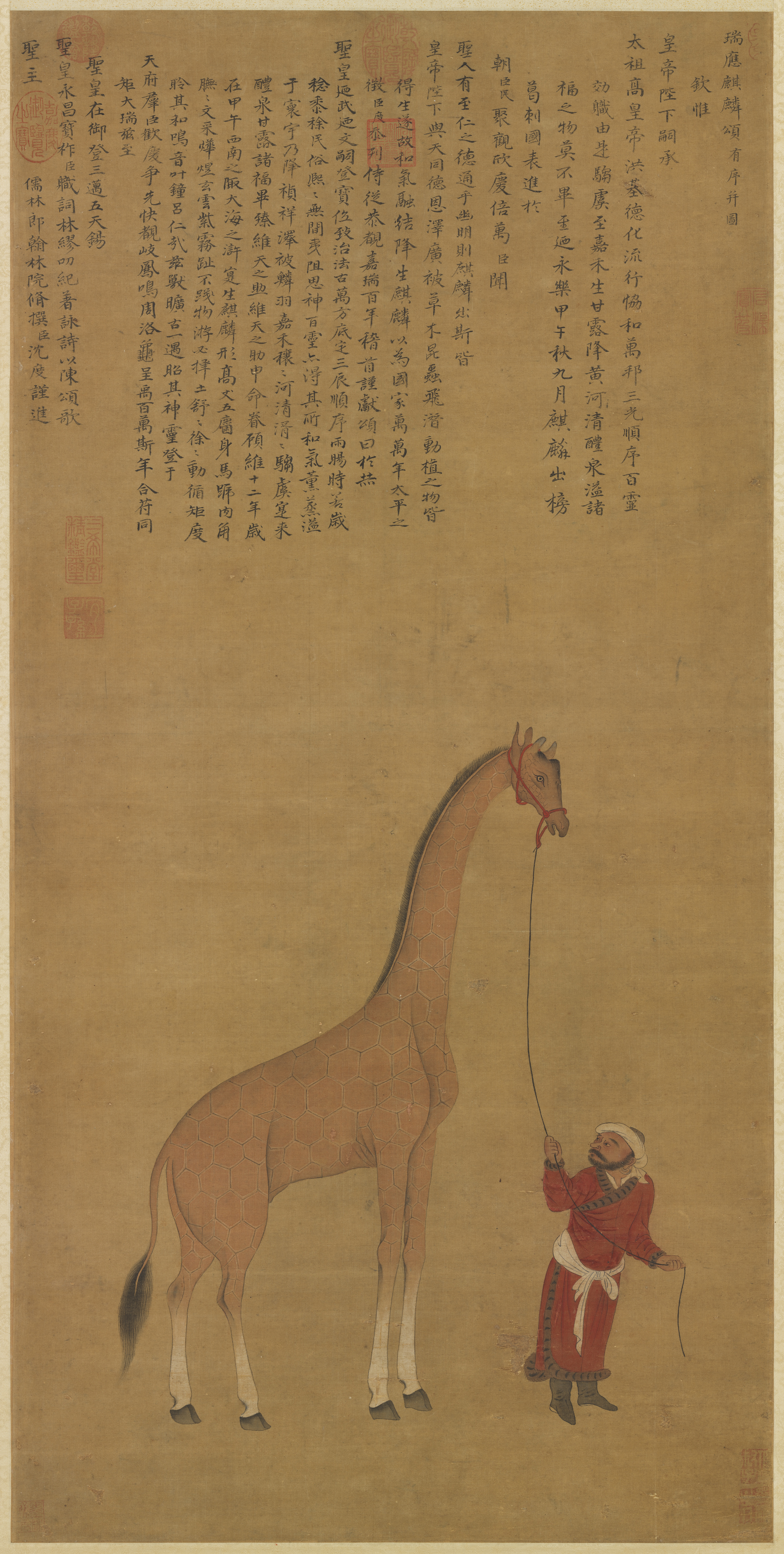
Islam reached the Somali coast in its earliest years, carried across the narrow sea from Arabia, and the Somalis became one of the first Muslim peoples in Africa. A succession of wealthy sultanates grew up on the Indian Ocean trade, among them the Adal Sultanate, which in the sixteenth century, under the general Ahmad ibn Ibrahim, waged a great war against Christian Ethiopia, and the Ajuran, whose merchants traded as far as Ming China. Somali seafarers plied the ocean in distinctive sailing vessels.
In the late nineteenth century, the Somali lands were carved up among European powers and Ethiopia, split into British, Italian, and French Somalilands and portions absorbed by Ethiopia and Kenya, dividing a single people across several states. In 1960 the British and Italian territories joined to form independent Somalia, but the dream of uniting all Somalis, symbolised by the five-pointed star on the flag, was never realised, and after a long dictatorship the state itself would collapse.
Somalia is mostly dry, a land of semi-arid plains, plateaus, and highlands, with a hot climate and unreliable rainfall that makes drought a recurring threat. Mountains rise in the north, behind a narrow coastal plain on the Gulf of Aden, while the south, between the country's two main rivers, holds its most fertile farmland. The defining feature is the coast itself, the longest of any country on the African mainland, which has shaped a history of seafaring, trade, and fishing.
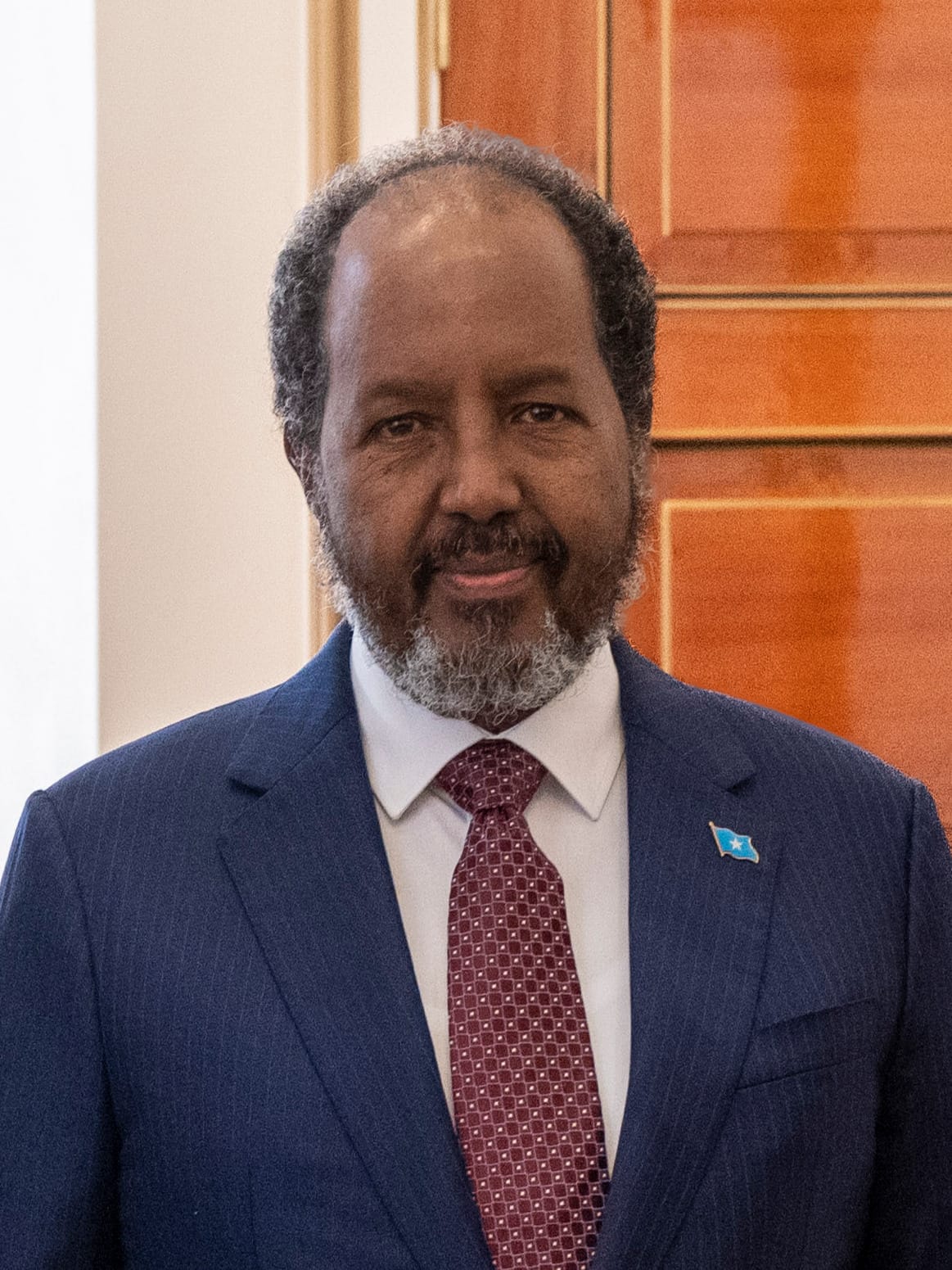
Somalia is a federal republic still rebuilding a central state after decades of collapse. Since the fall of the dictatorship in 1991, the country had no effective national government for years, and even now the federal authorities in Mogadishu share uneasy power with assertive regional states and control only part of the territory. The president since 2022, in his second non-consecutive term, is Hassan Sheikh Mohamud, who launched an offensive against the al-Shabaab insurgency and a push to rebuild institutions, though both have faltered, and in 2026 his mandate itself became the subject of a bitter constitutional dispute with the opposition. Clan loyalty remains the deepest force in Somali politics, cutting across and often outweighing the formal machinery of the state.
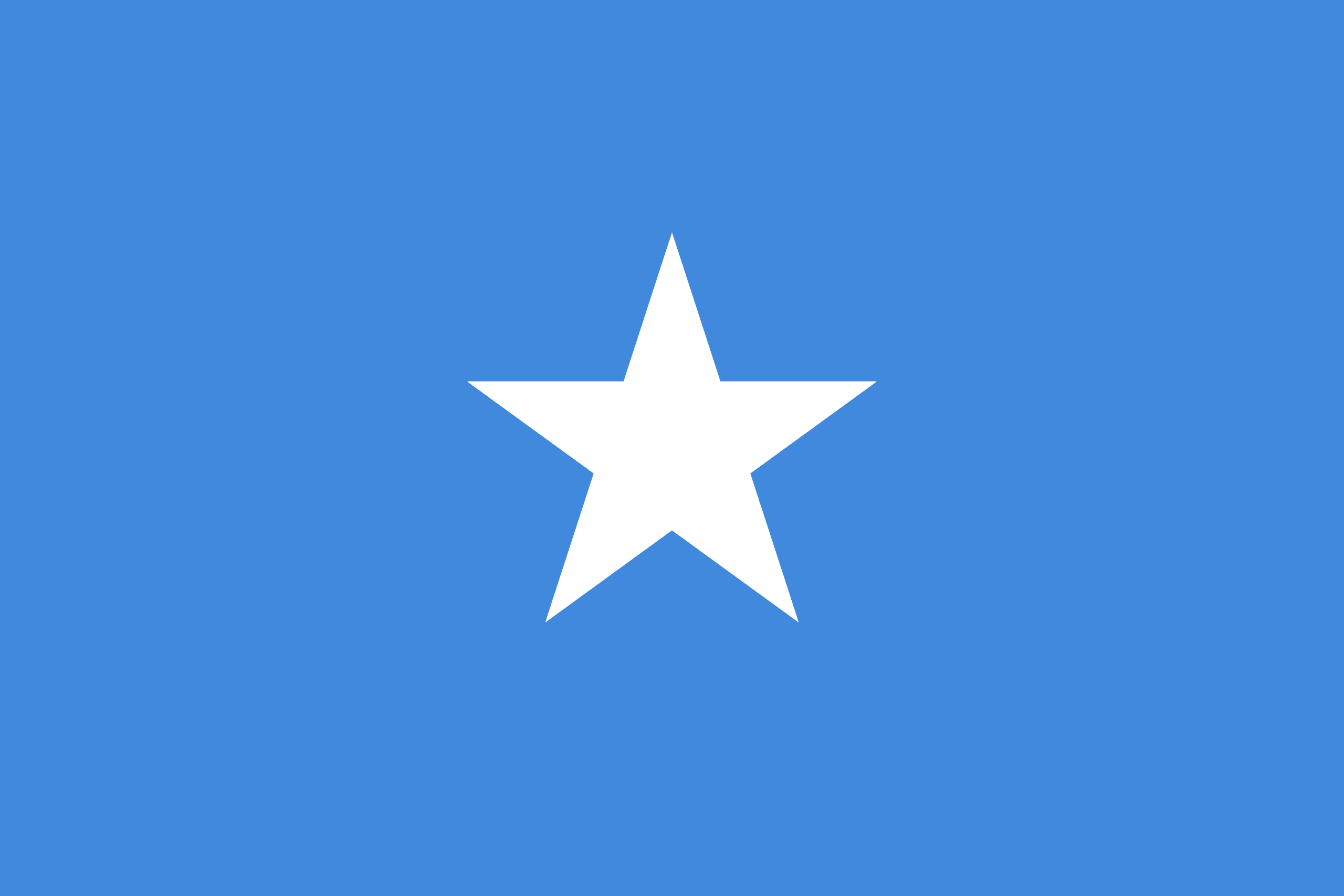
The flag of Somalia is a light blue field with a single white five-pointed star in the centre, known as the Star of Unity. The blue was originally inspired by the flag of the United Nations, which helped oversee the path to independence, and the five points of the white star represent the regions where Somali people have traditionally lived, an expression of the dream of uniting all Somalis. The clean, simple design is a powerful symbol of national identity.
Somalia is almost entirely Muslim, and Islam is the state religion and a central pillar of Somali identity, law, and daily life, having been present on the coast since the earliest days of the faith. The great majority follow Sunni Islam, often with strong Sufi traditions, and the religion provides a unifying bond for a society otherwise organised around clans and lineage. Faith is deeply woven into the culture, customs, and worldview of the Somali people.
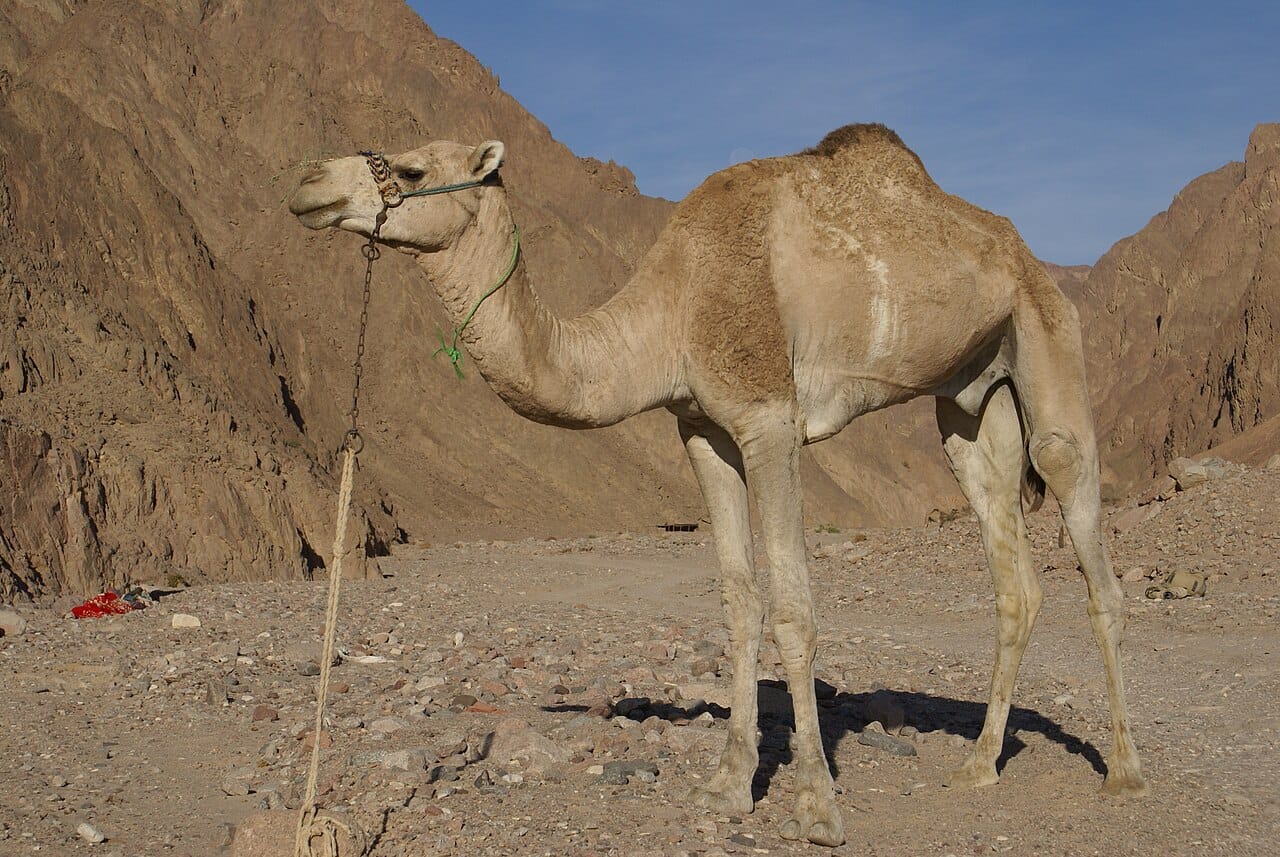
Somali cuisine reflects the country's long history of trade across the Indian Ocean, blending African, Arab, and South Asian influences. A staple is a flatbread similar to Indian roti, and rice dishes flavoured with spices, often served with goat, camel, or beef, are common, showing a clear Indian and Arab imprint. Pasta is also widely eaten, a legacy of Italian colonisation in the south. Camel meat and milk are traditional and prized, and bananas often accompany meals.
Agriculture and herding are central to Somali life, with livestock the backbone of the economy: Somalis raise vast numbers of camels, goats, sheep, and cattle, and live animals are a leading export, shipped especially to the Arabian Peninsula. Crop farming is concentrated in the fertile south between the rivers, where bananas, maize, sorghum, and sesame are grown. Fishing along the long coast, despite its potential, remains underdeveloped, and recurring drought poses a severe threat to food and herds.
Somali culture is remarkably unified and fiercely proud, bound together by a single language, the Muslim faith, and a shared way of life, even as society is organised into clans whose loyalties run deep. Above all, Somalia is a nation of poets: in a traditionally oral culture, the composing and reciting of poetry is a supremely honoured art, used to record history, settle disputes, court, and wage political argument, so that Somalia has been called a nation of bards. Camel husbandry, elaborate codes of hospitality and honour, music, and craft complete a heritage carried by one of the most homogeneous peoples in Africa and a vast diaspora spread across the world.
Somalia became, for a generation, the world's archetype of a failed state, and how far it has recovered is disputed. The overthrow of the dictator Siad Barre in 1991 dissolved the central government entirely, and the country fell into civil war, clan conflict, and the famine that drew a disastrous international intervention. In the years that followed came warlords, the piracy that seized world attention off its coast, and the rise of al-Shabaab, an al-Qaeda-linked insurgency that at its height ruled much of the south and still carries out deadly attacks.
Since the mid-2000s, with heavy support from African Union forces and Western partners, a federal state has been painstakingly rebuilt, holding elections and reclaiming territory, and Mogadishu has revived. Yet the recovery remains fragile and contested: al-Shabaab endures and has regained ground, the federal government quarrels with its regional states and, in 2026, over the very legitimacy of the president's mandate, and the northern region of Somaliland, which broke away in 1991, functions as a stable, self-governing state that seeks the international recognition Somalia refuses to grant. Whether Somalia is a nation rising from collapse or still trapped in it is a question on which reasonable people, and Somalis themselves, disagree.
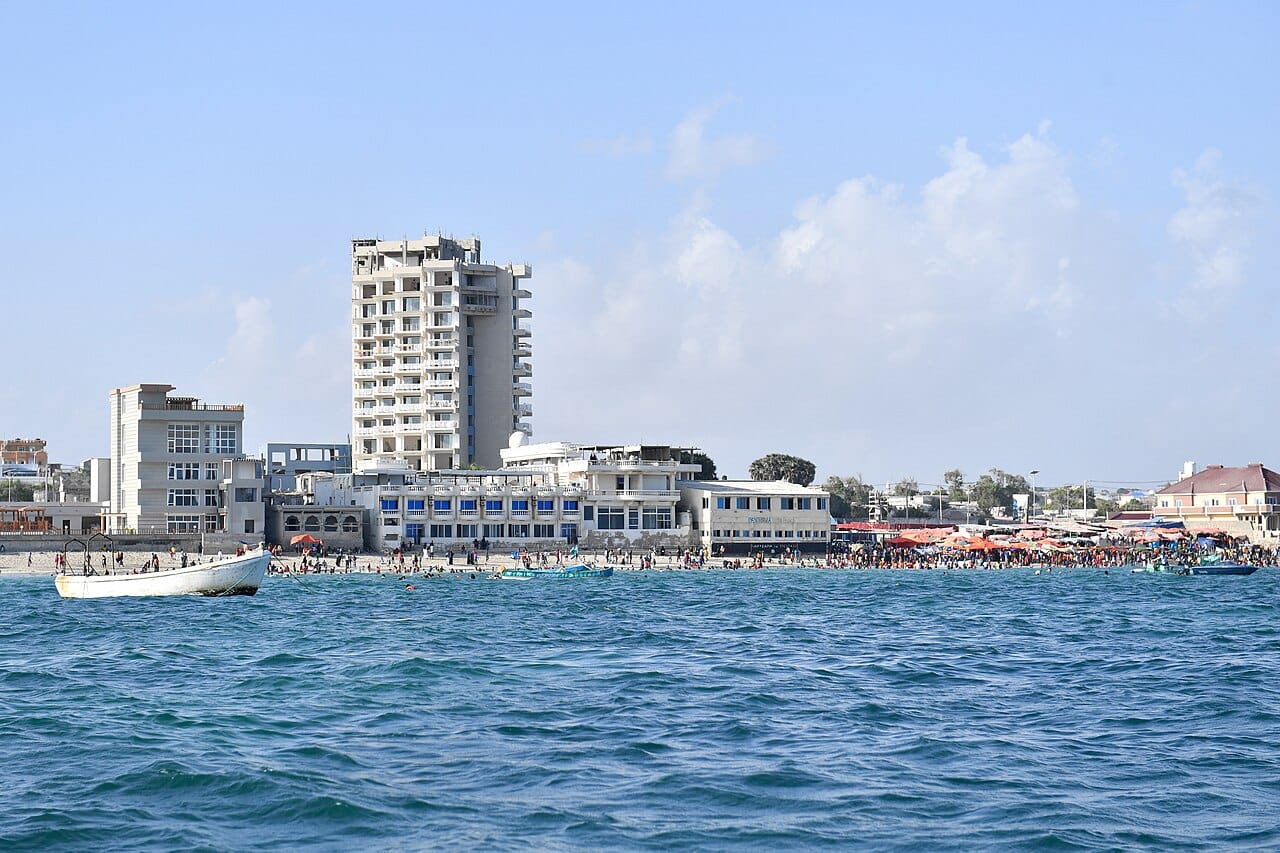
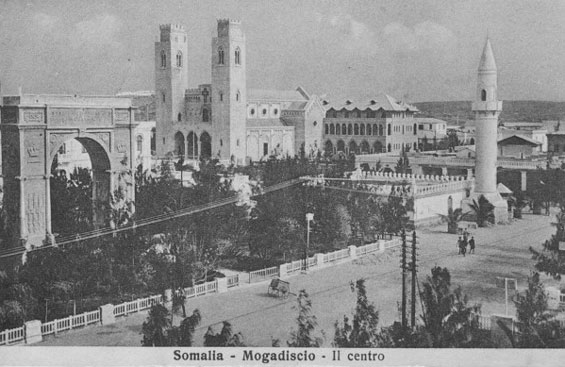
Somalia has a population of around 18 million people, who are unusual in Africa for their homogeneity: the great majority are ethnic Somalis, sharing a common language, Somali, and the Muslim faith, though society is organised into clans and lineages that play a central role in social and political life. The population is partly nomadic, herding across the dry land, and partly settled in farming areas and cities, above all the coastal capital, Mogadishu, an ancient port rebuilding after years of conflict.