Solomon Islands is a nation in the southwestern Pacific, an archipelago of nearly a thousand islands lying east of Papua New Guinea. A Melanesian land of jungle-covered islands, volcanic peaks, and coral lagoons, it is one of the least developed countries of the Pacific, where most people live by subsistence farming and fishing in close-knit village communities. Its name evokes the legendary riches that early Spanish explorers hoped to find, and its waters were the scene of some of the fiercest fighting of the Second World War.
Solomon Islands' history runs from its first Melanesian settlers, through a Spanish naming and a harsh colonial era, to the epic battles of the Second World War and independence.
The islands were settled by Melanesian peoples thousands of years ago, who lived in a multitude of small communities speaking many languages. The Spanish navigator Mendana reached them in 1568 and, dreaming of the riches of the biblical King Solomon, named the islands after him, though he found no gold at all.
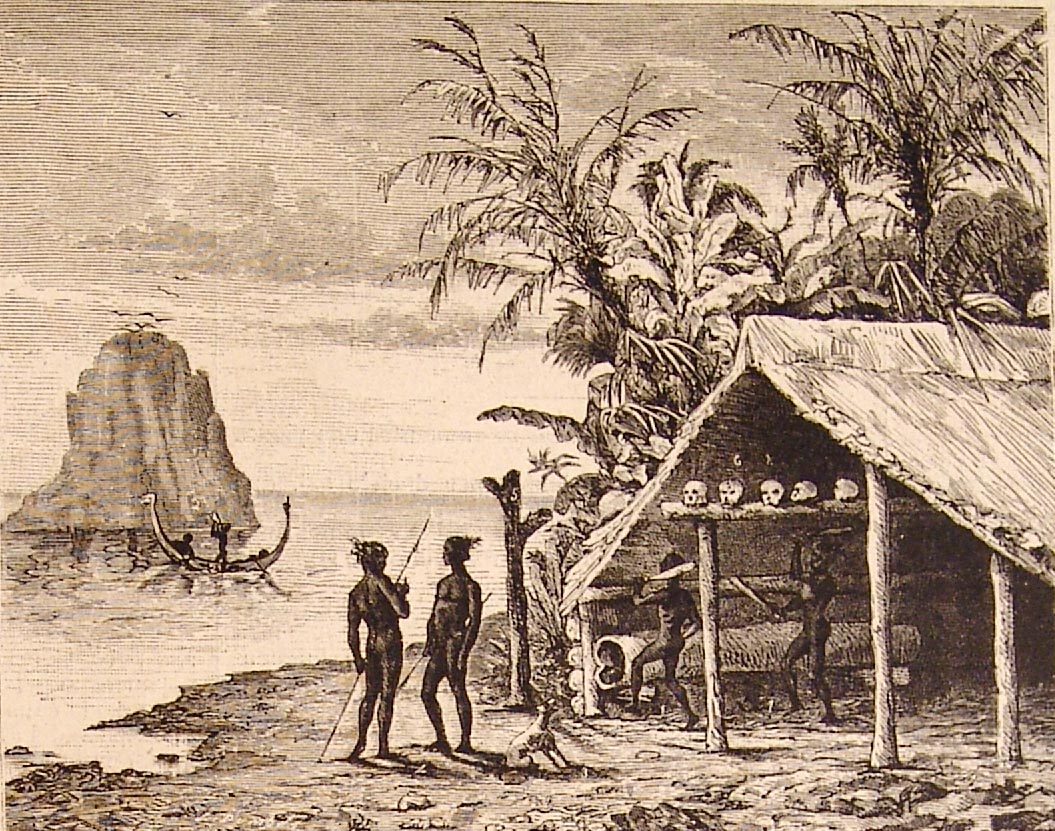

In the nineteenth century the islands suffered grievously from the labour trade known as blackbirding, in which islanders were carried off, sometimes by force, to work on distant plantations in Australia and Fiji. Britain then established a protectorate over the islands to bring the trade under control and to govern them.
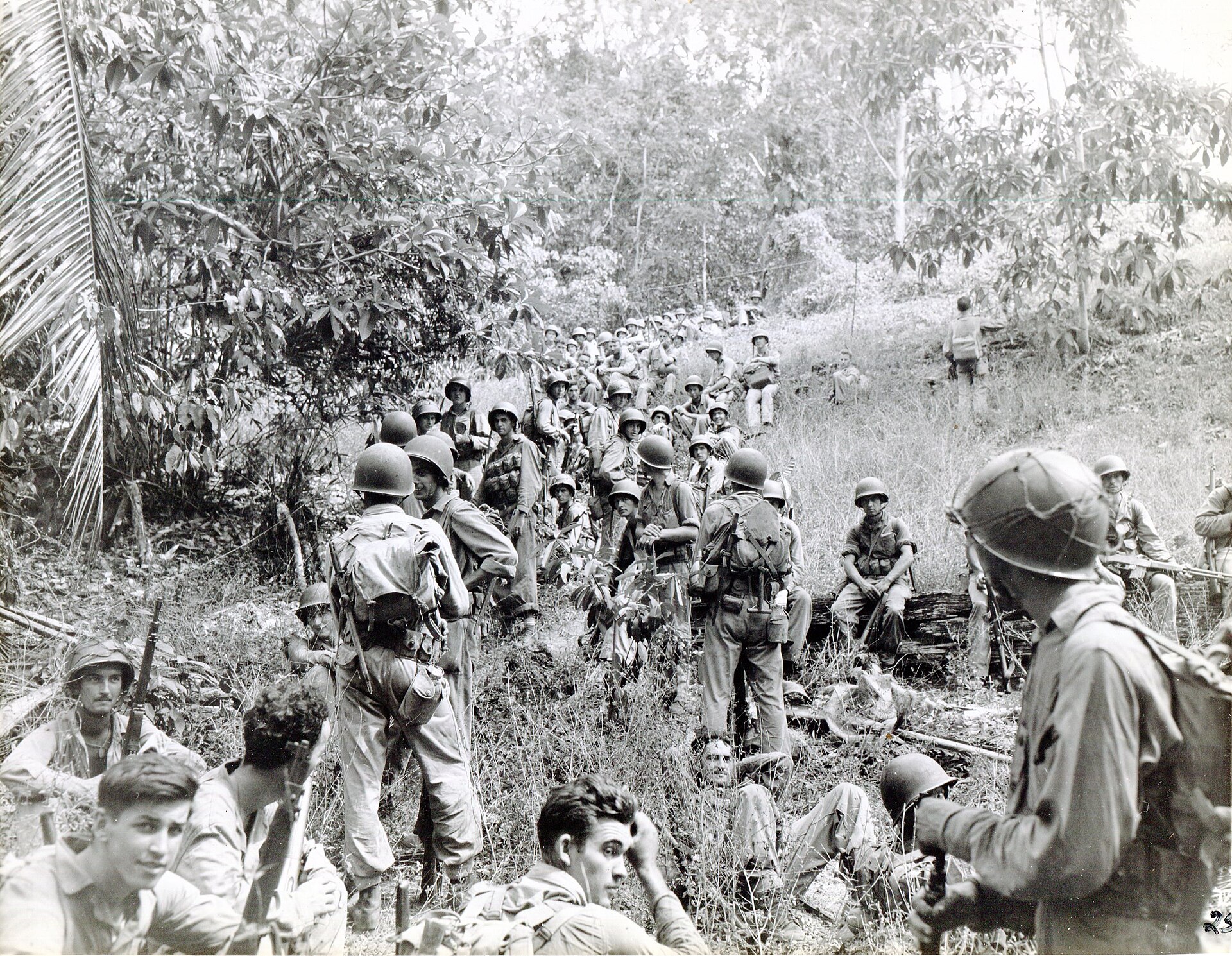
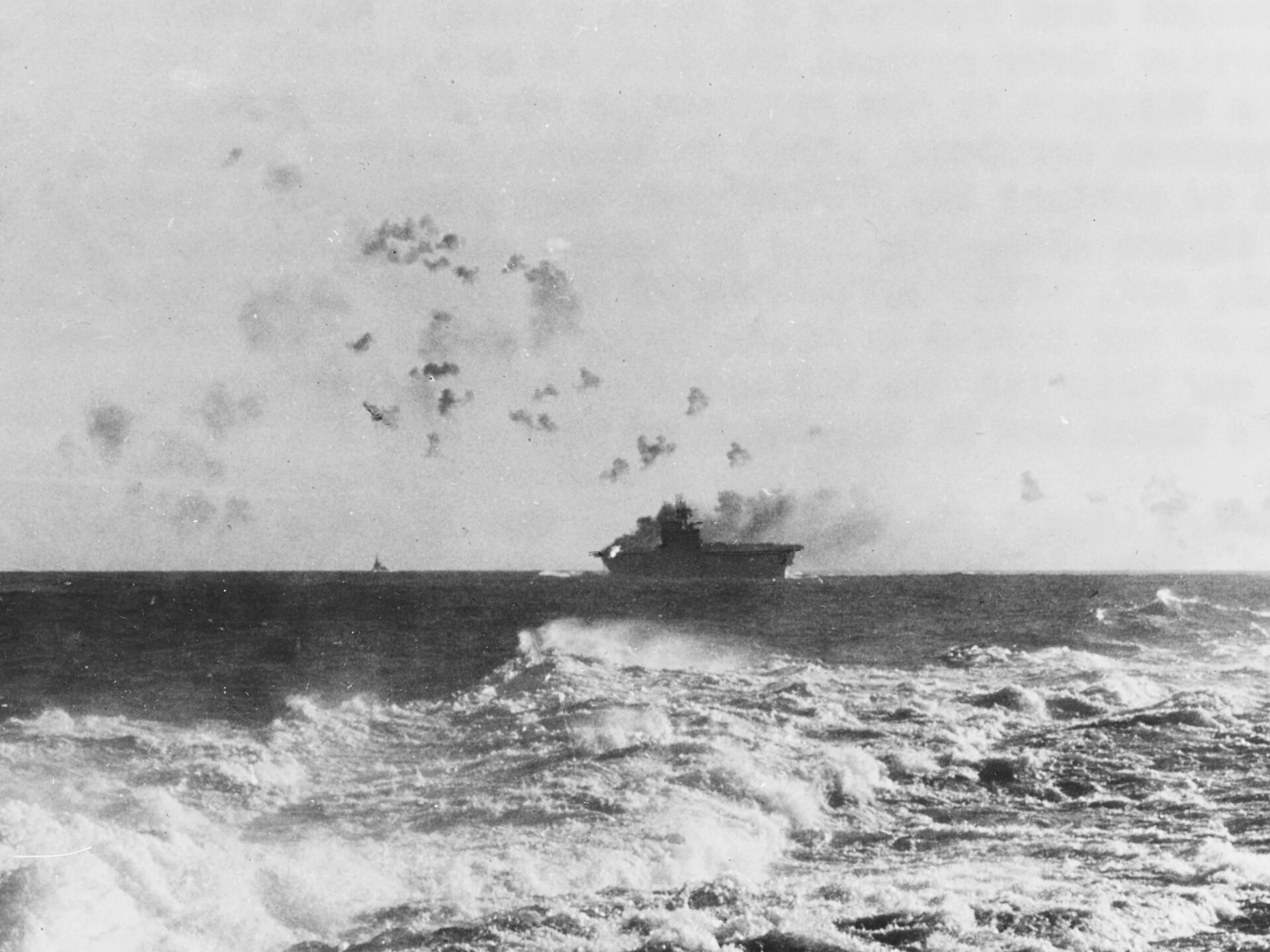
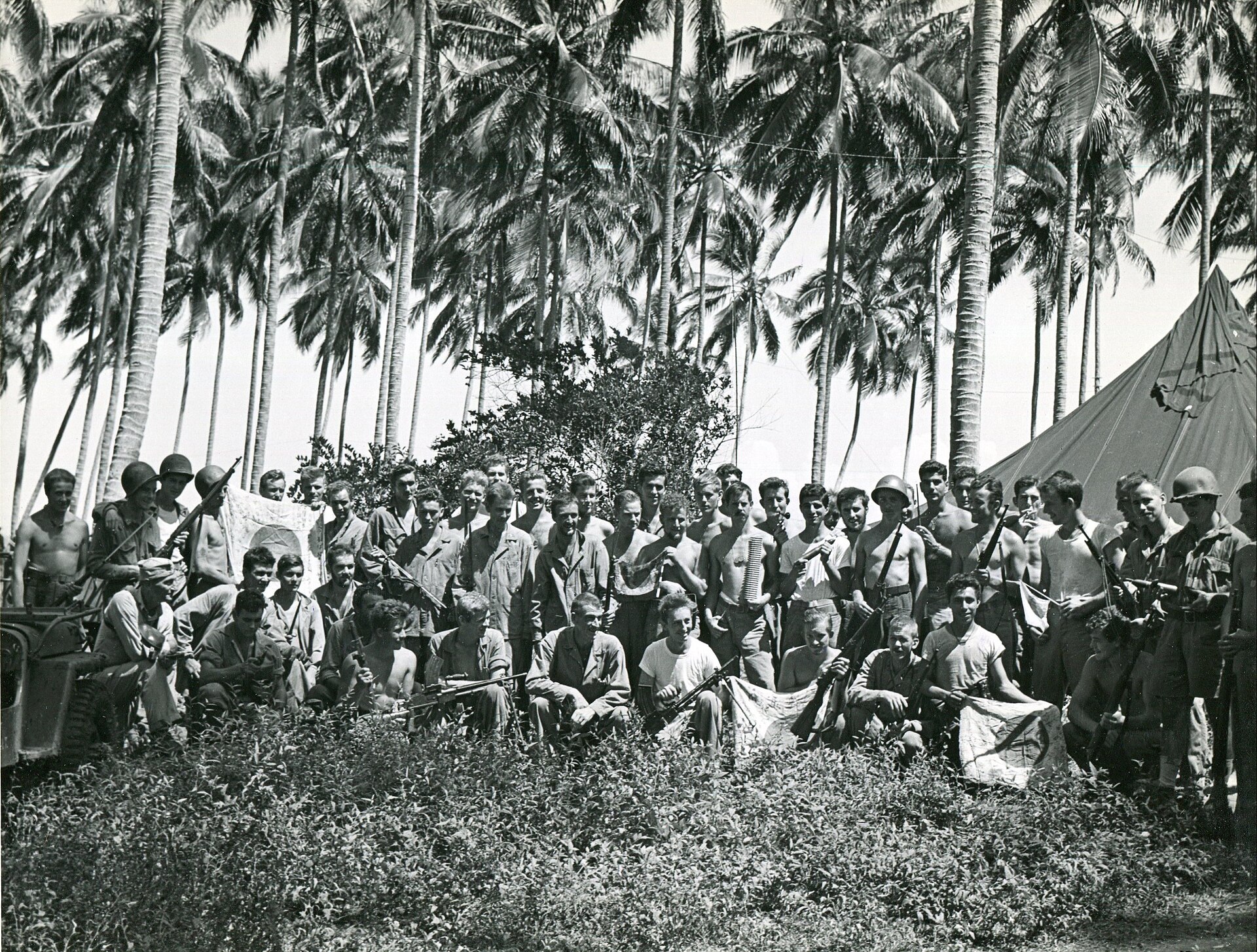
During the Second World War the islands became one of the most important battlegrounds of the Pacific. The Guadalcanal campaign of 1942 and 1943, fought on land, at sea, and in the air, was a brutal turning point that halted the Japanese advance, at a terrible cost in lives. The wreckage of that struggle still lies in the waters known as Ironbottom Sound. Independence came peacefully in 1978.
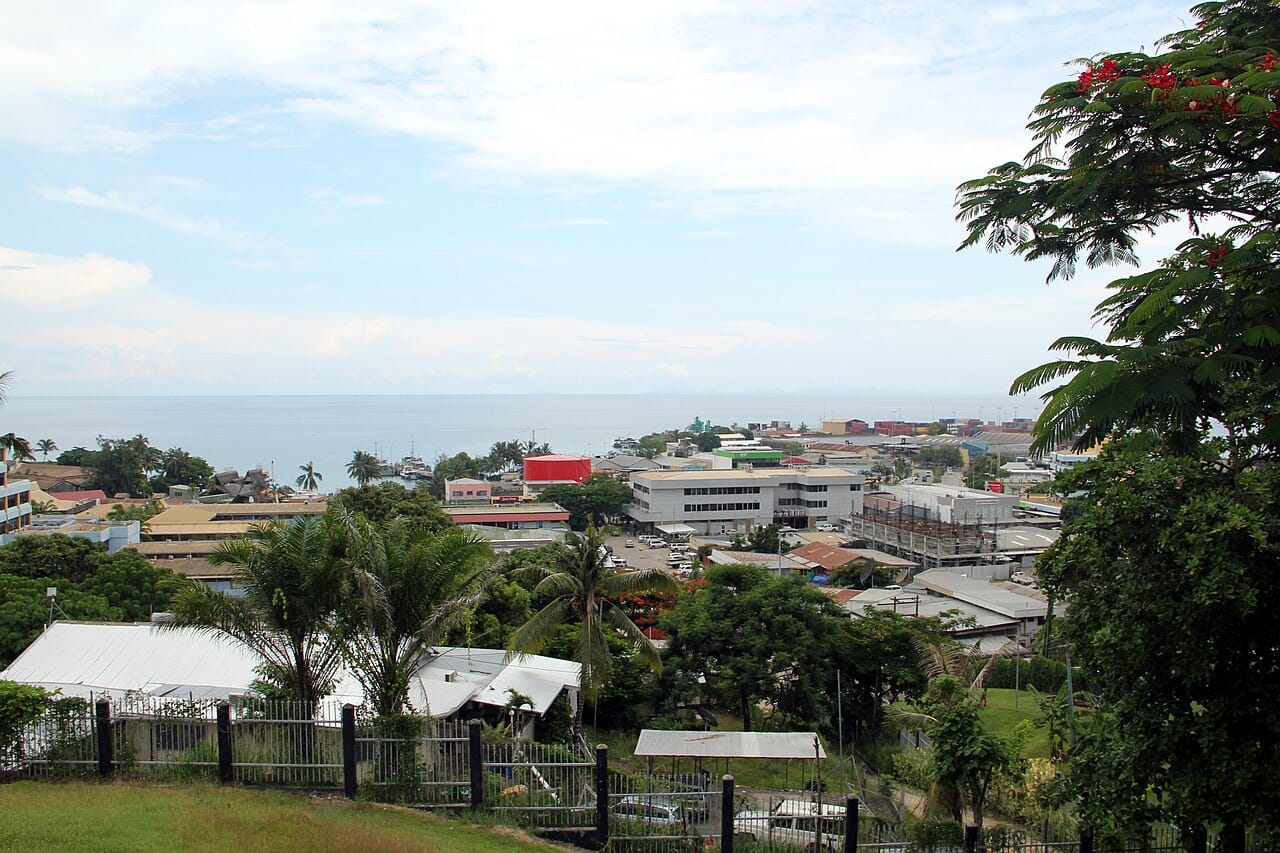
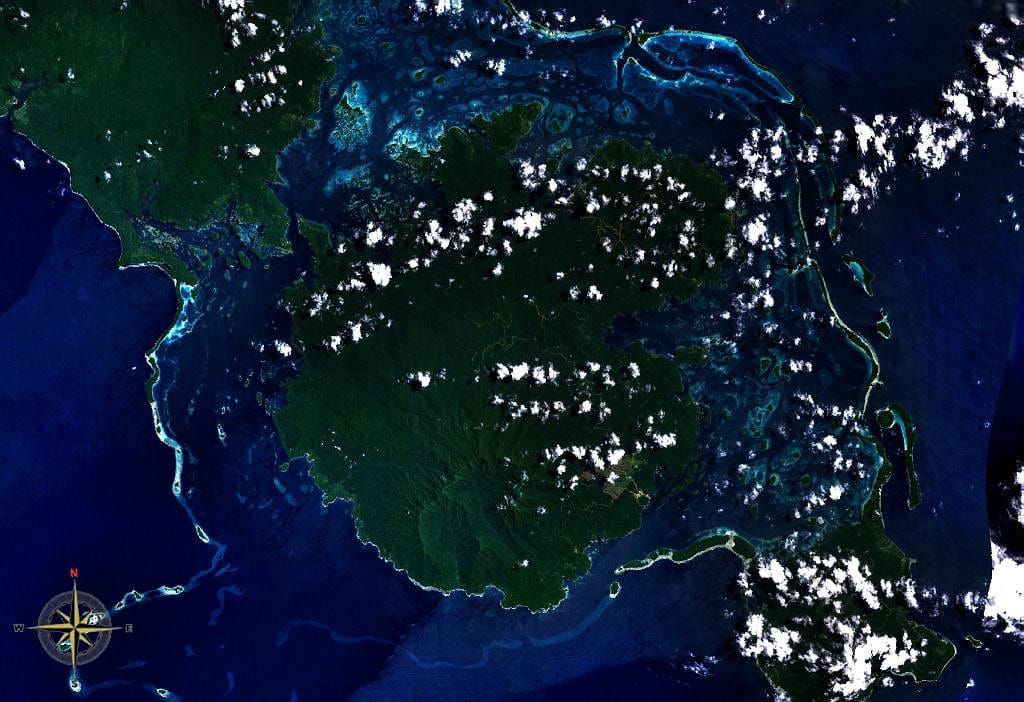
Solomon Islands stretches across a long double chain of islands in the Pacific, most of them large, mountainous, and densely forested, with active volcanoes and surrounding coral reefs. The climate is hot and humid, and the islands lie in a zone of earthquakes and the occasional tsunami. The rich rainforests and reefs support abundant wildlife on land and in the sea. The largest island, Guadalcanal, holds the highest mountains and the capital, and its name became famous around the world during the Second World War.
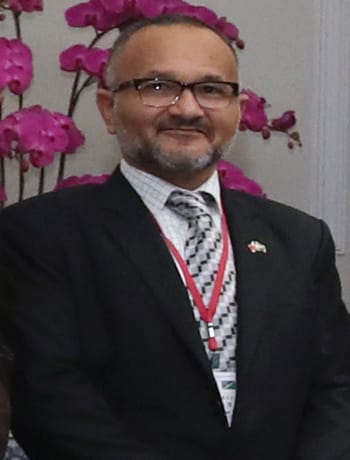
Solomon Islands is a parliamentary democracy and a constitutional monarchy, with King Charles III as head of state, represented by a governor-general. Its politics is fluid and often unstable, run through shifting coalitions, and it has lately been shaped above all by the contest between China and the West for influence in the Pacific. In 2019 the country switched its recognition from Taiwan to China and later signed a security pact with Beijing, alarming Australia and the United States; the government of the following years drew close to China. In 2026, however, a change of leadership brought to power a prime minister, Matthew Wale, seen as tilting the country back toward its traditional Western partners, showing how sharply the small nation is pulled between the great powers.
Solomon Islands is one of the least developed countries in the Pacific, its small economy resting on the land and the sea. Logging of its rainforests has long been the largest export, though at a pace widely criticised as unsustainable, alongside palm oil, copra, cocoa, and above all tuna from its rich waters. Gold mining has come and gone, and hopes rest on fisheries and on careful development. Most people, however, live outside the cash economy altogether, growing and catching their own food, and the country depends heavily on foreign aid.
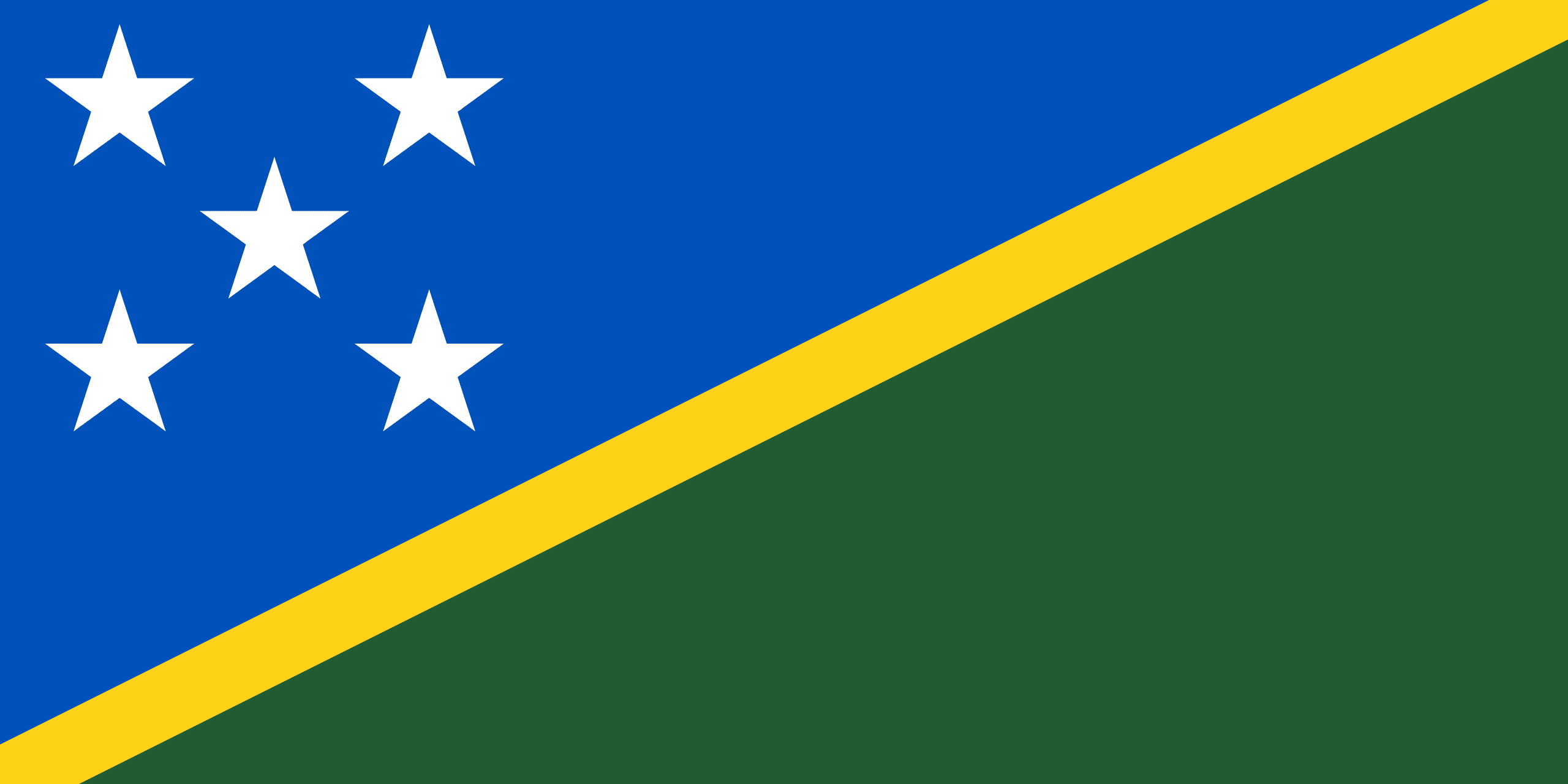
The flag of Solomon Islands is divided by a thin yellow diagonal stripe, with a blue upper triangle bearing five white stars and a green lower triangle. The blue represents the surrounding ocean, rivers, and rain, the green the land and its forests, and the thin yellow line the sunshine. The five white stars originally stood for the five administrative districts of the country at independence, though the islands now have more provinces. The design reflects the natural setting of this Pacific island nation.
Solomon Islands is overwhelmingly Christian, the result of missionary work in the colonial era, with the population spread across Anglican, Roman Catholic, and various other Protestant and evangelical churches, which play a central role in community life. As elsewhere in Melanesia, Christian faith frequently coexists with enduring traditional beliefs, including respect for ancestral spirits and customary practices. This blend of church and custom shapes the values and daily life of the villages where most Solomon Islanders live.
The cuisine of Solomon Islands is based on the root crops, fish, and produce of the islands. Staples include sweet potato, taro, yam, cassava, and sago, along with abundant fish and seafood from the reefs and lagoons, and the ever-present coconut. Food is often cooked in earth ovens or boiled in coconut milk, and tropical fruits such as banana and pawpaw are plentiful. The diet is overwhelmingly local and fresh, reflecting a society in which most families still grow and catch much of what they eat.
Agriculture sustains the great majority of Solomon Islanders, most of whom are subsistence farmers tending gardens of root crops and raising pigs in their villages. Beyond what families grow for themselves, cash crops such as copra, cocoa, and palm oil, together with fishing, provide the main sources of income in a largely rural society where most people still live close to the land.
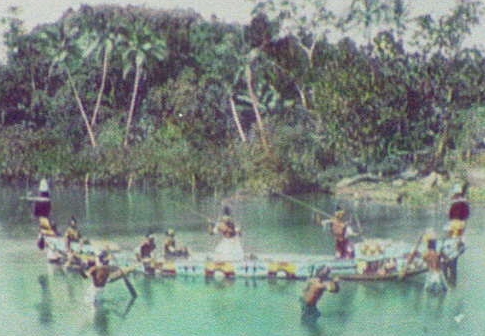
Solomon Islands society is built around the village, the clan, and the extended family, with land held in customary ownership and wealth measured in traditional forms, including shell money still used in ceremony and exchange. Its many Melanesian peoples keep their own languages and customs, alongside a shared and devout Christianity, and traditions of canoe-building, carving, and dance run deep. Life is overwhelmingly rural and communal, and the sea, the reef, and the garden shape the rhythm of the year across the scattered islands.
Two strains run through the country's recent history. The first is internal: rivalry and grievance between the peoples of different islands, above all Guadalcanal and Malaita, erupted around the turn of the century into a period of violence known as the Tensions, which was calmed only by a regional peacekeeping mission led by Australia. Those fault lines have not fully healed. The second is external: the switch of recognition from Taiwan to China in 2019, and a later security pact with Beijing, split opinion sharply at home, contributed to deadly riots in the capital in 2021, and drew the small country into the heart of the contest between China and the West for the Pacific. How Solomon Islands holds itself together, and how it navigates between the great powers, remain open and closely watched questions.
Solomon Islands has a population of around 700,000 people, the great majority of them Melanesians, alongside small Polynesian, Micronesian, and other communities. The country is highly diverse, with around seventy languages spoken, so that an English-based creole known as Pijin serves as the common tongue alongside the official English. The population is overwhelmingly rural, living in villages scattered across the many islands, with only a small share in the capital, Honiara, on Guadalcanal. Society remains strongly built around the village and the extended family.