Slovenia is a small country in Central Europe, set where the Alps, the Mediterranean, and the plains of the Danube basin meet. Despite its modest size it is remarkably varied and green, with snow-capped mountains, a short but beautiful Adriatic coast, and one of the most forested landscapes in Europe. Once part of Yugoslavia, from which it broke away peacefully in 1991, it has become one of the most prosperous and stable of the formerly communist countries.
Slovenia's history reaches from some of the oldest traces of human ingenuity, through a thousand years within the Austrian empire and a spell in Yugoslavia, to a quiet, prosperous independence.
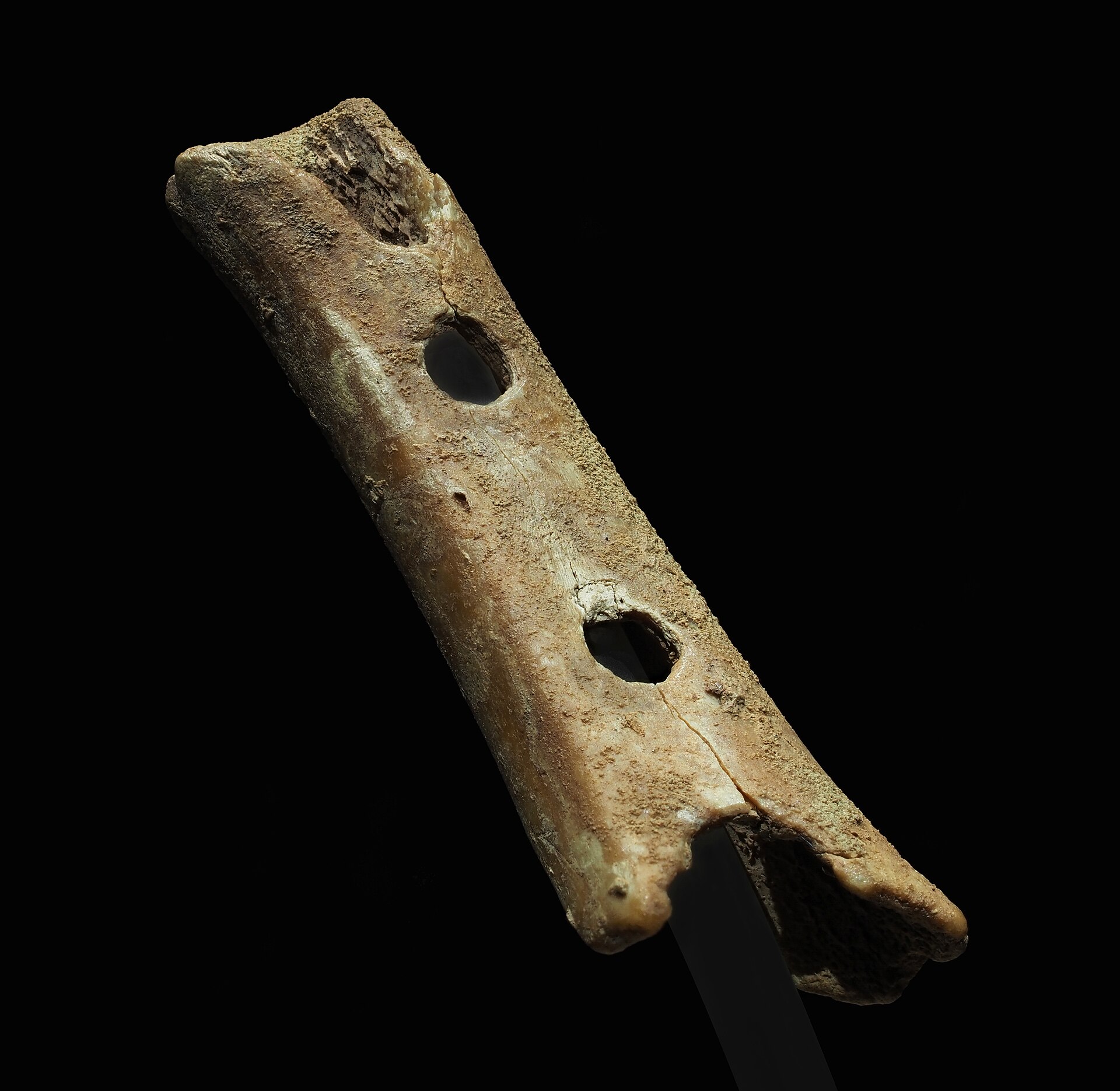
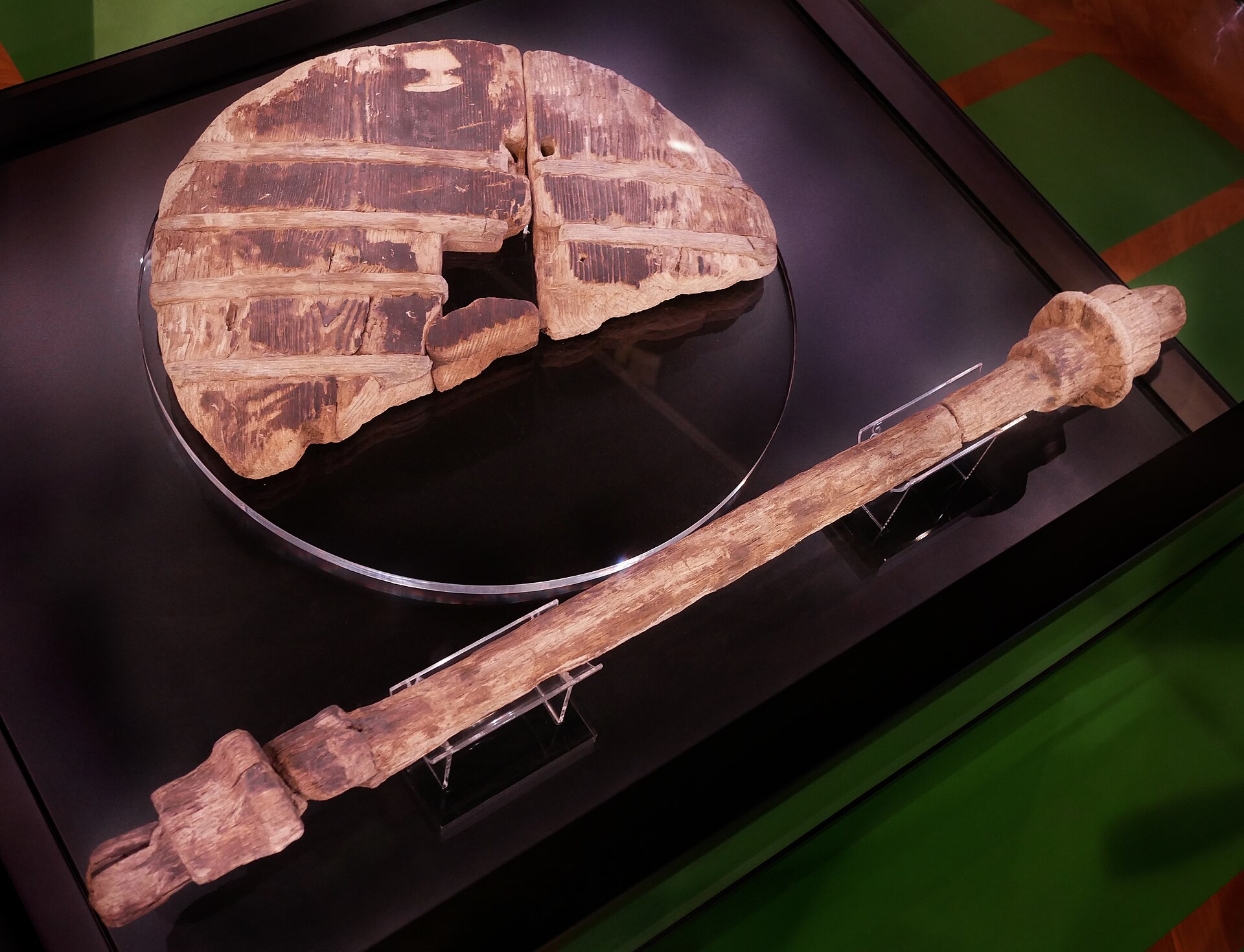
The Slovene lands hold some of the most remarkable early human artefacts anywhere: the Divje Babe flute, carved from bone tens of thousands of years ago and argued by some to be the oldest musical instrument in the world, and the Ljubljana Marshes wheel, the oldest wooden wheel and axle ever found. Celtic and then Roman peoples followed, before Slavs settled the region in the early Middle Ages.
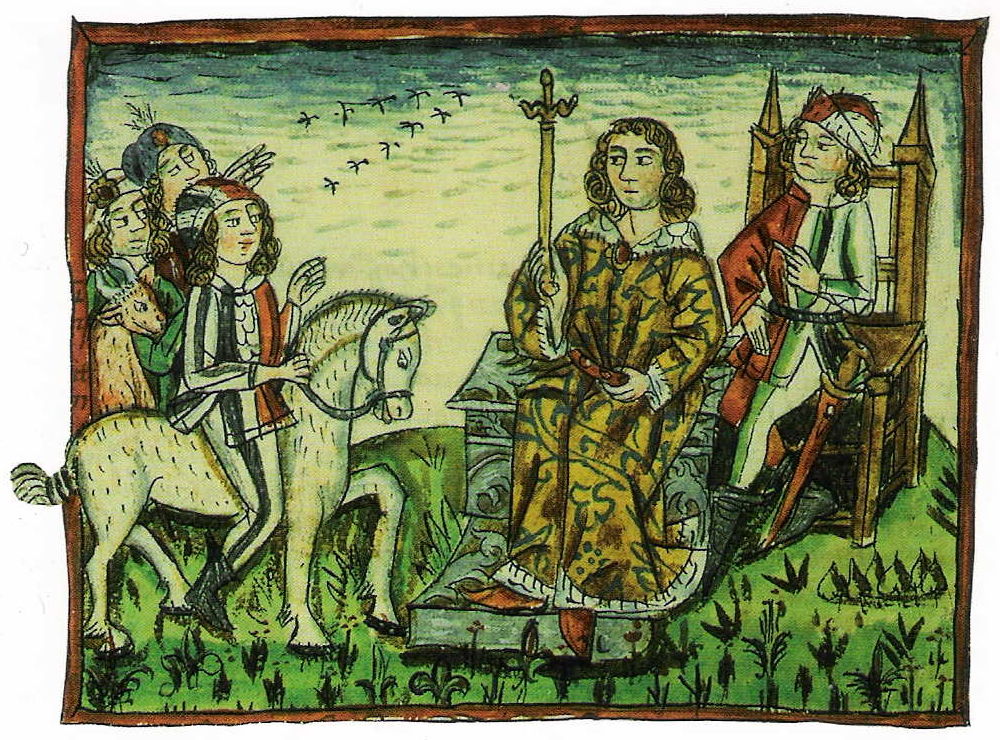
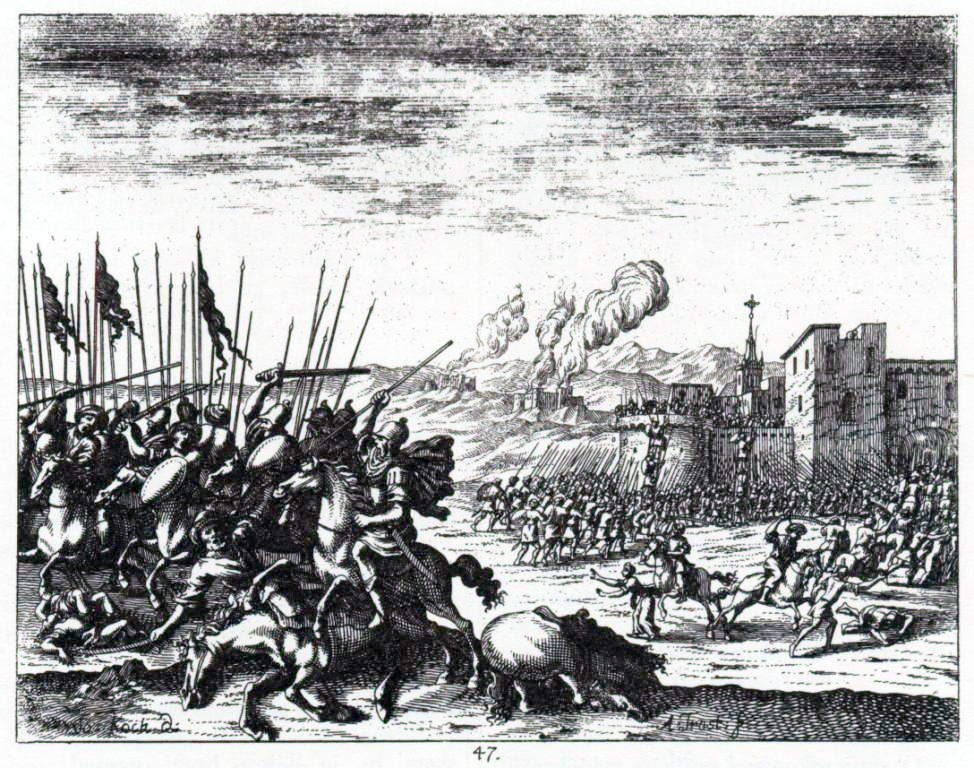
Early medieval Slovenes formed the principality of Carantania, remembered for a striking ritual in which a new duke was installed by the free peasants in their own Slovene tongue, a ceremony later cited among the world's early democratic customs. For most of the following thousand years, however, the Slovene lands were ruled by the Habsburgs as part of the Austrian empire, which gave the country its enduring Central European character, and were a frontier against the Ottoman Turks.
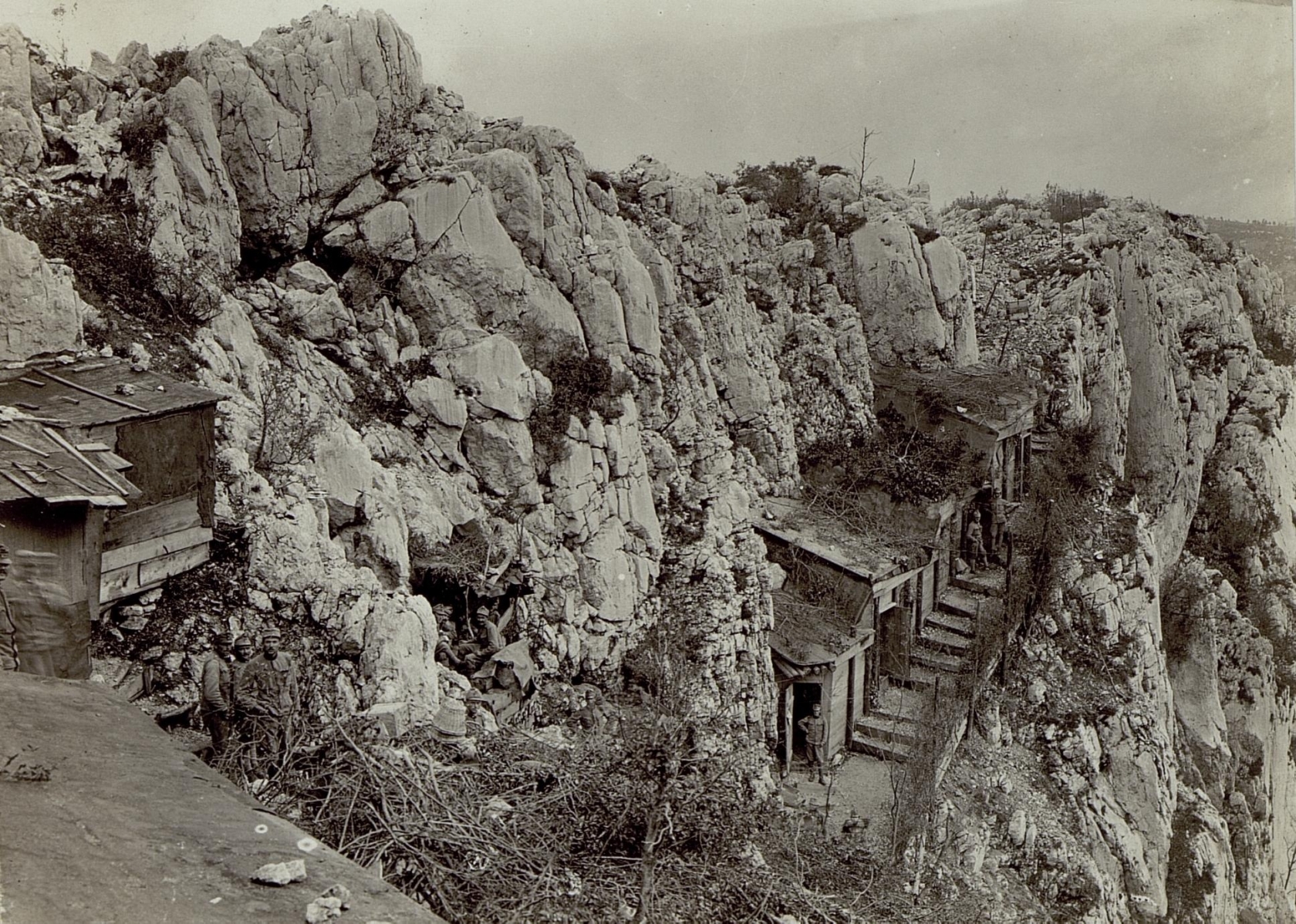
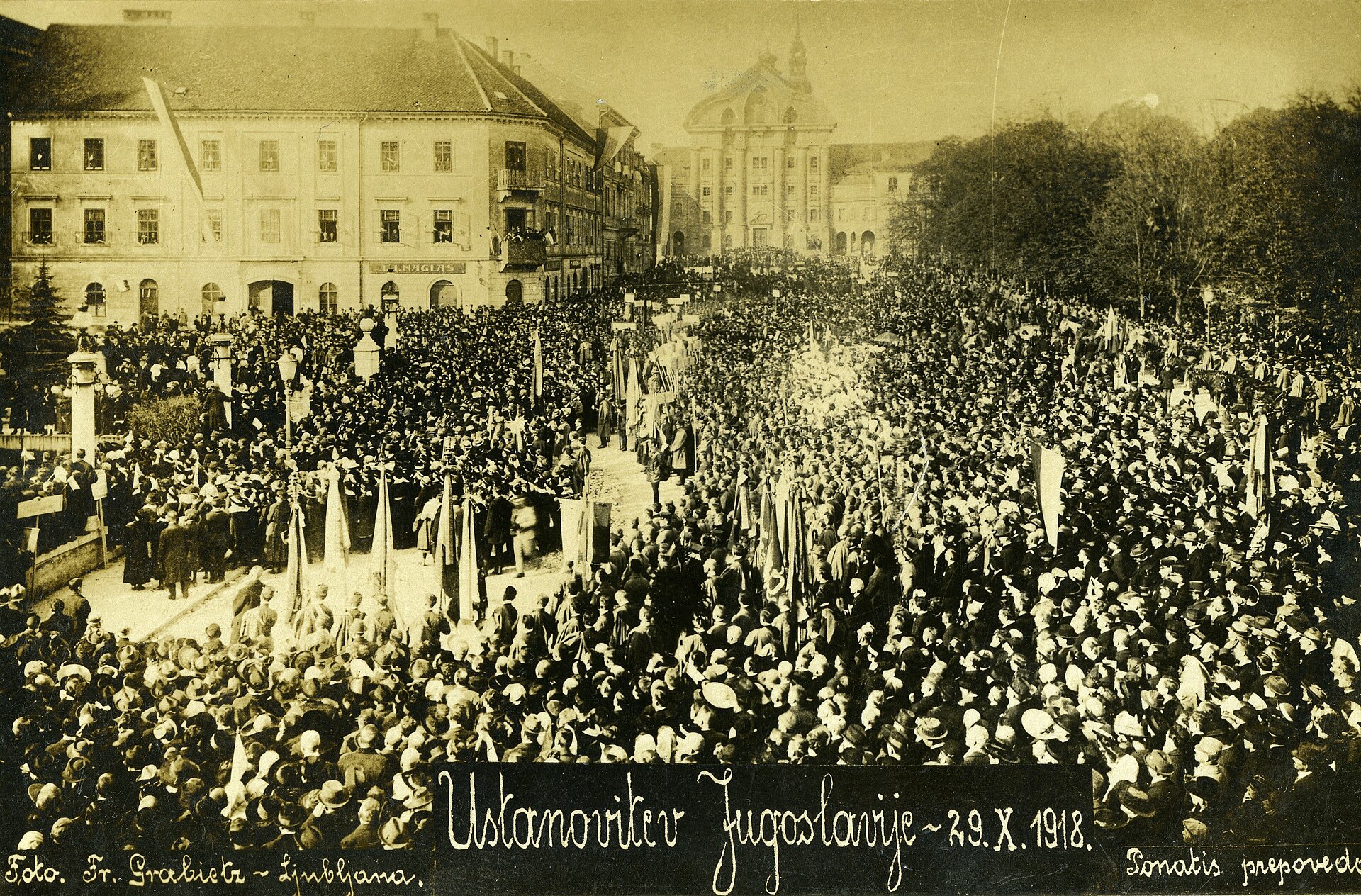
After the First World War, whose brutal Isonzo front tore through the Slovene mountains, the Slovenes joined the new South Slav state that became Yugoslavia. They endured the Second World War and then decades of socialist Yugoslavia, before, as the federation broke apart, Slovenia declared independence in 1991, securing it after only a brief conflict, the Ten-Day War, the least violent of the Yugoslav wars of secession.
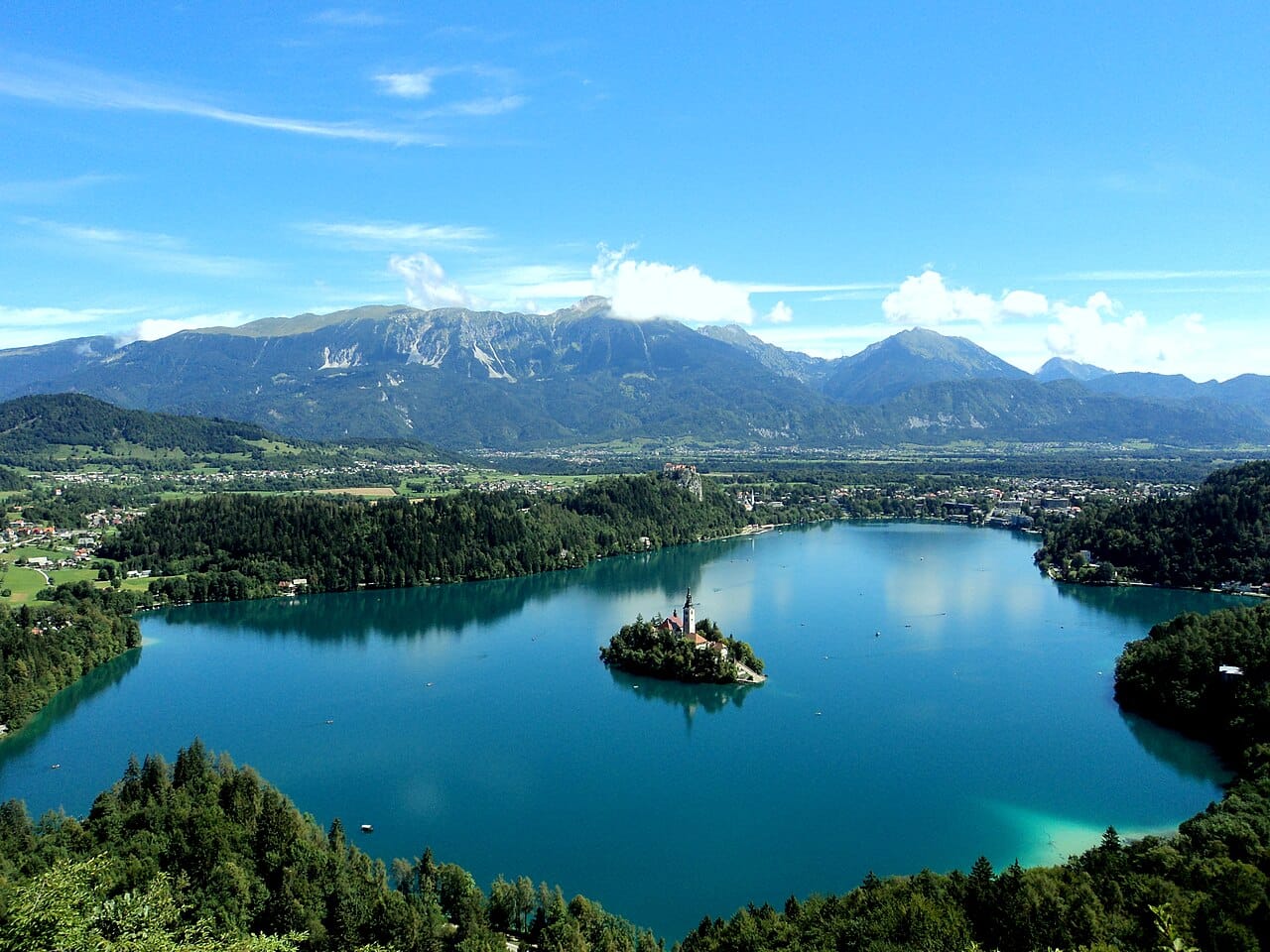
Slovenia packs an extraordinary variety of landscapes into a small space. The Julian Alps rise in the northwest around Mount Triglav, the country's highest peak and a national symbol, near the famous island church of Lake Bled. To the southwest lies a short Adriatic coast and the Karst region, a limestone landscape that gave its name to such terrain worldwide and is riddled with spectacular caves. Between them, more than half the country is covered in forest, among the highest proportions in Europe.
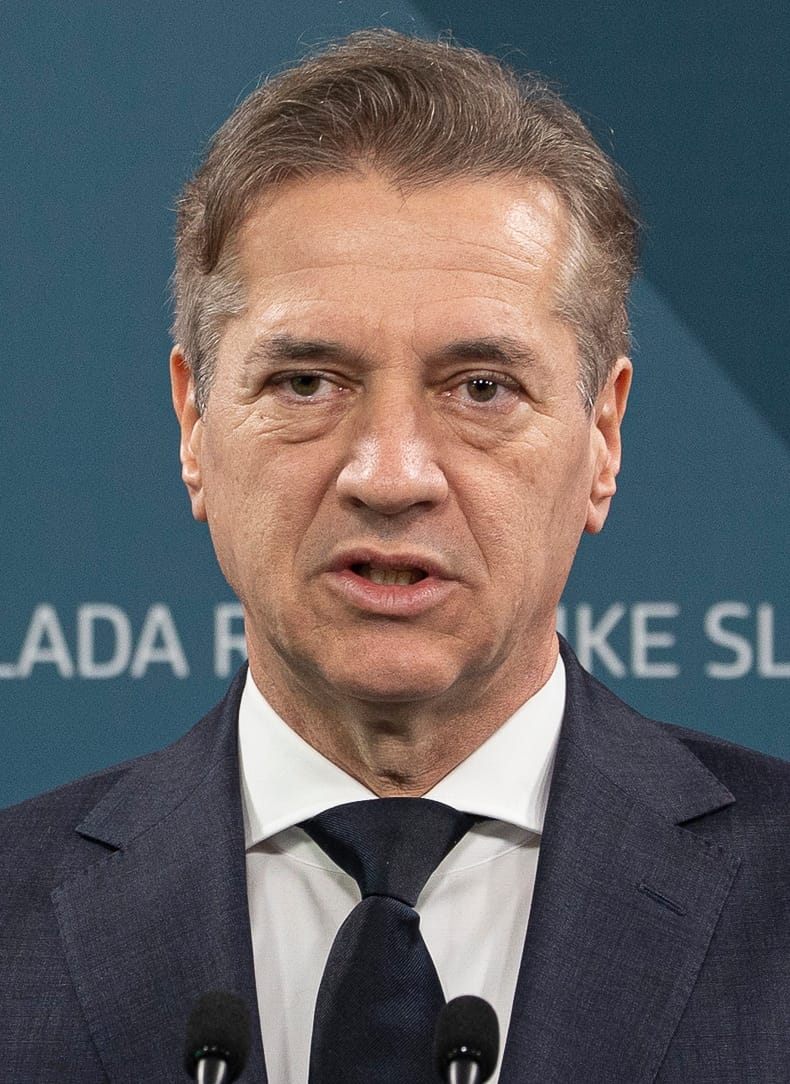
Slovenia is a parliamentary republic and, since 2004, a member of the European Union and NATO, having adopted the euro and joined the Schengen area soon after. It is a stable democracy in which power alternates between centre-left and centre-right coalitions; the prime minister since 2022 is Robert Golob, of the liberal Freedom Movement, while the presidency, a largely ceremonial office, is held by Natasa Pirc Musar, the country's first woman head of state. Alone among the former Yugoslav republics, Slovenia moved swiftly and smoothly into the European mainstream after independence.
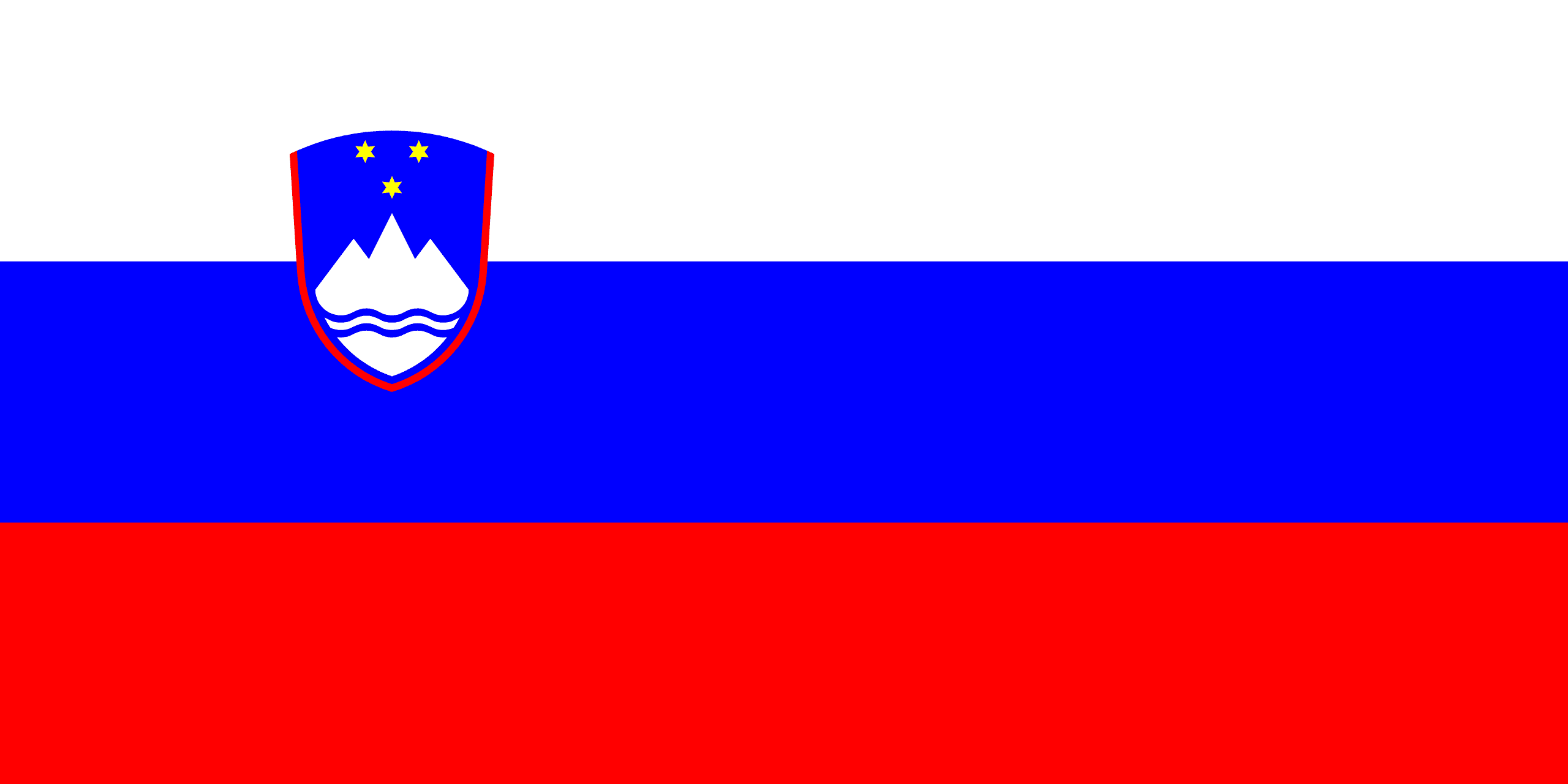
The flag of Slovenia has three horizontal bands of white, blue, and red, the pan-Slavic colours, with the national coat of arms set in the upper hoist. The shield depicts Mount Triglav, the country's highest peak and beloved symbol, in white on blue, above two wavy lines representing the rivers and the Adriatic sea, topped by three golden stars taken from the arms of an old local duchy. The emblem ties the flag to the nation's mountains and seas.
Slovenia is historically a Roman Catholic country, a legacy of its long centuries under Habsburg rule, and Catholicism remains the largest faith and an influence on its culture and traditions. As across much of Central Europe, however, religious practice has declined and a significant share of the population is non-practising or non-religious. The country's churches, monasteries, and pilgrimage sites, set amid its beautiful landscapes, remain important parts of its cultural heritage.
Slovenian cuisine reflects the country's position at a crossroads of Alpine, Mediterranean, and Central European traditions, and it varies markedly from region to region. A celebrated national dish is potica, a rolled pastry filled with walnuts or other fillings, traditional at holidays. Dumplings, sausages, and hearty stews recall Austrian and Balkan influences, while the coast brings seafood and Italian flavours. The country also has a respected winemaking tradition across its hills.
Slovenia's mountainous and forested terrain limits farming, which concentrates in the valleys and the eastern lowlands. Farmers grow grains, potatoes, and fruit, and the country has long-standing traditions of viticulture, producing fine wines, and of hop-growing for brewing. Dairy and livestock farming are important in the alpine areas. With so much of the land under trees, forestry is a significant activity, and Slovenia is known for careful management of its abundant woodlands, and for a proud and ancient tradition of beekeeping.
Slovenian culture sits at a genuine crossroads, blending Alpine, Central European, Mediterranean, and Balkan influences into something distinct, expressed in a Slavic language written with Latin letters and a deep Catholic heritage. The nation reveres its poets, above all France Preseren, whose verse became the national anthem, and treasures a strong bond with nature, seen in a famous love of the outdoors and in beekeeping so cherished that Slovenia championed the world day devoted to bees. In recent years a country of just two million has produced sporting giants, from the cycling champion Tadej Pogacar to the basketball star Luka Doncic, a source of enormous pride.
Once marketed to tourists as the sunny side of the Alps, Slovenia has quietly become one of Europe's success stories. Alone among the republics of the former Yugoslavia, it broke free almost without bloodshed and moved smoothly into the European mainstream, joining the European Union and NATO, adopting the euro, and reaching a standard of living close to the western European average, far ahead of its neighbours to the south and east. Green, safe, and prosperous, at the meeting point of four of Europe's great cultural and natural worlds, it has largely avoided the ethnic and political turmoil that has troubled much of the Balkans, and made a virtue of its small size, its spectacular landscapes, and its position at the heart of the continent.
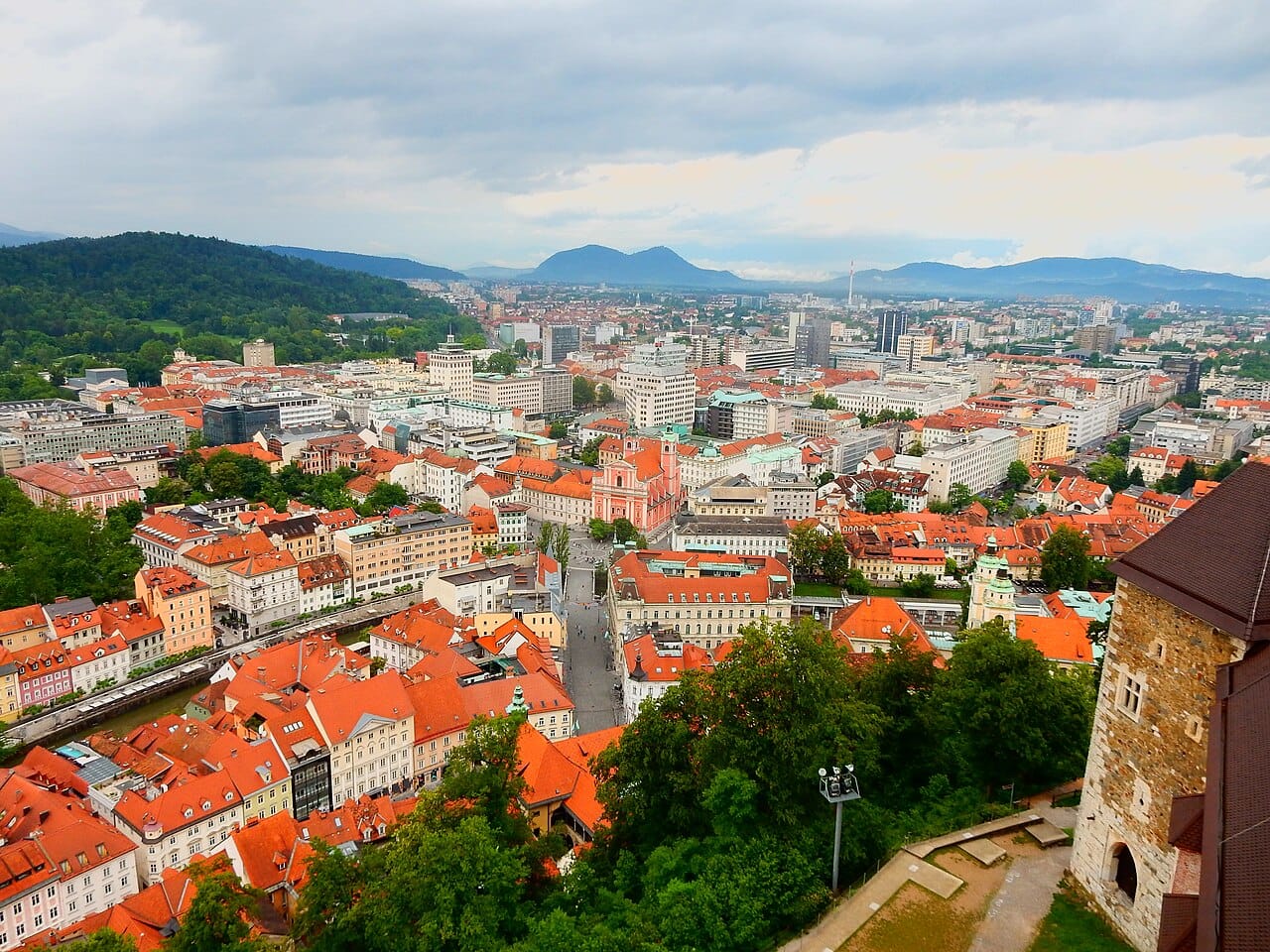
Slovenia has a population of around 2.1 million people, the great majority ethnic Slovenes, a South Slavic people with their own language, alongside minorities from other parts of the former Yugoslavia and small historic Italian and Hungarian communities. The population is small and ageing, and largely urban, concentrated in the central valleys and above all in the capital, Ljubljana, a charming and green university city. Slovenes enjoy one of the higher standards of living in the region and a strong attachment to their mountains, forests, and coast.