Slovakia is a landlocked country in Central Europe, a mountainous land of the Carpathians, dense forests, and hundreds of castles. For most of its history its people lived within larger states, ruled for a thousand years by Hungary and then joined with the Czechs in Czechoslovakia, gaining a country of their own only in 1993. Compact and increasingly prosperous, it is known for its dramatic High Tatra mountains and a rich folk heritage.
For most of its history Slovakia had no state of its own, its people living within larger empires; only in 1993 did they at last gain a country of their own.
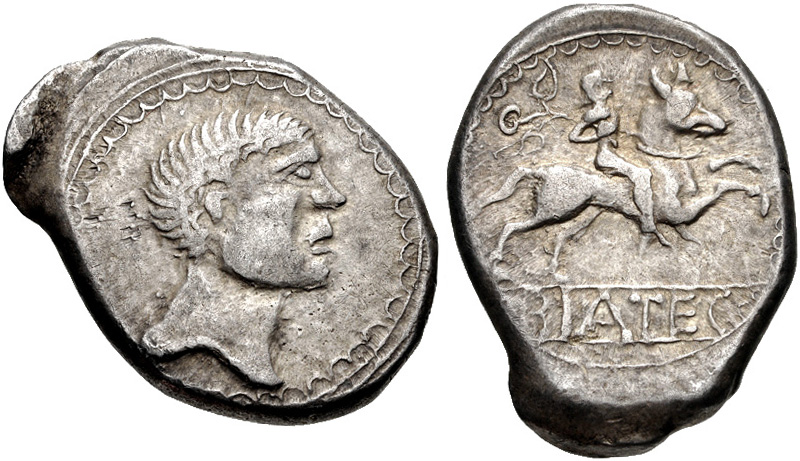
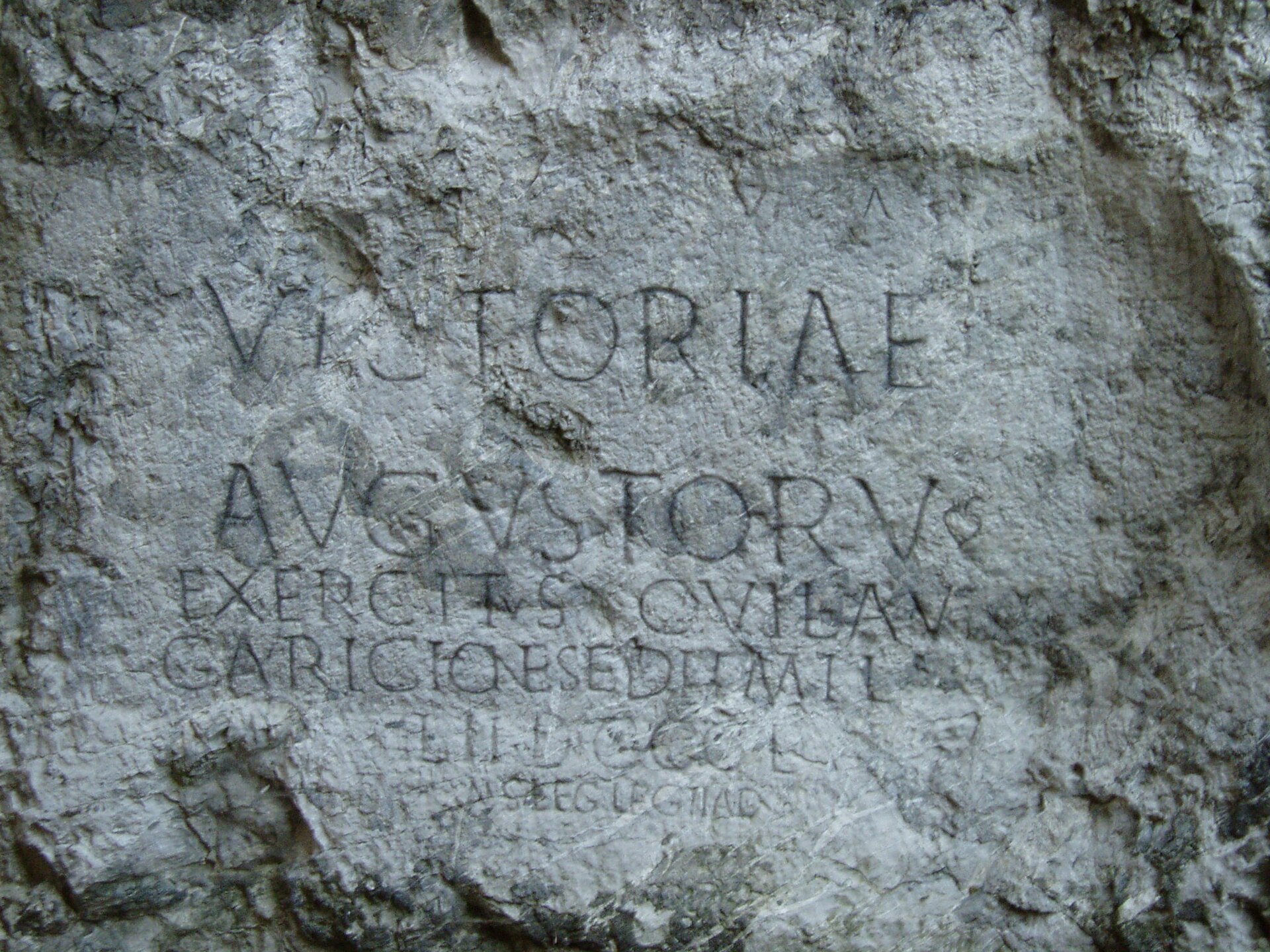
The Slovak lands were settled in antiquity by Celtic peoples, who minted their own silver coins, and lay for a time on the very edge of the Roman Empire, whose soldiers left the northernmost known Roman inscription in central Europe carved on the rock at Trencin. In the early Middle Ages Slavic tribes settled the region, the ancestors of the modern Slovaks.
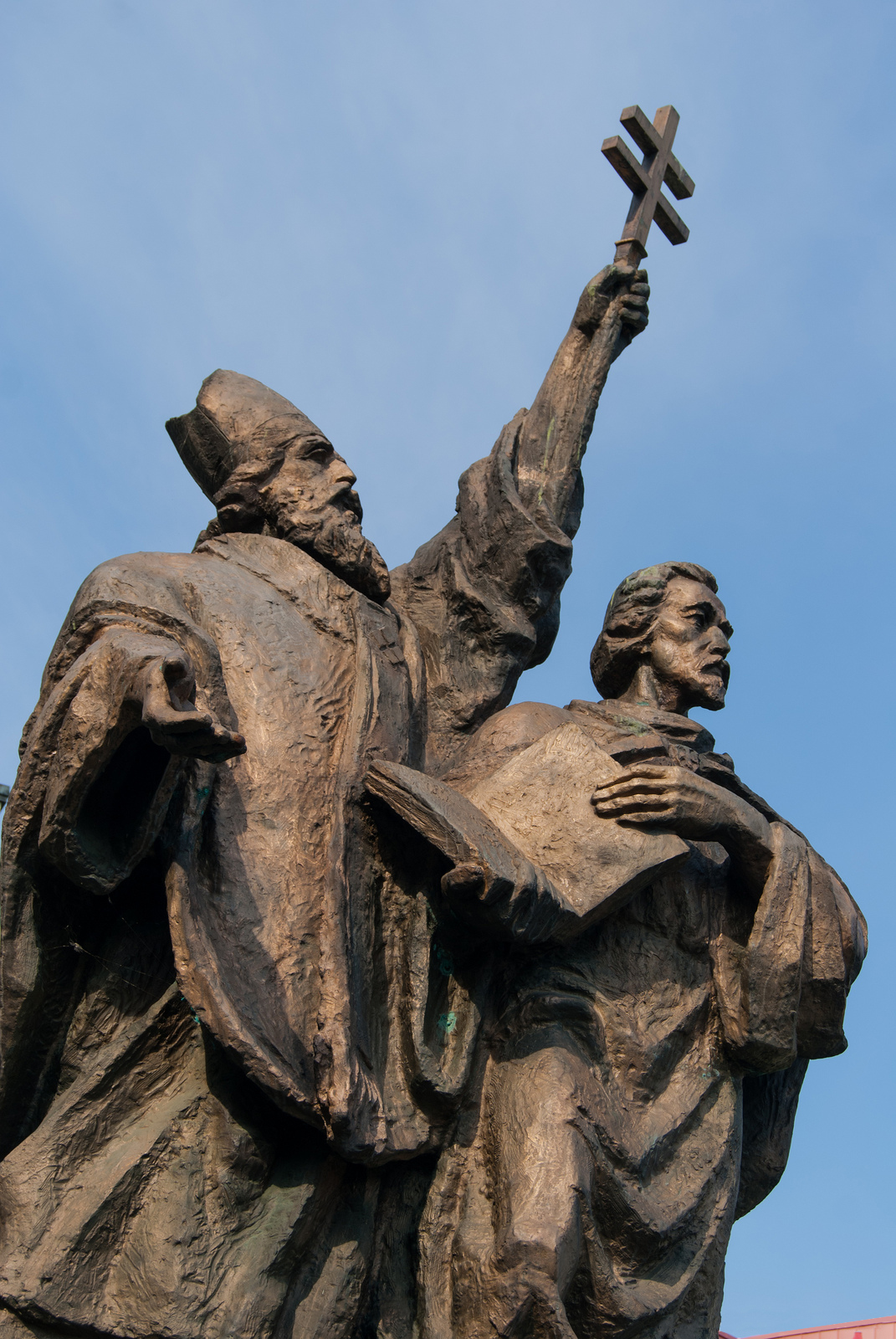
In the ninth century the region formed the heart of Great Moravia, one of the first Slavic states, to which the Byzantine missionaries Cyril and Methodius brought Christianity and the first Slavic written script, a foundational moment for the culture of all the Slavic peoples.
For the next thousand years the Slovak lands were part of the Kingdom of Hungary, and later the Habsburg empire, the Slovaks a peasant people without a state, whose national awakening stirred only in the nineteenth century. After the First World War they joined the Czechs to form the new state of Czechoslovakia, though the peace treaties that dismembered Hungary left lasting tensions with their southern neighbour.
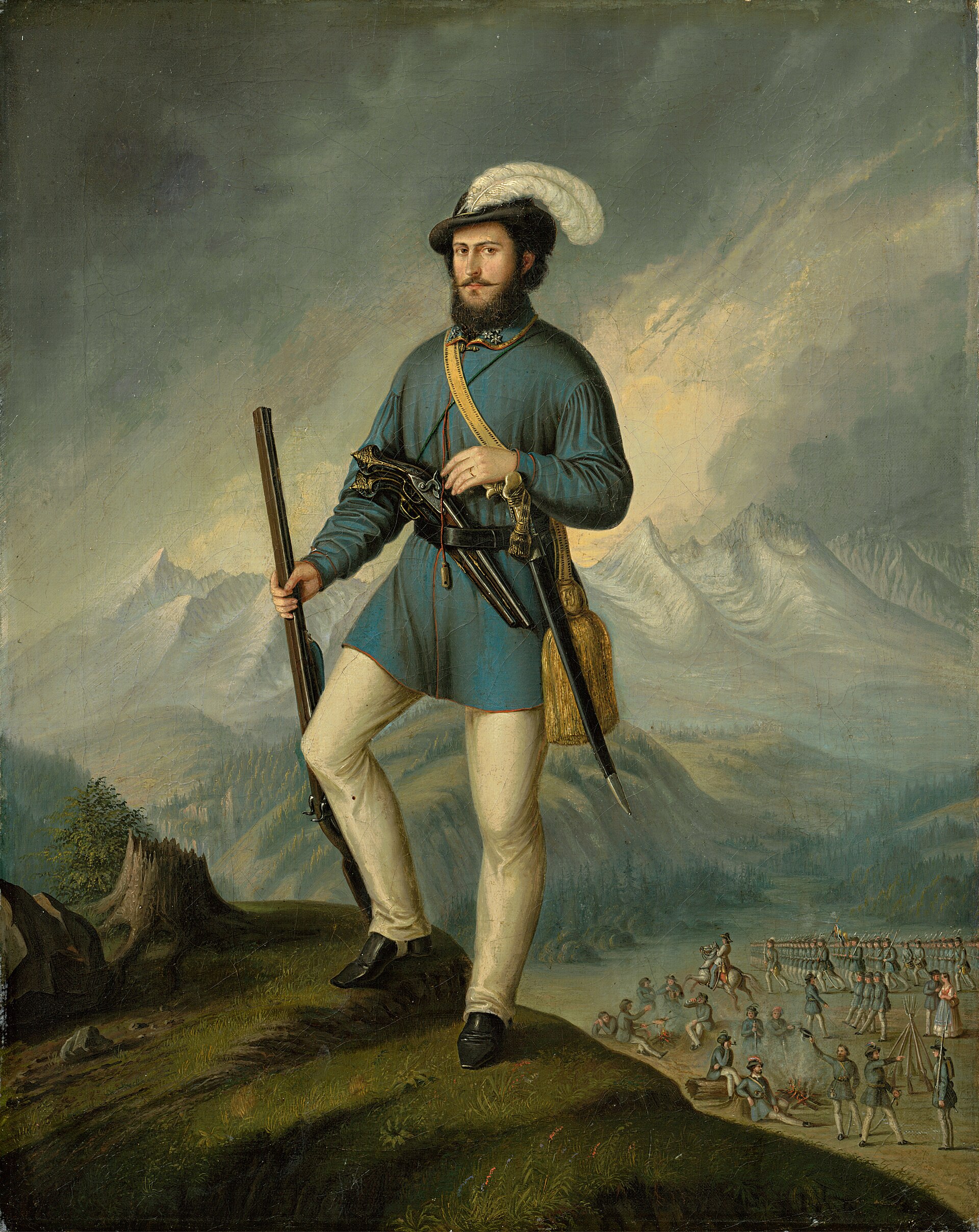
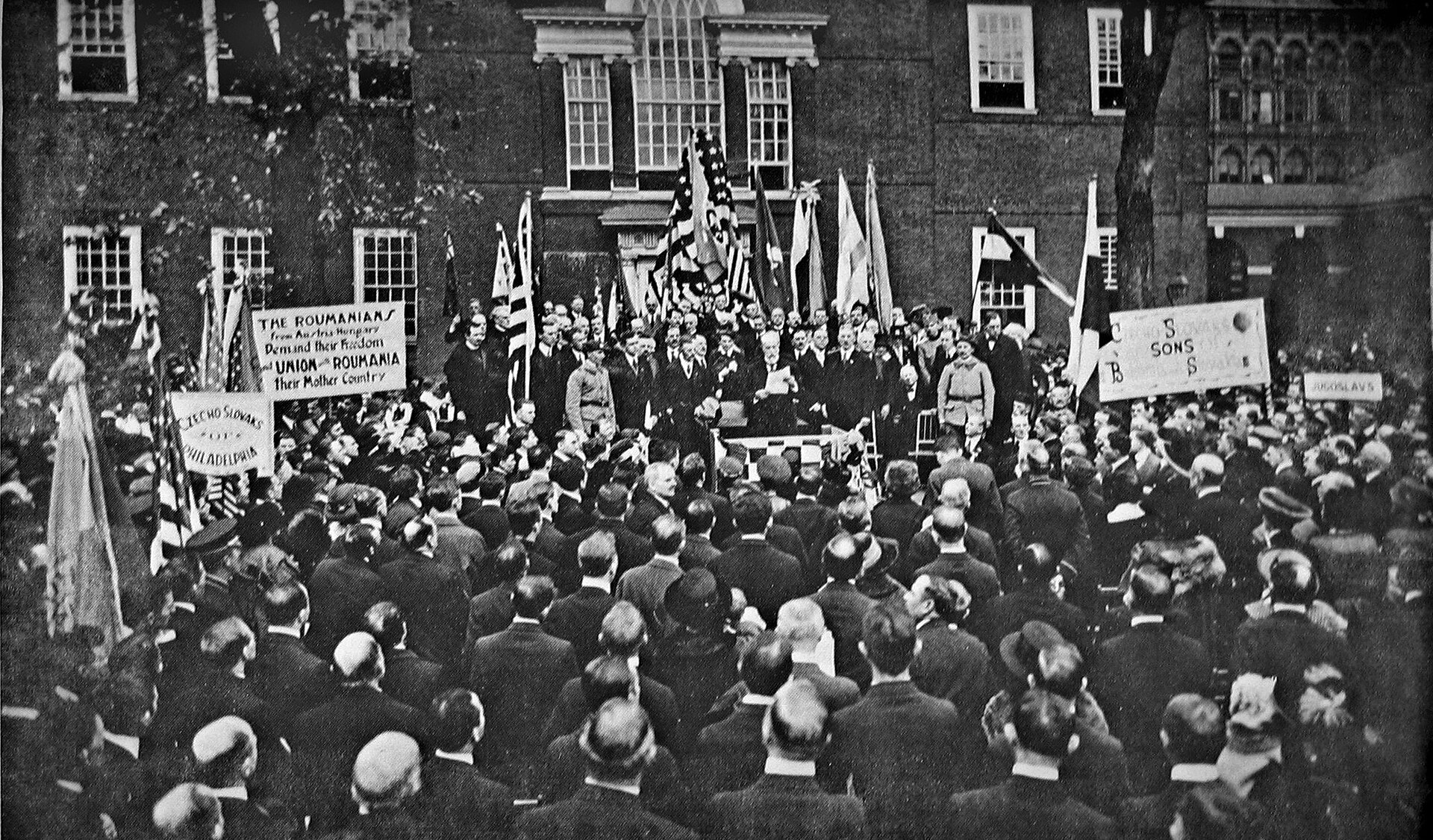
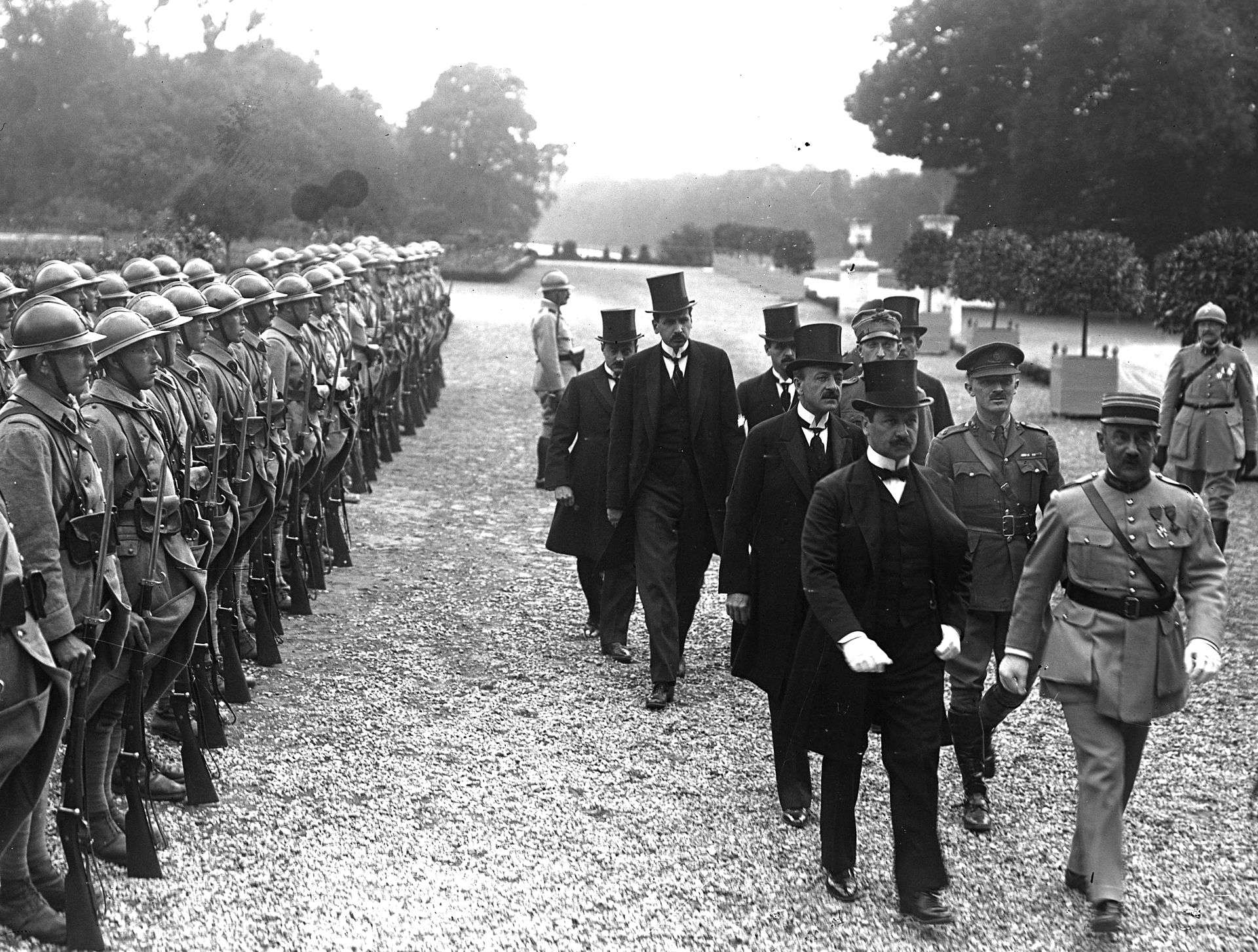
Czechoslovakia endured the Second World War, during which a Nazi-aligned Slovak puppet state briefly existed, and then four decades of communism, ended by the Velvet Revolution of 1989. In 1993 the Czechs and Slovaks parted ways peacefully, in the so-called Velvet Divorce, often held up as a model of amicable separation, and Slovakia became an independent nation for the first time.
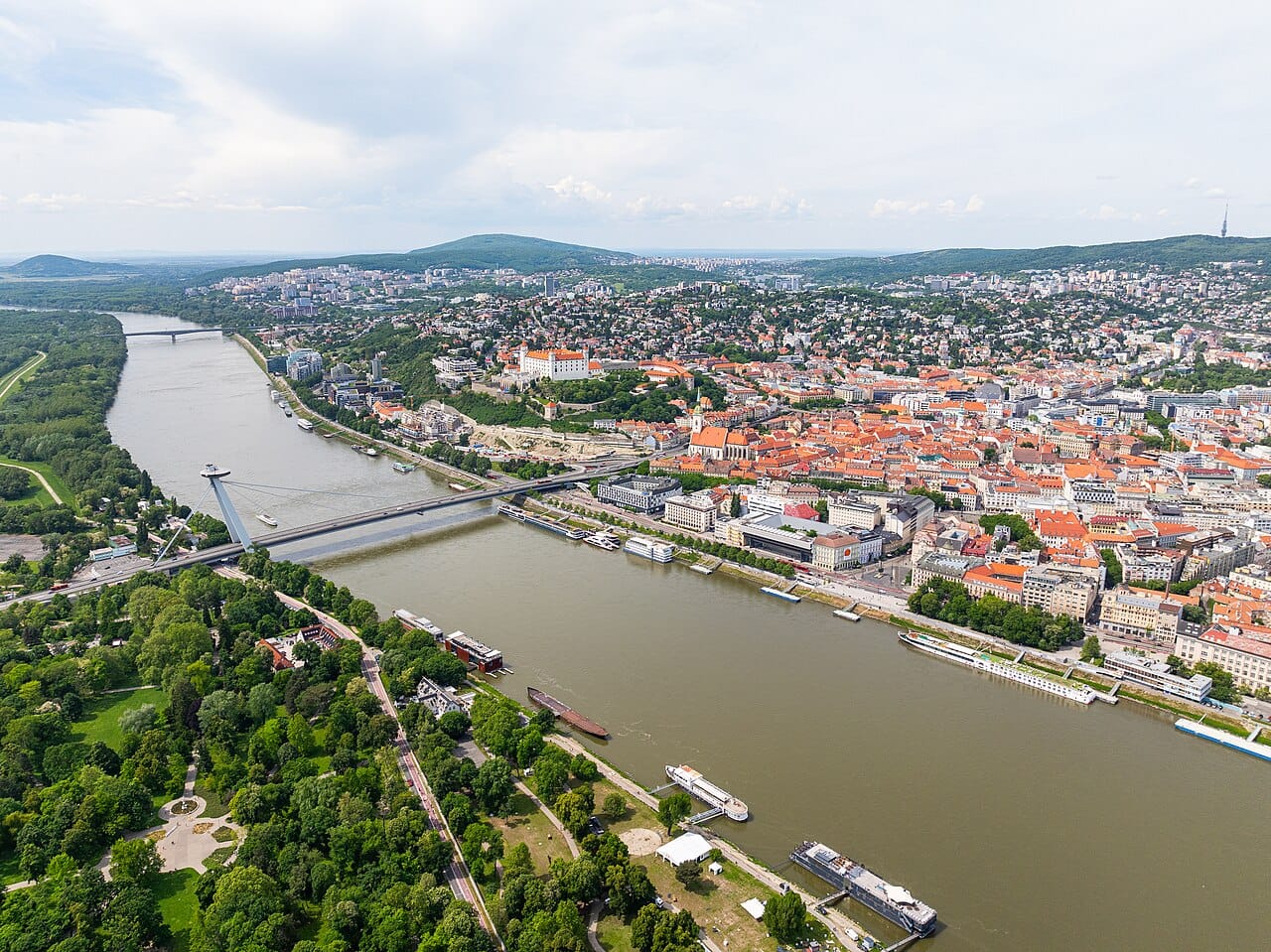
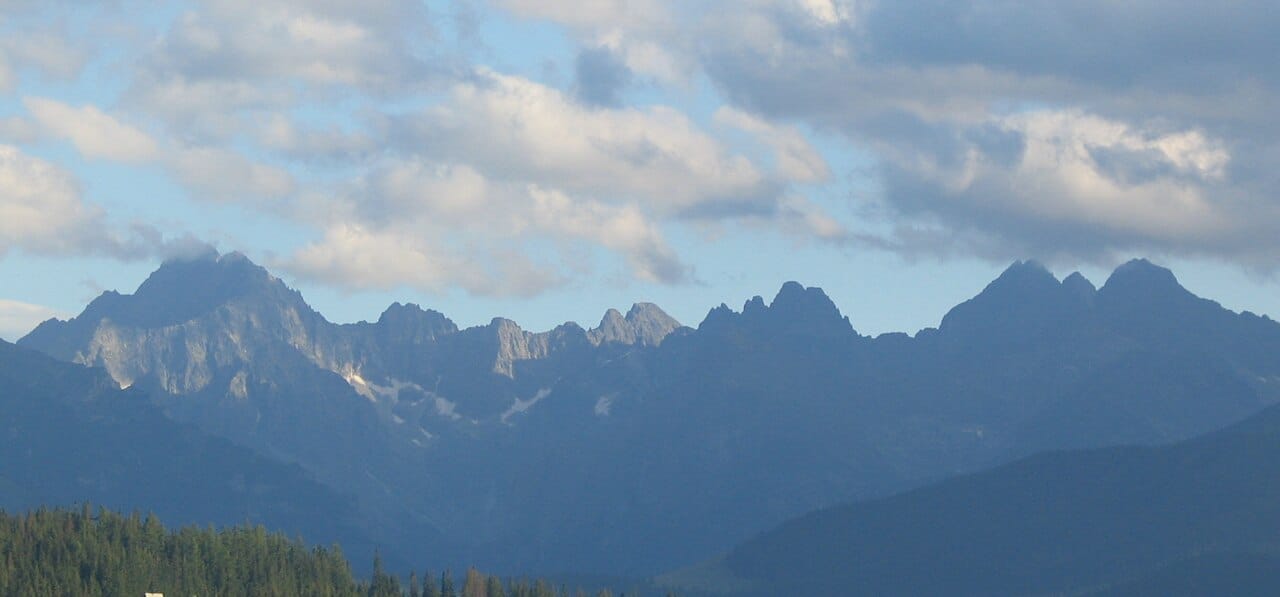
Slovakia is dominated by mountains, above all the Carpathian arc, whose highest part, the rugged High Tatras, rises along the northern border with Poland and forms the country's alpine heart. Forests cover a large part of the land, sheltering wildlife including bears, wolves, and lynx, and the country is dotted with caves and mineral springs. To the south and along the Danube lie lowlands and the most fertile farmland, where the capital, Bratislava, sits near the Austrian and Hungarian borders.
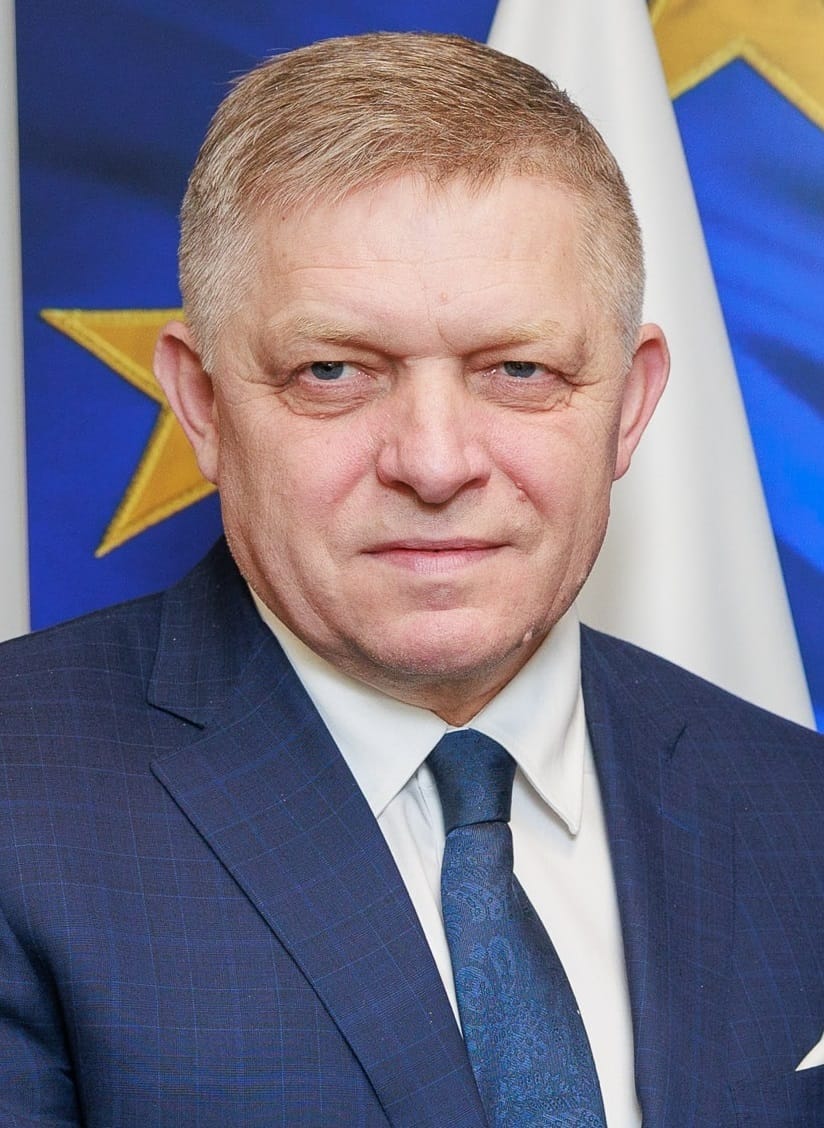
Slovakia is a parliamentary democracy, a member of the European Union and NATO since 2004 and of the eurozone. Its recent politics has been turbulent and sharply divided. The murder of an investigative journalist in 2018 brought huge anti-corruption protests that toppled the government of Robert Fico, but Fico, a populist and nationalist, returned as prime minister in 2023, and in 2024 survived an assassination attempt. His government has taken a markedly friendlier line toward Russia and a cooler one toward Ukraine and the European Union than most of the country's neighbours, and its moves to reshape the courts, the media, and anti-corruption bodies have deepened a bitter polarisation between his supporters and a pro-Western opposition.
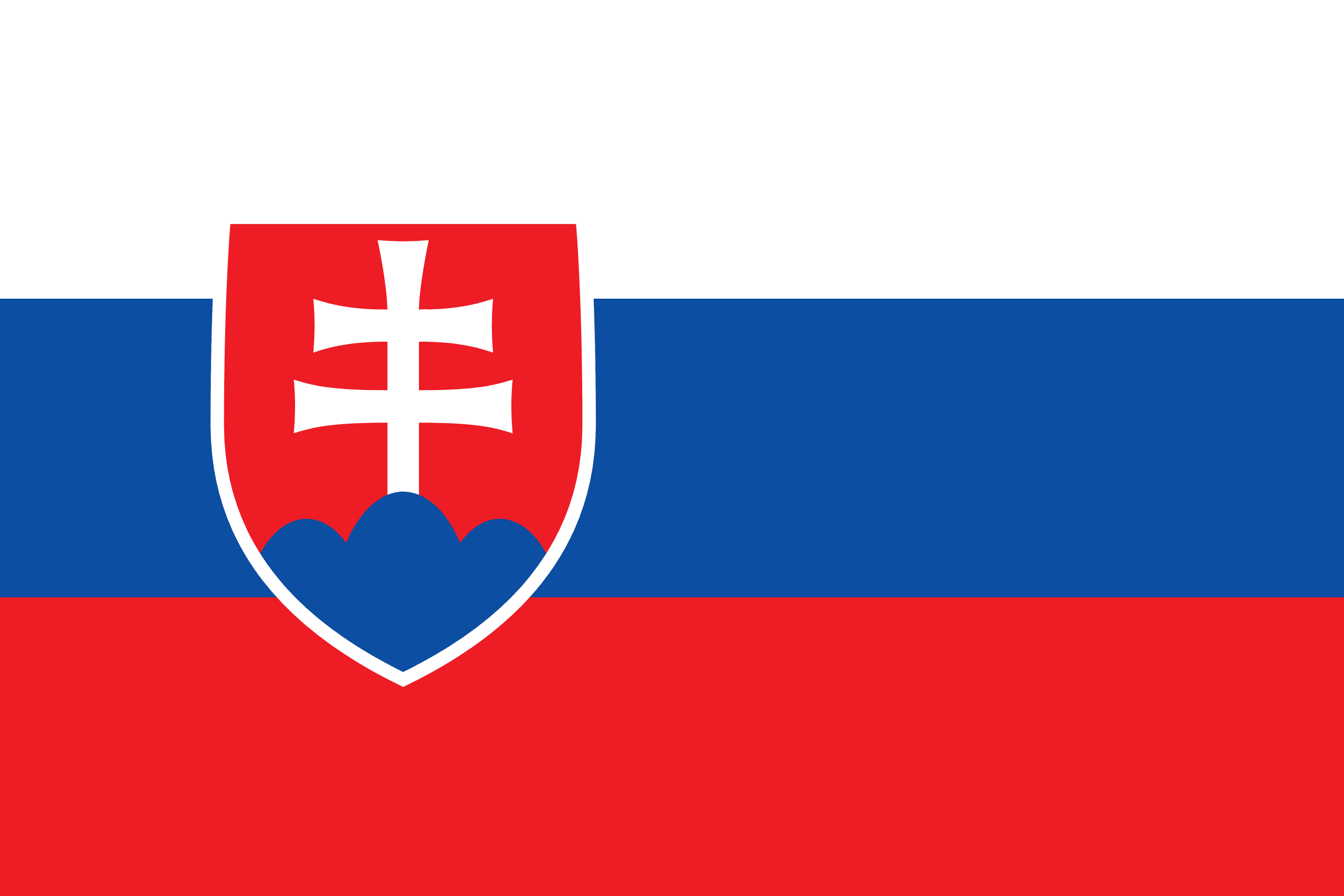
The flag of Slovakia has three horizontal bands of white, blue, and red, the pan-Slavic colours, with the national coat of arms set toward the hoist. The shield shows a white double cross standing on three blue hills, an ancient symbol associated with the region's Christian heritage and its mountainous landscape, the three hills traditionally taken to represent three mountain ranges. The emblem distinguishes the flag from those of other Slavic nations sharing the same colours.
Slovakia is among the more religious countries of Central Europe, with the majority of the population Roman Catholic, a faith with deep roots reaching back to the mission of Cyril and Methodius. There are also Protestant and Greek Catholic minorities. Religious tradition remains a significant part of national identity and rural life, marked by pilgrimages, festivals, and a landscape rich in churches, and the country preserves a strong heritage of folk customs often intertwined with the religious calendar.
Slovak cuisine is hearty and rooted in the produce of a mountainous, farming country. The national dish is bryndzove halusky, small potato dumplings served with a soft, tangy sheep's cheese and topped with bits of bacon, a comforting dish born of the shepherding tradition of the Carpathians. Pork, cabbage, potatoes, and dumplings feature widely, alongside thick soups, and the country produces wines in its southern regions and a strong tradition of fruit brandies.
Slovak agriculture is concentrated in the fertile lowlands of the south, especially along the Danube, where farmers grow wheat, maize, sugar beet, and sunflowers. The warmer southern regions also support vineyards and orchards. The mountainous north and centre, less suited to crops, have a long tradition of raising sheep and cattle on upland pastures, the source of the sheep's cheese central to the national dish. Forestry is significant in the heavily wooded uplands.
Since independence Slovakia has built one of the most industrialised economies in Central Europe, powered above all by cars: with major plants of Volkswagen, Kia, Stellantis, and Jaguar Land Rover, it produces more cars per head of population than any other country in the world, earning the nickname the Detroit of Europe. Electronics, machinery, and metals add to a strong manufacturing base tightly bound to the German economy. Membership of the European Union and the euro has anchored this prosperity, though the country still contends with regional inequality and the pull of workers toward wealthier neighbours.
Slovak culture is rooted in the mountains and the village, with one of the richest folk traditions in Europe, alive in vivid embroidered costumes, wooden churches, haunting fujara pipe music, and a calendar of festivals often woven together with the Catholic faith. The Slovaks are a proud, close-knit people, closely related in language and outlook to the Czechs with whom they long shared a state, yet with a distinct identity forged over a thousand years within Hungary. The land is famously dotted with castles, and the High Tatras and the national passion for ice hockey are further sources of national pride.
For all its prosperity, Slovakia is a nation split down the middle. On one side stands a pro-Western, liberal outlook, embodied in the mass protests against corruption after the murder of the journalist Jan Kuciak and in a run of pro-European leaders; on the other, the populist nationalism of Robert Fico, warier of the European Union, friendlier to Russia, and cooler toward Ukraine, which has won repeated elections. The two camps clash bitterly over the country's direction, over its ties to Moscow and Brussels, and over the government's efforts to reshape the courts, the media, and the fight against corruption, which critics fear echo the illiberal path of neighbouring Hungary. The shooting of the prime minister himself in 2024 laid bare how poisonous the division has become. Which way Slovakia will turn, and how it will hold together, is the open question of its politics.
Slovakia has a population of around 5.4 million people, the great majority ethnic Slovaks, a West Slavic people closely related to the Czechs, with a significant Hungarian minority in the south and a Roma community among others. Most Slovaks live in towns and cities, above all the capital, Bratislava, which sits on the Danube at the very edge of the country, near Vienna. A strong tradition of folk music, costume, and craft remains a cherished part of the national culture.