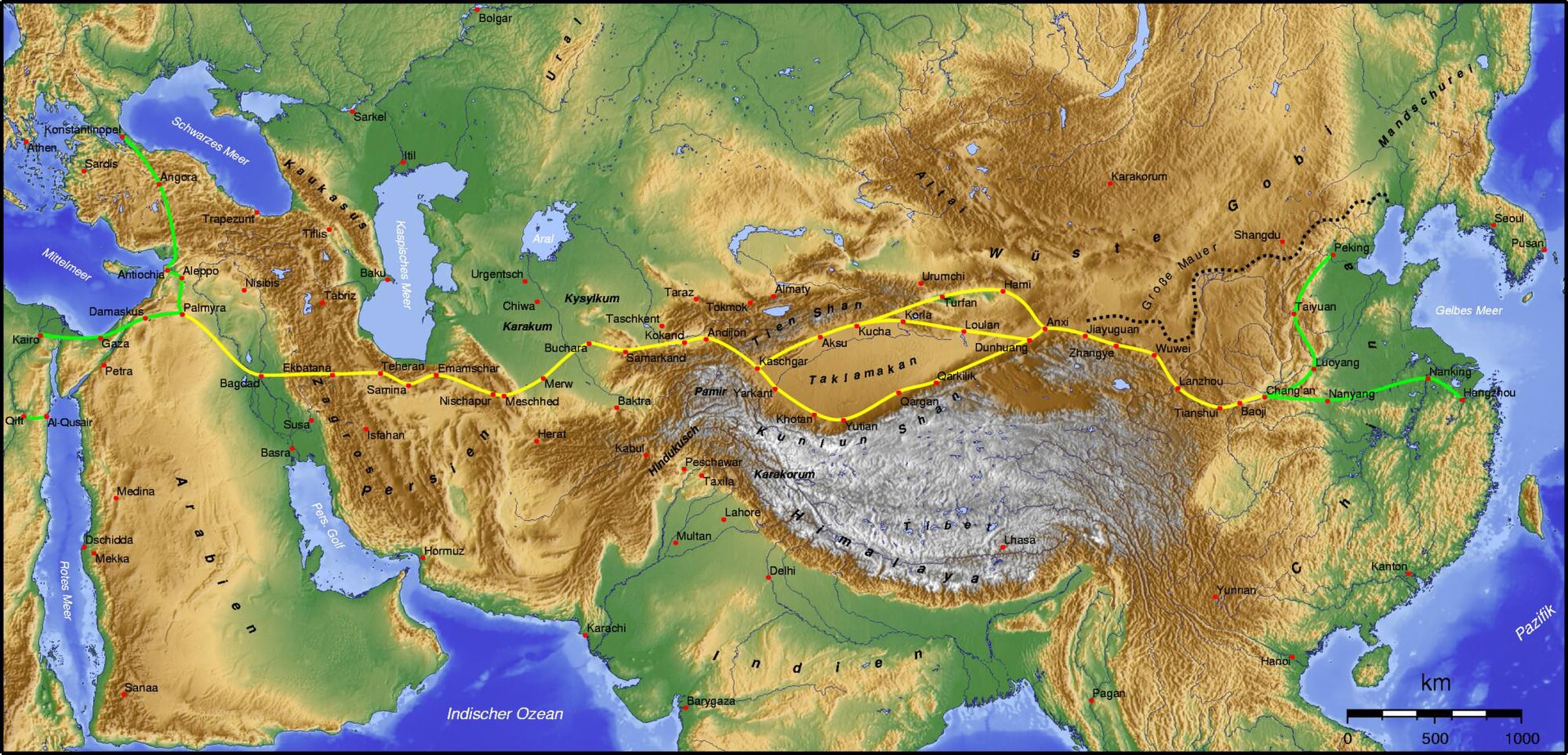
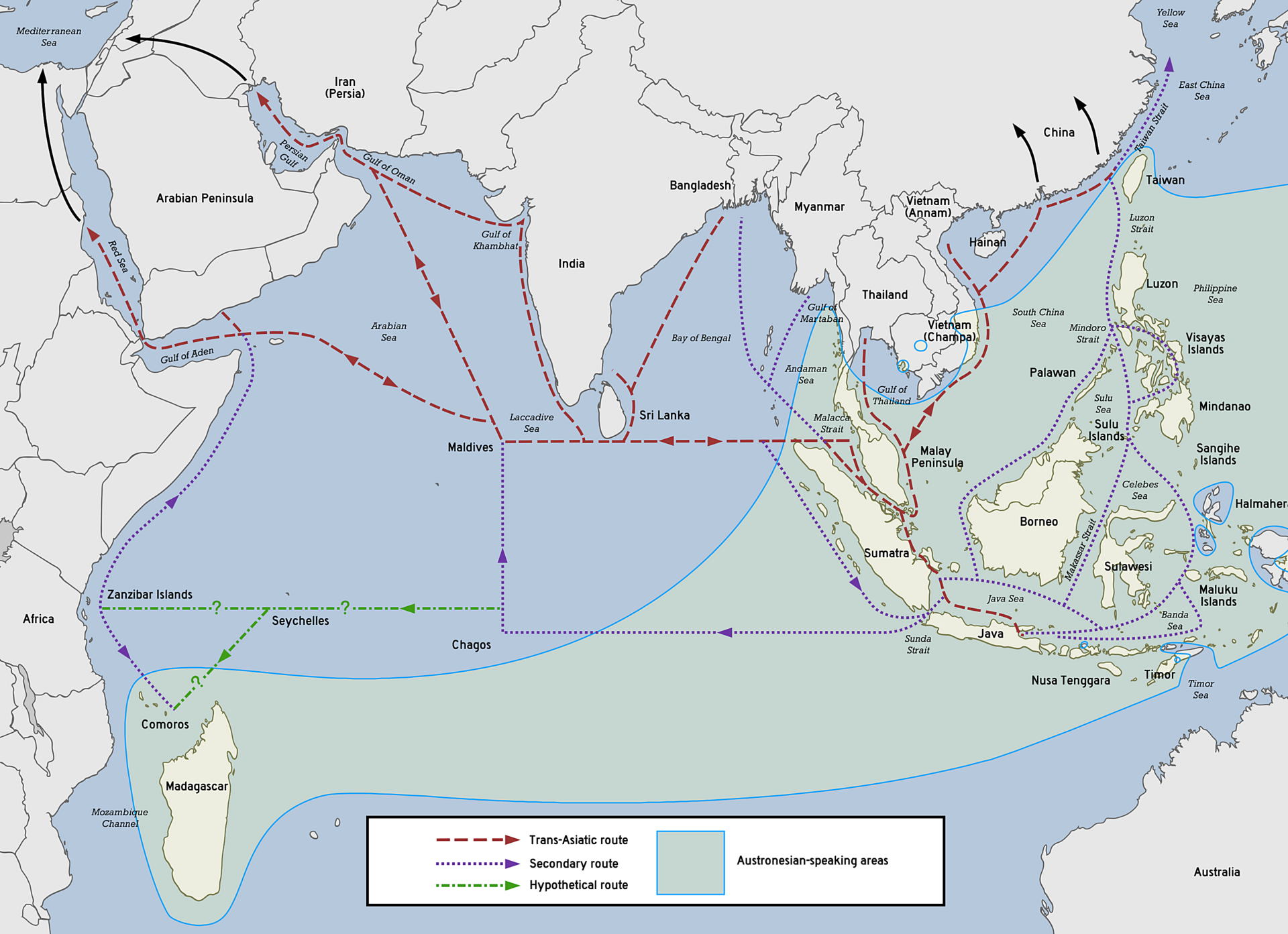
The Silk Road was a vast network of trade routes that connected China with Central Asia, the Middle East, and Europe for many centuries. More than a single road, it was a web of land and sea routes along which goods, ideas, religions, and even diseases travelled across the ancient and medieval world.
The Silk Road was never one paved highway but a shifting collection of caravan tracks and sea lanes stretching thousands of miles. The name, coined only in the nineteenth century, comes from the prized Chinese silk that flowed westward, though it carried countless other goods. Routes rose and fell with politics, weather, and the fortunes of the empires along the way.
Few traders travelled the whole length of the Silk Road. Instead, goods passed from hand to hand, merchant to merchant, across deserts, mountains, and oceans, each carrying them a stage farther and taking a share of the profit. By the time a bolt of silk reached Rome, it had crossed many borders and changed owners many times.
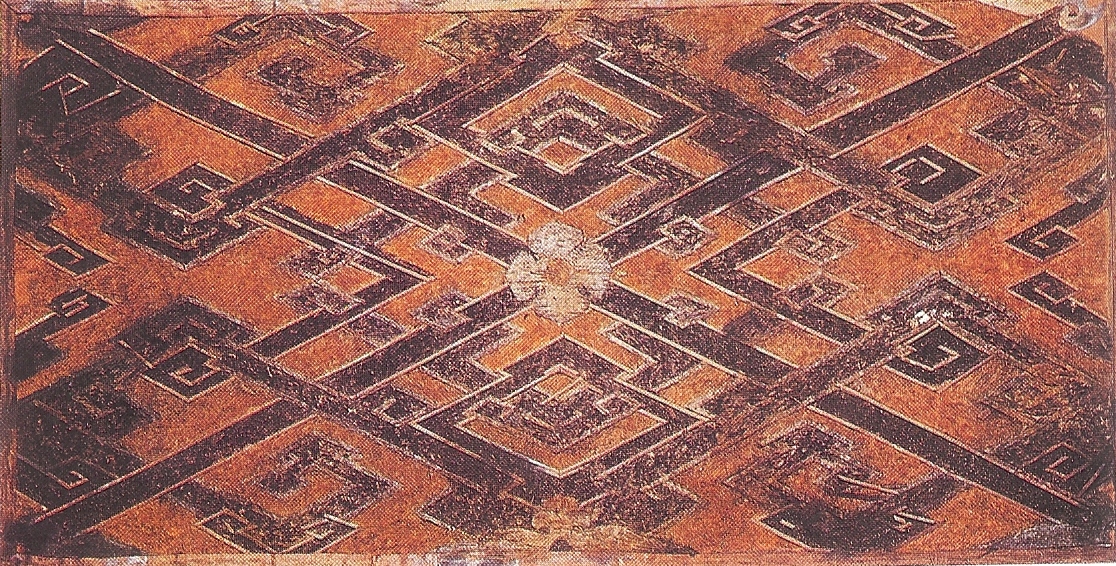
Silk, spices, tea, porcelain, gold, glass, gems, and horses moved along the route, prized luxuries in distant lands. The Romans craved Chinese silk so deeply that some worried it drained their treasury. In return, the West sent goods of its own, and the constant exchange linked economies separated by half the world.
The Silk Road's deeper importance was the exchange of ideas. Religions spread along it: Buddhism travelled from India into China, and later Islam and Christianity moved with the caravans. Art, music, languages, and knowledge flowed in both directions, mingling cultures that would otherwise never have met.
Some of history's most important inventions travelled the Silk Road. Paper and, later, gunpowder and printing made their way from China toward the West, reshaping societies far from where they began. In the other direction came new crops, techniques, and goods, each transforming the lands that received it.
Great cities flourished as hubs of the trade, from Samarkand and Bukhara in Central Asia to the oasis towns that ringed the deserts. These were cosmopolitan crossroads where merchants of many faiths and tongues met, and where wealth from passing caravans paid for mosques, markets, and palaces.
The Silk Road thrived most when powerful empires kept the routes safe, such as the Han and Tang dynasties of China and, later, the vast Mongol realm, which allowed relatively secure travel across most of Asia. When central power collapsed, banditry and war could choke the trade and shift it elsewhere.
The overland Silk Road declined as sea routes grew dominant and ocean going ships could carry goods more cheaply and safely. Yet its legacy is profound. It linked distant civilizations, spread cultures, technologies, and faiths, and laid early foundations for the connected, globalized world we know today.