Sierra Leone is a country on the Atlantic coast of West Africa, a land of beaches, rainforest, and one of the world's largest natural harbours. Its name, meaning Lion Mountains, was given by an early Portuguese explorer. The country has a distinctive history: its capital, Freetown, was founded as a home for freed slaves, and its people include the descendants of those who returned to Africa from across the Atlantic. In more recent times it endured a brutal civil war fuelled in part by its diamonds.
Sierra Leone's history is bound up with the Atlantic slave trade and its aftermath: a coast that sent people into bondage and a capital founded to receive them back in freedom, a nation later torn by a war over its diamonds.
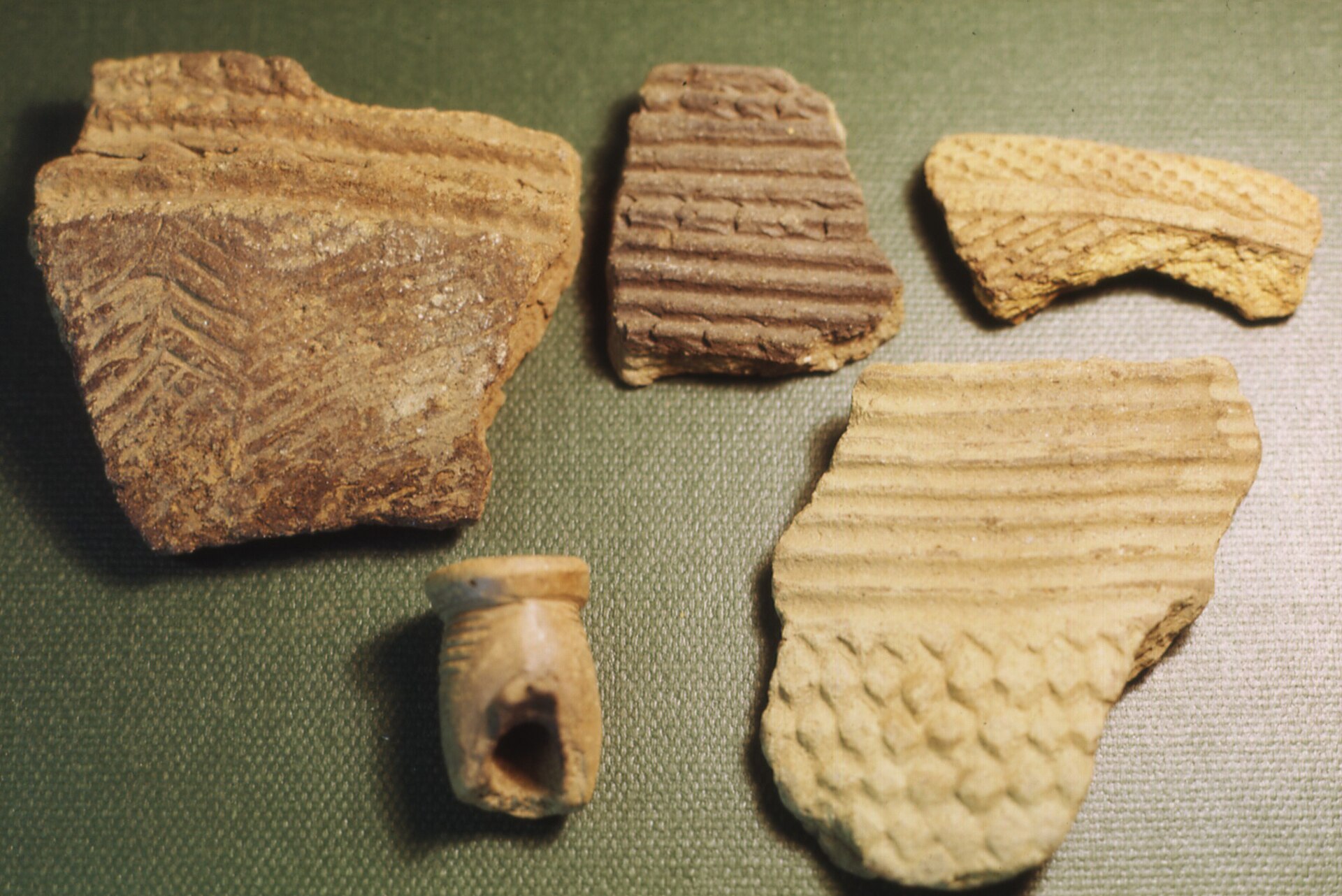
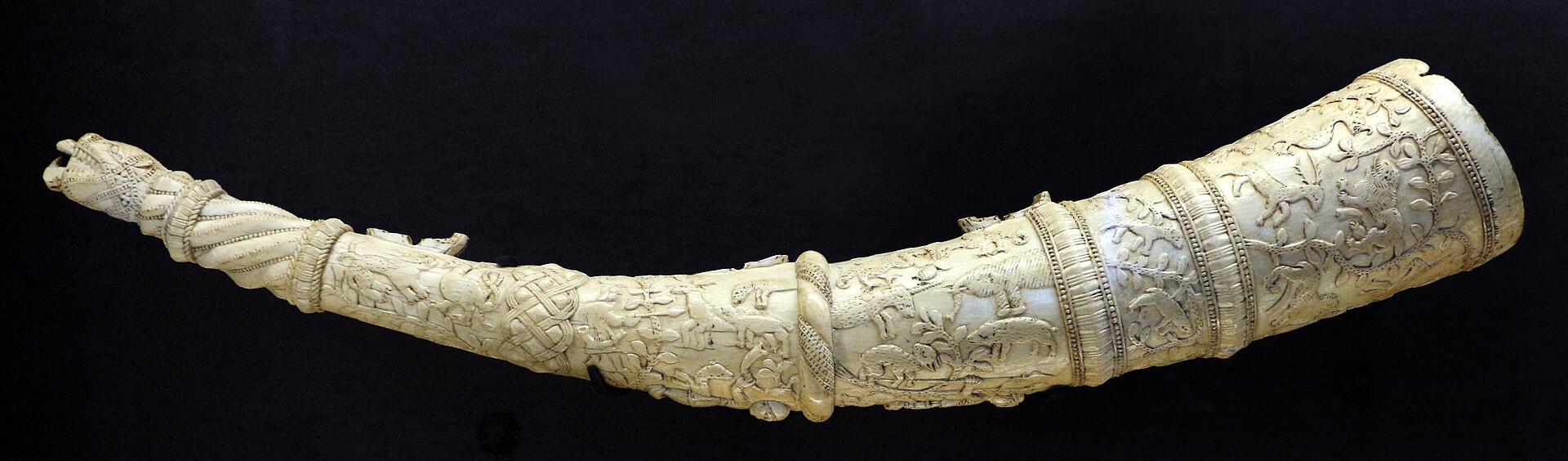
The region was long inhabited, its rock shelters holding pottery thousands of years old, and by the time Europeans arrived its coast was home to the Sapi peoples, master craftsmen whose beautifully carved ivories so impressed Portuguese traders that they commissioned works to carry back to Europe, among the earliest African art made for a European market.
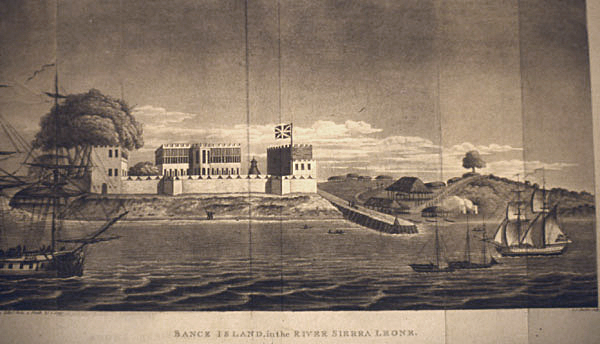
From the sixteenth century the coast was drawn into the Atlantic slave trade, and the island of Bunce, with its slave castle, became a notorious departure point, sending many captives to the rice plantations of the American South. Then, in a remarkable reversal, the British founded a settlement here at the end of the eighteenth century as a home for freed and rescued slaves, its very name, Freetown, a statement of purpose. Freed people from London, from Nova Scotia, Jamaican Maroons, and above all Africans liberated by the Royal Navy from intercepted slave ships, settled there and blended into a new people, the Krio, with their own English-based language and culture.
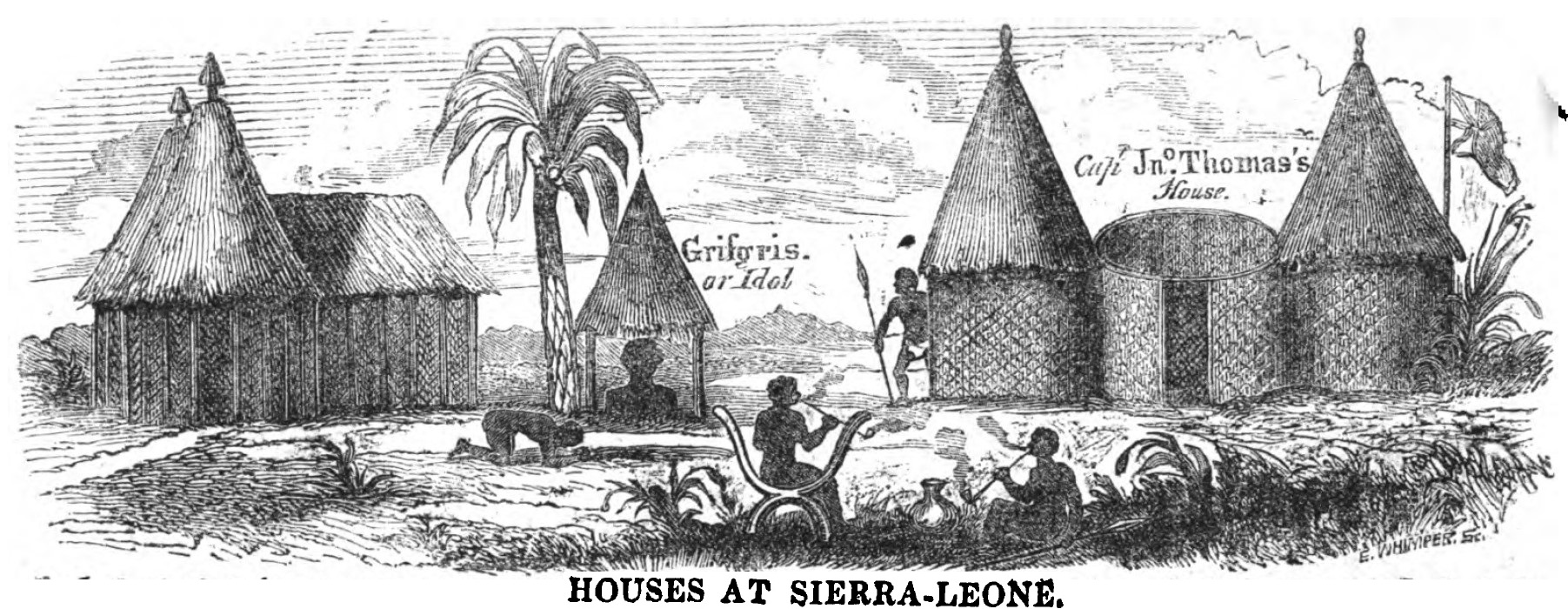
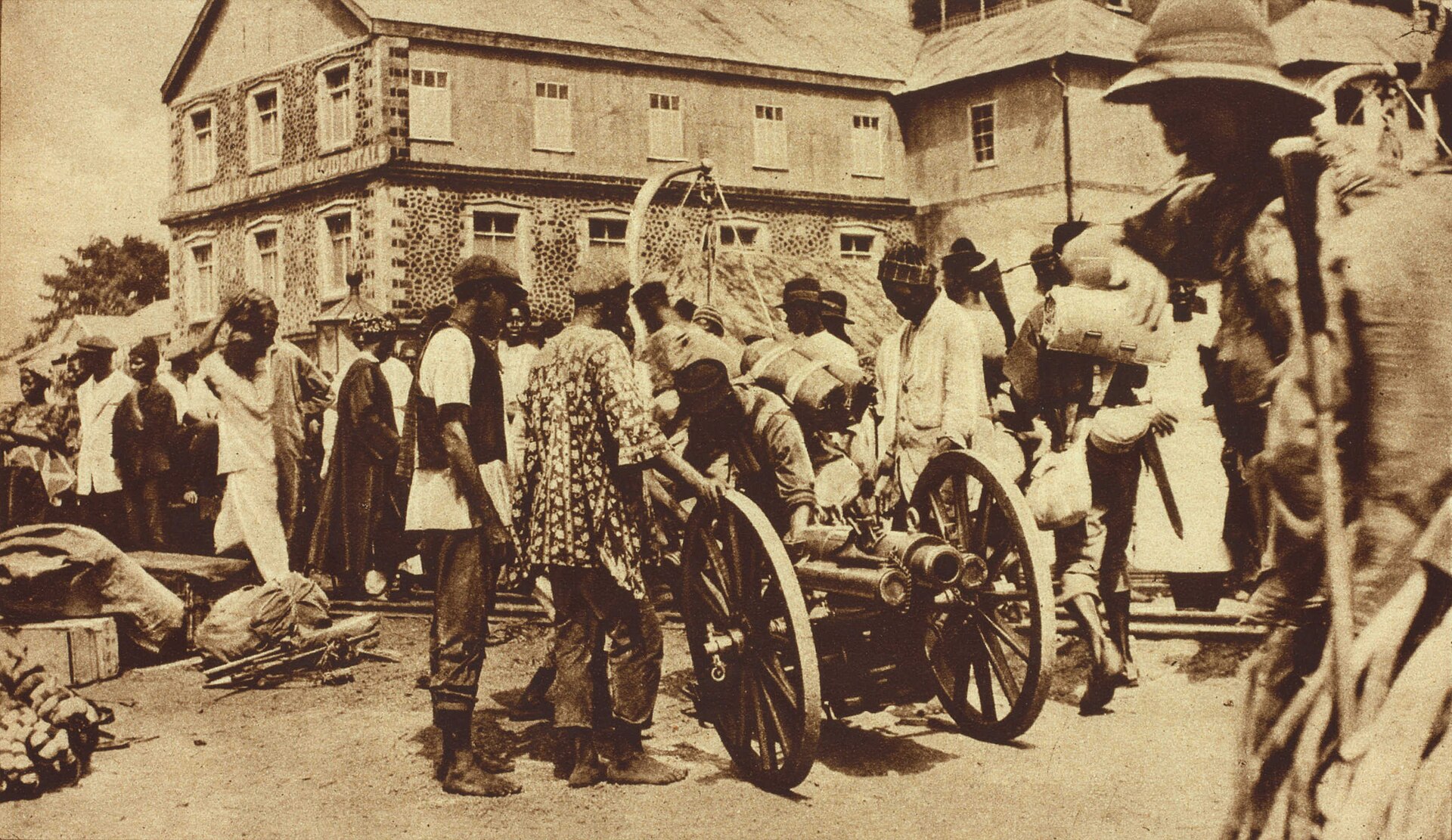
Britain made Freetown a colony and, later, extended a protectorate over the interior, a division between the Krio coast and the indigenous hinterland that would shape the country's politics. Colonial rule met resistance, notably the Hut Tax War of 1898 led by the Temne chief Bai Bureh. Sierra Leone gained independence peacefully in 1961, but its promise was squandered in the decades that followed by corrupt one-party rule, setting the stage for catastrophe.
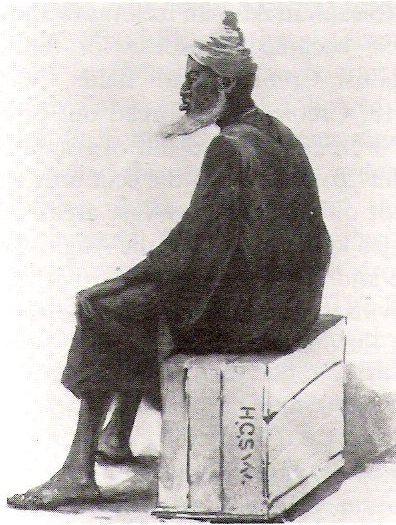
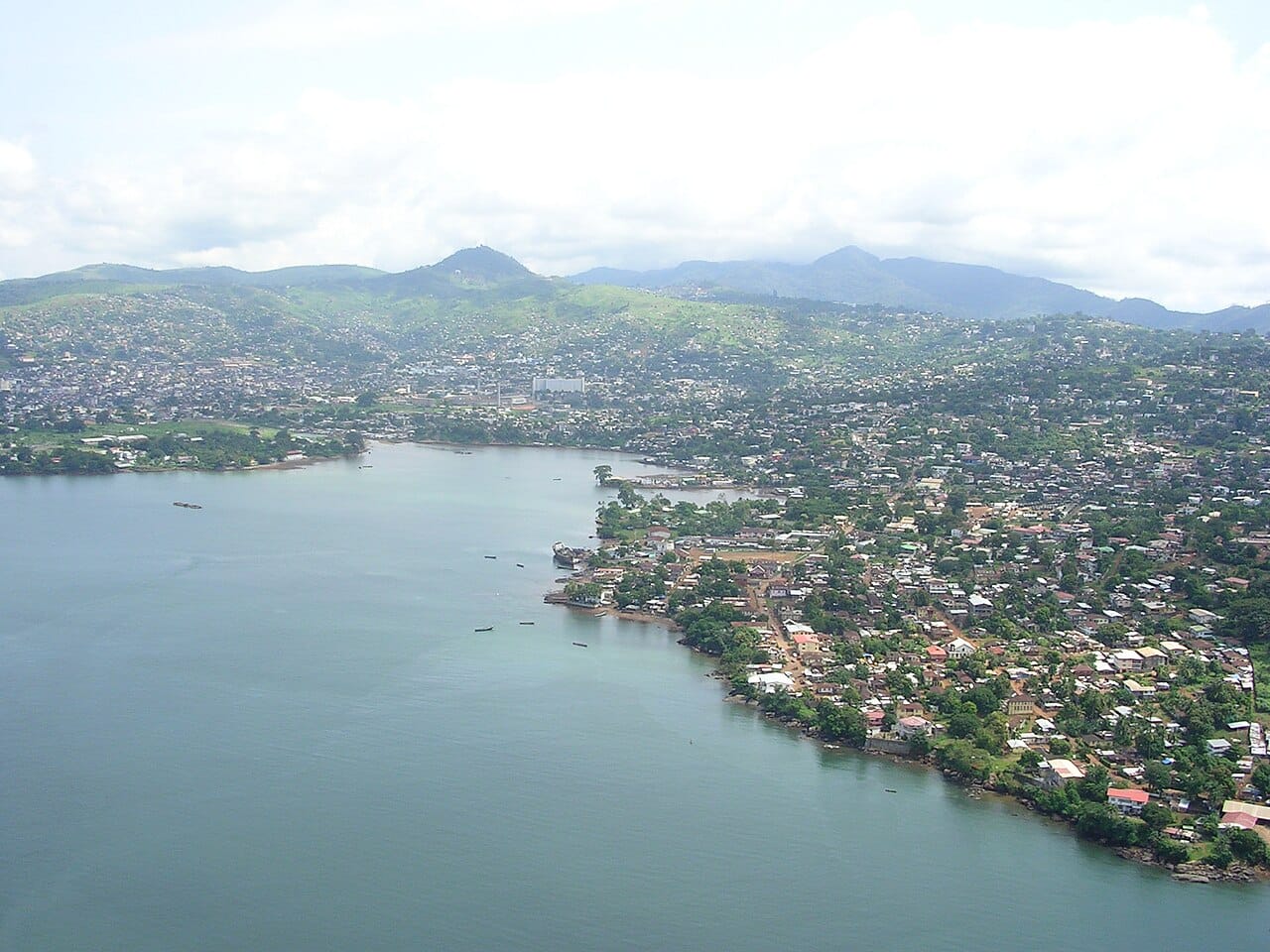
Sierra Leone has a varied landscape, from a swampy Atlantic coastline and the mountainous peninsula on which Freetown sits, beside one of the largest natural harbours in the world, to interior plains and plateaus rising to hills and mountains in the east. The climate is hot and tropical, with a heavy rainy season, and the country was once largely covered in rainforest, much of it now cleared. This green, well-watered land supports farming and holds significant mineral deposits, including diamonds.
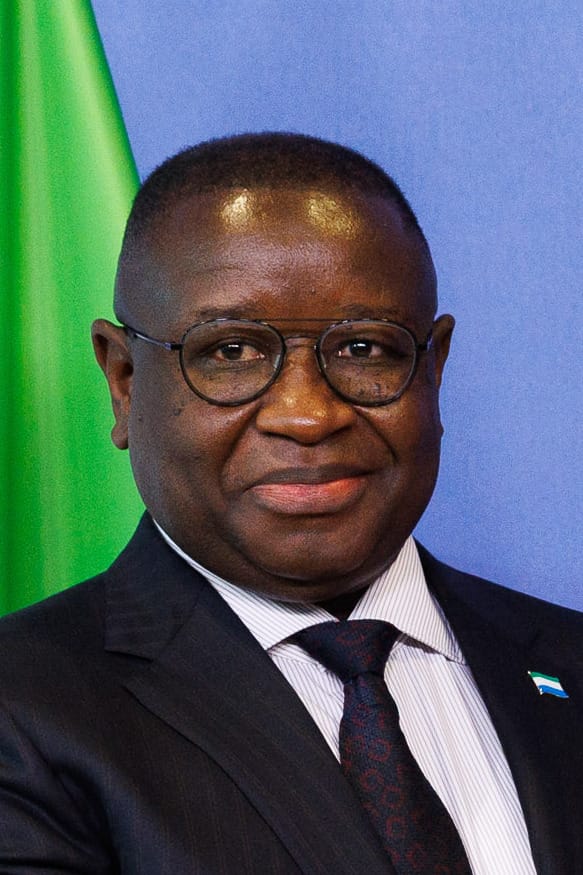
Sierra Leone is a republic that, since the end of its civil war in 2002, has rebuilt a functioning democracy, holding regular elections in which power has, at times, passed peacefully between its two dominant parties, the SLPP and the APC. The president since 2018, re-elected in a bitterly disputed vote in 2023, is Julius Maada Bio, himself a former military ruler who briefly led a junta in the 1990s before handing power to civilians. His government has grappled with the enduring challenges of deep poverty, corruption, and the still-raw legacy of the war, and Sierra Leone has taken on a larger regional role, including a term representing West Africa on the world stage.
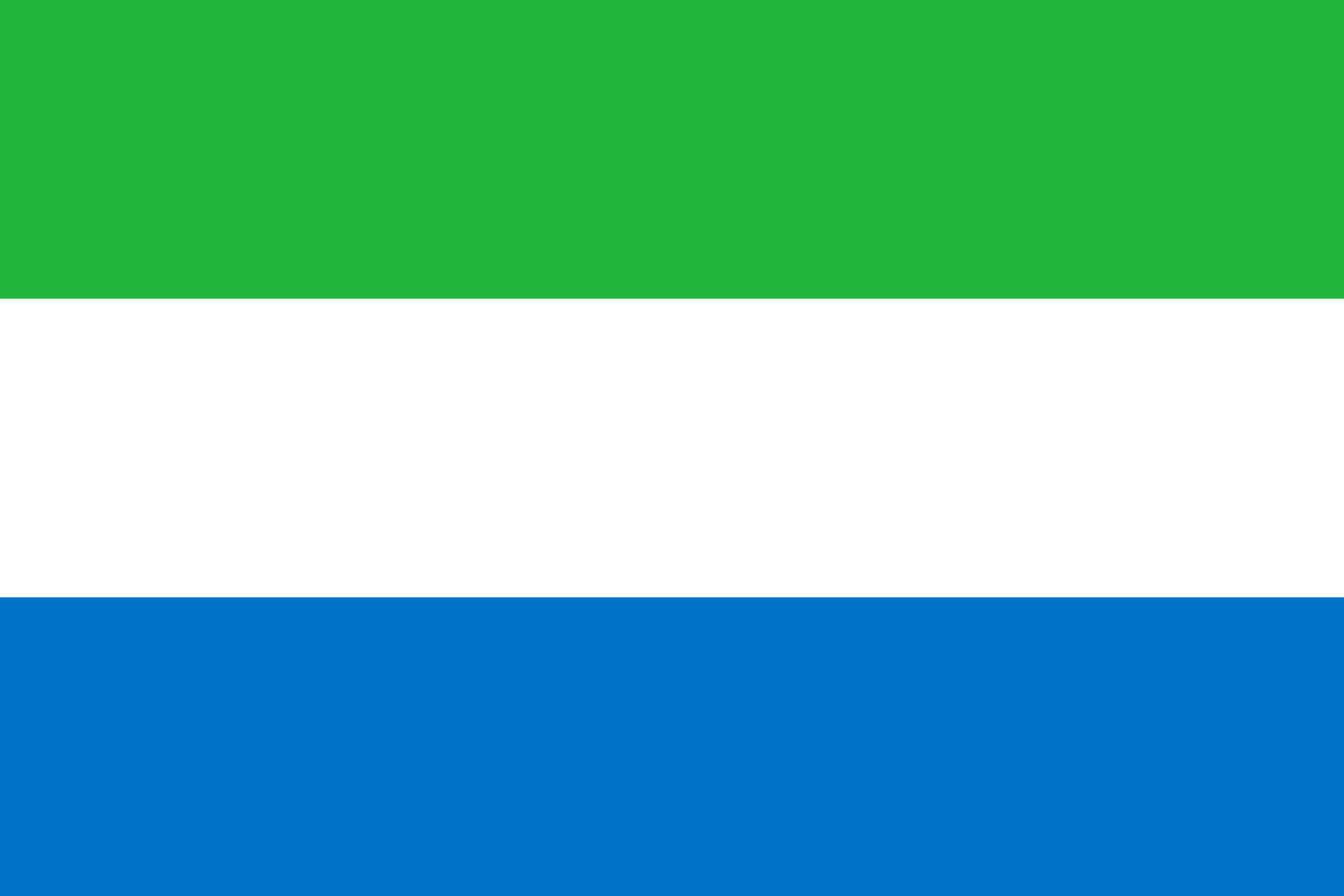
The flag of Sierra Leone has three horizontal bands of green, white, and blue. The green is said to represent the country's agriculture and its mountains and natural resources, the white unity and justice, and the blue the hope offered by the natural harbour of Freetown and the Atlantic Ocean beyond. The simple, calm tricolour was adopted at independence in 1961, expressing the aspirations of the new nation.
Sierra Leone is notable for its religious tolerance and coexistence. The majority of the population is Muslim, predominantly Sunni, alongside a substantial Christian minority, both Catholic and Protestant, and many people who follow traditional African religions. It is common for these faiths to live side by side, even within families, and for festivals of one religion to be shared by others. Traditional secret societies and beliefs also remain an influential part of the culture.
The cuisine of Sierra Leone centres on rice, eaten at nearly every meal and considered so essential that a day without it is hardly thought a proper day of eating. Rice is served with rich, often fiery sauces, including the popular cassava-leaf and potato-leaf stews and groundnut soup, accompanied by fish, chicken, or meat. Plenty of chili, palm oil, and fresh produce characterise the food, and fish from the Atlantic and the rivers is an important part of the diet.
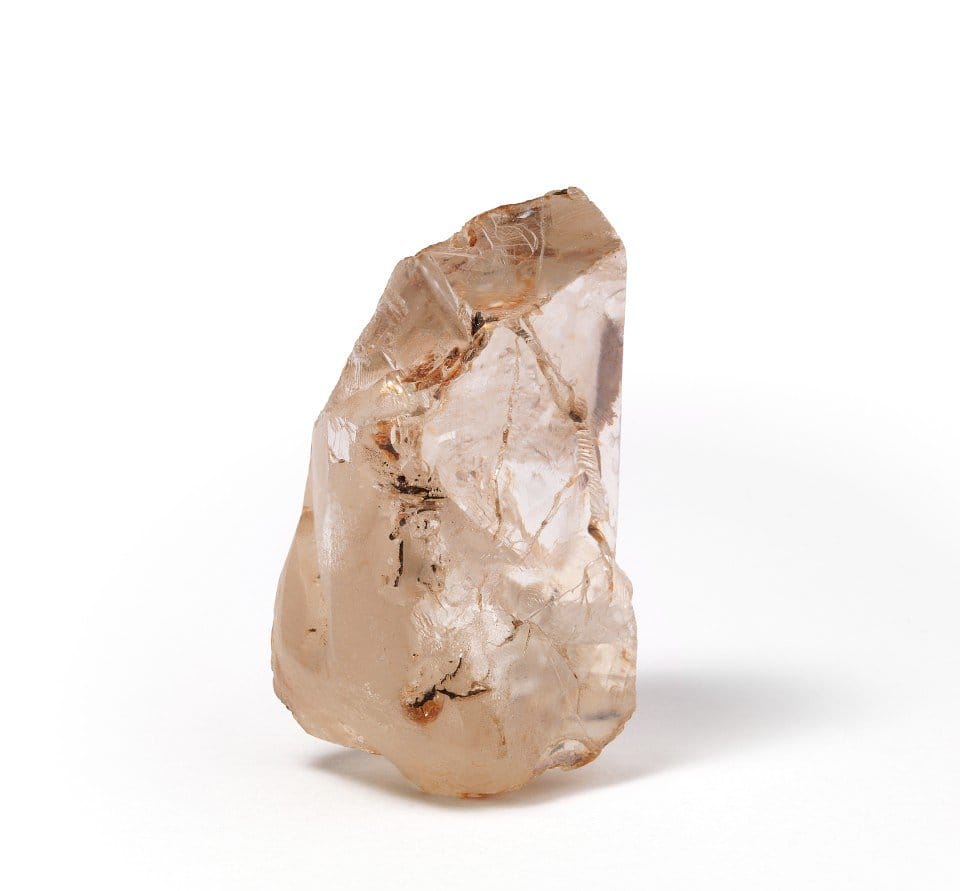
Agriculture is the livelihood of most people in Sierra Leone, who grow rice, the staple crop, along with cassava, sweet potatoes, and a range of vegetables, much of it on small farms, while cocoa, coffee, and oil palm are grown for export. The country is also rich in minerals, above all diamonds, mined from its gravels and notorious during the civil war, as well as rutile, bauxite, and gold. Fishing in the rich Atlantic waters is another important resource.
The defining trauma of modern Sierra Leone was the civil war of 1991 to 2002, one of the most brutal conflicts of its era. It began when the Revolutionary United Front, a rebel movement backed by the warlord Charles Taylor in neighbouring Liberia, invaded from the east, and it was financed above all by the country's diamonds, dug from riverbeds and smuggled out to buy weapons, the original blood diamonds that gave the world a chilling phrase. The war became notorious for its horrors: the systematic hacking off of civilians' hands and limbs, the abduction of children forced to fight, and massacres that killed tens of thousands and drove half the population from their homes. It was ended only by a large United Nations peacekeeping mission and a decisive British military intervention in 2000, after which a special court was set up that eventually convicted Charles Taylor of war crimes. Barely recovered, the country was struck again by the West African Ebola epidemic of 2014, which killed thousands more.
Sierra Leone has a population of around 8 million people, made up of several ethnic groups, the largest being the Temne and the Mende, along with the Krio, the descendants of freed slaves whose language, an English-based creole, serves as a widely spoken lingua franca alongside the official English. The population is young and concentrated in the rural farming areas and in the capital, Freetown, on its harbour peninsula. The country has worked to rebuild a sense of national unity since its civil war.