Seychelles is an island nation in the Indian Ocean, an archipelago of 115 islands lying northeast of Madagascar, far from any continent. Famous for its idyllic beaches of white sand and granite boulders, its turquoise seas, and its rare wildlife, it is a tropical paradise and one of the world's most exclusive holiday destinations. The smallest sovereign African country by population, it is also one of the wealthiest, having built prosperity on tourism and fishing in its vast ocean territory.
Seychelles is one of the very few countries anywhere with no indigenous population, because until the eighteenth century nobody lived there. Everything about its society was assembled in the last two hundred and fifty years.
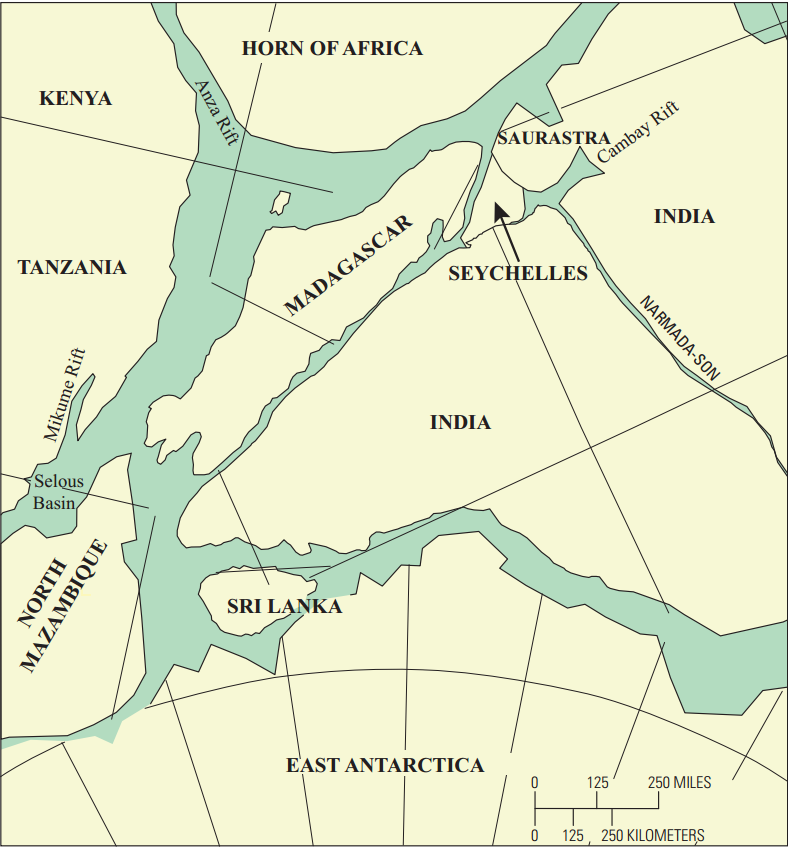
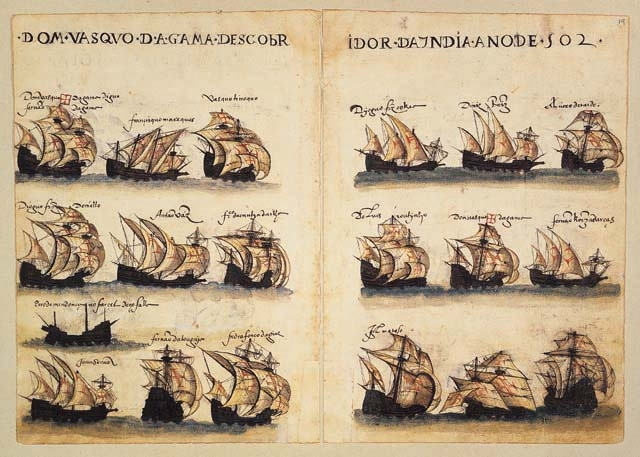
The inner islands are granite, fragments of the ancient supercontinent Gondwana left behind when India tore away from Africa and Madagascar, which makes them geologically among the oldest ocean islands in the world and explains why they look nothing like the volcanic or coral islands elsewhere in the Indian Ocean. Arab navigators knew of them, and Portuguese fleets, including one under Vasco da Gama in 1502 that gave its name to the Amirantes, sighted and charted them, but nobody settled. Pirates and privateers used them as a refuge in the seventeenth and early eighteenth centuries.
France claimed the islands in 1756 and named them for Jean Moreau de Sechelles, Louis the Fifteenth's finance minister. Settlers arrived from Mauritius and Reunion, bringing enslaved Africans and Malagasy to work small plantations of spices, cotton, and coconut. Britain took the islands during the Napoleonic Wars, and they were administered from Mauritius until 1903, when Seychelles became a separate crown colony. Slavery was abolished in the 1830s, and the Royal Navy's anti-slaving patrols landed thousands of liberated Africans here, taken from ships intercepted in the Indian Ocean, who joined the population. From these components, French planters, Africans and Malagasy brought in slavery, liberated Africans, and later Indian and Chinese traders, came the Seychellois Creole society and its language.
The islands were also useful as a place to put people. Britain exiled a string of inconvenient figures here, including the Ashanti king Prempeh the First, Archbishop Makarios of Cyprus, and rulers from Egypt, Uganda, and Malaya.
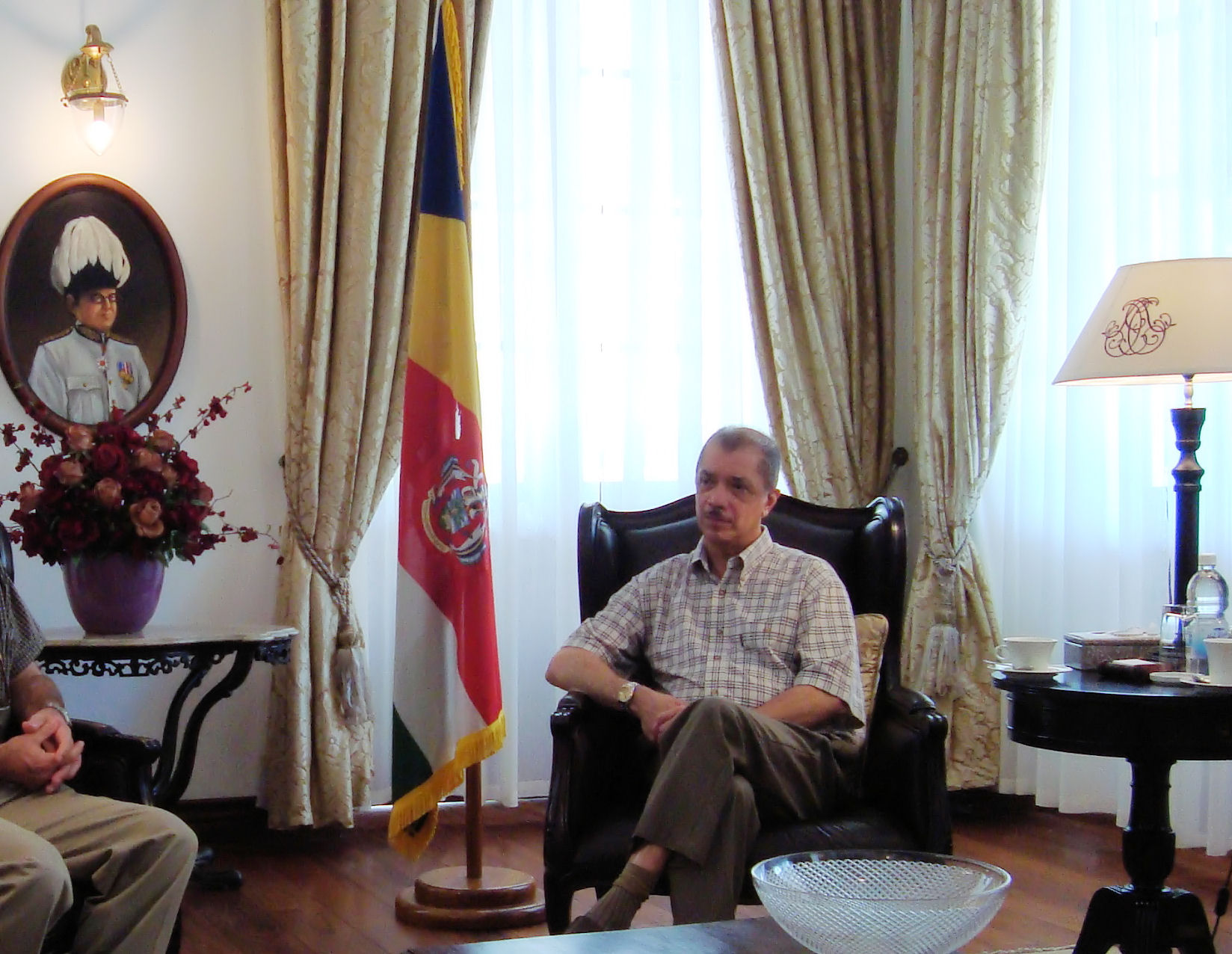
Independence came on 29 June 1976 with James Mancham as president. A year later his prime minister, France-Albert Rene, took power in a coup while Mancham was abroad, and governed for twenty-seven years, first as a one-party socialist state and then, after multiparty politics was restored in 1993, as an elected president. An attempted counter-coup in 1981 by mercenaries under Mike Hoare, who arrived disguised as a beer-drinking club and were exposed by a rifle found in a bag at the airport, remains the most improbable episode in the country's history.
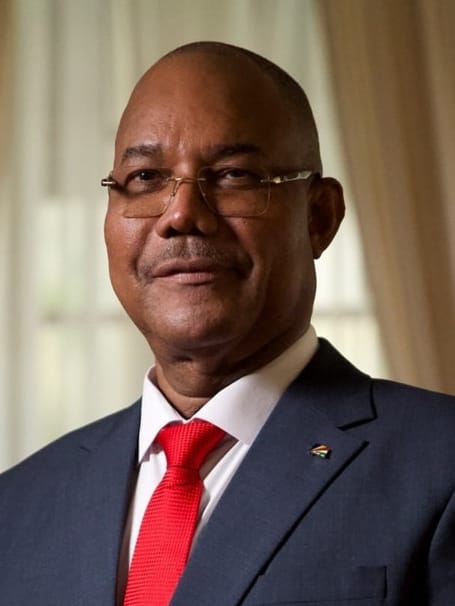
Rene handed over to James Michel in 2004. In 2020, Wavel Ramkalawan, an Anglican priest, won the presidency, ending forty-three years of rule by the same party and producing the country's first change of governing party by election. In the runoff of October 2025 he was in turn defeated by Patrick Herminie of United Seychelles, who took 52.7 per cent and was sworn in on 26 October 2025, returning the old ruling party to power with a parliamentary majority as well. Two peaceful handovers in five years have given Seychelles an unusually strong democratic record for its region.
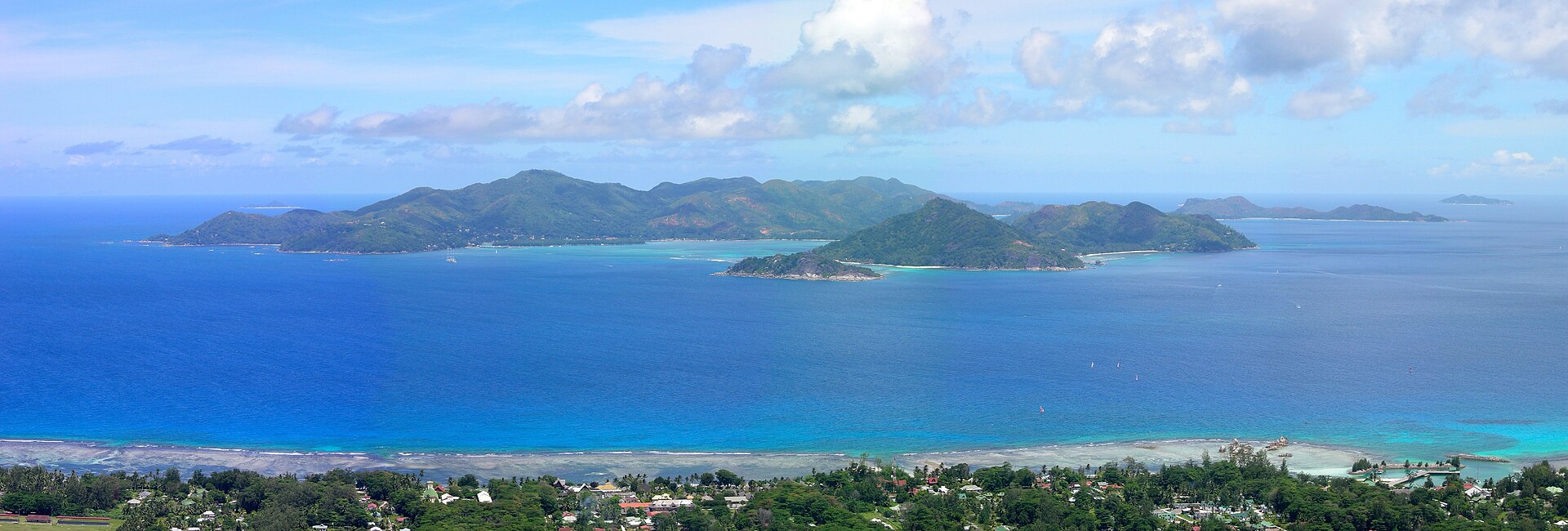
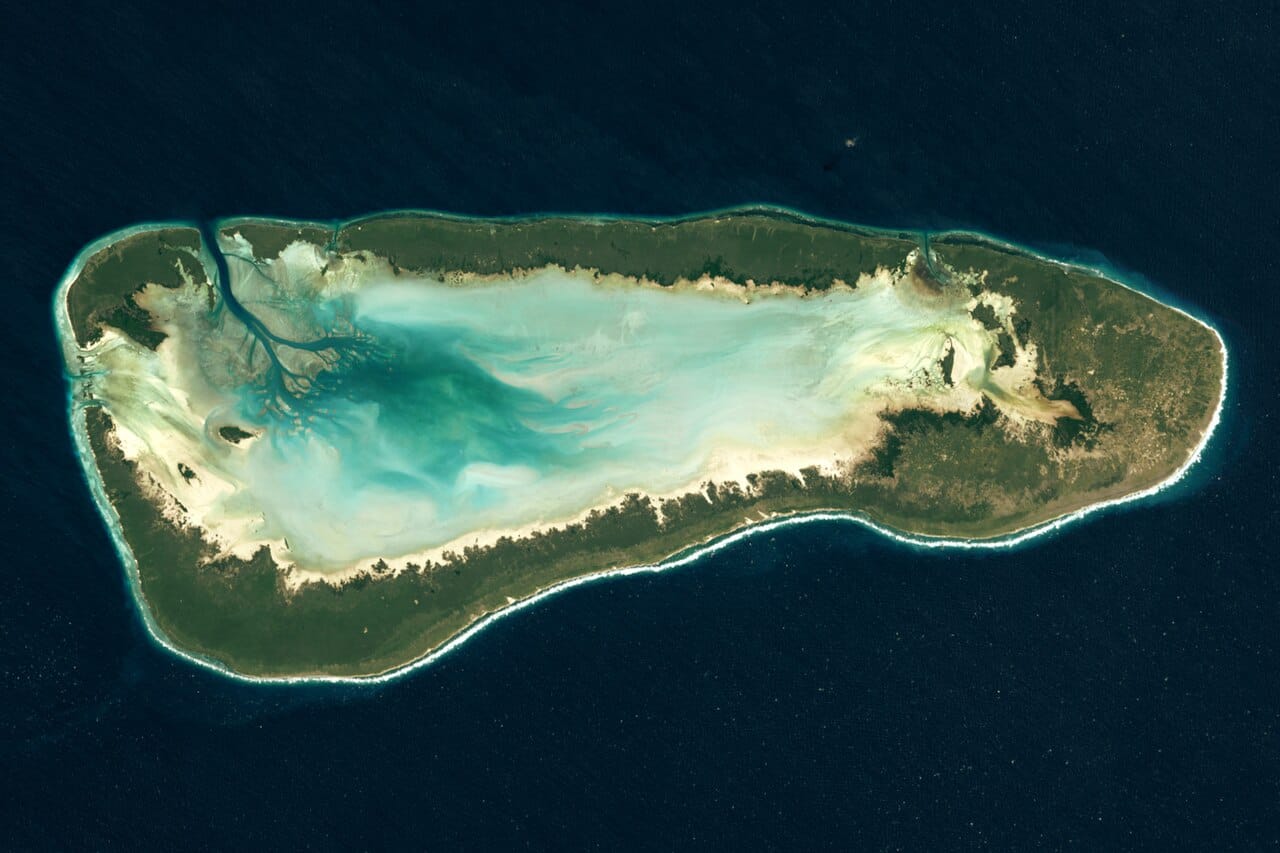
Seychelles comprises 115 islands in two quite different groups. The inner islands, around Mahe, Praslin, and La Digue, are granite: steep, forested peaks rising straight from the sea, fringed by beaches strewn with the enormous weathered boulders that appear on every photograph of the country. The outer islands are low coral cays and atolls scattered over a vast area, culminating in Aldabra, one of the largest atolls in the world.
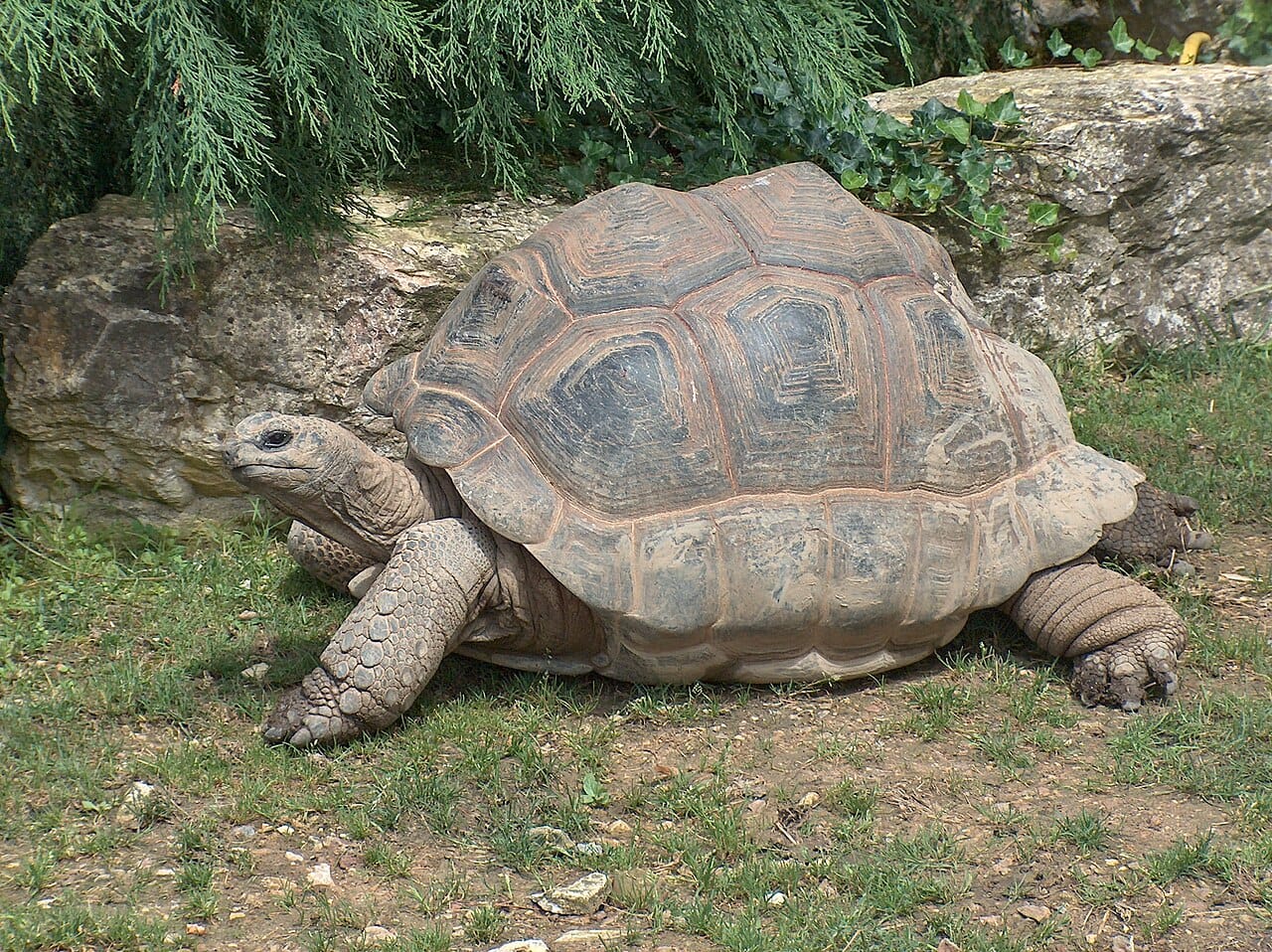
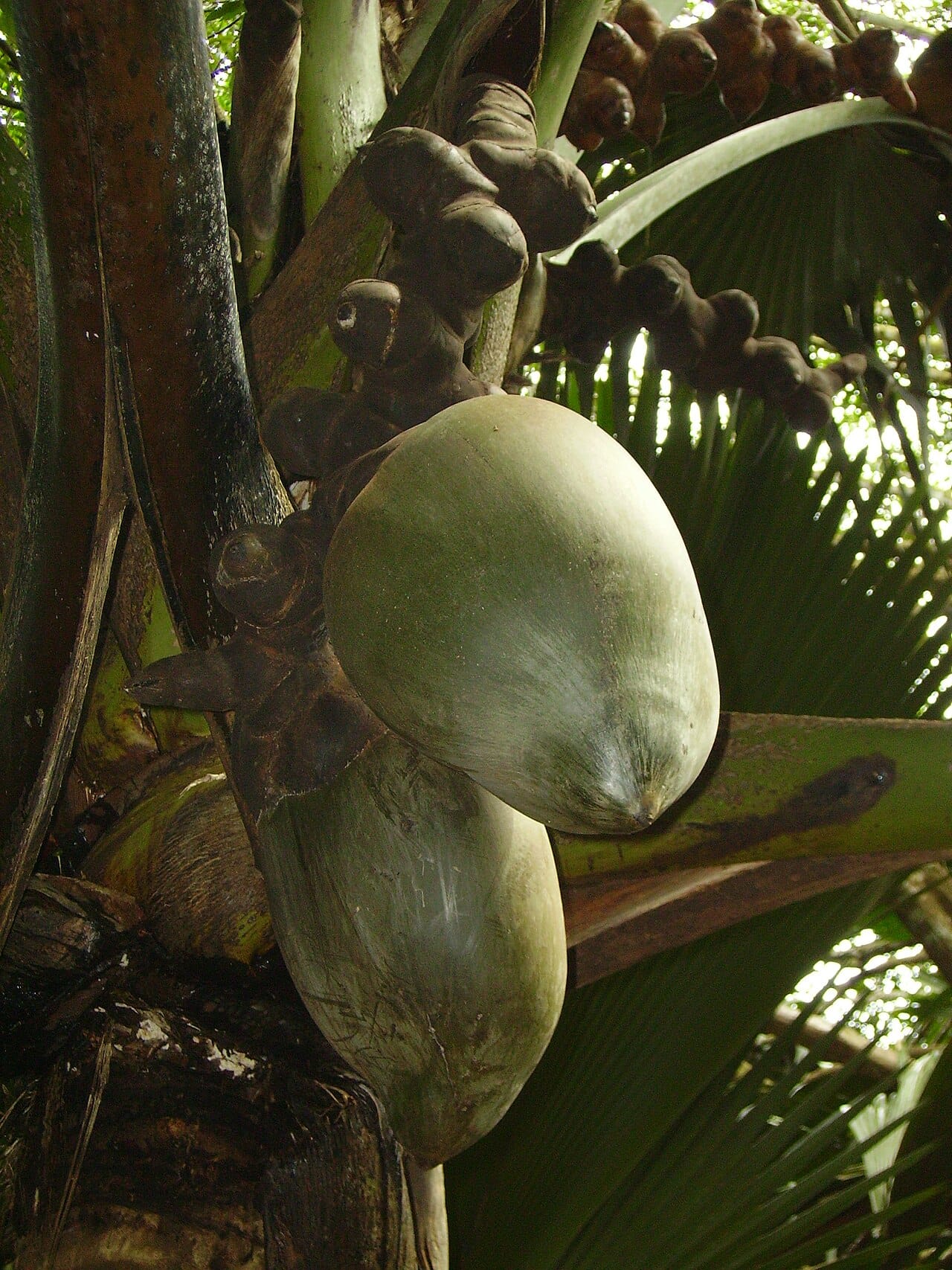
Because the granite islands are old and were never connected to a continent within the relevant timeframe, they carry an extraordinary number of species found nowhere else. The Vallee de Mai on Praslin, a palm forest so striking that General Gordon proposed it as the original Garden of Eden, is the only place the coco de mer grows wild; its nut is the largest seed of any plant in the world, and its suggestive shape made it a prized curiosity in European courts for centuries when the nuts washed up without anyone knowing where they came from. Aldabra holds around 100,000 giant tortoises, far more than the Galapagos, and survived a proposal to build a military airfield on it in the 1960s only because scientists campaigned successfully against it; it is now a World Heritage site, as is the Vallee de Mai. Seychelles has placed a very large share of its enormous exclusive economic zone under protection, partly through a debt-for-nature swap that was among the first of its kind.
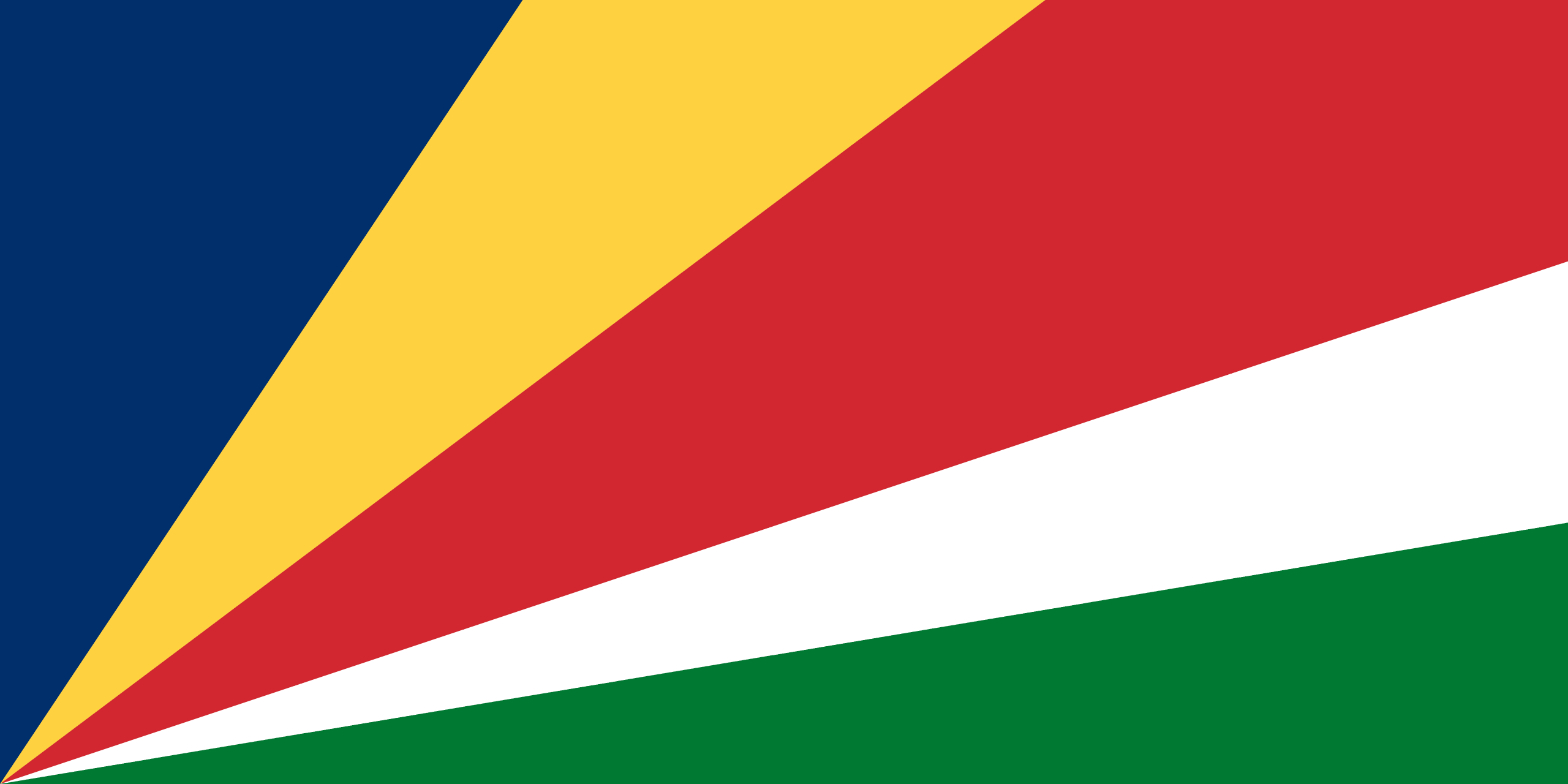
The flag of Seychelles is a striking and dynamic design of five bands of blue, yellow, red, white, and green radiating from the lower hoist corner like rays. The blue represents the sky and the sea, the yellow the sun, the red the people and their work and unity, the white social justice and harmony, and the green the land and natural environment. The radiating pattern is meant to symbolise a young and dynamic country moving forward into the future.
Seychelles is overwhelmingly Christian, the legacy of French and British rule, with the great majority belonging to the Roman Catholic Church, reflecting the French heritage, alongside smaller Anglican and other Protestant communities. As in other Creole societies, Catholic practice has sometimes coexisted with older folk beliefs and a tradition of spirit magic. Religion is woven into the culture and festivals of the islands, and the country is generally marked by tolerance among its various faiths.
Seychellois cuisine is Creole, built on fish and rice and flavoured with the spices, coconut, and fruit of the tropics. Fresh fish, abundant in the surrounding ocean, is the centrepiece of most meals, grilled, curried, or in salads, often cooked with coconut milk, ginger, and chili in fragrant Creole curries. Rice is the staple accompaniment, along with breadfruit and tropical fruit. The cuisine blends African, French, Indian, and Asian influences, reflecting the mixed origins of the islands' people.
Agriculture plays a small role in the economy of Seychelles, limited by the rugged terrain of the granite islands and the small land area, and the country imports most of its food. What farming exists grows coconuts, cinnamon, fruit, and vegetables, often on a small scale. Far more important are the sea and the islands' beauty: fishing, especially for tuna, is a major industry and export, and tourism, drawn by the spectacular beaches and nature, is the leading pillar of one of Africa's wealthiest economies.
Seychelles has the highest income per head in Africa, and it has got there from a very low base within one lifetime; at independence it was poor, with little beyond copra and cinnamon. Two industries did it. High-end tourism is the larger, built deliberately on exclusivity rather than volume, with visitor numbers kept relatively low and prices high, which protects both the environment and the margins. Tuna is the other: Victoria is one of the major tuna transhipment and canning ports of the Indian Ocean, and licence fees from foreign fleets working the country's enormous exclusive economic zone, well over a million square kilometres, are a significant public revenue.
The vulnerabilities are the standard small-island set in concentrated form: almost everything is imported, the tourism market can vanish overnight as it did in 2020, and public debt has at times been very high, requiring a restructuring and an IMF programme in 2008 that the country worked through successfully. Two further problems are specific. Piracy off Somalia briefly threatened both fishing and tourism in the late 2000s, and a serious heroin problem has affected a strikingly high proportion of the young adult population, which the government has addressed with an unusually pragmatic treatment-led programme.
Seychellois culture is Creole, in the precise sense: assembled from French, African, Malagasy, Indian, and Chinese components into something with its own coherence. Seychellois Creole, French-based and written with a distinctive phonetic orthography, is the first language of almost everyone and is co-official with English and French, one of the few creoles anywhere with that status; it is used in parliament, in schools, and in a national literature. The Creole Festival each October is the main cultural event.
Music and dance carry the African and Malagasy inheritance most directly, in the moutya, a slow drum-driven dance descended from the gatherings of enslaved people and long disapproved of by church and colonial authority, which UNESCO inscribed as intangible heritage in 2021, and in the more European-influenced sega. The food is Creole too: fish and octopus curries with coconut milk, breadfruit, and the ubiquitous chilli. Catholicism, inherited from the French, remains the faith of the large majority, coexisting with older folk beliefs.
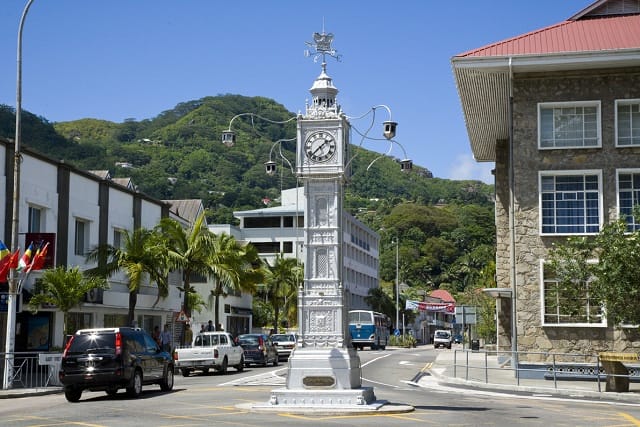
Seychelles has a population of around 100,000, the smallest of any sovereign African state and among the smallest anywhere. The great majority are Seychellois Creoles of mixed African, Malagasy, European, Indian, and Chinese descent, and because the islands were empty before the eighteenth century there is no indigenous population and no settler-versus-native division of the kind that shapes politics almost everywhere else; the country was built from mixture from the beginning.
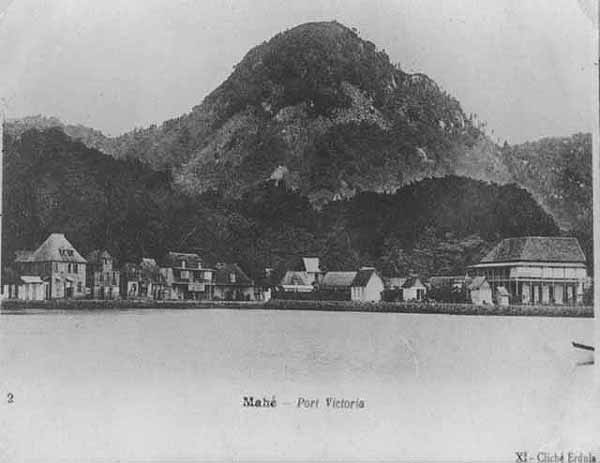
Around ninety per cent of the population lives on Mahe, mostly in and around Victoria, with most of the remainder on Praslin and La Digue and the outer islands either uninhabited or holding a handful of staff and researchers. Literacy is near universal, education and healthcare are free, and Seychelles ranks at the top of the Human Development Index for Africa. The corresponding pressure is that a small population cannot staff a tourism economy on its own, and a substantial share of the workforce is foreign.