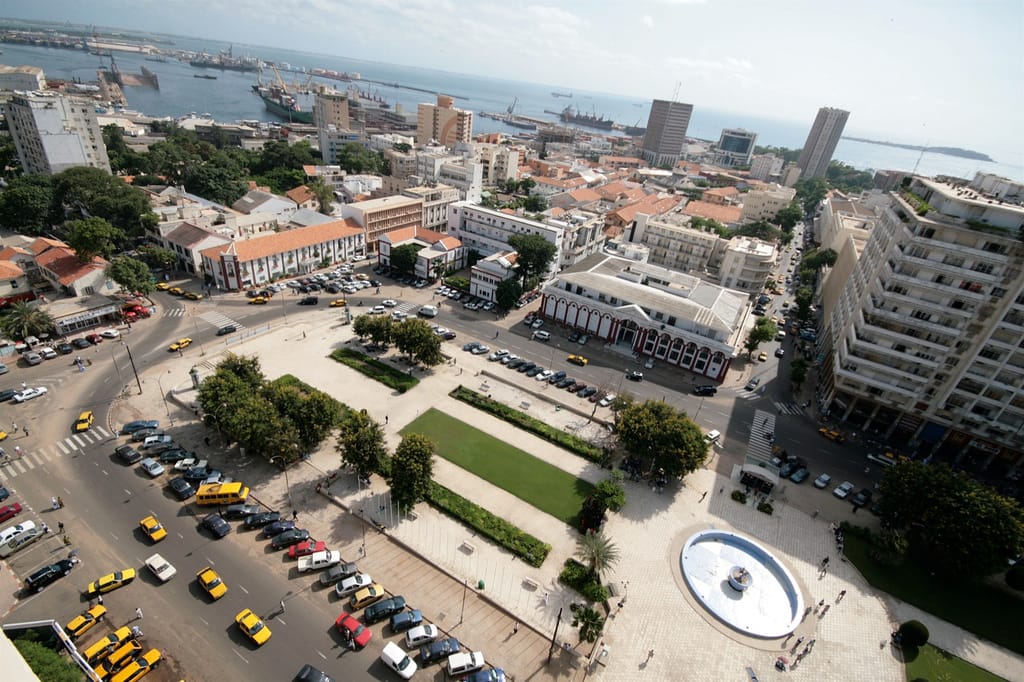
Senegal is a country at the westernmost point of mainland Africa, where the continent reaches into the Atlantic toward the Americas. A largely flat, dry land on the edge of the Sahel, it has a rich cultural heritage of music, faith, and a celebrated tradition of hospitality. Long a centre of trade and learning, and a key site in the Atlantic slave trade, Senegal stands out in its region as one of Africa's most stable democracies.
Senegal's history runs from the great empires of the Sahel, through the tragedy of the Atlantic slave trade and French colonial rule, to a proud record as one of Africa's steadiest democracies.
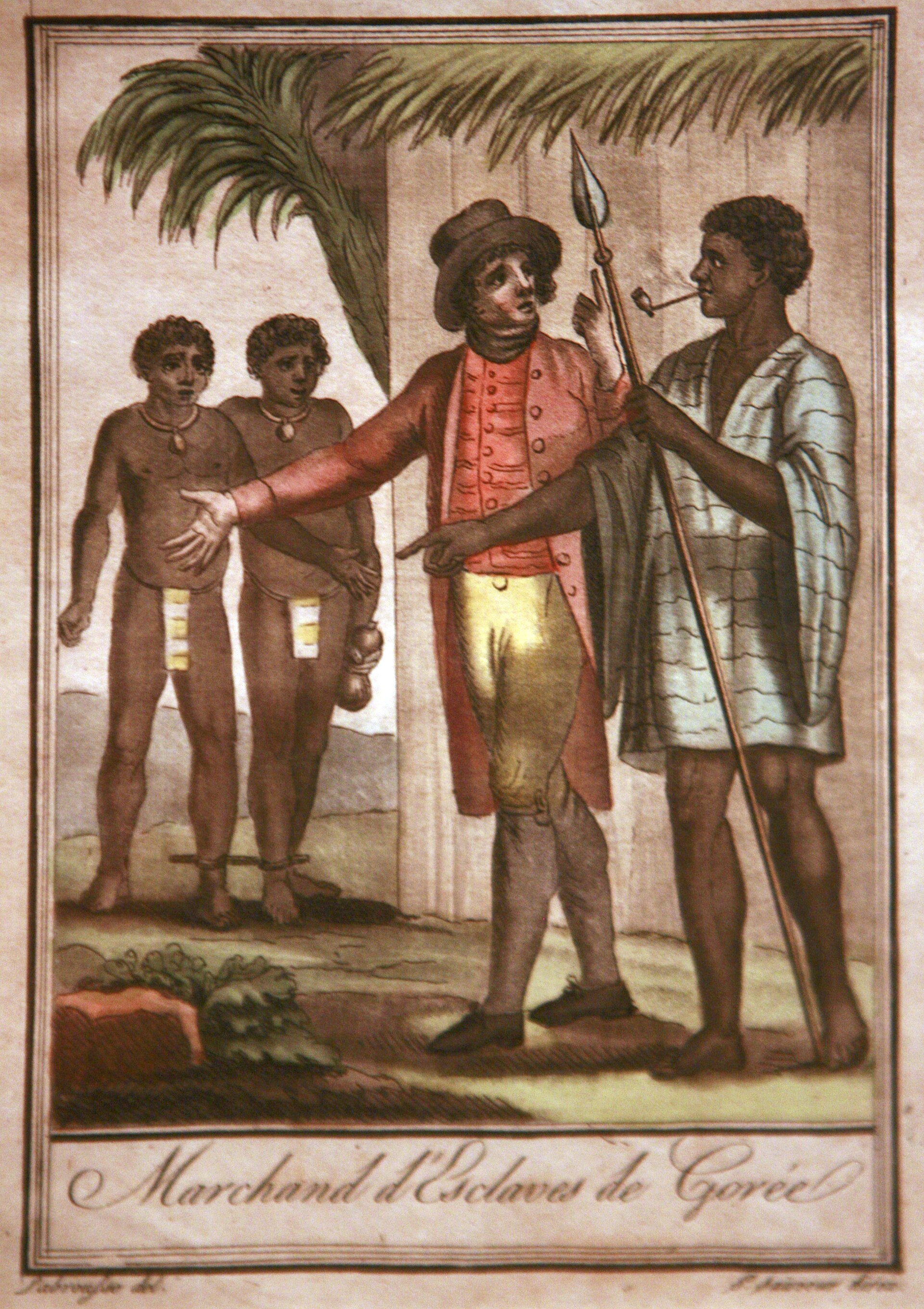
The land of Senegal lay within the orbit of great medieval West African empires and was home to states such as the Jolof, while Islam, carried across the Sahara, took deep root. From the fifteenth century European ships reached the coast, and the small island of Goree off Dakar became one of the most infamous points of the Atlantic slave trade, a departure point of the terrible passage to the Americas and today a solemn place of memory.
France made Senegal the heart of its West African empire, ruling from Dakar, which grew into the capital of all French West Africa. Unusually, the inhabitants of a few coastal communes were granted French citizenship, producing an educated elite. Independence came peacefully in 1960 under Leopold Sedar Senghor, a celebrated poet and philosopher and a leading voice of negritude, the movement that proudly asserted African identity and culture.
Since independence, Senegal has stood out in a turbulent region for its stability, never suffering a military coup and repeatedly transferring power peacefully at the ballot box, from Senghor through a line of elected presidents. This democratic tradition, though tested at times, has made the country a rare and admired example of constitutional government in West Africa.
Senegal is mostly low-lying and flat, a land of dry savanna and sandy plains on the southern edge of the Sahara, growing greener toward the south. Several rivers, including the Senegal River that gives the country its name and forms its northern border, cross the land. The coast on the Atlantic is important for fishing, and the small country of The Gambia forms a narrow enclave reaching deep into Senegal along its own river.
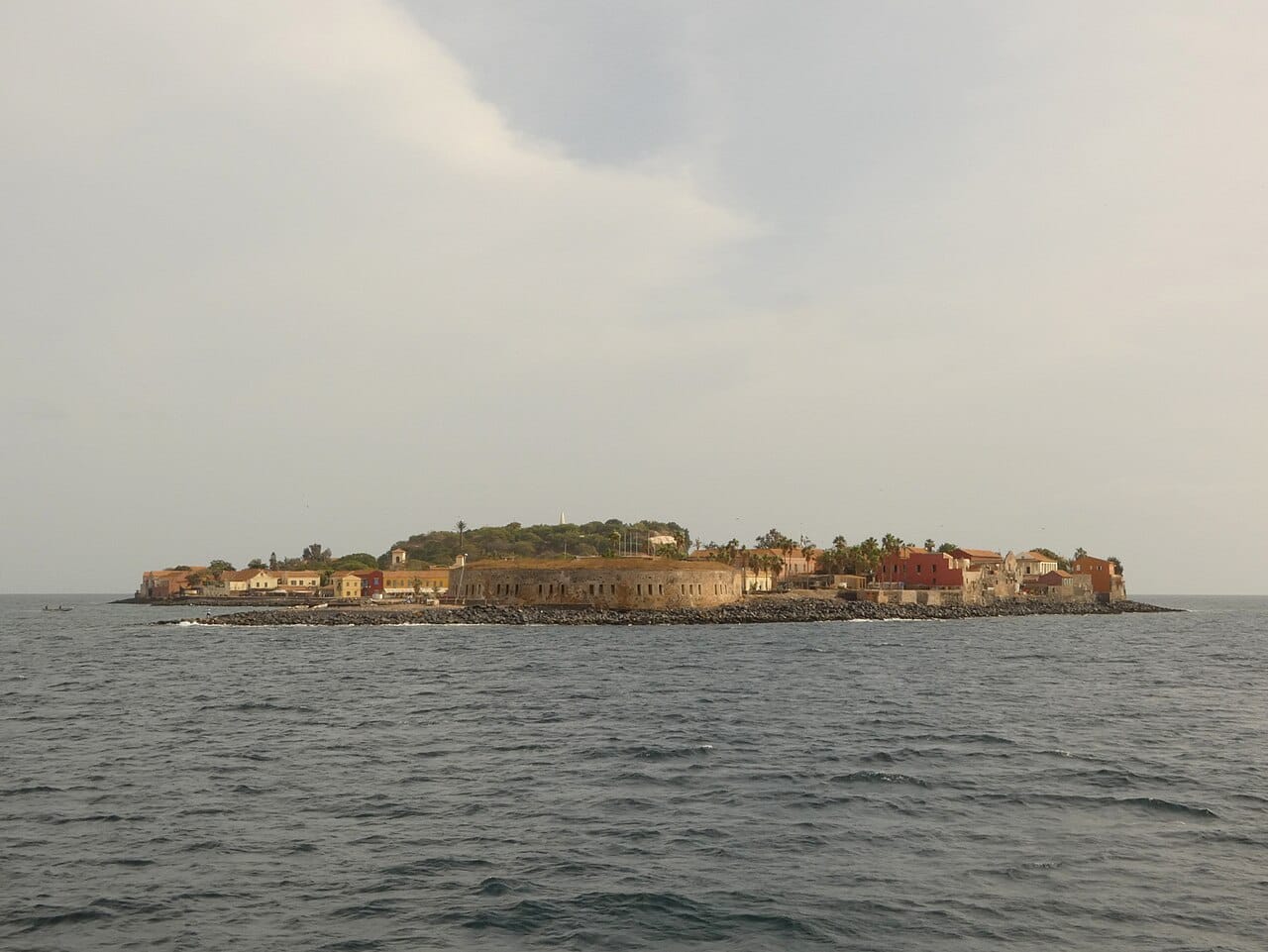
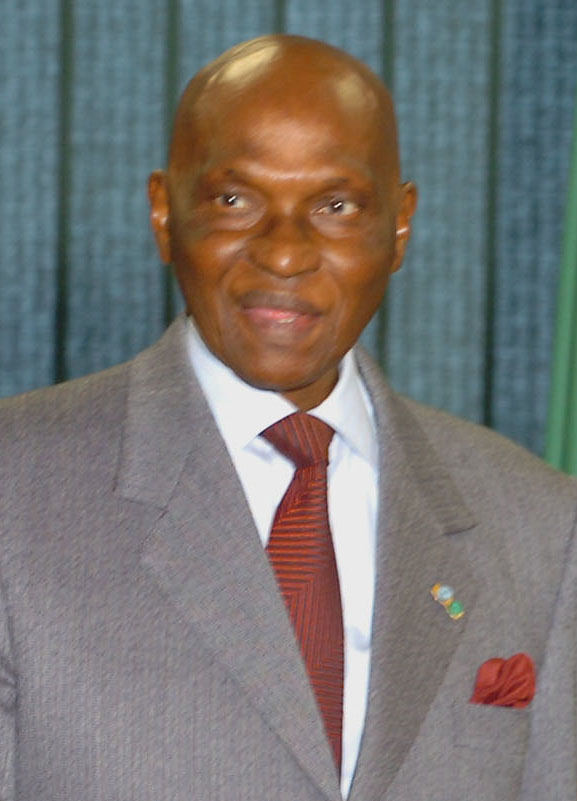
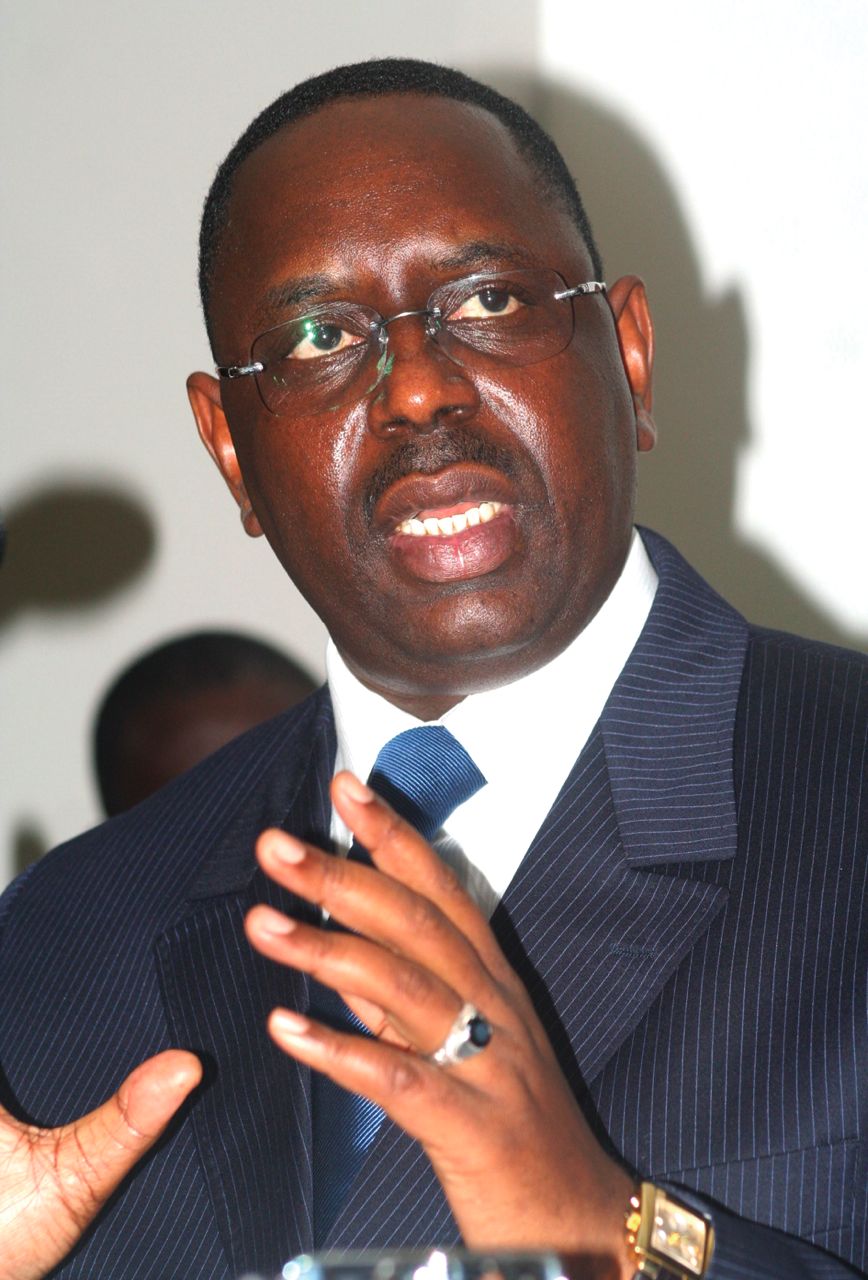
Senegal is a presidential republic and one of the most stable democracies in Africa. Its resilience was severely tested in 2024, when the outgoing president tried to postpone the election, sparking a constitutional crisis and deadly protests, until the courts forced the vote to proceed. The result was extraordinary: Bassirou Diomaye Faye, an anti-establishment candidate freed from prison only days earlier, won outright in the first round to become, at forty-four, Africa's youngest elected president, with his mentor Ousmane Sonko as prime minister. Their government has promised a break with the past, greater national sovereignty, and a rebalancing of Senegal's close ties with France.
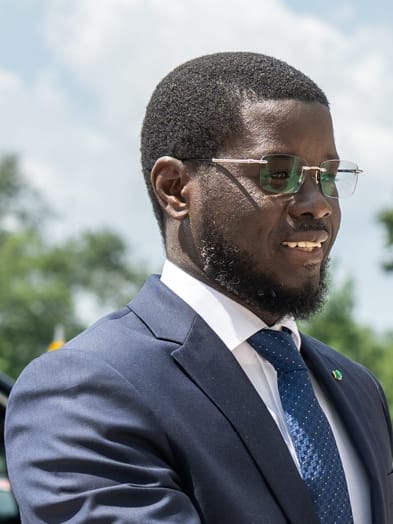
Senegal has a developing economy long built on agriculture, fishing, and services, with its capital, Dakar, a major regional hub for business and transport. The signature crop has been the peanut, once the mainstay of the economy, alongside the rich Atlantic fisheries. In recent years the country has begun producing oil and offshore natural gas, which hold the promise of new wealth but also raise hard questions about how it will be shared. Persistent challenges remain, above all creating enough jobs for a fast-growing young population, many of whom risk the dangerous sea crossing to Europe in search of work.
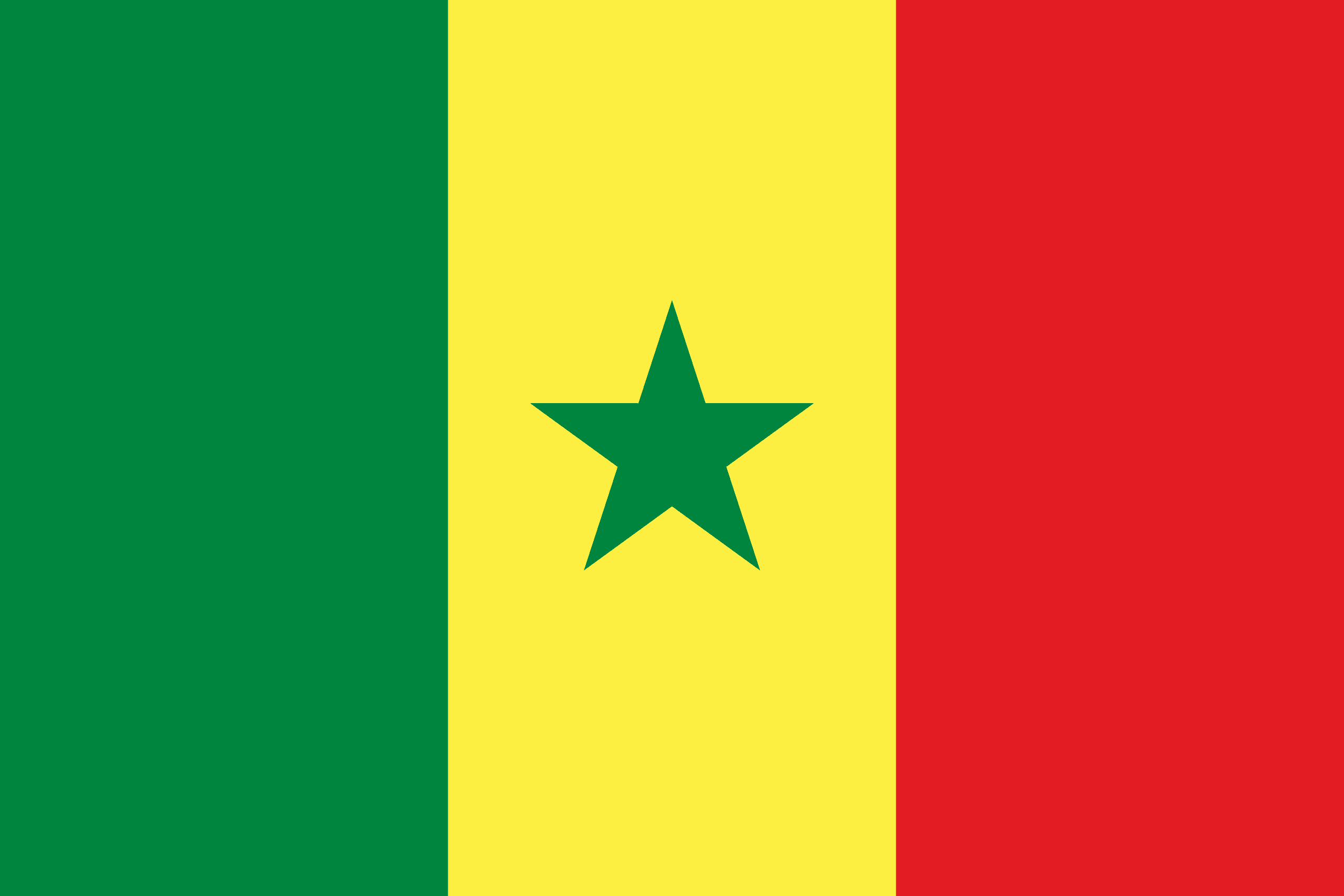
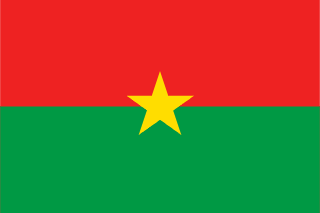
The flag of Senegal has three vertical bands of green, yellow, and red, with a green five-pointed star in the centre. These are the pan-African colours, shared with many countries of the continent, here often interpreted as green for hope and the faith, yellow for wealth and progress, and red for sacrifice and determination. The central green star stands for unity and the openness of the nation to the world.
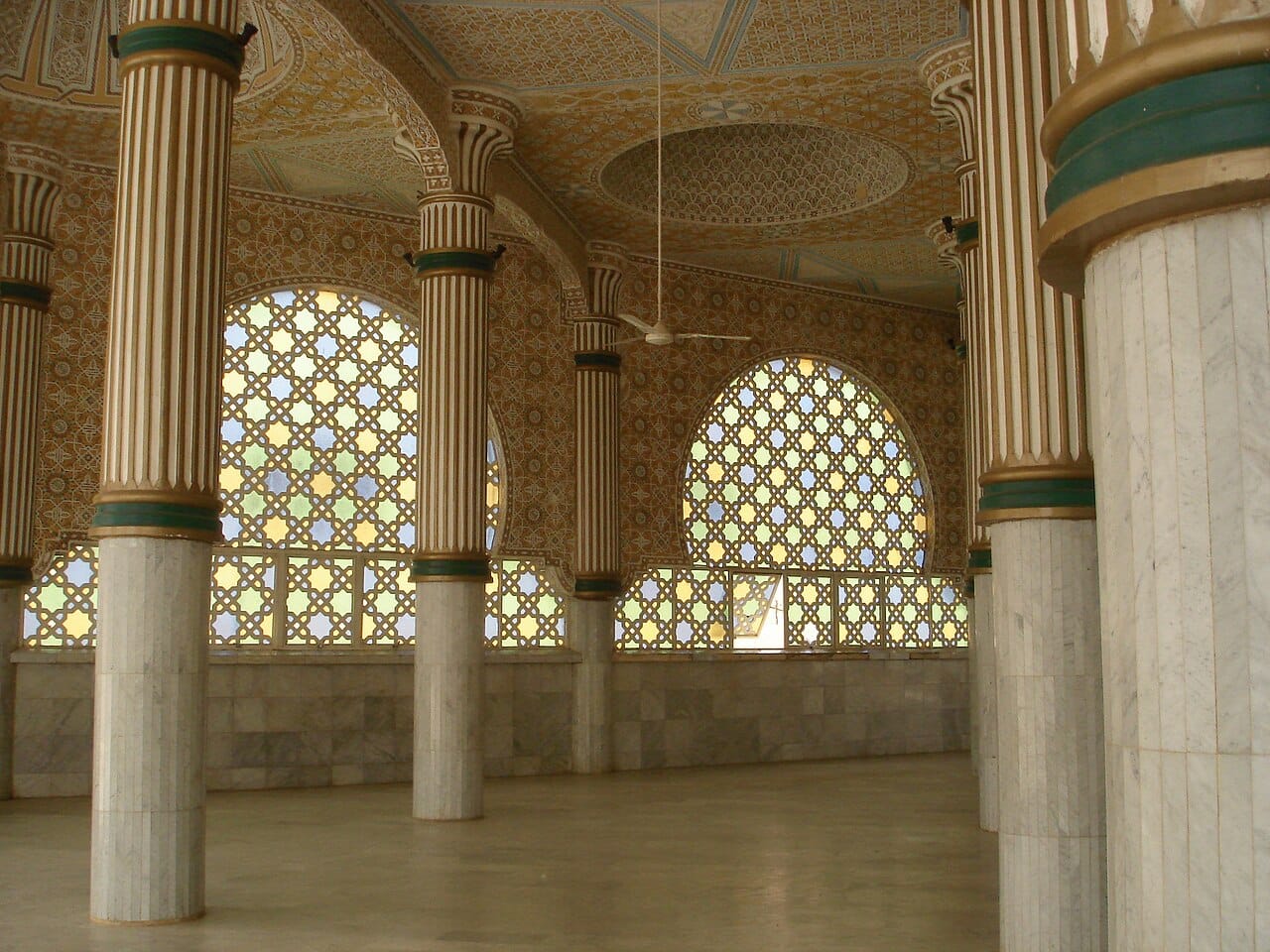
Senegal is overwhelmingly Muslim, and Islam is central to its culture and daily life, but it is distinctive for the strength of its Sufi brotherhoods, which organise much of religious and social life and are led by revered spiritual guides. The great pilgrimage centres of these brotherhoods draw enormous gatherings. A small Christian minority lives peacefully alongside the Muslim majority, and Senegal is widely admired for its tradition of religious tolerance and coexistence.
Senegalese cuisine is among the most celebrated in West Africa. Its national dish is thieboudienne, a one-pot meal of fish, rice, and vegetables in a rich tomato sauce, regarded as a masterpiece of the region's cooking. Other favourites include yassa, meat or fish marinated with onions and lemon, and mafe, a hearty peanut stew. Strong, sweet tea poured in ceremonial rounds, known as ataya, is central to a culture famous for its hospitality.
Agriculture employs much of Senegal's population despite the dry climate of much of the country. The signature crop is the peanut, or groundnut, grown across a central region long known as the peanut basin and historically the mainstay of the economy. Millet and sorghum are important food staples suited to the arid land, and rice is grown in the wetter south. The Atlantic fisheries are vital too, providing food and a major export.
Senegal has one of the most vibrant and admired cultures in West Africa. Its music is world-famous, from the driving rhythms of mbalax, made known by stars such as Youssou N'Dour, to a deep tradition of drumming and griots, the hereditary poet-musicians who keep the community's history. Wrestling, or laamb, is a wildly popular national sport, its champions great celebrities. Underlying it all is a celebrated ethic of hospitality and dignity known as teranga, and a proud cultural confidence rooted in Senghor's negritude, the assertion of the value of African civilisation, that gives the small nation an influence far beyond its size.
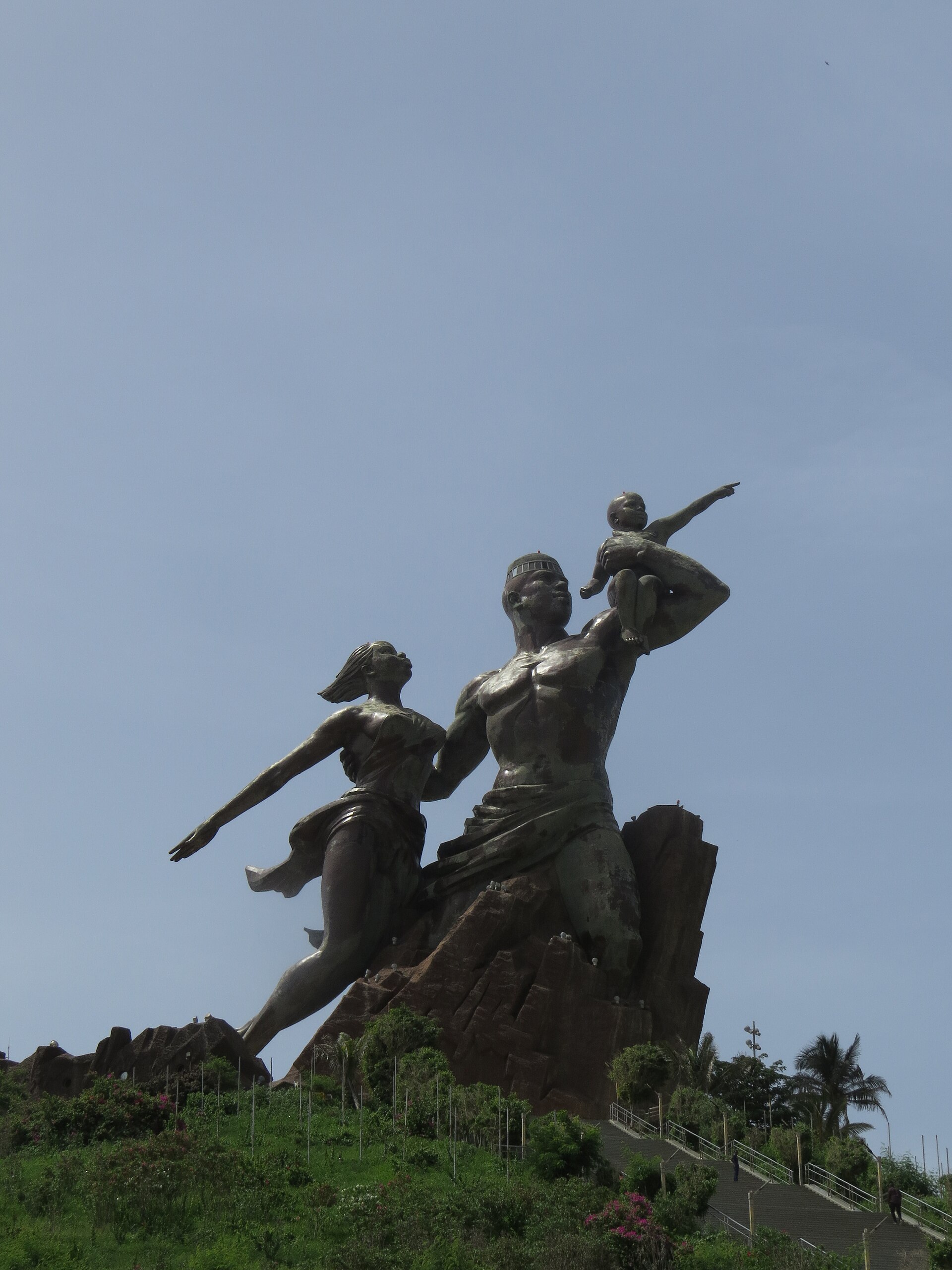
Senegal is rightly proud of a democratic record almost unique in its region, but that record has not gone unchallenged, and the tensions it revealed remain live. In the years before 2024, the country was shaken by the jailing of the popular opposition leader Ousmane Sonko, deadly street protests, and the outgoing president's attempt to delay the election, which many feared was a bid to cling to power. That the crisis ended not in a coup, as in several neighbouring states, but in a peaceful, sweeping opposition victory, was hailed as a triumph of Senegalese democracy. Yet it also laid bare a deep hunger, especially among the young, for a genuine break with an old order seen as corrupt and too close to France, and for real answers to unemployment and the desperation that drives so many to risk the sea. Whether the new government can deliver that change, and preserve the democracy that produced it, is the open question of Senegal's future.
Senegal has a population of around 18 million people, made up of several ethnic groups, the largest being the Wolof, whose language serves as a common tongue alongside the official French. The population is young and increasingly urban, concentrated in the west and above all in the lively capital, Dakar, perched on a peninsula at the tip of the continent. Senegalese culture, from its music to its wrestling, is influential across the region.