Samoa is a Polynesian island nation in the central South Pacific, made up of two large islands and several smaller ones, lying west of American Samoa and northeast of Fiji and Tonga. Often regarded as a heartland of Polynesian culture, it is a land where the traditional way of life, known as fa'a Samoa, remains powerfully alive, organised around extended families, chiefs, and villages. The first Pacific island nation to gain its independence, Samoa is a proud custodian of its customs, its land, and its strong Christian faith.
Samoa's history runs from the deep past of Polynesian voyaging, through a colonial scramble among rival powers, to a pioneering independence.
Samoa was settled around three thousand years ago and became, with its neighbours, one of the cradles of Polynesian civilisation, a launching point from which master navigators went on to settle the far corners of the Pacific. European contact came in the eighteenth and nineteenth centuries, and the islands drew traders, missionaries, and, most famously, the Scottish writer Robert Louis Stevenson, who spent his last years there and is buried on a Samoan hilltop.
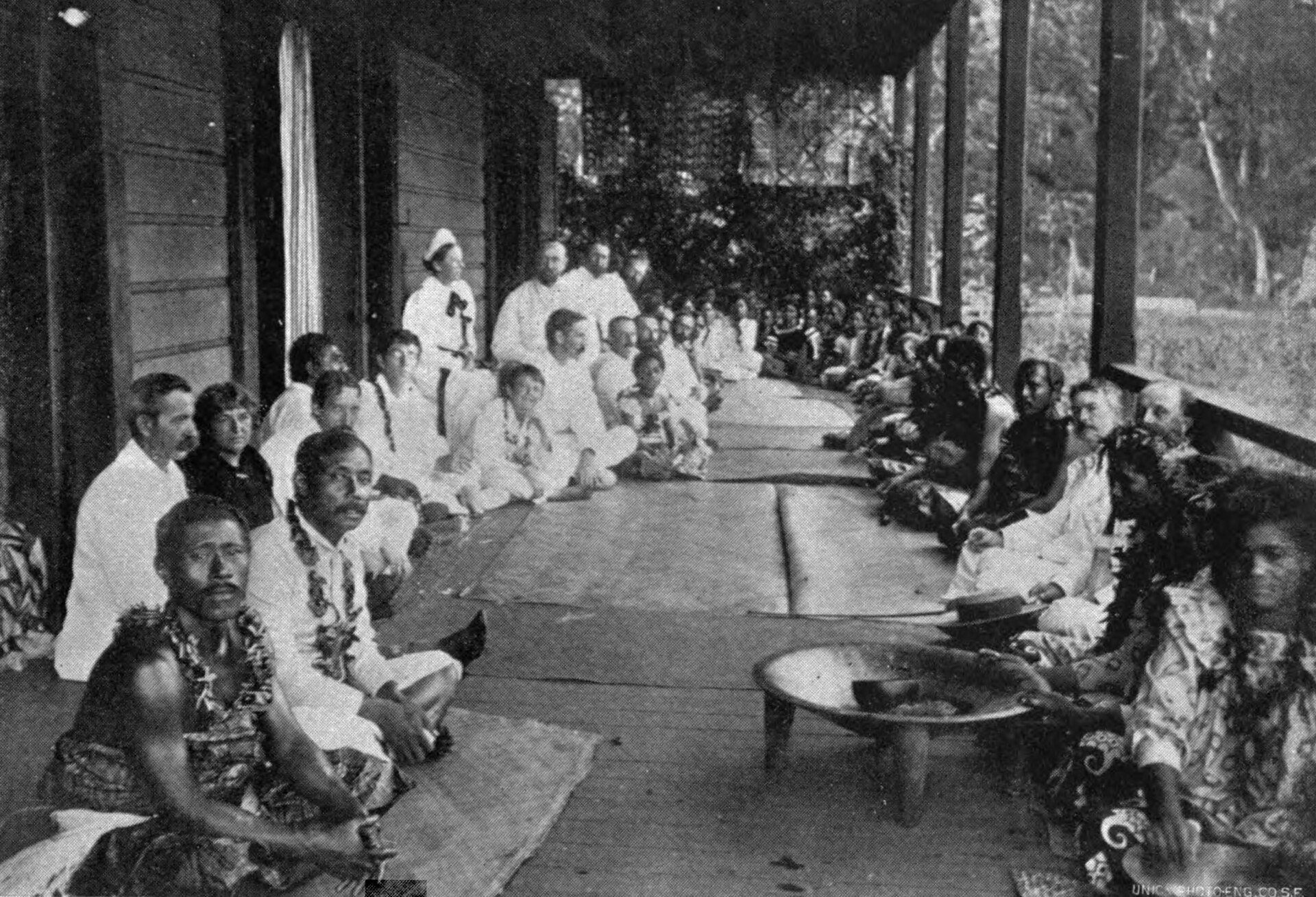
In the late nineteenth century Samoa became the object of a bitter rivalry among Germany, Britain, and the United States, whose competition, entangled with wars among Samoan chiefs, nearly brought the powers to blows. In the end the islands were divided, the west falling to Germany and the east to the United States, a split that endures today between independent Samoa and American Samoa.
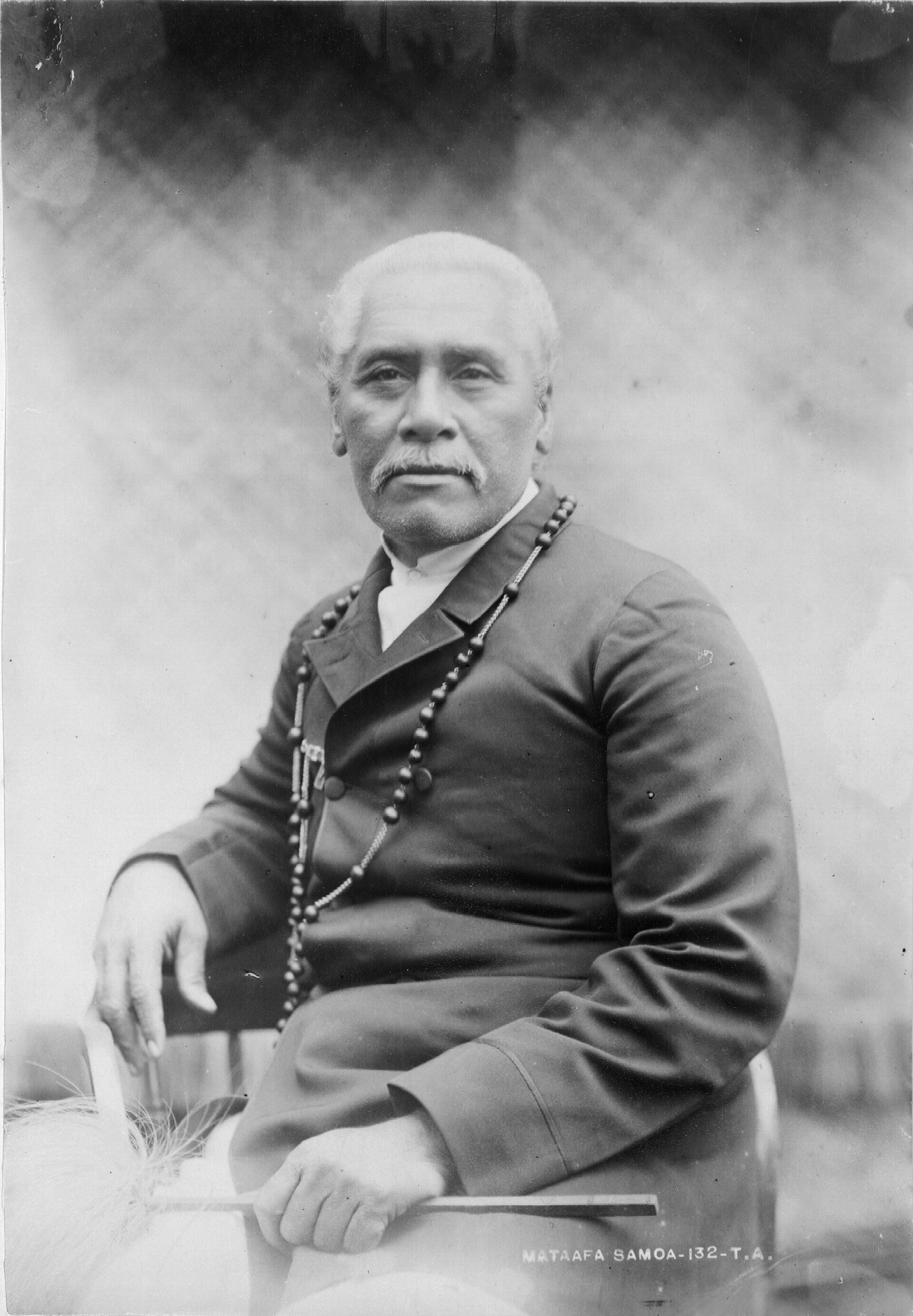
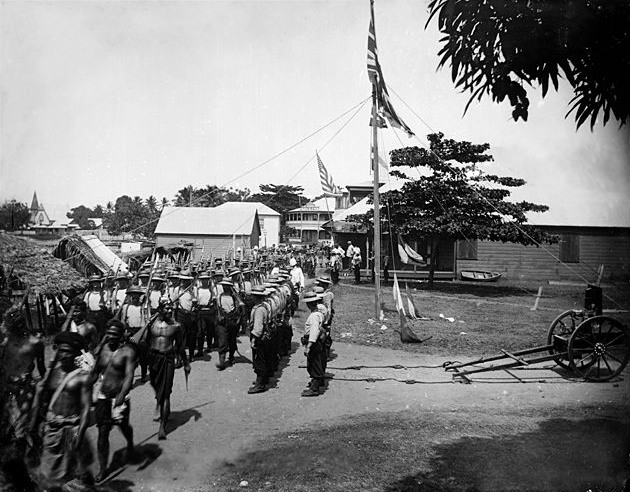
German and then, after the First World War, New Zealand rule met determined Samoan resistance, above all the nonviolent Mau movement, whose call was Samoa for the Samoans. That long, peaceful struggle, together with the memory of a devastating influenza epidemic brought in under New Zealand administration, carried Samoa to independence in 1962, the first Pacific island nation to gain it.
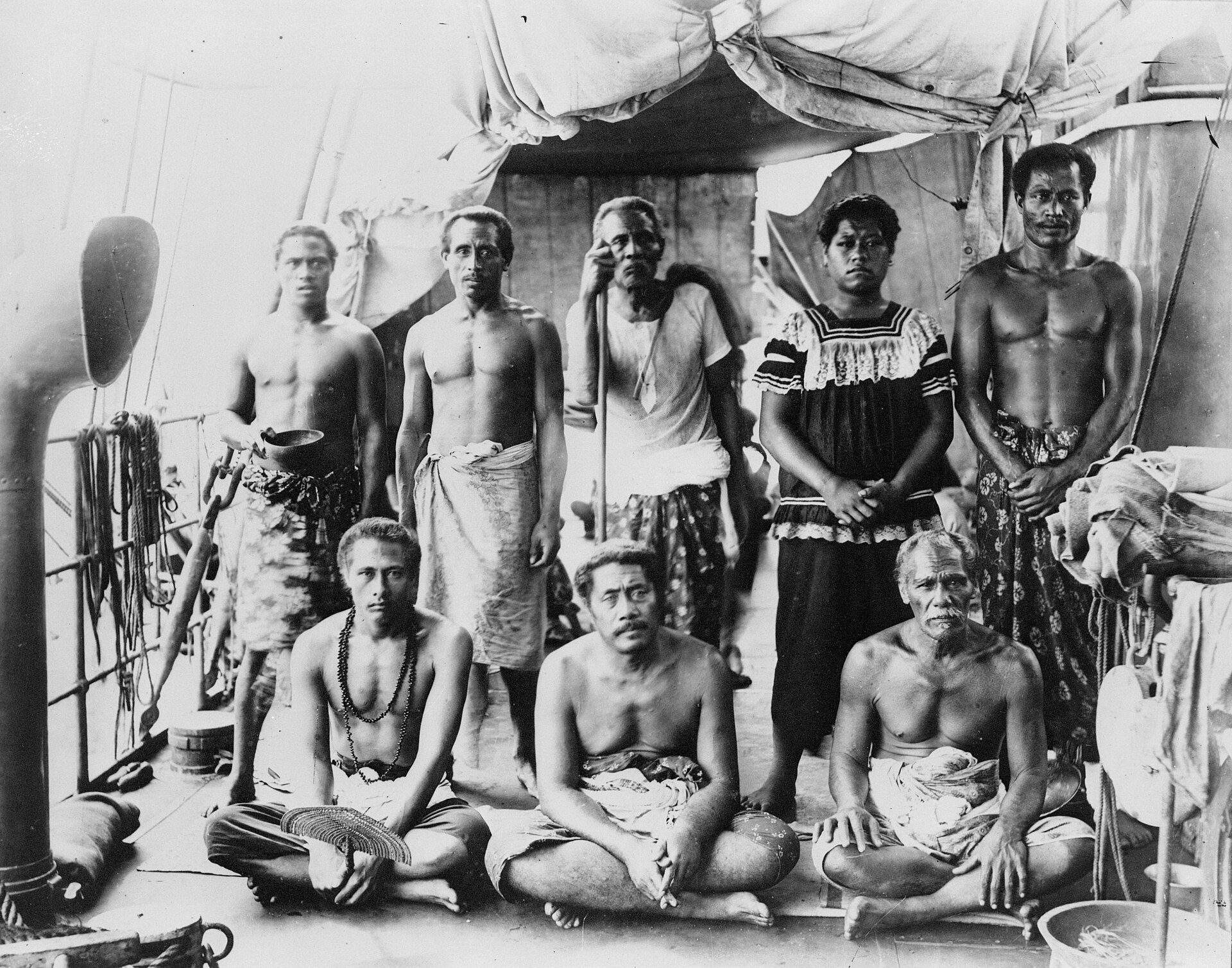
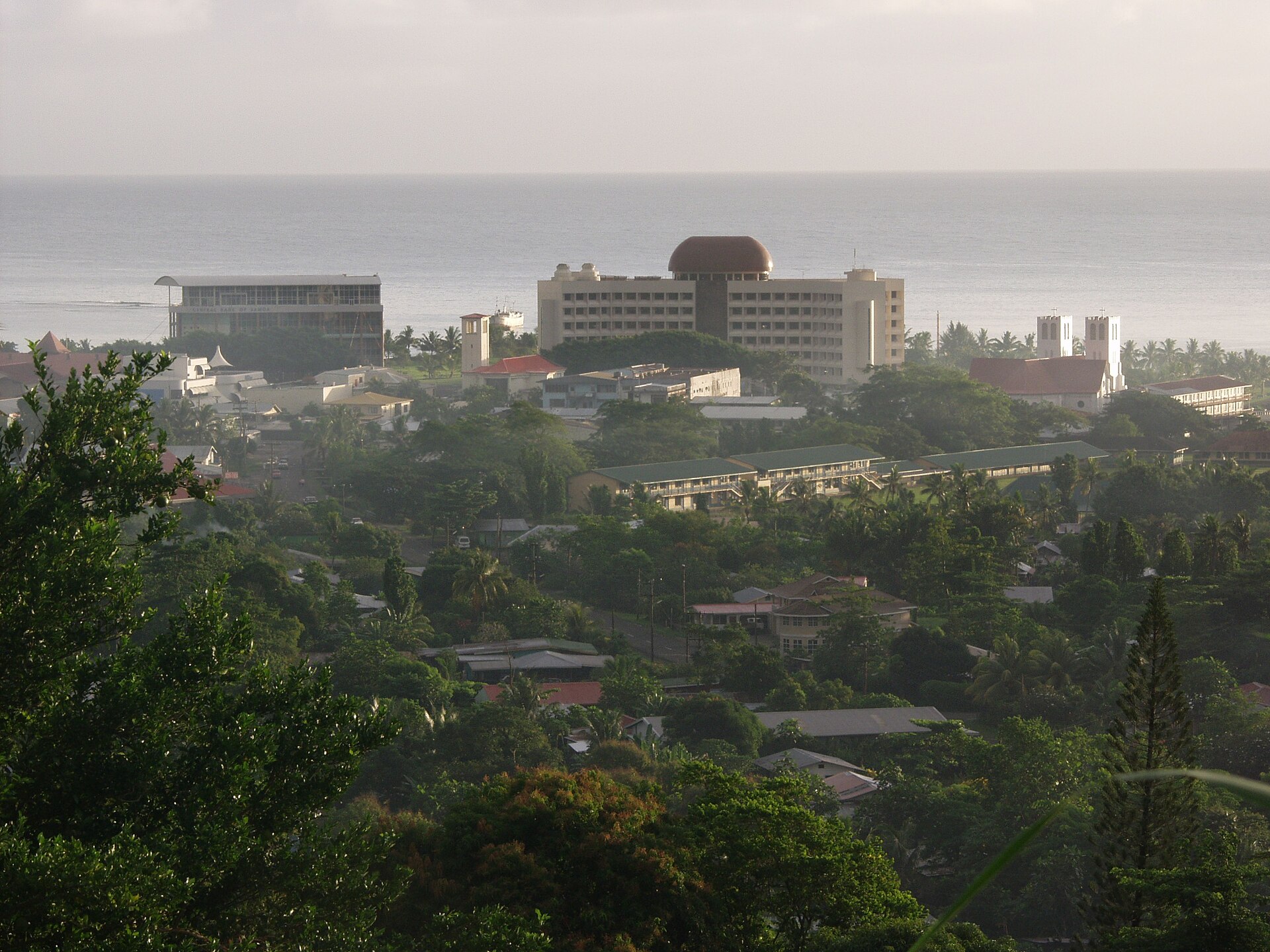
Samoa consists of two main mountainous, volcanic islands, Upolu and Savai'i, and several smaller ones, covered in tropical rainforest and ringed by coral reefs and beaches. The islands rise to volcanic peaks, and Savai'i in particular has seen eruptions in modern times. The climate is hot and humid, with a wet season that brings the risk of cyclones. Lush vegetation, waterfalls, and lagoons characterise the landscape, and the rich volcanic soils support the farming on which much of traditional village life depends.
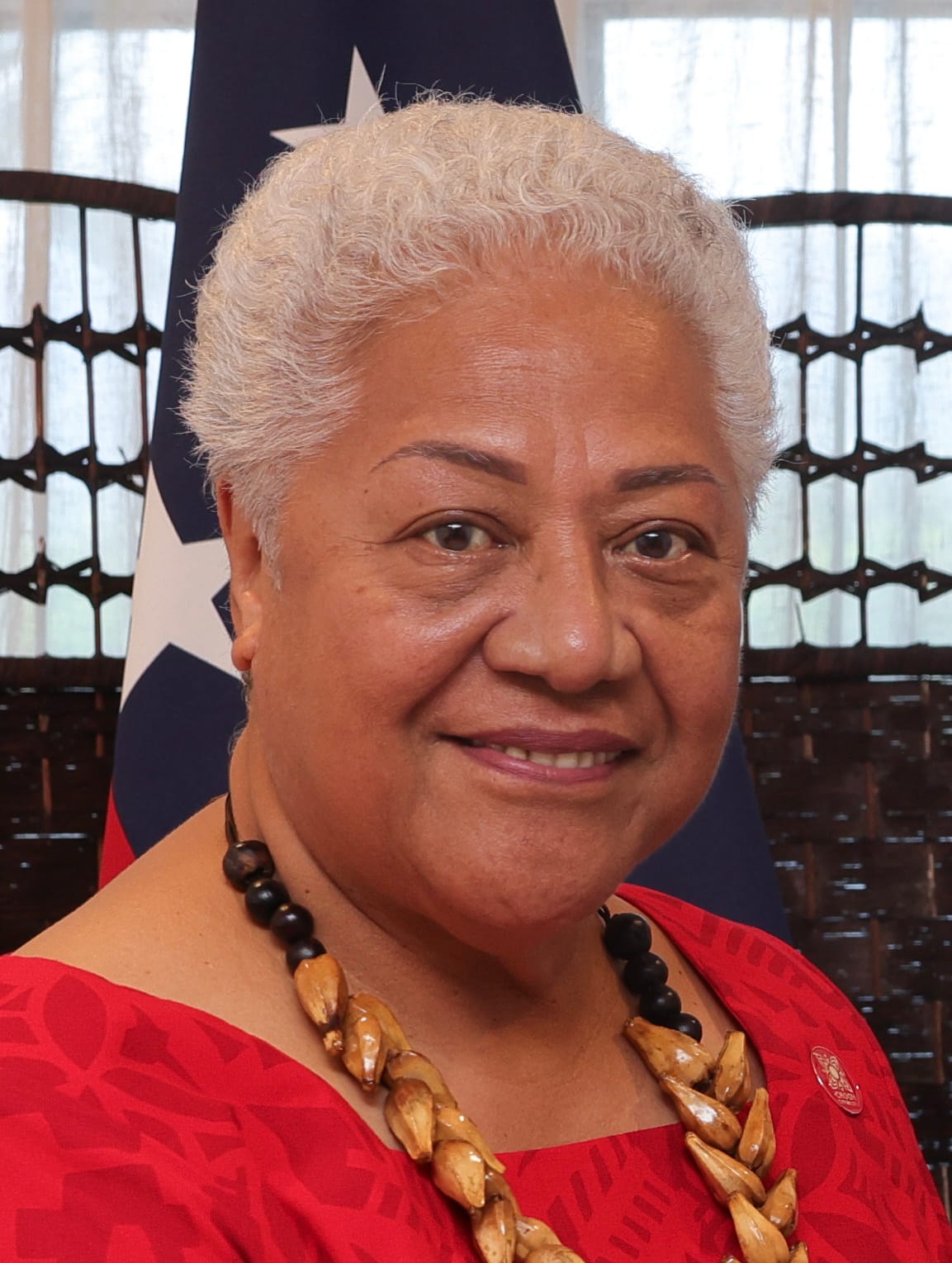
Samoa is a parliamentary democracy with a character all its own, built on the matai system: candidates for parliament must hold a matai, or chiefly, title, blending traditional authority with modern democracy under a head of state above the fray. For nearly four decades a single party governed, until the election of 2021, when the FAST party narrowly won and, after a tense constitutional standoff, Fiame Naomi Mata'afa became Samoa's first woman prime minister. Her government later fractured, and after a further period of turmoil Laauli Leuatea Schmidt became prime minister in 2025, in a churn that has tested, but so far held, the country's institutions.
Samoa's small economy rests on farming, on tourism drawn to its beaches, lagoons, and living culture, and above all on the money sent home by the very large number of Samoans who live abroad, in New Zealand, Australia, and the United States. The islands export coconut products, fish, and tropical crops, and traditional village agriculture on customary land still feeds most families. Remote and exposed to cyclones, Samoa also depends on foreign aid, and it works to build a resilient economy while guarding the communal land and custom at the heart of Samoan life.
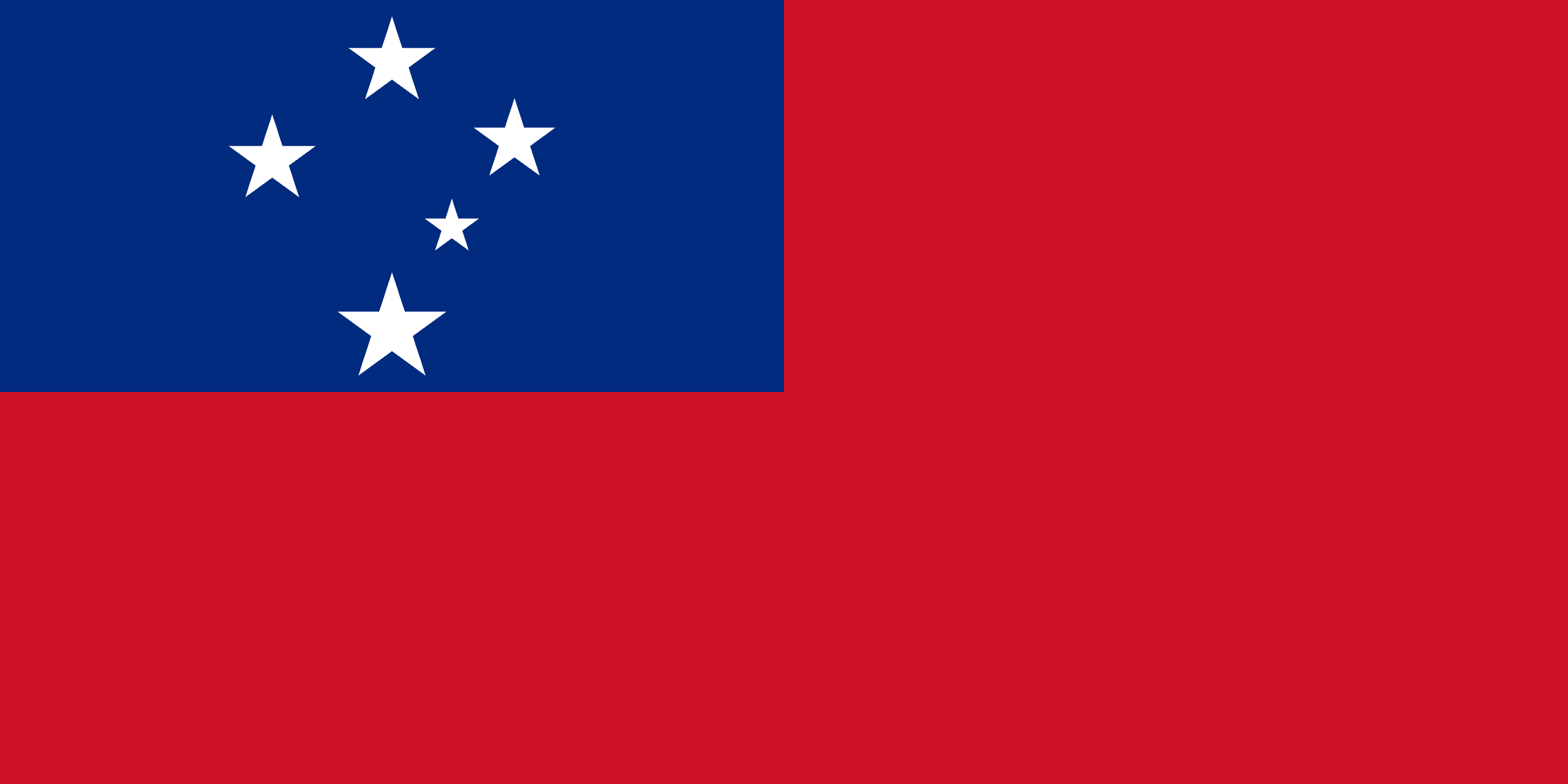
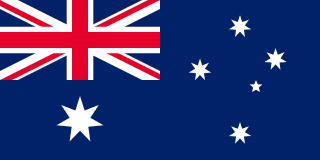
The flag of Samoa is red with a blue rectangle in the upper hoist quarter bearing five white stars of the Southern Cross. The red represents courage, the blue freedom and loyalty, and the white purity. The Southern Cross marks Samoa's place in the southern Pacific sky and links it with the other nations of the region under the same constellation. The flag was adopted in stages around the time of independence and is a proud emblem of the Samoan nation.
Samoa is one of the most devoutly Christian countries in the world, and its constitution describes it as founded on God. The population is overwhelmingly Christian, divided among Congregationalist, Roman Catholic, Methodist, Latter-day Saint, and other churches, and the imposing village church and the pastor hold a central place in community life. Religious observance is woven deeply into fa'a Samoa, the Samoan way, alongside the authority of the matai, the chiefs, and the bonds of the extended family, in a society that prizes faith, custom, and respect.
Samoan cuisine is built on root crops, coconut, fish, and pork, traditionally prepared in an earth oven called an umu, in which food is cooked over hot stones. A beloved dish is palusami, young taro leaves baked with coconut cream, and taro, breadfruit, and green bananas are staples. Fish and seafood from the reefs and lagoons are central, and pork is the meat of feasts. Coconut features throughout, and the Sunday family meal, the to'ona'i, prepared in the umu, is an important ritual of village life.
Agriculture is central to Samoan life, with much of the population engaged in farming, often on customary land held by extended families. Staple crops such as taro, breadfruit, bananas, and coconut are grown both for food and for export, and copra, coconut products, cocoa, and tropical fruit have long been important. The communal landholding system and the village structure shape how the land is worked, and gardening and fishing remain a part of daily life for most families even beyond the cash economy.
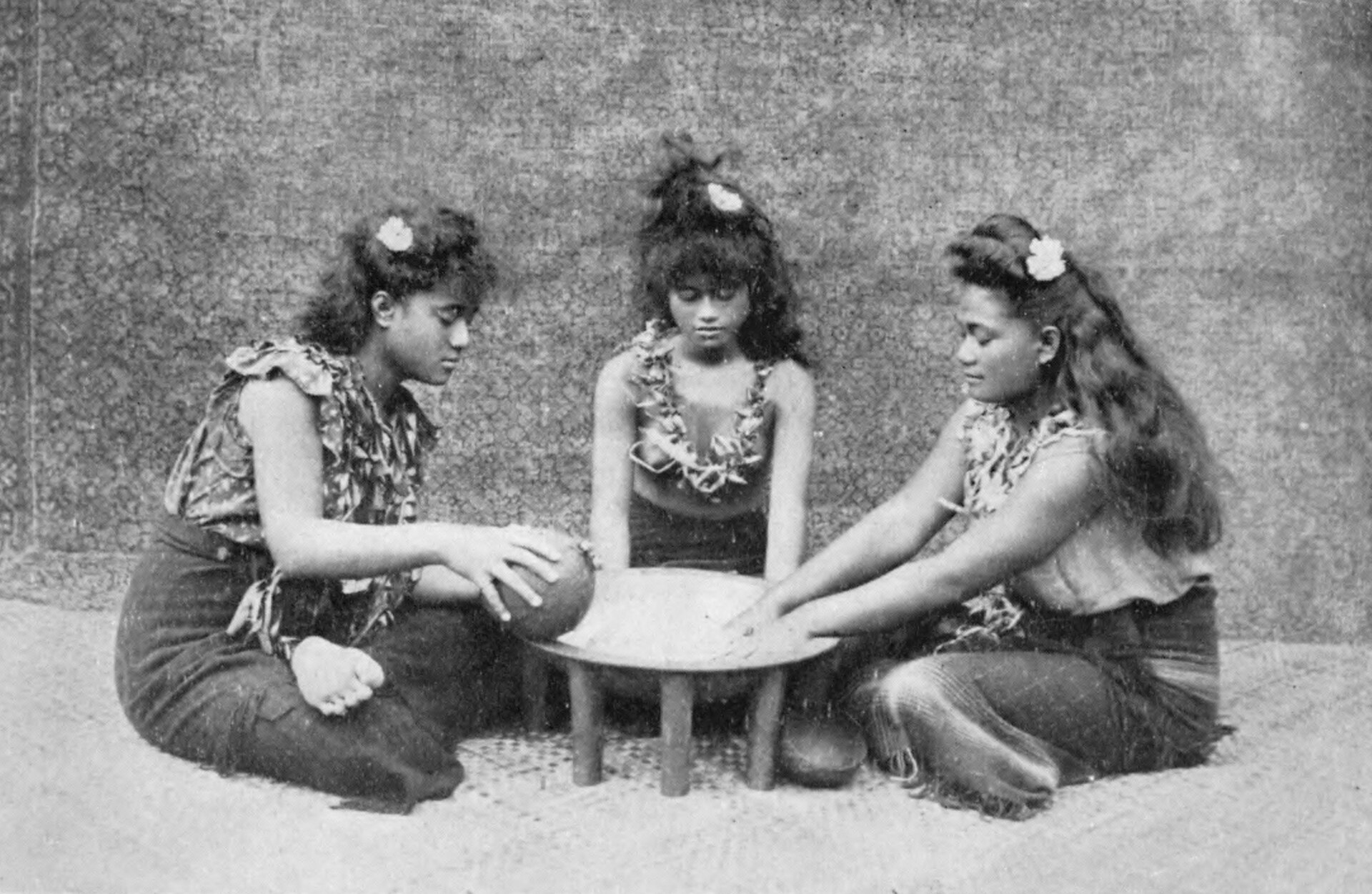
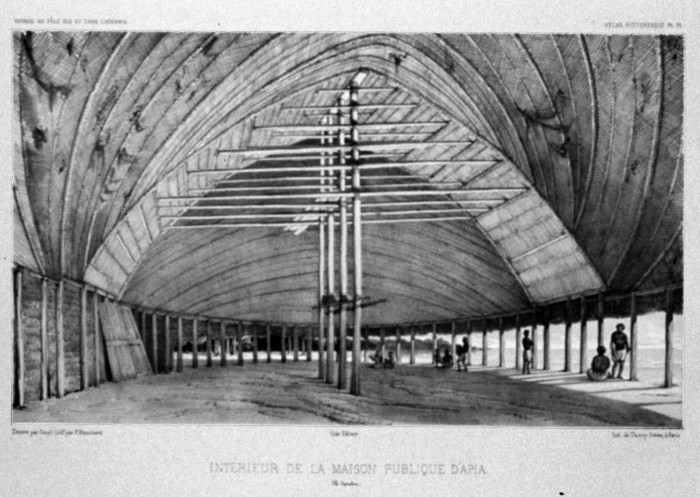
At the heart of Samoan life is fa'a Samoa, the Samoan way, a living framework of custom, obligation, and respect. It centres on the aiga, the extended family; the matai, the titled chiefs who lead them and hold the family's land and name; and the village, governed by its council of chiefs. Ceremony runs deep, from the formal preparation and sharing of the ava, or kava, drink, to oratory, tattooing, and song. This traditional order, together with a devout Christianity, gives Samoan society a cohesion and continuity that many regard as among the strongest in the Pacific.
Samoa is often held up as a model of Pacific stability, yet its recent politics has been anything but placid. The election of 2021 ended nearly forty years of rule by a single party, but only after a constitutional standoff in which the losing leadership at first refused to yield, until the courts intervened. The government that emerged then fractured in 2025, forcing another change of prime minister. Beneath these events lies a deeper and unresolved question: how to reconcile the authority of the matai and the communal ownership of land, the bedrock of fa'a Samoa, with the pressures of a modern, individual, democratic and market society. That balance between custom and change is the quiet drama of Samoan public life.
Samoa has a population of around 220,000 people, overwhelmingly ethnic Samoans, one of the largest Polynesian populations, with small minorities of mixed and other descent. Samoan and English are the official languages. Society is organised around the aiga, the extended family, and the matai chiefs who lead them, with most people living in villages along the coasts. A very large Samoan community lives overseas, especially in New Zealand, Australia, and the United States, and the money and ties they maintain are important to the homeland.