Saint Lucia is an island nation in the eastern Caribbean, among the Windward Islands between Martinique and Saint Vincent. Famous for the twin volcanic peaks known as the Pitons that rise dramatically from the sea, it is one of the most scenically beautiful islands in the Caribbean and a popular destination for tourists. Fought over so many times by the French and the British that it was nicknamed the Helen of the West Indies, after the Helen of Troy whose beauty launched a war, it blends English and French cultural influences and has produced, remarkably for so small a place, two Nobel laureates.
Arawak and then Kalinago peoples held the island and resisted European settlement effectively enough that early English attempts in the 1600s failed outright. France established the first lasting settlement and, from the eighteenth century, contested the island with Britain in a struggle so repetitive that Saint Lucia is traditionally said to have changed hands fourteen times, which earned it the nickname the Helen of the West Indies, after the woman whose beauty started a war. The reason was strategic rather than romantic: the deep, sheltered anchorage in the north, at what is now Rodney Bay, was one of the best naval stations in the eastern Caribbean, and from Pigeon Island the British watched the French fleet at Martinique. Admiral Rodney sailed from there to win the Battle of the Saintes in 1782.
Britain took final possession in 1814. Sugar plantations worked by enslaved Africans dominated the economy, emancipation came in 1834, and indentured labourers from India arrived afterwards. Saint Lucia moved through self-government in 1967 to full independence on 22 February 1979.
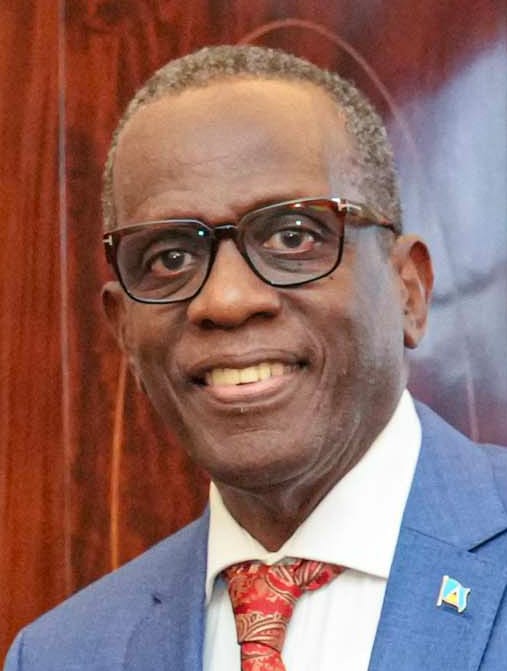
Saint Lucia is a parliamentary democracy and a Commonwealth realm, with King Charles the Third as head of state represented by a governor-general and a bicameral parliament. Politics alternates between the Saint Lucia Labour Party and the United Workers Party, and has done so regularly since independence. Philip J. Pierre of the SLP has been prime minister since 2021 and was returned at the general election of 1 December 2025, when his party increased its majority to 14 of the 17 seats, with two independents and one seat for the UWP.
The country is a member of the Organisation of Eastern Caribbean States and uses the East Caribbean dollar, and it retains the Judicial Committee of the Privy Council in London as its final court of appeal, a position that periodic proposals to replace with the Caribbean Court of Justice have not yet changed. Like its neighbours it has an active foreign policy for its size, particularly on climate finance and on the recognition question between China and Taiwan, which Saint Lucia has switched more than once.
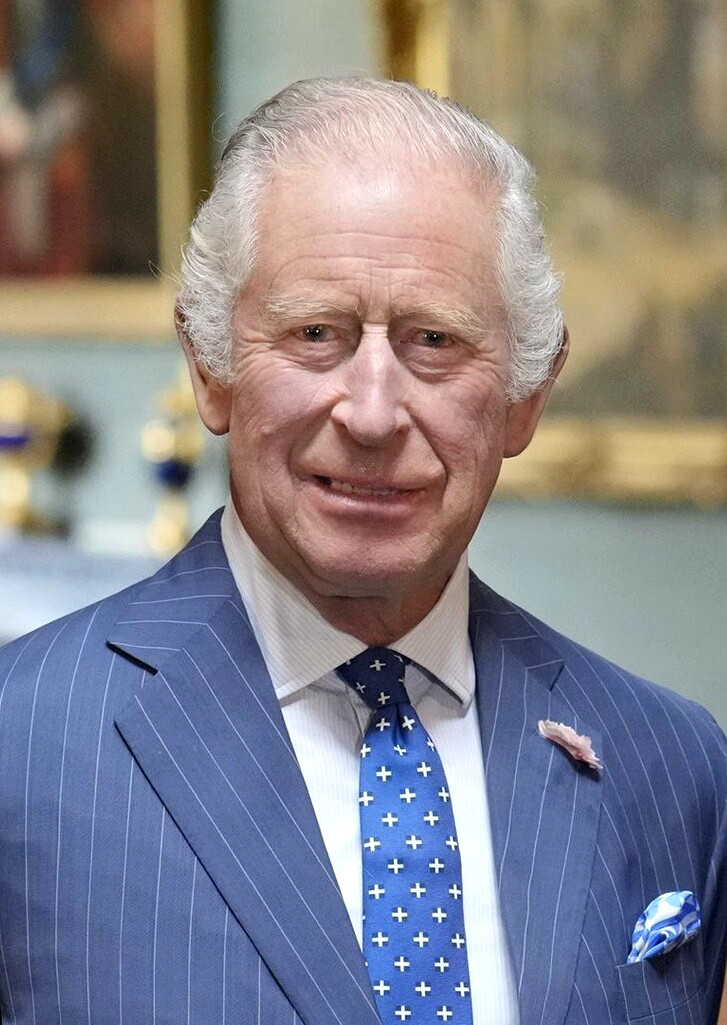
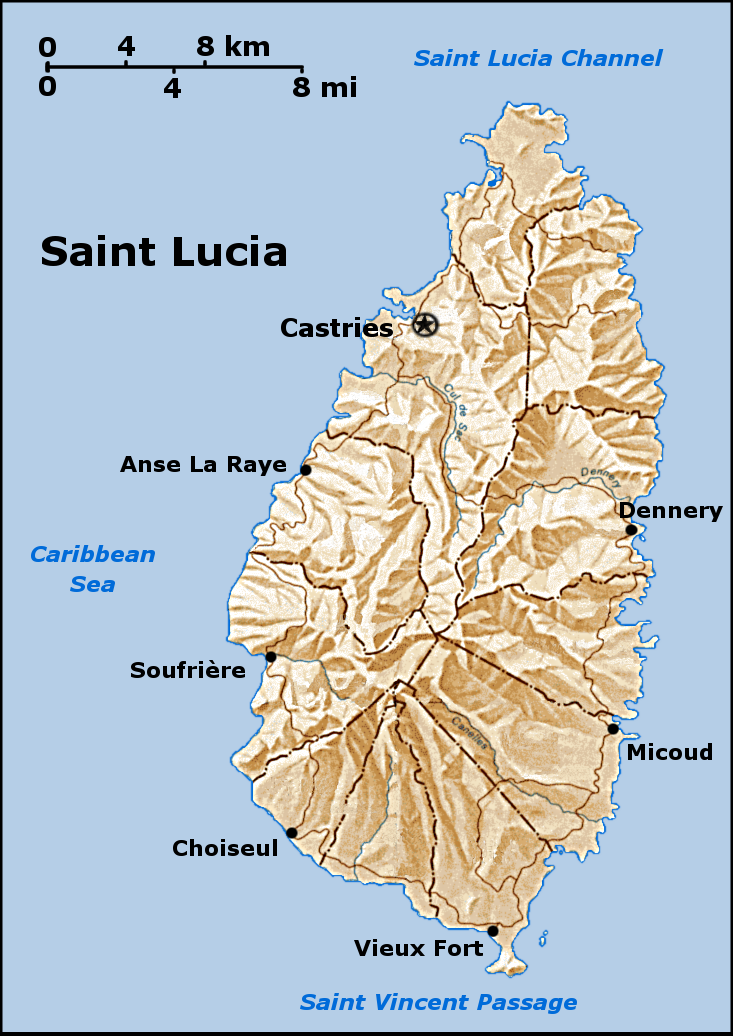
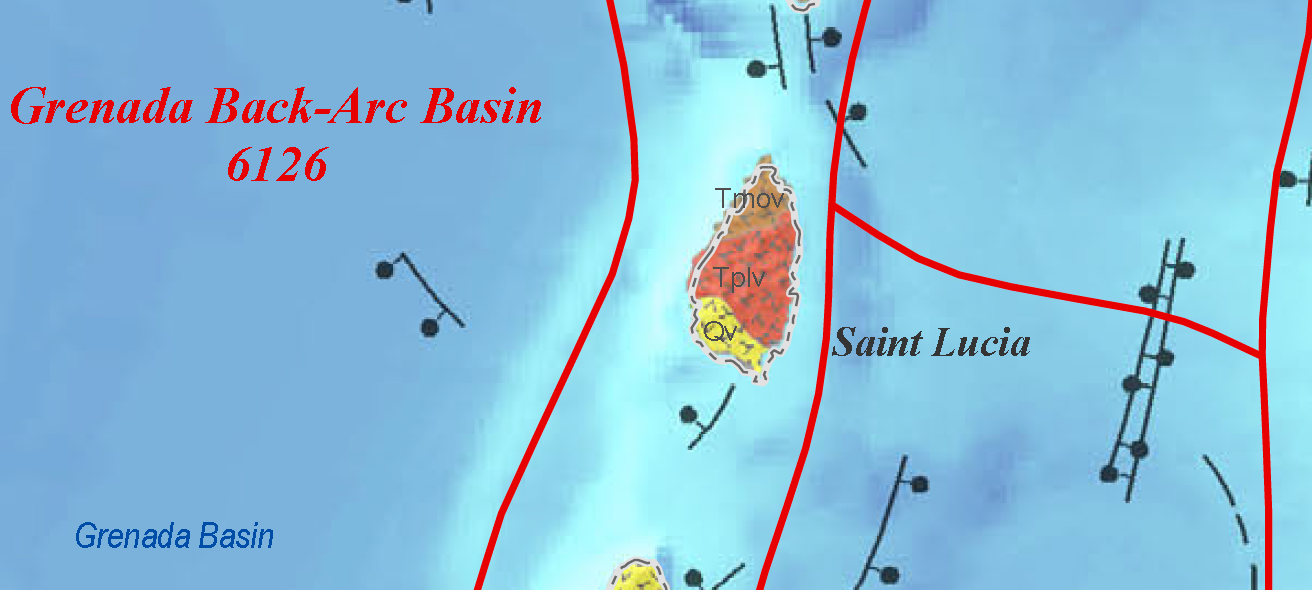
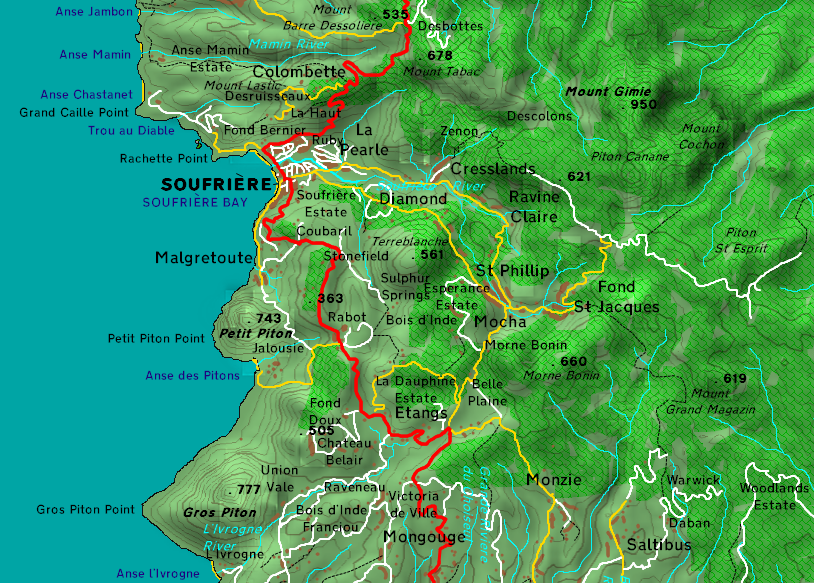
Saint Lucia is volcanic, steep, and green, with a forested spine rising to Mount Gimie at 950 metres and a deeply indented coast of bays, headlands, and beaches, some of black sand. Its defining image is the Pitons, Gros Piton and Petit Piton, two forested volcanic plugs rising almost vertically out of the sea near Soufriere, a World Heritage site and the shape that appears on everything from the beer label to the national imagination.
Behind them lies the Qualibou caldera and the Sulphur Springs, a geothermal field of steaming vents and bubbling grey pools that markets itself, accurately enough, as the world's only drive-in volcano, since a road runs into the crater. The volcano is dormant but not dead, and the geothermal resource is being assessed for power generation. Rainforest covers much of the interior, home to the endemic Saint Lucia parrot, or jacquot, which was brought back from a few dozen birds in the 1970s by a conservation programme now regarded as a model. The island sits in the hurricane belt; Hurricane Tomas in 2010 caused severe landslides and damage.
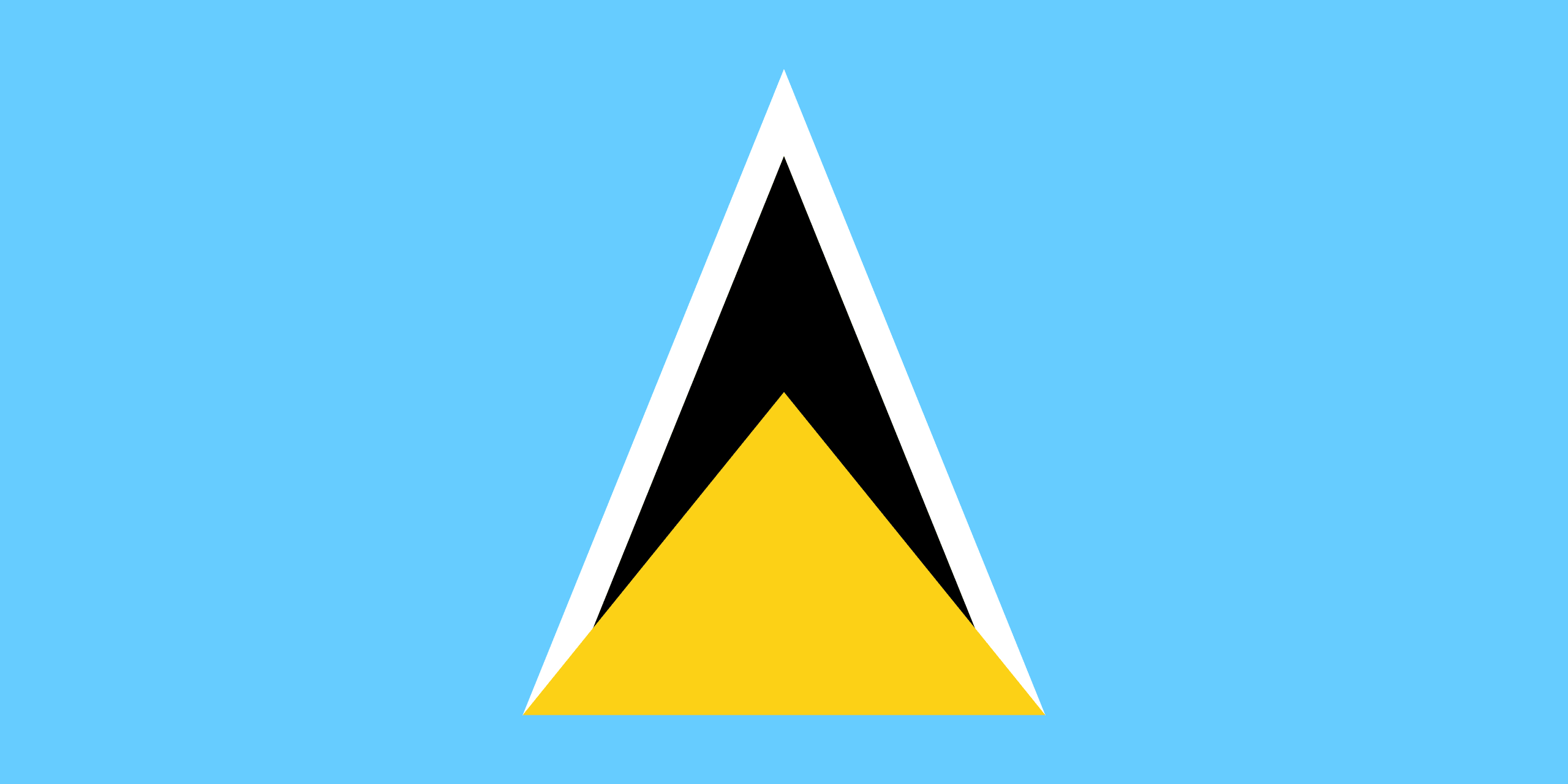
The flag of Saint Lucia has a light blue field bearing a central device of a golden triangle in front of a white-edged black triangle, the shapes evoking the twin Pitons rising from the sea. The blue represents the sky and the surrounding ocean, the gold the sunshine and prosperity, and the black and white the cultural influences of the African and European peoples living together in harmony. The stylised image of the Pitons makes the island's most famous natural landmark the central emblem of the nation.
Saint Lucia is a strongly Christian country, and, reflecting its long French colonial influence, it is predominantly Roman Catholic, a faith deeply woven into the culture, calendar, and festivals of the island, with patron-saint celebrations and church traditions central to community life. A range of Protestant denominations, including Seventh-day Adventist, Pentecostal, and others, are also present and growing. The strong Catholic heritage, unusual among the English-speaking islands and shared with neighbours that passed through French hands, is one of the cultural legacies of Saint Lucia's much-contested colonial past.
Saint Lucian cuisine blends African, French, British, and Caribbean influences, making good use of fresh local produce and seafood. The national dish is green figs and saltfish, green figs being unripe bananas, boiled and served with seasoned salted cod. Callaloo, ground provisions, breadfruit, and an abundance of tropical fruit feature throughout, along with fresh fish and the local catch, and the French heritage shows in the island's creole cooking and its love of well-seasoned, flavourful dishes. Bouyon, a hearty one-pot stew, and spicy local seasonings round out the island's food.
Agriculture has long been important to Saint Lucia, and for much of its modern history the dominant crop was the banana, which became the mainstay of the rural economy and the leading export after the decline of sugar, though it has been buffeted by hurricanes and by changes in international trade. The island also grows coconuts, cocoa, tropical fruits, and vegetables, much of it on small farms, and fishing supplies the local market. As tourism has grown into the leading sector of the economy, agriculture has declined in relative weight but remains significant in rural life.
Saint Lucia's culture sits on a French foundation under an English administration, which is why the island is Catholic and Kwéyòl-speaking while its laws and schools are English. That doubleness runs through everything. Jounen Kwéyòl, Creole Day, is a national celebration of the language and its food and dress; the Flower Festivals of La Rose and La Marguerite, two rival societies with their own kings, queens, and songs, are a survival found almost nowhere else; and the Saint Lucia Jazz Festival has drawn international attention since the 1990s.
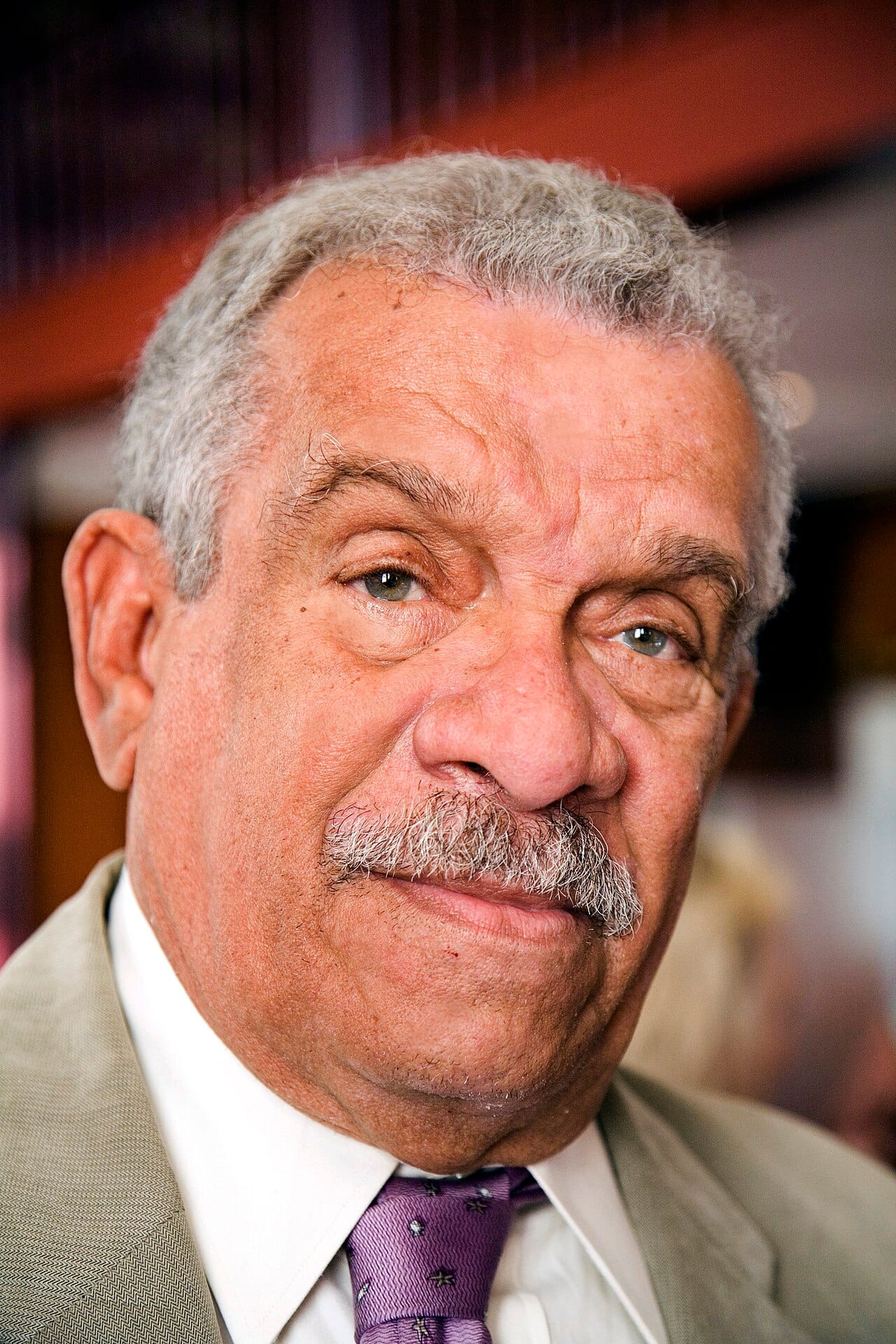
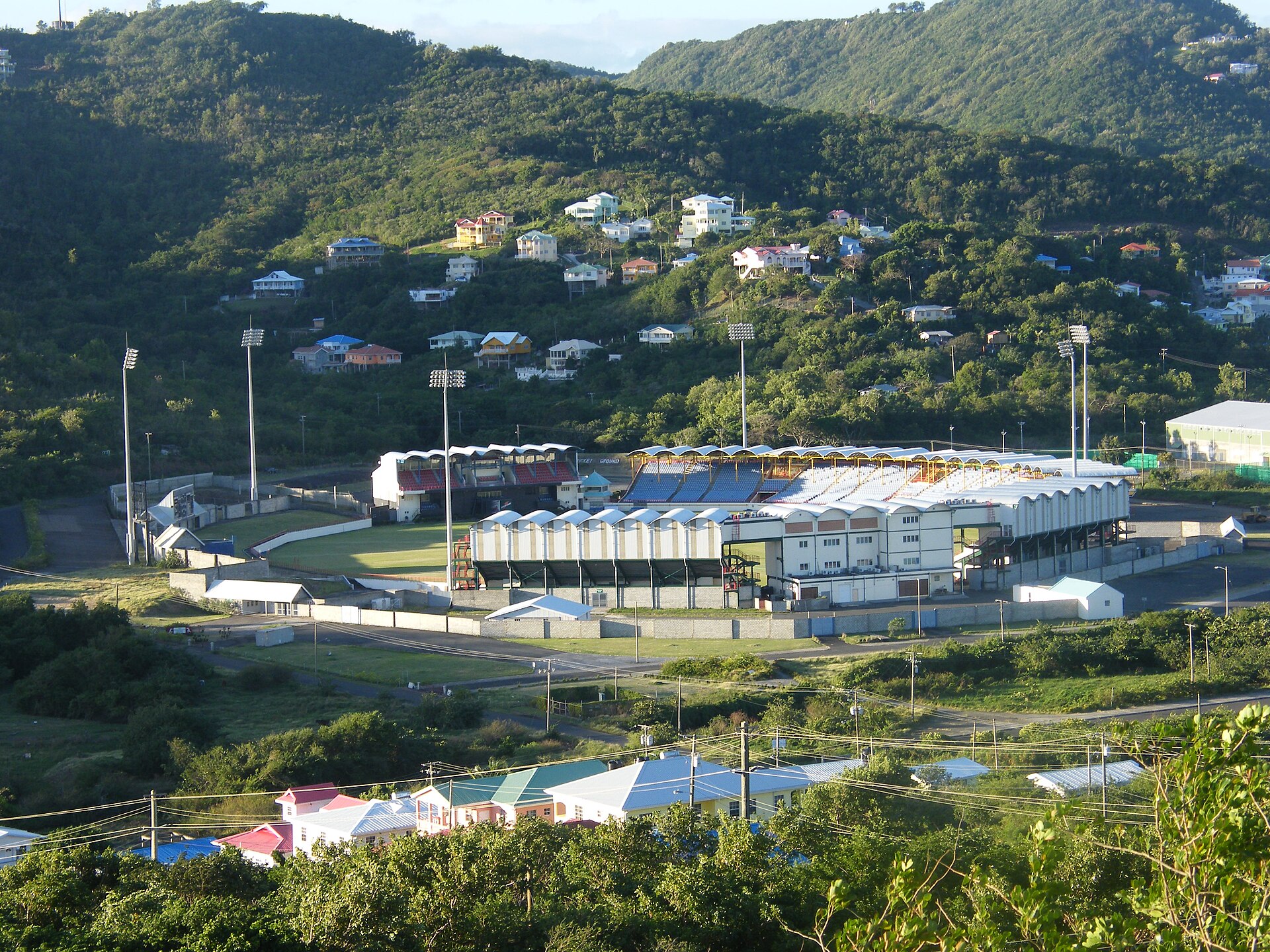
The island's most remarkable distinction is literary. Sir Derek Walcott, born in Castries, won the Nobel Prize in Literature in 1992 for a body of work, above all the epic Omeros, that took the Caribbean's mixed inheritance as its subject. Sir Arthur Lewis, also of Castries, had won the Nobel Prize in Economics in 1979 for his work on development. Two laureates from a population well under 200,000 gives Saint Lucia the highest number of Nobel Prizes per head of any country in the world, a fact islanders will tell you without prompting. Cricket is the national game, and Daren Sammy captained the West Indies to two World Twenty20 titles; the national ground carries his name.
Saint Lucia has a population of around 180,000, the great majority of African descent, with minorities of mixed, Indian, and European heritage, the Indian community descending from indentured labourers brought after emancipation. English is official, but the everyday language of most Saint Lucians is Kwéyòl, the French-based creole shared with Dominica and the neighbouring French departments, which survived two centuries of British rule and has been the object of a deliberate revival, with dictionaries, radio broadcasting, and a national day of its own.
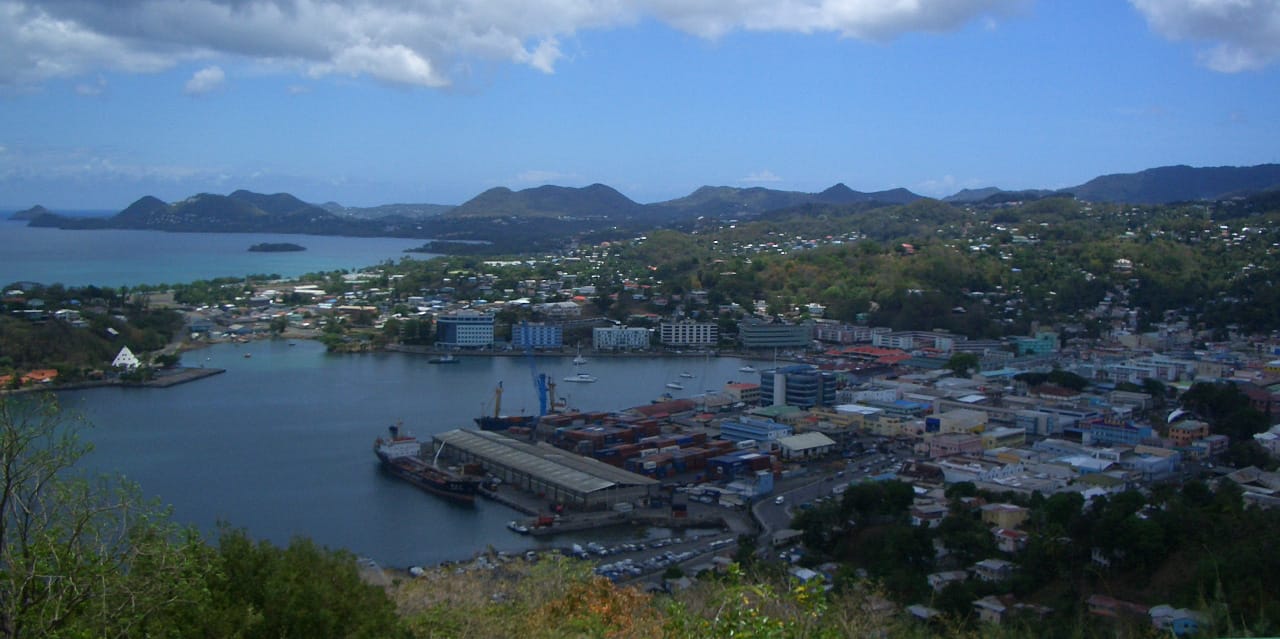
Most people live along the coast, concentrated in the north around Castries and Gros Islet, where the tourism industry and the port are, with Vieux Fort in the south the second centre and site of the international airport. The mountainous interior remains thinly settled. Emigration has been substantial for generations, and Saint Lucian communities in Britain, the United States, Canada, and the French islands remain closely connected to home.