Rwanda is a small, landlocked country in East-Central Africa, a green and mountainous land known as the land of a thousand hills. One of the most densely populated countries on the continent, it is famous both for the catastrophe of the 1994 genocide, one of the darkest events of the twentieth century, and for a remarkable recovery since, which has made it one of Africa's most orderly and fastest-developing nations. It is also a refuge for some of the world's last mountain gorillas.
Rwanda's history is that of an old and cohesive kingdom whose social order was hardened by colonial rule into a deadly division, one that erupted in 1994 in one of the swiftest genocides ever known.
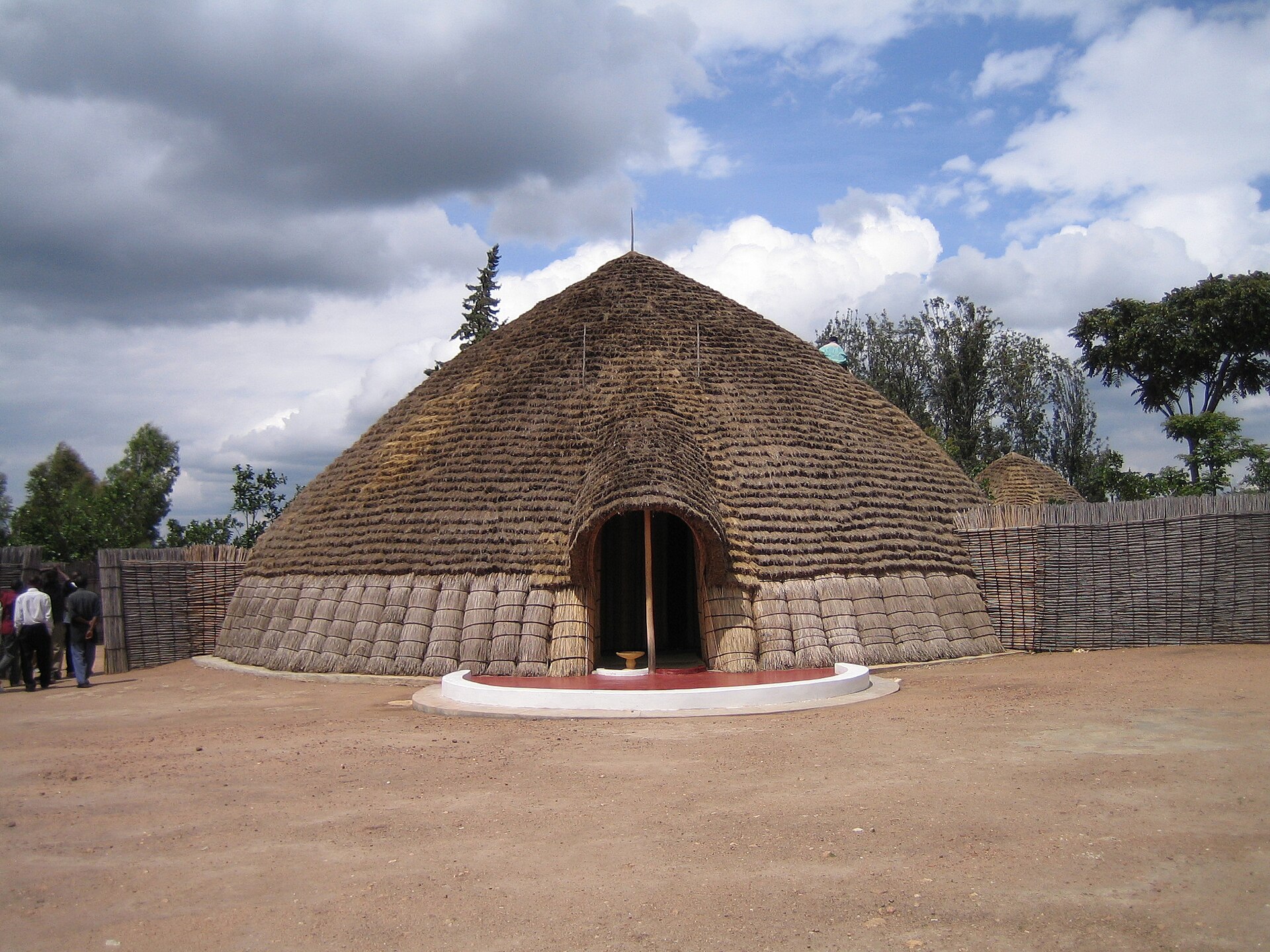
Rwanda was a unified kingdom for centuries, one of the oldest and most centralised states in the region, ruled by a monarch, the mwami, and a court of considerable sophistication. Its people shared a single language, Kinyarwanda, and a common culture, and were organised into groups known as Hutu and Tutsi, categories that were largely social and economic, tied to cattle and status, and across which people could move and intermarry, rather than the rigid ethnic divisions they would later become.
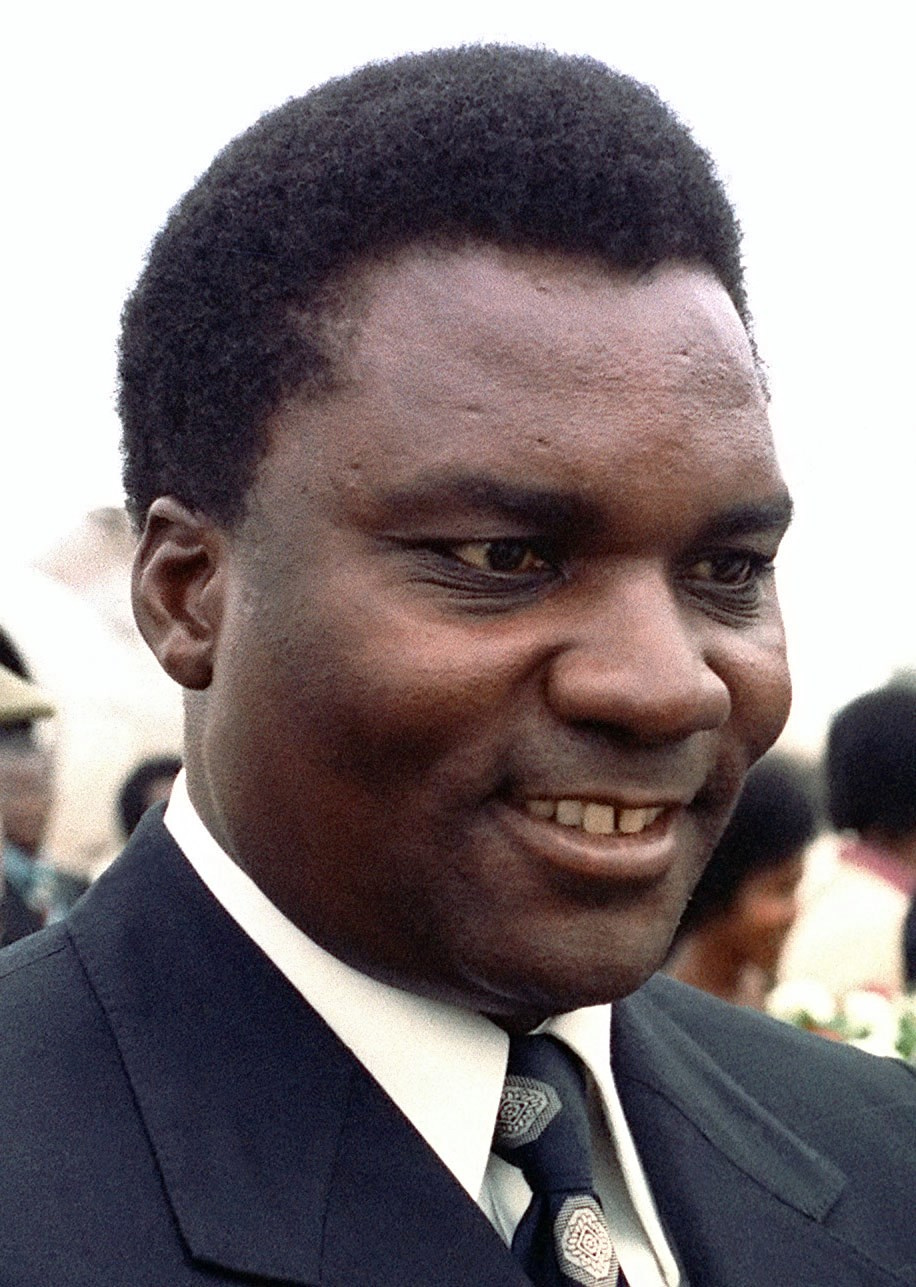
Germany, and then Belgium, colonised Rwanda, and the Belgians hardened the fluid social categories into fixed racial ones, issuing identity cards labelling every person Hutu or Tutsi and ruling through the favoured Tutsi minority. As independence neared in 1962, resentment erupted into violence against Tutsi, many of whom fled abroad, and power passed to a Hutu elite. Over the following decades, cycles of ethnic violence and the exclusion of the exiled Tutsi built toward catastrophe, as an extremist Hutu ideology took hold under the long rule of President Juvenal Habyarimana.
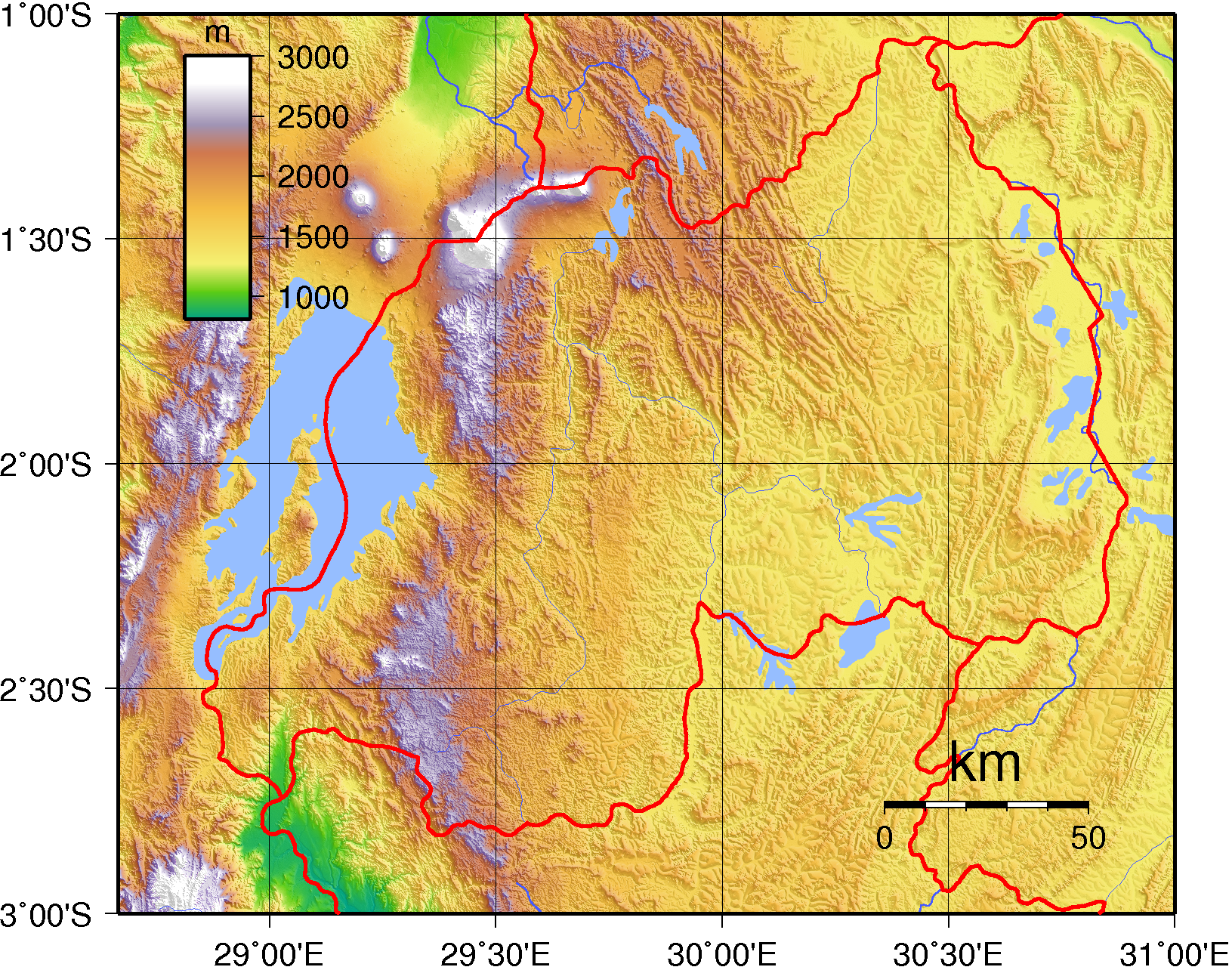
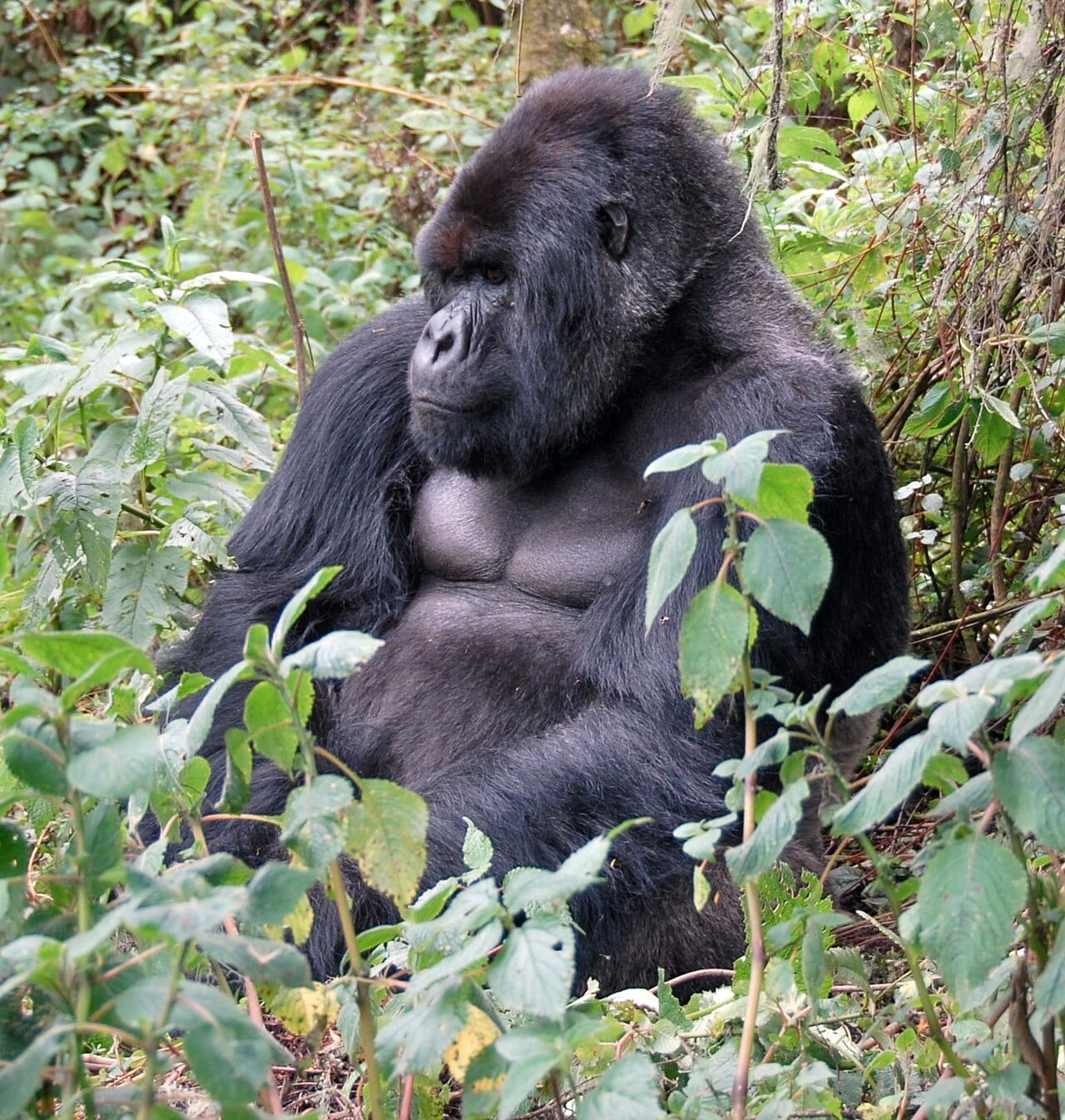
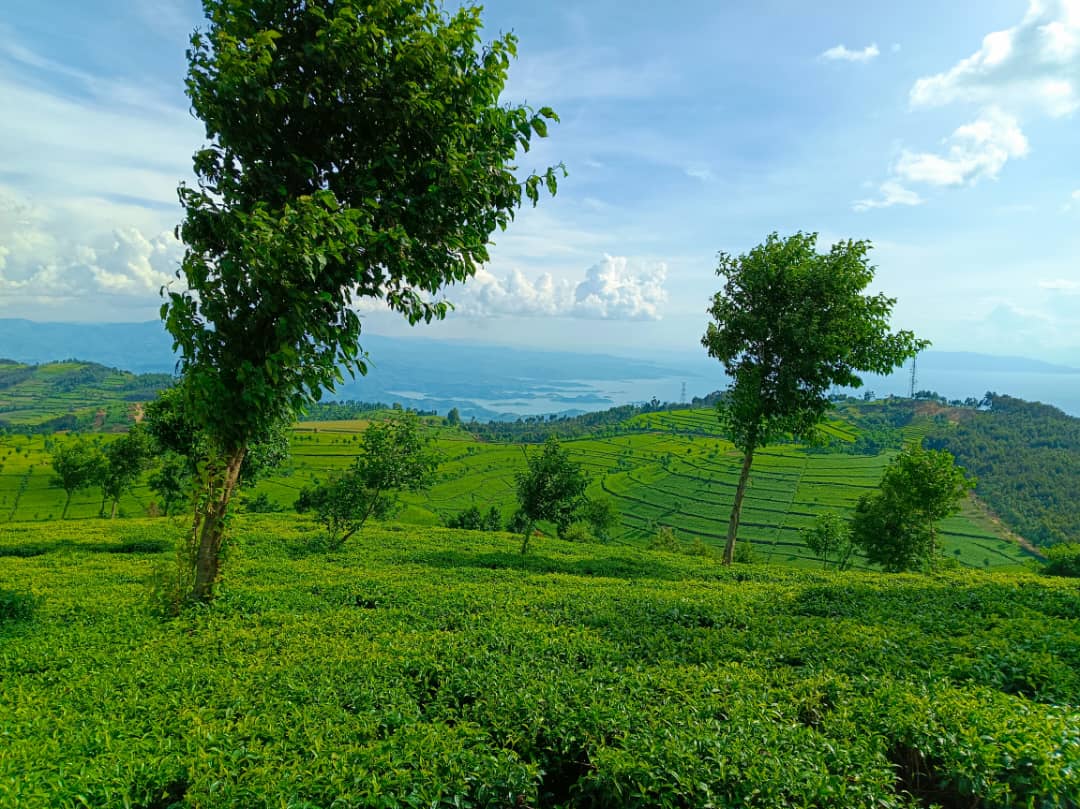
Rwanda's nickname, the land of a thousand hills, captures its landscape perfectly: a country of steep, terraced hills and mountains, ridges, and valleys, set at high altitude near the equator, which gives it a temperate, spring-like climate despite its tropical latitude. Volcanoes rise in the northwest, where mist-shrouded forests shelter endangered mountain gorillas, and lakes and rivers thread the green countryside. This intensively cultivated, hilly terrain supports one of the densest rural populations in Africa.
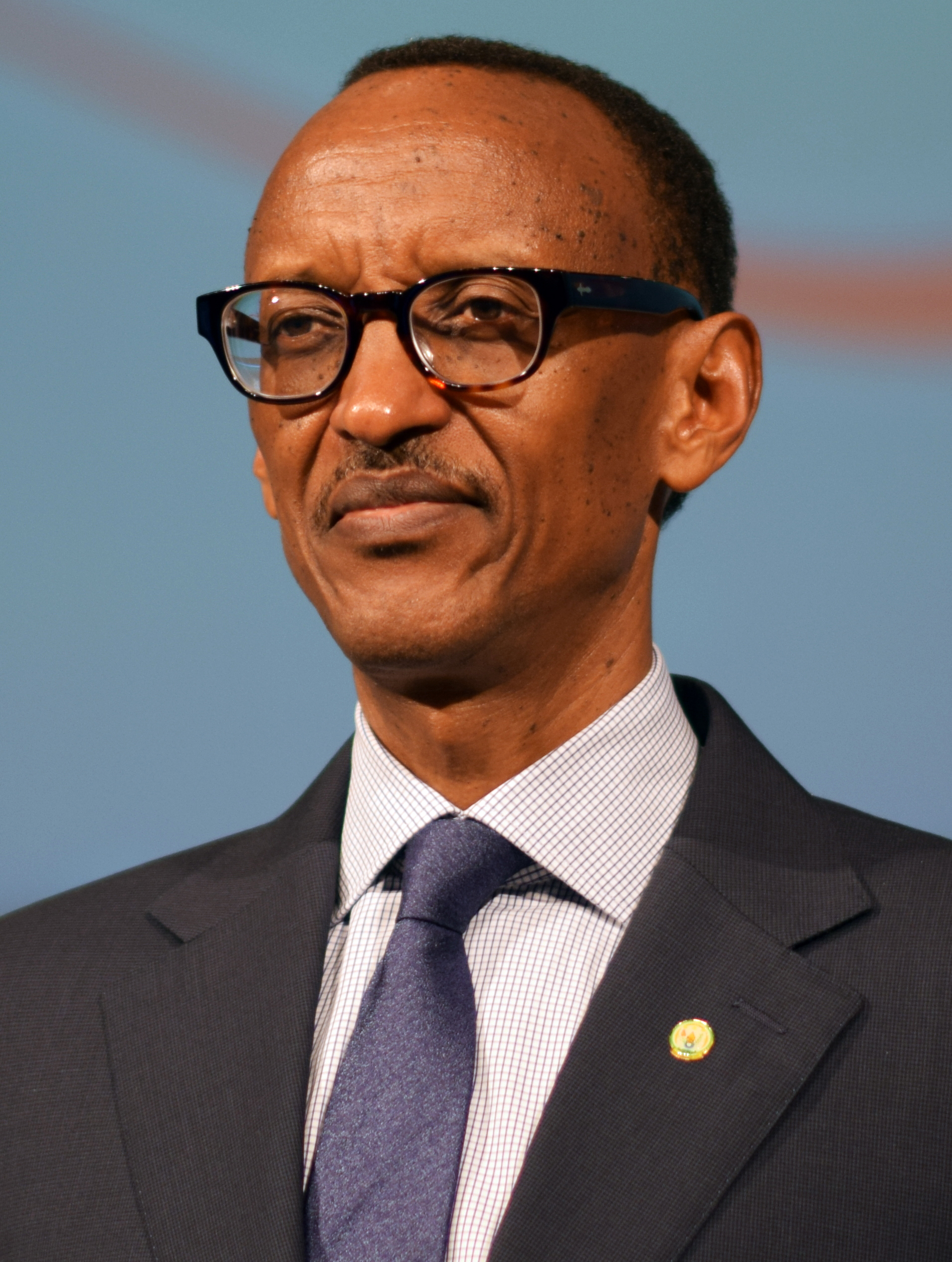
Rwanda is dominated by one man and one party. Paul Kagame, who commanded the rebel force that ended the genocide in 1994, has effectively ruled ever since, as the power behind the presidency and then, from 2000, as president, and constitutional changes could allow him to remain in office into the 2030s. His government, run by the Rwandan Patriotic Front, is credited with delivering extraordinary stability, safety, and development, but it is also widely criticised for tight control of political life, the suppression of dissent and independent media, and the pursuit of opponents abroad. Elections return him with all but unanimous majorities, and the country presents a united, tightly organised face to the world.

The flag of Rwanda has three horizontal bands of blue, yellow, and green, with a golden sun in the upper fly corner. Adopted in 2001 to replace an earlier flag associated with the era of the genocide, it was deliberately designed to symbolise a new beginning: the blue represents happiness and peace, the yellow economic development, and the green the prosperity of the land, while the sun stands for enlightenment and unity, lighting the way to a better future.
Rwanda is a predominantly Christian country, the result of intensive missionary activity during the colonial era, with the majority belonging to the Roman Catholic Church and a significant number to various Protestant churches, while there is a small Muslim minority. Churches play a prominent role in community life, though the involvement of some religious figures in the events of 1994 left a complicated legacy. Traditional beliefs also persist in places, often alongside Christian practice.
Rwandan cuisine is simple and based on the produce of its intensively farmed hills. Staples include beans, plantains, sweet potatoes, cassava, and maize, often combined in hearty stews, and a popular dish, isombe, is made from mashed cassava leaves cooked with vegetables and sometimes fish or meat. Grilled goat meat, known as brochettes, is a favourite, and the food is generally healthy and plant-rich, reflecting a country where most people farm the land for their own needs.
Agriculture is the foundation of Rwanda's economy and the livelihood of most of its people, carried out on the terraced slopes of its many hills, where every available patch of land is cultivated by smallholders. Beans, bananas, sweet potatoes, and cassava are grown as staples, while coffee and tea are the country's most important cash crops and major exports, grown in the cool highlands and prized for their quality. Managing farming on such steep, crowded land is a central national concern.
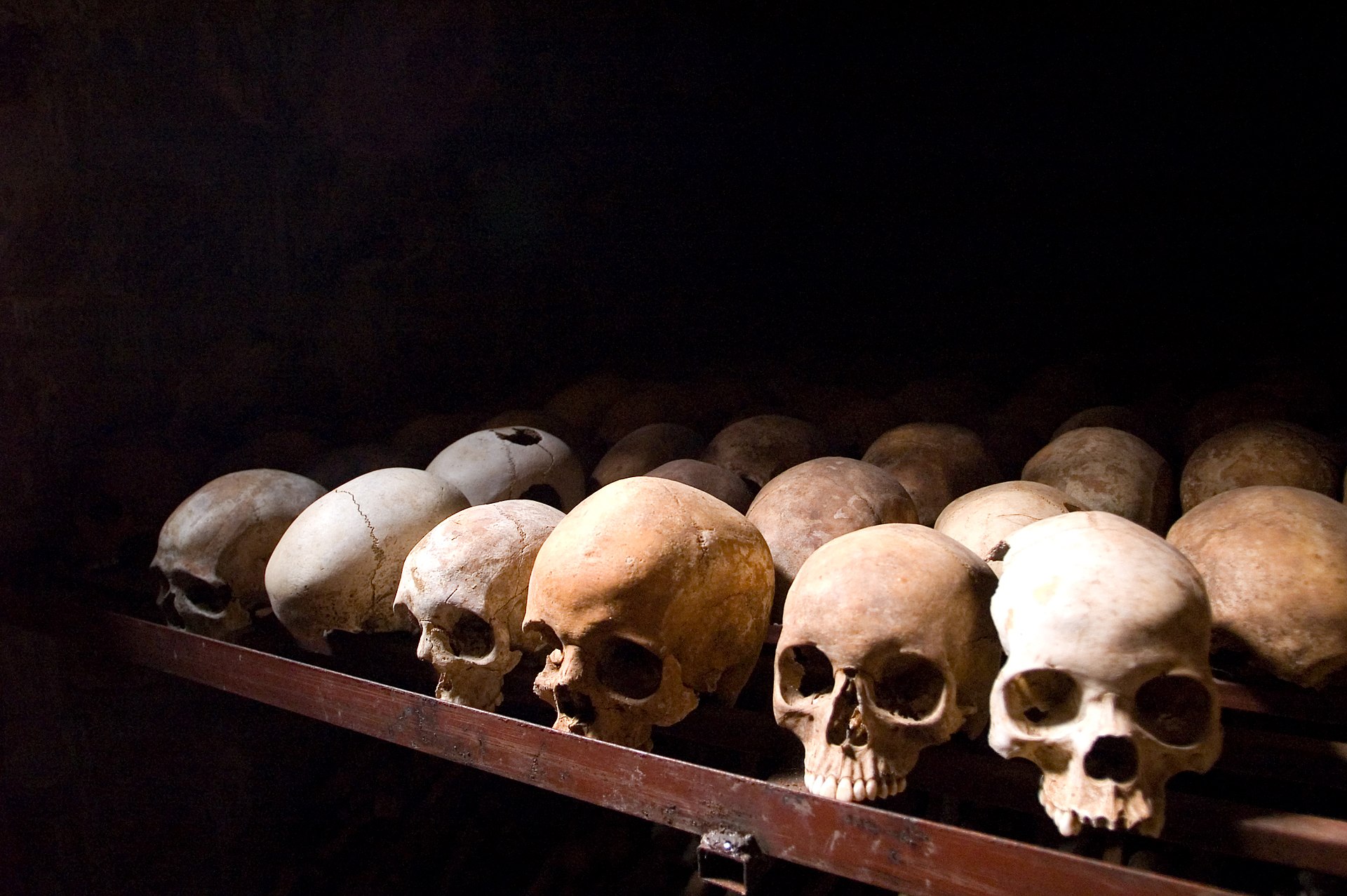
The defining event of Rwanda's history, and one of the darkest of the twentieth century, was the genocide of 1994. After the president's plane was shot down in April, a long-prepared campaign of extermination was unleashed against the Tutsi minority and moderate Hutu. Over roughly a hundred days, extremists organised the slaughter of an estimated 800,000 to a million people, neighbours killing neighbours with machetes and clubs, in one of the swiftest mass killings ever recorded, while the outside world looked away and a small United Nations force stood by, unable or unwilling to intervene. The killing ended only when the Rwandan Patriotic Front, a Tutsi-led rebel army, defeated the genocidal government and took control of the country.
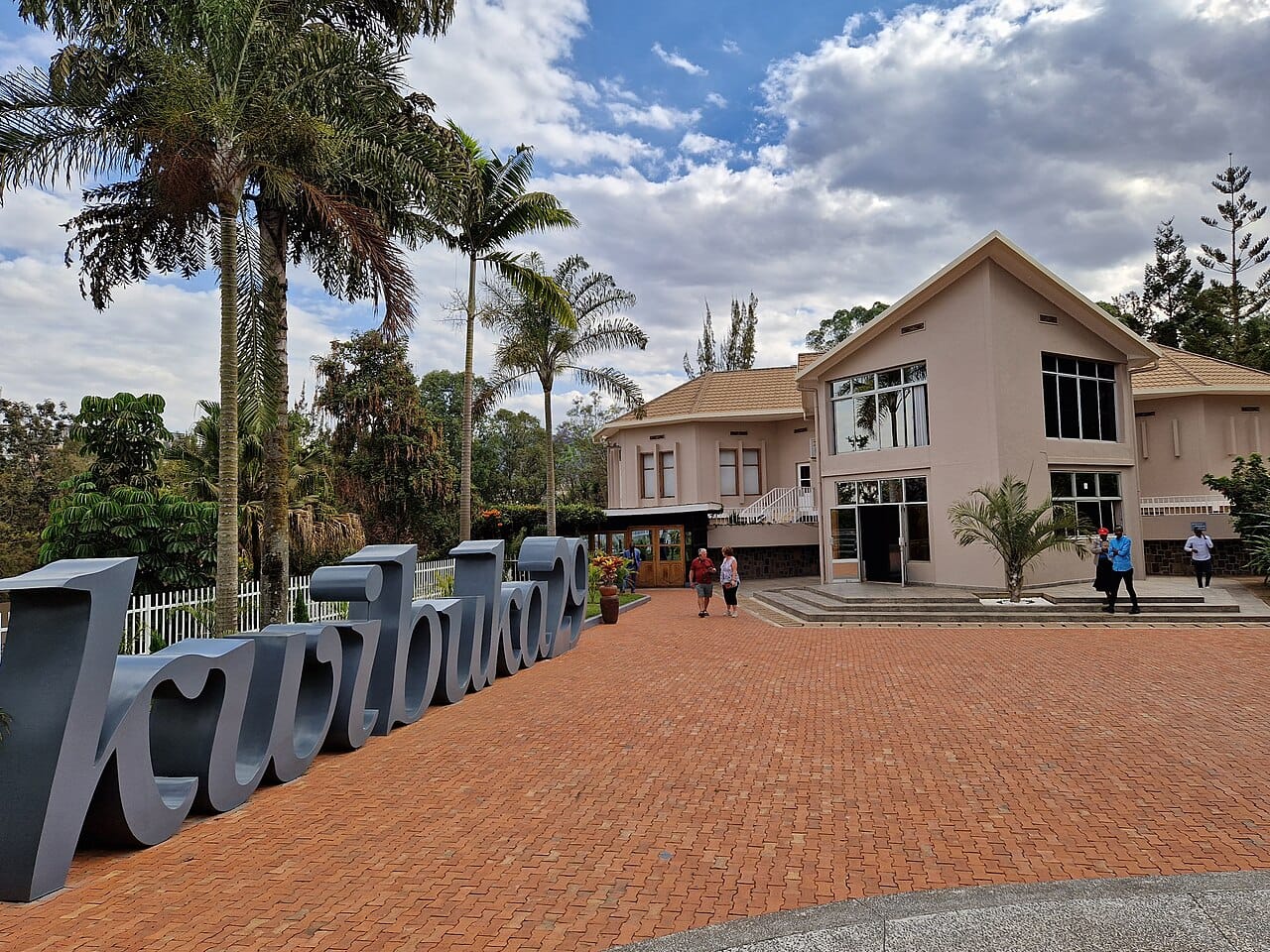
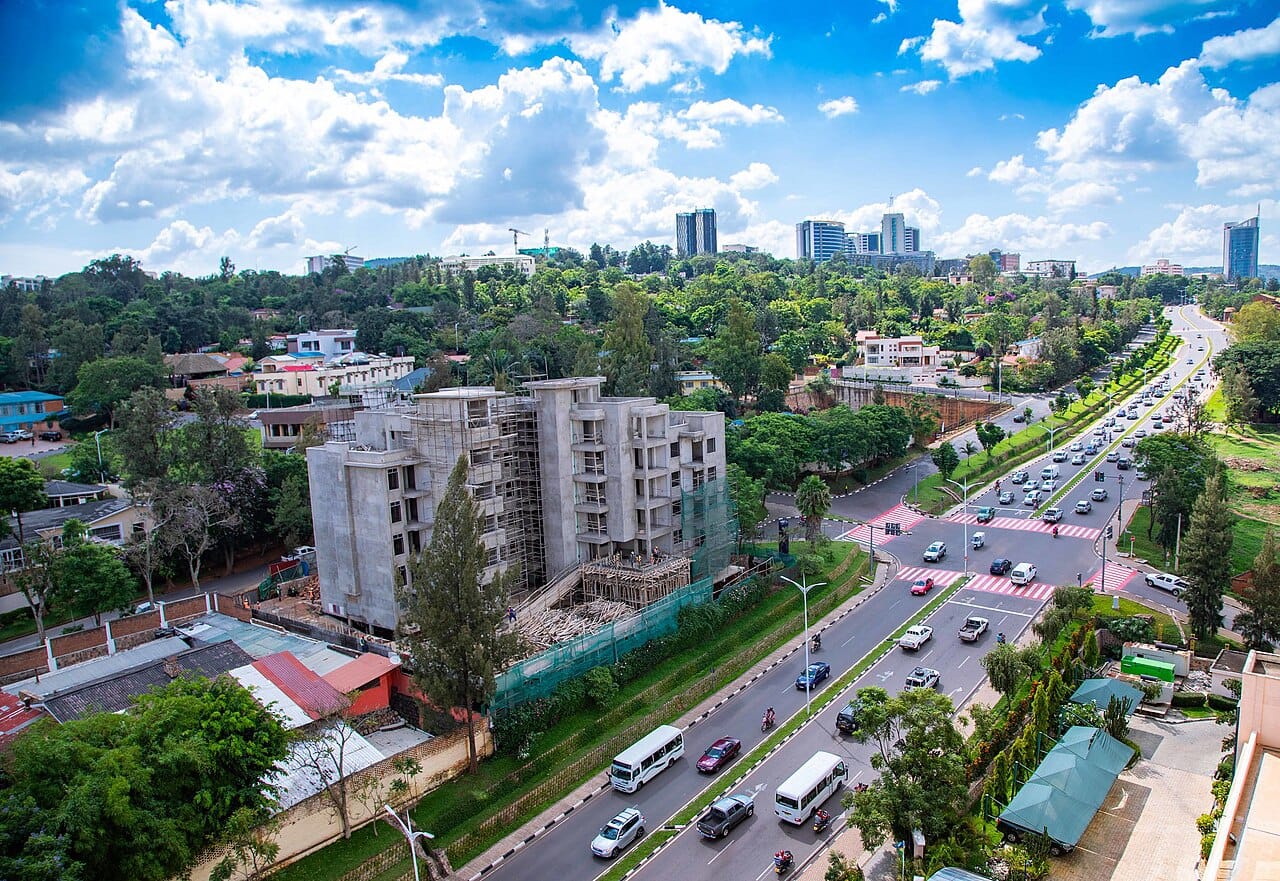
Rwanda's recovery since 1994 is one of the most striking, and most debated, national stories of our time. From the ashes of the genocide, the government has built a country famous for safety, order, and cleanliness, with sustained economic growth, sharp falls in poverty, strong gains in health and education, near-universal internet ambitions, and a capital, Kigali, often called the tidiest in Africa. Its supporters hail a visionary model of development and reconciliation, in which a nation abolished the official ethnic labels that fed the killing and rebuilt itself around a single Rwandan identity.
Critics see a harder picture behind the success: a tightly controlled state that permits little real dissent, jails or exiles opponents and journalists, and has been accused of pursuing critics even abroad, with a reconciliation that can suppress as much as it heals. Abroad, Rwanda has repeatedly intervened in the neighbouring Democratic Republic of the Congo, and United Nations experts and Western governments accuse it of arming and directing the M23 rebels who seized swathes of the eastern Congo in the 2020s, a charge Rwanda denies while citing the threat from Hutu militias sheltering there. Whether Rwanda is best understood as an inspiring success or a sophisticated authoritarian state, or as both at once, is one of the genuine debates about modern Africa.
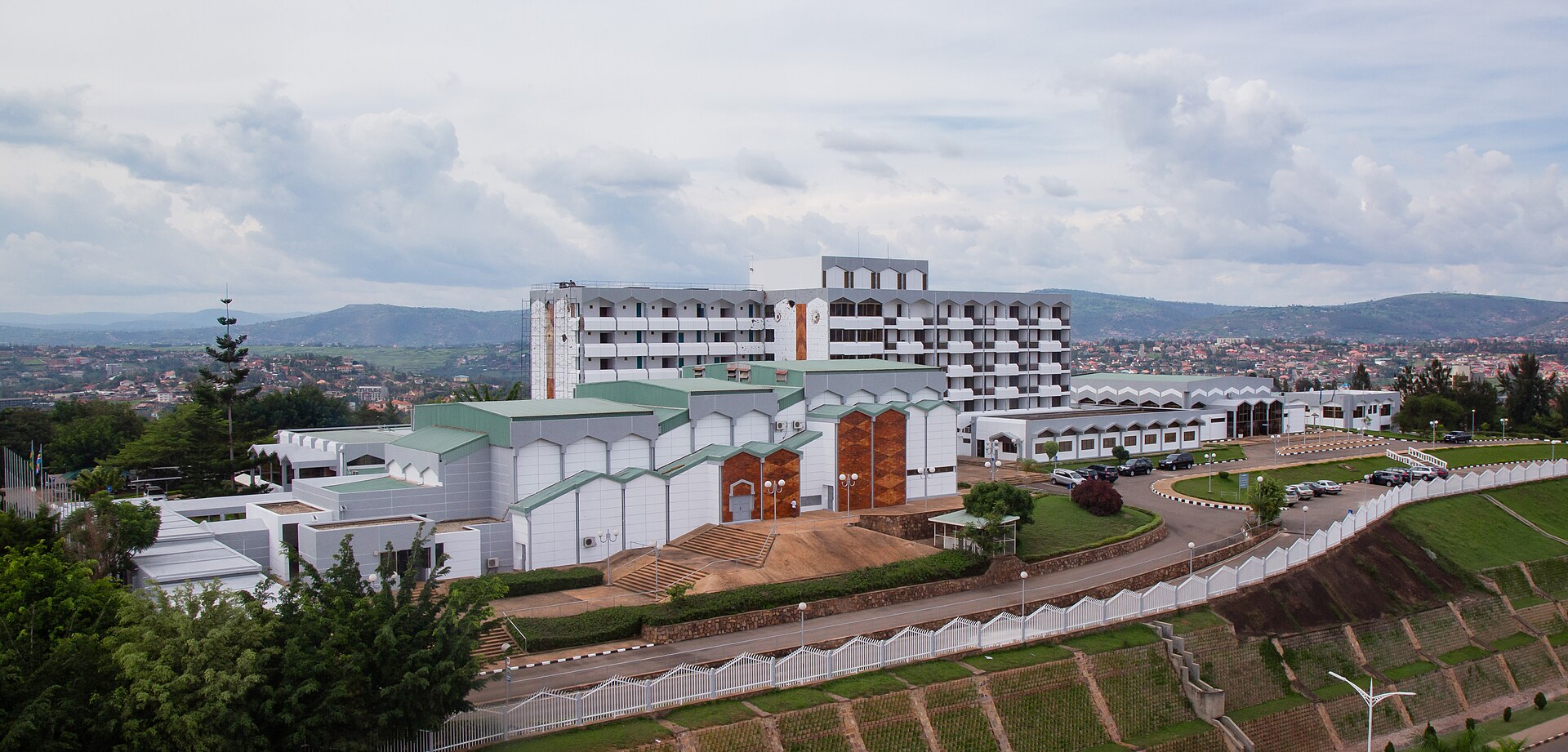
Rwanda has a population of around 14 million people in a very small area, making it one of the most densely populated countries in Africa. Its people share a single language, Kinyarwanda, alongside official use of French, English, and Swahili, and a common culture, though the legacy of the divisions that led to the genocide still shapes society. The government has worked to promote a unifying national identity. The population is overwhelmingly rural and young, with the capital, Kigali, noted for its cleanliness and order.