Russia is the largest country in the world by area, stretching across Eastern Europe and the whole of northern Asia, spanning eleven time zones from the Baltic Sea to the Pacific Ocean. This vast expanse takes in frozen tundra, immense forests, and grassy steppes, holding enormous reserves of oil, gas, minerals, and timber. A great power for centuries, Russia has shaped European and world history through its empire, its revolution, and its science.
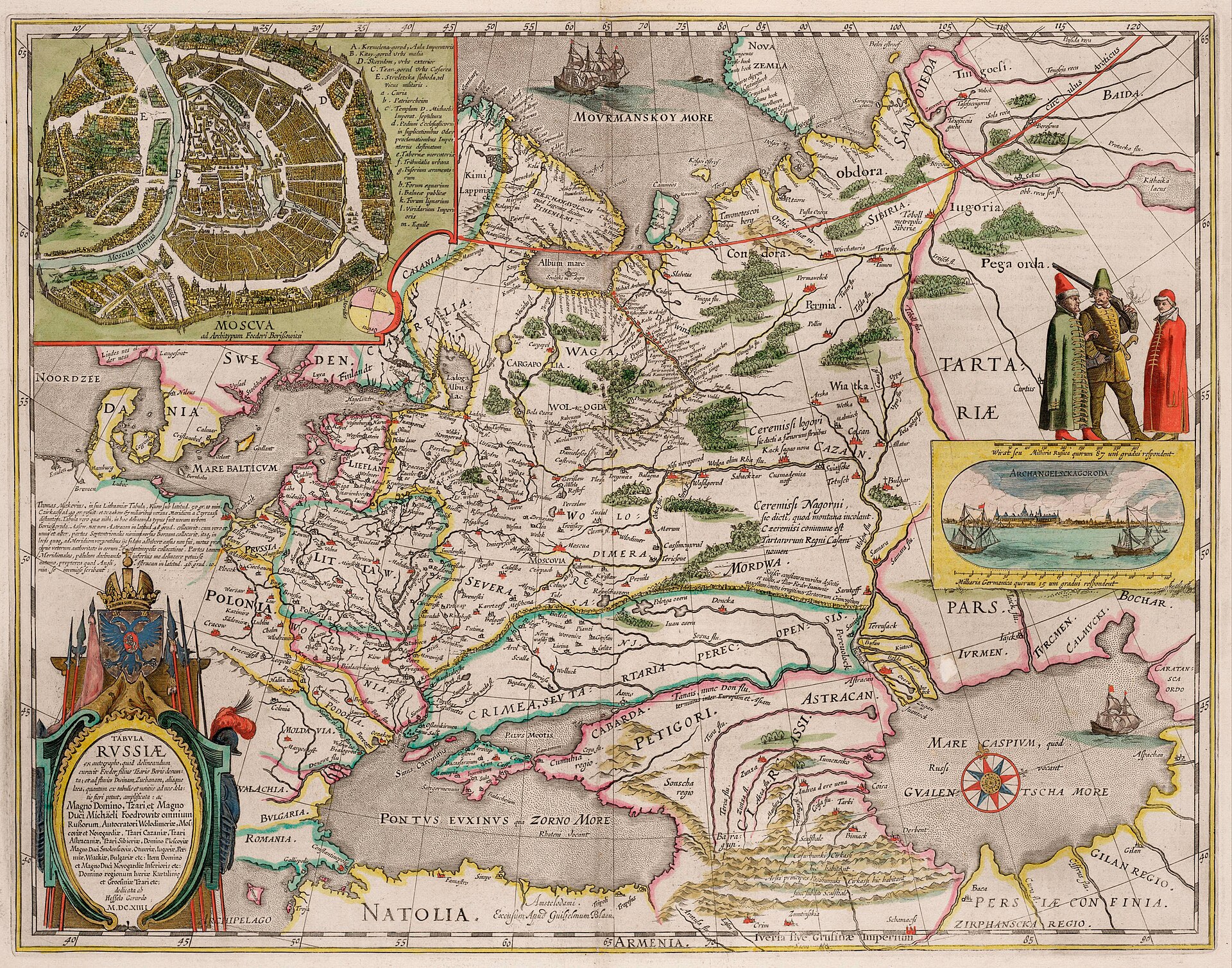
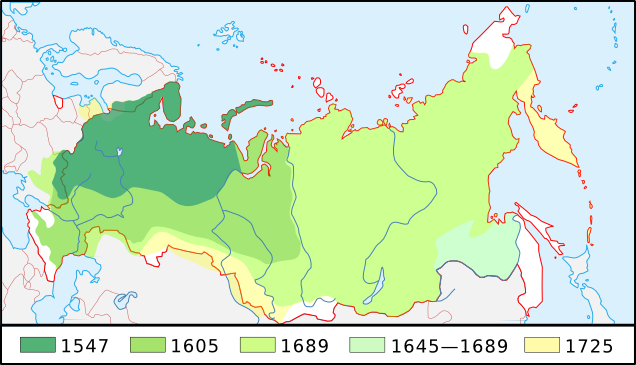
Russia grew from a medieval federation of Slavic principalities into the largest empire on Earth, a rise driven by the steady expansion of Moscow across forest, steppe, and Siberian wilderness.
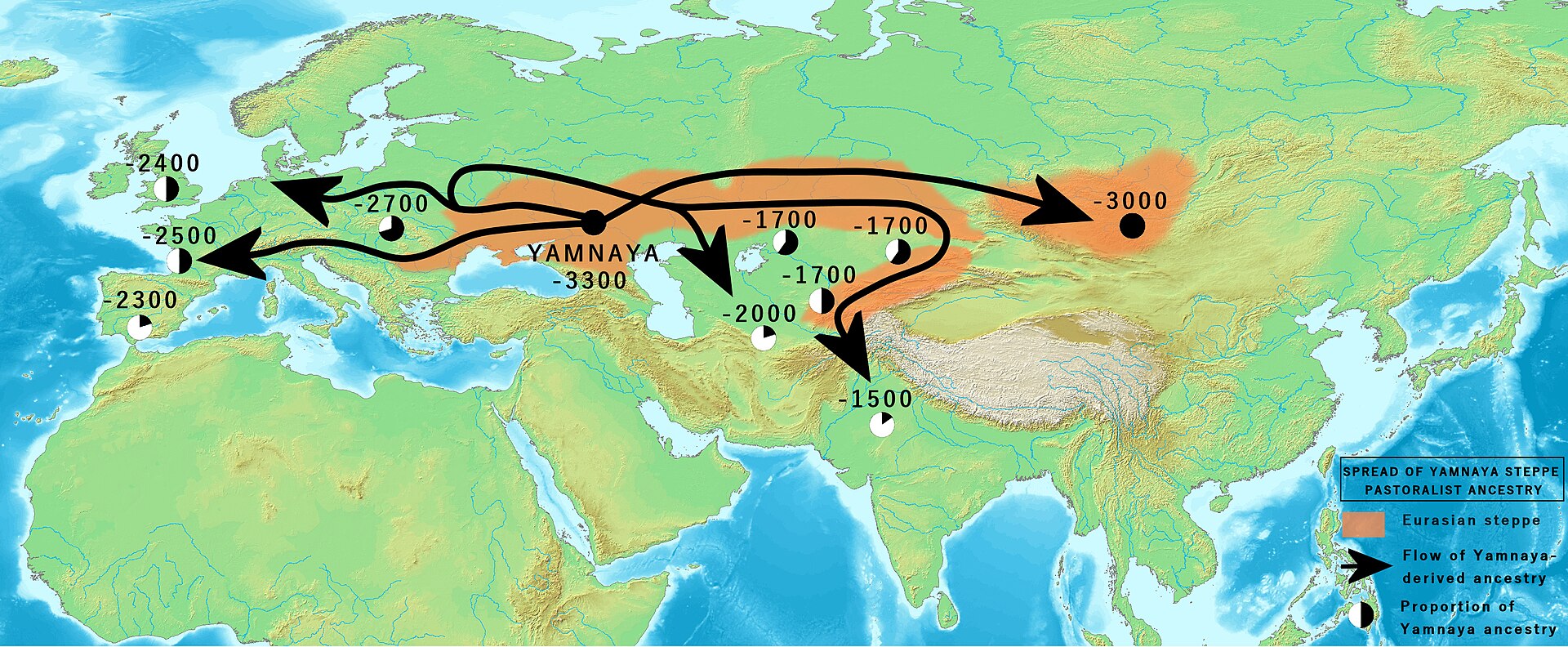
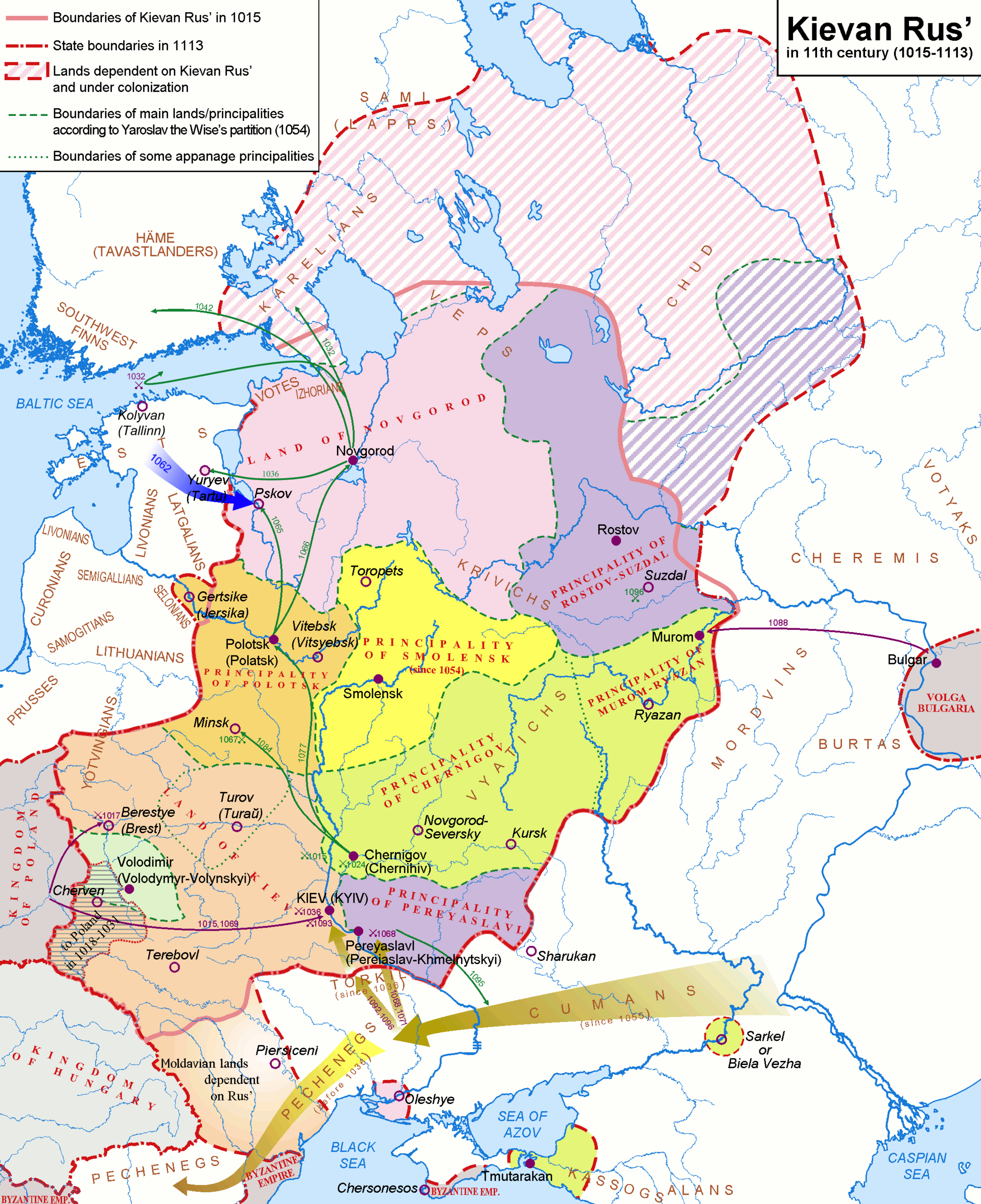
The grasslands of southern Russia were a corridor of peoples for thousands of years, including the Bronze Age Yamnaya herders whose ancestry spread deep into Europe and Asia. The first major East Slavic state, Kievan Rus, took shape from the ninth century, a loose federation of principalities that adopted Orthodox Christianity from Byzantium in 988, a turning point that shaped Russian identity ever after.
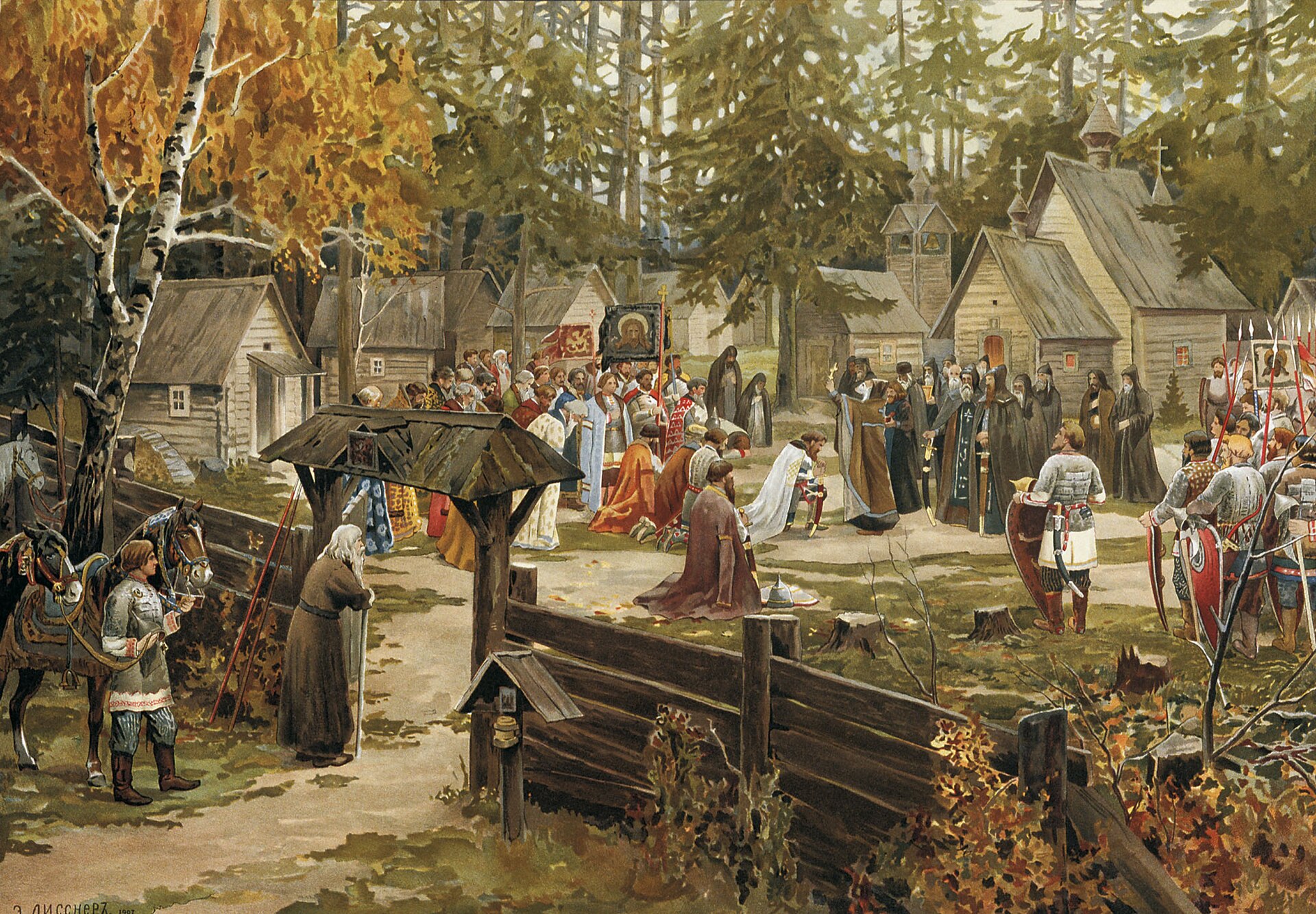
In the thirteenth century the Mongols overran the Rus principalities and held them in tribute for some two hundred years. Out of this period the Grand Duchy of Moscow slowly emerged as the leader of the Russian lands, its princes gathering territory and, with the blessing of the Orthodox Church, casting themselves as defenders of the faith.
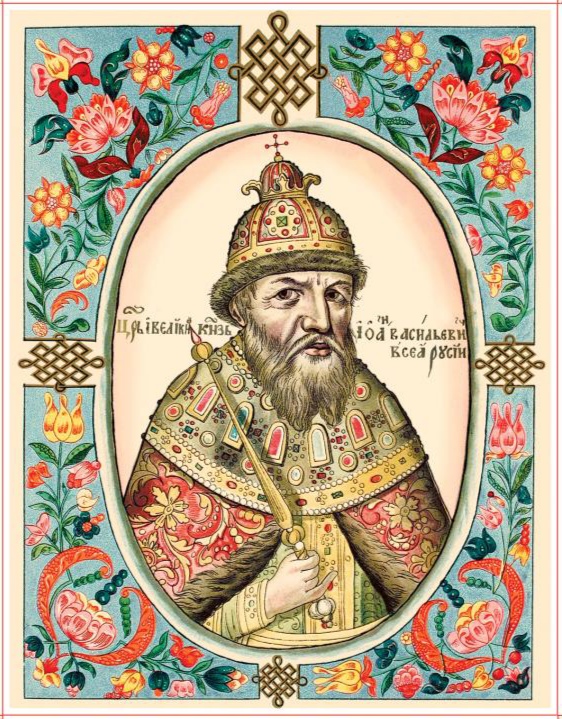
Ivan the Terrible was the first ruler crowned tsar, in the sixteenth century, and under the Romanov dynasty that followed, Russia expanded relentlessly eastward across Siberia to the Pacific. Reforming emperors such as Peter the Great and Catherine the Great turned it into a major European power, building Saint Petersburg as a window to the West.
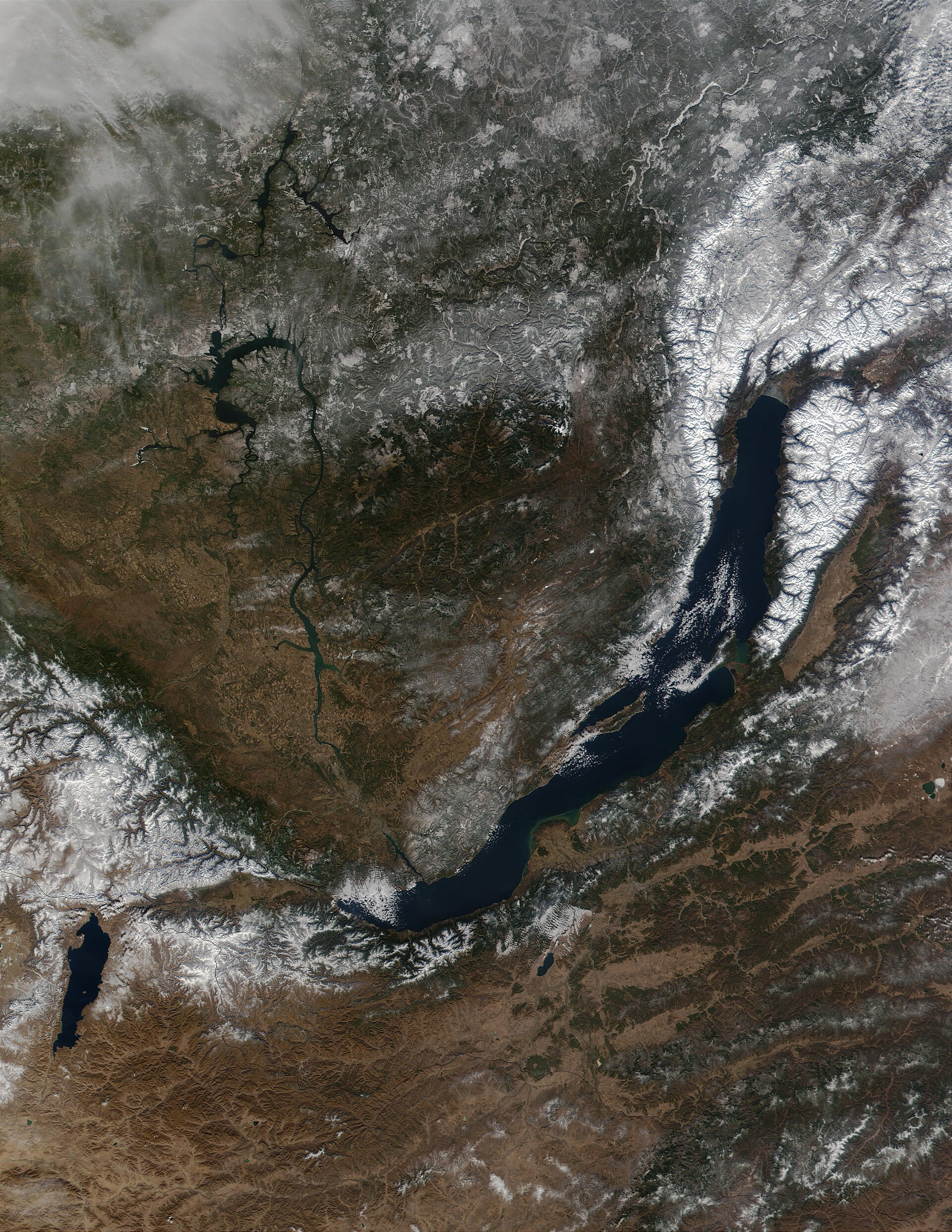
Russia's size is hard to overstate: it covers more land than any other nation, reaching across two continents. The Ural Mountains traditionally divide its European west from Siberia, the immense and sparsely peopled expanse of forest and tundra that makes up most of the country. It holds Lake Baikal, the deepest and oldest freshwater lake on Earth, and a long Arctic coastline. Much of the land endures long, severe winters that have shaped its history and identity.
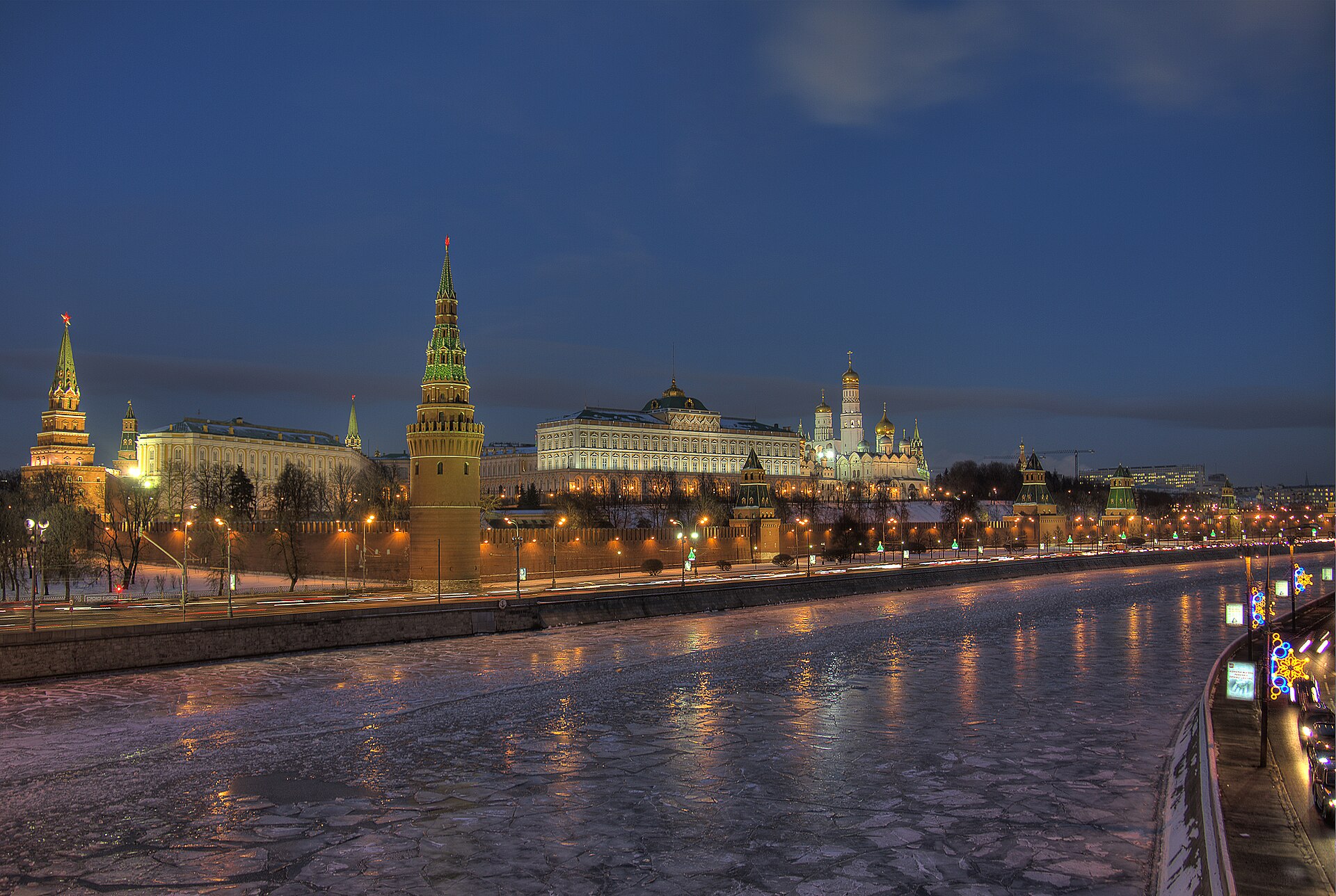
Russia is a federation that is, in form, a semi-presidential republic, though in practice power is highly concentrated in a strong presidency that dominates the parliament, the regions, and the courts. The country is governed from the Moscow Kremlin, the historic fortress at the heart of the capital that has been the seat of Russian power for centuries. Critics at home and abroad describe the modern political system as authoritarian, pointing to restrictions on opposition, media, and protest.
Russia's economy rests heavily on its immense natural resources. It is one of the world's largest producers and exporters of oil and natural gas, and a major supplier of metals, minerals, timber, and grain. Energy exports long underwrote the state budget and gave Russia significant leverage over its customers, particularly in Europe. Since 2014, and far more sharply since 2022, wide-ranging international sanctions have reshaped its trade, pushing it to redirect energy and commerce toward Asia.
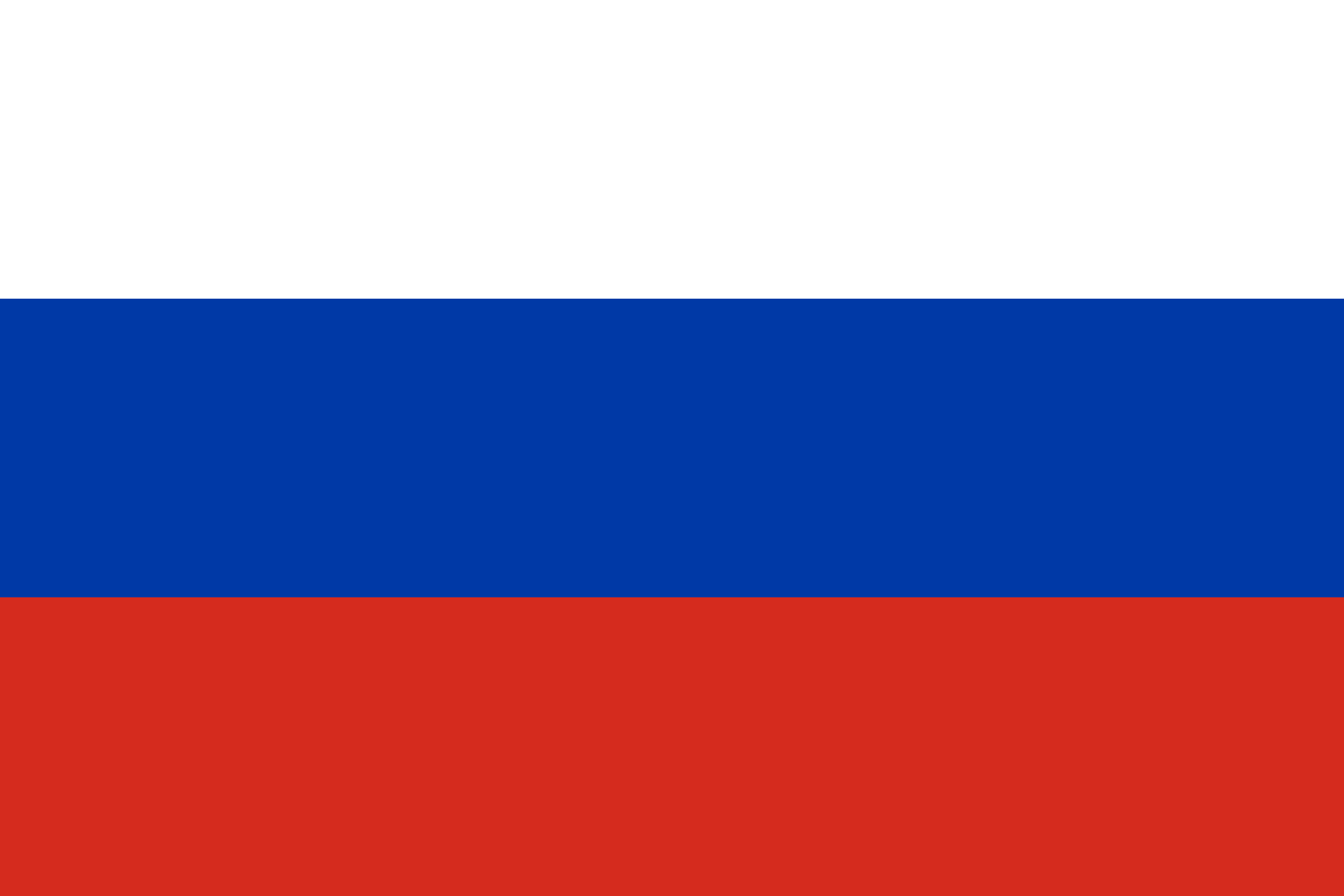
The Russian flag is a horizontal tricolour of white, blue, and red. Introduced by Tsar Peter the Great in the late seventeenth century, inspired by Dutch design, it became a symbol of Russia and later of pan-Slavic identity. Set aside during the Soviet era in favour of the red banner, the white-blue-red tricolour was restored as the national flag when the Soviet Union dissolved in 1991.
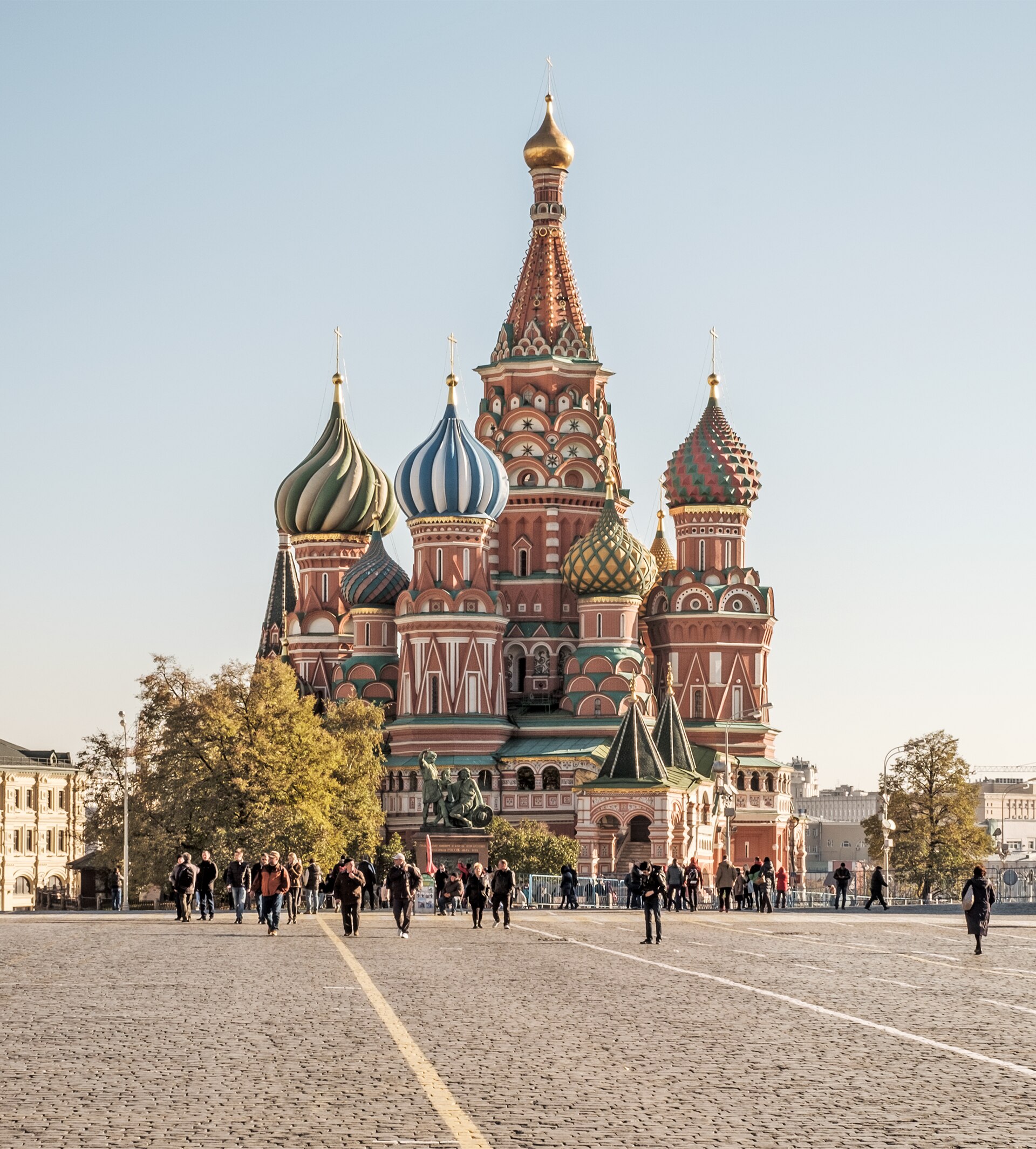
The dominant faith is Russian Orthodox Christianity, adopted by the medieval Rus and deeply entwined with Russian culture and national identity, its onion-domed cathedrals a national symbol. Seven decades of Soviet state atheism suppressed religious practice, but Orthodoxy revived strongly after 1991. Russia is also home to a substantial Muslim minority, concentrated in particular regions, along with Buddhists, Jews, and other communities across its vast territory.
Russian cuisine is shaped by a cold climate and long winters, favouring hearty, warming food that preserves well. Soups are central, above all borscht, the beetroot soup, and cabbage soup. Other staples include blini (thin pancakes), pelmeni (filled dumplings), dark rye bread, buckwheat, and pickled and preserved vegetables. Caviar and smoked fish are prized delicacies, and tea, traditionally brewed strong, along with vodka, are the customary drinks.
Despite its harsh climate, Russia is an agricultural giant, having become the world's largest exporter of wheat. The fertile black-earth steppes of the south produce grain in abundance, along with barley, sunflower seeds for oil, sugar beet, and potatoes. Much of the country is too cold or forested to farm, so agriculture concentrates in the warmer west and south, where it remains a strategically important part of the economy and of global food supply.
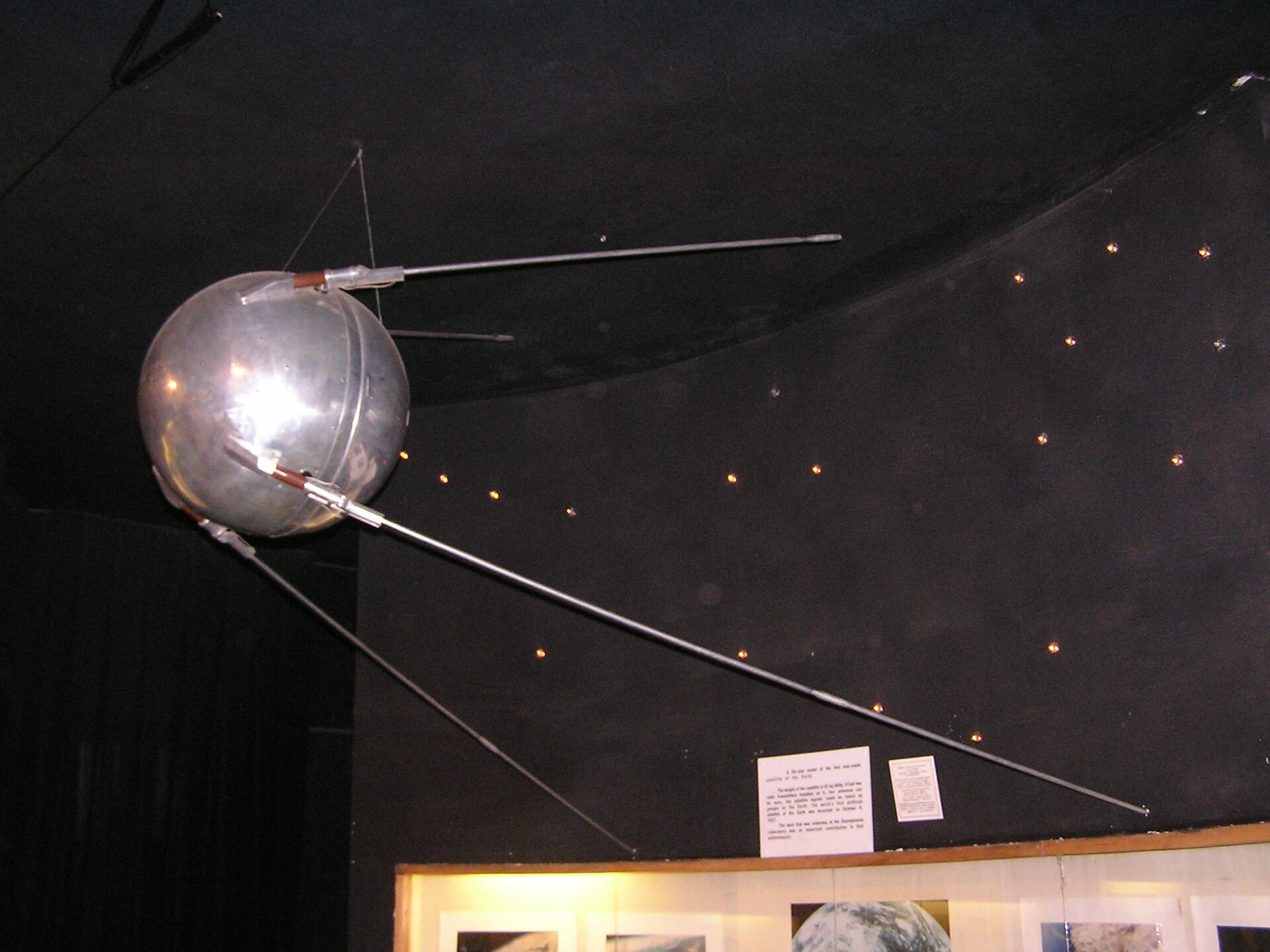
Russia has given the world some of its greatest art and science. Its literature, from Tolstoy and Dostoevsky to Chekhov, ranks among the most influential ever written; its composers, Tchaikovsky, Rachmaninoff, and Stravinsky among them, fill the world's concert halls; and Russian ballet sets a global standard. In science, Russia and the Soviet Union led the early space age, launching the first artificial satellite and sending the first human into orbit.
Russia's recent history is dominated by its confrontation with the West. In 2014 it annexed the Crimean Peninsula from Ukraine, a move that most of the international community does not recognise and regards as a violation of Ukraine's borders, and in 2022 it launched a full-scale invasion of Ukraine, triggering a major war and the heaviest sanctions ever imposed on a large economy. These events, along with disputes over NATO's expansion and Russia's role among its neighbours, are seen very differently inside Russia and abroad, and they continue to define its place in the world.
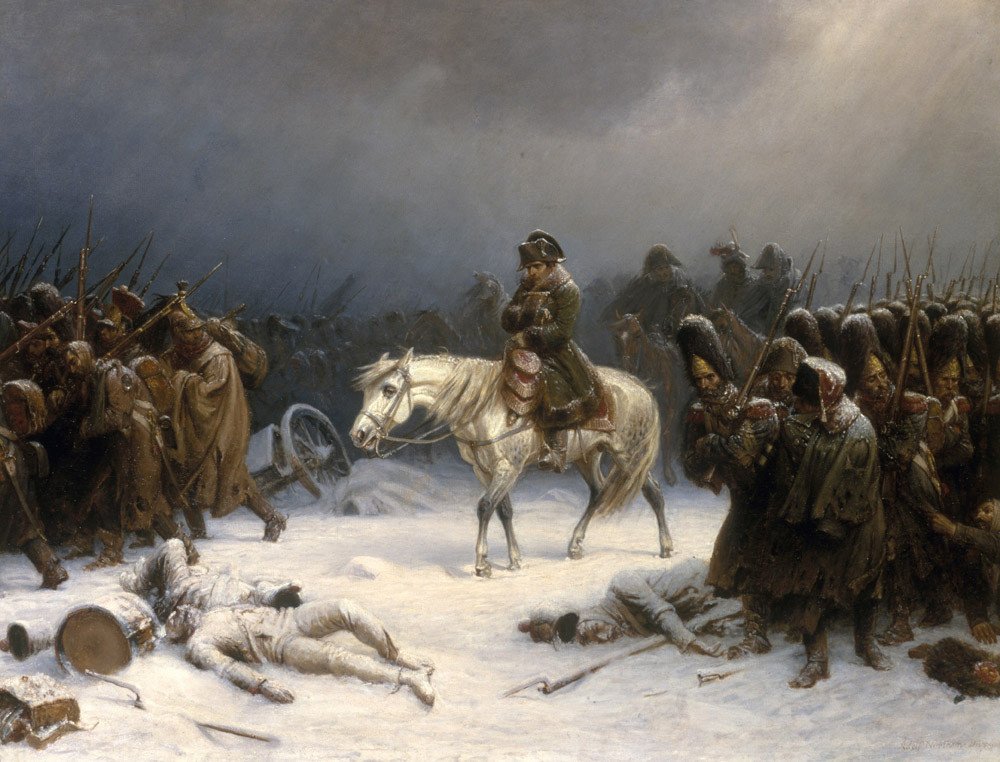
Russia's defeat of Napoleon's invasion in 1812 and its enormous role in defeating Nazi Germany in the Second World War, at the cost of some twenty-seven million lives, are central to its sense of itself. In 1917 the Russian Revolution swept away the monarchy and created the Soviet Union, the world's first communist state and a Cold War superpower that put the first satellite and the first human into space before collapsing in 1991.
Russia has a population of around 144 million people, the most populous country in Europe, though spread thinly across its vast territory and concentrated heavily in the European west, especially around Moscow and Saint Petersburg. Ethnic Russians form the large majority, alongside more than a hundred other peoples with their own languages and traditions. The population has faced long-term decline, a challenge of low birth rates and emigration that weighs on the country's future.